How To Help Christmas Cactus Bloom Naturally During Wisconsin’s Winter Days
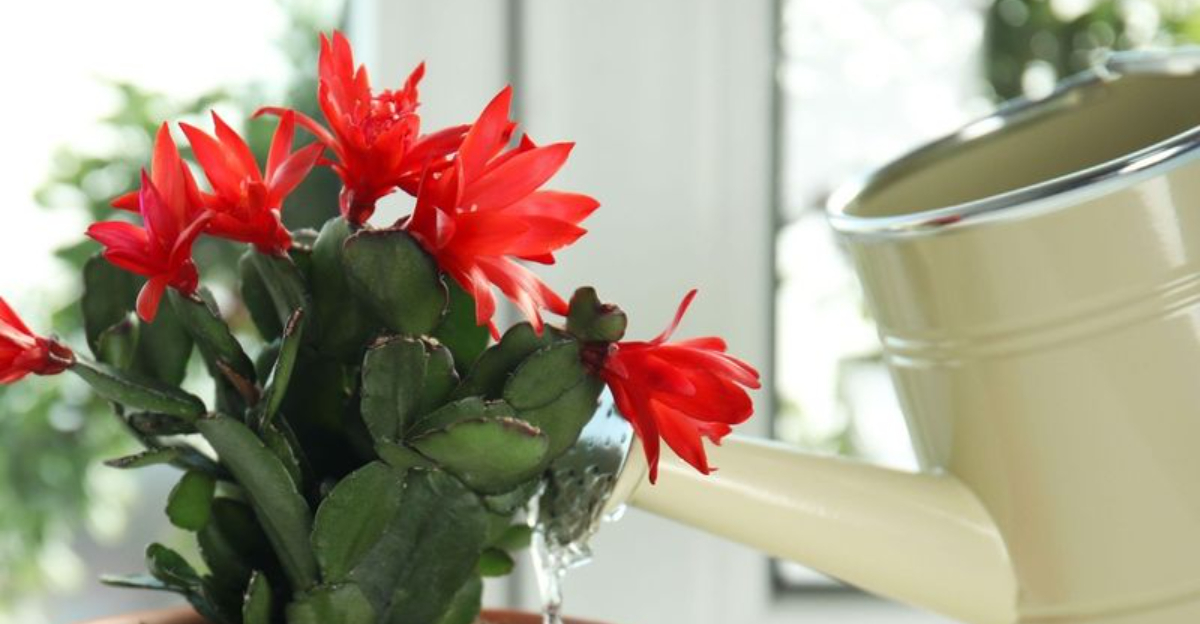
When winter settles into Wisconsin, daylight runs short and houseplants feel the change.
Christmas cactus may look quiet during these darker days, but beneath the surface, it is getting ready for its big moment.
With the right care, this plant can burst into color right when the season needs it most, adding life and warmth to cold indoor spaces.
Christmas cactus marches to the beat of a different drum than most houseplants.
It responds to cooler temperatures, shorter days, and steady routines.
Small changes in light, watering, and placement can tip the scales in your favor.
Miss the signs, and buds may stall or drop before the show begins.
Wisconsin winters may be long, but they offer the perfect setup for natural blooms when conditions line up just right.
By working with the season instead of fighting it, Christmas cactus rewards patience with bright flowers that feel like a win against winter.
A little know-how goes a long way, turning dark days into a colorful payoff that proves good timing makes all the difference.
1. Provide Proper Darkness For Bud Formation
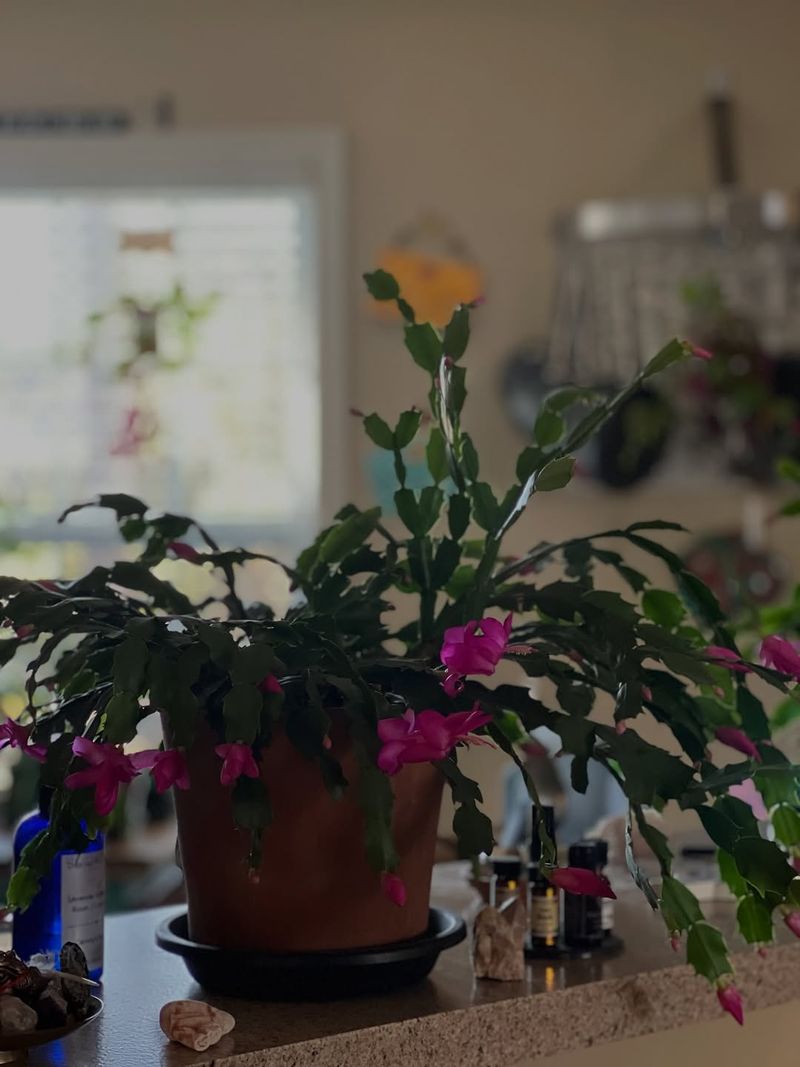
Darkness plays a huge role in convincing your Christmas cactus that it’s time to produce flowers.
In their natural habitat, these plants respond to longer nights as a signal to start blooming.
During Wisconsin’s autumn and early winter, you need to make sure your cactus gets at least 12 to 14 hours of complete darkness each night for about six weeks before you want blooms to appear.
This means keeping your plant away from artificial lights in the evening.
Even a small amount of light from a lamp, television, or streetlight outside can confuse the plant and prevent buds from forming.
Consider moving your Christmas cactus to a spare bedroom, closet, or basement area where it won’t be disturbed by household lighting after sunset.
Starting this darkness routine in late September or early October works perfectly for Wisconsin gardeners who want holiday blooms.
The timing matters because the plant needs several weeks of this light-dark cycle to trigger bud development.
You’ll start seeing tiny buds forming at the tips of the leaves if you’re doing it right.
Once buds appear, you can relax the strict darkness schedule a bit.
The hard work is done, and your plant will continue developing those buds into full flowers.
Just remember that consistency during those critical weeks makes all the difference between a plant covered in blooms and one that stays stubbornly green throughout winter.
2. Maintain Cool Evening Temperatures
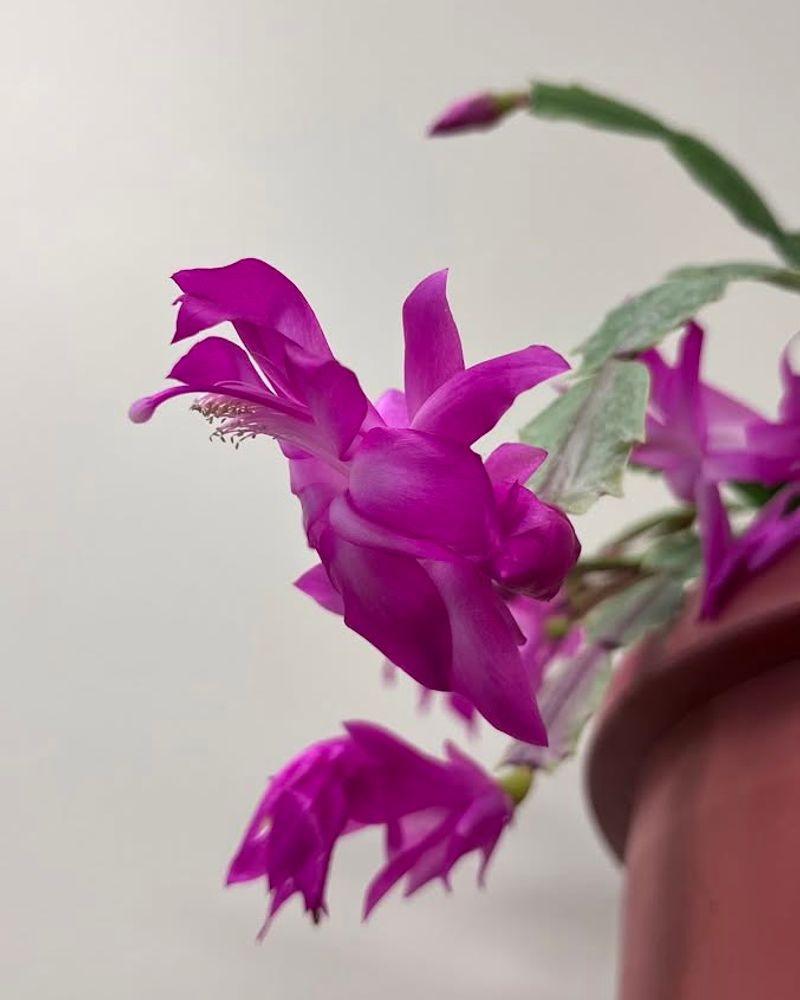
Temperature shifts between day and night actually help trigger blooming in Christmas cacti.
These plants originally come from Brazilian rainforests where temperatures drop noticeably at night.
Lucky for Wisconsin residents, our naturally cool autumn and winter evenings create perfect conditions without much effort.
Your Christmas cactus thrives when nighttime temperatures drop to around 50 to 55 degrees Fahrenheit.
During the day, keeping it between 65 and 70 degrees works wonderfully.
This temperature difference signals to the plant that seasonal changes are happening, which encourages bud formation.
Your Wisconsin Garden Changes Every Week. Your Plan Should Too.
Gardening in Wisconsin changes quickly throughout the season. Every Friday you’ll receive a simple weekly plan showing exactly what to plant, prune, fertilize, harvest, and protect so you never miss the right timing.
Finding the right spot in your Wisconsin home might take some experimenting.
A bedroom that you keep cooler at night, an enclosed porch, or near a window in a room where you lower the thermostat during evening hours all work well.
Just make sure the plant isn’t touching cold glass, which can damage the leaves.
Avoid placing your Christmas cactus near heating vents, radiators, or fireplaces.
These heat sources create inconsistent temperatures that confuse the plant and can cause buds to drop off before opening.
Wisconsin homes tend to be quite warm during winter, so you might need to get creative about finding cooler spots.
Monitor the temperature with a simple thermometer placed near your plant.
This helps you understand exactly what conditions your Christmas cactus experiences throughout the day and night.
Small adjustments based on what you learn can make a significant difference in bloom production.
3. Adjust Watering Schedule Carefully
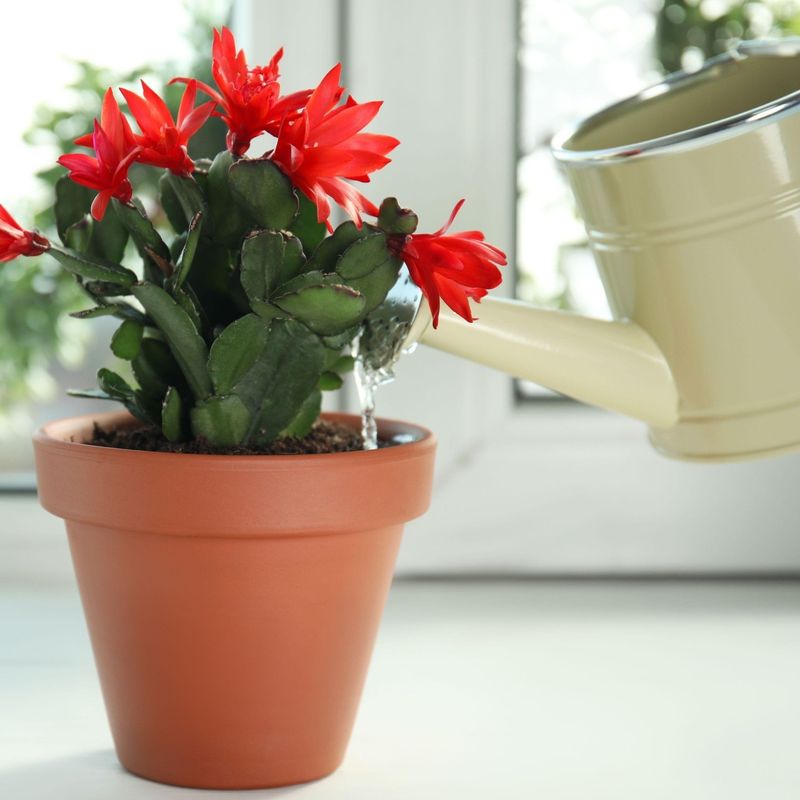
Watering your Christmas cactus correctly during Wisconsin winters requires paying attention to what the plant actually needs rather than following a rigid schedule.
These plants are succulents, which means they store water in their leaves and can handle some dryness.
However, they’re not desert cacti, so they do need regular moisture to bloom well.
During the fall months when you’re encouraging bud formation, reduce watering slightly.
Let the top inch of soil dry out completely between waterings.
This mild stress actually helps trigger blooming because it mimics the drier season these plants experience in nature.
Once buds start forming, increase watering frequency just a bit.
The soil should stay lightly moist but never soggy or waterlogged.
Wisconsin’s dry indoor air during heating season can pull moisture from the soil faster than you might expect, so check your plant every few days.
Water temperature matters more than most people realize.
Room temperature water is best because cold water can shock the roots and cause buds to drop.
Fill your watering can and let it sit for a few hours before using it, which also allows chlorine to evaporate.
Watch for signs that you’re watering too much or too little.
Wrinkled, shriveled leaves mean the plant needs more water, while yellowing or mushy segments indicate overwatering.
Getting this balance right throughout Wisconsin’s long winter helps ensure your Christmas cactus stays healthy and produces abundant blooms.
4. Position Near Bright Indirect Light
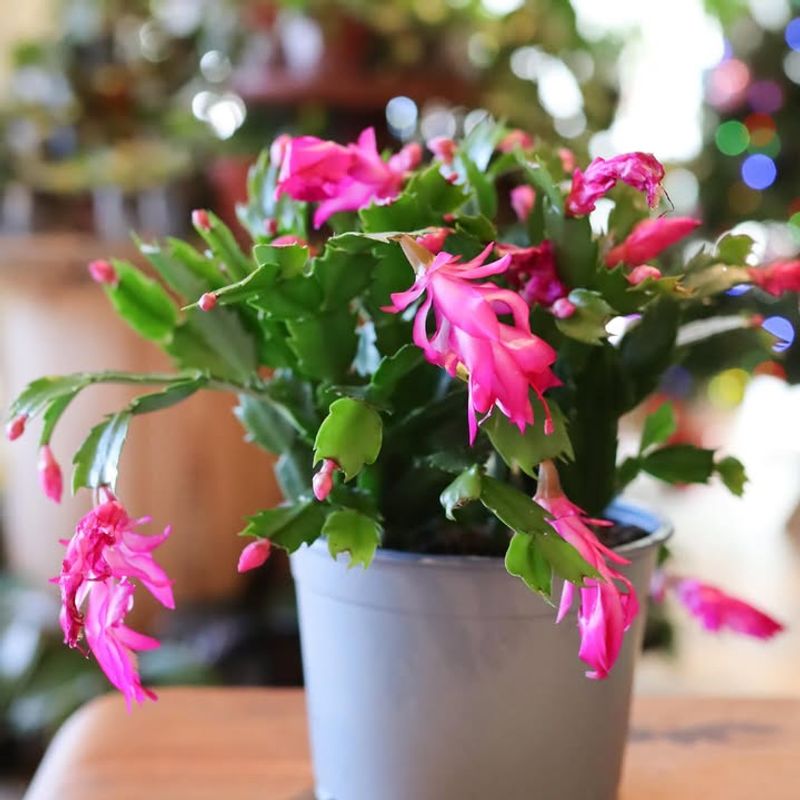
Light exposure during daytime hours is just as important as darkness at night for encouraging your Christmas cactus to bloom.
These plants need plenty of bright light during the day but can’t handle direct sun, which burns their leaves and prevents flowering.
Finding the sweet spot in your Wisconsin home makes a real difference.
East-facing windows work beautifully because they provide gentle morning light without the intense afternoon sun.
North-facing windows also offer consistent, indirect light throughout the day.
If you only have south or west-facing windows, hang a sheer curtain to filter the light and protect your plant from burning.
Wisconsin’s winter days are shorter and often cloudy, which means natural light is limited.
Your Christmas cactus needs about 8 to 10 hours of good daylight to produce energy for blooming.
On particularly gray days, you might consider supplementing with a grow light for a few hours.
Rotate your plant every week or two so all sides receive equal light exposure.
This prevents the cactus from leaning toward the window and ensures even bud development all around the plant.
Balanced growth leads to more flowers covering the entire plant rather than just one side.
Pay attention to how your plant responds to its location.
If the leaves look pale or yellowish, it might need more light.
If they develop red or purple tinges, it’s getting too much direct sun.
Adjusting the position even by a few feet can create the ideal lighting conditions your Christmas cactus needs to bloom naturally.
5. Feed With Balanced Fertilizer
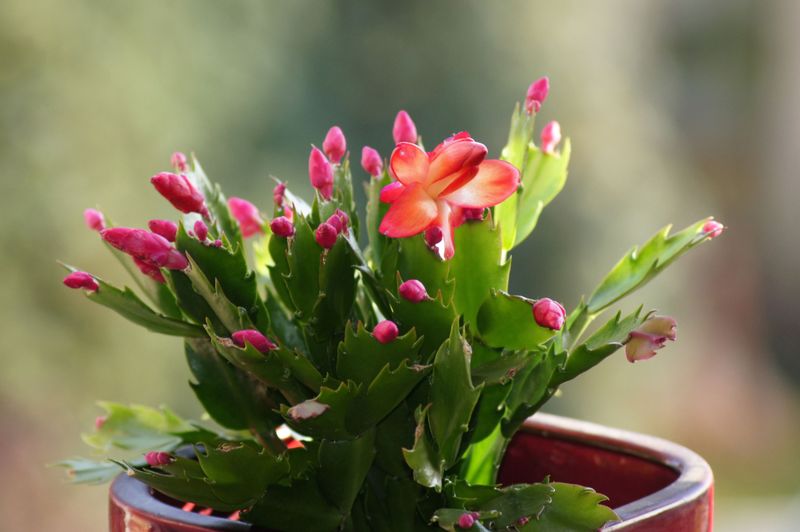
Nutrition plays a supporting role in helping your Christmas cactus produce those stunning winter blooms.
While these plants aren’t heavy feeders, they do need some extra nutrients during their growing season to build up energy reserves for flowering.
Getting the timing and type of fertilizer right matters for Wisconsin gardeners.
Start fertilizing in late spring and continue through early September.
Use a balanced, water-soluble fertilizer diluted to half strength every two to four weeks during this period.
A formula with equal amounts of nitrogen, phosphorus, and potassium, like 20-20-20, works well for general growth.
As autumn approaches and you begin the darkness treatment to encourage blooming, switch to a fertilizer higher in phosphorus.
Phosphorus supports flower development, so a formula like 10-30-10 used once or twice in early fall can boost bud formation.
Wisconsin’s shorter days in September and October are the perfect time for this transition.
Stop fertilizing completely once buds appear on your plant.
Continuing to feed during blooming can actually cause the buds to drop off before they open into flowers.
The plant has stored enough energy by this point and needs to focus on producing blooms rather than new growth.
Resume regular feeding after the flowers fade in late winter or early spring.
This helps the plant recover from blooming and prepare for another growing season.
Remember that over-fertilizing causes more problems than under-fertilizing, so when in doubt, use less rather than more throughout the year.
6. Avoid Moving The Plant During Bud Development
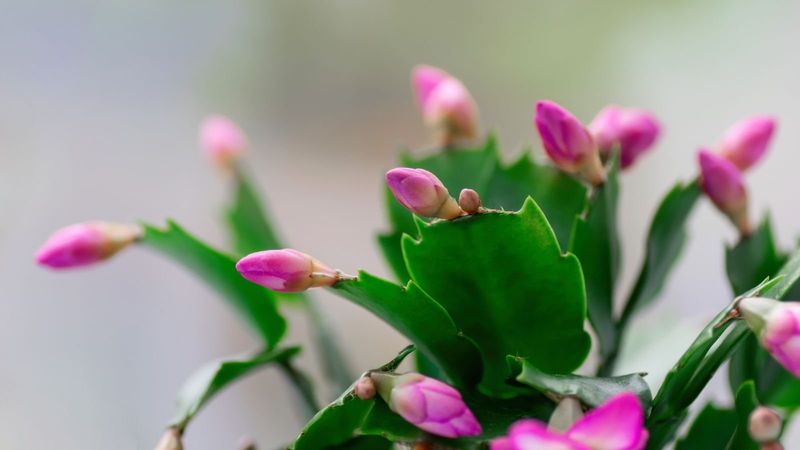
Stability matters tremendously once your Christmas cactus starts forming buds.
These plants can be surprisingly sensitive to changes in their environment during the critical blooming period.
Moving your cactus around, even just turning it to different angles, can cause buds to drop off before they ever open into flowers.
Once you notice tiny buds forming at the tips of the leaves, resist the temptation to relocate the plant.
Even moving it from one room to another exposes it to different temperatures, humidity levels, and light conditions.
These changes stress the plant and signal that maybe it’s not the right time to bloom after all.
Wisconsin homes can have significant temperature and humidity variations between rooms, especially during winter when heating systems are running constantly.
What seems like a small move to you represents a major environmental shift to your Christmas cactus.
The plant responds by dropping buds to conserve energy.
If you absolutely must move your plant during bud development, do it as carefully as possible.
Try to match the light and temperature conditions of the new location to the old one.
Move it during the warmest part of the day to minimize temperature shock, and avoid jostling or bumping the plant.
This advice continues even after buds start opening into flowers.
Keep your Christmas cactus in its chosen spot throughout the entire blooming period.
You’ll be rewarded with flowers that last for several weeks, bringing bright color to your Wisconsin home during the darkest months of the year.
7. Maintain Adequate Humidity Levels
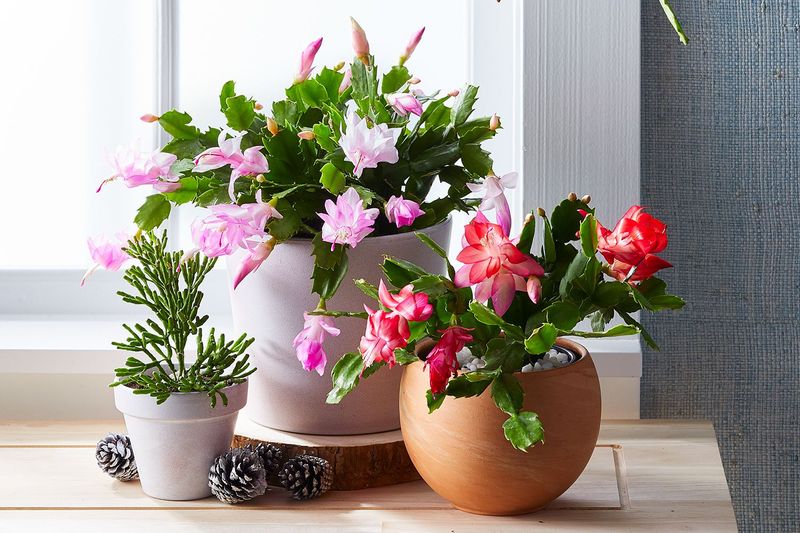
Humidity becomes especially important for Christmas cacti during Wisconsin winters when indoor air turns desert-dry from constant heating.
These tropical plants naturally grow in humid environments, and while they can tolerate average household humidity, they bloom much better when moisture levels stay consistent.
Wisconsin’s winter air can drop to 20 or 30 percent humidity indoors, which is far too dry for optimal Christmas cactus health.
The plant struggles to move nutrients through its system and may drop buds or produce smaller flowers when the air lacks moisture.
Aim for humidity levels around 50 to 60 percent near your plant.
Creating a humidity tray is one of the easiest solutions for Wisconsin homes.
Fill a shallow tray with pebbles or gravel, add water until it reaches just below the top of the stones, and set your potted Christmas cactus on top.
As the water evaporates, it creates a more humid microclimate around the plant without waterlogging the roots.
Grouping several houseplants together also increases humidity through their combined transpiration.
The plants essentially create their own little humid zone, which benefits all of them during dry winter months.
This strategy works particularly well in Wisconsin homes where multiple rooms might have plants.
Misting your Christmas cactus occasionally can help, but it’s not a complete solution since the moisture evaporates quickly.
A small humidifier placed near your plants provides more consistent results if you have several houseplants or if your home is particularly dry.
Monitoring humidity with an inexpensive hygrometer helps you understand what your plant experiences and adjust accordingly.