7 Trees Colorado Homeowners Must Take Down To Avoid Fines
Colorado yards often feature towering trees that frame mountain views and boost property value, yet some trees can turn from asset to liability faster than expected.
A sick trunk, an invasive species, or a tree planted in the wrong spot can land homeowners in hot water.
Local rules carry real weight, and ignoring them can cost more than just peace of mind.
As the saying goes, an ounce of prevention beats a pound of cure.
Cities and counties across Colorado enforce strict ordinances to protect public safety, infrastructure, and native ecosystems.
Trees that threaten power lines, sidewalks, roads, or neighboring properties rarely earn a free pass.
Invasive or hazardous species also draw scrutiny, especially when they crowd out native growth or raise wildfire risk.
What looks harmless in a backyard can trigger fines once officials take notice.
Colorado’s climate adds another layer of urgency.
Heavy snow, high winds, and dry summers put stress on weak or poorly placed trees.
When branches fail or roots lift pavement, responsibility lands squarely on the homeowner.
With the right action at the right time, homeowners can stay on the right side of the law, protect their property, and keep landscapes safe, compliant, and built to last.
1. Russian Olive Trees
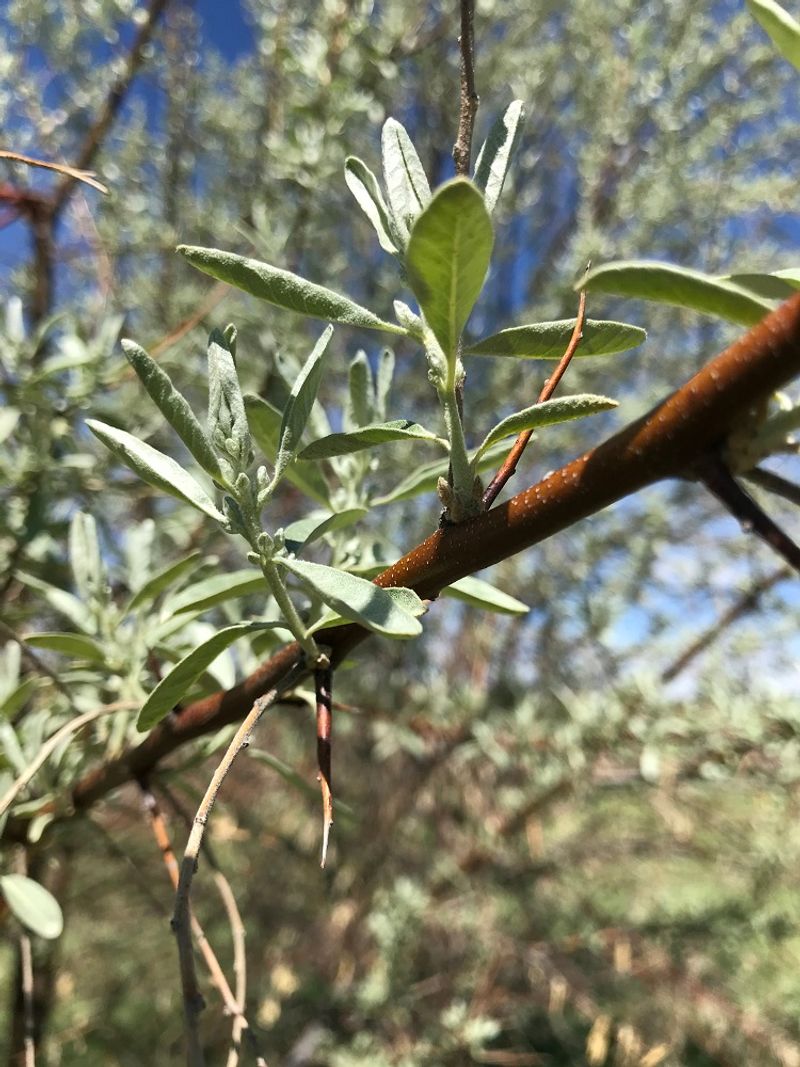
Russian olive trees once seemed like a great choice for Colorado landscapes because they tolerate drought and poor soil.
However, these trees spread aggressively along waterways and crowd out native vegetation that wildlife depends on.
Many Colorado counties now classify them as noxious weeds, requiring property owners to remove them completely.
The silvery leaves and thorny branches make these trees easy to identify in your yard.
Failure to remove Russian olive trees can result in fines ranging from $100 to $1,000 per day in some jurisdictions.
Local weed control boards actively monitor properties and send violation notices to homeowners.
Removal requires cutting the tree and treating the stump with herbicide to prevent regrowth.
Professional tree services familiar with invasive species removal can handle this task efficiently.
Some counties offer cost-share programs to help homeowners cover removal expenses.
Check with your local extension office to learn about available assistance programs.
Once removed, replace these problem trees with native species like cottonwoods or willows that support local ecosystems.
Taking action now prevents future legal headaches and protects Colorado’s natural habitats.
2. Siberian Elm Trees
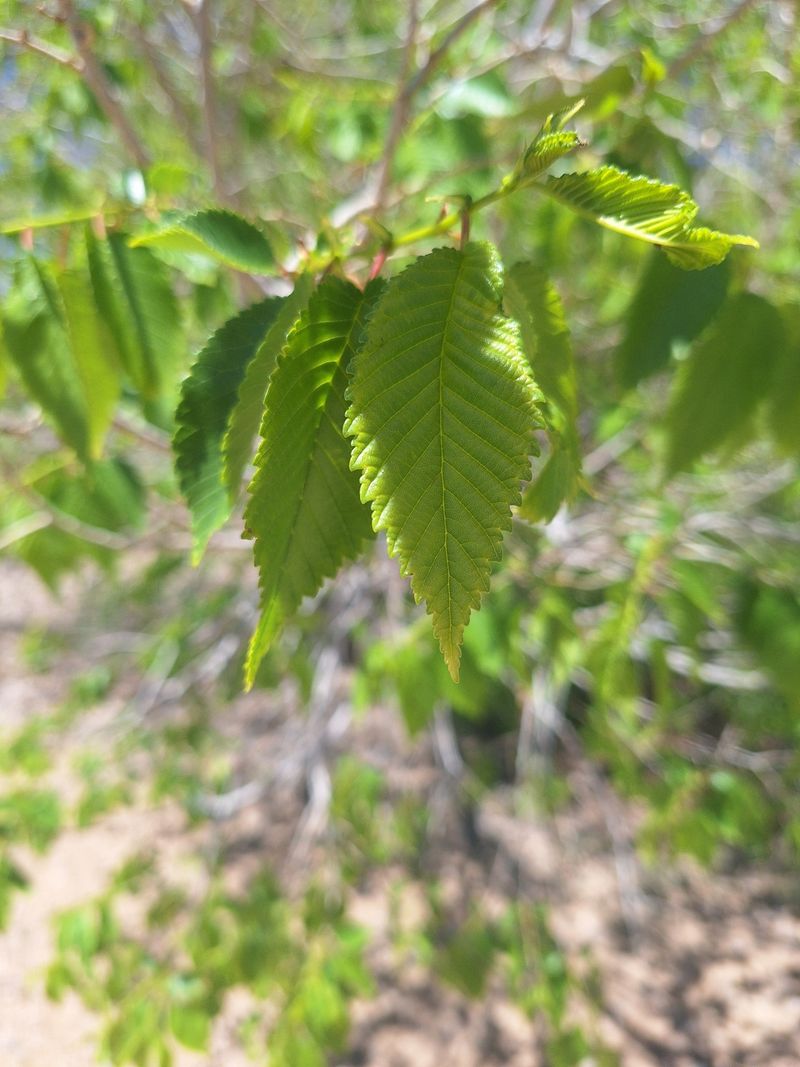
Siberian elms earned their reputation as one of Colorado’s most problematic trees due to their weak wood and aggressive growth.
These trees drop branches constantly, creating hazards for power lines, roofs, and pedestrians below.
Many municipalities require removal when they pose clear dangers to public infrastructure or neighboring properties.
The brittle branches break easily during Colorado’s frequent windstorms and heavy snow events.
Property owners can face liability claims if falling limbs cause damage or injury to others.
Some cities have specific ordinances targeting hazardous trees, with Siberian elms frequently cited.
Homeowners receive notices demanding removal within 30 to 90 days, depending on local regulations.
Ignoring these notices leads to fines that increase daily until compliance occurs.
Your Colorado Garden Changes Every Week. Your Plan Should Too.
Gardening in Colorado changes quickly throughout the season. Every Friday you’ll receive a simple weekly plan showing exactly what to plant, prune, fertilize, harvest, and protect so you never miss the right timing.
In extreme cases, municipalities may remove the tree themselves and bill the property owner at premium rates.
Beyond legal issues, these trees spread rapidly through root suckers and seeds, taking over yards and gardens.
Removing Siberian elms improves property safety and eliminates ongoing maintenance headaches.
Consider planting hardier native species that withstand Colorado weather without constant breakage.
3. Trees Infected With Emerald Ash Borer
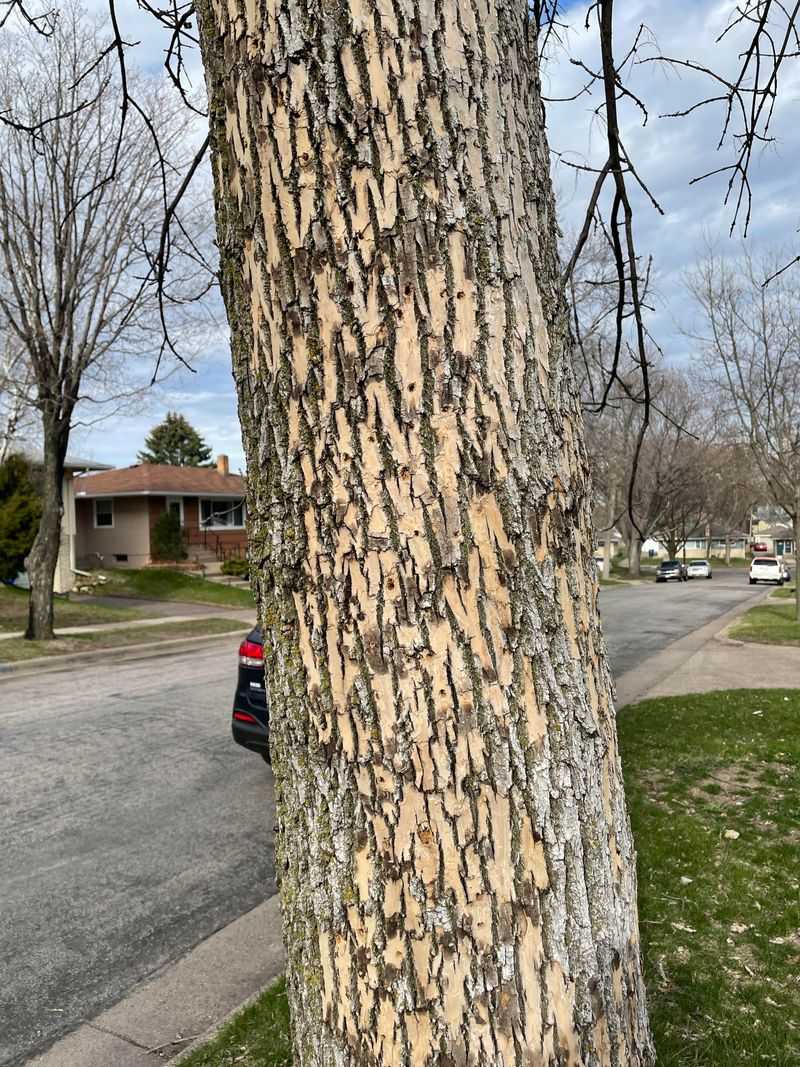
Emerald ash borer beetles have devastated ash tree populations across North America, and Colorado is no exception.
These invasive insects tunnel under bark, disrupting the tree’s ability to transport water and nutrients.
Infested trees decline rapidly and become hazardous as their structural integrity weakens.
Colorado law requires property owners to remove infested ash trees in quarantine zones to prevent beetle spread.
Signs of infestation include D-shaped exit holes, canopy thinning, and increased woodpecker activity.
Once beetles establish themselves, treatment options become limited and expensive.
Municipalities actively monitor ash trees and issue removal orders when infestations are confirmed.
Homeowners who delay removal face escalating fines and potential legal action.
The longer an infested tree remains standing, the more beetles emerge to attack nearby healthy ash trees.
Removal must be done carefully to avoid spreading beetles through firewood or wood chips.
Certified arborists understand proper disposal methods and can ensure compliance with quarantine regulations.
After removal, consider planting diverse tree species to reduce vulnerability to future pest outbreaks.
Protecting Colorado’s urban forest requires quick action when infestations are detected.
4. Trees Blocking Public Right-of-Way
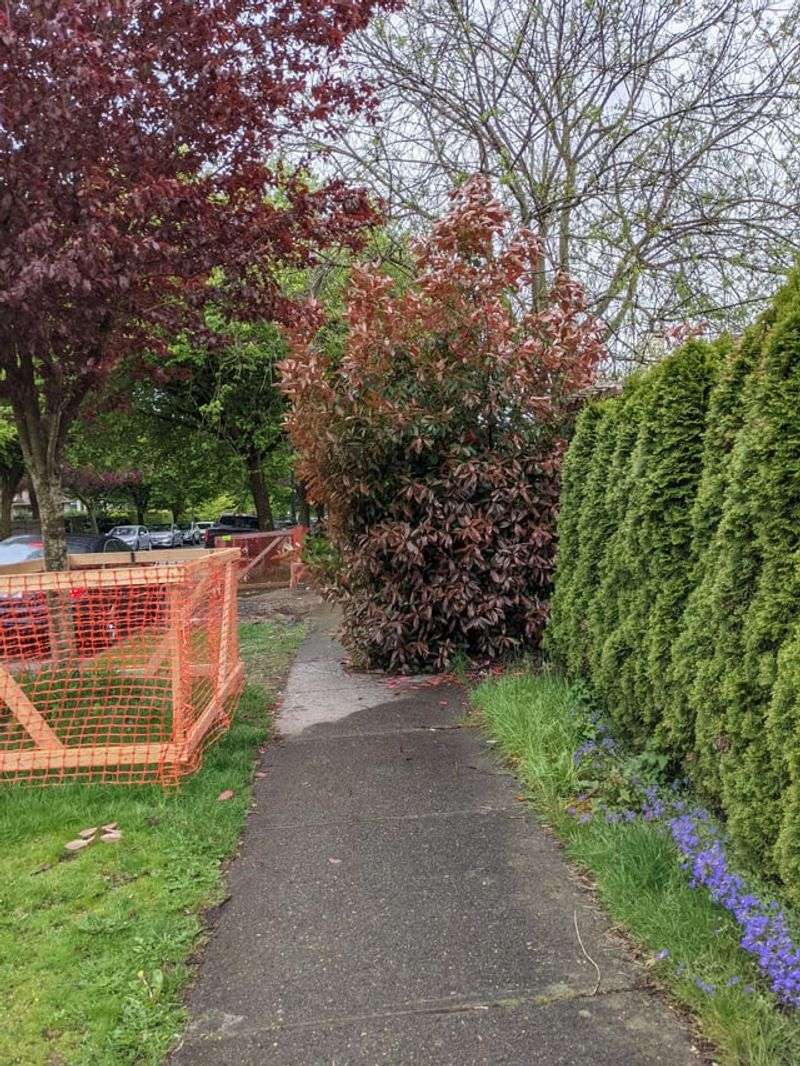
Colorado municipalities maintain strict clearance requirements for trees near sidewalks, streets, and public pathways.
Branches hanging too low create hazards for pedestrians, cyclists, and vehicles passing through.
Most cities require at least eight feet of clearance over sidewalks and fourteen feet over streets.
When trees cannot be pruned to meet these standards, removal becomes mandatory.
Property owners receive violation notices specifying the clearance issue and a deadline for correction.
Failure to comply results in fines starting around $50 and increasing with each day of non-compliance.
In some cases, the city will perform the work and bill the homeowner at inflated rates.
Trees planted too close to public infrastructure often grow into power lines, streetlights, or traffic signals.
Utility companies may demand removal when trees threaten service reliability or safety.
Beyond legal requirements, maintaining proper clearance prevents accidents and liability claims.
Before planting new trees, research mature sizes and proper placement distances from public areas.
Regular pruning can extend a tree’s life, but sometimes removal and replanting in a better location makes more sense.
Consult your local code enforcement office to understand specific clearance requirements in your area.
5. Trees With Advanced Disease Or Structural Damage
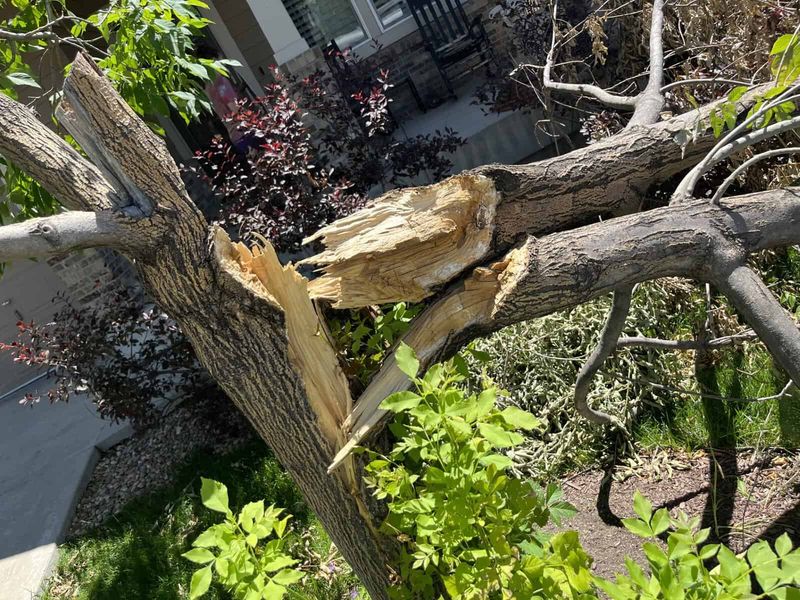
Advanced disease or structural damage transforms once-healthy trees into serious safety hazards.
Cavities, cracks, severe lean, or extensive decay compromise a tree’s ability to stand upright.
Colorado homeowners are legally responsible for maintaining trees in a safe condition.
When a tree poses imminent danger to people or property, municipalities can order immediate removal.
Common diseases like Dutch elm disease, fire blight, or root rot can progress beyond treatment options.
Arborists assess tree health and structural integrity to determine if removal is necessary.
Homeowners who ignore obvious hazards face liability if the tree causes damage or injury.
Insurance companies may deny claims if negligence in tree maintenance is proven.
City inspectors can condemn hazardous trees and require removal within very short timeframes.
Fines for non-compliance often start at $100 per day and escalate quickly.
In emergency situations, municipalities may remove the tree immediately and bill the property owner.
Regular tree inspections by certified arborists help identify problems before they become legal issues.
Proactive removal of declining trees prevents emergency situations and protects your property value.
Replacement with healthy, appropriate species restores your landscape’s beauty and function.
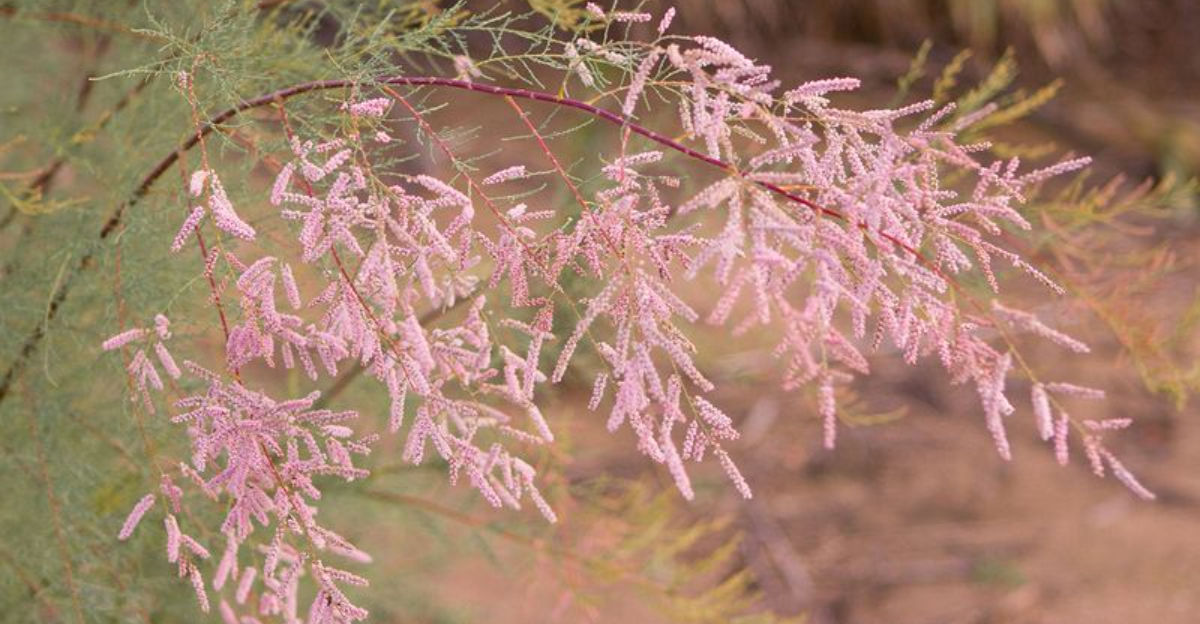
6. Salt Cedar (Tamarisk) Trees
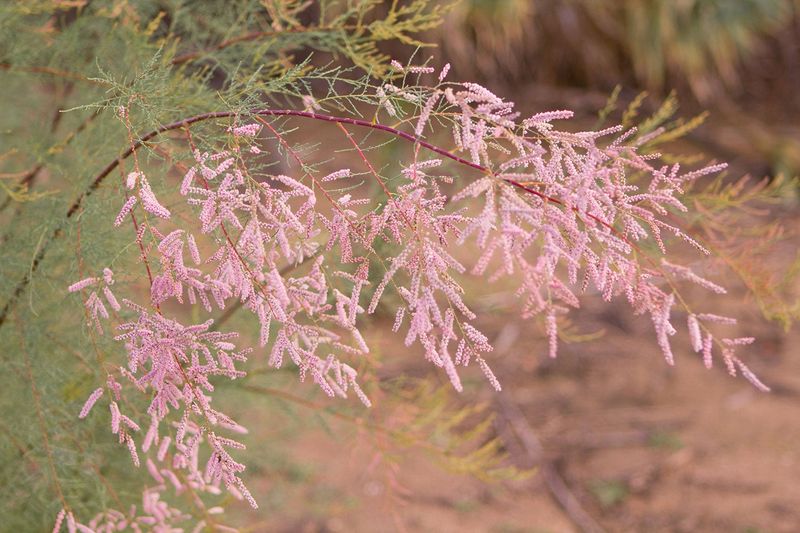
Salt cedar, also known as tamarisk, ranks among Colorado’s most destructive invasive plants.
These trees consume enormous amounts of water, lowering water tables and harming native riparian ecosystems.
Their deep roots tap into groundwater that native plants and wildlife need to survive.
Colorado designates tamarisk as a noxious weed in many counties, making removal mandatory for property owners.
The feathery pink flowers and small scale-like leaves help identify these problematic trees.
Tamarisk forms dense thickets that crowd out cottonwoods, willows, and other native vegetation.
County weed control boards actively enforce removal requirements and issue citations for non-compliance.
Fines vary by jurisdiction but can reach several hundred dollars per day until removal is complete.
Removal requires cutting the tree and applying herbicide to prevent the vigorous resprouting these plants are known for.
Some areas offer grants or technical assistance to help landowners tackle large infestations.
After removal, revegetation with native species helps restore natural ecosystem functions.
Contact your local conservation district for guidance on proper removal techniques and replacement options.
Eliminating salt cedar protects Colorado’s precious water resources and supports healthier riparian habitats.
7. Trees Violating HOA Covenants Or Local Ordinances
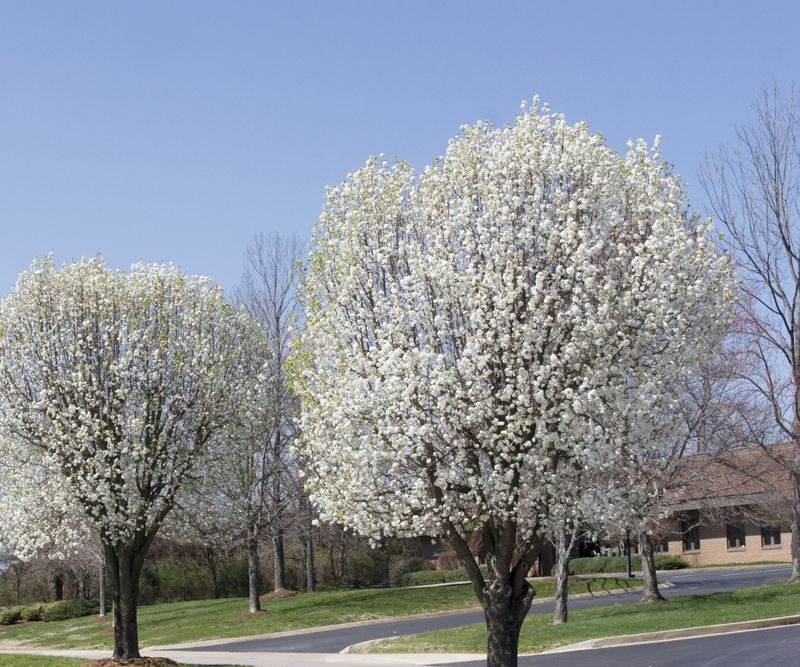
Homeowners associations and local ordinances often include specific rules about tree types, sizes, and locations.
These regulations aim to maintain property values, preserve views, and prevent future problems.
Common violations include trees exceeding height limits, blocking neighbor’s views, or planted in restricted setback areas.
HOAs typically send violation notices requiring correction within 30 to 60 days.
Continued non-compliance leads to fines that accumulate monthly, sometimes reaching thousands of dollars.
In extreme cases, HOAs can place liens on properties or take legal action to force compliance.
Local ordinances may prohibit certain tree species known to cause infrastructure damage or create maintenance issues.
Code enforcement officers respond to complaints and conduct inspections to verify violations.
Municipal fines for ordinance violations start small but increase substantially with repeated offenses.
Before planting any tree, review your HOA covenants and local regulations carefully.
Some communities require approval before planting trees in front yards or near property lines.
If you inherit a violation from a previous owner, address it promptly to avoid escalating penalties.
Working cooperatively with your HOA or city often results in reasonable timelines and sometimes financial assistance for removal.