10 Plants You Should Grow By A Bird Feeder In Wisconsin
A bird feeder brings color and motion to a Wisconsin yard, but the right plants turn quick visits into daily routines.
When shrubs, flowers, and grasses work alongside a feeder, birds find shelter, natural food, and safe places to rest.
As the saying goes, set the table well and guests stay awhile.
Wisconsin’s long winters and short summers demand tough, dependable plants.
Native choices stand up to cold, recover fast in spring, and support local bird species year after year.
Berry-producing shrubs extend food supplies beyond seed alone, while sturdy perches offer protection from wind and predators.
When plants and feeders work in harmony, birds gain confidence and return often.
Thoughtful planting also keeps yards lively through every season.
Leaves, branches, and seed heads add structure even when snow covers the ground. In warmer months, flowers attract insects that provide extra protein for young birds.
A balanced mix of hardy plants creates a setting that feels natural rather than staged.
With the right choices in place, a simple feeder becomes part of a welcoming habitat, and a Wisconsin backyard turns into a dependable stop for birds through changing weather and shifting seasons.
1. Purple Coneflower
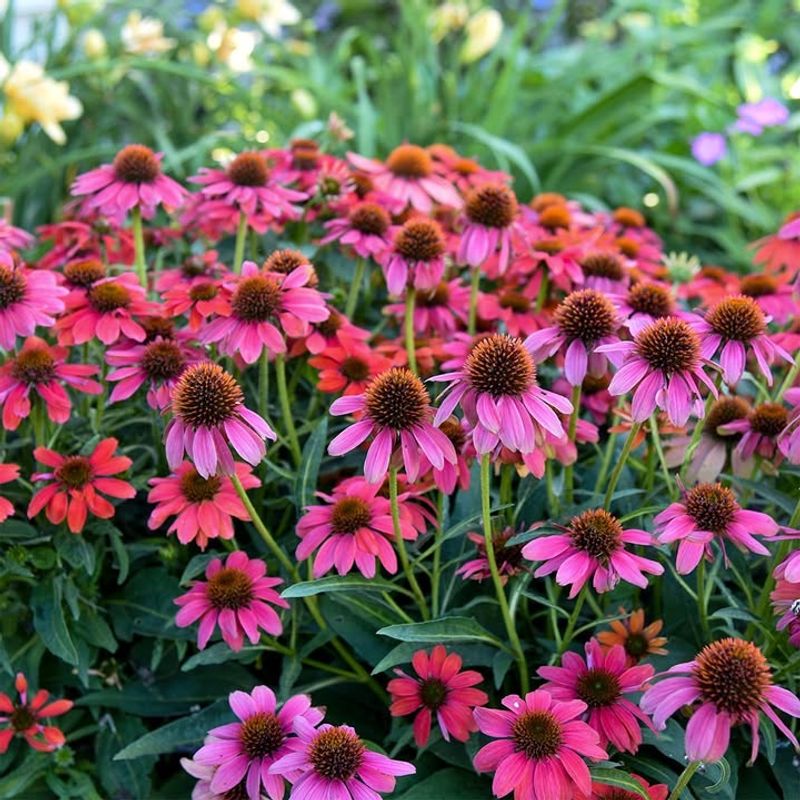
Goldfinches absolutely adore the seeds from purple coneflowers, especially during late summer and fall when the blooms fade into spiky seed heads.
This tough native perennial thrives in Wisconsin’s climate without much fussing.
Once established, it tolerates drought remarkably well and comes back stronger each year.
The vibrant pink-purple blooms attract butterflies and bees during summer, then transform into natural bird feeders as seeds ripen.
Watching goldfinches cling to the dried flower heads provides endless entertainment from your window.
Plant purple coneflowers in full sun about two feet apart for best results.
They grow between two and four feet tall, creating a colorful backdrop near your feeding station.
These flowers require minimal maintenance beyond occasional watering during extreme dry spells.
Leave the seed heads standing through winter instead of cutting them back.
Birds will continue visiting them for food even after snow arrives.
Many Wisconsin gardeners consider this plant essential because it bridges the gap between human-provided seeds and natural food sources.
Purple coneflowers also add gorgeous color to your yard while supporting local wildlife populations throughout multiple seasons.
2. Black-Eyed Susan
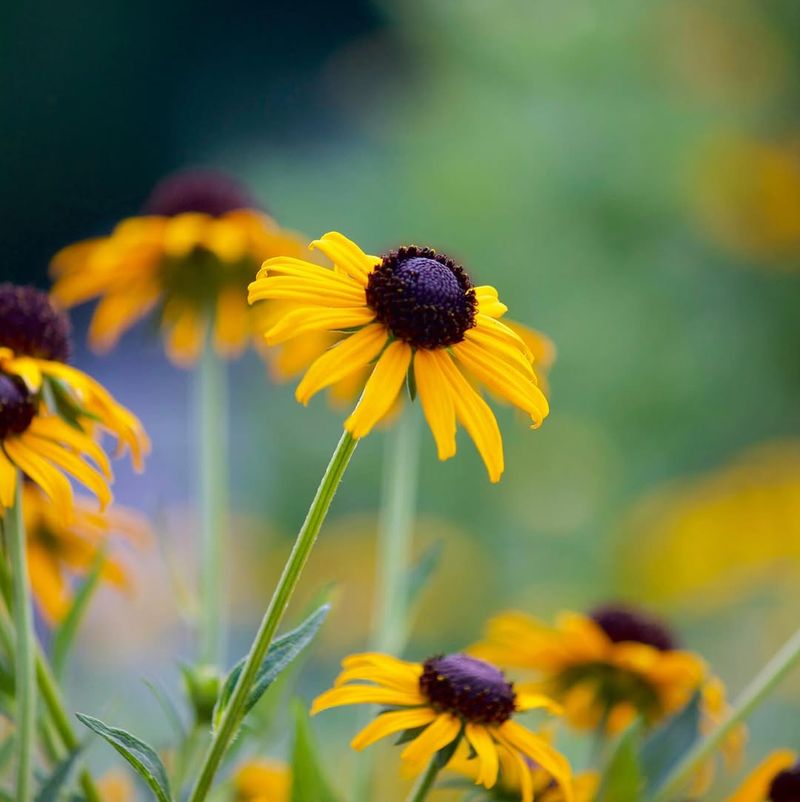
Cheerful yellow petals surrounding dark centers make black-eyed Susans impossible to miss in any garden setting.
Cardinals, chickadees, and sparrows flock to these native beauties when seeds mature in autumn.
Wisconsin’s prairies originally teemed with these wildflowers before settlement, and they remain perfectly adapted to local conditions.
Black-eyed Susans tolerate various soil types, from clay to sandy loam, making them forgiving for novice gardeners.
They bloom prolifically from June through September, providing months of visual appeal.
Once flowers fade, the seed heads become miniature buffets for small songbirds.
Plant them in full sun where they receive at least six hours of direct light daily.
These perennials spread gradually through self-seeding, creating natural drifts over time.
Space plants about eighteen inches apart initially.
Your Wisconsin Garden Changes Every Week. Your Plan Should Too.
Gardening in Wisconsin changes quickly throughout the season. Every Friday you’ll receive a simple weekly plan showing exactly what to plant, prune, fertilize, harvest, and protect so you never miss the right timing.
Water regularly during the first growing season to establish strong roots.
After that, they need little attention beyond occasional deadheading if you prefer prolonged blooming.
Leaving some seed heads intact ensures winter food for birds while allowing natural reseeding for next year.
Black-eyed Susans pair beautifully with other prairie plants near feeders, creating a layered habitat that feels wild yet intentional.
3. Serviceberry Shrub
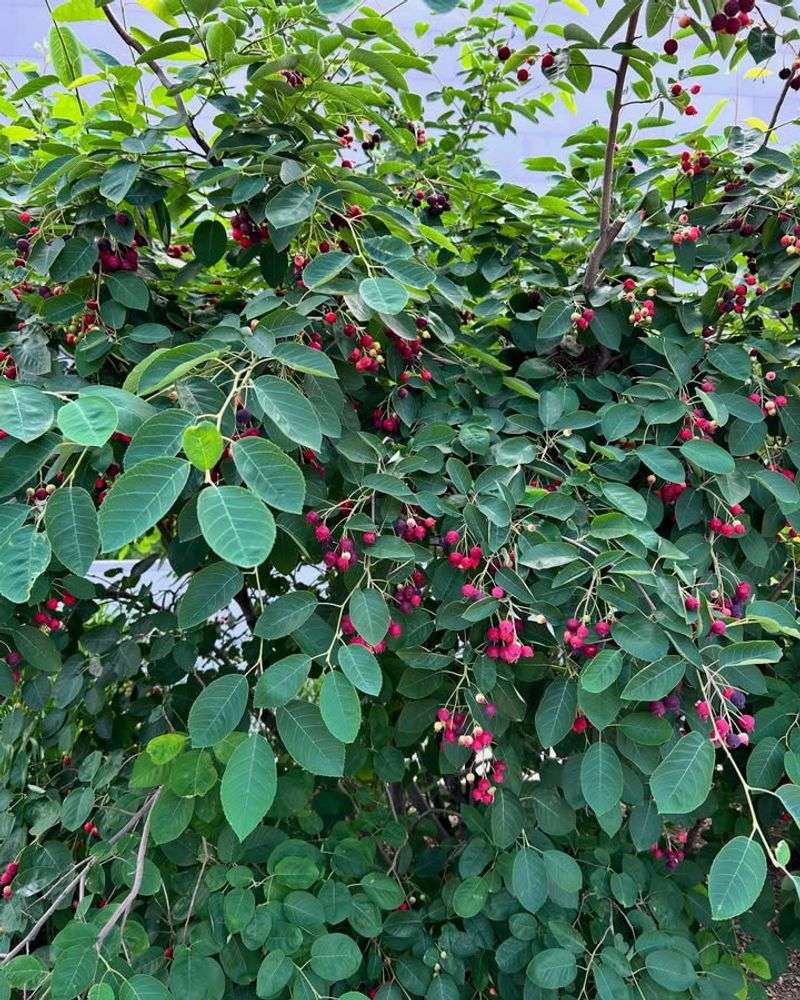
Few shrubs match the year-round value that serviceberry brings to Wisconsin bird gardens.
Delicate white flowers appear in early spring, often before leaves fully emerge, signaling warmer days ahead.
By early summer, dark purple berries ripen and vanish quickly as robins, waxwings, and orioles devour them eagerly.
This native shrub adapts to partial shade or full sun, making it versatile for different yard situations.
Serviceberry typically reaches eight to fifteen feet tall, creating excellent cover near feeding stations.
Birds use dense branches for shelter during storms and as safe perches while waiting their turn at feeders.
Plant serviceberry in well-drained soil amended with compost for best growth.
Water deeply during dry periods, especially when establishing young plants.
The shrub requires minimal pruning, though you can shape it lightly after flowering finishes.
Brilliant orange and red fall foliage adds another season of beauty to your landscape.
Many Wisconsin gardeners appreciate how serviceberry provides food during critical migration periods when birds need high-energy fuel.
The berries taste pleasant to humans too, so you might compete with birds for the harvest.
This multi-season performer truly earns its place beside any bird feeder setup.
4. Red Osier Dogwood
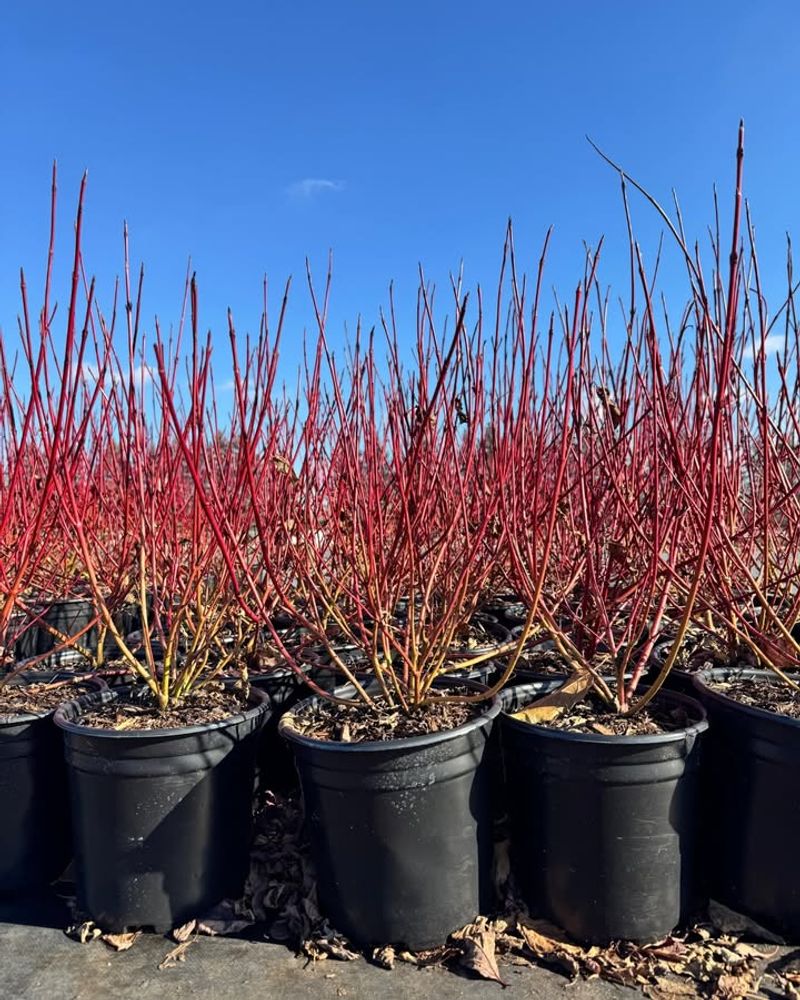
Brilliant red stems create stunning winter interest when most other plants fade into browns and grays.
Red osier dogwood thrives in Wisconsin’s moist areas, tolerating wet soil that challenges many other shrubs.
White berries appear in late summer, attracting woodpeckers, thrushes, and waxwings before autumn arrives.
This native shrub grows rapidly, reaching six to nine feet tall with an equal spread.
Dense branching provides excellent shelter for birds during harsh Wisconsin winters.
Small birds often roost inside the protective thicket overnight, staying warmer than exposed perches would allow.
Plant red osier dogwood in full sun to partial shade.
It prefers consistently moist soil but adapts to average garden conditions once established.
Space multiple shrubs about four feet apart for an effective screen near feeders.
The colorful stems shine brightest on young growth, so prune older branches every few years.
Cut about one-third of the oldest stems to ground level in early spring.
This encourages fresh red shoots that glow against snow-covered landscapes.
Clusters of creamy white flowers bloom in late spring, adding subtle beauty before berries develop.
Red osier dogwood combines practical benefits with ornamental appeal, making it invaluable for Wisconsin bird enthusiasts seeking year-round garden interest.
5. Wild Bergamot
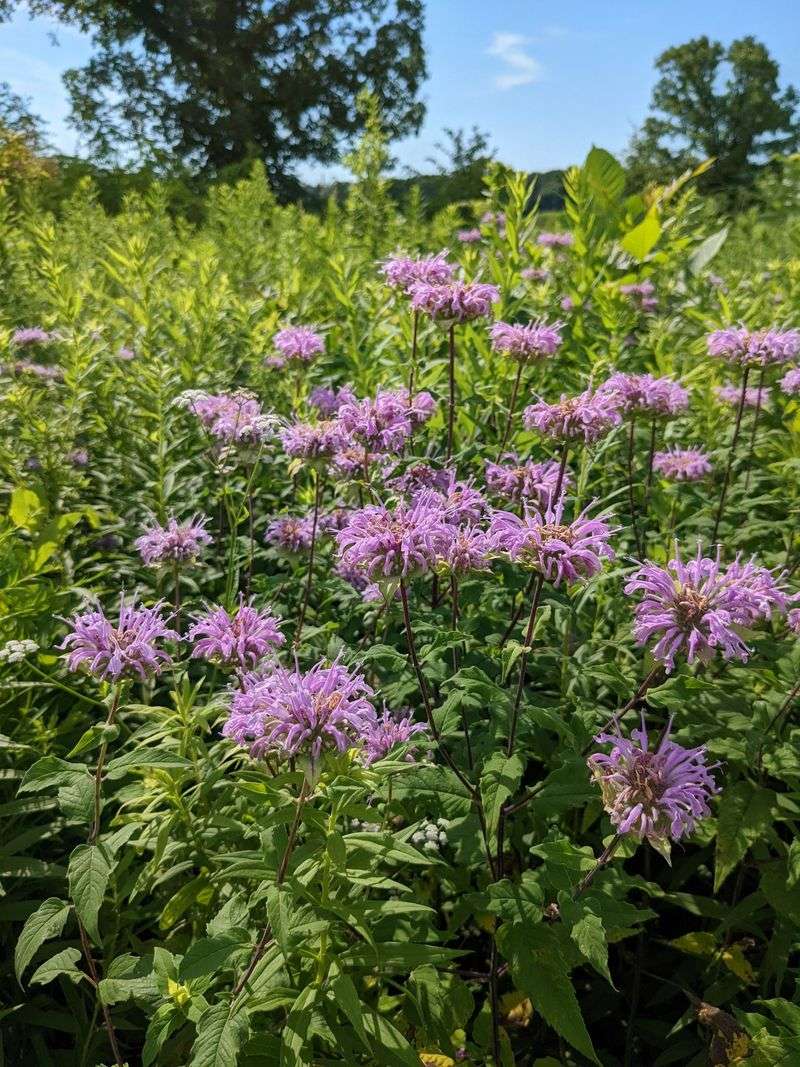
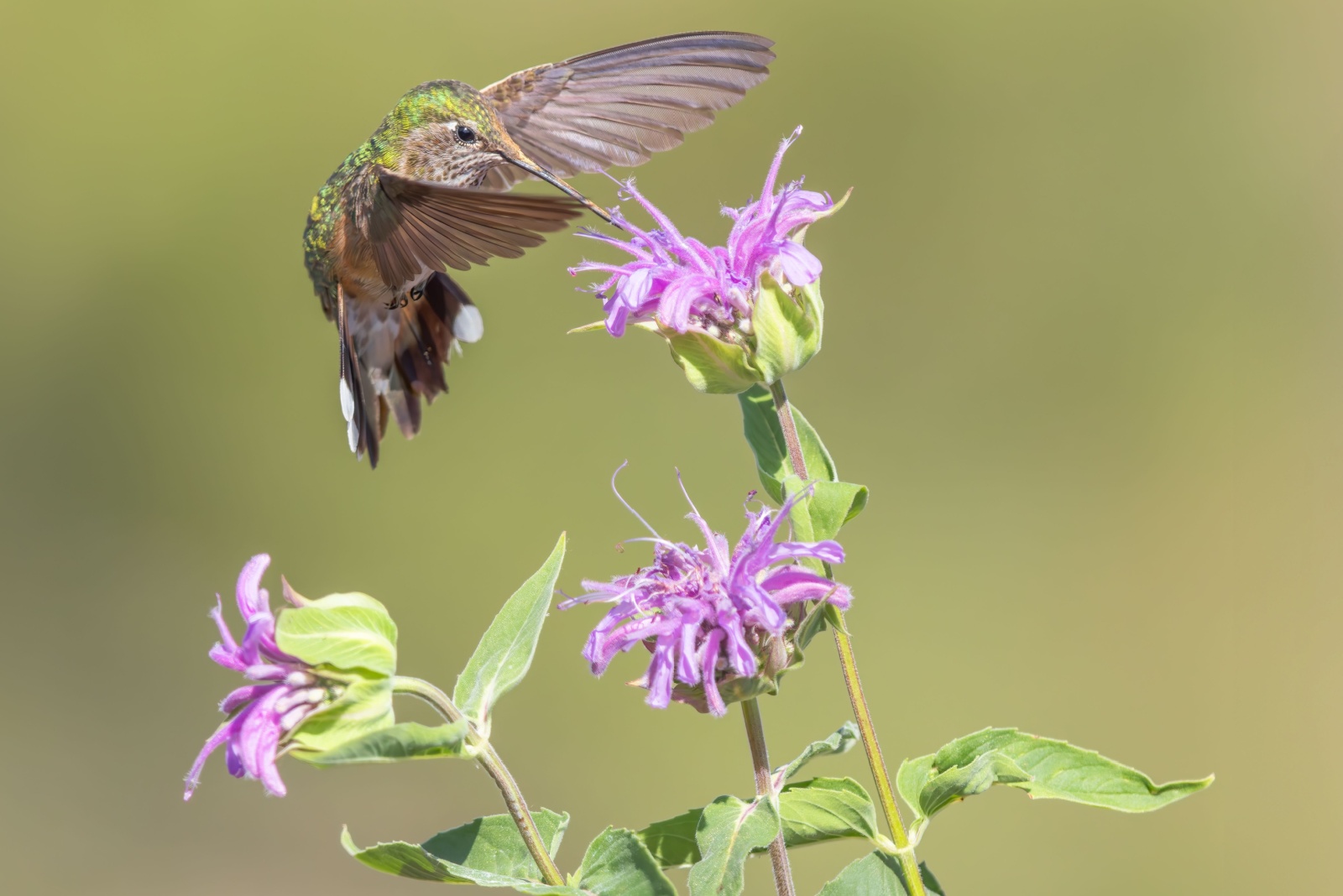
Hummingbirds zip toward the lavender-pink blooms of wild bergamot with remarkable enthusiasm during summer months.
This native mint-family member releases a wonderful fragrance when you brush against its leaves.
Beyond attracting hummingbirds, wild bergamot produces seeds that finches and sparrows eagerly consume in fall.
Wisconsin prairies once displayed vast swaths of this perennial, and it remains perfectly suited to local growing conditions.
Wild bergamot tolerates clay soil better than many garden plants, asking only for decent drainage.
It grows two to four feet tall, creating vertical interest near lower feeders.
Plant in full sun for the most prolific blooming from July through August.
Space plants about eighteen inches apart to allow air circulation, which helps prevent powdery mildew.
Once established, wild bergamot needs little water except during severe droughts.
The tubular flowers arranged in shaggy spherical heads provide nectar for hummingbirds and butterflies alike.
After blooming finishes, seed heads dry into attractive structures that birds pick apart methodically.
Many gardeners appreciate how this plant spreads gradually through underground runners, filling in gaps naturally.
Wild bergamot combines hummingbird appeal with seed-eating bird benefits, offering dual value in a single easy-care native plant perfect for Wisconsin feeder gardens.
6. Elderberry
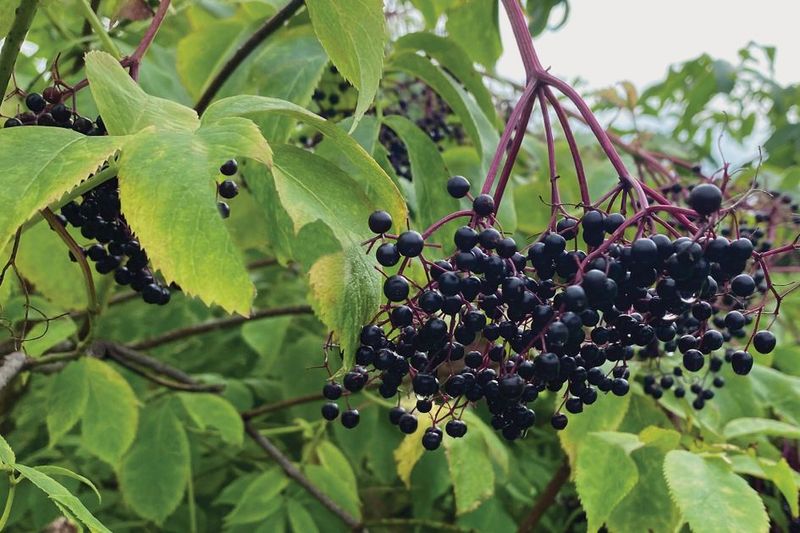
Massive clusters of dark purple-black berries weigh down elderberry branches each August, creating an irresistible buffet for dozens of bird species.
Catbirds, thrushes, and grosbeaks strip the fruit quickly, often within days of peak ripeness.
This fast-growing native shrub reaches eight to twelve feet tall, forming substantial thickets that provide excellent cover.
Elderberry prefers moist, rich soil but adapts to various conditions across Wisconsin landscapes.
Flat-topped white flower clusters bloom in June, attracting beneficial insects before berries develop.
Plant elderberry in full sun for maximum fruit production.
Space shrubs about six feet apart if planting multiple specimens.
Water consistently during the first growing season to establish strong root systems.
Elderberry benefits from occasional pruning to remove old canes and encourage vigorous new growth.
The berries contain high nutrition that helps birds prepare for migration or survive harsh winters.
Humans can harvest elderberries too, though you will need to compete with hungry birds for your share.
Make sure to cook berries before consuming them, as raw fruit can cause digestive upset.
Near bird feeders, elderberry creates a natural food source that complements seeds while offering protective shelter birds need for safe feeding sessions year-round.
7. New England Aster
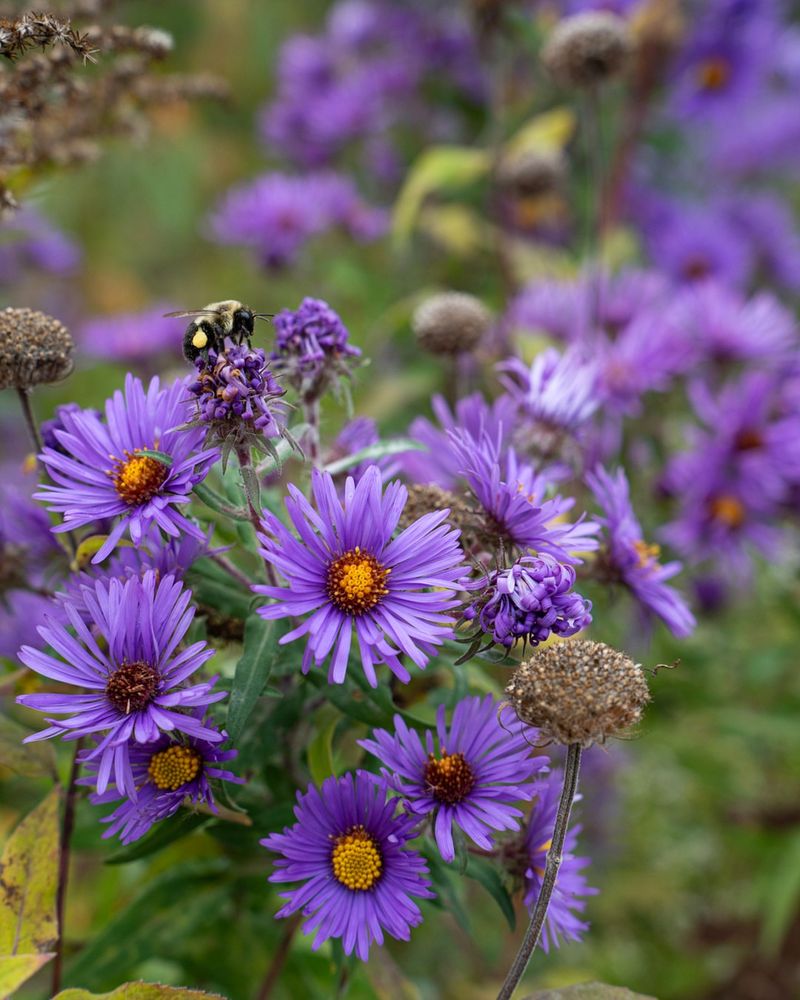
Late-season blooms make New England aster absolutely crucial for fall migrants passing through Wisconsin.
Vibrant purple-pink flowers burst open in September and October when many other plants have finished blooming.
This timing provides essential nectar for butterflies and late-season insects that birds hunt voraciously before migration.
After flowers fade, seeds develop that sparrows, juncos, and other small birds consume eagerly.
New England aster grows three to six feet tall, creating substantial vertical structure near feeders.
Plant in full sun with average to moist soil.
This native perennial tolerates clay soil reasonably well once established.
Space plants about two feet apart to allow proper air circulation.
Pinch back stems in early June to encourage bushier growth and prevent flopping later.
Simply remove the top few inches of each stem when plants reach about twelve inches tall.
New England aster spreads gradually through underground rhizomes, forming attractive clumps over time.
The dense growth provides shelter for ground-feeding birds that appreciate cover while foraging beneath feeders.
Many Wisconsin gardeners value how this plant extends the blooming season well into autumn when gardens often look tired.
Combined with feeders, New England aster creates a complete habitat that supports birds during critical fall migration periods.
8. Hazelnut Shrub
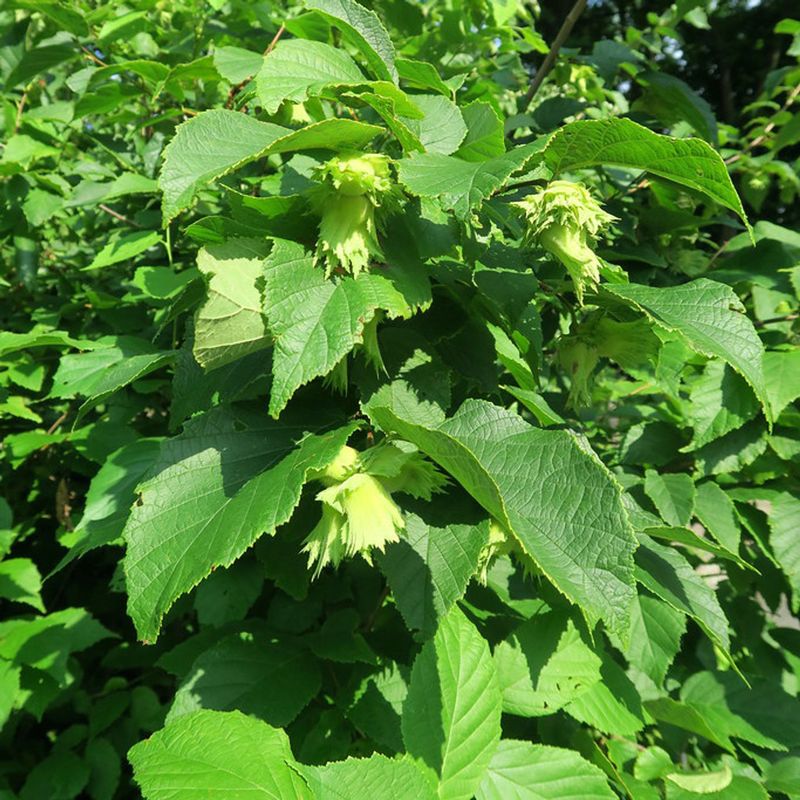
Nuthatches, jays, and woodpeckers work tirelessly to crack open the hard-shelled treasures that hazelnut shrubs produce each fall.
American hazelnut grows wild throughout Wisconsin forests and adapts beautifully to cultivated landscapes.
This native shrub reaches eight to twelve feet tall with a similar spread, creating substantial cover near feeding areas.
Catkins dangle from branches in early spring, providing pollen for emerging insects before leaves fully expand.
By late summer, clusters of nuts develop inside frilly husks that add textural interest.
Squirrels compete fiercely with birds for hazelnuts, often harvesting them slightly early.
Plant hazelnut in full sun to partial shade with well-drained soil.
Space shrubs about eight feet apart for individual specimens or closer for screening.
Hazelnut benefits from planting at least two different varieties for better nut production through cross-pollination.
Water regularly during establishment, then only during extended dry periods.
Prune minimally, removing only damaged or crossing branches to maintain open structure.
The nuts provide high-fat nutrition that helps birds build energy reserves before winter.
Near feeders, hazelnut creates natural food sources while offering dense branching where birds can escape predators quickly, making your feeding station safer and more attractive to cautious species.
9. Switchgrass
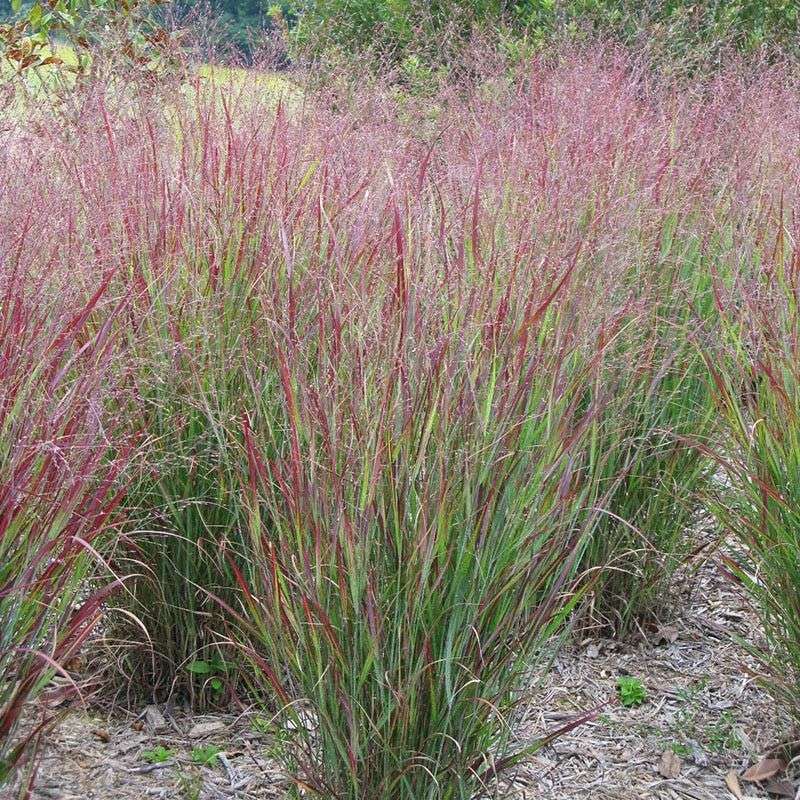
Graceful seed plumes wave in autumn breezes, attracting sparrows and finches to feast on abundant tiny seeds.
Switchgrass represents one of Wisconsin’s most important native prairie grasses, perfectly adapted to local conditions.
This warm-season grass grows three to six feet tall, forming upright clumps that add vertical structure.
Birds use switchgrass for shelter throughout winter, hiding inside dense clumps during storms.
The grass also provides excellent nesting material in spring when birds gather dried blades for construction.
Plant switchgrass in full sun with well-drained soil.
It tolerates drought exceptionally well once established, requiring no supplemental watering in most seasons.
Space plants about three feet apart for individual clumps or eighteen inches apart for screening.
Switchgrass develops deep roots that prevent erosion while improving soil structure over time.
Cut back old growth to about four inches in early spring before new shoots emerge.
Leave dried stems standing through winter to provide ongoing food and shelter.
Airy seed heads develop in late summer, creating a hazy effect above blue-green foliage.
Fall brings stunning color transformations from gold to burgundy depending on variety.
Near feeders, switchgrass creates natural cover that makes birds feel secure while offering supplemental food throughout colder months when every calorie counts.
10. Nannyberry Viburnum
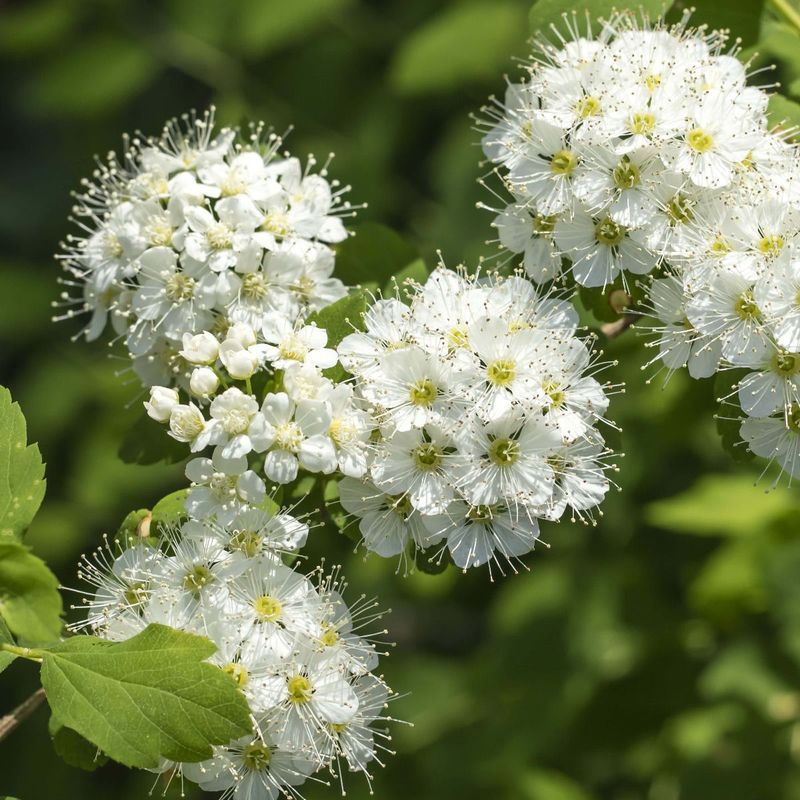
Glossy blue-black berries hang in drooping clusters that robins, waxwings, and thrushes find absolutely irresistible each autumn.
Nannyberry viburnum grows as a large shrub or small tree, reaching twelve to eighteen feet tall in Wisconsin gardens.
This native plant tolerates a wide range of soil conditions, from dry to moderately moist.
Creamy white flowers bloom in flat-topped clusters during May, attracting beneficial pollinators before fruit develops.
Berries ripen gradually from August through October, providing extended food availability for birds.
Some fruit often persists into winter, offering emergency nutrition during harsh weather.
Plant nannyberry in full sun to partial shade for best fruit production.
Space shrubs about ten feet apart to accommodate mature size.
Water regularly during the first growing season to establish deep roots.
Nannyberry requires minimal pruning beyond removing damaged branches or shaping as desired.
The dense branching structure provides excellent shelter and nesting sites for various bird species.
Brilliant burgundy-red fall foliage adds spectacular color before leaves drop.
Many Wisconsin gardeners appreciate how nannyberry combines ornamental beauty with practical wildlife value.
Near feeders, this viburnum creates a natural food source that complements seeds while offering protective cover birds need for relaxed, safe feeding experiences throughout multiple seasons.