Poisonous Creatures New Mexico Homeowners Should Know About
New Mexico’s unique landscape is home to a variety of wildlife, and several species pose real risks because they are venomous or poisonous.
These creatures aren’t aggressive by nature, but encounters can happen around homes, garages, and yards—especially during warmer months.
Snakes, spiders, scorpions, and certain insects are all part of the state’s ecosystem.
Knowing which species are dangerous helps homeowners recognize risks early and respond safely.
Many injuries occur simply because people don’t realize what they’re dealing with.
Awareness doesn’t mean fear—it means preparedness.
Learning to identify poisonous creatures common in New Mexico helps protect families, pets, and property while allowing wildlife to be respected from a safe distance.
Western Diamondback Rattlesnake
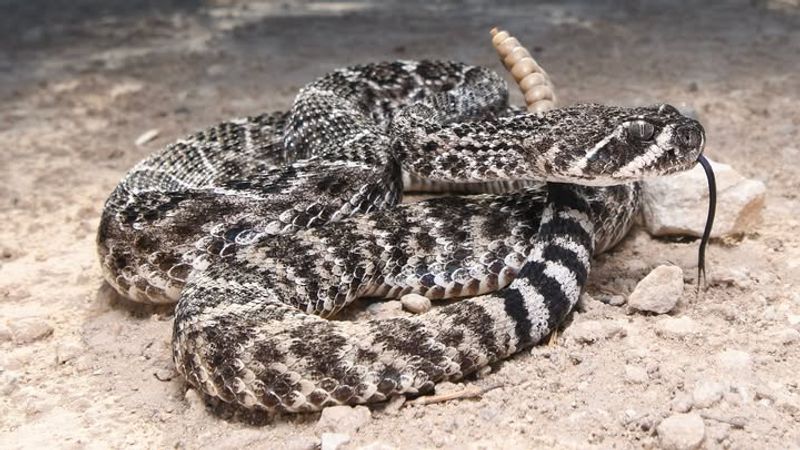
Spotting a thick-bodied snake with dark diamond patterns along its back means you’ve encountered one of New Mexico’s most common venomous reptiles.
Western diamondbacks account for more venomous snake bites in the state than any other species, primarily because they frequently appear in residential areas where people live and work.
These rattlers measure between three and six feet long, making them hard to miss when you’re doing yard work or walking near brush.
They prefer rocky areas, woodpiles, and spaces under porches or sheds where they can stay cool during hot summer days.
You’ll often find them near rodent populations since mice and rats make up most of their diet.
Their distinctive rattle serves as nature’s warning system, buzzing loudly when the snake feels threatened or cornered.
However, not every diamondback rattles before striking, especially younger snakes still developing their rattles.
Homeowners should keep grass trimmed short, remove debris piles, and seal gaps under buildings to discourage these snakes from settling near living spaces.
Always watch where you place your hands and feet when working outdoors, particularly around stored materials or rocky landscapes.
Prairie Rattlesnake
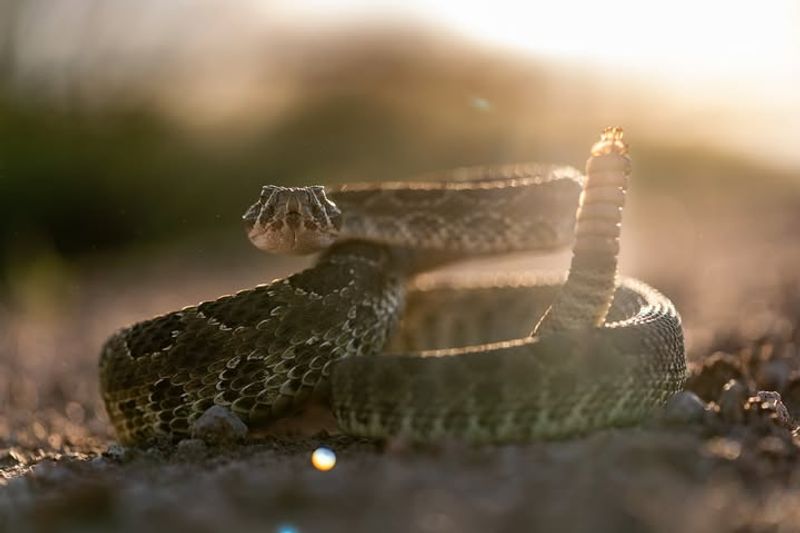
Across the grasslands and prairies of eastern and central New Mexico, a master of camouflage slithers through the landscape almost invisibly.
Prairie rattlesnakes wear colors that perfectly match their surroundings, with tan, brown, and greenish scales decorated with darker blotches running down their backs.
This natural disguise makes them extremely difficult to spot in open fields, pastures, and ranch lands where they commonly live.
These snakes typically grow between two and four feet long, smaller than their diamondback cousins but equally capable of delivering painful venomous bites.
They hunt small mammals, birds, and lizards, often staying active during cooler morning and evening hours when temperatures drop.
During midday heat, they seek shelter under rocks, in animal burrows, or beneath farm equipment left sitting in fields.
Ranchers and rural homeowners encounter them most frequently during spring and fall when the snakes are most active.
Their excellent camouflage means you might step dangerously close before noticing their presence, so wearing boots and watching your path becomes essential in prairie environments.
Keep yards clear of tall grass and brush, and always check around outdoor equipment before reaching underneath or moving items that have sat undisturbed.
Your New Mexico Garden Changes Every Week. Your Plan Should Too.
Gardening in New Mexico changes quickly throughout the season. Every Friday you’ll receive a simple weekly plan showing exactly what to plant, prune, fertilize, harvest, and protect so you never miss the right timing.
Mojave Rattlesnake
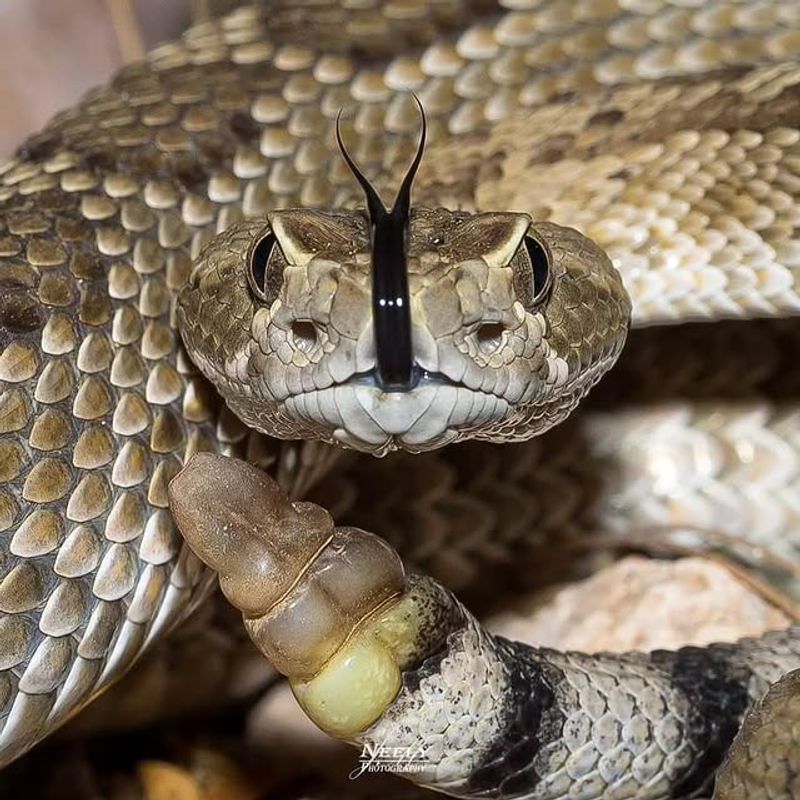
Southern New Mexico hosts one of North America’s most dangerous rattlesnakes, armed with venom that attacks both blood cells and nervous system tissue simultaneously.
Mojave rattlesnakes carry neurotoxic venom that differs significantly from other rattlesnake species, causing breathing difficulties and neurological symptoms alongside the typical tissue damage.
This dual-action venom makes medical treatment more complex and urgent following any bite.
These snakes display light green-gray or brownish-gray coloring with darker diamond-shaped markings along their backs, and their tails show distinctive narrow black and white bands.
They typically measure between two and four feet in length and prefer desert scrubland, sandy washes, and areas with scattered vegetation.
Homeowners in Dona Ana, Luna, and Hidalgo counties should stay especially alert since Mojave rattlesnakes commonly appear in these southern regions.
They’re most active during spring and fall, though summer monsoon rains sometimes bring them closer to homes searching for prey.
Never attempt to handle or relocate any rattlesnake yourself, but Mojave rattlesnakes deserve extra caution and immediate professional removal services.
Keep children and pets away from desert edges near your property, and always carry a flashlight when walking outside after dark in snake-prone areas.
Western Coral Snake
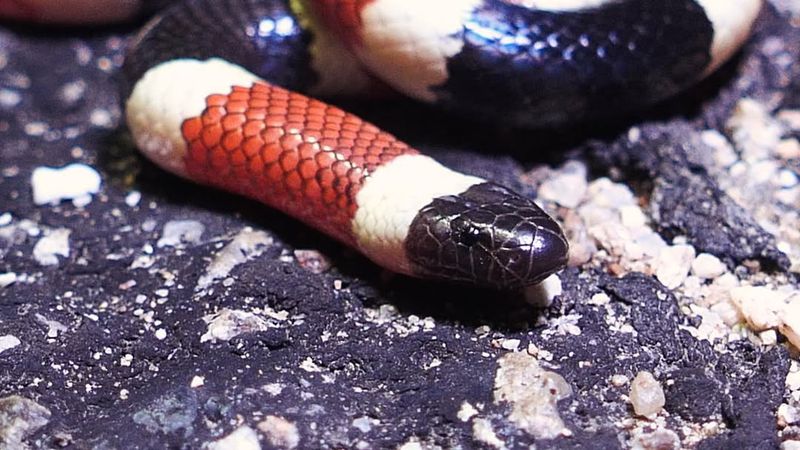
Bright bands of red, yellow, and black wrap around one of New Mexico’s most beautifully colored yet dangerously venomous snakes.
Western coral snakes carry powerful neurotoxic venom similar to cobra venom, though their small mouths and shy nature mean bites happen extremely rarely.
The famous rhyme “red touches yellow, friend of fellow; red touches black, venom lack” actually works backwards for western species, where red bands do touch black bands on venomous coral snakes.
These slender snakes rarely exceed two feet in length and spend most of their time hidden underground or beneath rocks and logs.
They appear primarily in southwestern New Mexico’s desert regions, favoring areas with loose soil where they can burrow easily.
Coral snakes eat other small snakes and lizards, hunting mostly during cooler nighttime hours when they emerge from their hiding spots.
Their venom affects the nervous system, potentially causing breathing problems and paralysis if bites go untreated.
Fortunately, their reclusive habits and non-aggressive temperament mean encounters with humans remain uncommon.
Never attempt to pick up or handle any brightly colored snake, regardless of how beautiful or interesting it appears, and teach children to admire all snakes from a safe distance without touching them.
Black Widow Spider
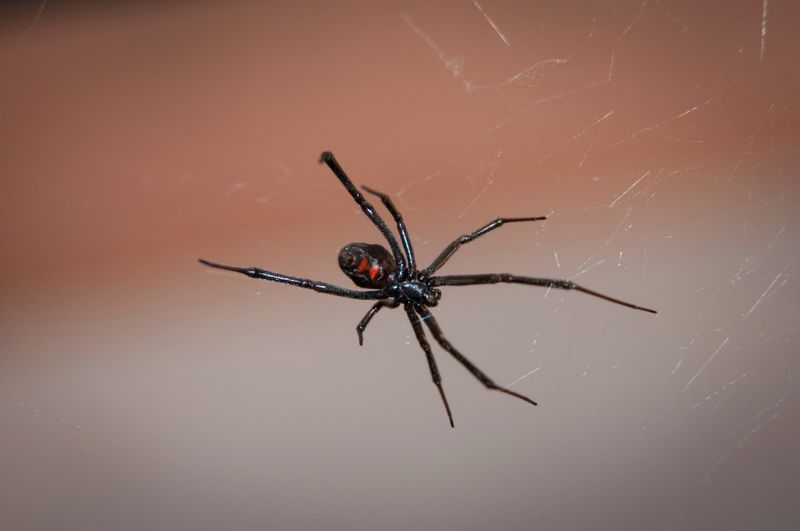
That distinctive red hourglass shape on a shiny black abdomen signals one of the most medically significant spiders living around New Mexico homes.
Female black widows produce venom containing neurotoxins that cause severe muscle cramps, abdominal pain, and other serious symptoms requiring medical attention.
Male black widows carry venom too but rarely bite and pose minimal danger to humans.
These spiders build messy, irregular webs in dark, undisturbed spaces like garage corners, beneath outdoor furniture, inside storage sheds, and around woodpiles.
They prefer locations that stay relatively quiet and protected from weather and frequent disturbances.
Black widows aren’t aggressive spiders and only bite when accidentally pressed against skin or when defending their egg sacs.
Most bites happen when people reach into dark spaces without looking first or when putting on shoes or gloves where spiders have taken shelter.
Regular cleaning and decluttering of storage areas dramatically reduces black widow populations around homes since they need undisturbed spots to establish webs.
Wear gloves when moving stored items, shake out shoes and clothing left sitting overnight, and use a flashlight to inspect dark corners before reaching into them.
Seal cracks around foundations and windows to prevent spiders from entering homes, and remove outdoor clutter that creates perfect hiding spots.
Brown Recluse Spider
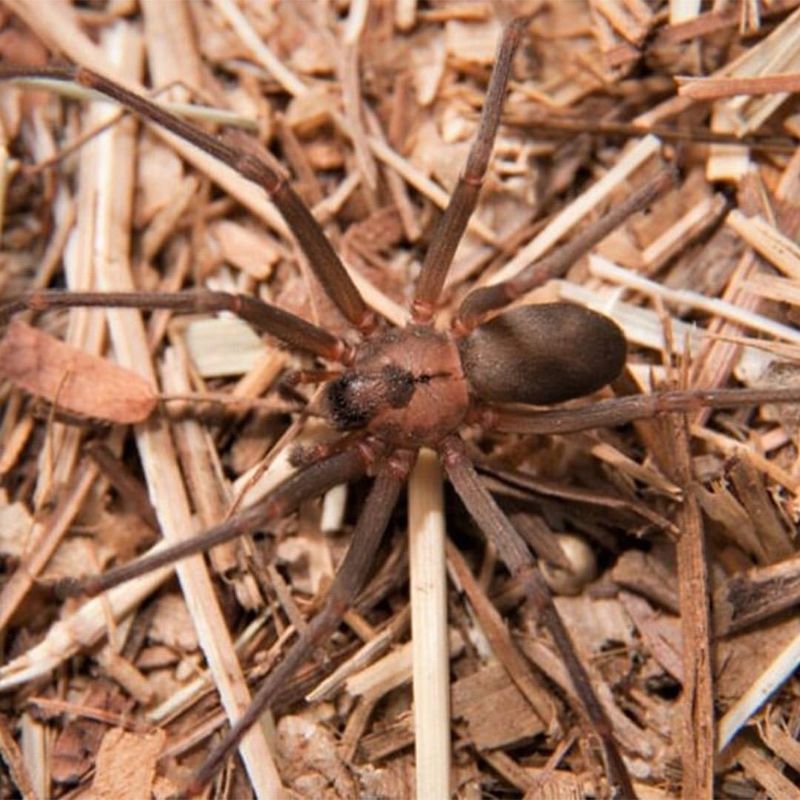
A small violin-shaped marking decorates the back of one of the few spiders whose bite can cause significant tissue damage and slow-healing wounds.
Brown recluse spiders carry venom that destroys skin cells and blood vessels, sometimes creating wounds that take weeks or months to heal completely.
Not every bite causes severe reactions, but some develop into painful lesions that require medical care and monitoring.
These light brown spiders measure only about the size of a quarter including their legs, making them easy to overlook in homes where they occasionally appear.
They prefer dark, dry locations like closets, attics, basements, and spaces behind stored boxes or furniture.
Unlike web-building spiders that stay in one spot, brown recluses wander around at night hunting for small insects and other prey.
This roaming behavior brings them into contact with humans more often than sedentary spider species.
New Mexico sits on the edge of brown recluse territory, so sightings remain less common than in states further east, but populations do exist in some areas.
Keep bedding pulled away from walls, store items in sealed plastic containers rather than cardboard boxes, and vacuum regularly to remove spiders and their hiding spots.
Shake out clothing and towels before use, especially items stored in rarely used spaces.
Arizona Bark Scorpion
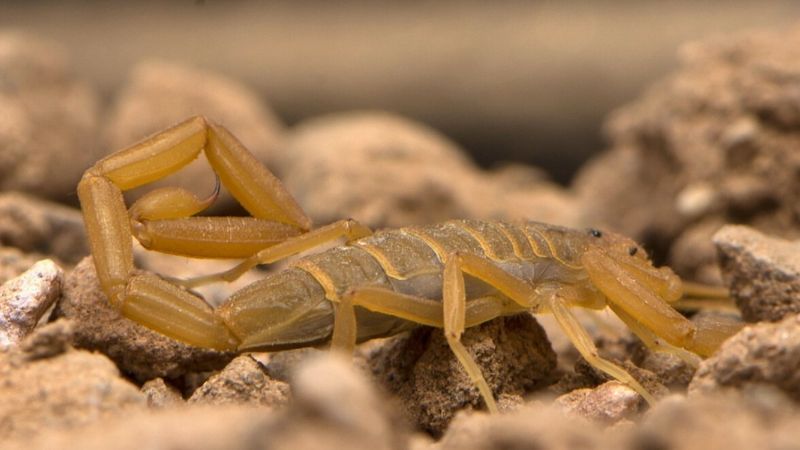
Glowing under ultraviolet light, New Mexico’s most venomous scorpion sometimes wanders indoors seeking moisture and shelter from extreme temperatures.
Arizona bark scorpions deliver stings that cause intense burning pain, numbness, tingling, and sometimes breathing difficulties or muscle twitching in sensitive individuals.
Young children, elderly people, and those with certain health conditions face higher risks of severe reactions to bark scorpion venom.
These pale tan or yellowish scorpions measure about three inches long and appear much more slender than other scorpion species found in the state.
They climb exceptionally well, often appearing on walls, ceilings, and curtains rather than just floors.
Bark scorpions hide during daylight hours in cracks, under bark, inside shoes, and beneath objects left on floors or counters.
At night they hunt for insects and spiders, sometimes entering homes through tiny gaps around pipes, vents, or door frames.
Check shoes and clothing before putting them on, shake out towels and bedding, and keep beds pulled away from walls to prevent scorpions from climbing up easily.
Seal cracks and gaps around your home’s exterior, install weather stripping under doors, and remove debris piles near foundations.
Consider using a portable UV flashlight to scan rooms at night since scorpions glow bright green under ultraviolet light.
Tarantula Hawk Wasp
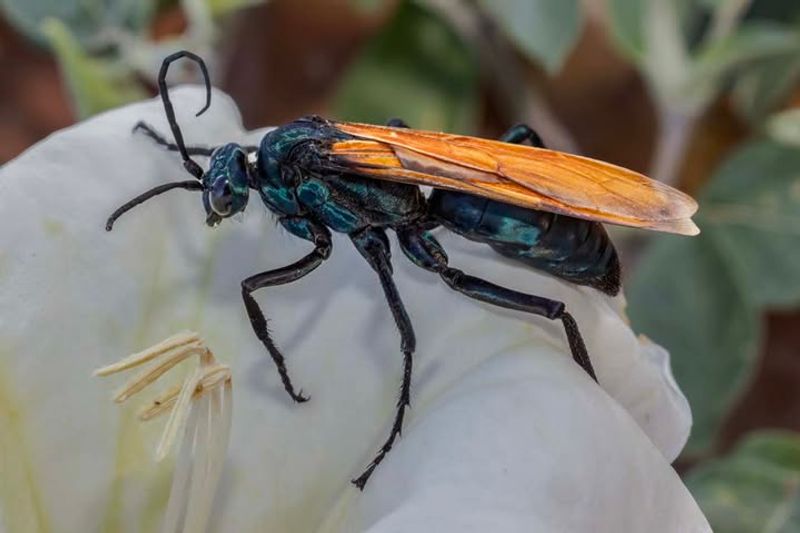
With metallic blue-black bodies and bright orange wings spanning up to two inches, these spectacular wasps deliver what experts rank among the most excruciating insect stings on Earth.
Tarantula hawk wasps hunt tarantulas to paralyze and use as living food sources for their larvae, but they show little interest in stinging humans unless grabbed or stepped on.
Their sting causes immediate, electric, blinding pain that fortunately lasts only a few minutes before fading, leaving no lasting tissue damage.
These large wasps appear most commonly during summer months when they patrol yards and desert areas searching for tarantulas or feeding on flower nectar.
Despite their intimidating size and painful sting potential, they display calm, non-aggressive behavior around people.
You can often watch them visiting flowers from just inches away without any danger, as they simply ignore human presence while feeding.
The wasps rarely enter homes and cause no property damage.
Homeowners should simply give these impressive insects space and avoid any attempts to swat at them or pick them up.
Teach children to admire their beautiful coloring from a respectful distance without trying to catch or touch them.
If you accidentally disturb one while gardening, simply step back calmly and allow it to fly away peacefully rather than making aggressive movements.
Blister Beetles
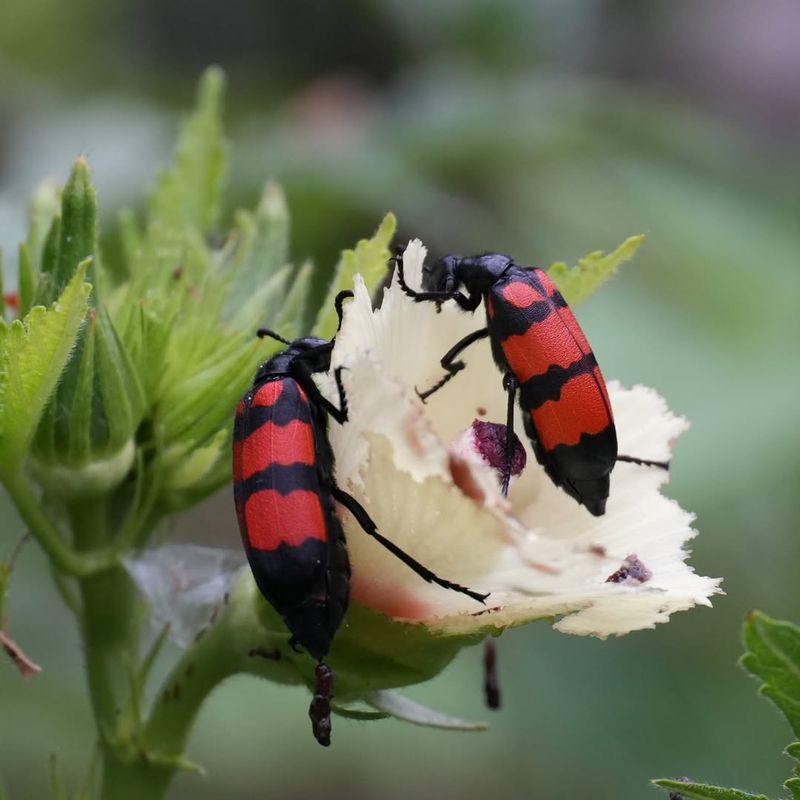
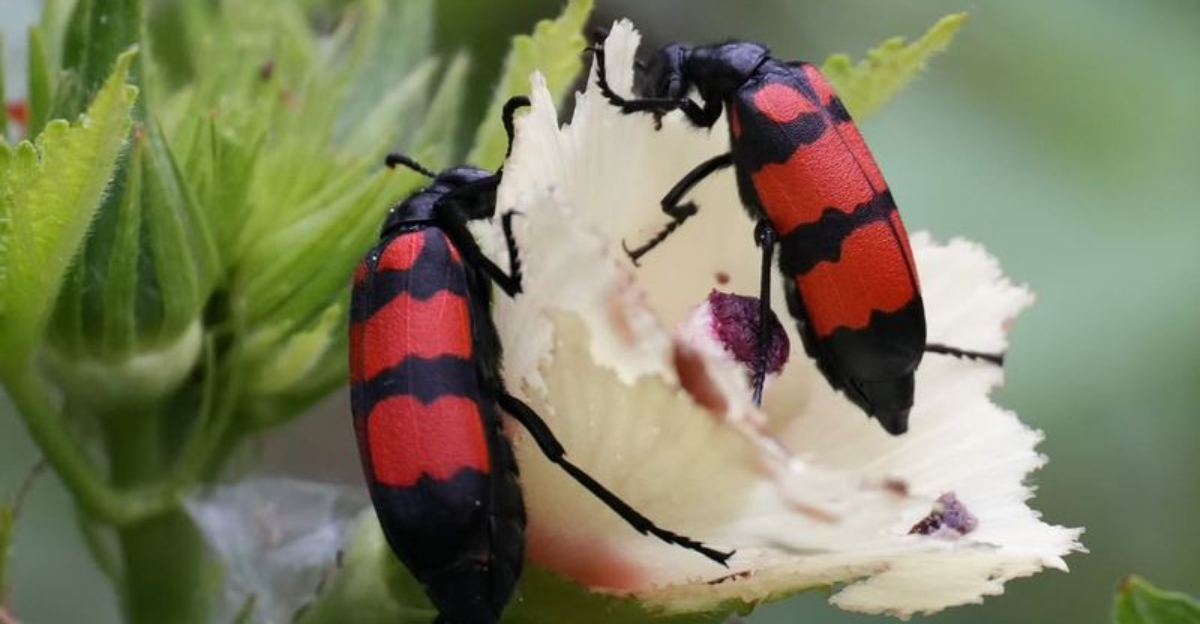
Crushing or roughly handling these elongated beetles releases a toxic chemical called cantharidin that causes painful blisters on skin and serious harm to animals that eat them.
Blister beetles appear in various colors including black, gray, or striped patterns, typically measuring between half an inch to an inch long with narrow bodies and soft wing covers.
They often gather in large groups on plants, particularly alfalfa, clover, and garden vegetables during summer months.
The beetles pose minimal direct threat to humans since simply touching them gently causes no harm, but crushing them against skin releases the blistering agent.
Horses, cattle, and other livestock face serious danger when eating hay containing blister beetles, as the toxin remains potent even in dried insects.
Pets that accidentally eat these beetles while playing in yards or gardens can experience mouth blistering and digestive problems.
Ranchers and farmers should inspect hay carefully before feeding animals, especially alfalfa harvested during late summer when beetle populations peak.
Homeowners with gardens should remove blister beetles by gently brushing them into soapy water rather than crushing them with bare hands.
Wear gloves when handling plants where beetles congregate, and keep pets away from areas with visible beetle populations.
Never allow horses or livestock to graze in fields with active blister beetle infestations.
Centipedes (Large Desert Species)
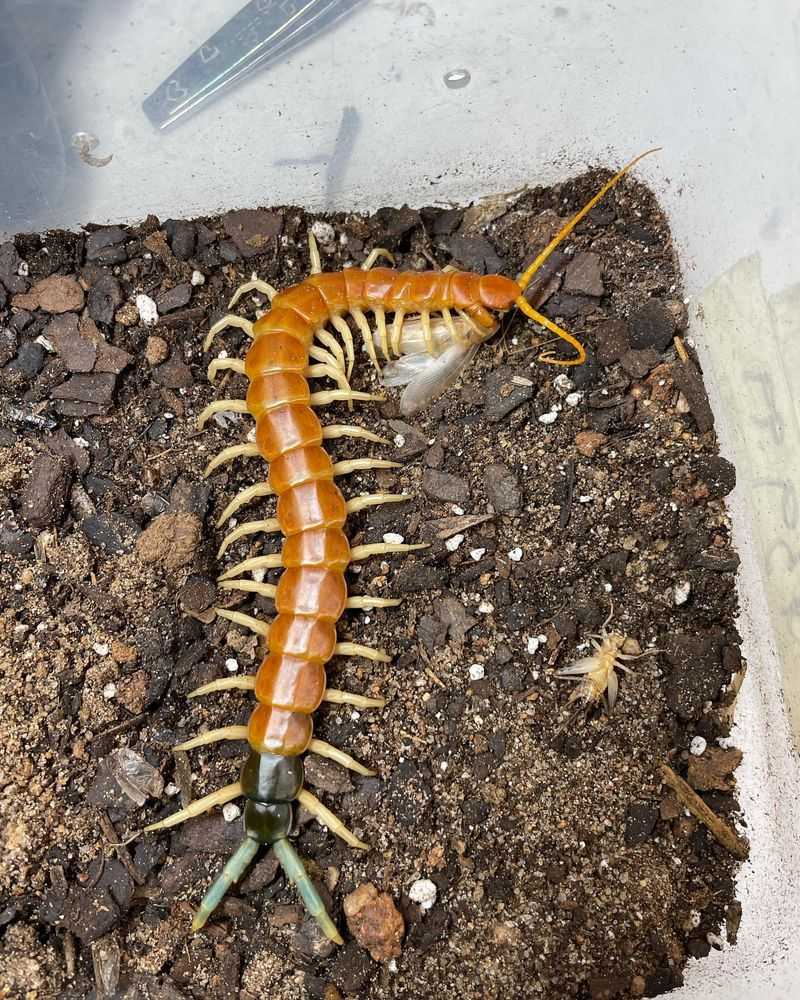
Fast-moving and somewhat alarming in appearance, these multi-legged predators occasionally wander indoors and deliver painful venomous bites when accidentally touched or cornered.
Desert centipedes can reach lengths of six to eight inches, with numerous body segments each carrying a pair of legs that propel them across floors at surprising speeds.
They sport orange, brown, or yellowish coloring and use modified front legs called forcipules to inject venom into prey.
Their venom causes immediate sharp pain, swelling, and redness around bite sites, though serious medical complications remain rare in healthy adults.
Young children may experience stronger reactions including nausea or headaches following bites.
Centipedes hunt insects, spiders, and other small creatures, making them beneficial pest controllers despite their intimidating appearance.
They prefer dark, moist environments and often enter homes seeking water or shelter, particularly during hot, dry weather.
You might encounter them in bathrooms, laundry rooms, basements, or anywhere moisture accumulates inside buildings.
They hide under objects during daytime and emerge at night to hunt.
Reduce indoor humidity with dehumidifiers, fix leaky pipes promptly, and seal cracks around foundations and utility entrances to prevent centipede invasions.
Remove clutter that creates hiding spots, and always shake out shoes or clothing left on floors overnight before putting them on.
Poisonous Toads (Native Species)
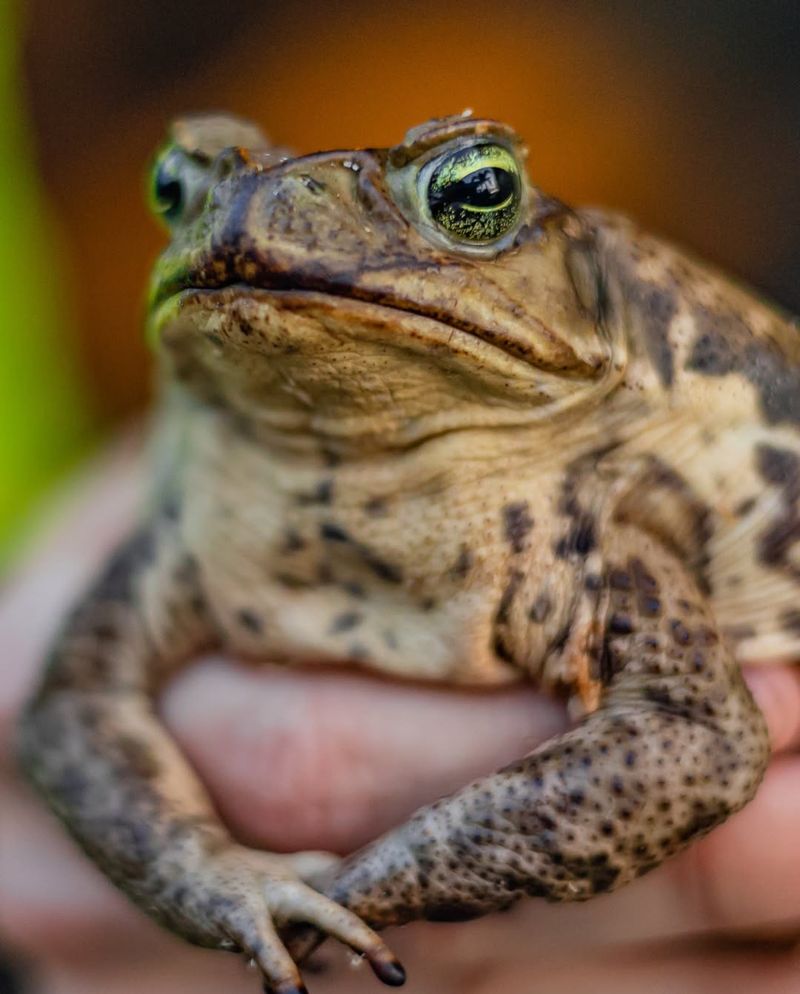
Those warty amphibians hopping around your yard after monsoon rains carry toxic secretions in their skin that can seriously harm curious pets who try to bite or mouth them.
Several native toad species in New Mexico produce bufotoxins from glands behind their eyes and across their backs as defense mechanisms against predators.
Dogs and cats that bite, lick, or carry toads in their mouths can experience excessive drooling, pawing at their mouths, vomiting, and in severe cases, seizures or heart problems.
Colorado River toads, also called Sonoran Desert toads, produce particularly potent toxins and grow quite large, sometimes reaching seven inches in length.
Smaller species like Great Plains toads and red-spotted toads also carry toxins, though typically in lower concentrations.
Toads become most active during and after summer monsoon rains when they emerge to breed in temporary pools and puddles.
They often appear in yards with irrigation, pet water bowls, or any standing water that attracts them.
Train dogs to leave toads alone through basic obedience commands, and supervise pets during evening hours when toads are most active.
Remove standing water that attracts toads to your property, and turn off outdoor lights that draw insects which in turn attract hungry toads.
If your pet mouths a toad, rinse their mouth immediately with water and contact your veterinarian right away.
If your pet mouths a toad, rinse their mouth immediately with water and contact your veterinarian right away.