Plants That Grow Better Together In North Carolina Gardens
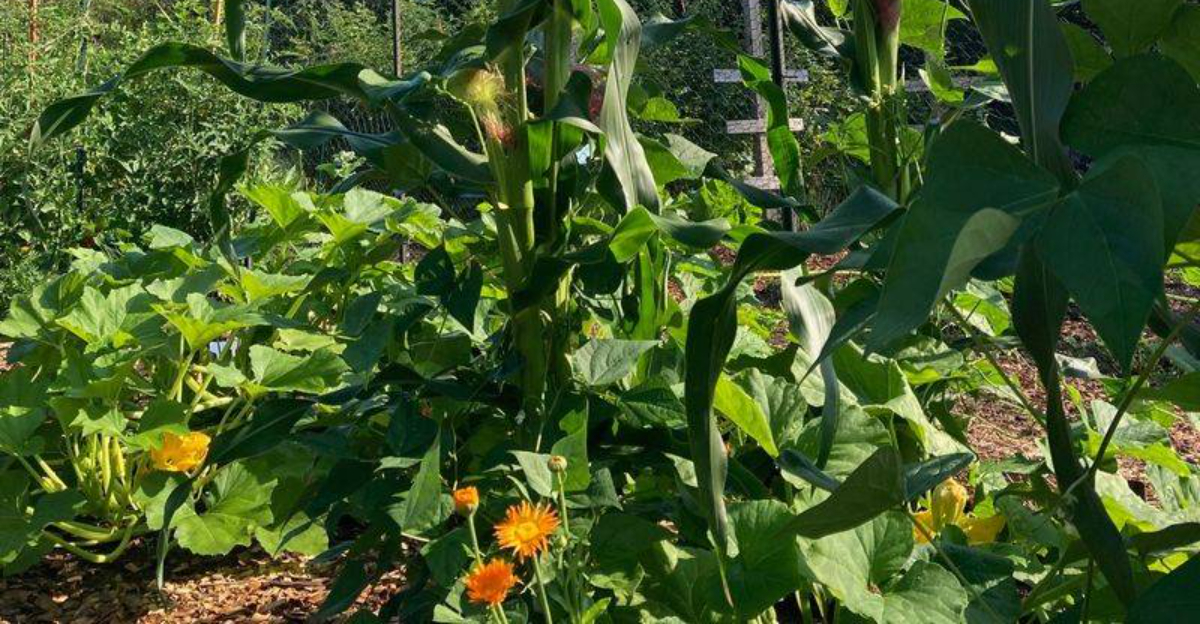
North Carolina gardeners have learned that success often comes down to planting the right combinations.
Certain plants genuinely grow better together because they share soil needs, reduce pests, or support each other’s growth, especially in North Carolina’s heat, humidity, and diverse soils.
Companion planting isn’t folklore here—it’s a practical strategy backed by extension research and long-standing farm practices.
When paired correctly, plants can improve yields, reduce disease pressure, and make better use of space.
For example, some plants attract beneficial insects that protect neighbors, while others improve soil health naturally.
In a state where summer heat can stress crops and pests thrive, these partnerships matter.
Understanding which plants work well together helps gardeners grow stronger plants with less intervention.
It also reduces the need for chemicals and constant maintenance.
By using proven combinations suited to North Carolina conditions, gardeners can create healthier, more productive beds that work with nature rather than against it.
Tomatoes And Basil
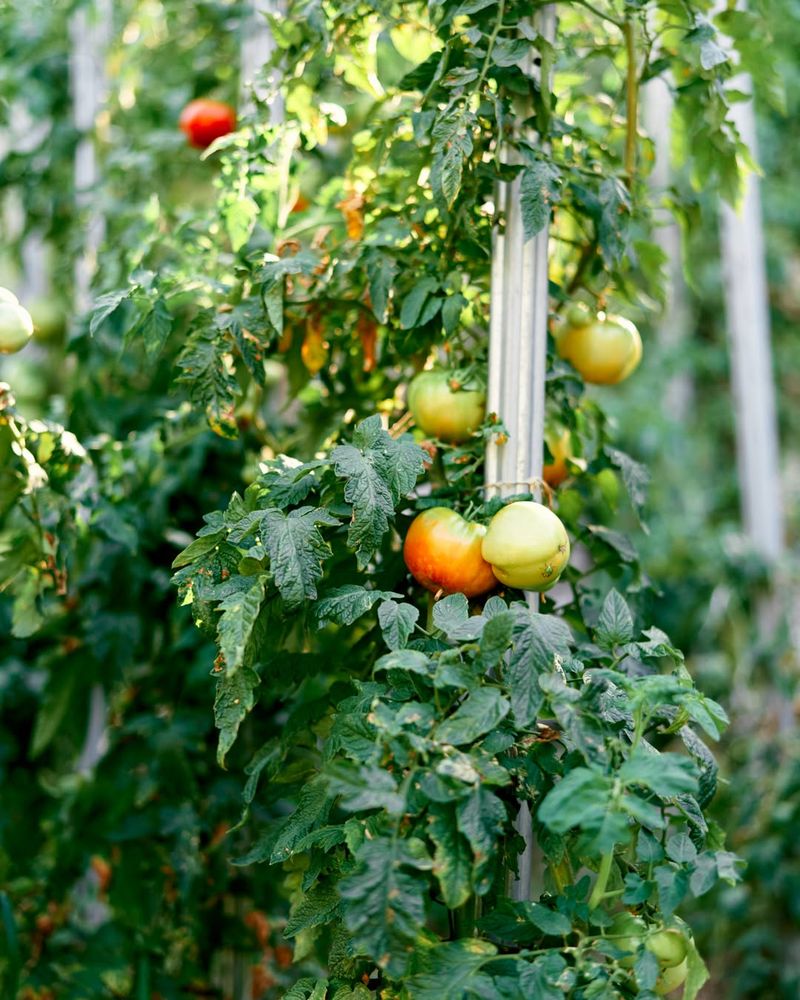
Basil brings more than just delicious flavor to your garden when planted near tomatoes.
This aromatic herb releases natural oils that confuse and repel common tomato pests like aphids, whiteflies, and hornworms.
Many gardeners swear that basil also improves the flavor of tomatoes, though scientists are still studying this claim.
Both plants love North Carolina’s warm summer weather and need similar amounts of water and sunshine.
Plant basil around the base of your tomato plants or in alternating rows for maximum benefit.
The herb’s strong scent masks the tomato plant’s natural aroma, making it harder for pests to locate their favorite snack.
As a bonus, you’ll have fresh basil ready for your homemade pasta sauce right when your tomatoes ripen.
Basil grows quickly in our humid climate, so pinch off flower buds regularly to keep the plant producing tasty leaves.
This combination works beautifully in raised beds, containers, or traditional garden plots.
Remember to give tomatoes plenty of space since they need good air circulation to prevent fungal problems.
The partnership between these two plants is one of the most popular and reliable in vegetable gardening.
Corn And Pole Beans
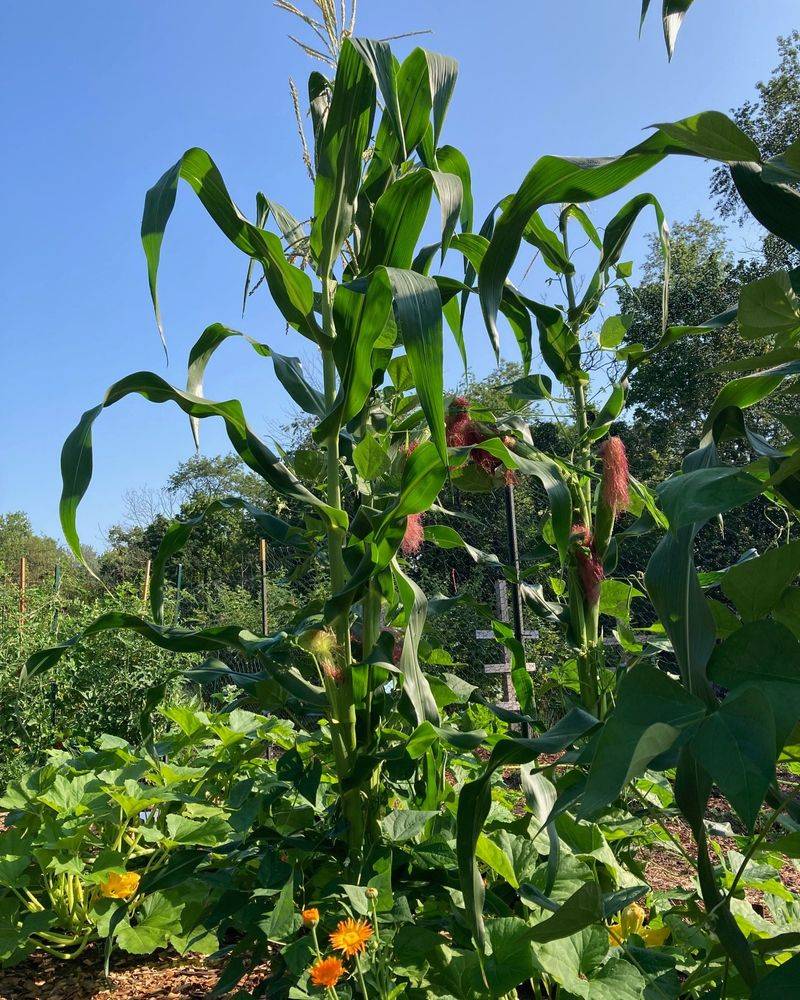
Native American farmers developed this brilliant partnership centuries ago, and it still works wonders in modern North Carolina gardens.
Corn stalks grow tall and sturdy, providing the perfect natural support system for climbing bean vines.
Meanwhile, beans perform an amazing trick underground by capturing nitrogen from the air and converting it into a form that corn roots can absorb.
This natural fertilization process helps corn grow taller and produce bigger ears without synthetic chemicals.
The timing matters for this partnership to work properly in our climate.
Plant corn first and wait until the stalks reach about 6 inches tall before adding bean seeds around the base.
This gives corn a head start so it can develop strong stems before beans begin their climbing journey.
Pole beans work much better than bush varieties for this combination since they naturally want to climb upward.
Both plants thrive in North Carolina’s warm growing season and appreciate consistent moisture.
Your North Carolina Garden Changes Every Week. Your Plan Should Too.
Gardening in North Carolina changes quickly throughout the season. Every Friday you’ll receive a simple weekly plan showing exactly what to plant, prune, fertilize, harvest, and protect so you never miss the right timing.
Space your corn in blocks rather than single rows to ensure good pollination and better yields.
The beans will wind around the corn stalks as they grow, creating a living trellis that saves garden space.
Harvest beans regularly to keep them producing throughout the summer months.
Squash And Nasturtiums
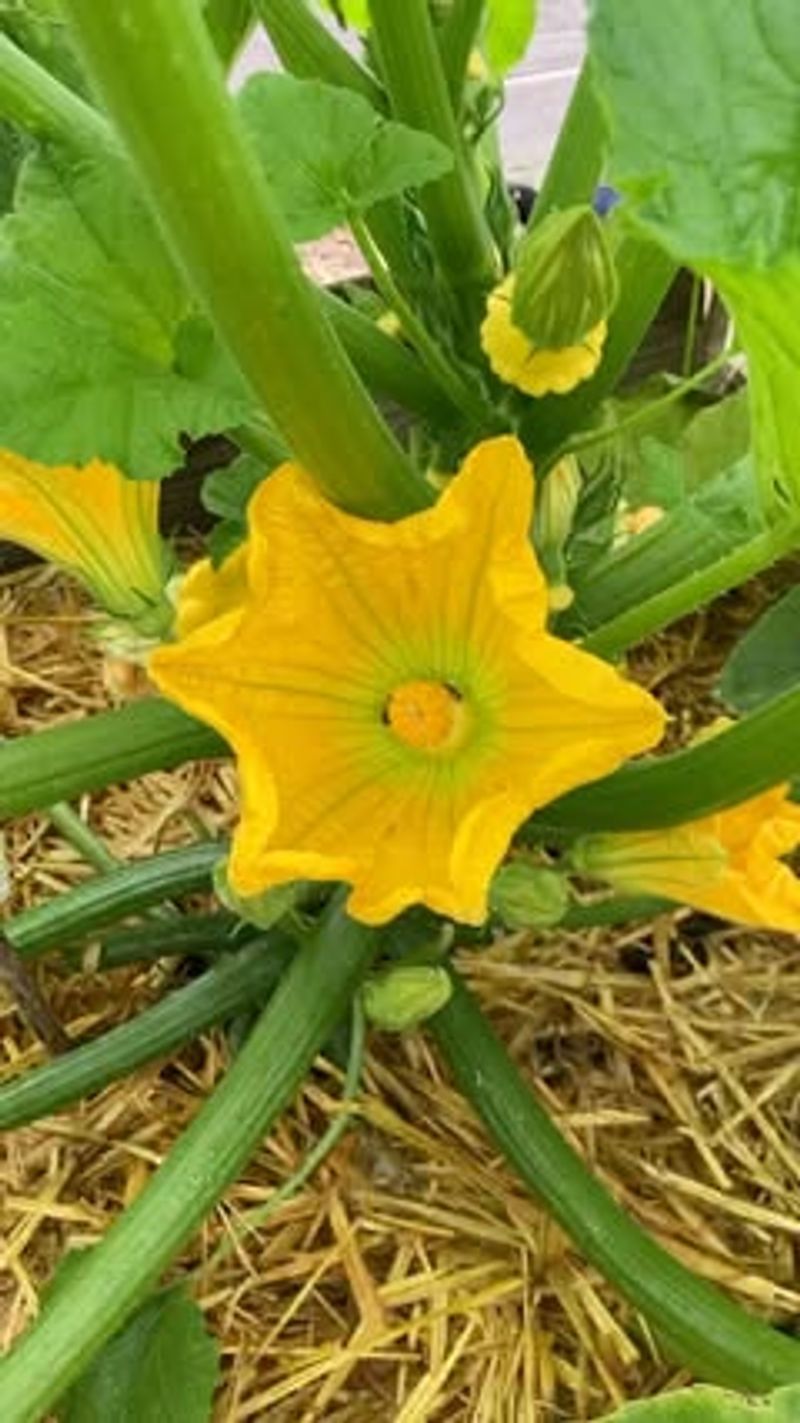
Nasturtiums act as heroic bodyguards for your squash plants by attracting pests away from your valuable vegetables.
These cheerful flowering plants are what gardeners call trap crops because aphids and squash bugs prefer them over squash.
The pests flock to nasturtiums first, giving you time to remove affected flowers before insects spread to your squash.
Both plants love North Carolina’s warm weather and can handle our hot, humid summers remarkably well.
Nasturtium flowers are completely edible and add a peppery kick to salads, making them both beautiful and functional.
Plant nasturtiums around the perimeter of your squash patch or intersperse them throughout the bed.
The bright orange, yellow, and red blooms also attract beneficial insects like ladybugs and hoverflies that prey on garden pests.
Squash plants spread their large leaves across the ground, creating shade that helps nasturtiums stay cooler during peak summer heat.
This ground cover effect also suppresses weeds and helps soil retain moisture during dry spells.
Check your nasturtiums regularly for pest infestations and remove heavily affected plants to protect your squash crop.
The combination creates a colorful, productive garden space that’s both practical and visually appealing.
Both plants are easy to grow from seed, making this an affordable companion planting option.
Cucumbers And Dill
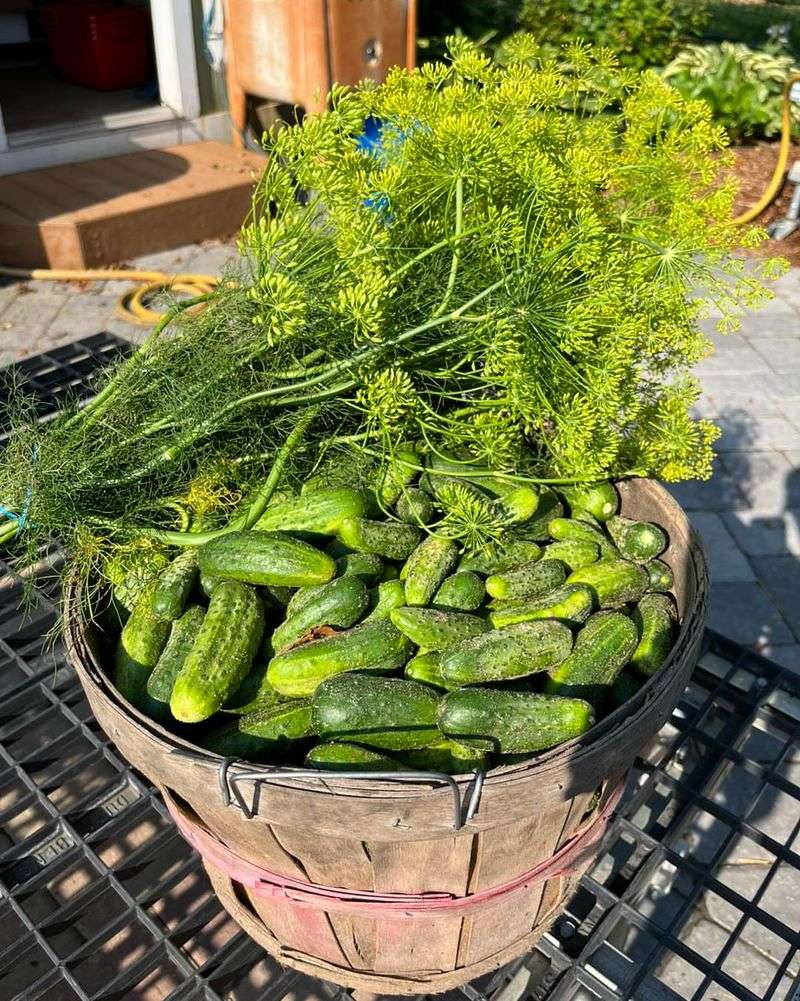
Dill serves as a magnet for beneficial insects that protect cucumber plants from destructive pests.
The herb’s delicate yellow flowers attract parasitic wasps, lacewings, and ladybugs that feast on aphids, spider mites, and cucumber beetles.
These helpful insects patrol your cucumber patch, keeping pest populations under control naturally without chemical sprays.
Dill and cucumbers make perfect neighbors because they enjoy similar growing conditions in North Carolina gardens.
Both plants appreciate consistent moisture, full sun, and well-draining soil enriched with compost.
Plant dill near the edges of your cucumber bed where it won’t shade the lower-growing cucumber vines.
The herb grows quickly and can reach several feet tall, so give it adequate space to develop.
Many gardeners believe dill improves the flavor of cucumbers, though this benefit is more about convenience than science.
Having fresh dill nearby when your cucumbers are ready makes pickle-making much easier and more enjoyable.
Allow some dill plants to flower and go to seed for the maximum beneficial insect attraction.
The feathery foliage adds texture and visual interest to your vegetable garden while serving a practical purpose.
Succession plant dill every few weeks to maintain a constant supply throughout the growing season.
Peppers And Marigolds
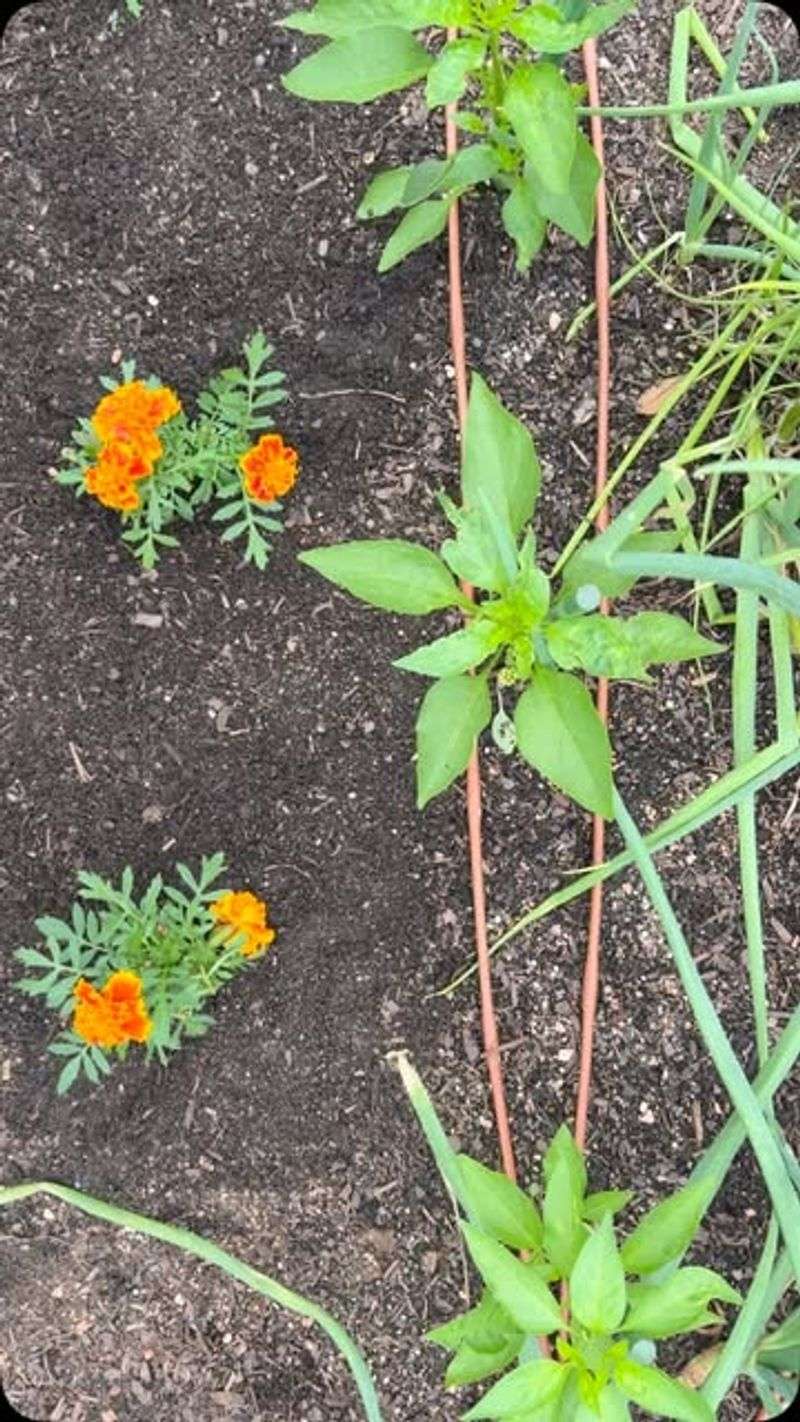
Marigolds wage an underground war against microscopic nematodes that commonly plague North Carolina soils.
These tiny worms attack pepper roots, stunting growth and reducing yields significantly if left unchecked.
Marigolds release natural chemicals from their roots that repel or even eliminate certain types of harmful nematodes.
The bright flowers also deter aphids, whiteflies, and other above-ground pests that bother pepper plants.
French marigolds work particularly well for nematode control, though any marigold variety offers some protection.
Plant marigolds throughout your pepper bed rather than just around the edges for maximum soil benefit.
Both plants thrive in North Carolina’s hot summers and need similar amounts of water and sunshine.
The cheerful orange, yellow, and red blooms add color to your vegetable garden while serving an important purpose.
Marigolds are incredibly easy to grow from seed and will often reseed themselves for next year’s garden.
Pepper plants produce better when their roots are healthy and free from nematode damage.
The combination works well in raised beds, containers, or traditional garden plots throughout the state.
Deadhead marigolds regularly to keep them blooming all season and looking their best.
This partnership is especially valuable in gardens where nematodes have been a recurring problem.
Carrots And Onions
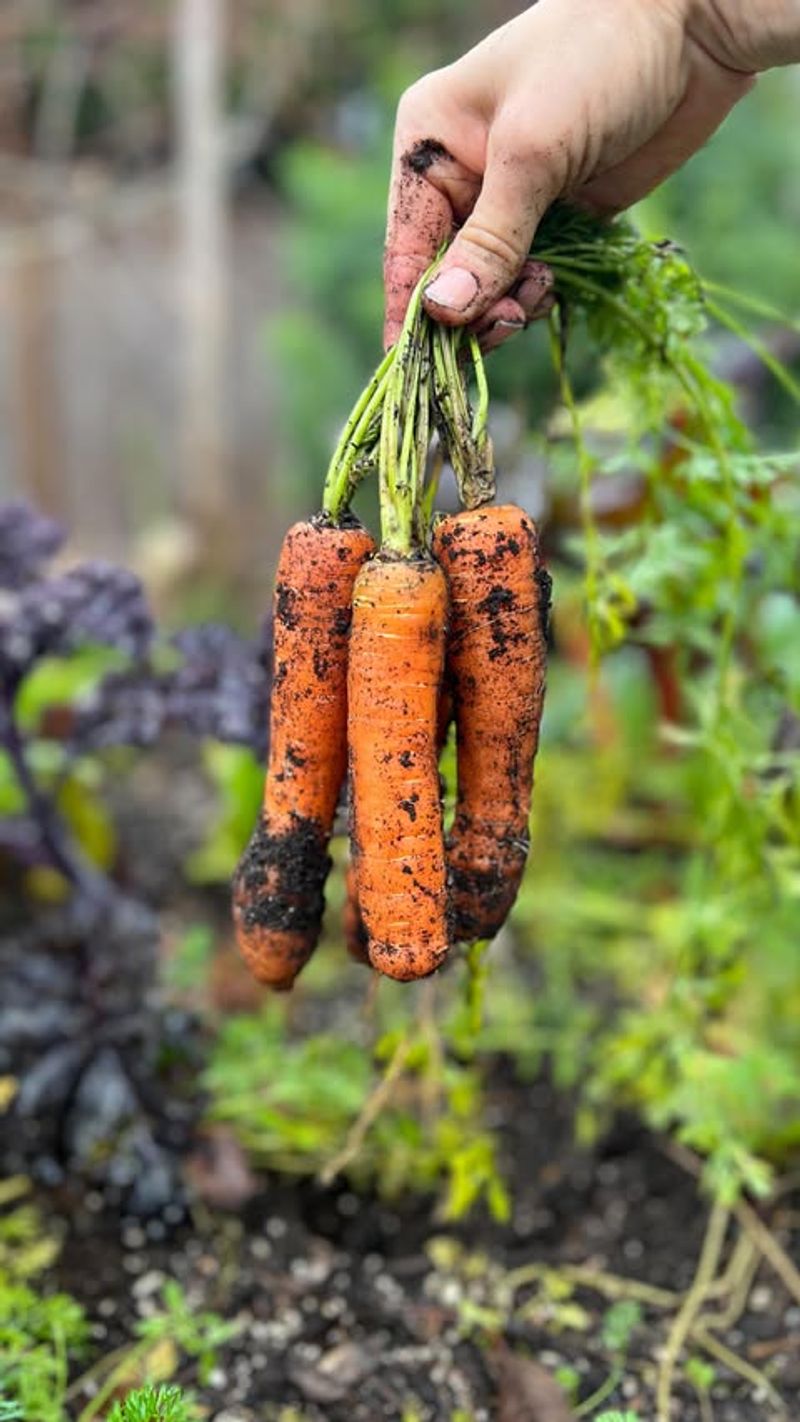
Carrots and onions confuse each other’s pests with their contrasting scents, creating a natural defense system.
Carrot flies locate their target by smell, but onion’s pungent aroma masks the carrot scent they’re searching for.
Similarly, onion flies have trouble finding onions when carrots are nearby, providing mutual protection for both crops.
These vegetables also use different levels of soil, with carrots growing deep while onion roots stay relatively shallow.
This means they’re not competing for the same nutrients and water in the same soil zone.
Both crops prefer cooler weather, making them excellent choices for spring and fall planting in North Carolina.
Plant them in alternating rows or mix them together in wide beds for the best pest confusion effect.
Carrots take longer to mature than onions, so plan your harvest schedule accordingly when planting together.
The partnership works especially well in areas where carrot rust flies or onion maggots have been problematic in past seasons.
Both vegetables store well after harvest, giving you homegrown produce for months beyond the growing season.
Thin carrots carefully as they grow to give each root enough space to develop properly.
Onions signal they’re ready for harvest when their tops fall over naturally in summer.
This classic combination has been trusted by gardeners for generations because it simply works.
Cabbage And Thyme
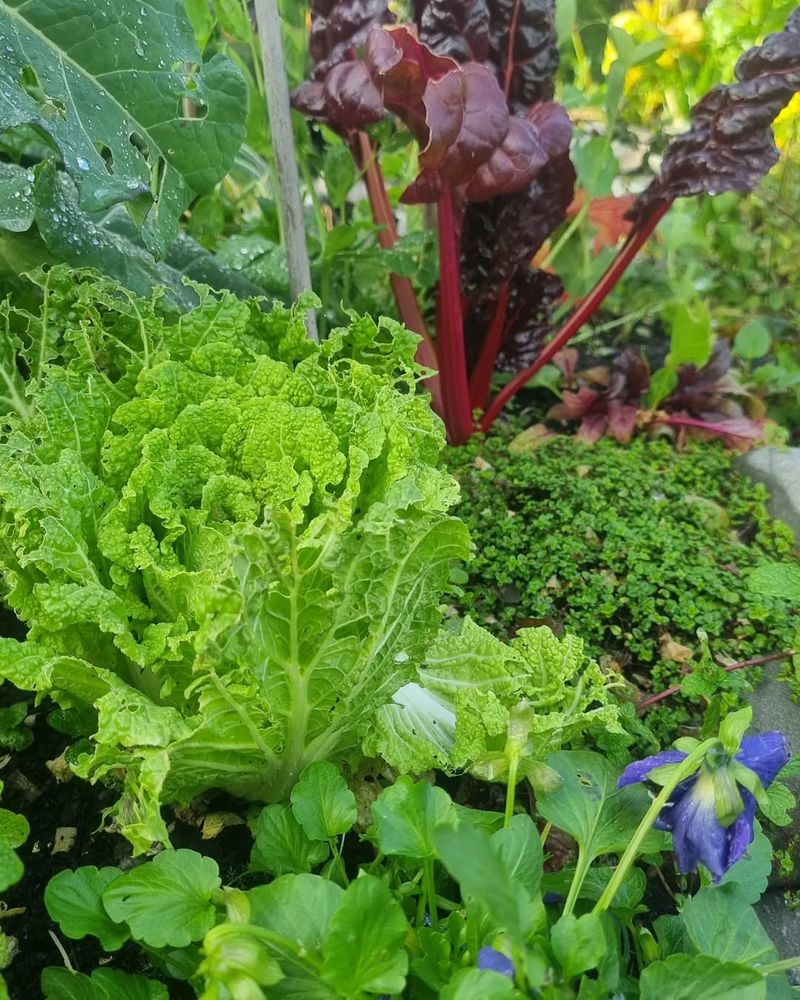
Thyme releases aromatic oils that naturally repel cabbage worms, one of the most frustrating pests for brassica growers.
These green caterpillars can quickly destroy cabbage, broccoli, and related crops if left unchecked in the garden.
The herb’s strong scent confuses moths looking for a place to lay their eggs, reducing the next generation of cabbage worms.
Thyme stays low to the ground, creating a living mulch that doesn’t compete with cabbage for sunlight or space.
Both plants prefer similar growing conditions, including full sun, moderate water, and well-draining soil.
Plant thyme around the base of cabbage plants or use it as an edging for your brassica bed.
The herb is perennial in most of North Carolina, meaning it will return year after year once established.
Cabbage grows best in cooler weather, making it perfect for spring and fall gardens in our state.
Thyme’s evergreen foliage provides year-round interest and fresh herbs even when your vegetables are out of season.
The combination works for all cabbage family members, including broccoli, cauliflower, kale, and Brussels sprouts.
Harvest thyme regularly to encourage bushy growth and keep the plant producing fresh, flavorful leaves.
This partnership is especially valuable for organic gardeners who want to avoid chemical pesticides on their food crops.
Lettuce And Tall Crops Like Okra Or Corn
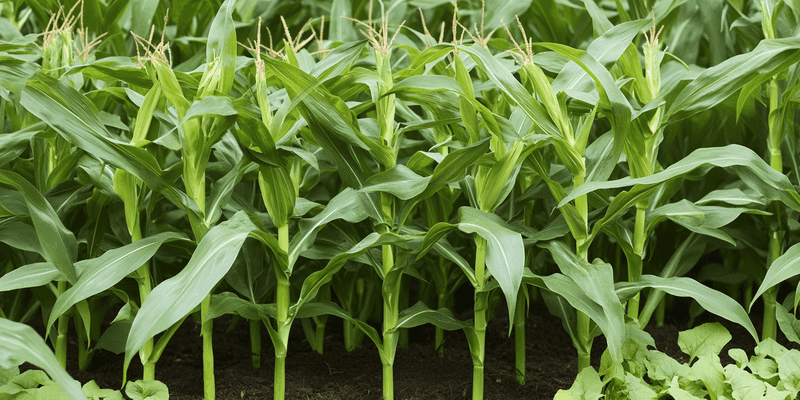
Lettuce struggles with North Carolina’s intense summer heat, often bolting and turning bitter when temperatures climb.
Tall crops like okra and corn provide afternoon shade that keeps lettuce cooler and extends your harvest season significantly.
The partial shade mimics spring growing conditions, allowing lettuce to produce tender leaves even during hot weather.
This vertical gardening strategy maximizes your growing space by using different layers of the garden simultaneously.
Plant lettuce on the eastern or northern side of tall crops where they’ll receive morning sun but afternoon shade.
Morning sunshine gives lettuce the light it needs for growth without the scorching intensity of afternoon rays.
Okra and corn roots grow deep, while lettuce has shallow roots, so they’re not competing for the same soil resources.
The shade also helps soil retain moisture, reducing how often you need to water your lettuce.
Choose heat-tolerant lettuce varieties for the best results when using this companion planting method.
Succession plant lettuce every two weeks to maintain a continuous supply of fresh salad greens throughout summer.
This technique works beautifully in small gardens where space is limited and every square foot matters.
The tall crops provide structure and vertical interest while the lettuce fills the lower level with lush greenery.
Blueberries And Pine Trees Or Acid-Loving Shrubs
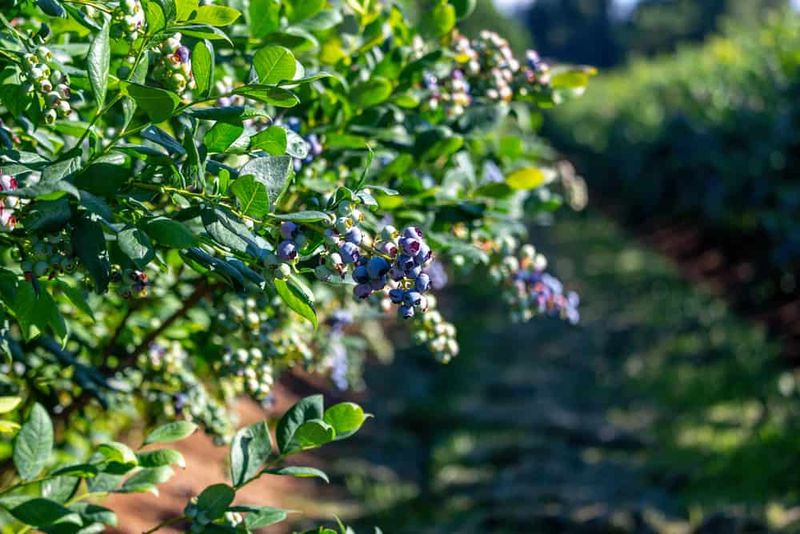
Blueberries demand acidic soil with a pH between 4.5 and 5.5, which happens to be perfect for pine trees and many native shrubs.
Pairing these plants together creates a naturally compatible landscape that thrives without constant soil amendments.
Pine needles falling to the ground gradually acidify the soil, maintaining the low pH blueberries need to absorb nutrients properly.
Azaleas, rhododendrons, and mountain laurels are native to North Carolina and share the same acidic soil requirements as blueberries.
This partnership works especially well in the Piedmont and Mountain regions where acidic soil occurs naturally.
The shrubs and trees provide a beautiful backdrop for blueberry bushes while serving a practical purpose.
Blueberries produce better when planted near other blueberry varieties for cross-pollination, so include multiple bushes in your landscape.
The combination creates a low-maintenance planting area that doesn’t require lime or other pH-adjusting products.
Pine trees offer light, dappled shade that protects blueberries from the most intense afternoon sun in summer.
Native shrubs attract pollinators in spring, increasing berry production when blueberries are flowering nearby.
Test your soil pH before planting to ensure it’s within the proper range for these acid-loving plants.
Mulch the area with pine bark or pine needles to maintain acidity and suppress weeds naturally.
Roses And Garlic
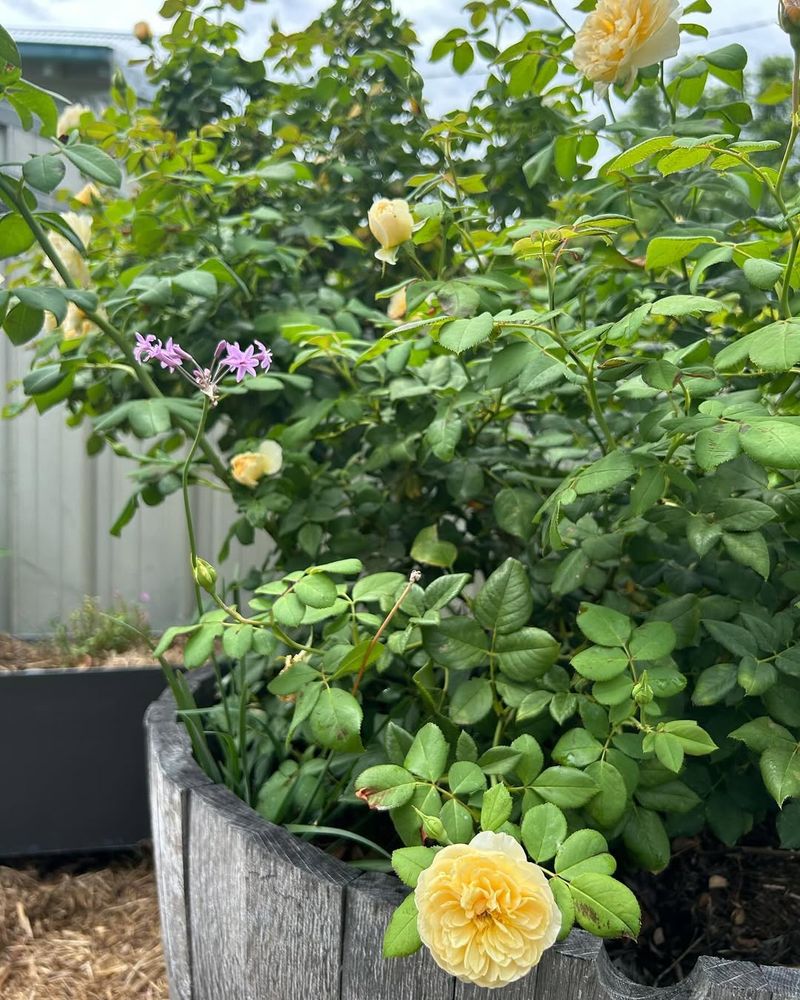
Garlic acts as a natural fungicide and pest deterrent for roses, protecting these beloved flowers from common problems.
The bulb’s sulfur compounds help prevent black spot, powdery mildew, and other fungal diseases that plague roses in humid climates.
Aphids, Japanese beetles, and other rose pests are repelled by garlic’s pungent aroma when planted nearby.
Plant garlic cloves around the base of rose bushes in fall for spring harvest and year-round protection.
North Carolina’s mild winters allow garlic to establish strong root systems before winter dormancy sets in.
The garlic foliage emerges in early spring, providing pest protection just as roses begin their new growth cycle.
Both plants appreciate well-draining soil enriched with organic matter and full sun exposure for best results.
Garlic doesn’t compete with roses for nutrients because it has a relatively short growing season.
Harvest garlic bulbs in early summer when the lower leaves begin to brown, leaving roses to shine for the rest of the season.
The combination is especially valuable in organic rose gardens where chemical fungicides are avoided.
Garlic planted near roses also gives you a useful kitchen crop alongside your beautiful ornamental flowers.
This partnership has been recommended by rosarians for decades because it consistently delivers healthier, more vigorous plants.
Beans And Sunflowers

Sunflowers create sturdy living trellises for climbing beans while beans enrich the soil with nitrogen for future crops.
The sunflower’s thick, strong stems easily support the weight of bean vines as they climb toward the sun.
Beans fix atmospheric nitrogen through special bacteria in their root nodules, leaving behind enriched soil when the season ends.
This nitrogen benefit helps next year’s crops grow more vigorously without synthetic fertilizers.
Plant sunflowers first and allow them to reach at least 12 inches tall before adding bean seeds at their base.
Choose shorter sunflower varieties, around 4 to 6 feet tall, rather than giant types that might topple under bean weight.
Both plants love North Carolina’s warm summers and need full sun to produce their best harvests.
The large sunflower leaves provide some shade for bean roots, helping soil stay cooler and retain moisture during hot weather.
Harvest beans regularly to keep the plants producing throughout the growing season until first frost.
Sunflower heads attract birds and beneficial insects, adding life and movement to your garden space.
The combination creates a visually striking garden feature with cheerful yellow blooms towering above green bean vines.
After harvest, chop up the spent plants and work them into the soil to add organic matter and nitrogen.
Sweet Potatoes And Okra
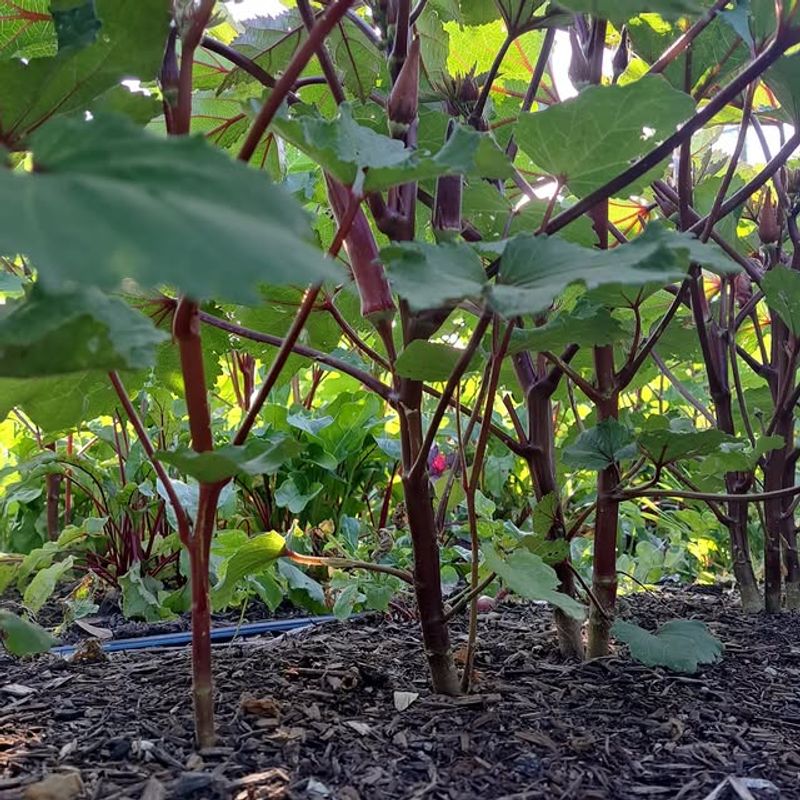
Sweet potato vines spread horizontally across the ground while okra shoots straight upward, creating a perfect space-sharing partnership.
The dense sweet potato foliage acts as a living mulch, shading soil and preventing weed seeds from germinating.
This ground cover effect also keeps soil cooler and reduces moisture evaporation during North Carolina’s hot, dry summer periods.
Okra grows tall and upright, so it doesn’t shade the sweet potato vines that need plenty of sunshine.
Both crops are heat lovers that thrive in our long, warm growing season from late spring through early fall.
The vertical and horizontal growth habits mean they’re not competing for the same growing space or resources.
Sweet potatoes develop their tubers underground while okra produces pods above ground, making harvest easy for both crops.
Plant okra first, then add sweet potato slips a few weeks later once the soil has thoroughly warmed up.
The combination suppresses weeds so effectively that you’ll spend much less time maintaining your garden beds.
Both plants tolerate drought conditions reasonably well once established, though consistent moisture improves yields significantly.
Harvest okra pods when they’re young and tender for the best eating quality and to encourage continued production.
Sweet potatoes are ready when the first light frost touches the vines, usually in October or November across most of the state.