Fruit Trees Georgia Gardeners Often Regret Planting
Georgia’s long growing season can be deceiving when it comes to fruit trees.
Many fruit trees struggle in Georgia because of heat, humidity, disease pressure, or mismatched chill-hour requirements, leading to disappointment years later.
Some trees bloom too early and lose fruit to late frosts, while others succumb to fungal diseases common in warm, moist climates.
Gardeners often regret planting trees that thrive in cooler or drier regions without realizing the challenges Georgia presents.
Maintenance demands, poor fruit quality, and repeated crop failure are common frustrations.
Understanding which fruit trees are poorly suited to Georgia conditions helps gardeners avoid costly mistakes and choose better-performing alternatives from the start.
Sweet Cherry Trees
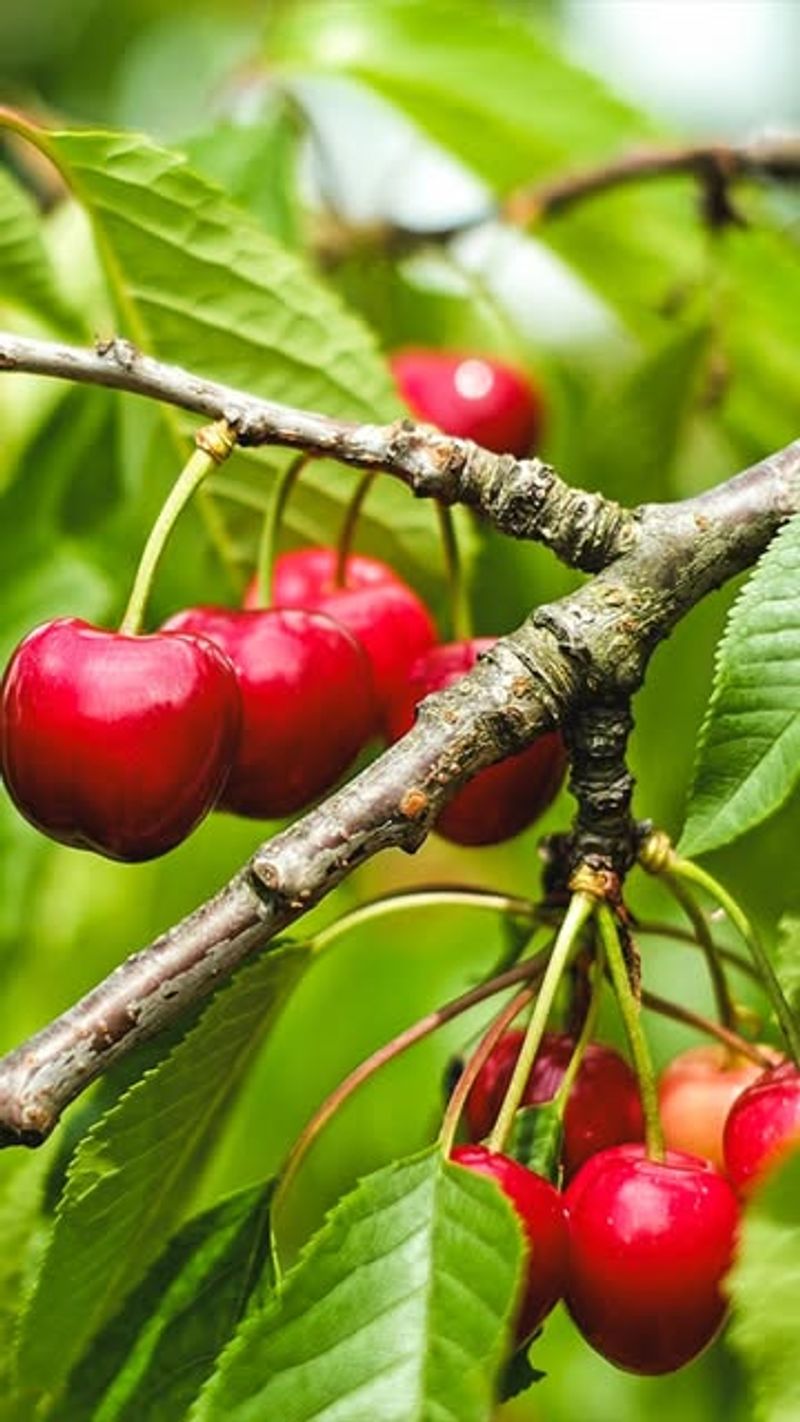
Sweet cherries dream of cool mountain air and crisp spring mornings, conditions Georgia rarely provides consistently.
The state’s hot, humid summers create a perfect breeding ground for fungal diseases that attack sweet cherry trees relentlessly.
Brown rot, leaf spot, and powdery mildew spread quickly in moisture-heavy air, weakening trees and ruining fruit before harvest.
Even with diligent spraying schedules, keeping these diseases under control becomes an exhausting battle that many gardeners eventually lose.
Heat stress compounds the problem during Georgia’s long summers.
Sweet cherries prefer cooler temperatures and struggle when thermometers climb into the 90s for weeks on end.
The trees often produce small, poor-quality fruit that splits easily and lacks the sweet flavor you’d expect from store-bought varieties.
Spring weather adds another layer of frustration.
Sweet cherries bloom relatively early, making their delicate flowers vulnerable to late frosts that wipe out entire crops.
After surviving disease pressure all season, losing your harvest to one cold snap in March feels particularly defeating.
Sour cherry varieties handle Georgia’s climate much better and produce reliably for pies and preserves.
Stick with those if you’re craving homegrown cherries.
Apricot Trees
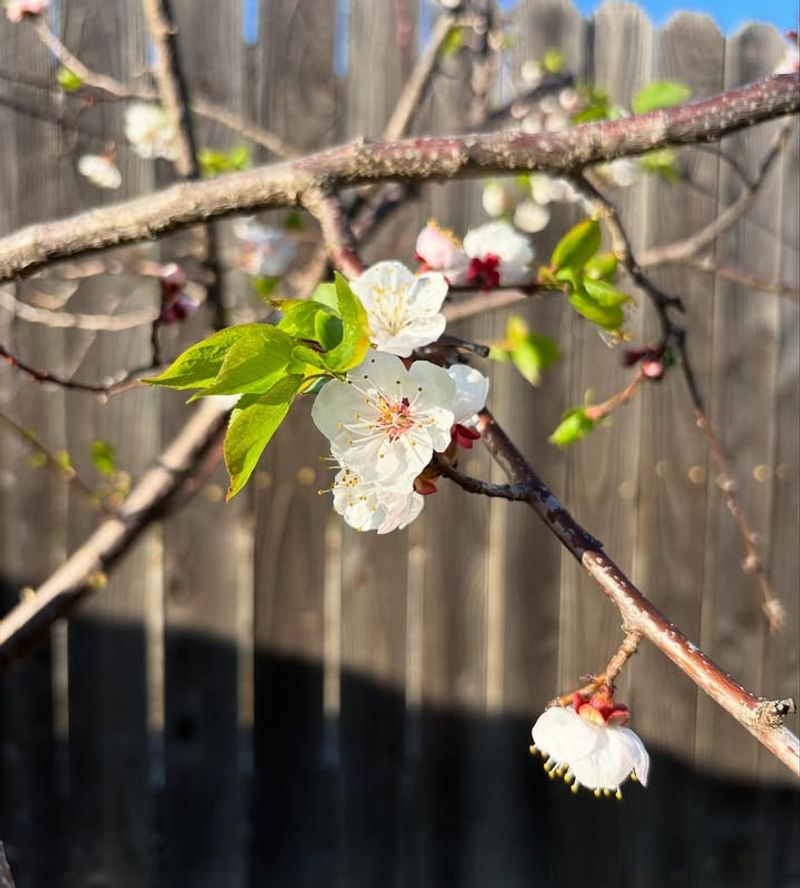
Apricot trees wake up way too early for Georgia’s unpredictable spring weather patterns.
These eager bloomers often flower in late February or early March, well before the last frost date in most Georgia counties.
One warm week tricks them into full bloom, then a sudden cold front sweeps through and destroys every flower.
Without flowers, you get zero fruit, turning your apricot tree into nothing more than an ornamental shade provider.
This frustrating cycle repeats year after year in most Georgia locations.
You might get lucky with a harvest once every three or four years, but that’s hardly worth the space and care the tree demands.
Commercial apricot production happens in drier western states with more predictable spring weather for good reason.
Even when flowers survive frost, Georgia’s humidity invites bacterial and fungal diseases that attack both foliage and developing fruit.
Brown rot spreads rapidly in humid conditions, turning promising apricots into shriveled, inedible messes before they ripen.
The constant disease pressure means frequent spraying, which many home gardeners find tedious and expensive.
If you love apricots, consider buying them from farmers in better climates.
Your garden space deserves trees that actually produce consistent harvests rather than teasing you with occasional success.
Your Georgia Garden Changes Every Week. Your Plan Should Too.
Gardening in Georgia changes quickly throughout the season. Every Friday you’ll receive a simple weekly plan showing exactly what to plant, prune, fertilize, harvest, and protect so you never miss the right timing.
European Plum Trees
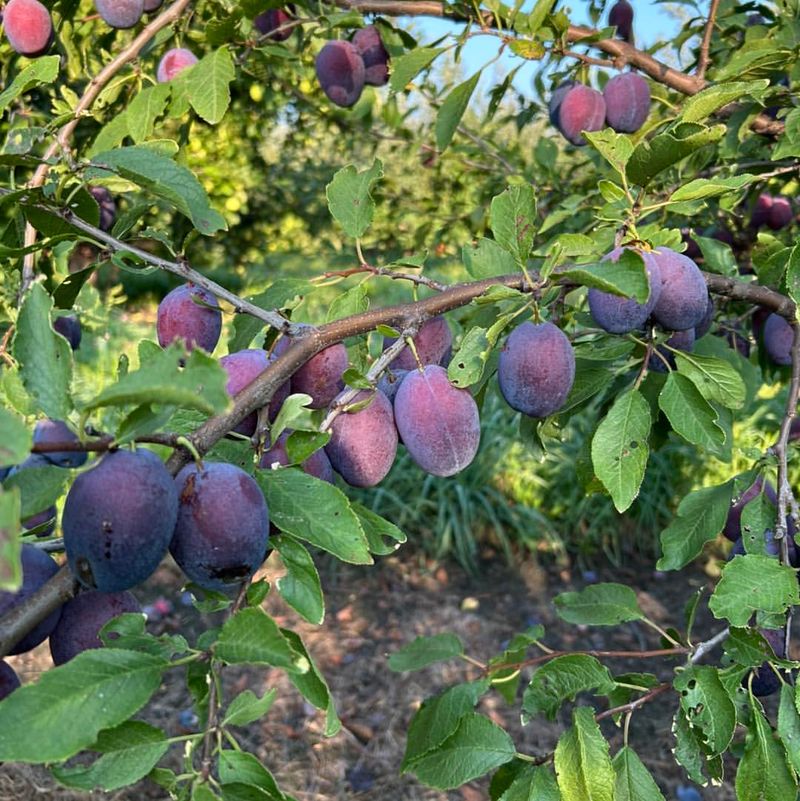
European plums carry an Old World charm that simply doesn’t translate well to Georgia’s steamy summers.
These trees evolved in cooler, drier European climates and struggle mightily with the Southeast’s oppressive humidity.
Fungal diseases attack leaves, branches, and fruit with alarming speed, often defoliating trees by midsummer.
Black knot disease creates ugly, tumor-like growths on branches that weaken the tree’s structure and spread to neighboring stone fruit trees.
Poor fruit set plagues European plums in Georgia even when trees appear healthy.
The varieties need specific chilling hours and pollination conditions that Georgia’s mild winters and unpredictable springs rarely provide consistently.
You’ll see beautiful blossoms in spring, then watch most of them drop without forming fruit, leaving you with a disappointing handful of plums instead of abundant harvests.
Brown rot attacks any fruit that does develop, especially during Georgia’s frequent summer thunderstorms.
The combination of warm temperatures and moisture creates ideal conditions for this devastating disease to spread from fruit to fruit.
Before you know it, your entire small crop has rotted on the tree.
Japanese plum varieties handle Georgia conditions much better and produce reliably with proper care.
They’re bred for warmer, more humid climates and resist many diseases that plague European types.
Apple Trees (Non-Resistant Varieties)
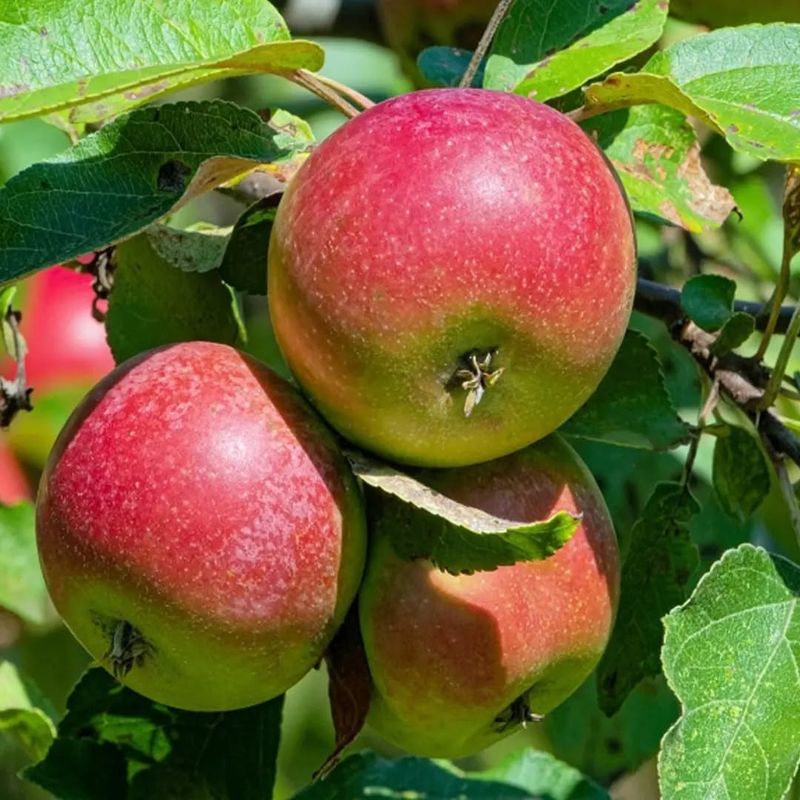
Planting the wrong apple variety in Georgia sets you up for years of disappointment and constant disease management.
Cedar apple rust creates bizarre orange spots and horn-like growths on leaves and fruit, making apples look like alien specimens rather than edible treats.
This fungal disease requires both apple trees and cedar trees to complete its life cycle, and Georgia has plenty of both.
The spores travel for miles on spring winds, making it nearly impossible to avoid infection unless you plant resistant varieties.
Fire blight strikes with devastating speed during warm, wet spring weather.
This bacterial disease causes branches to blacken and curl as if scorched by flames, giving the disease its dramatic name.
Entire limbs can be lost in a single season, and severe infections can compromise the whole tree.
Non-resistant varieties like Red Delicious and Granny Smith suffer terribly from fire blight in Georgia’s climate.
Humidity also encourages other fungal problems like sooty blotch, flyspeck, and powdery mildew.
Keeping non-resistant apples healthy requires an intensive spray schedule that many home gardeners find overwhelming and expensive.
Missing even a few applications can result in trees covered with diseased foliage and unmarketable fruit.
Disease-resistant varieties like Enterprise, Liberty, and GoldRush thrive in Georgia with minimal intervention.
Choose wisely from the start.
Pear Trees (Non-Resistant Varieties)
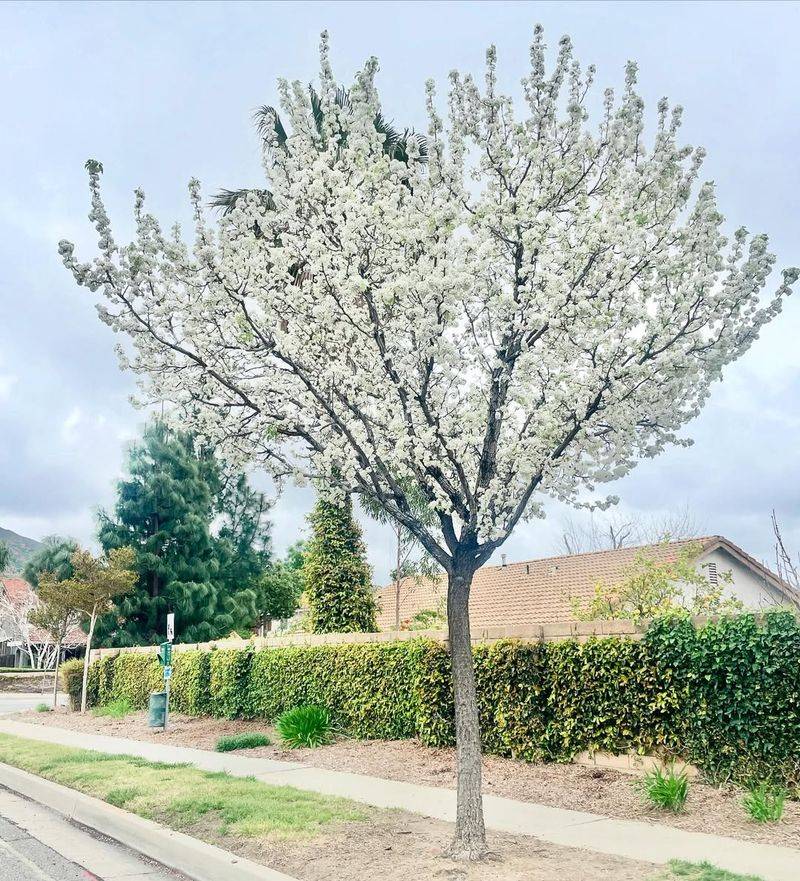
Fire blight hits pear trees even harder than it attacks apples, making variety selection absolutely critical in Georgia.
This aggressive bacterial disease spreads rapidly through pear trees during warm spring rains, exactly the weather Georgia experiences regularly.
Infected branches turn black and droop in a distinctive shepherd’s crook shape that signals serious trouble.
The bacteria moves through the tree’s vascular system, potentially reaching the trunk and causing catastrophic damage that no amount of pruning can fix.
Non-resistant varieties like Bartlett, Bosc, and Anjou are particularly vulnerable to fire blight in Georgia’s climate.
Gardeners watch helplessly as beautiful, healthy-looking trees suddenly develop blackened branches that must be pruned away.
Severe infections can take out major limbs or even compromise the entire tree, wasting years of growth and care.
The disease spreads through insects, rain splash, and contaminated pruning tools, making it difficult to contain once it appears.
Even meticulous sanitation practices can’t always prevent fire blight when environmental conditions favor its spread.
Warm temperatures above 65°F combined with moisture create perfect conditions for explosive bacterial growth.
Fortunately, fire blight-resistant pear varieties like Kieffer, Orient, and Warren perform beautifully in Georgia.
These tough varieties produce reliable harvests without the constant worry and maintenance that susceptible types demand.
Almond Trees
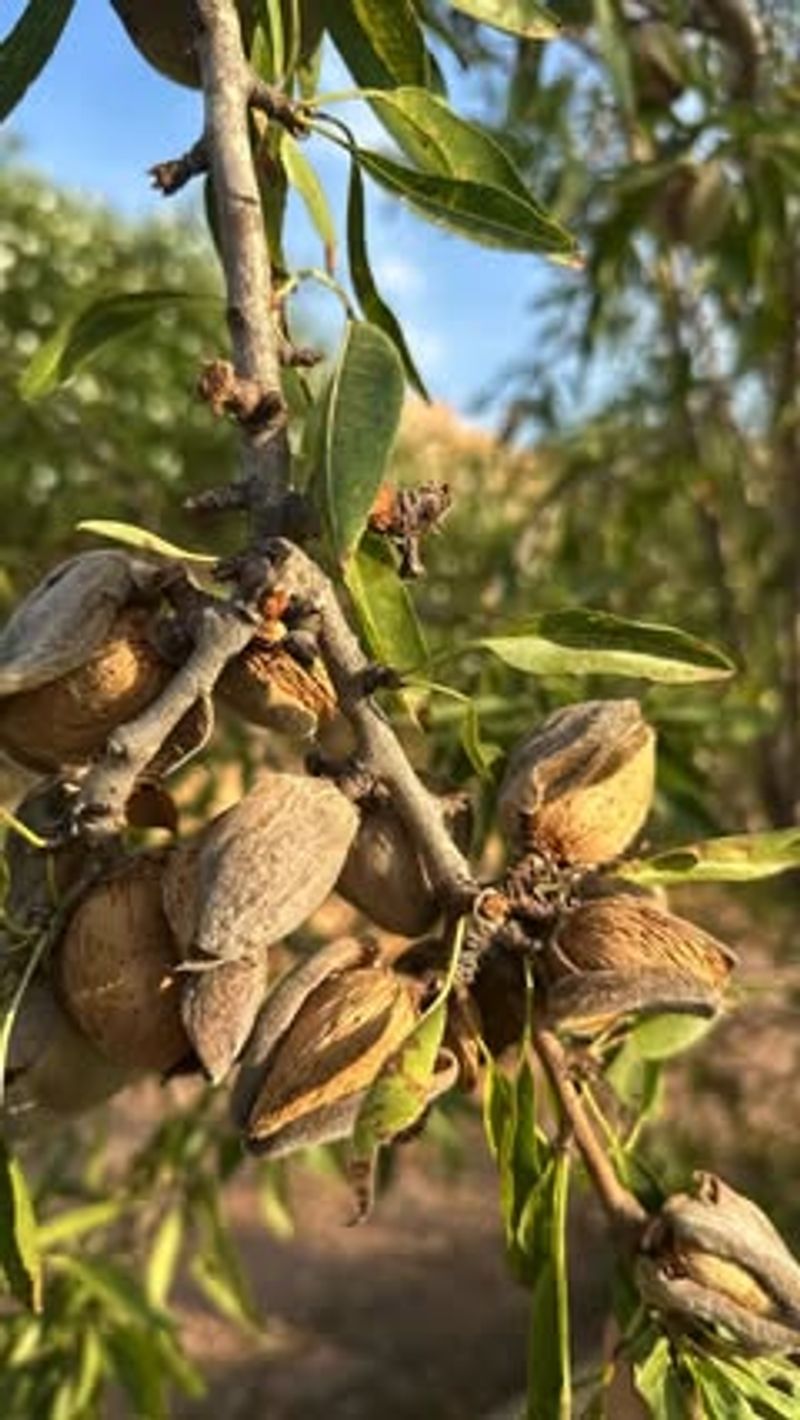
Almond trees belong in California’s dry Mediterranean climate, not Georgia’s humid subtropical environment.
These trees require very specific growing conditions that Georgia simply cannot provide consistently.
Low humidity is essential for almond production because moisture promotes fungal diseases that devastate both foliage and developing nuts.
Georgia’s summer humidity regularly exceeds 70 percent, creating a disease paradise that makes growing healthy almonds nearly impossible.
Fungal issues attack almond trees from multiple angles in humid climates.
Leaf spot diseases weaken trees and reduce photosynthesis, while hull rot ruins nuts before they mature.
The almond shells fail to properly harden and dry in humid conditions, leading to moldy, inedible kernels even when trees manage to produce a crop.
Spring frost poses another serious challenge for almond cultivation in Georgia.
Almonds bloom very early, often in late February or early March, making flowers extremely vulnerable to freeze damage.
A single cold snap during bloom time eliminates any chance of harvest that year, and Georgia’s spring weather is notoriously unpredictable.
Commercial almond production requires dry summers, mild wet winters, and reliable spring weather—conditions found in California’s Central Valley but rarely replicated in Georgia.
Save yourself the frustration and plant pecans instead, a nut tree that actually thrives in Southern conditions.
Olive Trees
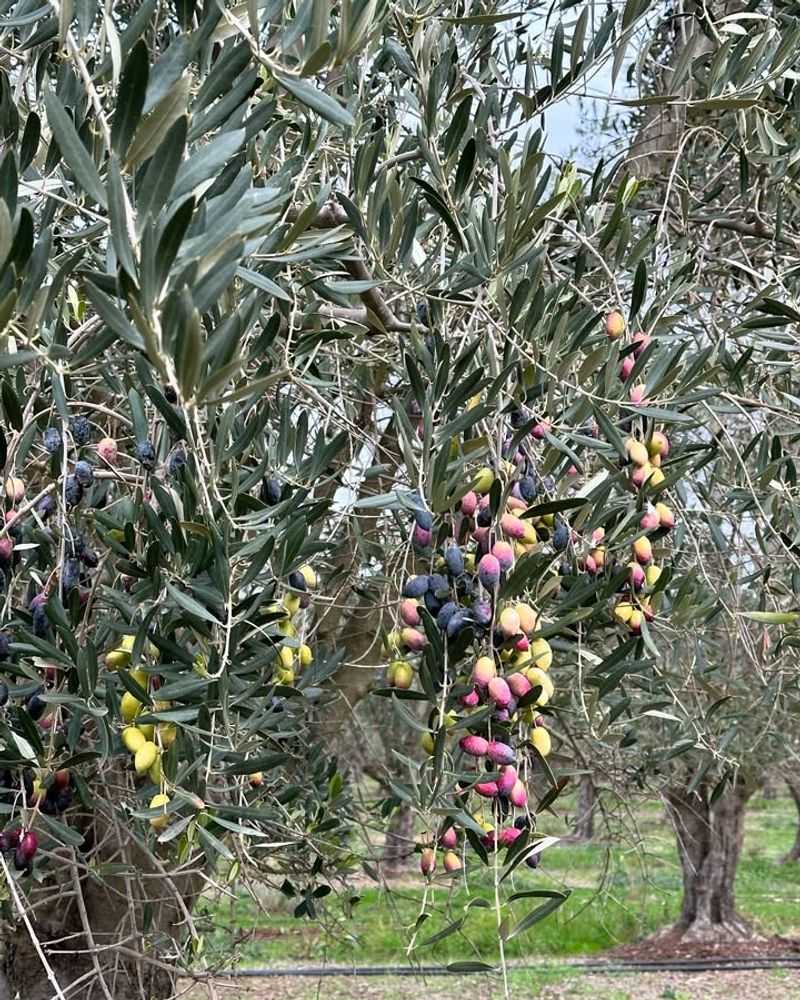
Olive trees tempt Southern gardeners with their Mediterranean mystique, but Georgia winters regularly dash those dreams.
These trees handle brief dips to the mid-20s but suffer serious damage when temperatures drop lower or stay cold for extended periods.
Georgia’s inconsistent winters create a dangerous situation where mild spells encourage new growth, then sudden freezes damage tender tissue.
The freeze-thaw cycles that characterize Georgia winters are particularly hard on olive trees, causing bark splitting and branch loss.
Even supposedly cold-hardy olive varieties struggle in much of Georgia.
Trees might survive several mild winters, lulling gardeners into false confidence, then a particularly harsh winter causes severe damage or complete loss.
Investing years into growing an olive tree only to lose it to one bad winter feels devastating.
Olives also need specific chilling hours and summer heat patterns to produce fruit properly.
Georgia’s climate doesn’t always provide the right combination, resulting in poor fruit set or olives that never properly ripen.
Without consistent fruit production, the tree becomes merely ornamental, which defeats the purpose for most gardeners.
Container growing offers an alternative for olive enthusiasts willing to move trees indoors during winter cold snaps.
Otherwise, focus your efforts on fruit trees genuinely suited to Georgia’s climate rather than fighting nature to grow Mediterranean species.
Citrus Trees Planted Outdoors
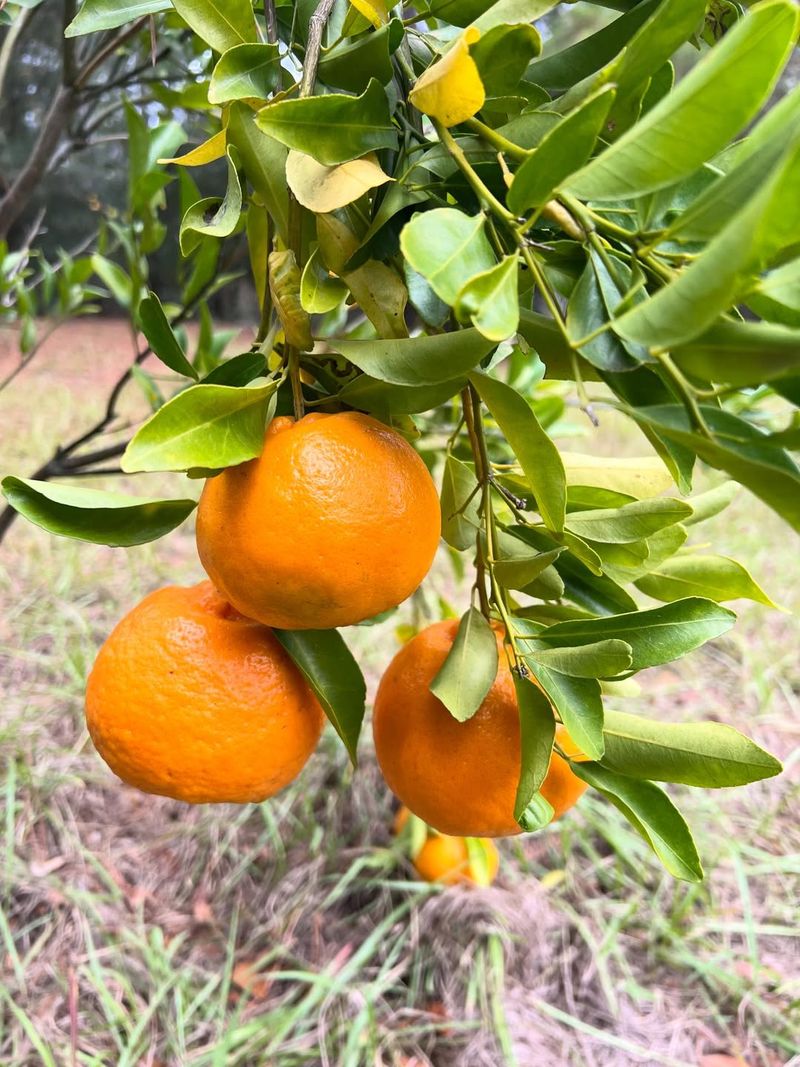
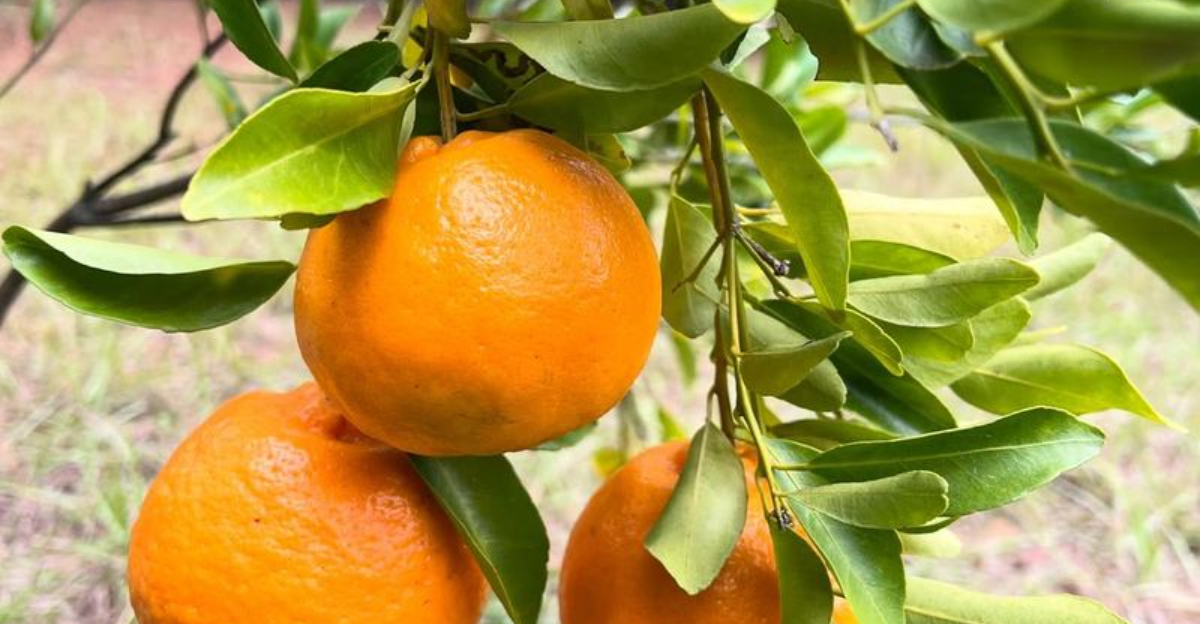
Planting citrus directly in Georgia’s ground is a gamble you’ll almost certainly lose eventually.
Even in the warmest parts of southern Georgia, winter freezes happen often enough to make outdoor citrus planting impractical for most gardeners.
Citrus trees suffer damage when temperatures drop into the upper 20s, and anything below 25°F can cause severe injury or complete tree loss.
Georgia experiences these dangerous temperatures at least occasionally in nearly every county, making unprotected citrus a risky investment.
Satsumas and kumquats offer slightly better cold tolerance than other citrus types, surviving brief dips to the low 20s.
However, even these tougher varieties eventually face a winter cold enough to cause serious damage.
You might enjoy several years of successful harvests, then lose everything to one particularly harsh cold snap.
The northern two-thirds of Georgia is completely unsuitable for in-ground citrus planting.
Even with cold protection measures like wrapping or covering, extended freezes overwhelm these temporary solutions.
Watching a mature citrus tree you’ve nurtured for years succumb to winter cold is heartbreaking.
Container-grown citrus that moves indoors for winter offers a practical alternative.
Large pots on dollies make relocation manageable, and trees produce well when properly cared for.
This approach lets you enjoy fresh citrus without risking permanent outdoor plantings that Georgia’s winter weather will eventually damage.
Nectarine Trees
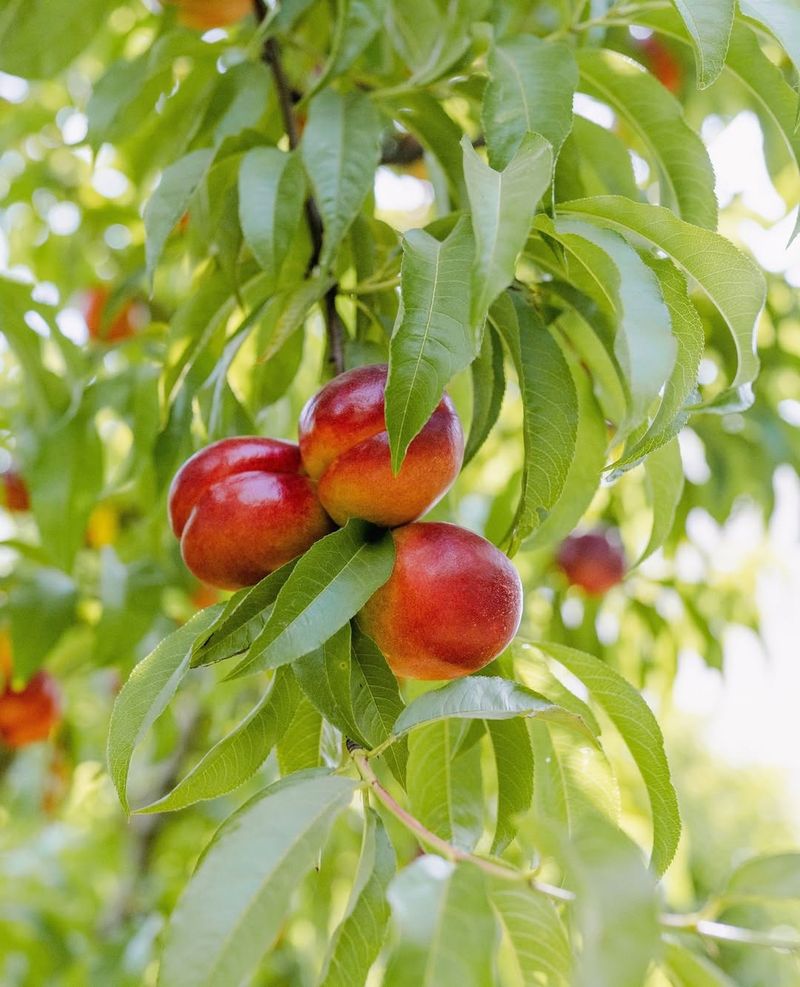
Nectarines face all the same challenges as peaches but with even less reliability and reward.
Think of nectarines as peaches without the protective fuzz, which makes them more vulnerable to insect damage and disease infection.
The smooth skin that makes nectarines appealing to eat also makes them easier targets for pests like plum curculio, which leaves characteristic crescent-shaped scars.
Brown rot and other fungal diseases also penetrate nectarine skin more easily than fuzzy peach skin.
Georgia’s humidity creates perfect conditions for diseases that plague nectarine trees.
Leaf curl, bacterial spot, and brown rot require aggressive spray schedules to manage, often more intensive than what peach trees need.
Many home gardeners find the constant maintenance exhausting, especially when harvests remain unreliable despite their efforts.
Nectarines also tend to produce less consistently than peaches in Georgia’s climate.
Fruit set can be erratic, and the fruit that does develop often suffers from pest damage or disease before reaching maturity.
After dealing with all the same work as growing peaches, getting a smaller, lower-quality harvest feels like a poor return on investment.
If you want stone fruit, stick with disease-resistant peach varieties bred specifically for the Southeast.
They’ll give you better results with less frustration.
Nectarines simply aren’t worth the extra trouble in Georgia gardens when superior alternatives exist.
Asian Pear Trees
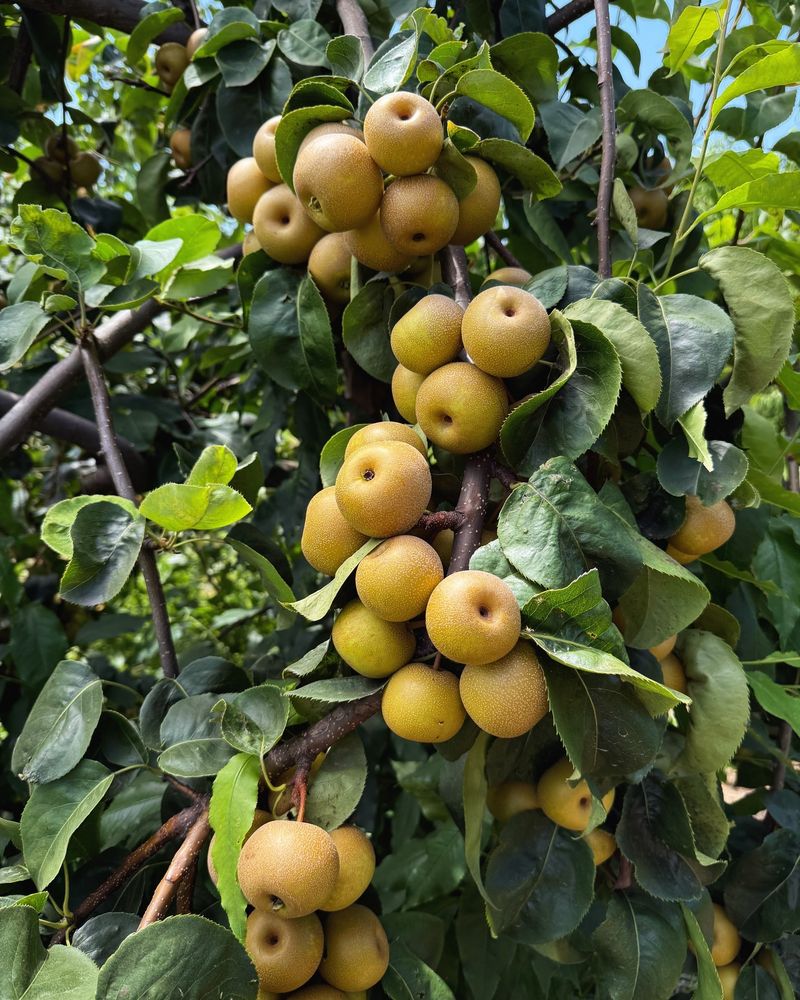
Asian pears start strong but often decline after a few seasons in Georgia, leaving gardeners puzzled and disappointed.
Fire blight susceptibility is the primary culprit behind Asian pear failures in Georgia.
While these trees seem healthy initially, repeated exposure to fire blight bacteria during warm, wet springs eventually takes its toll.
The disease causes progressive branch dieback that slowly weakens trees over several years, reducing vigor and fruit production with each infection cycle.
Unlike European pears, which have more fire blight-resistant varieties available, most Asian pear cultivars show significant vulnerability to this bacterial disease.
The crisp, juicy fruit that makes Asian pears desirable comes from varieties that evolved in climates quite different from Georgia’s humid Southeast.
They simply haven’t been bred with the same disease resistance priorities.
Many gardeners plant Asian pears excited by their unique texture and flavor, only to watch trees gradually decline.
Initial harvests might be good, creating optimism, but subsequent years bring increasing disease pressure and diminishing returns.
Branches blacken and must be pruned away, reducing the tree’s productive capacity season by season.
The combination of fire blight susceptibility and Georgia’s disease-friendly climate makes Asian pears a frustrating choice for most locations.
Unless you’re committed to intensive disease management and accept that tree longevity may be limited, consider focusing on more reliable fruit tree options better suited to Southern growing conditions.
Pomegranate Trees
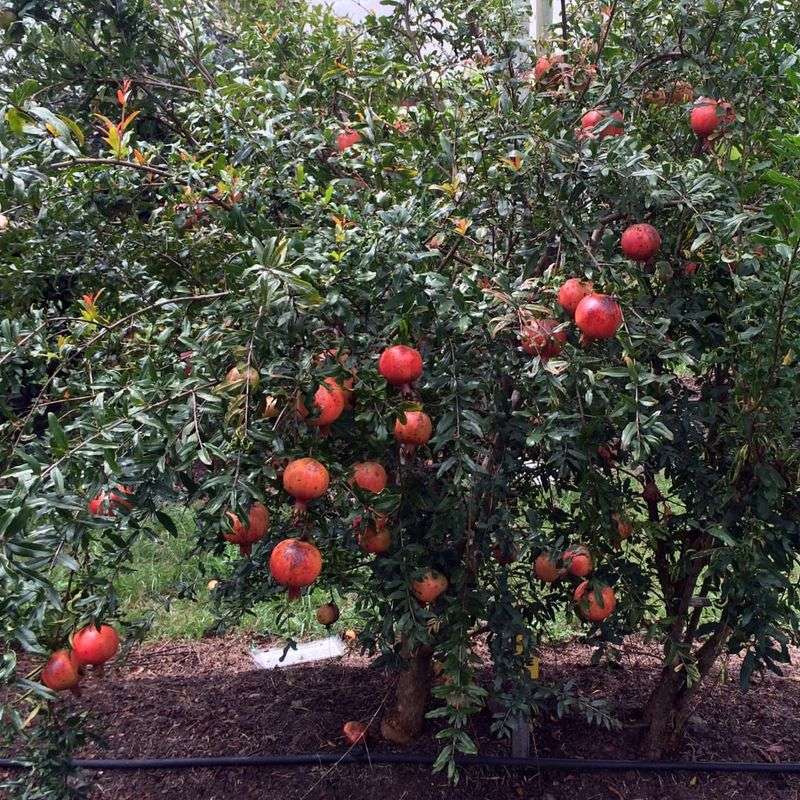
Pomegranates survive in much of Georgia but rarely deliver the quality fruit that justifies the space they occupy.
Cold tolerance varies significantly among pomegranate varieties, and most suffer damage when winter temperatures drop below 10-15°F.
Northern and central Georgia regularly experience colder temperatures, causing branch dieback that reduces fruiting wood and delays or eliminates harvests.
Even supposedly cold-hardy varieties struggle during particularly harsh winters, setting back years of growth in a single season.
Fruit quality disappoints even when trees survive winter and produce a crop.
Pomegranates need long, hot summers to develop their characteristic deep color and sweet-tart flavor.
Georgia’s growing season, while warm, doesn’t always provide enough accumulated heat for fruits to reach their full potential.
The result is often pale, less flavorful pomegranates that don’t compare favorably to fruit from ideal growing regions.
Rain during fruit ripening causes additional problems.
Pomegranates splitting open from excess moisture is common in Georgia, especially during wet autumns.
Split fruit quickly spoils or attracts insects, wasting much of the crop.
Commercial pomegranate production happens in arid regions where rainfall is minimal during fruit development.
Southern Georgia offers better conditions for pomegranates than northern areas, but even there, results remain inconsistent.
Unless you live in the warmest parts of the state and don’t mind variable harvests, other fruit trees will likely give you more satisfaction.
Avocado Trees
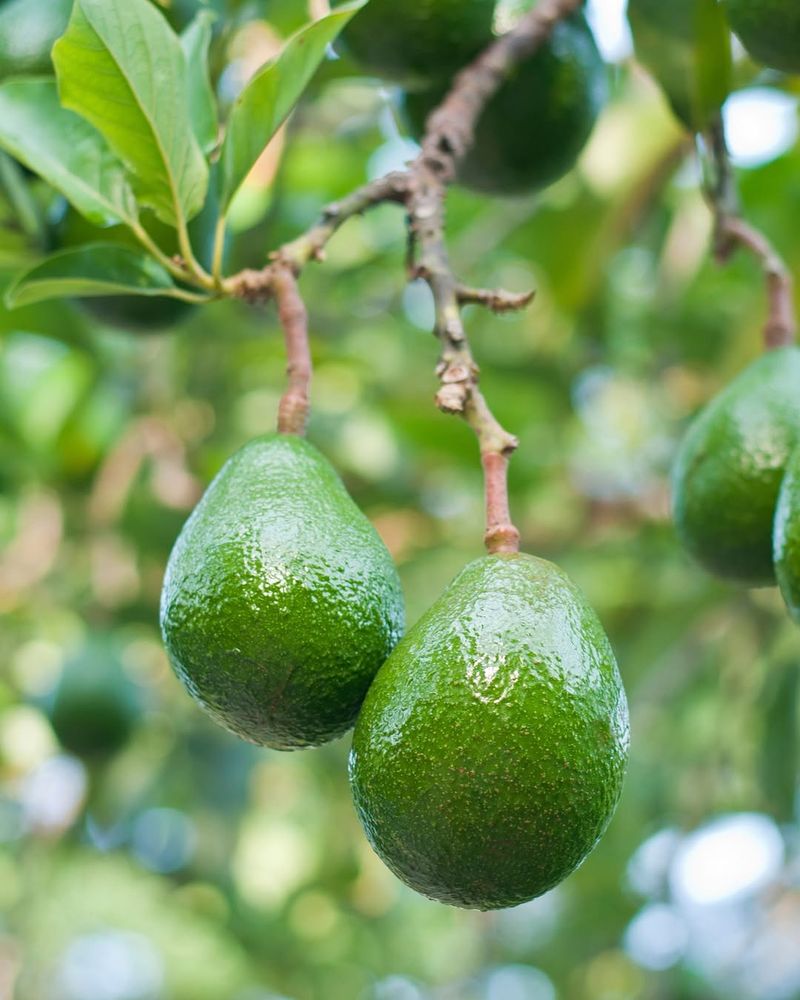
Avocado trees represent one of the most unrealistic fruit tree choices for Georgia gardeners.
These tropical natives tolerate virtually no freezing temperatures, suffering damage when thermometers dip below 30°F.
Even the most cold-hardy avocado varieties, like Mexicola or Lula, can only handle brief exposure to the upper 20s.
Georgia’s winters regularly drop well below these thresholds throughout most of the state, making outdoor avocado cultivation impossible in practice.
Some optimistic gardeners try growing avocados in the warmest microclimates or southernmost counties, hoping to beat the odds.
While trees might survive a few mild winters, eventually a hard freeze comes along and causes severe damage or complete loss.
The time and effort invested in nurturing a tender tropical tree makes the inevitable freeze loss particularly frustrating.
Even if cold wasn’t an issue, avocados need specific growing conditions Georgia doesn’t provide.
Well-drained soil is absolutely critical, and many Georgia locations have heavy clay that stays too wet for avocado roots.
The trees also require careful water management, struggling with both drought stress and overwatering.
Container growing with winter protection offers the only viable option for Georgia avocado enthusiasts.
Trees must be small enough to move indoors during cold weather, limiting fruit production significantly.
For most gardeners, buying avocados from appropriate climates makes far more sense than attempting to grow them in Georgia’s challenging environment.
Mulberry Trees
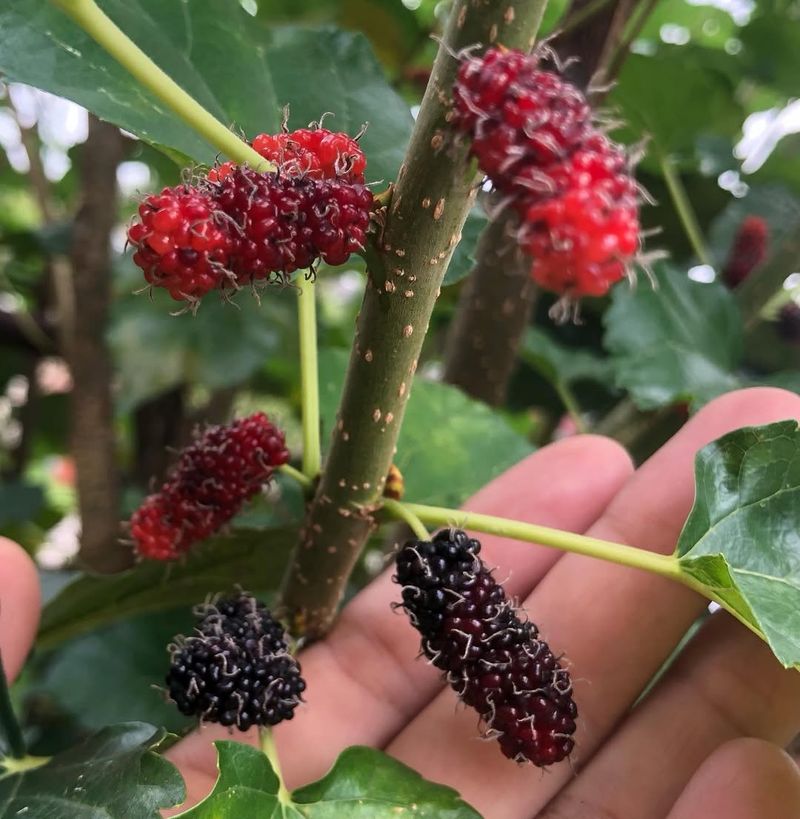
Mulberry trees grow vigorously in Georgia, which turns out to be more curse than blessing for most homeowners.
The fruit production that initially attracts gardeners quickly becomes a nightmare when berries start dropping.
Mulberries ripen over several weeks, meaning the tree continuously drops fruit throughout early summer.
Dark purple berries land on everything below—driveways, sidewalks, patios, cars, and outdoor furniture—creating stains that are extremely difficult to remove.
Walking through fallen mulberries tracks sticky purple footprints into homes and vehicles.
Birds absolutely love mulberries, which sounds charming until you realize the implications.
Flocks of birds congregate in mulberry trees to feast, then leave droppings all over the area.
These bird droppings, combined with dropped berries, create a disgusting mess that requires constant cleanup.
Parking under or near a mulberry tree during fruiting season is a mistake you’ll make only once.
Invasiveness adds another layer of regret.
Mulberry trees spread aggressively through bird-dispersed seeds, popping up in fence lines, gardens, and natural areas.
They’re considered invasive in many regions because they outcompete native plants and create monoculture thickets.
What starts as one tree can become a persistent removal problem.
If you want mulberries for eating or wildlife, plant trees far from buildings, driveways, and living spaces.
Most people who plant them near homes deeply regret the decision once fruiting begins and the mess becomes unavoidable.
Bradford Pear (Ornamental Pear)
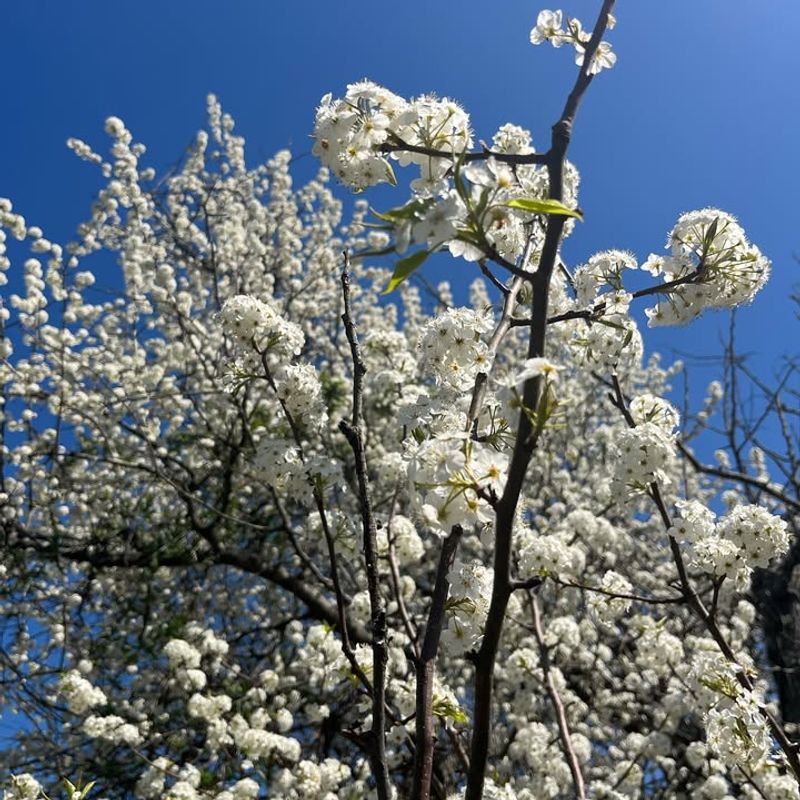
Bradford pears earned their terrible reputation through decades of failures across Georgia and the entire Southeast.
Structural weakness is the most immediate problem.
These trees grow quickly with narrow branch angles that create weak attachment points.
As trees mature, branches regularly split away from the trunk during storms, high winds, or even under their own weight.
Watching large limbs crash down during thunderstorms poses safety hazards and leaves trees disfigured and ugly.
The rapid growth that makes Bradford pears initially appealing also contributes to their short lifespan.
Most trees begin falling apart after 15-20 years, sometimes even sooner.
For a tree that’s supposed to be a long-term landscape investment, this brief useful life is unacceptable.
Invasiveness has become such a serious problem that some Georgia counties have banned Bradford pear sales and planting.
The trees produce abundant seeds that birds spread far and wide, creating dense thickets in natural areas, pastures, and roadsides.
These invasive stands outcompete native plants and reduce biodiversity, causing ecological damage across the region.
Even the showy white spring flowers that initially made Bradford pears popular smell unpleasant, often compared to rotting fish.
This offensive odor combined with structural problems, invasiveness, and legal restrictions makes Bradford pears one of the worst tree choices for any Georgia property.
Numerous superior alternatives exist for every landscape need.