6 Venomous Creatures Michigan Residents Should Know
Michigan’s lakes, forests, and neighborhoods offer plenty to admire, yet a few hidden dangers share the landscape.
Encounters stay uncommon, but venomous creatures do exist across the state, and awareness makes a real difference.
A quiet trail, a woodpile, or a shaded corner of a yard may hold more than first meets the eye.
As the saying goes, forewarned stays forearmed.
Cold winters limit the number of venomous species in Michigan, but the ones that remain still deserve respect.
Certain snakes, spiders, and insects rely on venom for defense rather than aggression.
Most incidents happen by accident, often after a misplaced step or an unwary reach. Familiarity with habitats and habits lowers risk and replaces panic with confidence.
Knowledge of local wildlife supports safety and balance at the same time. Venomous species help control pests and contribute to healthy ecosystems.
With simple precautions and clear awareness, residents can enjoy outdoor spaces without fear.
Prepared minds reduce surprise, and caution takes the place of guesswork.
When people know what to watch for, Michigan’s natural areas stay places of enjoyment rather than sources of unnecessary danger.
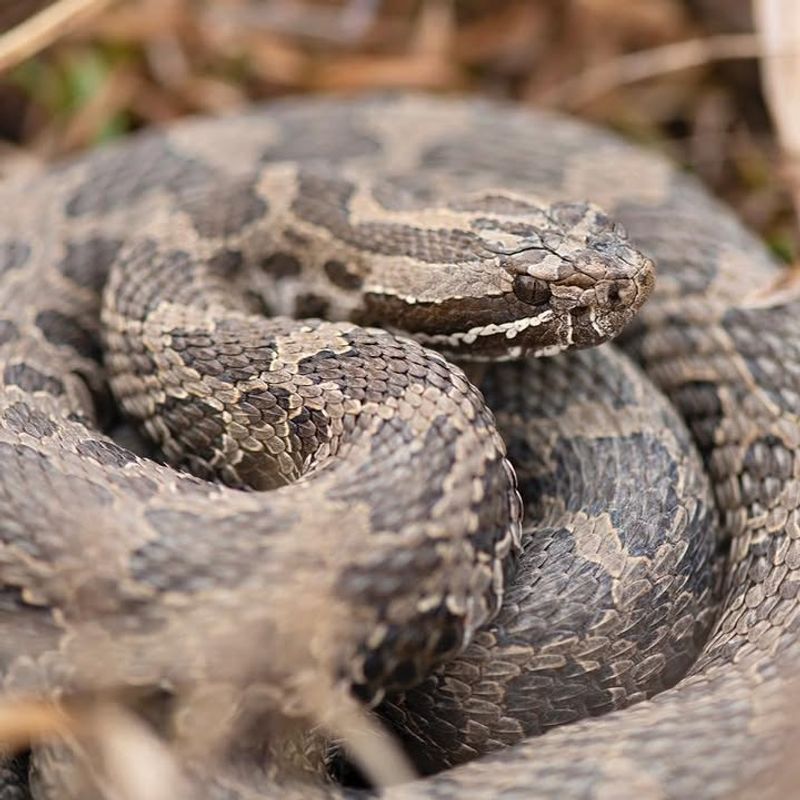
1. Eastern Massasauga Rattlesnake
Michigan’s only venomous snake deserves your respect and caution.
The Eastern Massasauga Rattlesnake lives in wetlands and marshy areas across the state, though its population has declined significantly over the years.
This small rattlesnake grows to about two feet long and sports a gray or brown body covered with dark blotches.
You can identify it by the distinctive rattle at the end of its tail, which it shakes as a warning when it feels threatened.
Most bites happen when people accidentally step on or near the snake, so always watch where you walk in marshy areas.
The venom can cause swelling, pain, and tissue damage, requiring immediate medical attention.
If you spot one, simply back away slowly and give it space to escape.
These snakes are shy and prefer to avoid humans whenever possible.
Never attempt to handle or provoke one, even if it appears calm.
Wearing boots and long pants while hiking in wetland habitats provides good protection.
The Massasauga is actually a threatened species in Michigan, so it’s protected by law.
Respecting their space helps both you and the snake stay safe.
2. Northern Black Widow Spider
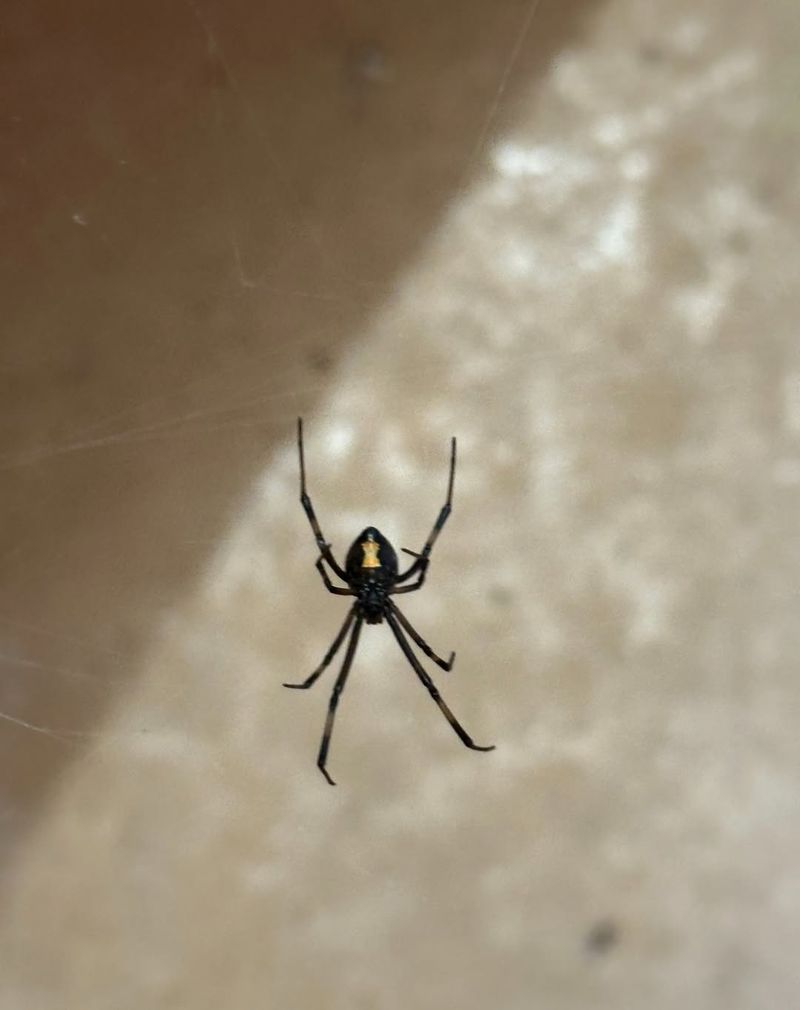
With a shiny black body and that famous red hourglass mark, the Northern Black Widow spider is one creature you’ll want to recognize quickly.
Female black widows are the ones to watch out for, as males are much smaller and rarely bite.
These spiders prefer dark, undisturbed spaces like woodpiles, garages, sheds, and basement corners.
Their venom is a neurotoxin that affects the nervous system, causing muscle cramps, nausea, and difficulty breathing in severe cases.
Children and elderly people face higher risks from bites.
Fortunately, black widows are not aggressive and only bite when they feel trapped or threatened.
Most bites occur when someone reaches into a dark area without looking first or puts on clothing or shoes where a spider has hidden.
Your Michigan Garden Changes Every Week. Your Plan Should Too.
Gardening in Michigan changes quickly throughout the season. Every Friday you’ll receive a simple weekly plan showing exactly what to plant, prune, fertilize, harvest, and protect so you never miss the right timing.
Shaking out shoes and gloves before wearing them is a smart habit.
Using gloves when moving firewood or working in storage areas also reduces your risk.
If you find black widows around your home, carefully remove their webs with a stick and seal up cracks where they might enter.
Medical treatment is available and effective if a bite occurs.
Staying alert in spaces where these spiders hide keeps encounters rare.
3. Brown Recluse Spider
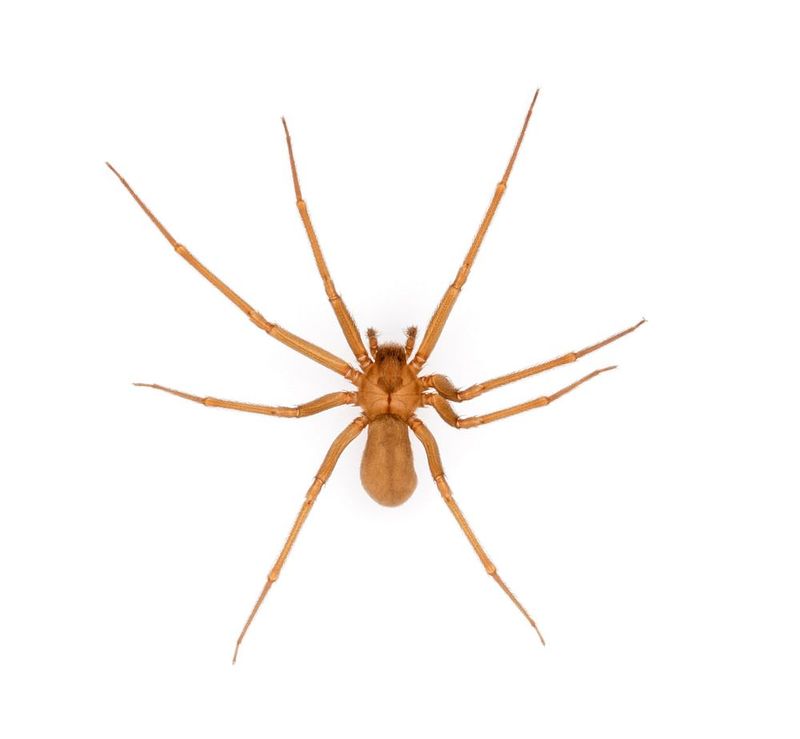
Sporting a violin-shaped mark on its back, the Brown Recluse spider earns its name by hiding in quiet, secluded spots.
Michigan sits at the northern edge of this spider’s range, so sightings are uncommon but not impossible.
These spiders have a tan to brown color and are about the size of a quarter when their legs are extended.
Unlike most spiders that have eight eyes, the Brown Recluse has only six eyes arranged in three pairs.
This spider’s venom can cause tissue damage at the bite site, sometimes creating a wound that takes weeks to heal.
The bite itself might not hurt immediately, but symptoms develop over several hours.
Brown Recluse spiders prefer cardboard boxes, closets, attics, and other rarely disturbed areas.
They hunt at night and rest during the day.
Keeping your home clutter-free and sealing entry points helps prevent these spiders from moving in.
Regular cleaning and vacuuming in storage areas disturbs their hiding spots.
If you suspect a bite, seek medical attention promptly, especially if a blister or dark area develops around the wound.
Proper identification matters because many spider bites get mistakenly blamed on Brown Recluses.
4. Yellow Jacket Wasp
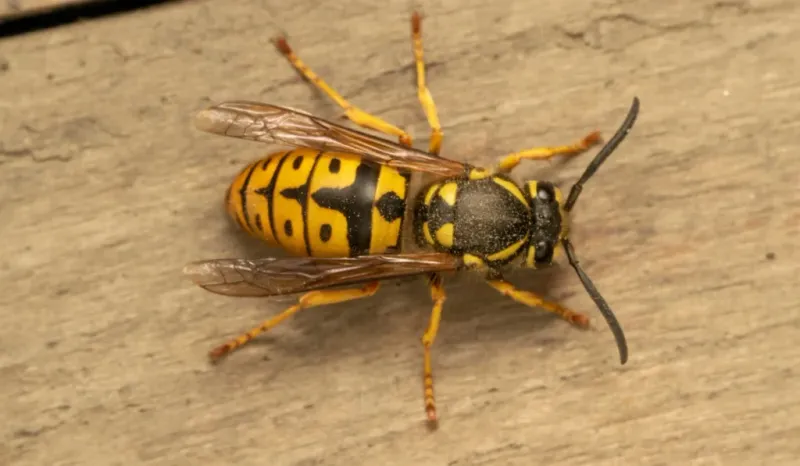
Aggressive and territorial, Yellow Jackets are the uninvited guests at every outdoor picnic and barbecue.
These wasps sport bright yellow and black stripes and can sting multiple times without losing their stinger.
Unlike honeybees, they don’t lose their lives after one sting, which makes them particularly dangerous when defending their nests.
Yellow Jackets build papery nests in the ground, hollow trees, or wall cavities of buildings.
A single nest can house thousands of wasps by late summer.
They become more aggressive as autumn approaches and food sources become scarce.
Their stings inject venom that causes immediate pain, swelling, and redness.
People with allergies can experience severe reactions requiring emergency medical care.
If you encounter a nest, never attempt to remove it yourself.
Professional pest control experts have the proper equipment and protection to handle these situations safely.
When eating outdoors, keep food and drinks covered to avoid attracting these wasps.
Avoid swatting at them, as this triggers their defensive instincts.
If a Yellow Jacket lands on you, remain calm and brush it off gently.
Wearing shoes outside and watching where you step helps you avoid ground nests.
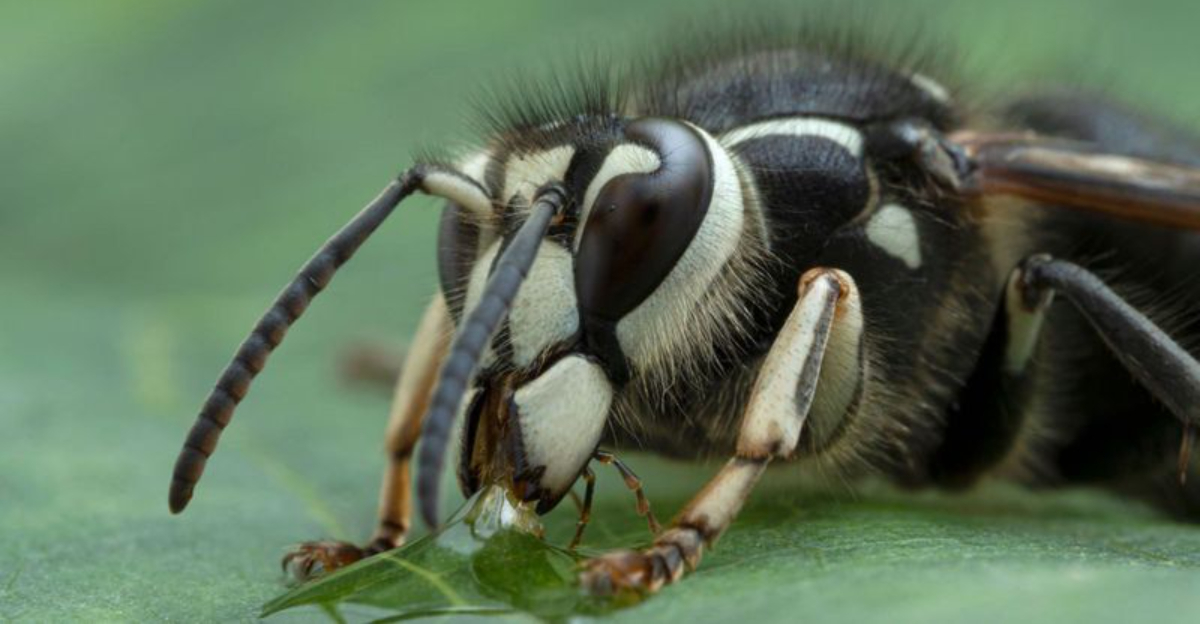
5. Bald-Faced Hornet
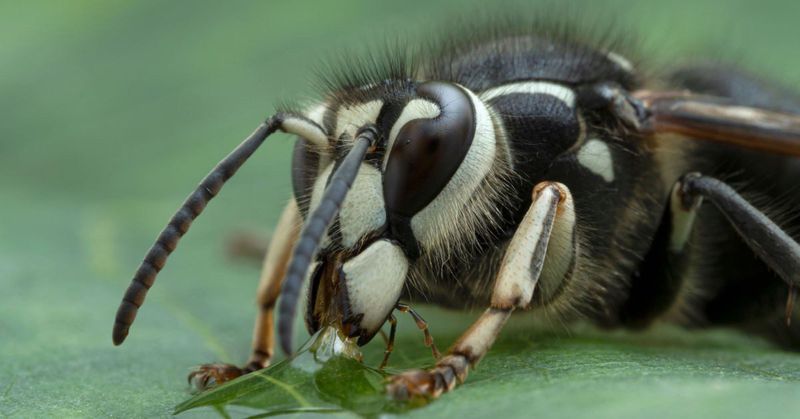
Despite its name, the Bald-Faced Hornet is actually a type of wasp with a striking white and black pattern on its face and body.
These insects build impressive gray, papery nests that can grow as large as a basketball by the end of summer.
You’ll often spot these nests hanging from tree branches, under eaves, or attached to shrubs.
Bald-Faced Hornets are extremely protective of their colonies and will aggressively defend their nests from perceived threats.
They can sting repeatedly and may even spray venom at intruders from several feet away.
Their stings are painful and can cause significant swelling and allergic reactions in sensitive individuals.
Workers patrol the area around their nest, attacking anything that comes too close.
If you notice a nest on your property, maintain a safe distance of at least 15 feet.
These hornets have excellent memory and can remember faces and threats.
Never throw objects at their nests or use a hose to try removing them.
Such actions trigger massive defensive responses from the entire colony.
Professional removal is the only safe option.
During late summer and early fall, these hornets become more active as they search for sugary foods.
Check your surroundings before trimming bushes or trees.
6. Paper Wasp
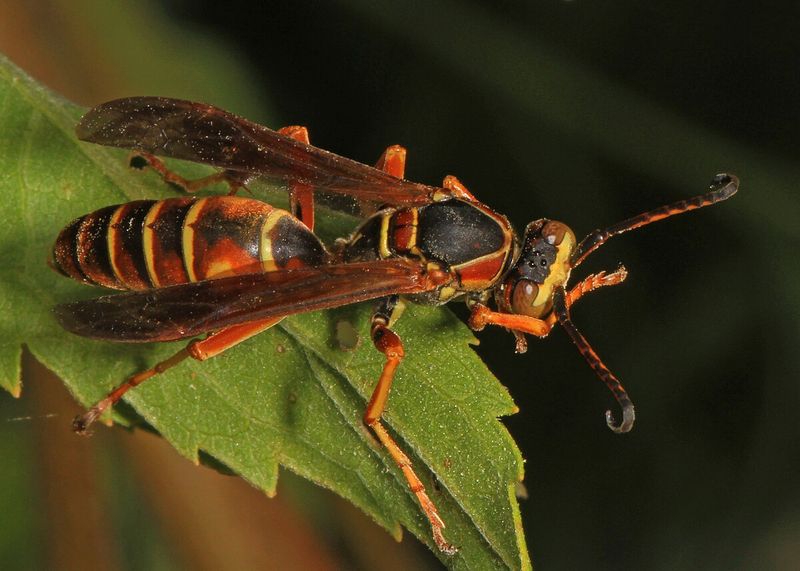
Hanging upside down like tiny construction workers, Paper Wasps build their distinctive umbrella-shaped nests under eaves, deck railings, and other protected overhangs.
These wasps have slender bodies with reddish-brown or black coloring and long, dangling legs that trail behind them during flight.
Their nests lack the papery outer covering found on Yellow Jacket or hornet nests, exposing the honeycomb-like cells.
Paper Wasps are generally less aggressive than Yellow Jackets, but they will sting if their nest is disturbed or if they feel threatened.
Their venom causes sharp, burning pain followed by swelling and redness.
Multiple stings can occur if you accidentally bump into their nest.
These wasps actually provide benefits by hunting caterpillars and other garden pests to feed their larvae.
If a nest is located away from high-traffic areas, you might consider leaving it alone.
They abandon their nests each winter, so the problem is temporary.
Early spring is the best time to prevent nest construction by regularly checking potential nesting sites.
Gently knocking down small, new nests before wasps establish a colony is much easier than dealing with a mature nest.
Always perform this task at dawn or dusk when wasps are less active.