Experts Explain Why Christmas Cactus Leaves Turn Purple In Pennsylvania Winters
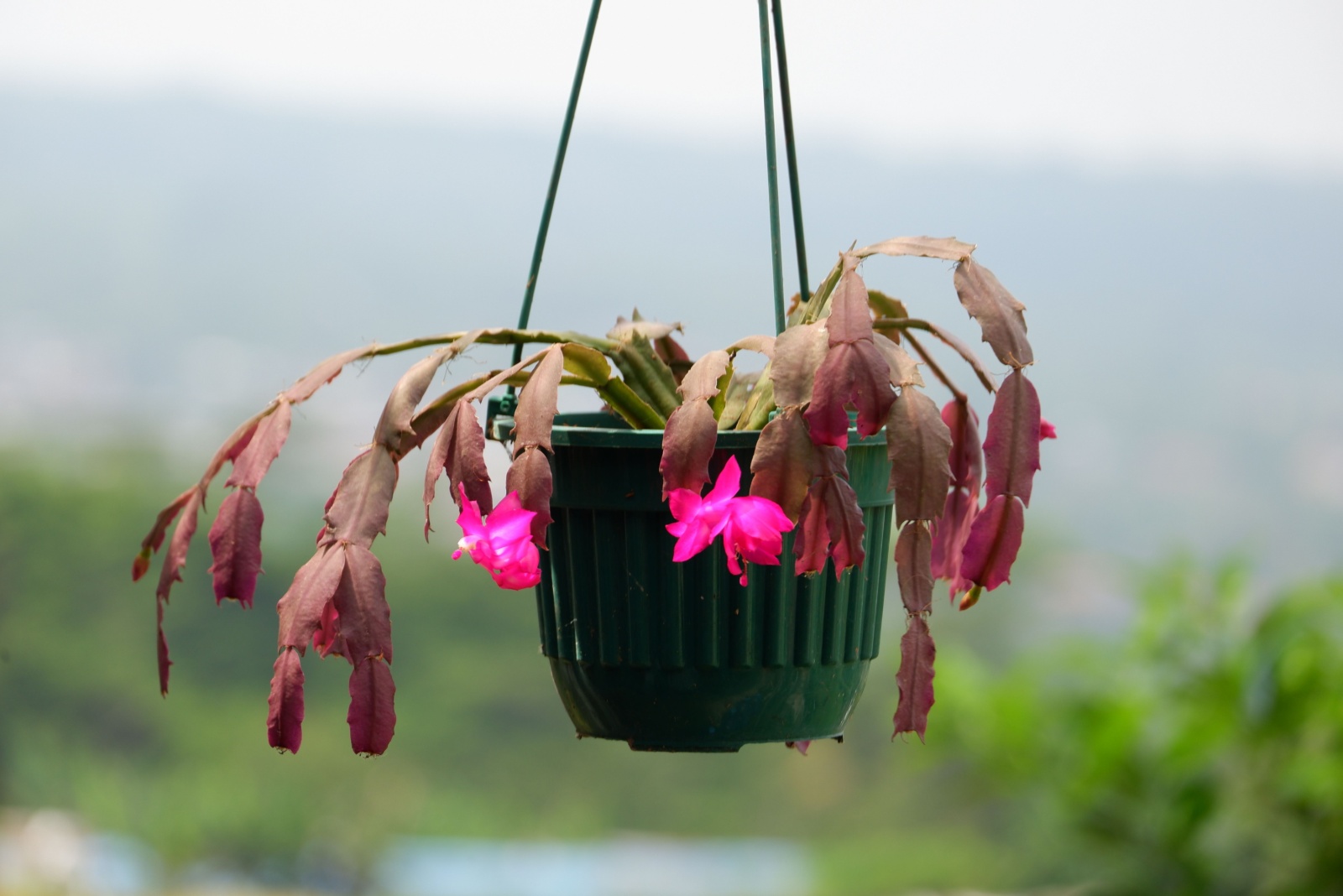
Winter in Pennsylvania can be brutal on houseplants, and the Christmas cactus often shows its stress in vivid color.
As daylight shrinks and temperatures dip, those once-green leaves may suddenly blush purple, sparking concern among plant lovers.
Is it a warning sign or a natural reaction to seasonal change?
The answer blends science, environment, and a bit of plant personality.
From chilly windowsills to shifts in light and nutrients, subtle winter factors can dramatically affect this holiday favorite.
Experts shed light on the surprising reasons behind the purple transformation—and what it means for your cactus’s health all season long.
Cold Temperature Stress Causes Color Changes
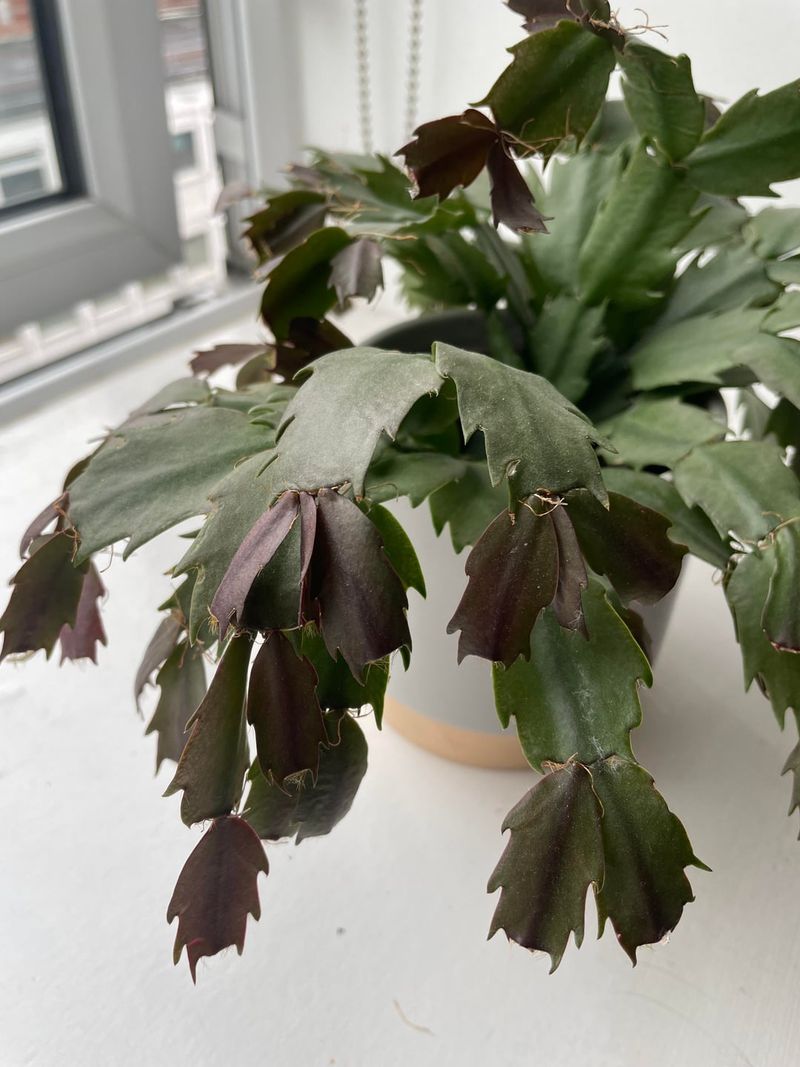
Cold drafts from windows and doors can shock your Christmas cactus, causing the leaves to develop a purple or reddish tint during winter.
Pennsylvania winters bring frigid temperatures that can seep through older windows, creating chilly spots where your plant sits on the windowsill.
Christmas cacti prefer temperatures between 60 and 70 degrees Fahrenheit, so anything below 50 degrees can trigger stress responses in the plant.
When exposed to cold air, the plant redirects energy away from chlorophyll production, which gives leaves their green color.
Instead, anthocyanins become more visible, creating purple or red hues as a protective mechanism.
Pennsylvania homes often have drafty areas near exterior walls where cold air infiltrates.
Moving your plant away from cold windows can reverse this color change within a few weeks as warmer conditions return.
Check for cold spots by feeling the air around your plant, especially during nighttime when temperatures drop significantly.
Room thermometers placed near your cactus help monitor conditions.
Avoiding placement near heating vents is equally important since temperature fluctuations stress the plant.
Consistent warmth helps maintain healthy green foliage throughout the winter season in Pennsylvania.
Insufficient Light During Short Winter Days
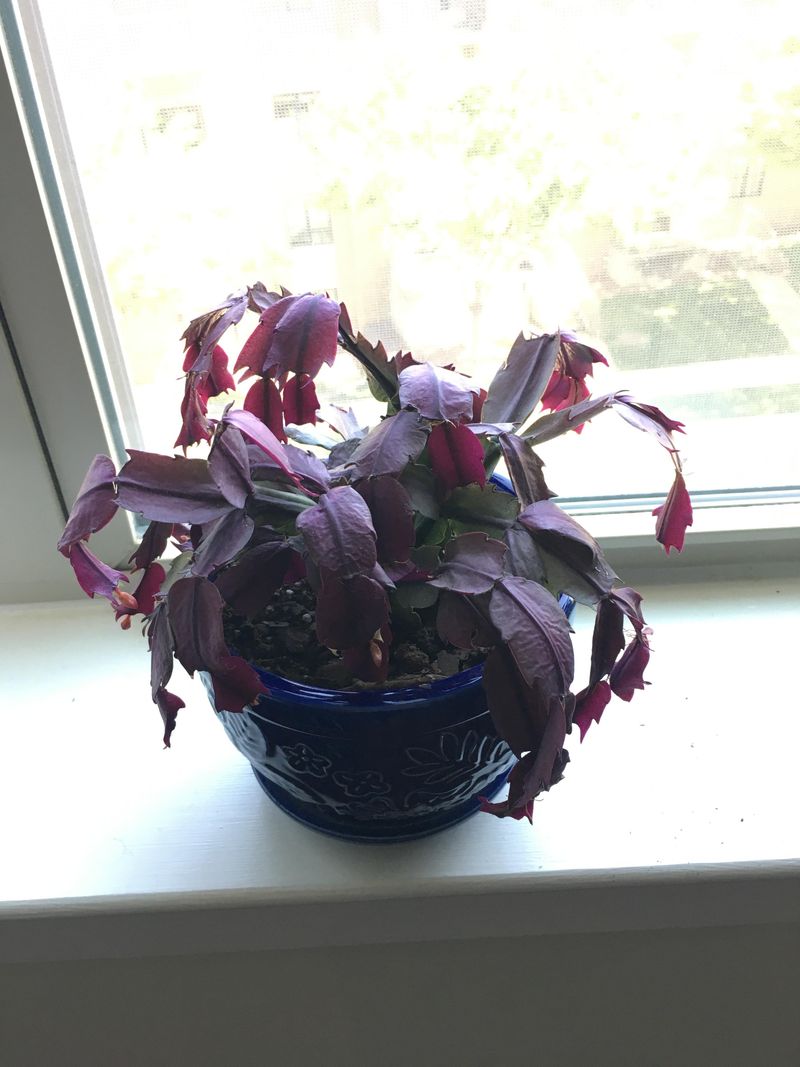
Shorter daylight hours during Pennsylvania winters mean your Christmas cactus receives less natural light than it needs for optimal health.
From November through February, the sun sets early and rises late, limiting the hours of bright indirect light available.
Christmas cacti need about 12 to 14 hours of light daily to maintain vibrant green leaves and healthy growth patterns.
Reduced light exposure slows down photosynthesis, causing chlorophyll levels to drop and allowing purple pigments to show through the leaf surface.
North-facing windows provide even less light during winter months, making the problem worse for plants placed in those locations.
Cloudy weather common in Pennsylvania further reduces available sunlight.
Supplementing with grow lights can help restore the green color and keep your plant thriving through the darker months.
Position lights about 12 inches above the plant for 10 to 12 hours daily to mimic natural conditions.
LED grow lights work well and consume less electricity.
Rotating your plant weekly ensures all sides receive equal light exposure.
Moving it closer to south or east-facing windows maximizes natural light intake during Pennsylvania winters.
Overwatering Leads To Root Stress
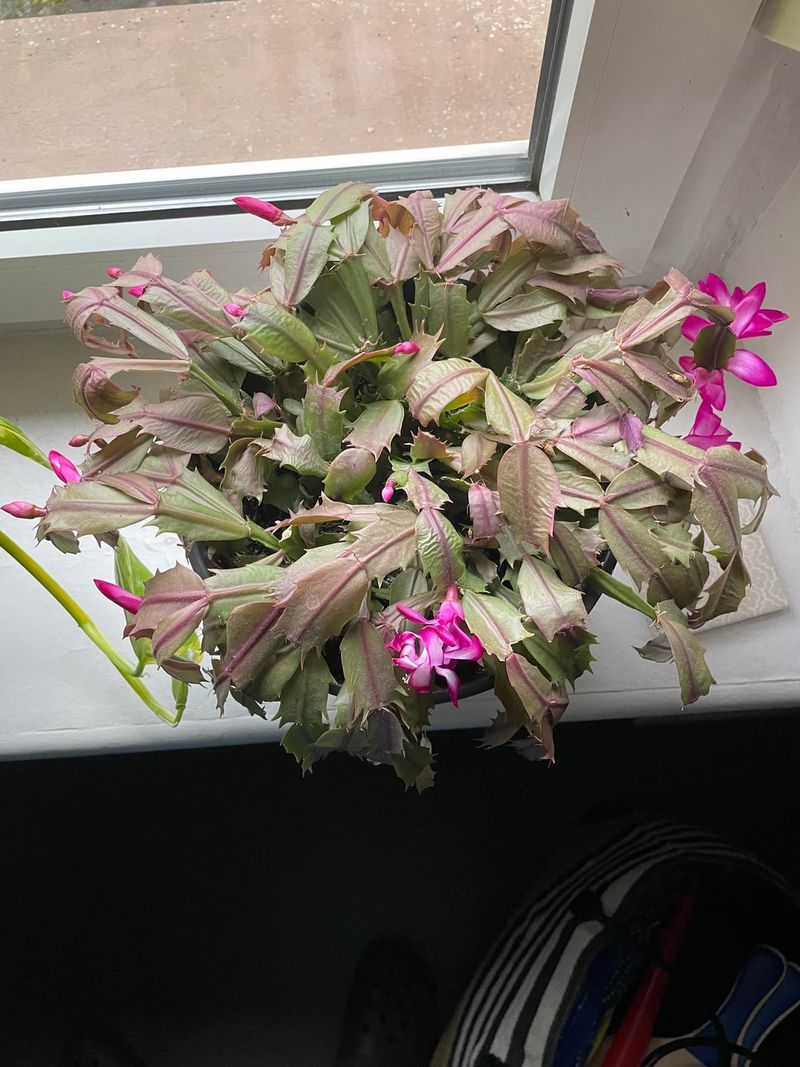
Giving your Christmas cactus too much water during winter can cause root problems that manifest as purple leaves on the plant.
Your Pennsylvania Garden Changes Every Week. Your Plan Should Too.
Gardening in Pennsylvania changes quickly throughout the season. Every Friday you’ll receive a simple weekly plan showing exactly what to plant, prune, fertilize, harvest, and protect so you never miss the right timing.
Pennsylvania winters often mean increased indoor heating, which can dry out the air but not necessarily the soil in pots.
Christmas cacti need less water during cooler months because their growth slows down and they use moisture more slowly.
Waterlogged soil prevents roots from absorbing oxygen, leading to stress that shows up as color changes in the foliage.
Roots may begin to rot when sitting in constantly moist conditions, further limiting the plant’s ability to take up nutrients.
Purple coloration often appears alongside limp or mushy leaf segments.
Allowing the top inch of soil to dry completely between waterings prevents this issue and keeps roots healthy.
Use your finger to test soil moisture before adding more water to the pot.
Well-draining potting mix helps excess water escape quickly.
Empty saucers under pots after watering so roots never sit in standing water.
Adjusting your watering schedule for Pennsylvania winter conditions protects your plant from stress-related color changes throughout the season.
Nutrient Deficiency Shows Through Purple Hues
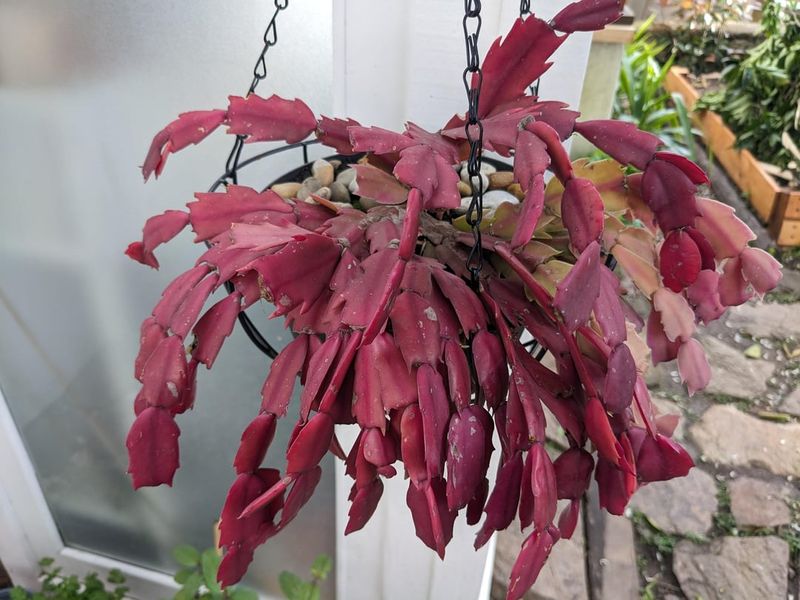
Lack of essential nutrients, particularly phosphorus, can cause Christmas cactus leaves to turn purple or develop reddish tones during winter.
Plants need various minerals to produce chlorophyll and maintain healthy green coloration throughout the growing season.
Phosphorus helps with energy transfer and photosynthesis, so deficiency disrupts normal plant functions.
Pennsylvania tap water and regular potting soil may not provide all the nutrients your cactus needs over time.
Container plants deplete soil nutrients faster than outdoor plants since they cannot access fresh minerals from surrounding earth.
Purple leaves often start at the edges and spread inward as deficiency worsens.
Feeding your Christmas cactus with a balanced, water-soluble fertilizer every four to six weeks during winter helps prevent deficiencies.
Look for formulas with equal amounts of nitrogen, phosphorus, and potassium marked as 10-10-10 or 20-20-20 on the label.
Dilute fertilizer to half strength to avoid burning sensitive roots.
Organic options like compost tea also provide gentle nutrition without chemical buildup in the soil.
Consistent feeding schedules keep foliage vibrant and green throughout Pennsylvania winters when growth continues slowly indoors.
Low Humidity In Heated Pennsylvania Homes
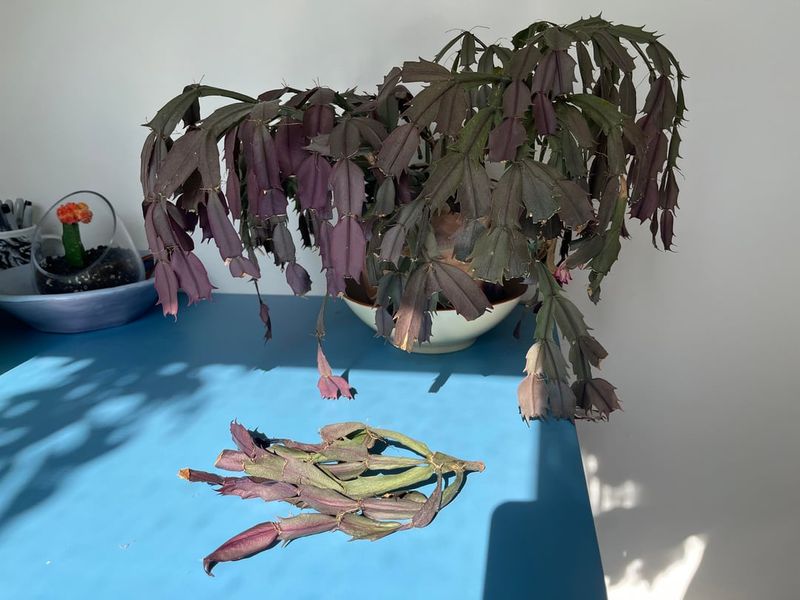
Central heating systems in Pennsylvania homes during winter create extremely dry air that stresses Christmas cacti and causes purple discoloration.
These tropical plants naturally grow in humid environments where moisture levels stay between 50 and 60 percent year-round.
Indoor heating can drop humidity below 20 percent, which is drier than most deserts.
Low humidity causes plants to lose moisture through their leaves faster than roots can replace it, triggering stress responses.
Purple coloration develops as the plant conserves resources and protects itself from dehydration.
Leaf segments may also shrivel or develop brown edges alongside the color change.
Placing a humidifier near your Christmas cactus helps maintain adequate moisture levels in the air around the plant.
Grouping several houseplants together creates a microclimate with higher humidity as they release moisture through transpiration.
Pebble trays filled with water beneath pots also increase local humidity.
Misting leaves occasionally provides temporary relief but does not solve chronic low humidity problems.
Bathrooms and kitchens naturally have higher humidity and can be good locations for Christmas cacti during Pennsylvania winters if they receive adequate light.
Root Bound Conditions Create Plant Stress
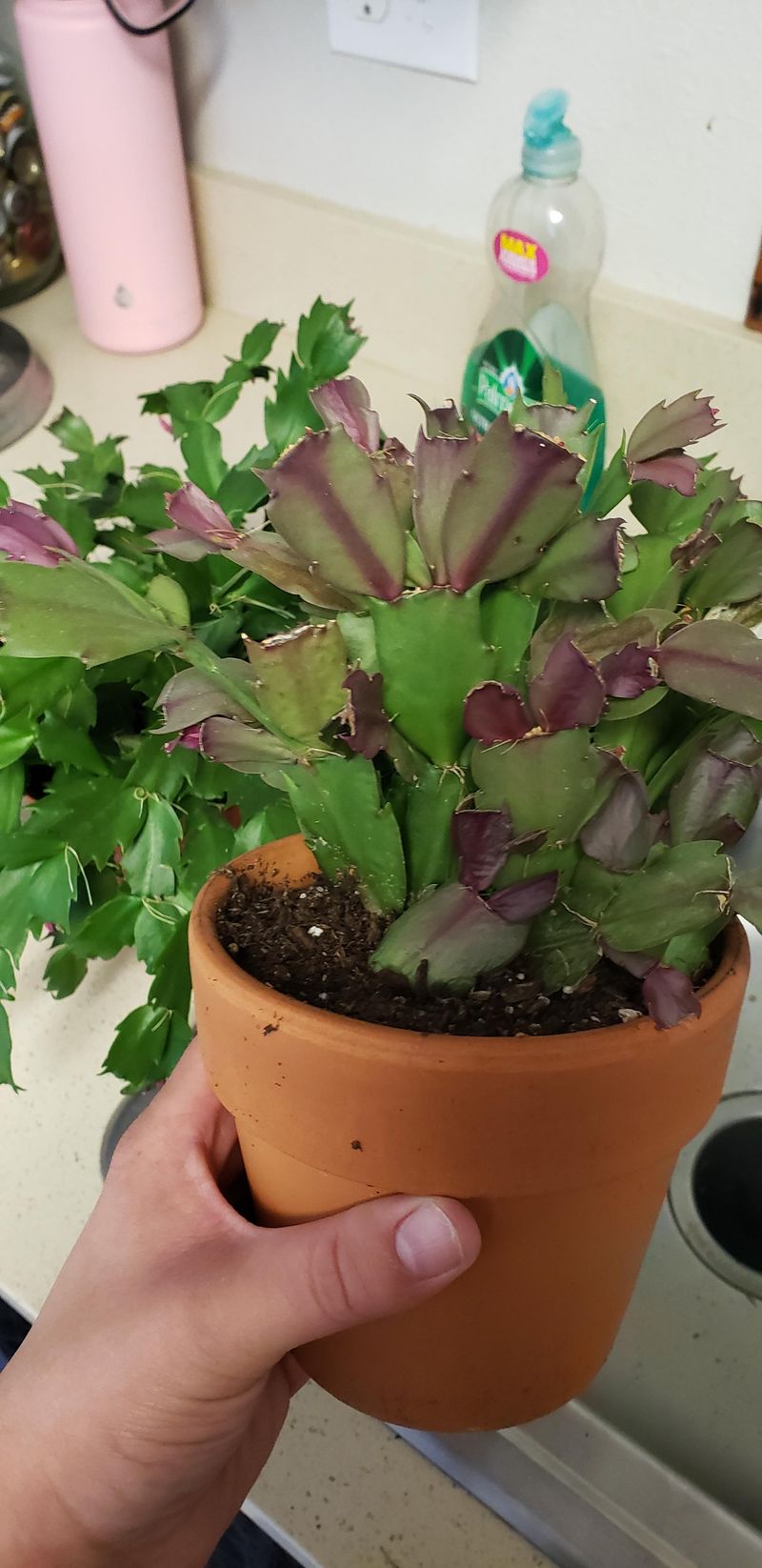
Christmas cacti that have outgrown their pots become root bound, which restricts growth and causes leaves to turn purple from stress.
Roots circle around the inside of the container with nowhere to expand, limiting water and nutrient uptake.
Pennsylvania winters make this problem worse since stressed plants have fewer resources to handle cold and low light.
Root bound plants cannot access enough moisture even when watered regularly because compacted roots cannot absorb water efficiently.
Purple coloration appears as the plant struggles to maintain normal functions with limited root capacity.
Leaves may also become thin or stop producing new growth segments.
Repotting your Christmas cactus into a container one or two sizes larger gives roots room to spread and function properly.
Spring is the ideal time for repotting, but winter transplanting works if the plant shows severe stress.
Use fresh potting mix formulated for cacti and succulents.
Gently loosen tangled roots before placing the plant in its new home to encourage outward growth.
Water thoroughly after repotting and place in a warm location away from drafts while the plant adjusts to Pennsylvania winter conditions.
Natural Aging Process Of Older Leaves
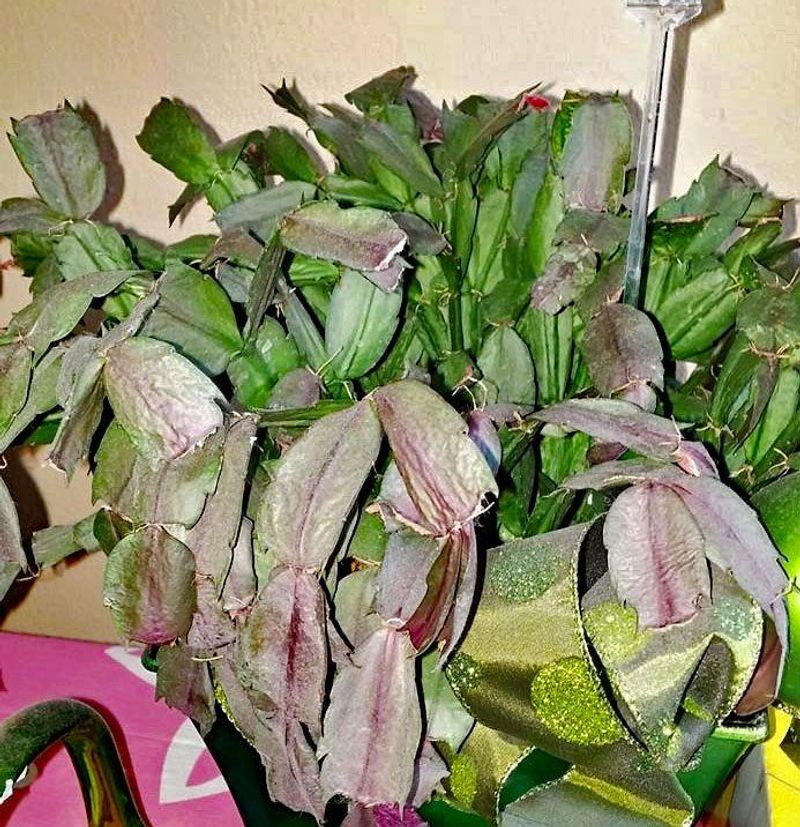
Older leaf segments on Christmas cacti naturally develop purple or reddish tones as they age, which is completely normal and not a sign of problems.
Just like deciduous trees change color before shedding leaves, cactus segments shift hues as they reach the end of their lifespan.
Pennsylvania winter conditions may make this natural process more noticeable since new growth slows down.
Chlorophyll breaks down in aging leaves, revealing underlying pigments that were always present but hidden by green coloration.
Anthocyanins become dominant, creating purple, red, or bronze tones in older segments near the base of the plant.
This process typically affects leaves several years old rather than new growth.
Healthy new growth appearing green indicates your plant is thriving despite some purple coloration on mature segments.
Removing extremely old or shriveled segments helps the plant direct energy toward fresh growth and flowering.
Pruning should be done carefully with clean, sharp scissors.
Distinguishing between natural aging and stress-related color changes requires observing the overall plant health and growth patterns.
Plants with robust new segments and regular blooming are likely experiencing normal aging rather than environmental stress during Pennsylvania winters.
Sudden Changes In Growing Conditions
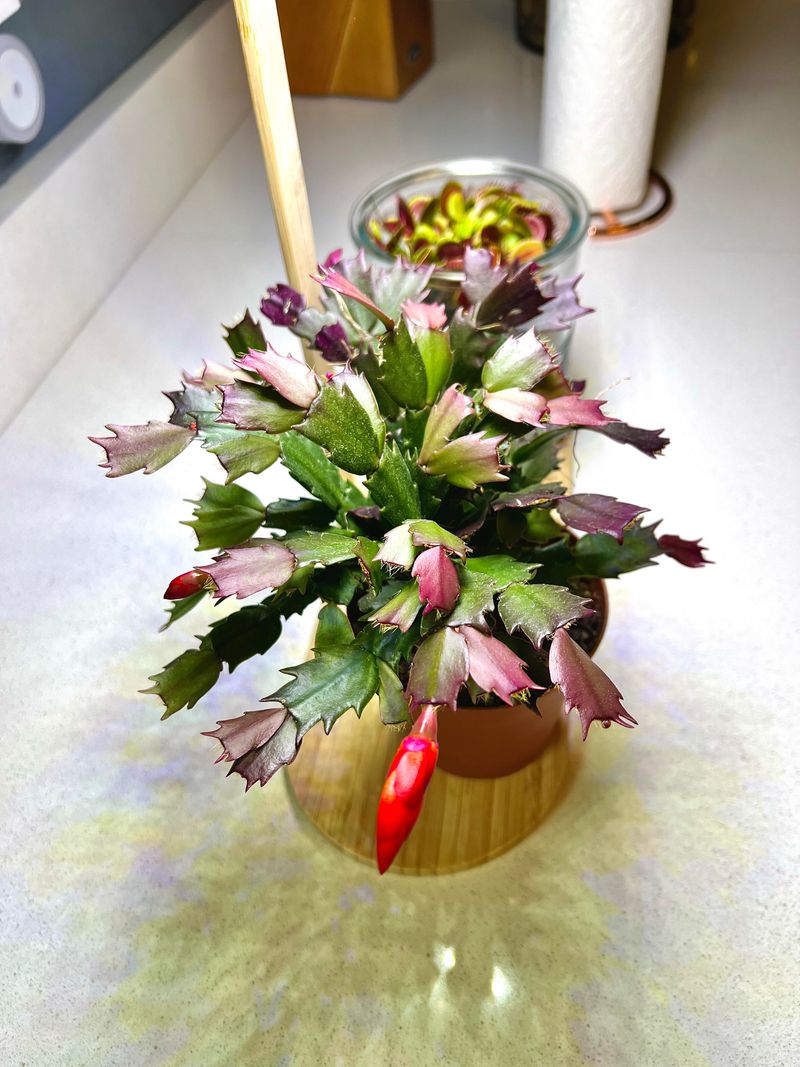
Moving your Christmas cactus to a new location or bringing it home from a store can trigger purple leaf coloration.
Abrupt changes in light, temperature, or humidity shock the plant and cause temporary stress responses.
Pennsylvania plant shops and garden centers often have different growing conditions than typical homes.
Plants need time to acclimate to new environments, and color changes are one way they show adjustment stress.
Purple hues may develop within days of relocation as the cactus adapts to different light levels and temperatures.
Store-bought plants especially struggle since they come from controlled greenhouse conditions.
Gradual transitions help minimize shock when you must move your plant to a new spot in your home.
Start by placing it in the new location for a few hours daily, then gradually increase the time over a week.
Monitor for signs of stress like wilting or color changes.
Maintaining consistent care routines during transitions helps plants adjust more smoothly to Pennsylvania winter conditions.
Avoid repotting, fertilizing, or making other changes while the plant acclimates to its new environment.
Most Christmas cacti recover their green color within two to four weeks once they settle into stable conditions.
Pest Infestations Weaken Plant Health
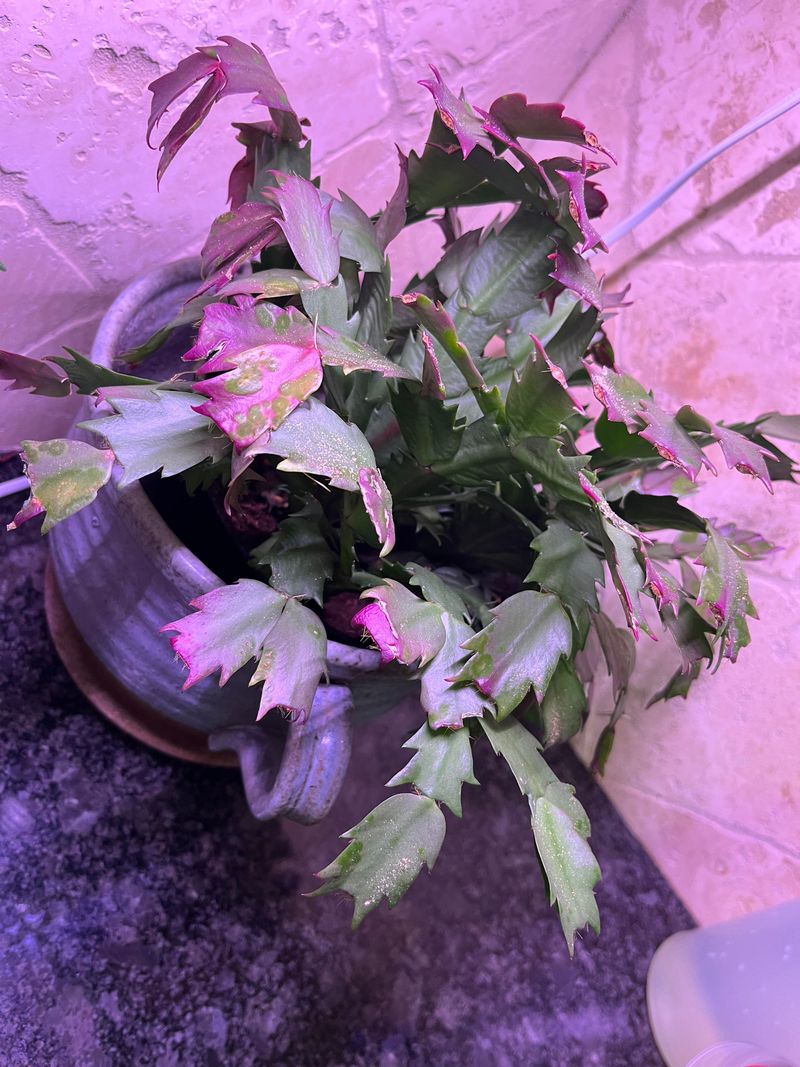
Tiny pests like spider mites and mealybugs can infest Christmas cacti during Pennsylvania winters, causing stress that shows up as purple leaves.
Indoor heating creates warm, dry conditions that these pests love, allowing populations to explode quickly on houseplants.
Insects feed on plant sap, draining nutrients and moisture that the cactus needs for healthy green foliage.
Heavy infestations weaken plants significantly, triggering stress responses including purple or reddish discoloration throughout the leaf segments.
Spider mites leave fine webbing between stems, while mealybugs appear as white cottony masses on leaves and stems.
Both pests are small and easy to miss until damage becomes severe.
Regular inspection of your Christmas cactus helps catch pest problems early before they cause serious harm.
Look closely at leaf joints and undersides where insects hide from view.
Wiping leaves gently with a damp cloth removes pests and keeps foliage clean.
Insecticidal soap or neem oil sprays effectively control most houseplant pests without harsh chemicals that could harm your cactus.
Apply treatments according to label directions and repeat weekly until no pests remain.
Isolating infested plants prevents pests from spreading to other houseplants in your Pennsylvania home during winter.
Improper Soil pH Affects Nutrient Uptake
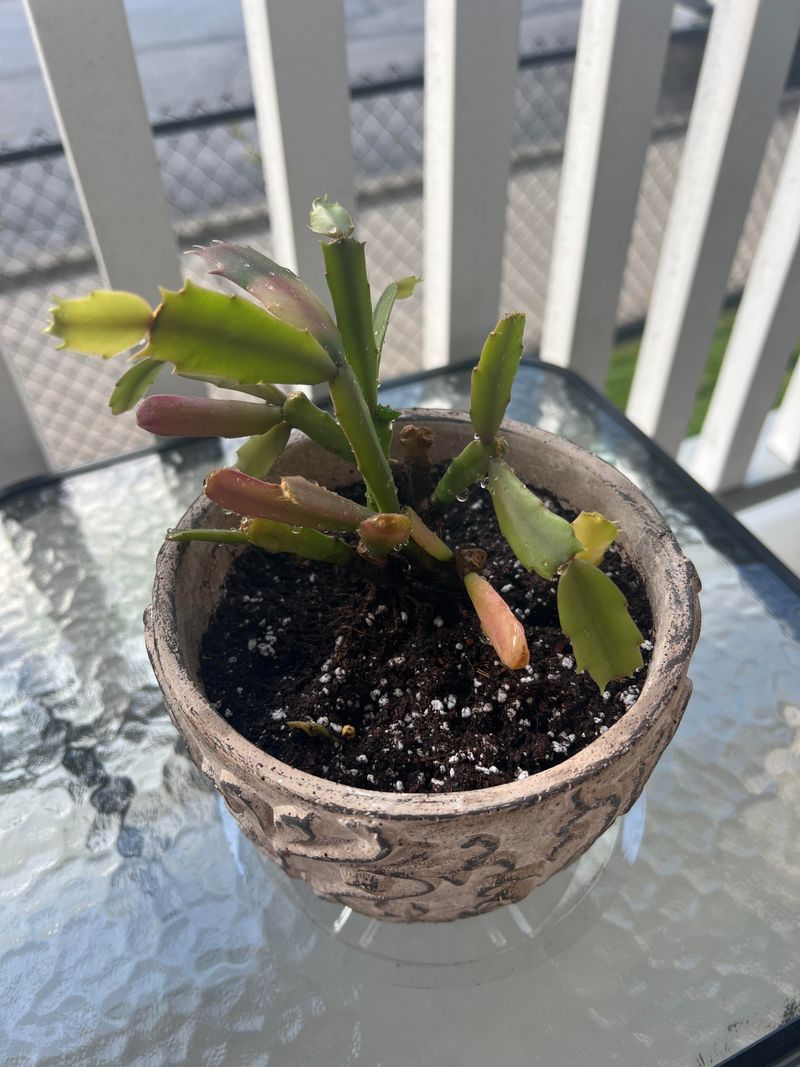
Soil pH that is too high or too low prevents Christmas cacti from absorbing nutrients properly, leading to purple leaf discoloration.
These plants prefer slightly acidic soil with pH levels between 5.5 and 6.5 for optimal nutrient availability.
Pennsylvania tap water tends to be alkaline, which can gradually raise soil pH over time with repeated waterings.
When pH strays outside the ideal range, essential minerals become chemically locked in the soil where roots cannot access them.
Phosphorus and iron are particularly affected by pH imbalances, and deficiencies in these nutrients cause purple coloration.
Leaves may also develop yellow areas or stunted growth alongside the color changes.
Testing your potting soil with an inexpensive pH kit from garden centers helps identify if this is causing your plant problems.
Adjusting pH with amendments like sulfur to lower it or lime to raise it brings soil back to the proper range.
Follow product instructions carefully to avoid overcorrecting.
Repotting with fresh, properly formulated cactus mix also restores ideal pH levels for healthy growth.
Using filtered or distilled water instead of tap water prevents future pH drift during Pennsylvania winters when plants stay indoors for months.
Excessive Direct Sunlight Through Winter Windows
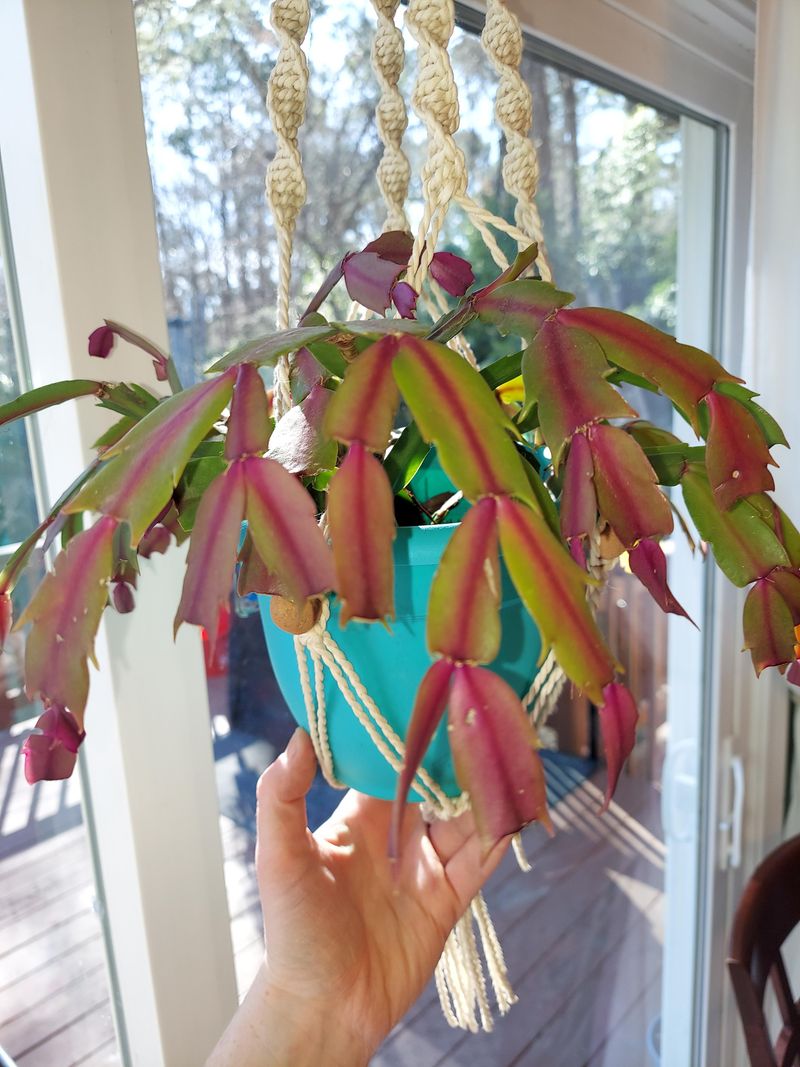
Bright direct sunlight streaming through Pennsylvania windows during winter can be surprisingly intense and cause Christmas cactus leaves to turn purple.
Winter sun sits lower in the sky, sending rays deeper into homes than during summer months.
Christmas cacti evolved in shaded forest environments and prefer bright indirect light rather than harsh direct sun exposure.
Intense light triggers stress responses as the plant attempts to protect itself from potential damage to leaf tissues.
Purple anthocyanin pigments act like natural sunscreen, absorbing excess light energy that could otherwise harm cellular structures.
Leaves facing the window typically show the most intense purple coloration.
Moving your plant back from the window by a few feet or filtering light with sheer curtains prevents sun stress.
East-facing windows provide gentle morning light that rarely causes problems for Christmas cacti.
South and west-facing windows deliver stronger afternoon sun that may be too intense.
Rotating your plant regularly ensures all sides receive equal light exposure without any section getting burned.
Purple coloration from sun stress usually fades within weeks once the plant moves to a more suitable location.
Dormancy Period Triggers Color Shifts
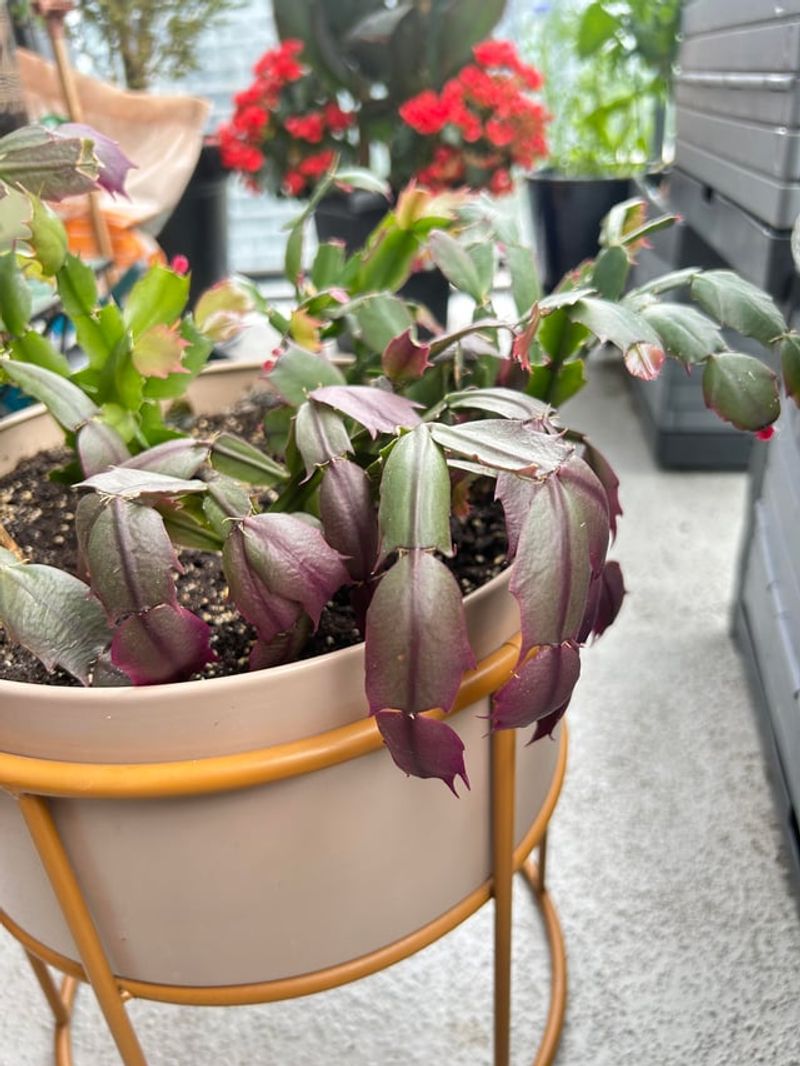
Christmas cacti naturally enter a semi-dormant rest period during late winter that can cause slight purple tinting in the leaves.
This dormancy helps the plant conserve energy and prepare for the next blooming cycle.
Pennsylvania winter conditions with shorter days and cooler temperatures signal the plant to slow down metabolic processes.
During dormancy, chlorophyll production decreases as the plant redirects resources away from growth and toward root maintenance.
Purple pigments become more visible as green fades slightly, giving leaves a subtle purple or bronze cast.
Growth slows dramatically and no new leaf segments or buds appear.
Reducing watering frequency and stopping fertilizer applications during this rest period supports the natural dormancy cycle.
Plants need less moisture and nutrition when they are not actively growing.
Too much care during dormancy can actually stress the plant more than minimal attention.
Normal green color typically returns when spring arrives and longer days trigger renewed growth and blooming.
Dormancy-related purple coloration is usually subtle and affects the entire plant evenly rather than appearing in patches.
Respecting this natural rest period helps your Christmas cactus bloom reliably year after year in your Pennsylvania home.