What To Do If Your Neighbor’s Bamboo Spreads Into Your Virginia Yard
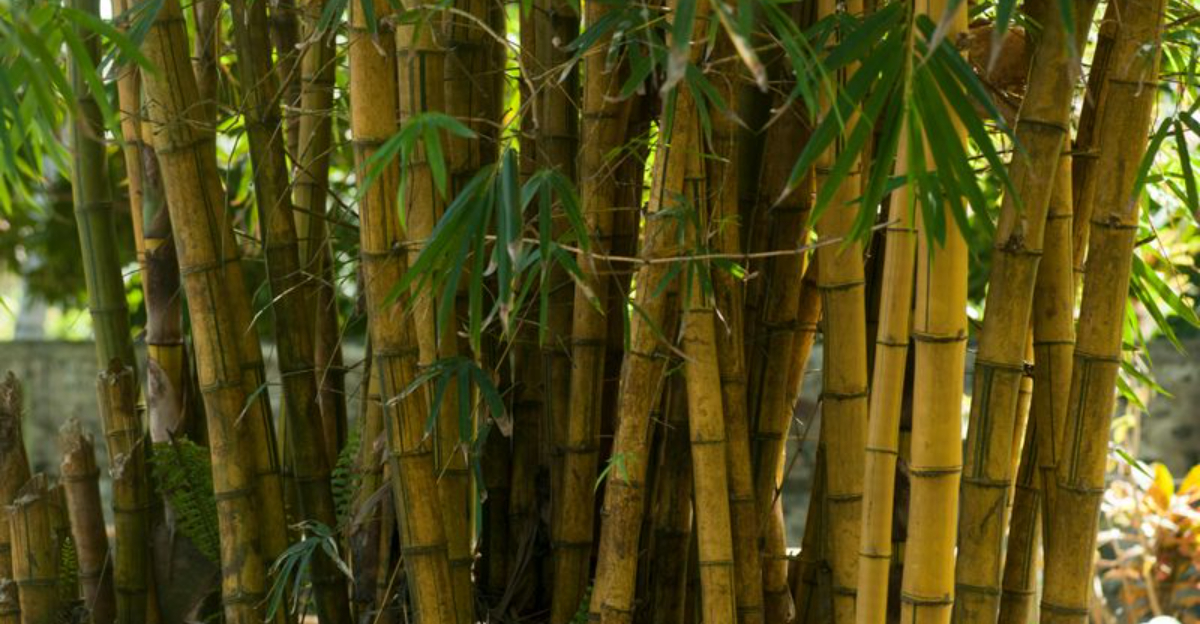
Bamboo can look serene and elegant—until it starts marching across property lines.
In Virginia, this fast-growing plant has a reputation for turning neighborly peace into quiet frustration as shoots pop up where they don’t belong.
One season it’s a privacy screen next door; the next, it’s an unexpected invasion in your lawn or garden beds.
The problem isn’t just cosmetic—bamboo spreads aggressively underground and can be costly to control.
Property laws, local rules, and practical solutions all come into play.
Addressing the issue early can save time, money, and relationships.
Document The Bamboo Invasion Thoroughly
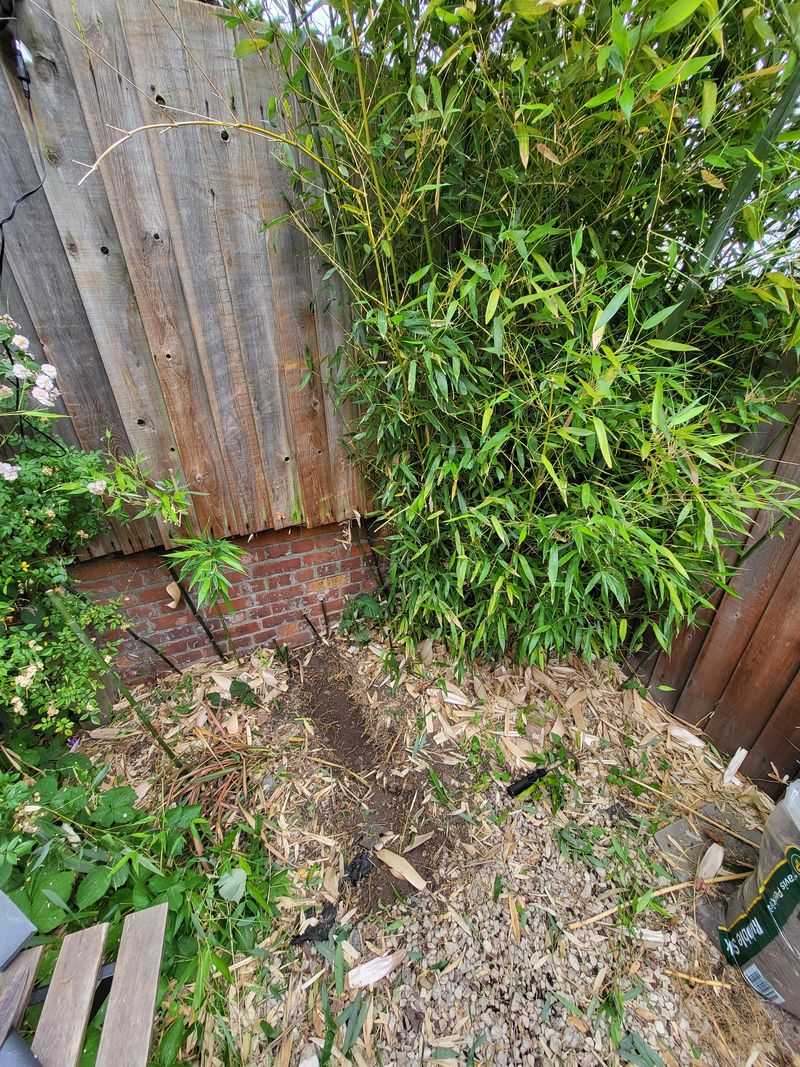
Taking clear photos and detailed notes creates a solid foundation for any future discussions or legal actions you might need to pursue.
Start by photographing where bamboo shoots emerge in your yard, making sure to capture timestamps and GPS coordinates if your phone allows.
Measure how far the bamboo has traveled from the property line and note any damage it has caused to structures or landscaping.
Keep a journal with dates showing when new shoots appear, as this demonstrates the ongoing nature of the invasion problem clearly.
Include pictures of the neighbor’s bamboo source so you can prove where the rhizomes originated from without any reasonable doubt whatsoever.
Save all this documentation in multiple locations, including cloud storage, to ensure you never lose this crucial evidence during dispute resolution.
Having thorough records strengthens your position whether you pursue friendly negotiation or need to involve local authorities or legal representatives eventually.
Virginia courts appreciate homeowners who approach property disputes with organized evidence rather than emotional complaints or vague accusations about plant invasions.
Research Virginia Property Laws
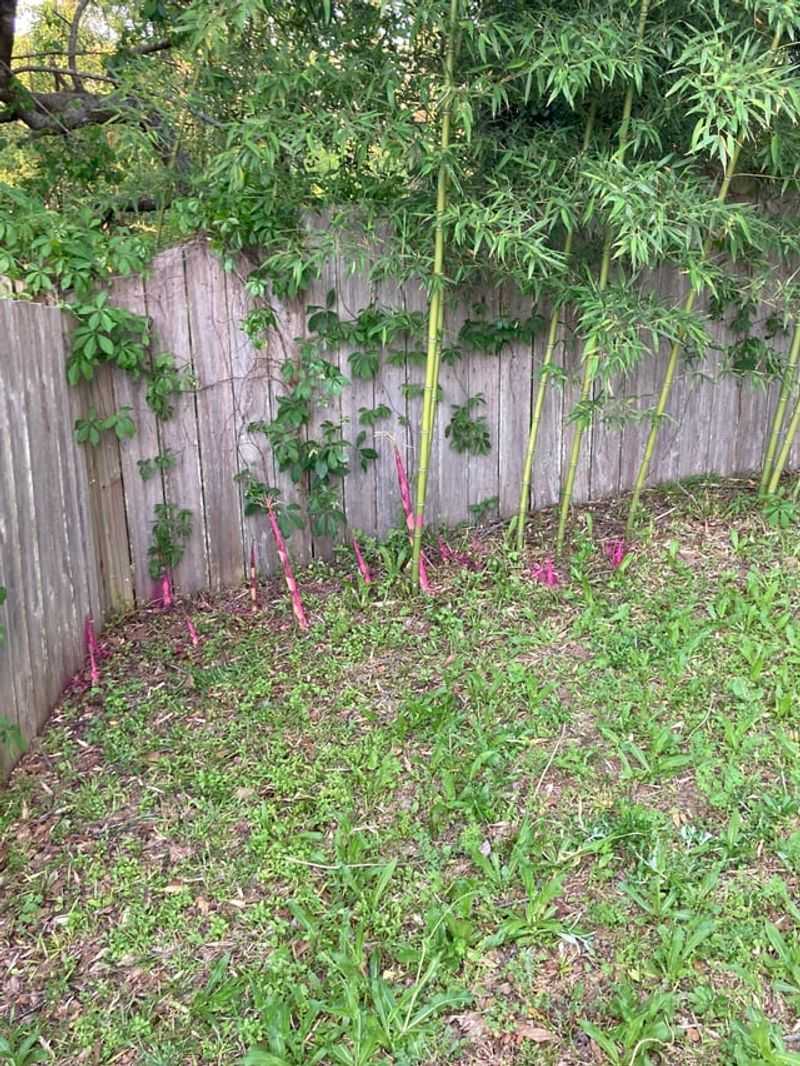
Virginia follows specific legal principles regarding plants that cross property boundaries, and understanding these rules protects your rights as a homeowner.
Generally, Virginia law treats invasive plants like bamboo as a nuisance if they cause actual damage or significantly interfere with enjoyment.
You typically have the right to remove portions of bamboo that cross onto your property without asking permission from neighbors first.
However, you cannot trespass onto your neighbor’s land to remove the source plants or apply treatments without their explicit written consent.
Some Virginia localities have specific ordinances addressing invasive species, so check with your county or city government for additional regulations that apply.
Consulting a local attorney who specializes in property disputes gives you personalized advice based on your specific situation and neighborhood circumstances.
Legal remedies might include requiring your neighbor to remove the bamboo source or pay for damages caused by their negligence in controlling it.
Understanding your legal standing before confronting neighbors helps you communicate confidently and know exactly what solutions you can reasonably demand or expect.
Talk To Your Neighbor Directly
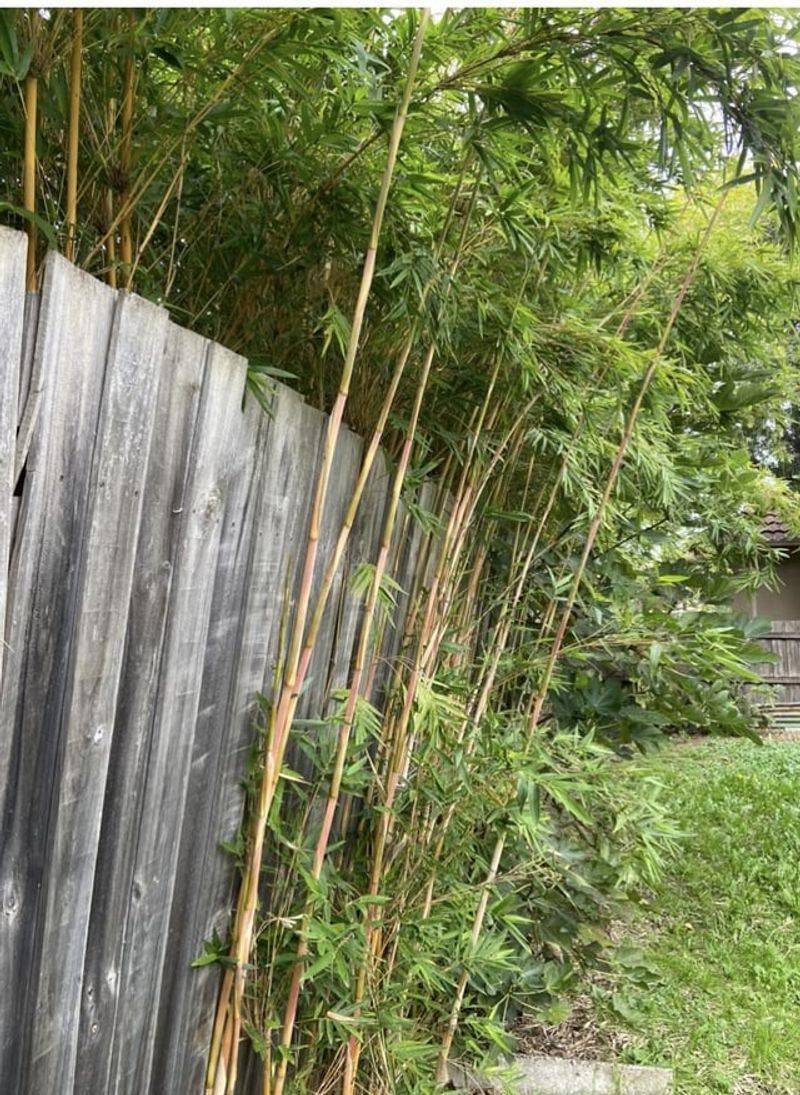
Many bamboo disputes resolve quickly when neighbors simply talk things through calmly rather than immediately escalating to formal complaints or legal action.
Approach your neighbor with a friendly attitude, assuming they might not realize their bamboo has become problematic for your yard’s health.
Your Virginia Garden Changes Every Week. Your Plan Should Too.
Gardening in Virginia changes quickly throughout the season. Every Friday you’ll receive a simple weekly plan showing exactly what to plant, prune, fertilize, harvest, and protect so you never miss the right timing.
Bring your documentation along to show them exactly where shoots are appearing and explain how the invasion affects your property maintenance.
Suggest working together on a solution, which might include installing barriers or removing the bamboo entirely if they’re willing to cooperate.
Avoid accusatory language or angry tones, as these create defensiveness and make productive conversations much harder to achieve in neighborhood relationships.
Propose cost-sharing arrangements for professional removal or barrier installation, showing you’re willing to contribute to solving this shared boundary problem fairly.
Many neighbors appreciate being informed directly rather than discovering complaints filed with authorities or receiving legal notices without any prior warning whatsoever.
Maintaining respectful communication preserves relationships and often leads to faster, less expensive resolutions than formal legal proceedings or prolonged neighborhood disputes.
Install Physical Bamboo Barriers
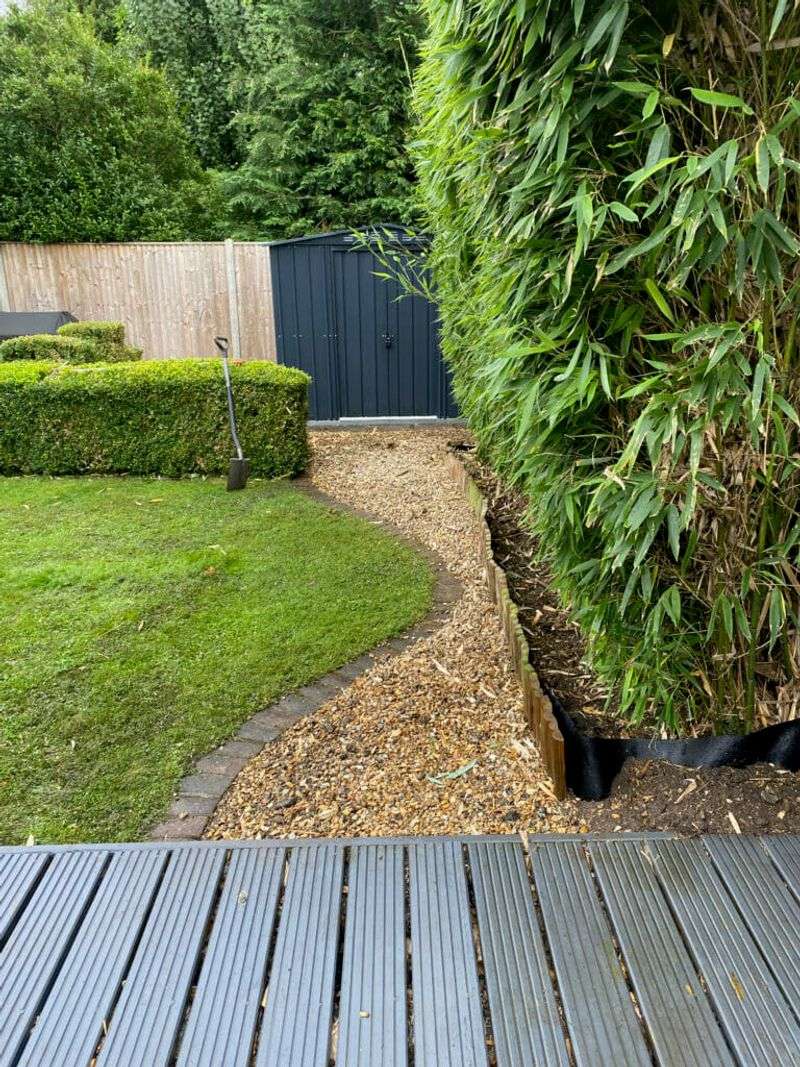
Physical barriers made from high-density polyethylene plastic provide the most reliable long-term solution for stopping bamboo rhizomes from spreading underground successfully.
These barriers must extend at least thirty inches deep into the soil because bamboo rhizomes rarely travel deeper than this level underground.
The barrier should also stick up about two inches above ground level to prevent rhizomes from simply growing over the top.
Install the barrier in a continuous line without gaps or seams where determined rhizomes could sneak through and continue their invasion journey.
You can purchase bamboo barriers at garden centers or online, with prices varying based on thickness, length, and brand quality specifications.
Digging the trench and installing barriers requires significant physical effort, so consider hiring landscaping professionals if the project seems too demanding.
Position your barrier several feet inside your property line if possible, giving yourself room to inspect and maintain the installation annually.
Regular inspection ensures rhizomes haven’t found weak points or grown over the barrier, allowing you to address problems before bamboo reestablishes itself.
Cut And Remove Existing Shoots Regularly
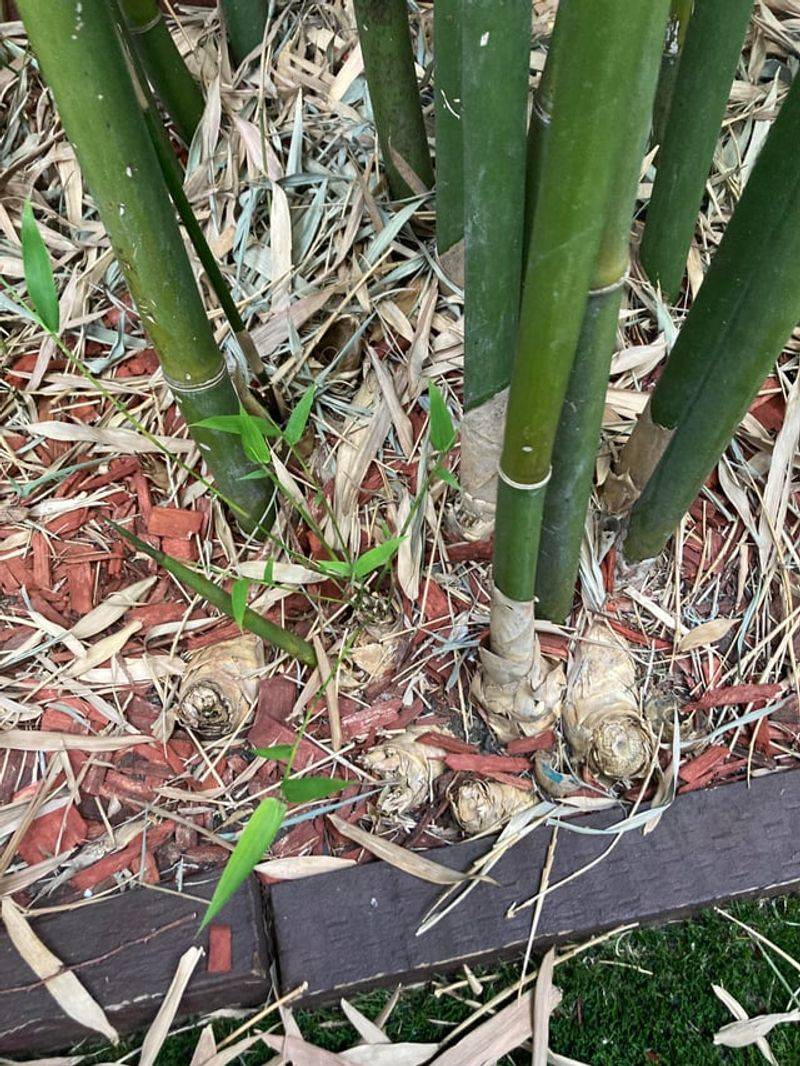
Consistently removing bamboo shoots as they emerge gradually exhausts the underground rhizome system by preventing photosynthesis and energy storage processes completely.
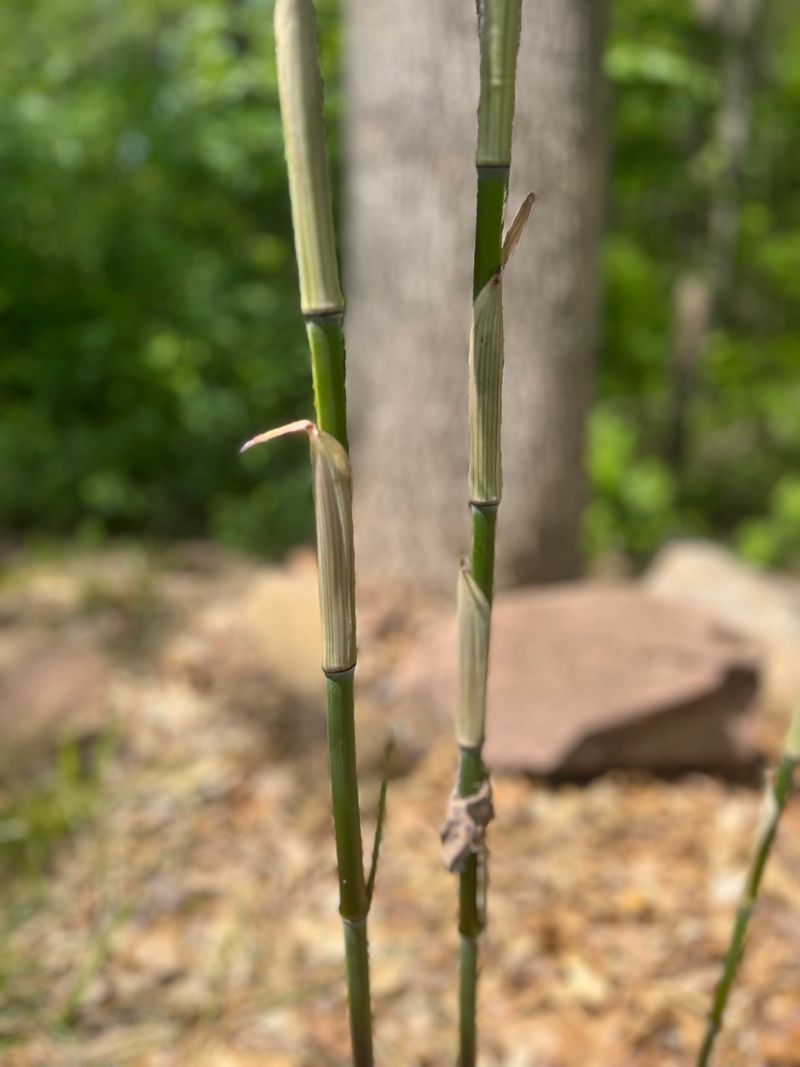
Cut shoots as close to ground level as possible using sharp pruning shears or a lawn mower for smaller, younger shoots.
Removing shoots every week during growing season prevents them from developing leaves that would feed the rhizome network with valuable nutrients.
This method alone won’t eliminate established bamboo quickly, but it significantly weakens the plant when combined with other control strategies systematically.
Dispose of cut bamboo properly by bagging it rather than composting, as some bamboo pieces can regenerate if conditions are right.
Mark your calendar with reminders to check for new shoots regularly, as missing even a few weeks allows bamboo to recover.
Young shoots are tender and easy to remove, while older shoots develop tough, woody stems that require more effort to cut.
Persistence matters enormously with this approach since bamboo has tremendous energy reserves stored underground that sustain it through repeated cutting attempts.
Apply Herbicide Treatments Carefully
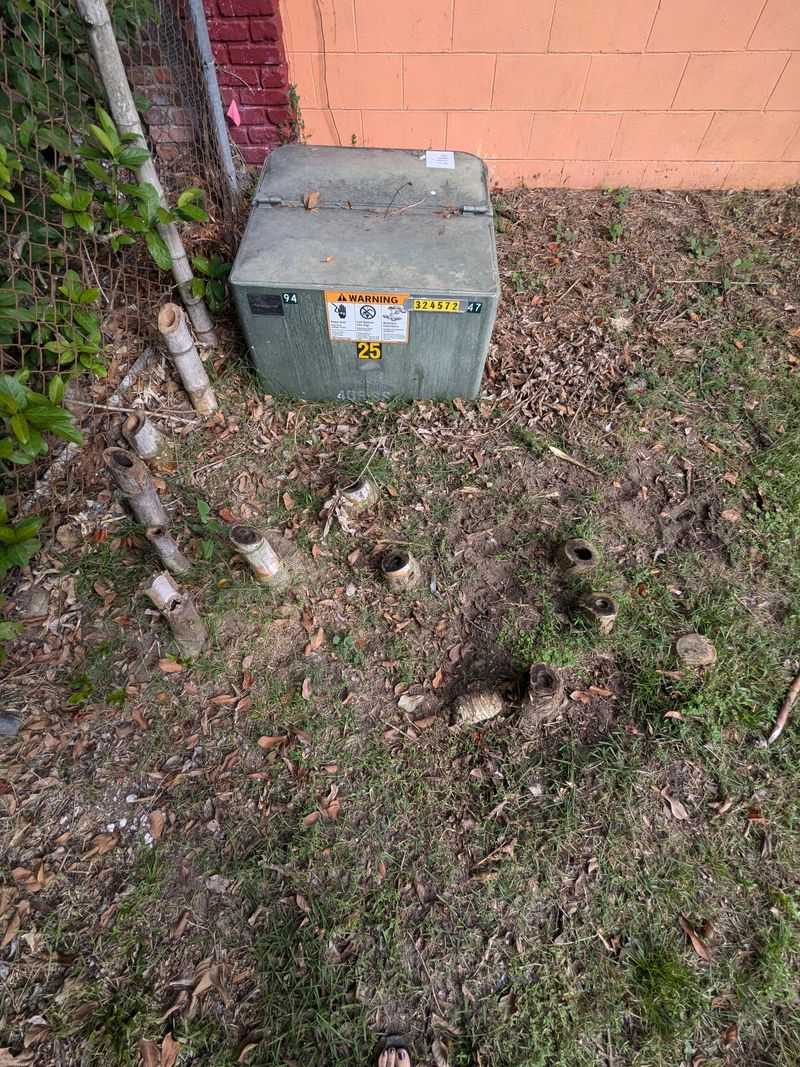
Herbicides containing glyphosate can effectively control bamboo when applied correctly to cut stems or actively growing leaves during appropriate growing seasons.
Cut bamboo stalks and immediately apply concentrated herbicide to the fresh cuts, allowing the chemical to travel down into rhizomes effectively.
Alternatively, spray herbicide on bamboo leaves during active growth periods when plants actively transport nutrients throughout their underground systems most efficiently.
Multiple applications over several months are typically necessary because bamboo rhizomes store substantial energy reserves that sustain regrowth despite initial treatments.
Always follow herbicide label instructions precisely, paying attention to safety precautions, application rates, and environmental conditions that affect treatment effectiveness significantly.
Avoid applying herbicides before rain, as water can wash treatments away before plants absorb them properly into their vascular systems.
Be cautious near desirable plants, as glyphosate is non-selective and will damage or eliminate any vegetation it contacts during application.
Virginia regulations may restrict certain herbicide uses near waterways or in specific zones, so verify local rules before beginning any chemical treatment.
Hire Professional Bamboo Removal Services
Professional removal companies have specialized equipment, expertise, and experience that make bamboo elimination faster and more thorough than typical homeowner efforts alone.
These services typically begin with assessing the invasion extent, then develop comprehensive removal plans that address both visible shoots and underground systems.
Professionals use excavators to dig out rhizome masses, removing the source material rather than just treating symptoms that reappear season after season.
They can also install proper barriers correctly, ensuring depth, positioning, and continuity meet standards that actually prevent future bamboo invasions successfully.
Costs vary widely depending on bamboo density, area size, and whether you want simple cutting or complete rhizome excavation services.
Get multiple quotes from licensed, insured companies with specific bamboo removal experience rather than general landscapers who may lack specialized knowledge.
Ask about guarantees or follow-up services if bamboo reappears, as reputable companies often offer maintenance contracts for persistent invasion problems long-term.
Professional removal is expensive but often worthwhile when bamboo has spread extensively or when DIY efforts have failed repeatedly over multiple seasons.
Consider Mediation Or Legal Action
When friendly conversations fail and bamboo continues spreading despite your removal efforts, formal mediation or legal action becomes a necessary next step.
Many Virginia communities offer mediation services specifically designed to resolve neighbor disputes without expensive, time-consuming court battles that damage relationships permanently.
A neutral mediator helps both parties communicate effectively, understand each perspective, and develop mutually acceptable solutions that address everyone’s concerns fairly.
Mediation costs significantly less than litigation and often preserves neighborly relationships better than adversarial court proceedings that create lasting hostility and resentment.
If mediation fails or your neighbor refuses participation, consulting an attorney about filing a nuisance lawsuit may be your remaining option.
Virginia courts can order neighbors to remove invasive plants, pay damages for property harm, or compensate you for removal costs already incurred.
Document all communication attempts, expenses, and damages carefully, as courts need clear evidence showing you attempted reasonable resolution before pursuing legal remedies.
Legal action should be a last resort because it’s expensive, stressful, and time-consuming, but sometimes it’s the only way to protect property.
Prevent Future Bamboo Problems Proactively
Regular property line inspections help you catch bamboo invasions early when they’re much easier to control than after extensive underground establishment.
Walk your property boundaries monthly during growing season, looking for unfamiliar shoots or signs of spreading plants from neighboring yards carefully.
If your neighbor plants new bamboo, immediately discuss installing shared barriers to prevent future problems before rhizomes spread beyond control completely.
Consider planting your own border of non-invasive plants along property lines, creating visual markers that help you notice invasive species quickly.
Maintain clear communication with neighbors about landscaping plans, especially regarding plants known for aggressive spreading habits that cross boundaries regularly and persistently.
Educate yourself about other invasive plants common in Virginia so you can recognize and address problems before they become established nightmares.
Join local gardening groups or homeowner associations where members share information about managing invasive species and successful control strategies that work.
Taking preventive action costs less time, money, and stress than fighting established invasions that have already damaged your landscape and property value.
Explore Bamboo Containment Rather Than Removal
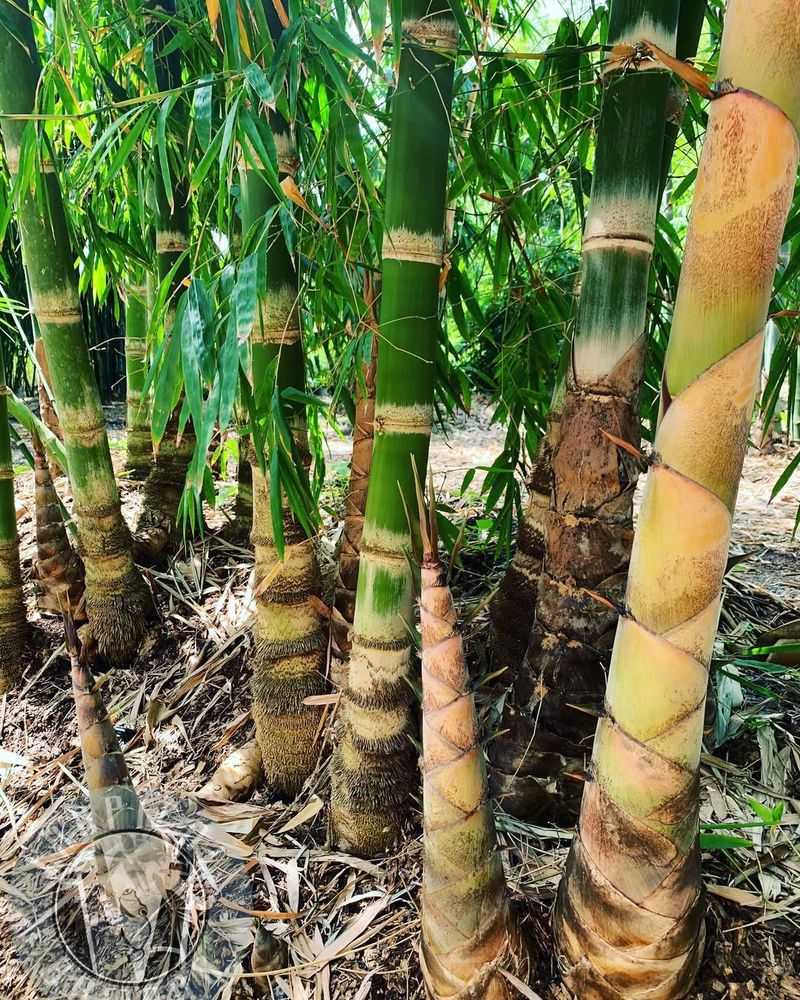
Sometimes working with bamboo rather than fighting it creates a practical solution that benefits both properties while respecting your neighbor’s landscaping choices.
If your neighbor refuses removal, negotiate installing sturdy barriers between properties that contain bamboo while allowing them to keep their desired plants.
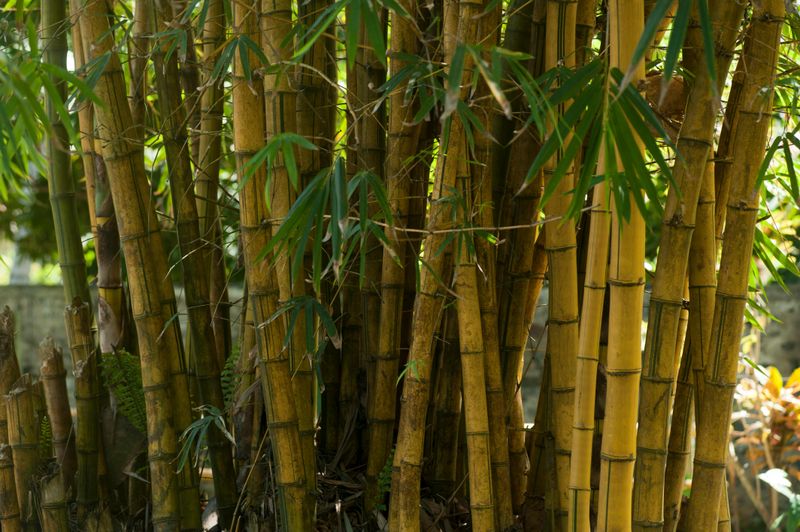
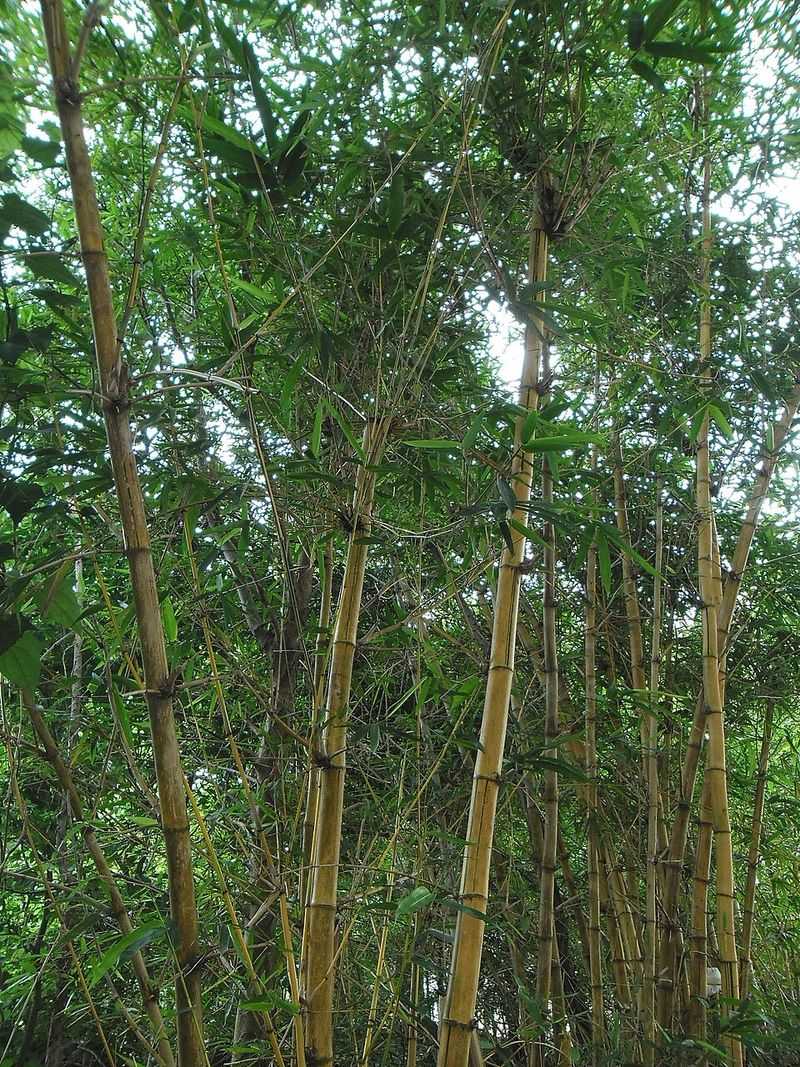
Properly contained bamboo can actually provide privacy screening, wind protection, and attractive greenery without the nightmare of uncontrolled spreading throughout neighborhoods.
Agree on regular maintenance schedules where both parties commit to removing any shoots that escape containment barriers before they establish new growth.
You might discover you actually like having some bamboo as long as it stays controlled, providing a unique landscape feature uncommon here.
Containment requires ongoing vigilance and cooperation, but it preserves neighborhood harmony better than forcing complete removal against your neighbor’s wishes stubbornly.
Some bamboo varieties are clumping rather than running types, so suggest your neighbor replace invasive bamboo with less aggressive species instead.
Finding compromise solutions demonstrates maturity and reasonableness, qualities that serve you well if disputes ever escalate to mediation or legal proceedings later.