Why Tennessee Gardeners Say The Kitchen Window Is The Best Spot For A Christmas Cactus
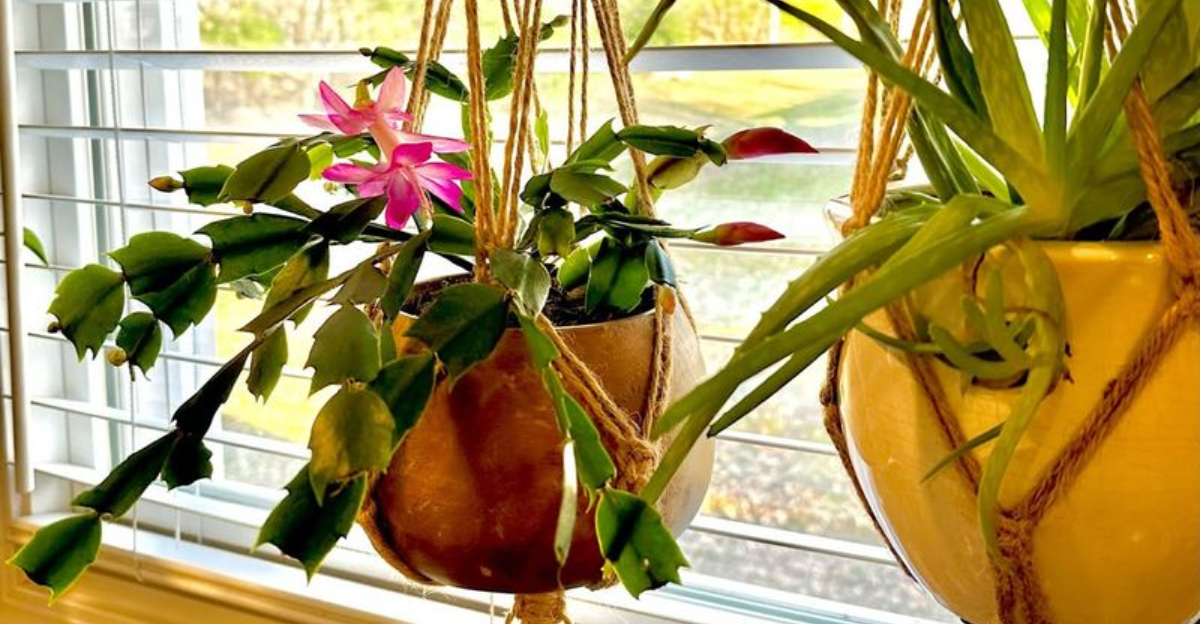
In Tennessee homes, the kitchen window often turns into prime real estate for houseplants, and Christmas cactus seems to know it.
While other spots come up short, this sunny perch strikes the right balance of light, warmth, and everyday activity.
It is not just about convenience.
The kitchen window gives this plant exactly what it needs to stay healthy and set buds at the right time.
Christmas cactus prefers bright light without harsh rays, along with steady temperatures that do not swing wildly.
In many Tennessee homes, the kitchen delivers both.
Cooking keeps the room slightly warmer, while nearby windows provide gentle daylight that changes with the season.
Add in the natural humidity from daily use, and the plant feels right at home.
Gardeners across the state swear by this setup because it works like a charm.
Plants placed in the kitchen window tend to grow evenly, drop fewer buds, and bloom when expected.
Sometimes the best spot is hiding in plain sight, and for Tennessee gardeners, the kitchen window proves that good results often come from simple, well-chosen locations.
1. Natural Humidity From Cooking And Dishwashing Activities
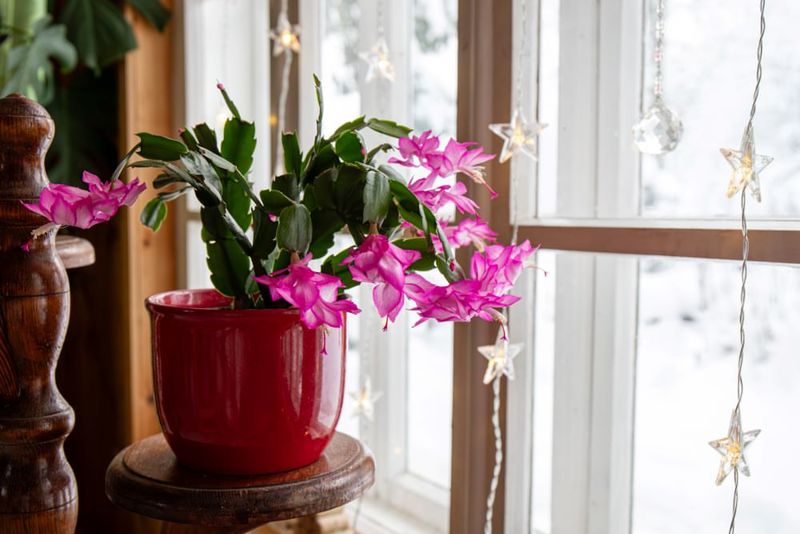
Every time you boil water for pasta, steam vegetables, or run the dishwasher, your kitchen transforms into a mini tropical environment that Christmas cacti absolutely love.
These plants evolved in humid Brazilian forests where moisture hangs in the air constantly.
Tennessee homes, especially during winter when heating systems run constantly, tend to have dry indoor air that stresses most houseplants.
The kitchen naturally counteracts this dryness through regular cooking activities that release water vapor into the air.
Boiling a pot of water can raise humidity levels by 10-20 percent in the immediate area, giving nearby plants a beneficial moisture boost.
Christmas cacti absorb some moisture through their leaf segments, which helps them stay plump and healthy looking.
Tennessee gardeners who keep their Christmas cacti in kitchens rarely need to mist their plants or use humidity trays.
The regular but not constant humidity spikes from cooking mirror the natural pattern these plants would experience in nature.
Unlike bathrooms where humidity spikes dramatically during showers then drops quickly, kitchens provide more consistent moderate increases.
This steady environmental moisture helps prevent the leaf segment wrinkling that occurs when Christmas cacti become dehydrated.
Plants in Tennessee kitchens also show better resistance to common problems like bud drop, which often results from air that is too dry.
The humidity factor alone makes kitchen placement worth considering for any Christmas cactus owner in the state.
2. Perfect Light Conditions Without The Harsh Afternoon Sun
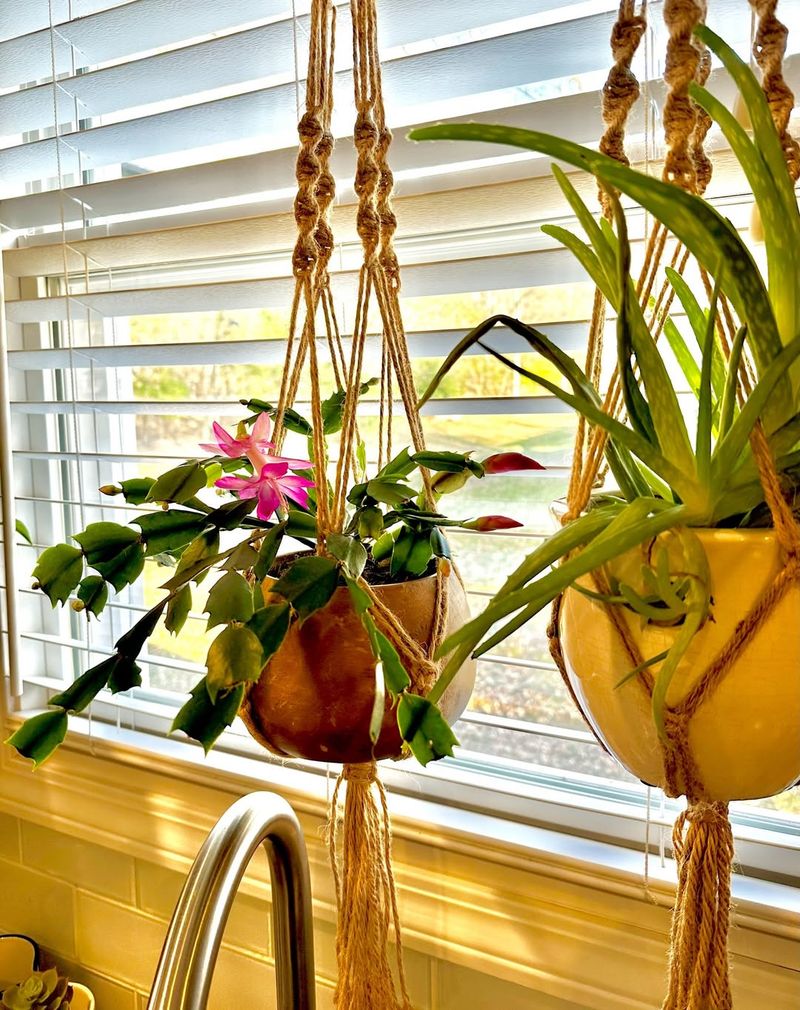
Kitchen windows in Tennessee homes typically face east or north, providing Christmas cacti with the gentle morning light they crave without exposing them to intense afternoon rays.
These tropical plants originally grew under the canopy of Brazilian rainforests, so they adapted to filtered light rather than direct sunshine.
When a Christmas cactus receives too much direct sun, its leaves develop a reddish tint and may become stressed, reducing bloom production.
The kitchen window naturally filters light through curtains, nearby trees, or the angle of the house, creating ideal conditions.
Your Tennessee Garden Changes Every Week. Your Plan Should Too.
Gardening in Tennessee changes quickly throughout the season. Every Friday you’ll receive a simple weekly plan showing exactly what to plant, prune, fertilize, harvest, and protect so you never miss the right timing.
Tennessee gardeners notice that plants placed in kitchen windows maintain their healthy green color and develop stronger stems.
Morning light energizes the plant for photosynthesis throughout the day, while the softer afternoon light prevents damage.
Many Tennessee kitchens also have partial coverings like valances or plants on the sill that create additional shade patterns.
This natural light variation mimics the dappled sunlight Christmas cacti would receive in their native habitat.
Gardeners across the state report that kitchen-window plants produce more flower buds compared to those in brighter south-facing rooms.
The consistent but gentle light exposure helps regulate the plant’s internal clock for better blooming cycles.
This lighting sweet spot makes the kitchen window superior to bedrooms, living rooms, or bathrooms where light conditions fluctuate more dramatically throughout the day.
3. Moderate Temperature Fluctuations That Encourage Blooming
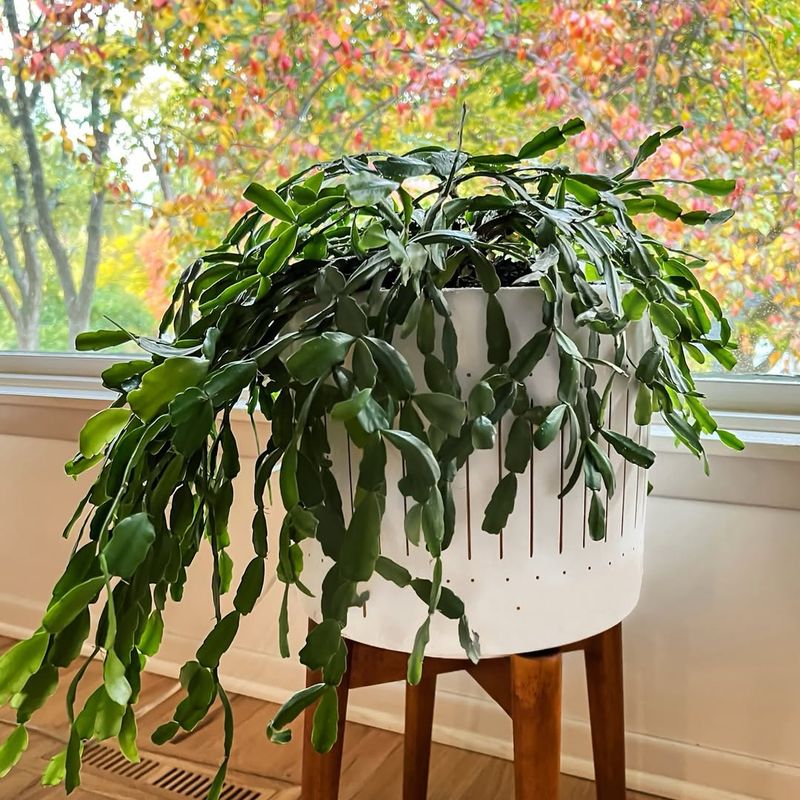
Christmas cacti need a specific temperature drop to trigger their spectacular blooming cycle, and kitchens naturally provide this without any extra effort from gardeners.
During fall evenings in Tennessee, temperatures near windows drop by 10-15 degrees compared to the rest of the house.
This cooling period signals to the plant that the season is changing and it is time to start forming flower buds.
Kitchens experience these natural fluctuations more than interior rooms because they are often located on exterior walls with windows.
The daily temperature variation between cooking times and quiet evening hours creates the perfect blooming stimulus.
Tennessee gardeners have discovered that plants kept in climate-controlled bedrooms or living rooms often refuse to bloom because temperatures stay too constant.
The kitchen window position allows the plant to experience cooler nights while still enjoying warm days, mimicking its natural growing conditions.
This temperature dance typically begins in October across Tennessee, exactly when Christmas cacti need that signal to start developing buds.
Plants respond to this environmental cue by redirecting their energy from leaf growth to flower production.
Gardeners who move their Christmas cacti to kitchen windows in early fall consistently report heavier blooming by Thanksgiving and Christmas.
The temperature changes are gentle enough not to stress the plant but significant enough to activate its biological blooming mechanism.
This natural temperature regulation makes the kitchen window far superior to more insulated interior locations throughout Tennessee homes.
4. Regular Observation Leads To Better Care And Watering Schedules
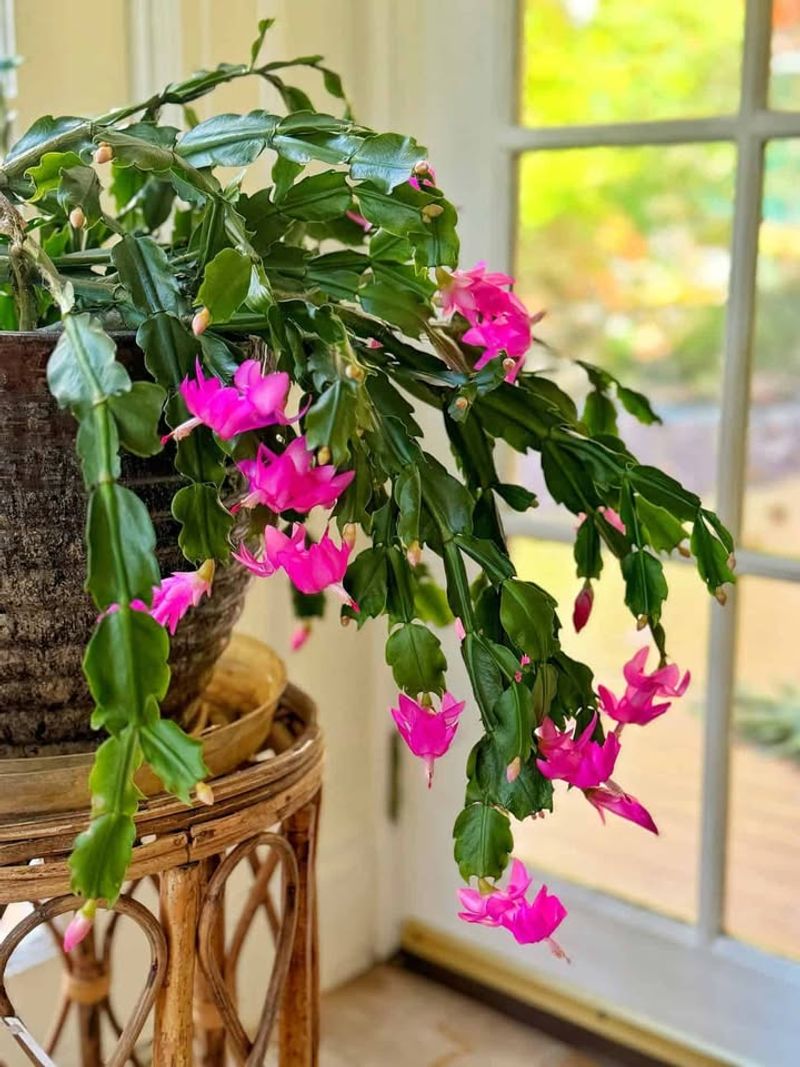
Placing your Christmas cactus where you spend the most time creates natural opportunities to monitor its health and catch problems before they become serious.
Most Tennessee families use their kitchens multiple times daily for meals, coffee, and family gatherings.
This frequent interaction means you will notice immediately if leaves start looking wrinkled, if soil seems too dry, or if flower buds begin forming.
Plants tucked away in guest rooms or formal dining areas often get neglected simply because nobody sees them regularly.
The kitchen window keeps your Christmas cactus front and center in your daily routine, making care feel effortless rather than like a chore.
Tennessee gardeners report that they develop better intuition about watering needs when plants sit where they naturally look at them throughout the day.
You will quickly learn to recognize when the soil has dried out enough to need water just by glancing at the plant while making breakfast.
This regular observation also helps you spot pests like mealybugs or spider mites in their earliest stages when they are easiest to treat.
The kitchen location encourages a relationship with your plant rather than treating it as just another decoration.
Many Tennessee gardeners say they talk to their kitchen window plants while cooking, which some research suggests may actually benefit plant growth.
The convenience factor cannot be overstated because watering becomes part of your kitchen cleanup routine rather than a separate task you might forget.
This increased attention translates directly into healthier plants that live longer and bloom more reliably year after year.
5. Protection From Drafts And Heating Vents Common In Other Rooms
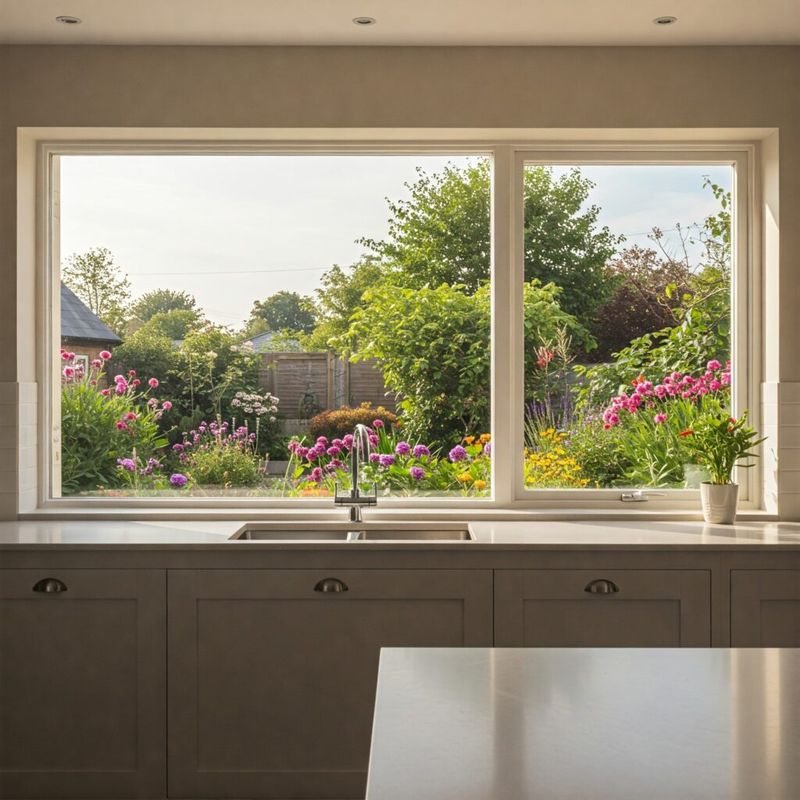
Tennessee homes rely heavily on heating systems during winter months, and these systems create air circulation patterns that can stress Christmas cacti in most rooms.
Living rooms often have heating vents positioned directly below windows, creating blasts of hot, dry air that rise past any plants on the sill.
Bedrooms typically have vents that cycle on and off throughout the night, causing temperature swings that confuse plant biology.
Kitchens, however, usually have fewer heating vents because the cooking appliances naturally warm the space.
This means Christmas cacti in kitchen windows experience more stable conditions without the drying effects of forced air blowing directly on them.
The plants also benefit from being positioned away from exterior doors that open frequently, letting in cold drafts.
Tennessee winters can be unpredictable, with temperatures sometimes dropping below freezing overnight.
Christmas cacti are sensitive to cold drafts, which can cause bud drop or even damage to the leaf segments.
Kitchen windows are typically opened less frequently than those in other rooms, providing more consistent protection.
The stable microclimate near a kitchen window helps maintain the steady conditions these tropical plants prefer.
Gardeners across Tennessee notice that plants in kitchens have fewer brown tips on their segments and retain their flower buds more successfully.
The protection from extreme air movement and temperature shocks gives kitchen-window plants a significant advantage over those placed in more climatically chaotic locations throughout the home.
6. Easy Access To Fresh Water During Routine Kitchen Tasks
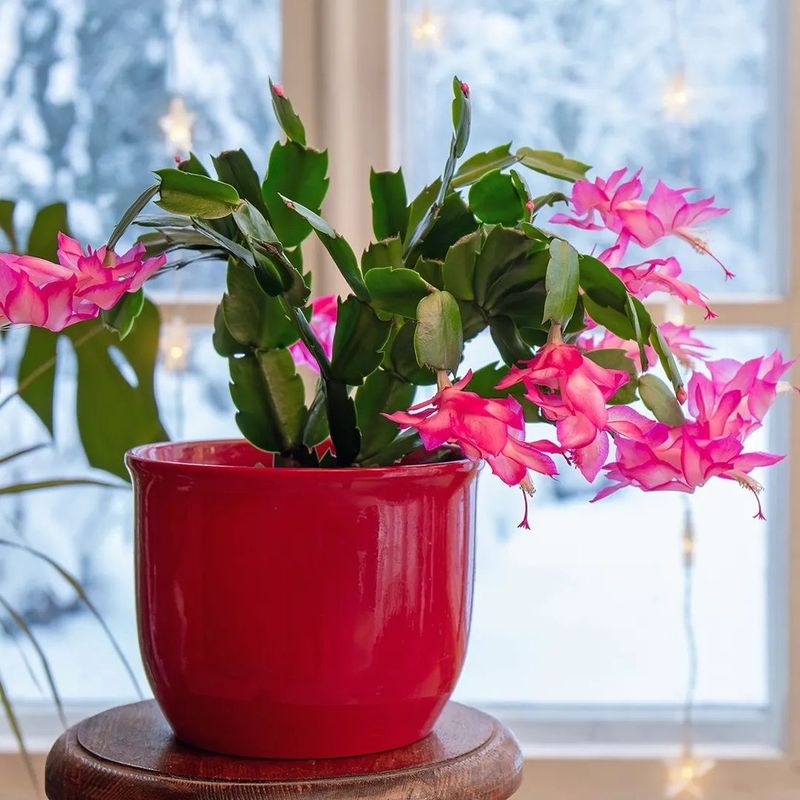
Watering houseplants properly requires attention to water temperature and quality, and the kitchen provides the ideal setup for meeting these needs effortlessly.
Christmas cacti prefer room-temperature water rather than cold water straight from outdoor hoses or icy winter taps.
The kitchen sink allows you to easily adjust water temperature to a comfortable level that will not shock the plant’s roots.
Tennessee tap water quality varies by region, and some areas have heavily chlorinated or hard water that benefits from sitting out overnight.
Keeping a watering can filled near your kitchen sink makes it simple to let water reach room temperature and allows chlorine to dissipate naturally.
The proximity to the sink also encourages proper watering technique, where you can thoroughly soak the soil and let excess drain away.
Many Tennessee gardeners develop the habit of watering their kitchen window plants while waiting for coffee to brew or while cleaning up after meals.
This integration into daily routines ensures consistent care without requiring special trips to other parts of the house with watering equipment.
The kitchen also provides easy access to clean the leaves occasionally, which helps the plant photosynthesize more efficiently.
A quick wipe with a damp cloth removes dust that accumulates on the segments, keeping the plant looking fresh and healthy.
The convenience of having water sources immediately available means you are more likely to water correctly rather than over-watering or under-watering out of inconvenience.
This practical advantage makes the kitchen window location perfect for busy Tennessee households where plant care needs to fit seamlessly into existing routines.
7. Seasonal Light Changes Align With The Plant’s Natural Blooming Cycle
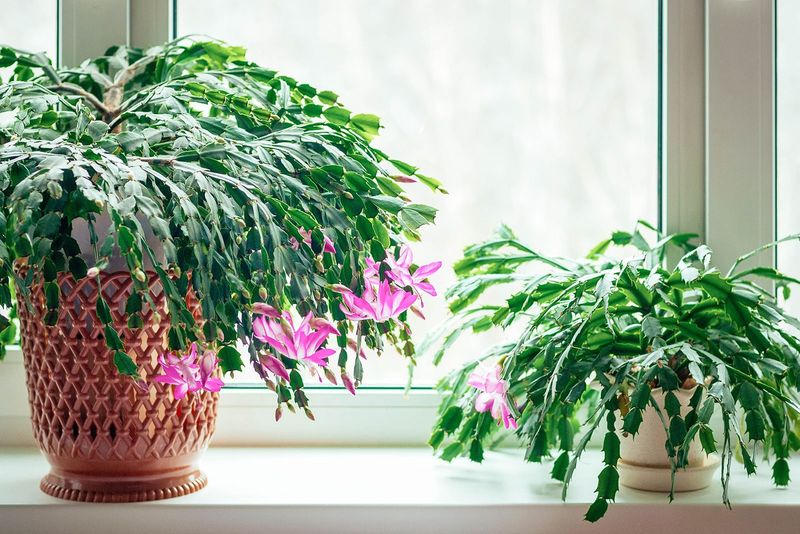
Christmas cacti are photoperiodic plants, meaning they respond to changes in day length to determine when to bloom, and kitchen windows help facilitate this natural process.
Tennessee experiences distinct seasonal changes in daylight hours, with days growing noticeably shorter from September through December.
Kitchen windows typically do not have artificial lighting interfering with natural day-night cycles the way living rooms or bedrooms might.
Living rooms often have lamps, televisions, and other light sources that stay on well into the evening, confusing the plant about actual day length.
Bedrooms may have nightlights or light from hallways that disrupts the darkness the plant needs to count hours properly.
Kitchens generally go dark earlier in the evening once dinner cleanup finishes, allowing the Christmas cactus to experience true night conditions.
This authentic light cycle helps the plant recognize that fall has arrived and blooming season approaches.
Tennessee gardeners find that kitchen-window plants begin forming buds reliably in October and November without any special manipulation.
The gradual shortening of days triggers hormonal changes within the plant that redirect energy toward flower production.
Plants in rooms with irregular lighting often produce fewer flowers or bloom at odd times because their internal clocks get confused.
The kitchen window position respects the plant’s biological needs by providing clean, uninterrupted dark periods each night.
This natural alignment with seasonal rhythms means Tennessee gardeners can enjoy spectacular blooms right on schedule for the holidays without forcing the plant through artificial light manipulation or complicated care routines.