The Easy Repotting Trick Oklahoma Homeowners Rely On To Keep Christmas Cactus Happy
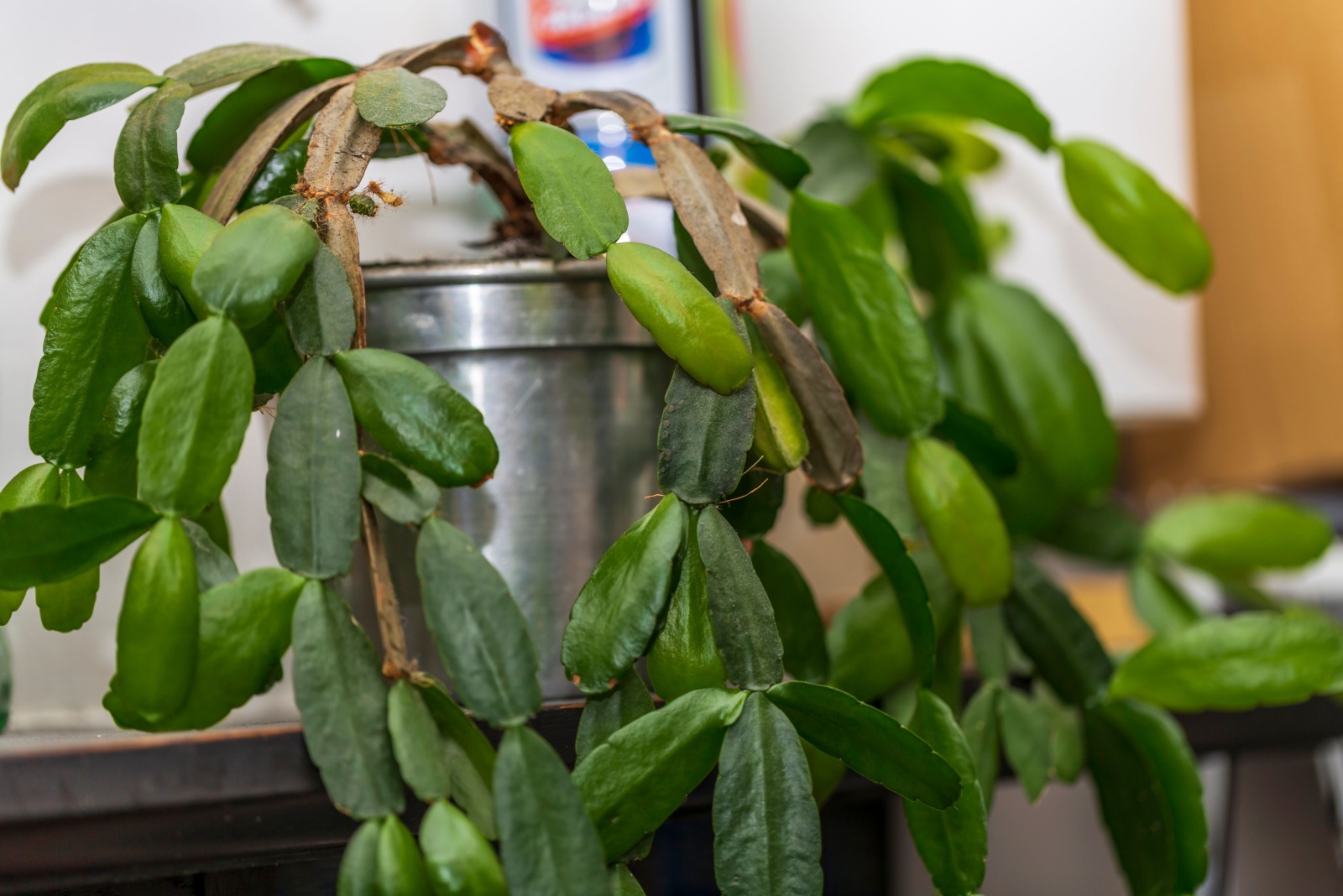
Christmas cactus plants bring vibrant blooms to Oklahoma homes during the holiday season, making them a favorite among local gardeners everywhere.
Repotting these beautiful plants correctly ensures they continue thriving for years, producing stunning flowers that brighten up your entire living space.
Many homeowners struggle with knowing when and how to repot their Christmas cactus without causing stress or damage to roots.
This guide shares practical repotting tricks that Oklahoma plant lovers use to keep their Christmas cactus healthy, happy, and blooming beautifully.
Understanding What Christmas Cactus Really Needs
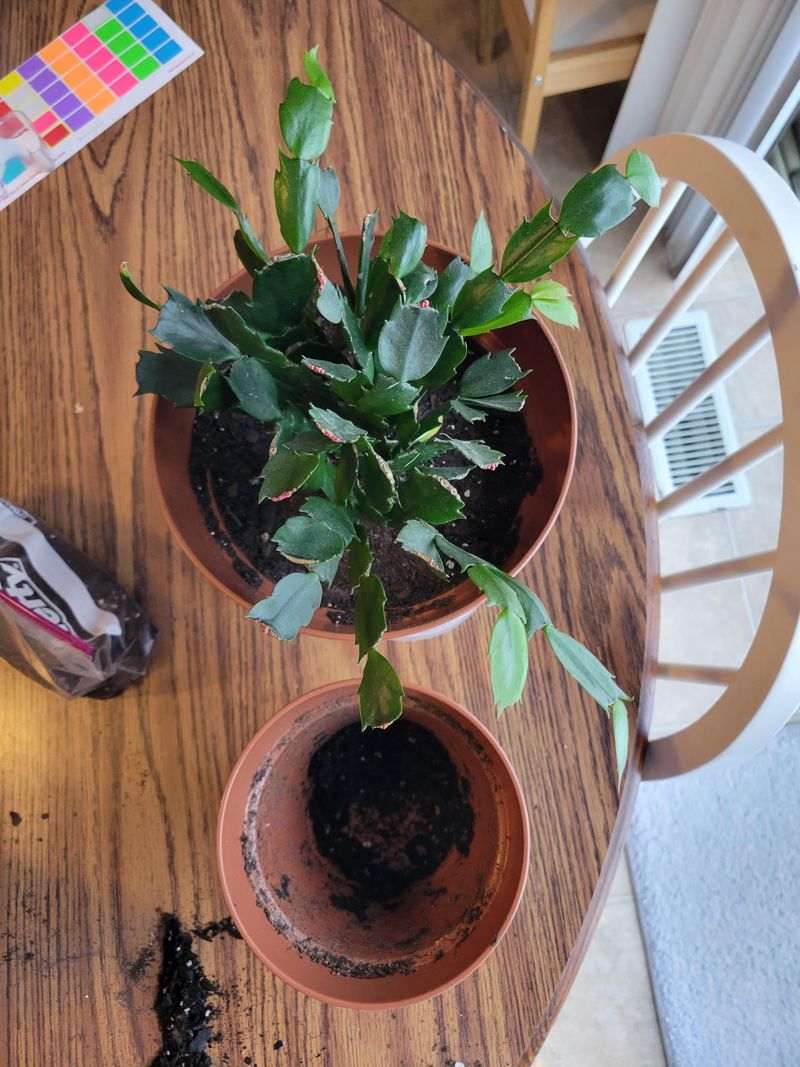
Christmas cactus plants are actually tropical succulents that originated in the rainforests of Brazil, not the dry desert landscapes.
Unlike traditional cacti, they prefer indirect sunlight and slightly more moisture, making them perfect for indoor Oklahoma environments during winter.
Oklahoma homeowners find success by mimicking the plant’s natural habitat, providing bright but filtered light and moderate humidity levels indoors.
These plants store water in their thick, segmented leaves, which means they can tolerate some neglect without suffering immediately.
Room temperatures between sixty and seventy degrees work wonderfully, matching most comfortable home settings throughout the year in Oklahoma.
Understanding these basic needs helps you recognize when your plant is struggling and when it’s actually thriving quite well.
Many people mistakenly treat Christmas cactus like desert cacti, leading to problems with watering, lighting, and overall plant health over time.
Learning what makes your Christmas cactus happy creates the foundation for successful repotting and long-term care in your home.
Why Repotting Too Often Causes More Harm Than Good
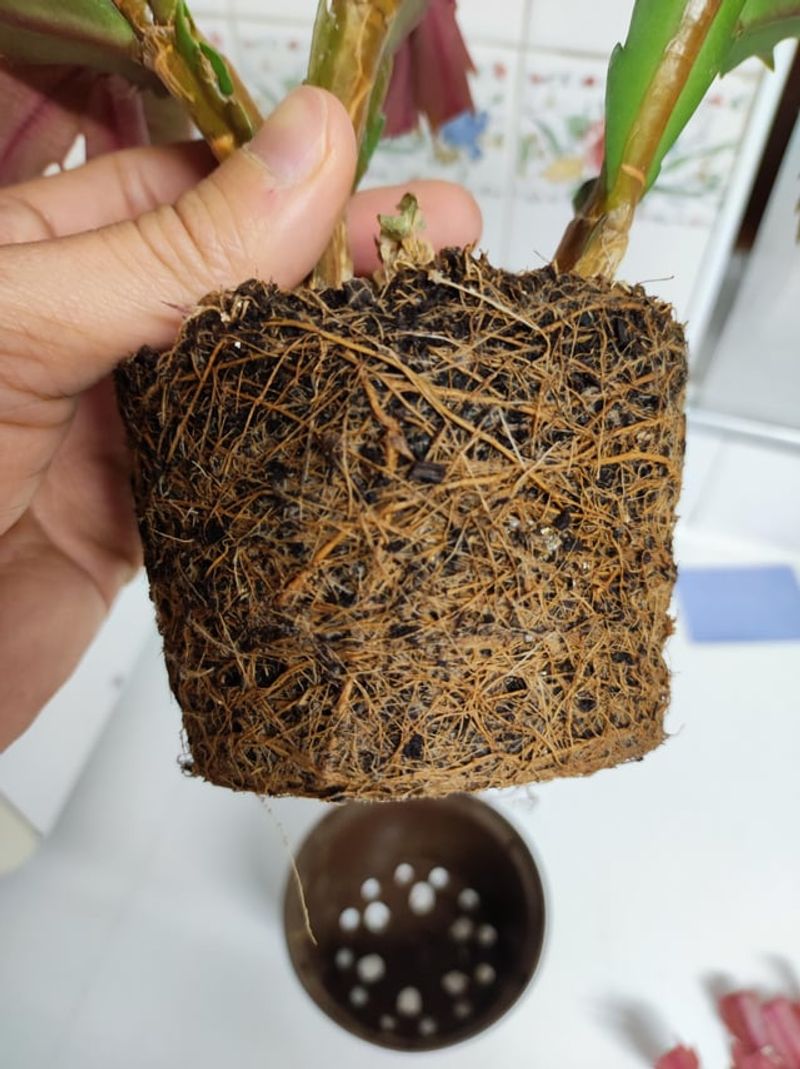
Frequent repotting stresses Christmas cactus plants because it disrupts their root systems, which need time to establish themselves in soil.
Oklahoma gardeners have learned that these plants actually prefer being slightly rootbound, which encourages better blooming during the holiday season.
Moving your cactus to a new pot every year can prevent it from developing the strong root structure needed for growth.
Each time you repot, the plant must redirect energy from leaf growth and flowering to rebuilding and repairing its roots.
This constant disruption weakens the plant over time, making it more susceptible to pests, diseases, and environmental stress in your home.
Most Christmas cactus plants only need repotting every two to three years, or when they become severely rootbound and unhealthy.
Patience is key when caring for these plants, as they reward stability with gorgeous blooms and healthy, vibrant green foliage.
Resisting the urge to repot unnecessarily is one of the simplest ways Oklahoma homeowners keep their Christmas cactus thriving beautifully.
The Importance Of Choosing The Right Pot Size
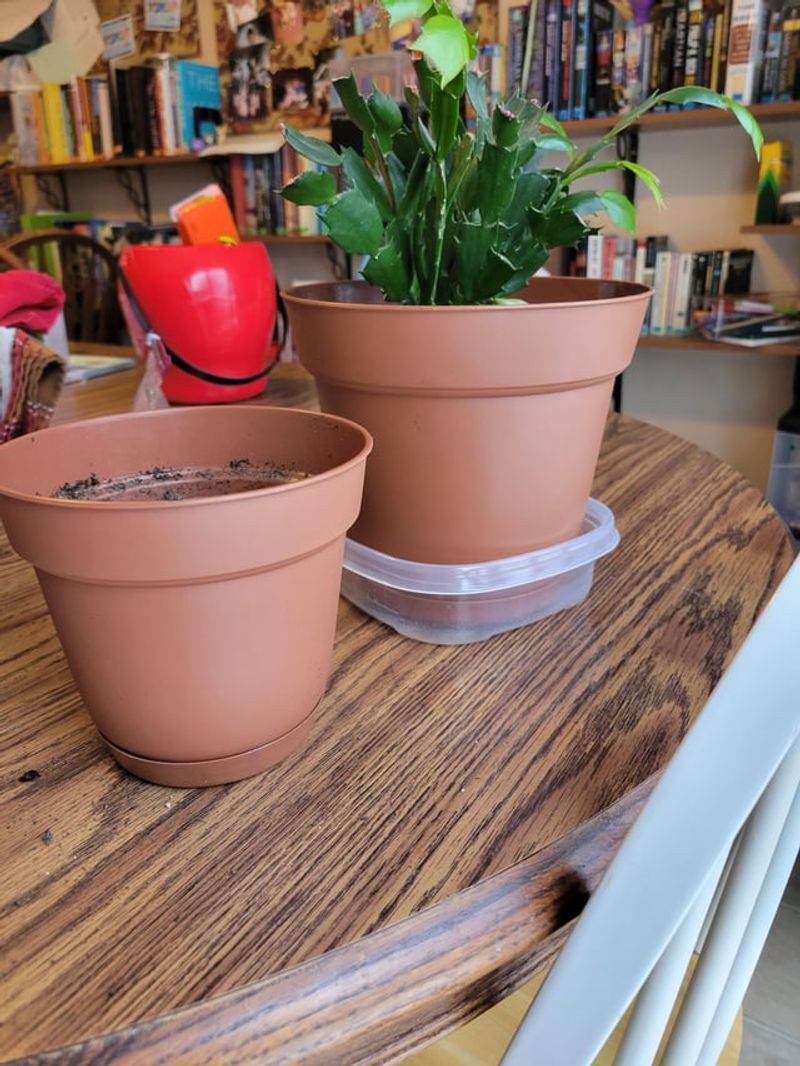
Selecting a pot that’s only one to two inches larger in diameter than the current container prevents overwatering and root problems.
Oklahoma homeowners avoid the common mistake of choosing pots that are too large, which hold excess moisture and cause root issues.
When a pot is too big, the soil stays wet for extended periods, creating conditions where roots can rot quickly.
Christmas cactus plants prefer snug pots because their roots don’t spread extensively, and they bloom better when slightly confined in containers.
Your Oklahoma Garden Changes Every Week. Your Plan Should Too.
Gardening in Oklahoma changes quickly throughout the season. Every Friday you’ll receive a simple weekly plan showing exactly what to plant, prune, fertilize, harvest, and protect so you never miss the right timing.
A pot that’s too small, however, can cause the plant to become severely rootbound, restricting growth and reducing flowering significantly.
Terracotta pots work exceptionally well because they’re porous, allowing excess moisture to evaporate through the sides, preventing waterlogged soil conditions.
Plastic pots are acceptable too, but you must be more careful with watering frequency to avoid keeping the soil too wet.
Always ensure your chosen pot has drainage holes at the bottom, which is absolutely essential for preventing water from accumulating dangerously.
Getting the pot size right from the start saves you from future headaches and keeps your Christmas cactus happy and healthy.
When Repotting Is Actually Necessary
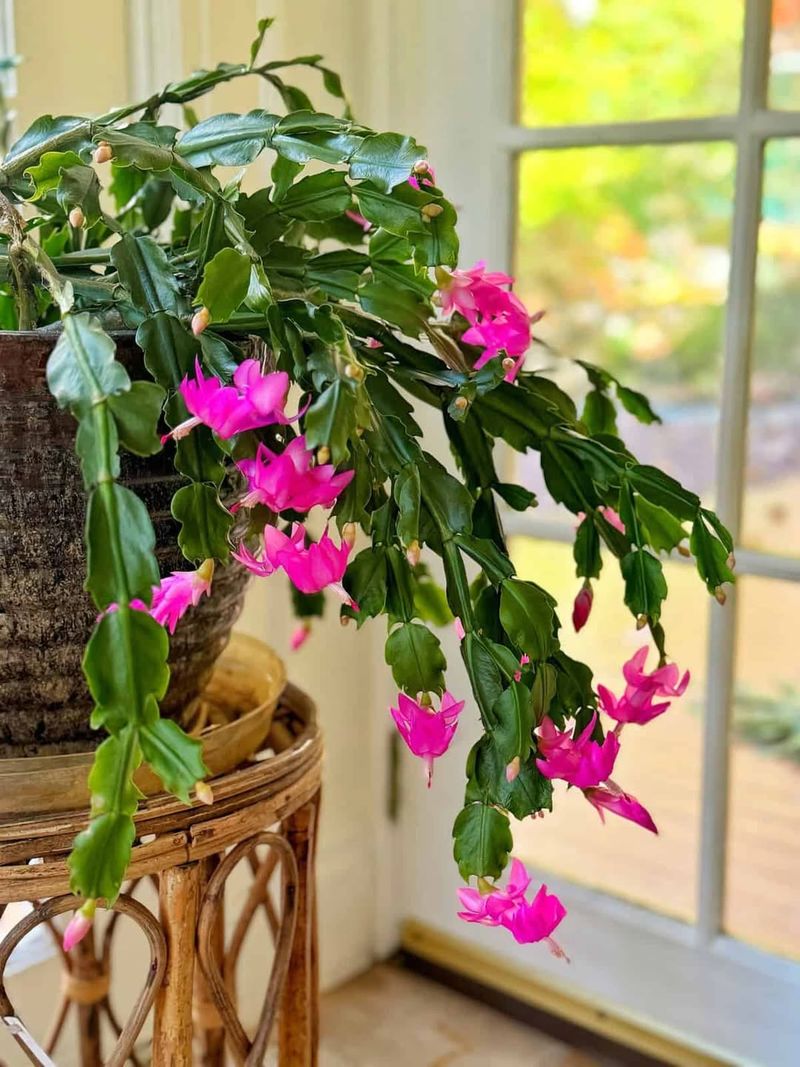
Roots growing through drainage holes signal that your Christmas cactus has outgrown its current pot and needs more space to continue growing.
Another clear sign is when water runs straight through the pot without being absorbed, indicating the roots have filled all space.
Oklahoma plant owners also watch for stunted growth or smaller-than-usual blooms, which can indicate the plant needs fresh soil and space.
If your cactus hasn’t been repotted in three to four years, it’s probably time to check the roots and soil condition.
Soil that has broken down and become compacted loses its ability to drain properly, creating problems for your plant’s root health.
Gently tip the plant out of its pot to inspect the roots; if they’re circling tightly, repotting is definitely needed.
Spring is the ideal time for repotting, right after the blooming period ends and before new growth begins in warmer weather.
Avoid repotting during blooming season or in winter when the plant is focusing energy on producing those beautiful, colorful flowers.
Recognizing these signs helps you time your repotting perfectly, ensuring your Christmas cactus recovers quickly and continues thriving in Oklahoma.
Selecting A Soil Mix That Drains Properly
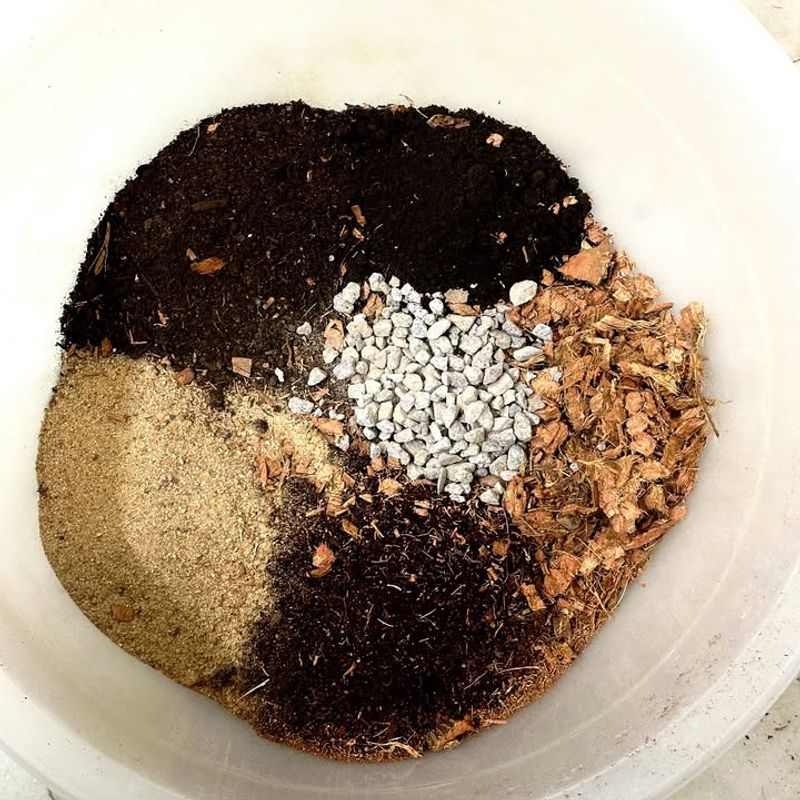
Christmas cactus plants require a soil mix that drains quickly while still retaining some moisture, unlike regular potting soil for houseplants.
Oklahoma gardeners often create their own mix using equal parts potting soil, perlite, and orchid bark for optimal drainage and aeration.
Commercial cactus or succulent mixes work well too, though you might want to add extra perlite to improve drainage even more.
Avoid heavy, dense soils that hold water for long periods, as these create the perfect environment for root rot to develop.
The right soil allows water to flow through easily while providing enough moisture retention for the plant’s tropical nature and needs.
Adding a small amount of compost or worm castings enriches the soil with nutrients, promoting healthy growth and better flowering later.
Good drainage is absolutely critical because Christmas cactus plants are susceptible to root rot when their roots sit in soggy conditions.
Testing your soil mix by watering it can help; water should drain through within seconds, not pool on the surface slowly.
Investing in quality soil pays off with a healthier, happier Christmas cactus that blooms reliably every year in your Oklahoma home.
How To Repot Without Disturbing The Roots
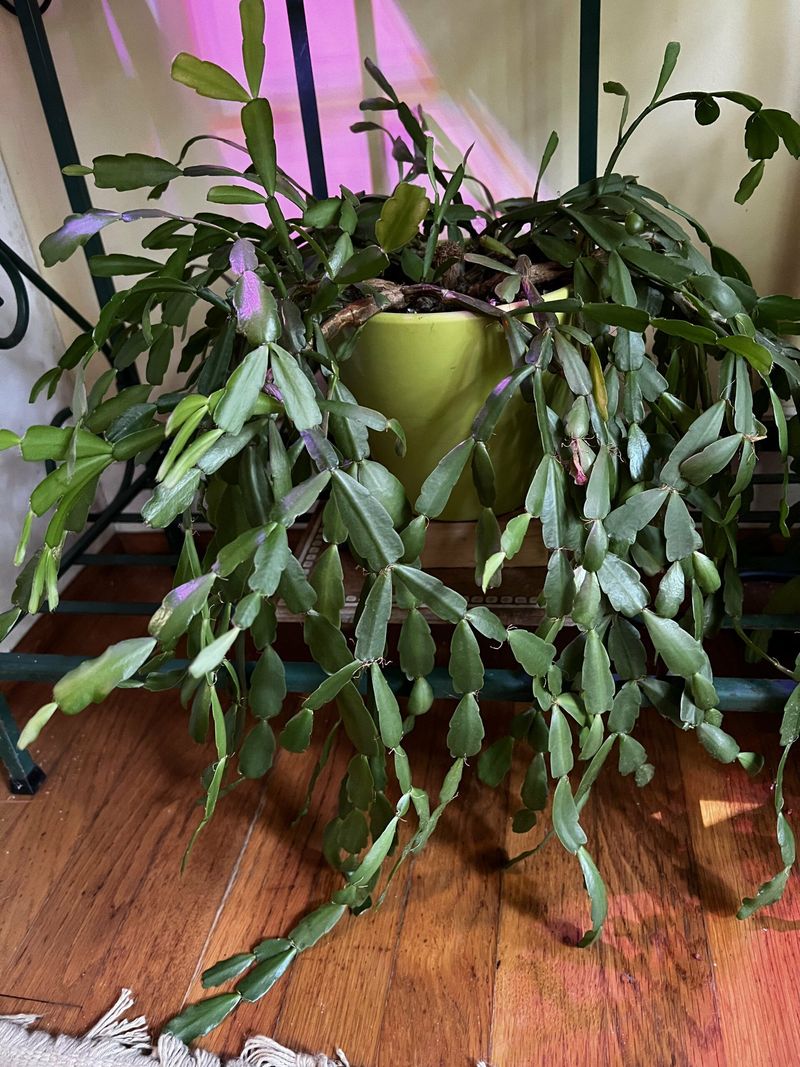
Watering your Christmas cactus a day or two before repotting makes the root ball easier to remove without breaking apart completely.
Oklahoma homeowners gently squeeze the sides of the pot to loosen the root ball, making removal smoother and less stressful overall.
Turn the pot upside down while supporting the plant, then tap the bottom to release the root ball without pulling hard.
Once removed, shake off loose soil gently, but avoid pulling or tearing roots apart unless they’re severely tangled and circling tightly.
If roots are extremely compacted, use your fingers to carefully loosen the outer layer, encouraging them to grow outward in the container.
Place a small layer of fresh soil in the new pot before positioning the plant at the same depth it grew previously.
Fill in around the sides with soil, tapping the pot gently to settle it without packing it down too tightly around roots.
Avoid burying the plant deeper than it was before, as this can lead to stem rot and other serious health problems.
Handling roots with care minimizes shock and helps your Christmas cactus adjust quickly to its new home without significant setbacks.
What To Expect After Repotting
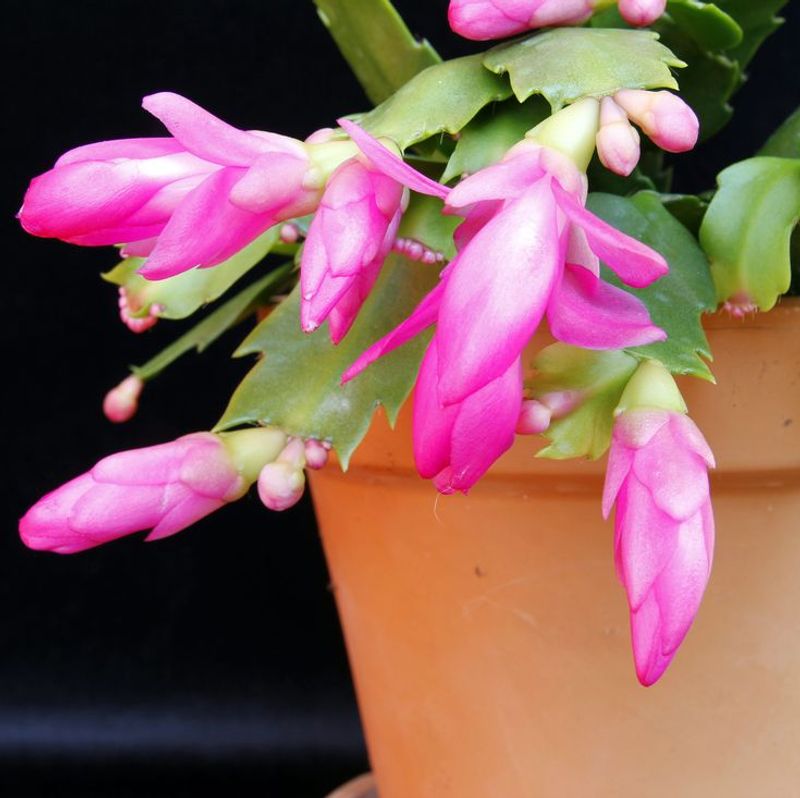
Some wilting or drooping is normal immediately after repotting because the plant is adjusting to its new environment and recovering slightly.
Oklahoma plant lovers know not to panic if their Christmas cactus looks a little sad for the first week or two following repotting.
The plant needs time to establish new roots in the fresh soil before it can resume normal growth and flowering patterns.
Avoid fertilizing for at least four to six weeks after repotting, giving the roots time to settle without being overwhelmed by nutrients.
Keep your cactus in bright, indirect light during recovery, avoiding harsh direct sunlight that could stress the plant even more right now.
Monitor the soil moisture carefully, as newly repotted plants may need slightly different watering schedules than they did before the change.
Most Christmas cactus plants bounce back within two to three weeks, showing new growth and perking up as roots establish themselves.
If your plant continues struggling beyond a month, check for root rot or other issues that might have developed during the process.
Patience and gentle care during this adjustment period ensure your Christmas cactus recovers fully and thrives in its new Oklahoma home.
Watering Adjustments After A Pot Change And Long-Term Care Tips For A Happier, Healthier Plant
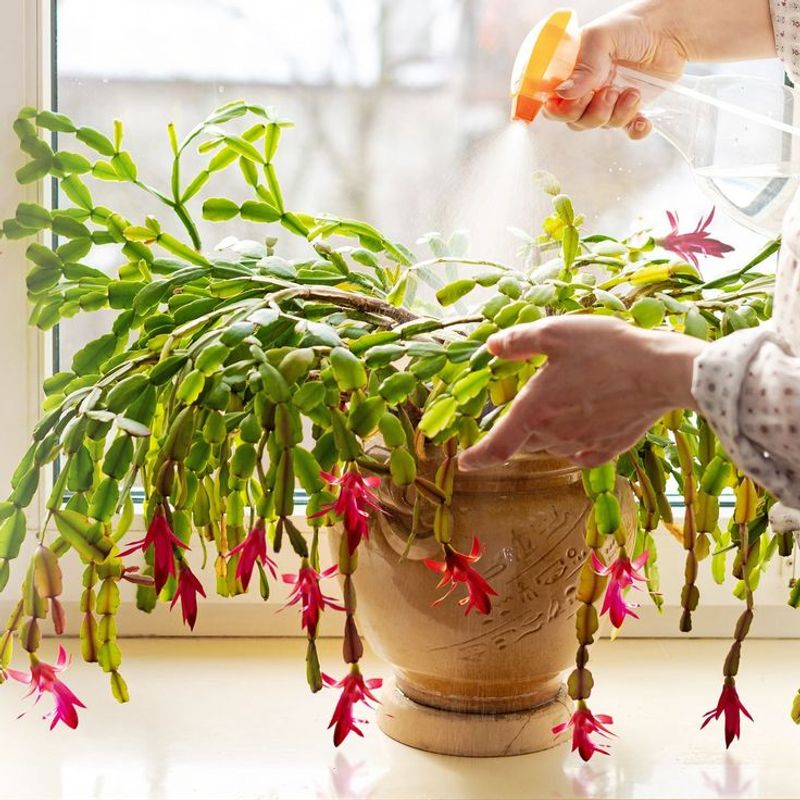
Water your Christmas cactus thoroughly immediately after repotting, allowing excess water to drain completely through the bottom of the new pot.
Then wait until the top inch of soil feels dry before watering again, which might take longer than before repotting.
Fresh soil retains moisture differently than old, compacted soil, so Oklahoma homeowners adjust their watering schedules accordingly to prevent overwatering problems.
During the first month, check soil moisture more frequently to understand how quickly the new pot and soil dry out completely.
Overwatering is the biggest mistake people make after repotting, so err on the side of underwatering if you’re unsure about timing.
Once your plant is established, maintain a consistent watering schedule, allowing soil to dry slightly between waterings throughout the growing season.
Feed your Christmas cactus monthly during spring and summer with diluted liquid fertilizer, stopping in fall to encourage holiday blooming naturally.
Rotate your plant occasionally to ensure even growth, and prune leggy stems in spring to maintain a full, attractive shape over time.
With proper repotting techniques and ongoing care, Oklahoma homeowners enjoy beautiful, blooming Christmas cactus plants for many decades to come.