7 Things To Do When A Raccoon Wanders Into Your Pennsylvania Yard (And 3 To Avoid)
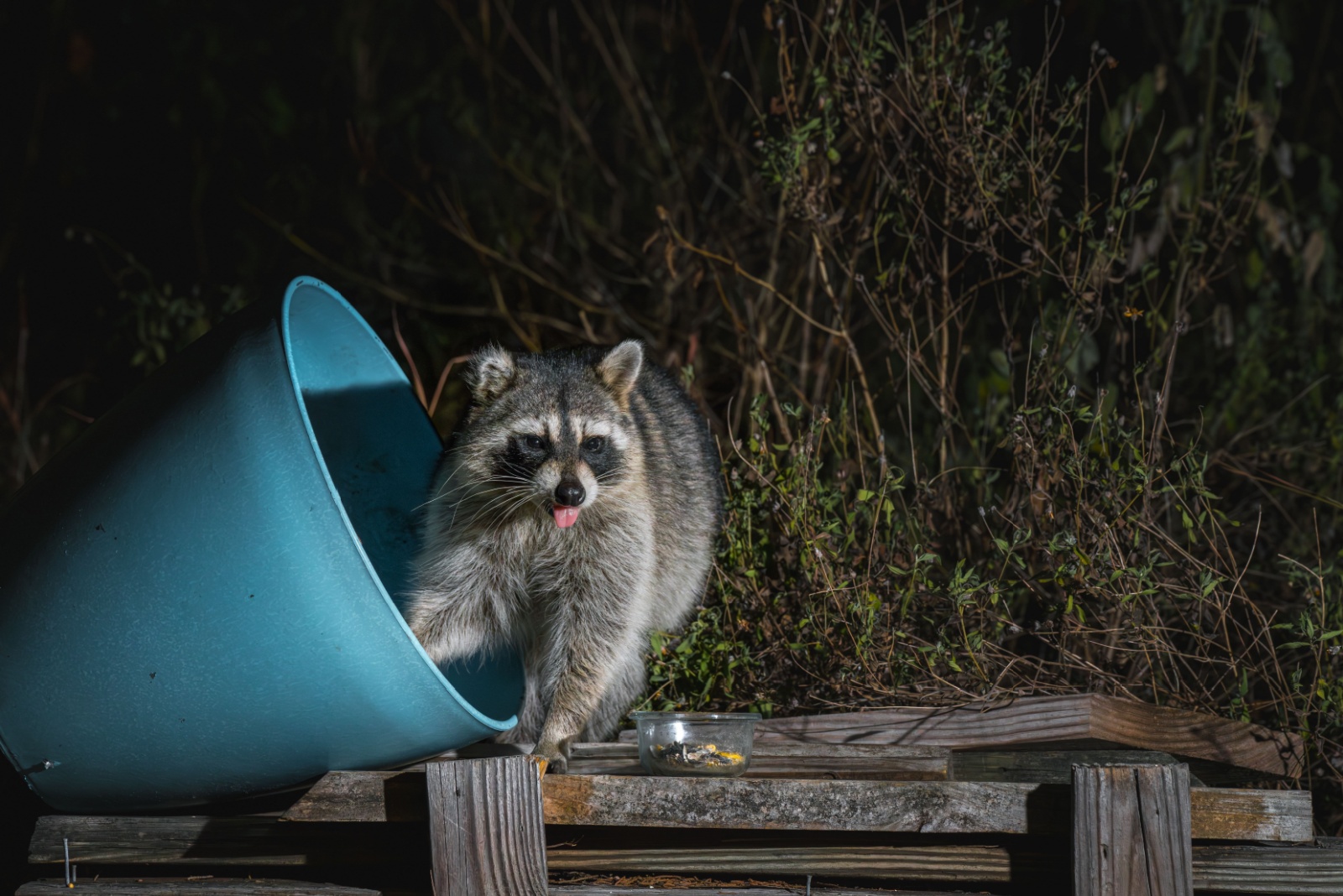
A raccoon in a Pennsylvania yard can turn a quiet evening into a moment of surprise.
One second brings calm, the next brings a masked visitor with nimble paws and bold curiosity.
These animals may look clever and harmless, yet they act on instinct and opportunity.
Raccoons enter residential spaces in search of food, shelter, or an easy path through familiar territory. Trash bins, pet food, and cozy hiding spots send a clear invitation.
While the encounter may seem harmless, the wrong reaction can lead to property damage, aggressive behavior, or health concerns.
Quick thinking without clear direction often causes more trouble than it solves.
Pennsylvania homeowners also face legal and safety responsibilities when wildlife appears on their property.
Some actions help the raccoon move along without stress or conflict.
Others raise risk for people, pets, and the animal itself.
Calm, informed responses make all the difference.
When homeowners know what steps help and which ones backfire, a surprise visit stays brief.
The yard returns to normal, and both people and wildlife avoid unnecessary harm or lasting problems.
1. Keep Your Distance And Observe From Indoors
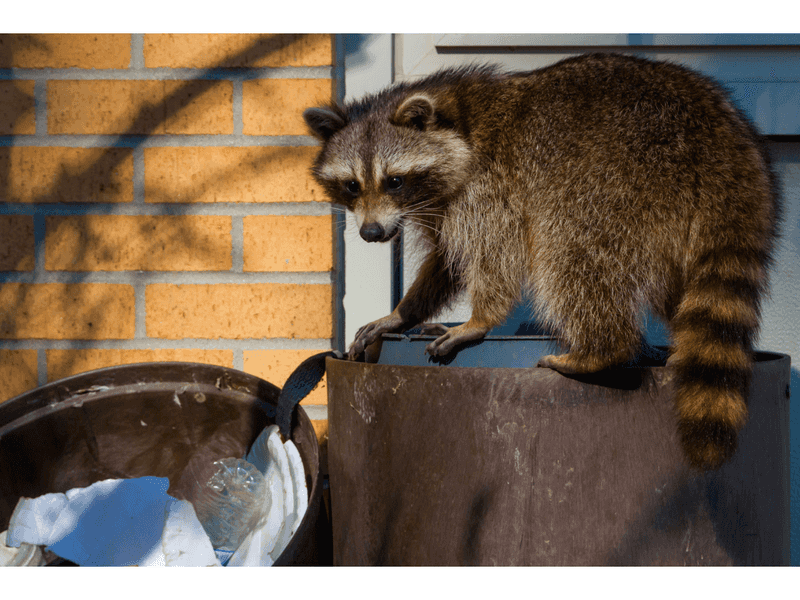
Spotting a raccoon in your yard can be exciting, but your first move should always be creating space between you and the animal.
Raccoons may seem harmless, but they can become aggressive if they feel cornered or threatened.
Watch from behind a window or door where you have a barrier for protection.
This distance also lets you assess the situation calmly.
Is the raccoon acting strangely, stumbling, or appearing unusually aggressive during daylight hours?
These could be signs of rabies or illness, which requires immediate attention from wildlife authorities.
Most healthy raccoons will move along on their own once they finish foraging.
They prefer avoiding humans just as much as you prefer avoiding them.
Observing quietly gives the animal time to leave naturally without stress.
Never attempt to touch, feed, or corner a raccoon, even if it looks friendly or cute.
Wild animals carry unpredictable instincts, and their sharp claws and teeth can cause serious injuries.
Your safety and the raccoon’s wellbeing both depend on respectful distance.
If children or pets are outside, bring them inside immediately and calmly.
Explain to kids why watching wildlife from afar is important for everyone involved.
2. Secure Your Trash Cans With Tight Lids
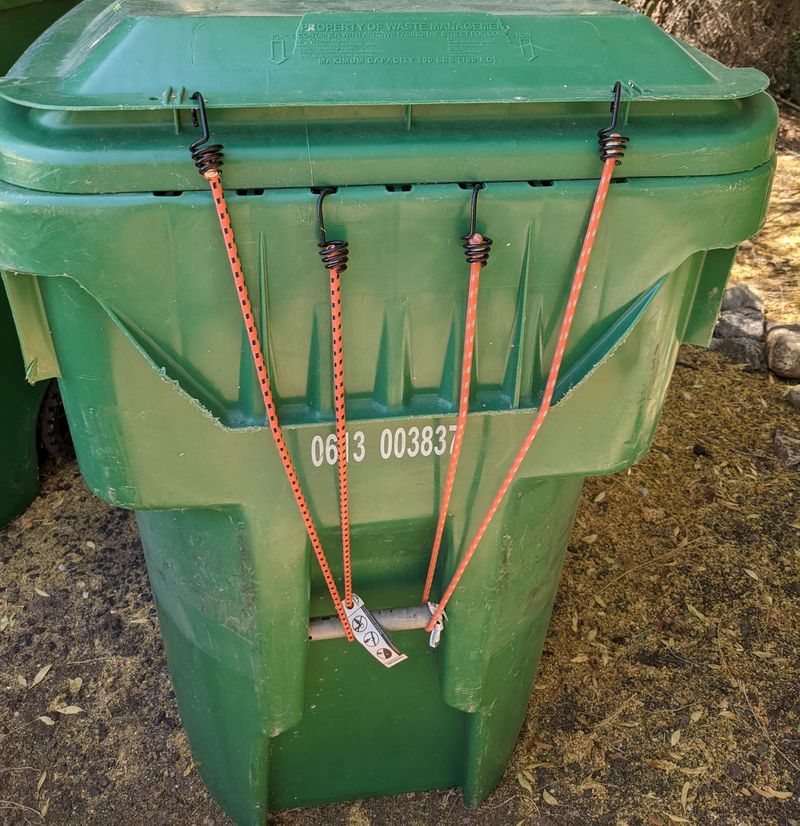
Raccoons have nimble paws and remarkable problem-solving skills, making unsecured garbage cans an irresistible buffet.
Once they discover easy food sources, they will return night after night.
Investing in trash cans with locking lids or heavy-duty bungee cords prevents this cycle from starting.
Standard flip-top lids offer little resistance to a determined raccoon.
They can pry them open within seconds, scattering trash across your lawn and creating a messy nightmare.
Metal cans with clamp-down lids work better than lightweight plastic versions.
You might also consider storing garbage cans inside your garage or shed until collection day.
This eliminates the temptation entirely and keeps other wildlife away too.
If indoor storage is not possible, place cans against a wall or fence to limit access angles.
Your Pennsylvania Garden Changes Every Week. Your Plan Should Too.
Gardening in Pennsylvania changes quickly throughout the season. Every Friday you’ll receive a simple weekly plan showing exactly what to plant, prune, fertilize, harvest, and protect so you never miss the right timing.
Adding a sprinkle of ammonia-soaked rags near trash areas can deter raccoons with the strong smell.
They dislike harsh chemical odors and will often seek food elsewhere.
Just make sure the ammonia does not come into contact with the actual trash bags.
Consistent trash management reduces the likelihood of repeat visits.
Raccoons are creatures of habit, and breaking the food reward pattern encourages them to move along.
3. Remove Outdoor Pet Food And Water Bowls
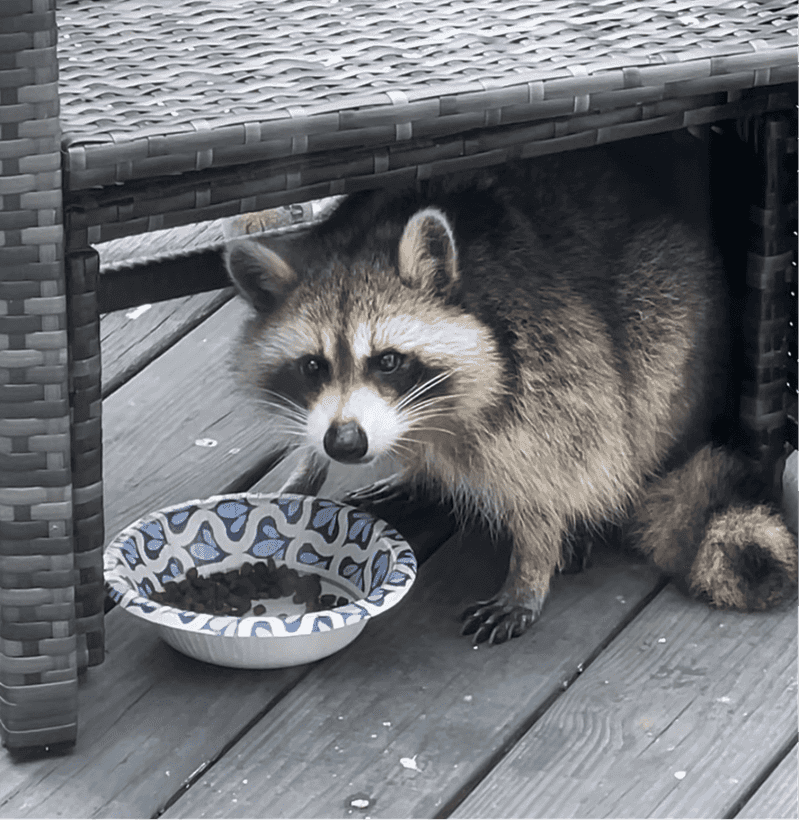
Leaving pet food outside overnight is like sending raccoons a personal dinner invitation.
They have an excellent sense of smell and will travel significant distances for an easy meal.
Once they find a reliable food source, they become regular visitors to your property.
Even water bowls can attract raccoons, especially during hot summer months when natural water sources dry up.
Raccoons often dunk their food in water before eating, so a filled bowl serves multiple purposes for them.
Bringing everything inside after your pets finish eating eliminates this attraction completely.
If you feed outdoor or feral cats, establish a strict feeding schedule rather than leaving food out all day.
Put down meals during daylight hours when raccoons are less active, then remove bowls promptly.
This approach helps the cats while discouraging nighttime wildlife visitors.
Consider feeding pets inside your home or garage whenever possible.
This protects their food from contamination and keeps them safer from potential wildlife encounters.
Indoor feeding also prevents aggressive interactions between your pets and wild animals.
Raccoons can become bold when food is consistently available, sometimes approaching while people or pets are present.
Removing the food incentive keeps them wild and wary of human spaces.
4. Make Loud Noises To Encourage The Raccoon To Leave
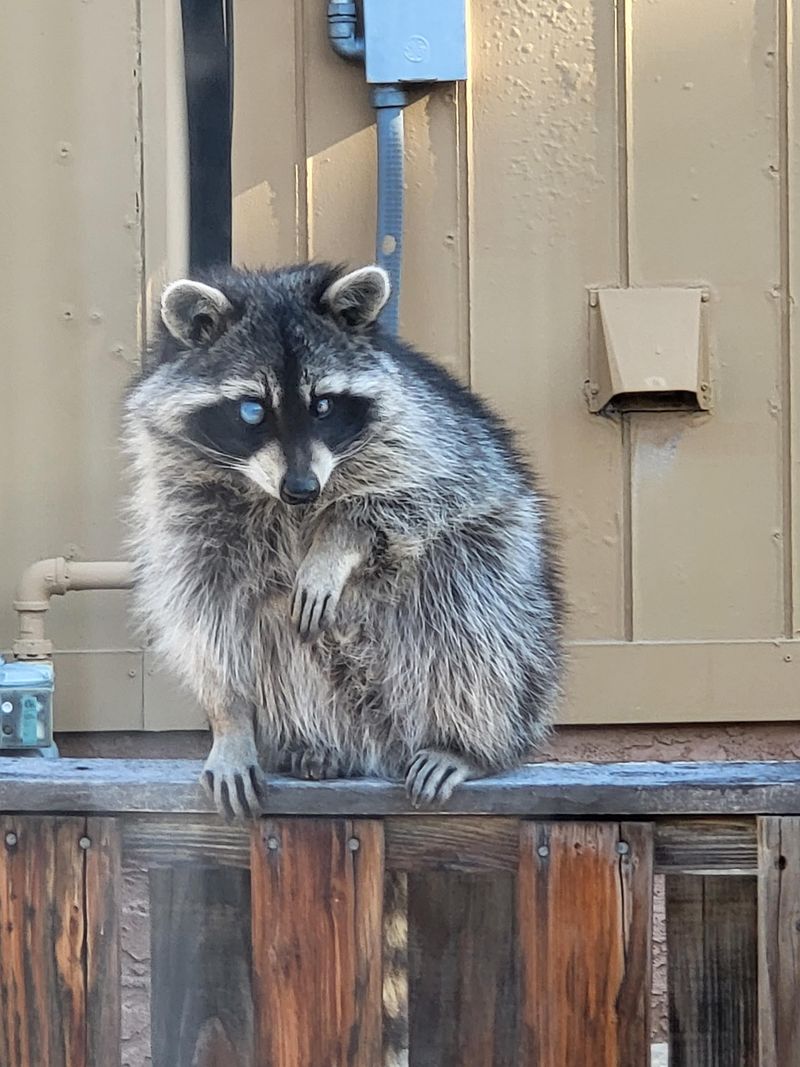
Raccoons generally prefer avoiding confrontation and will leave if they sense danger or discomfort.
Creating loud, sudden noises can motivate a lingering raccoon to find a quieter location.
Bang pots and pans together, clap your hands loudly, or use an air horn from a safe distance.
Timing matters when using this technique.
Wait until the raccoon is not cornered or trapped against a fence or building.
You want to give it a clear escape route so it can leave quickly without feeling threatened.
Avoid screaming or making aggressive movements toward the animal.
Your goal is to create an unpleasant environment, not to provoke an attack.
Stay at least fifteen feet away while making noise to maintain safety.
Motion-activated devices that emit loud sounds or spray water can also work well for ongoing problems.
These tools activate automatically when the raccoon enters your yard, teaching it to avoid the area.
Over time, the raccoon learns your property is not a comfortable place to visit.
This method works best with healthy raccoons displaying normal behavior.
If the animal seems sick, injured, or unusually aggressive, noise may not be effective.
In those cases, contact wildlife control professionals rather than attempting to scare it away yourself.
5. Check Your Property For Potential Den Sites
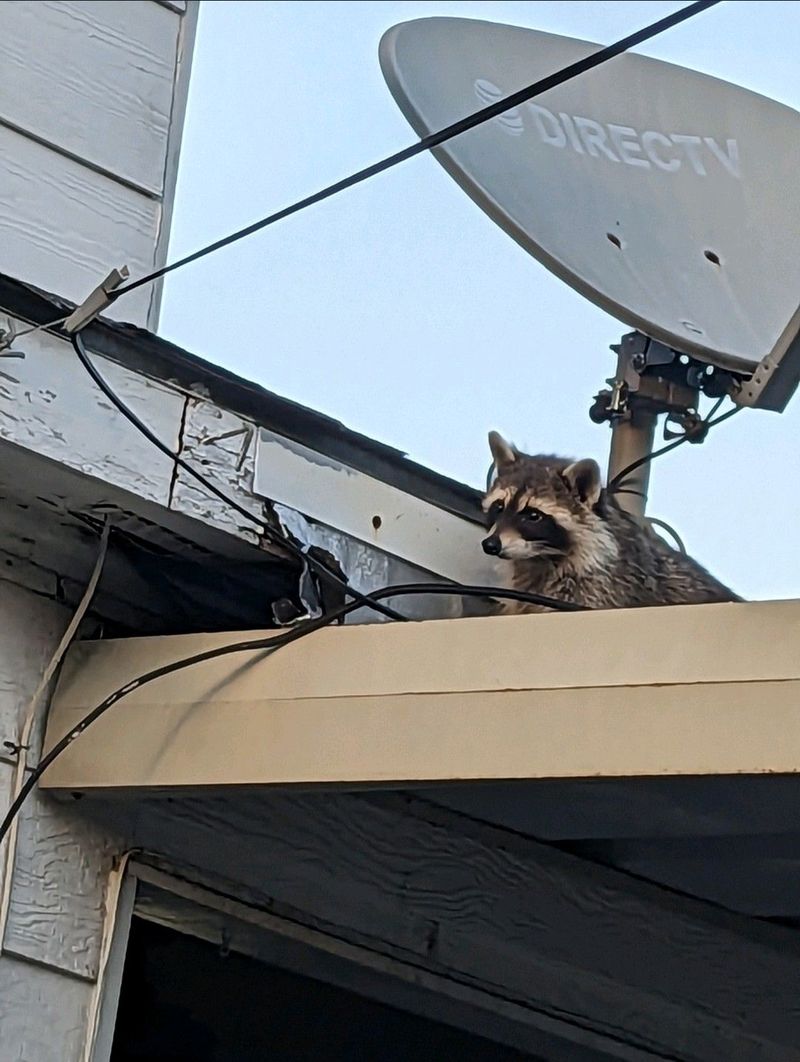
Raccoons seek warm, dark, sheltered spaces for raising their young, especially during spring months.
Attics, crawl spaces, sheds, and areas under decks provide perfect denning conditions.
Inspecting these spots regularly helps you catch problems before a family of raccoons moves in permanently.
Look for torn screens, loose vents, or gaps in your foundation where animals could squeeze through.
Raccoons can fit through surprisingly small openings, sometimes as narrow as four inches.
Seal any vulnerabilities with heavy-duty hardware cloth or metal flashing rather than lightweight materials they can tear.
Listen for scratching, thumping, or chattering sounds coming from walls or ceilings.
These noises often indicate raccoons have already established a den inside your home.
Baby raccoons make high-pitched chirping sounds that are especially noticeable during evening hours.
If you discover a den with babies present, never seal the entrance while they are inside.
The mother will become frantic trying to reach her young, potentially causing significant damage to your home.
Instead, contact a wildlife removal specialist who can safely relocate the entire family.
Preventive maintenance saves money and stress compared to dealing with an established raccoon family.
Walk your property perimeter monthly, checking for new damage or entry points.
6. Contact A Licensed Wildlife Control Professional
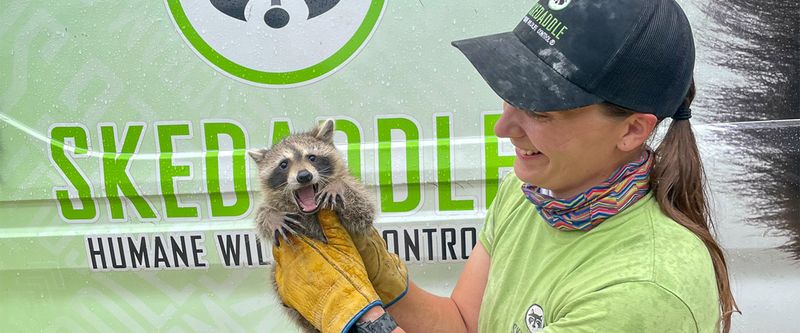
Sometimes raccoon problems exceed what homeowners can handle safely on their own.
Licensed wildlife control experts have the training, equipment, and legal permits to manage situations properly.
They understand raccoon behavior patterns and can implement effective, humane removal strategies.
Pennsylvania law regulates how wildlife can be trapped and relocated.
Attempting removal yourself without proper permits could result in legal trouble or fines.
Professionals stay current on regulations and follow ethical practices that protect both humans and animals.
These specialists can identify whether you are dealing with a single raccoon or an entire family.
They assess your property for attractants and entry points, providing recommendations to prevent future visits.
Many offer exclusion services that humanely encourage raccoons to leave and prevent their return.
If the raccoon appears sick or injured, professionals have protocols for handling potentially rabid animals safely.
They work with local health departments to test animals when necessary and provide guidance on exposure risks.
This expertise becomes crucial when human or pet contact has occurred.
Costs vary depending on the situation complexity, but professional help often proves more economical than property damage repairs.
Research local companies with positive reviews and proper licensing credentials.
Ask about their removal methods to ensure they use humane techniques.
7. Install Motion-Activated Lights Around Your Yard
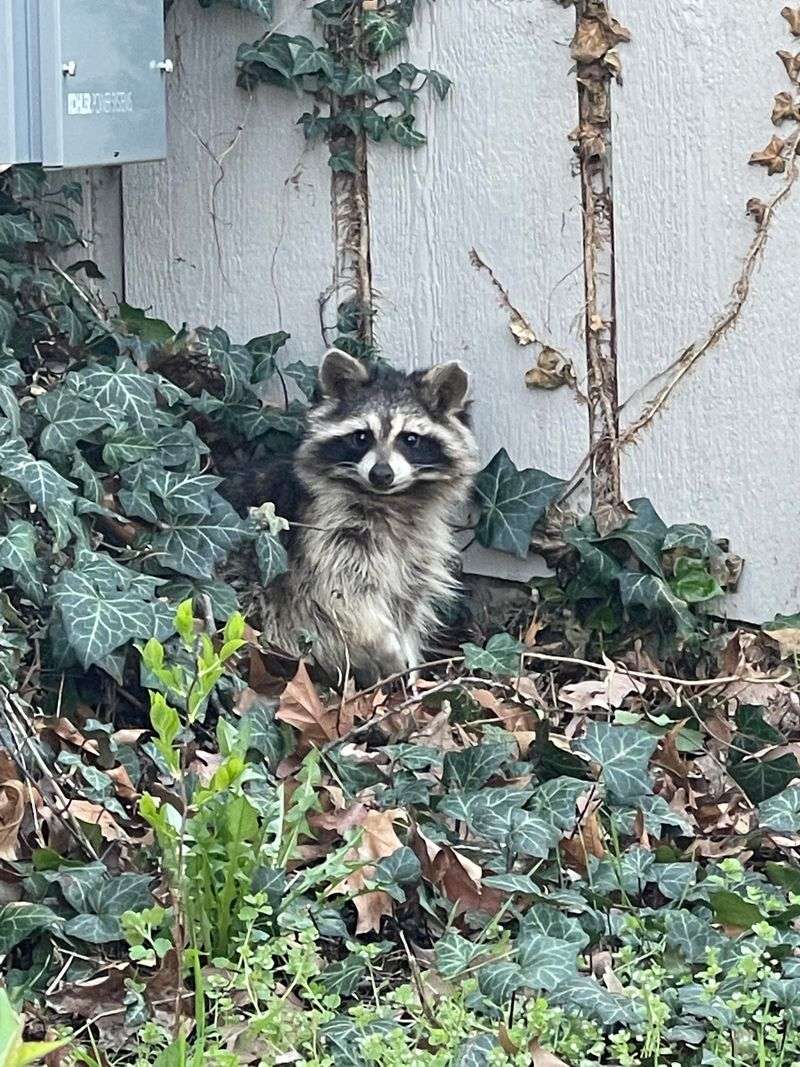
Raccoons are nocturnal creatures that prefer operating under the cover of darkness.
Sudden bright lights disrupt their comfort and make your yard feel less safe for nighttime foraging.
Installing motion-activated lighting around your property creates an unwelcoming environment for these masked visitors.
Focus on areas where raccoons typically travel or search for food
Place lights near trash can storage areas, garden beds, pet feeding stations, and potential den entry points.
The unexpected illumination startles raccoons and encourages them to seek darker, quieter locations.
LED motion lights work efficiently and cost less to operate than traditional bulbs.
Many models allow you to adjust sensitivity and duration settings to match your needs.
Position them high enough that raccoons cannot reach and damage the fixtures.
This deterrent works best when combined with other prevention methods like securing food sources.
Lights alone may not solve persistent problems, but they add an extra layer of discouragement.
Raccoons quickly learn which properties present challenges and which offer easy rewards.
Motion lights also provide security benefits beyond wildlife management.
They deter potential intruders and make navigating your yard safer during nighttime hours.
Your family gains peace of mind while making your property less attractive to unwanted wildlife visitors.
8. Never Attempt To Corner Or Trap the Raccoon Yourself
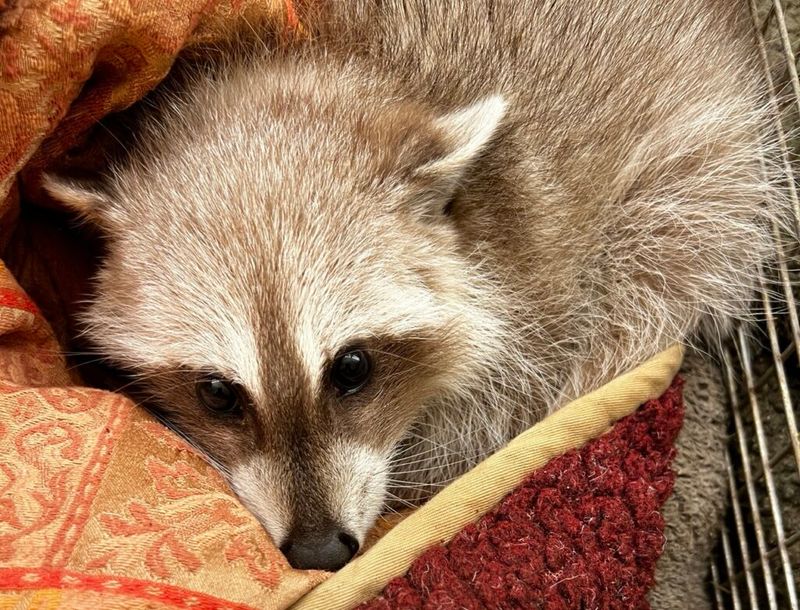
Cornering a raccoon ranks among the most dangerous mistakes homeowners make during wildlife encounters.
When escape routes disappear, even normally docile raccoons become aggressive defenders.
Their sharp teeth and claws can inflict serious wounds requiring medical attention and rabies treatment.
Many people underestimate how fierce raccoons become when they feel trapped.
They will bite, scratch, and fight with surprising strength and determination.
Injuries from raccoon attacks often lead to infections due to bacteria in their mouths and under their claws.
Using makeshift traps without proper knowledge creates additional hazards.
Trapped raccoons experience extreme stress and may injure themselves trying to escape.
You also risk trapping a mother raccoon while her babies starve in a hidden den nearby.
Pennsylvania regulations require permits for trapping certain wildlife species.
Homeowners who trap raccoons illegally face potential fines and legal consequences.
Professional trappers understand proper techniques, trap placement, and humane handling methods.
If you accidentally corner a raccoon, back away slowly while keeping your eyes on the animal.
Speak calmly and give it clear space to escape.
Never turn your back or make sudden movements that might trigger an attack response.
Your safety always outweighs the urgency of removing a raccoon from your property.
Patience and professional help prevent injuries and legal problems.
9. Do Not Feed Or Offer Food To The Raccoon
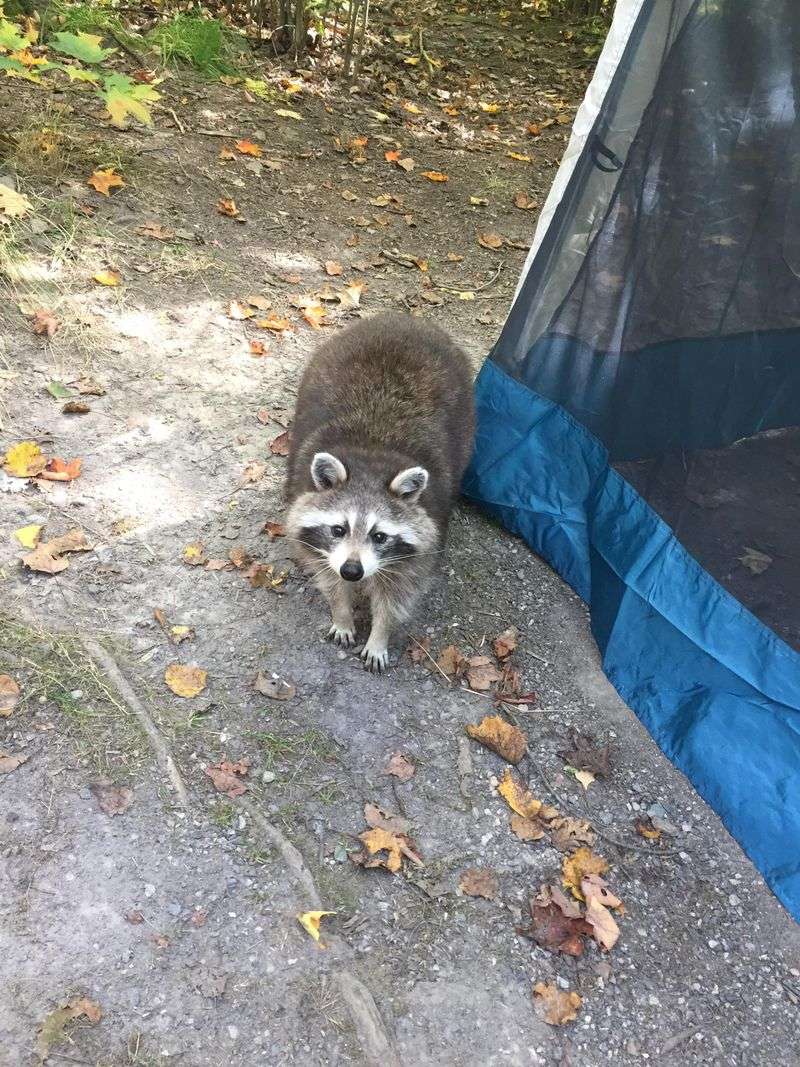
Feeding wild raccoons might seem kind, but this action creates serious problems for both humans and animals.
Raccoons quickly lose their natural fear of people when they associate humans with food.
This habituation leads to bold behavior, property damage, and increased disease transmission risks.
Well-fed raccoons stop foraging naturally and become dependent on human handouts.
They teach their offspring to seek human food sources, creating generations of problem animals.
Neighborhoods with feeding issues often see raccoon populations explode beyond sustainable levels.
Habituated raccoons approach people aggressively, demanding food and sometimes entering homes through pet doors.
They lose survival skills needed for living independently in wild environments.
Wildlife rehabilitation centers often cannot reverse this conditioning, leaving few options for problem animals.
Feeding raccoons also concentrates them in small areas where diseases spread rapidly.
Raccoon roundworm, distemper, and rabies transmit more easily when animals gather around food sources.
Your neighbors face increased risks when you create artificial feeding stations.
Some Pennsylvania municipalities have ordinances prohibiting wildlife feeding specifically because of these dangers.
Violators may face fines or be held liable for problems their feeding causes.
Respecting wildlife means allowing them to maintain natural behaviors and healthy wariness of humans.
10. Avoid Using Poison Or Harmful Chemicals

Poisoning raccoons is illegal in Pennsylvania and creates far more problems than it solves.
Toxic substances cause prolonged suffering and often affect unintended victims like pets, children, and beneficial wildlife.
These chemicals contaminate soil and water, creating environmental hazards that persist long after application.
Raccoons that consume poison rarely pass away quickly or where you can find them.
They often retreat to inaccessible areas like inside walls or under structures.
The resulting odor from decomposition becomes unbearable and expensive to remediate.
Pets and children face serious risks when poisons are present in yards.
Curious dogs might eat poisoned bait directly or consume a sick raccoon.
Secondary poisoning affects owls, hawks, and other predators that feed on affected raccoons.
Using harsh chemicals around potential den sites can trap baby raccoons inside, causing them to perish slowly.
This inhumane approach violates animal welfare standards and reflects poorly on responsible property management.
Pennsylvania wildlife laws specifically prohibit cruel treatment of animals, even nuisance species.
Effective raccoon management relies on exclusion, habitat modification, and professional removal when necessary.
These methods address root causes rather than creating new dangers.
Humane approaches protect your family, pets, and the broader ecosystem while solving wildlife conflicts permanently.