Things You Cannot Keep In A California Yard Without A Permit
California yards may look private, but they’re still governed by strict rules.
Many common yard features, structures, and even animals require permits or official approval in California, and homeowners are often surprised to learn what isn’t allowed without one.
These rules exist to protect safety, water use, wildlife, and neighborhood standards, but violations can lead to fines, forced removal, or legal trouble.
From tall fences and accessory buildings to protected trees and wildlife, California’s regulations are among the most detailed in the country.
Local ordinances can vary by city, but the underlying restrictions are widespread.
Homeowners who make changes without checking requirements often find themselves correcting costly mistakes later.
Understanding what requires a permit before installing or keeping it in your yard helps prevent stress, delays, and unnecessary expense.
A little awareness goes a long way in staying compliant.
Large Accessory Structures
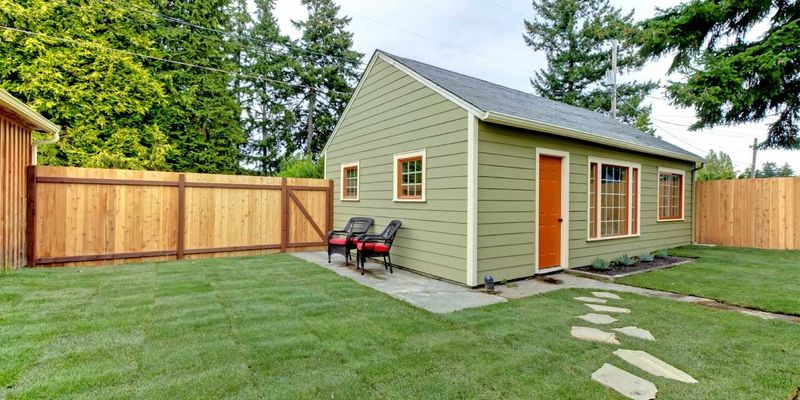
Building a spacious workshop or storage barn in your backyard sounds like a dream project, but California law puts size limits on what you can construct without official approval.
Any detached structure exceeding 120 square feet typically requires a building permit before you start construction.
This regulation exists to ensure your new building meets safety standards, proper setbacks from property lines, and local zoning requirements.
City officials need to verify that your large structure won’t create hazards or violate neighborhood guidelines.
The permit process involves submitting detailed plans showing dimensions, materials, foundation details, and intended use.
Inspectors will check that your building has adequate structural support and won’t interfere with utility lines or drainage patterns.
Many homeowners underestimate how quickly square footage adds up when planning their dream workshop or garden shed.
A modest 12-foot by 11-foot building already exceeds the 120-square-foot threshold and requires permits.
Skipping this step might save time initially, but you’ll face costly fines and possible demolition orders if caught.
Working with your local building department from the start ensures your project proceeds smoothly.
They can guide you through requirements specific to your area and help you design a structure that enhances your property value legally.
Proper permits also protect you if accidents occur during construction.
Gazebos, Cabanas, Pergolas, And Patio Covers
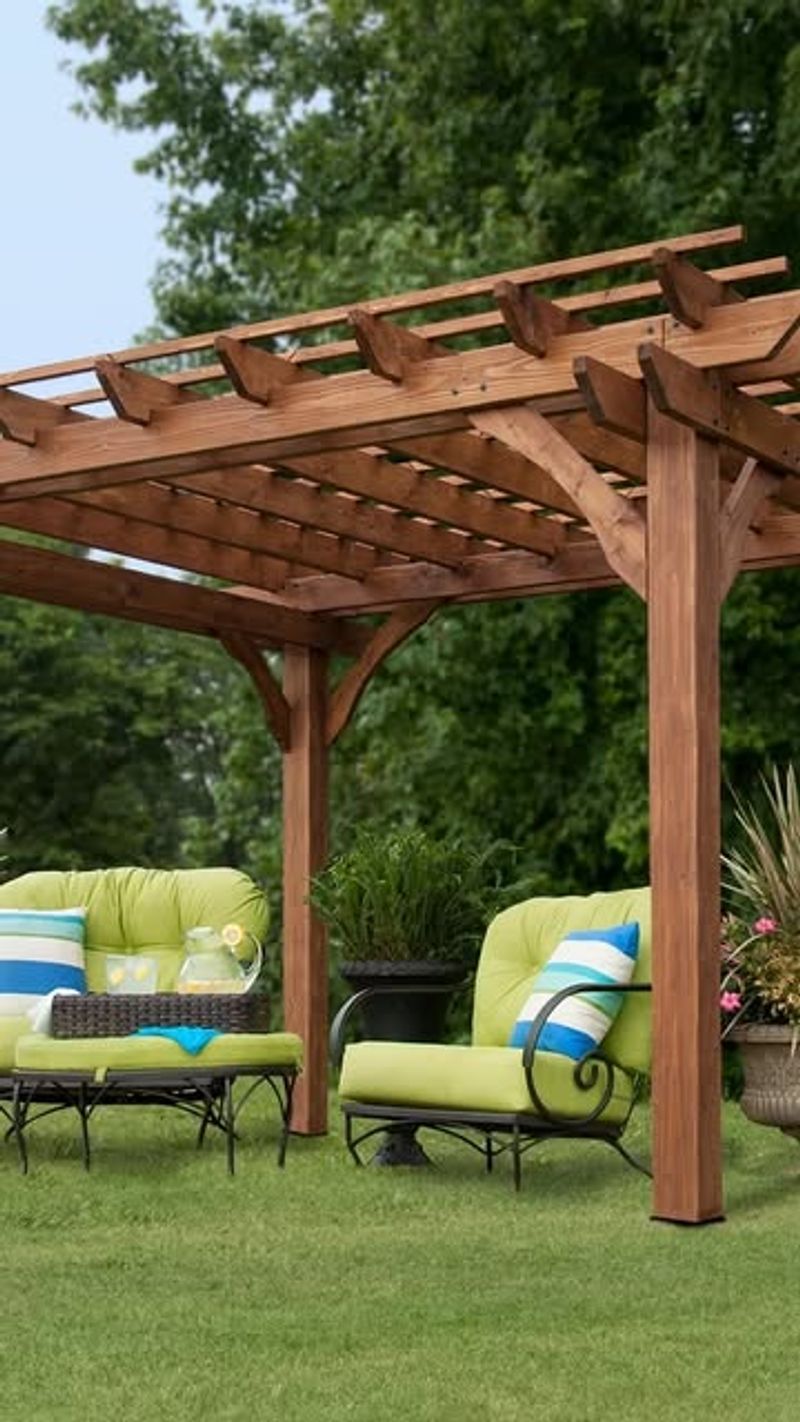
Picture yourself relaxing under a beautiful pergola on a sunny California afternoon, but before building that outdoor oasis, you need to understand permit requirements.
Permanent roofed structures like gazebos, cabanas, pergolas with solid covers, and patio roofs almost always require approval from your local building department.
These charming additions change your property’s footprint and must meet specific engineering standards.
Building officials want to ensure your shade structure can withstand wind loads, won’t collapse under weight, and complies with fire safety codes.
Even open-air pergolas might need permits if they’re attached to your house or exceed certain size thresholds.
The distinction between decorative and structural elements matters when determining permit needs.
Cabanas with walls and roofs definitely fall into the permit-required category since they function as semi-enclosed spaces.
Patio covers attached to your home become part of your dwelling’s structure and must meet residential building codes.
Your California Garden Changes Every Week. Your Plan Should Too.
Gardening in California changes quickly throughout the season. Every Friday you’ll receive a simple weekly plan showing exactly what to plant, prune, fertilize, harvest, and protect so you never miss the right timing.
Freestanding gazebos, despite their ornamental appearance, require engineering approval to ensure stability.
Your municipality may have specific design standards regarding materials, height restrictions, and distance from property boundaries.
Some areas limit how much of your yard can be covered by structures.
Getting proper permits protects your investment and ensures your beautiful outdoor room remains a legal asset rather than becoming a compliance nightmare down the road.
Swimming Pools And Spas
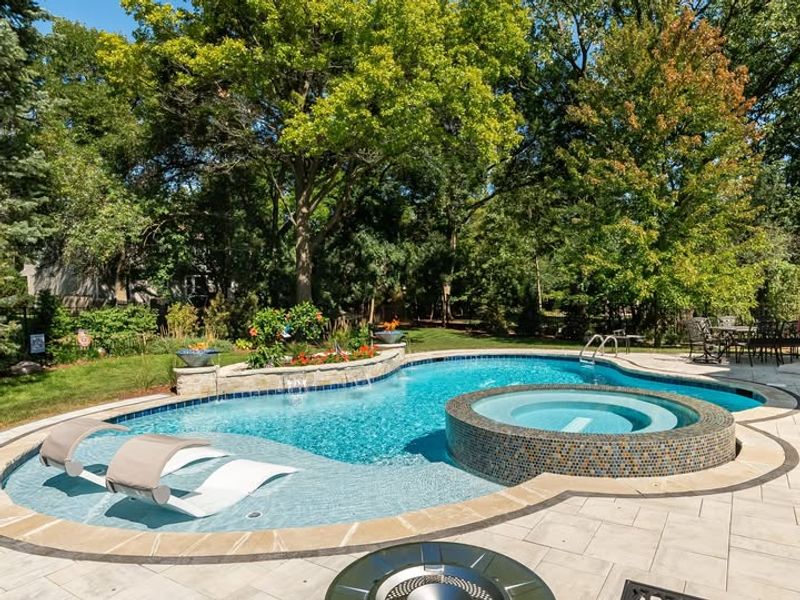
Adding a pool transforms your California yard into a private resort, but this major improvement comes with strict permitting requirements that protect both you and your neighbors.
In-ground pools universally require permits, and many above-ground pools beyond minimal size or depth thresholds also need official approval before installation.
Safety regulations surrounding pools are particularly stringent because of drowning risks and liability concerns.
Your permit application will need detailed plans showing pool dimensions, depth variations, equipment locations, and safety features like fencing and alarms.
Building departments verify that your pool meets setback requirements from property lines, maintains proper drainage to prevent flooding, and includes appropriate barriers.
California law mandates specific fencing heights and gate mechanisms to prevent unsupervised access by children.
Pool equipment like pumps, heaters, and filtration systems also fall under permit scrutiny since they involve electrical and plumbing connections.
Inspectors ensure these systems are installed safely and won’t create hazards.
Even portable spas might require permits if they’re permanently installed with hardwired electrical connections.
The permitting process might seem tedious, but it protects your family and establishes that your pool meets insurance requirements.
Unpermitted pools can void homeowner’s insurance coverage if accidents occur.
When selling your home, buyers and their lenders will require proof that your pool was legally permitted and inspected.
Decks And Elevated Platforms
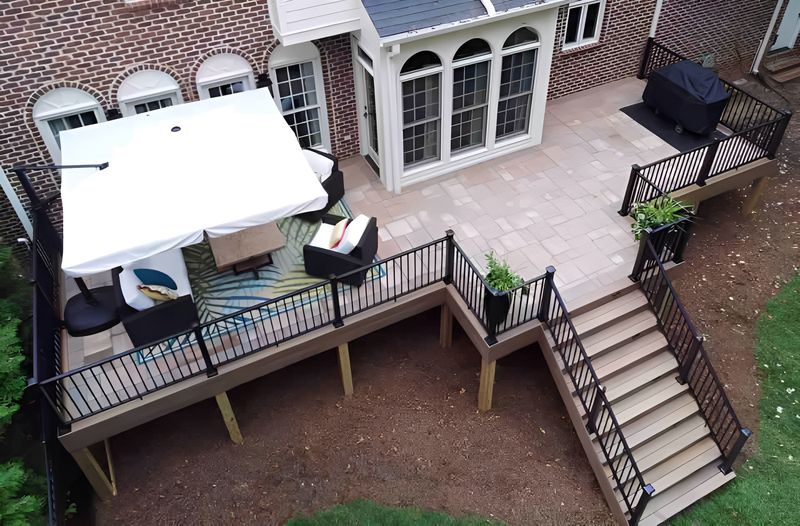
Outdoor decks create wonderful entertainment spaces, but California regulations require permits for most deck construction to ensure structural safety and prevent collapse accidents.
Any deck attached to your house or elevated more than 30 inches above ground level typically needs official approval before you begin building.
These height and attachment requirements exist because elevated structures pose significant safety risks if improperly constructed.
Deck permits involve submitting plans that show your design’s structural support, including foundation details, post spacing, beam sizes, and railing specifications.
Building inspectors need to verify that your deck can safely support expected weight loads from people, furniture, and weather conditions like snow or rain.
Railings must meet specific height requirements and have balusters spaced closely enough to prevent children from slipping through.
Ground-level decks below the 30-inch threshold might not require permits in some jurisdictions, but rules vary by city and county.
Attached decks always need permits because they connect to your home’s structure and must integrate properly with existing framing.
Freestanding elevated platforms, even if not attached to buildings, usually require approval because of fall risks.
Professional deck builders understand these requirements and can help navigate the permitting process efficiently.
Proper permits ensure your deck remains a safe, valuable addition to your home rather than becoming a liability.
Future buyers will appreciate having documentation proving your deck was built to code.
Fences Above Height Limits
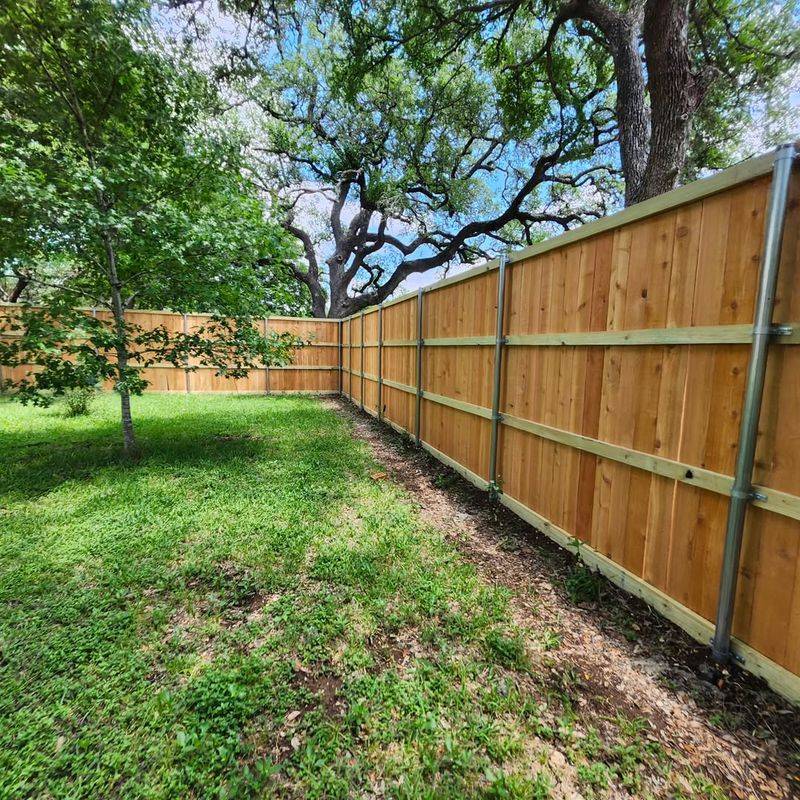
Fencing provides privacy and security, but California communities regulate fence heights to balance these needs with neighborhood aesthetics and sight-line safety concerns.
Most jurisdictions require permits for fences exceeding six feet in height, though exact limits vary by location and whether your fence fronts a street or borders a backyard.
These regulations prevent fences from creating visual obstructions that could hide criminal activity or block drivers’ views at intersections.
Front yard fences often face stricter height restrictions than backyard fences because they affect street visibility and neighborhood character.
Corner properties have special requirements to maintain sight triangles that let drivers see approaching traffic and pedestrians.
Your city’s zoning code specifies exactly how tall fences can be in different yard areas without requiring special approval.
When you want a fence taller than standard limits, you’ll need to apply for a permit and possibly a variance explaining why extra height is necessary.
Building departments consider factors like topography, adjacent land uses, and whether your tall fence might negatively impact neighbors.
Some areas allow taller fences if they’re set back certain distances from property lines or constructed with see-through materials in portions.
Permit requirements also ensure fence construction meets wind load standards so your tall barrier won’t blow over during storms.
Properly permitted fences avoid disputes with neighbors and code enforcement.
When selling your home, having permits for oversized fences demonstrates compliance and prevents transaction delays.
Retaining Walls Over Four Feet
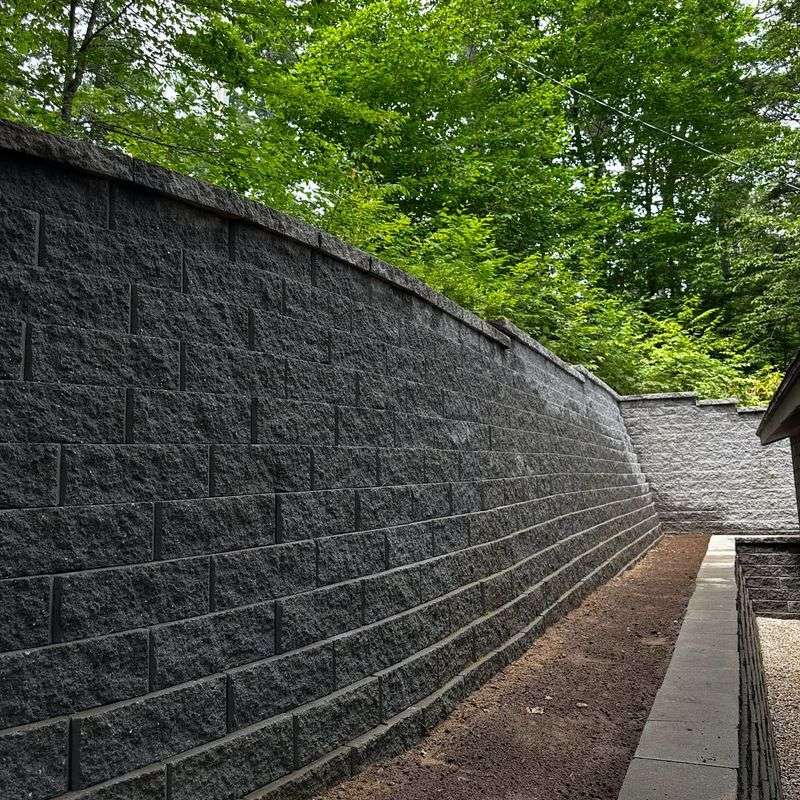
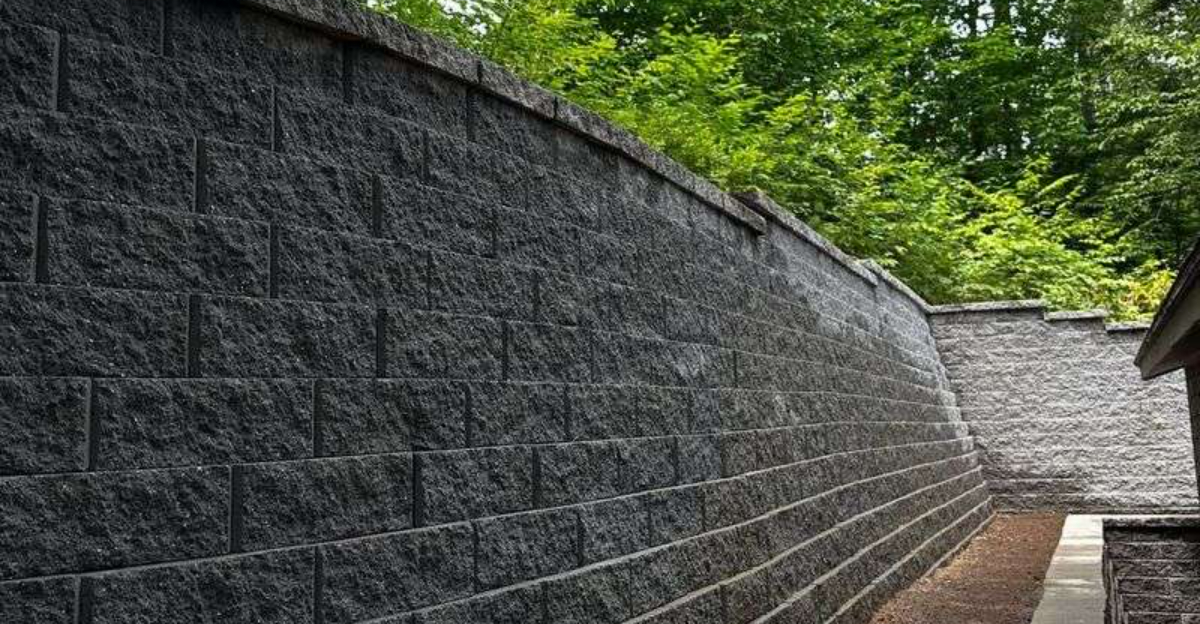
Sloped California properties often need retaining walls to prevent erosion and create usable flat spaces, but walls exceeding four feet in height require engineering approval and permits.
Tall retaining walls hold back enormous weight from soil, water, and anything on the uphill side, making structural failure potentially catastrophic.
Building departments mandate permits to ensure these walls are properly designed and won’t collapse during earthquakes or heavy rains.
Engineers must calculate the lateral pressure your retaining wall will experience and design appropriate reinforcement, drainage systems, and foundation depth.
Improperly built retaining walls can fail suddenly, causing property damage, injuries, and even threatening neighboring homes downhill.
California’s seismic activity adds extra engineering challenges since retaining walls must withstand earthquake forces without crumbling.
Walls supporting heavy loads like driveways, buildings, or pools face even stricter scrutiny regardless of height.
Your permit application requires engineered drawings showing wall construction details, drainage provisions, and how the structure ties into surrounding landscape.
Inspectors verify that builders follow approved plans and install proper drainage to prevent water pressure buildup behind walls.
Some homeowners try building tall retaining walls as multiple shorter walls to avoid permits, but this approach can create unstable terracing.
Building departments recognize these attempts and may still require permits for stepped walls.
Investing in proper engineering and permits protects your property investment and prevents liability if wall failure damages neighboring properties.
Permanent Patios And Concrete Slabs
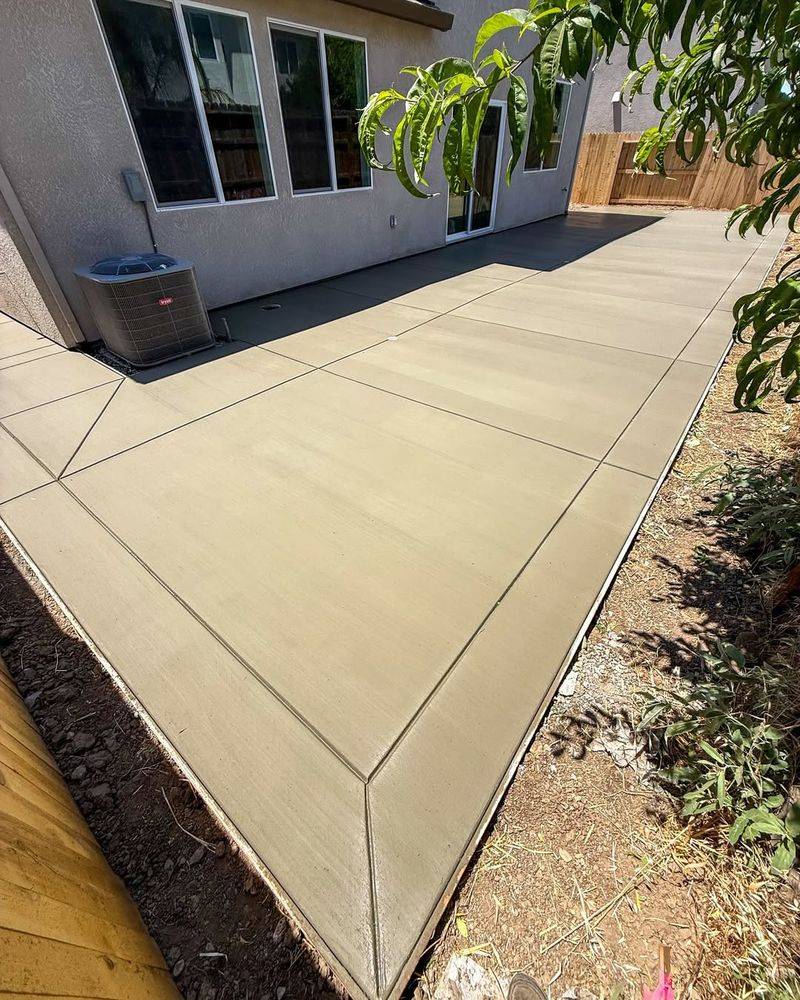
Expanding your outdoor living space with a concrete patio seems straightforward, but many California jurisdictions require permits for large permanent hardscape installations.
Threshold sizes vary by city, but extensive patios often need approval to ensure proper drainage, setbacks from property lines, and compliance with lot coverage limits.
Building departments want to prevent homeowners from creating excessive impervious surfaces that contribute to flooding problems.
Concrete slabs and permanent patios change how water flows across your property, potentially directing runoff toward neighbors or overwhelming storm drain systems.
Permit applications require showing how you’ll manage drainage, possibly including requirements for permeable materials or drainage systems.
Some areas limit what percentage of your lot can be covered by buildings and hardscape to preserve natural water absorption.
Attached patios connecting to your home’s foundation typically require permits regardless of size since they affect your house structure.
Large freestanding concrete slabs might need approval if they exceed local square footage thresholds, often around 120 to 200 square feet.
Raised patios functioning as decks definitely fall under permit requirements discussed earlier.
Working without permits risks having to remove your beautiful new patio if it violates setbacks or drainage codes.
Proper permits ensure your hardscape enhances property value rather than creating compliance issues.
Future buyers appreciate documentation showing your outdoor improvements were built legally and won’t cause problems during title searches or inspections.
Structures With Utilities
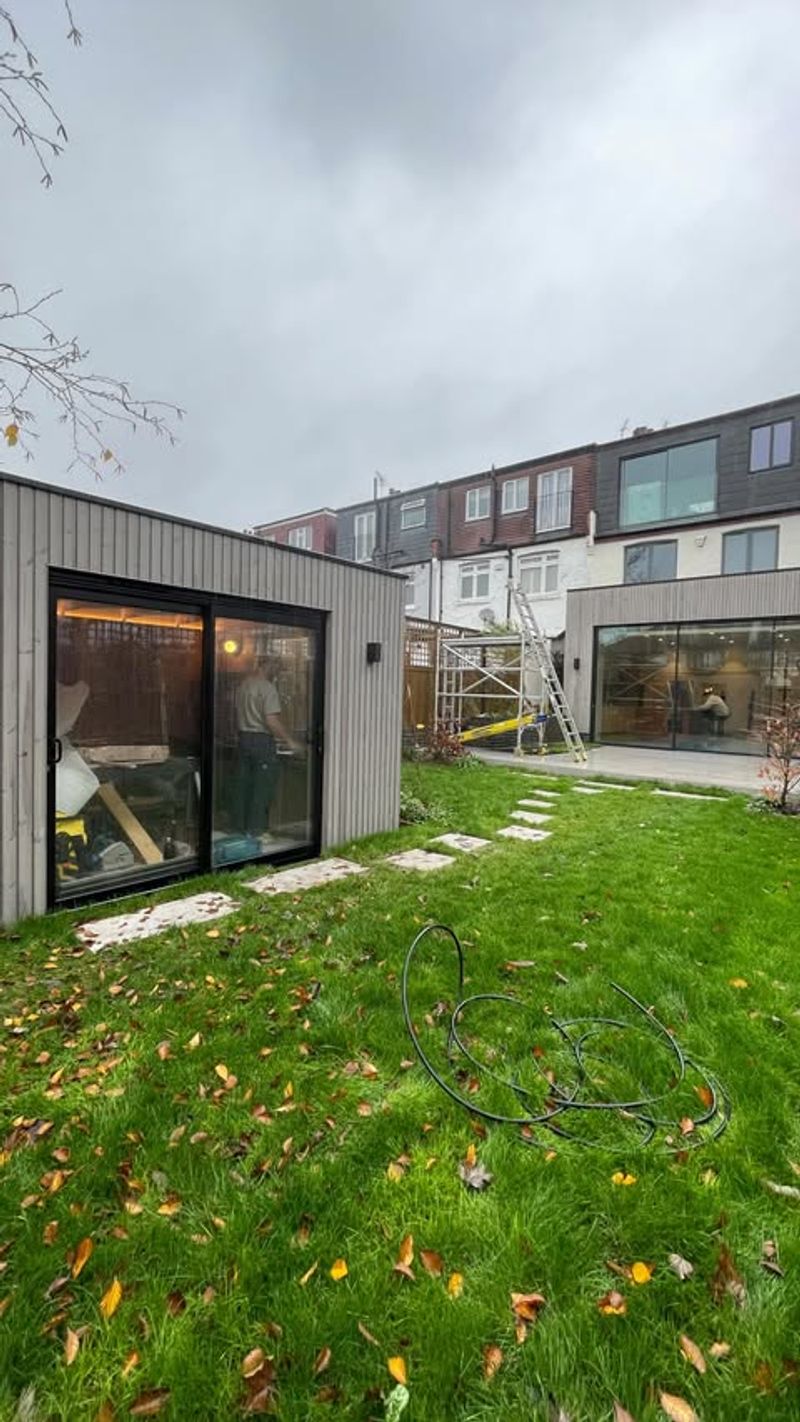
Running electricity, plumbing, or gas lines to yard structures dramatically increases permit requirements because utility connections involve significant safety concerns.
Even small sheds become permit-required if you add wiring for lights or outlets, since electrical work must meet strict codes preventing fires and electrocution hazards.
Plumbing connections require permits to ensure proper installation preventing leaks, contamination, and sewage problems.
Electrical permits verify that your yard structure has appropriate wiring gauge, proper grounding, circuit protection, and weatherproof components suitable for outdoor exposure.
Licensed electricians typically must perform this work and inspectors check installations before allowing utility connection.
DIY electrical work in yard structures is particularly dangerous and almost universally requires professional installation and inspection.
Adding plumbing to garden sheds or workshops requires permits ensuring connections to your home’s water and sewer systems meet health codes.
Improper plumbing can contaminate water supplies or create sewage backups affecting your entire neighborhood.
Gas line installations for heating or cooking equipment in yard structures need permits verifying leak-free connections and proper ventilation.
Many homeowners don’t realize that adding utilities transforms a simple shed into a structure requiring multiple permits and inspections.
The permitting process protects you from fire hazards, electrical shocks, and plumbing disasters that could damage your property.
Insurance companies may deny claims for fires or damage caused by unpermitted utility installations, leaving you financially responsible for accidents.
Accessory Dwelling Units (ADUs)
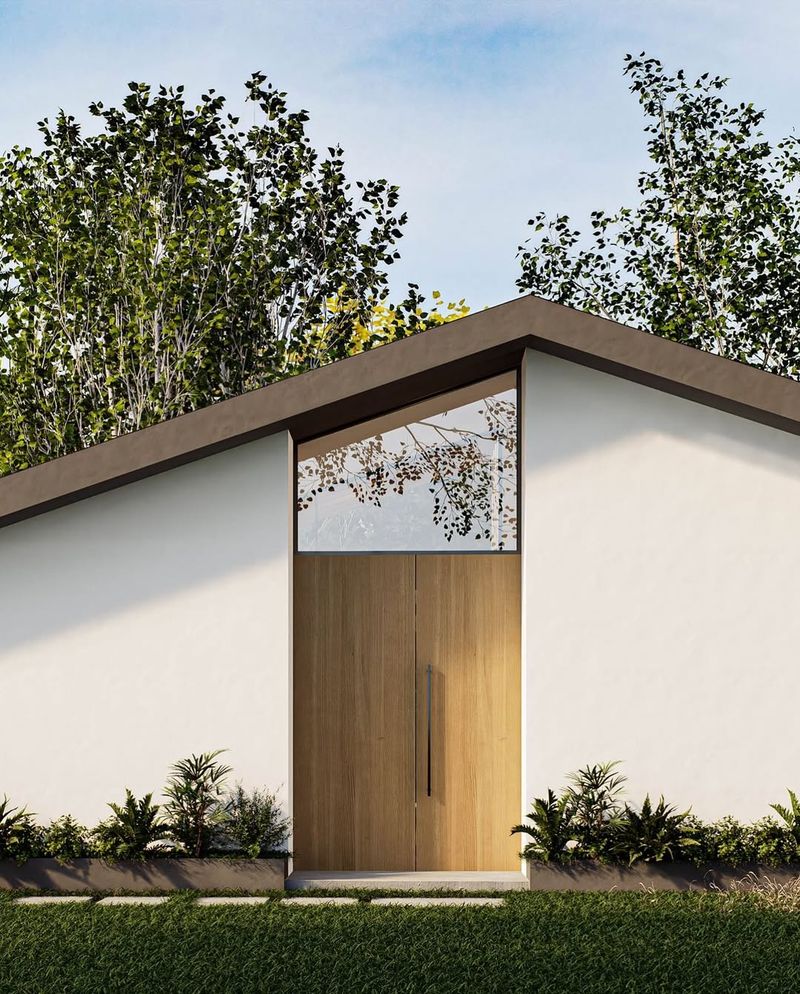
California actively encourages ADU construction to address housing shortages, but these backyard living spaces always require comprehensive permits despite streamlined approval processes.
Guest houses, granny flats, and converted garages functioning as dwelling units need full plan review ensuring they meet residential building codes for safety and habitability.
ADUs include kitchens, bathrooms, and sleeping areas, making them complete homes subject to the same standards as primary residences.
Your ADU permit application requires detailed architectural plans showing layout, structural design, electrical systems, plumbing, heating, and ventilation.
Building departments verify that your ADU meets minimum room sizes, ceiling heights, window requirements, and emergency egress standards.
Fire safety codes apply to ADUs just like main houses, including smoke detectors, proper electrical installation, and safe heating systems.
Recent California laws have simplified ADU permitting, reducing fees and limiting reasons cities can deny applications.
However, you still must submit plans and pass inspections before occupying your ADU.
Setback requirements, height limits, and lot coverage rules apply though they’re often more lenient for ADUs than traditional additions.
Unpermitted ADUs create serious problems when discovered, potentially requiring expensive modifications or removal to achieve compliance.
Renting unpermitted living spaces exposes you to significant liability if tenants are injured.
Properly permitted ADUs add substantial value to your property and provide legal rental income opportunities while helping address California’s housing needs.
Electrical Installations
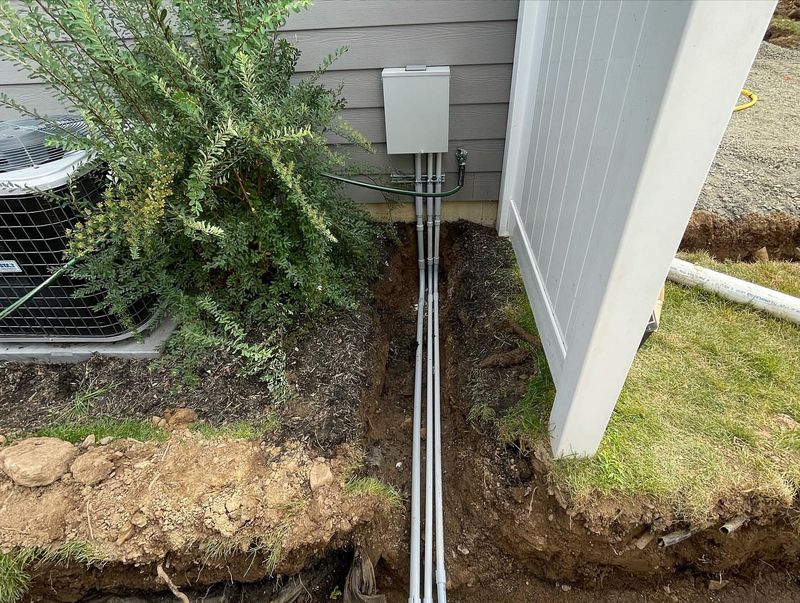
Upgrading your yard’s electrical system with new panels, outdoor outlets, landscape lighting, or HVAC equipment requires permits ensuring safe installation that won’t cause fires or electrocution.
California electrical codes are particularly stringent because improper wiring creates serious hazards including house fires, equipment damage, and potentially fatal shocks.
Licensed electricians must perform most outdoor electrical work and inspectors verify installations before energizing new circuits.
Outdoor electrical installations face unique challenges from weather exposure, moisture, and physical damage risks that indoor wiring doesn’t encounter.
Permits ensure your outdoor outlets have proper weatherproof covers, ground fault circuit interrupter protection, and appropriate burial depth for underground wiring.
Landscape lighting systems need correctly rated transformers, waterproof connections, and proper circuit protection.
Installing new electrical panels in yard workshops or adding circuits for pool equipment, hot tubs, or outdoor kitchens definitely requires permits and inspections.
HVAC equipment like air conditioning units or heat pumps needs both electrical and mechanical permits verifying safe installation and proper refrigerant handling.
Even seemingly simple projects like adding an outdoor outlet require permits in most California jurisdictions.
Unpermitted electrical work voids warranties, violates insurance policies, and creates liability if fires or accidents occur.
Home inspections during property sales will flag unpermitted electrical installations, potentially derailing transactions.
Working with licensed electricians and obtaining proper permits protects your family, property, and financial interests while ensuring your yard’s electrical systems function safely for years.