What Georgia Law Says About Cutting Back A Neighbors Vines Over Fence
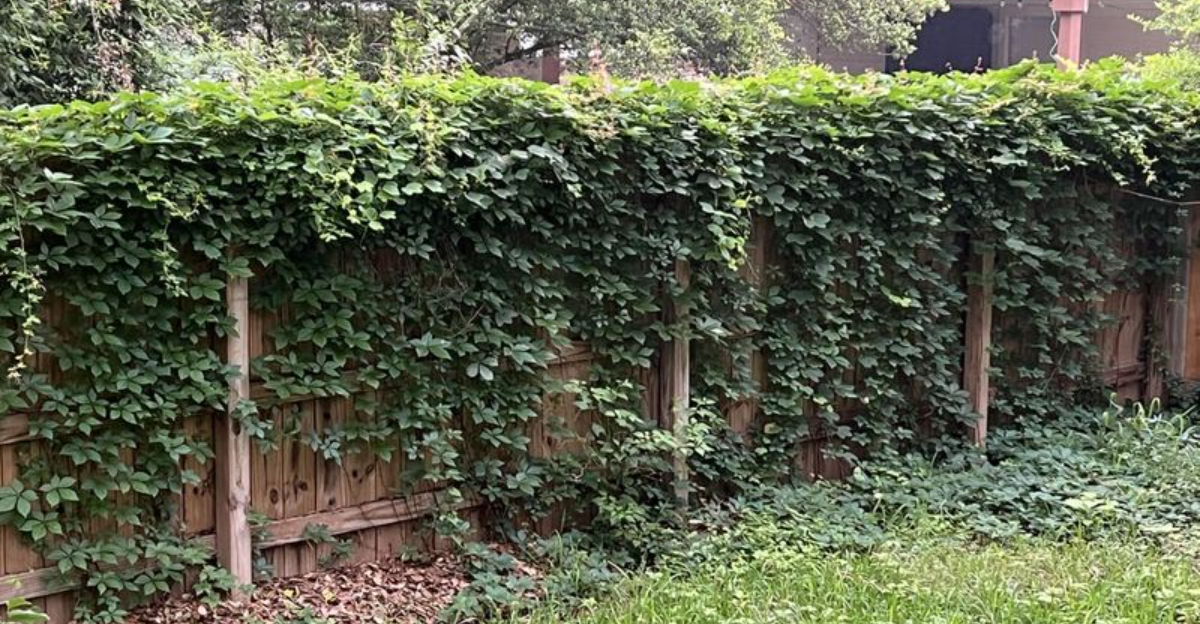
Shared fences often blur lines in Georgia neighborhoods, and climbing vines tend to test patience as much as property boundaries.
What starts as a bit of greenery can cross a fence and spark real questions about rights and responsibility.
Georgia law leans on long-standing property principles.
A homeowner generally holds the right to address plant growth that crosses onto their side of a fence, as long as action stays within their own property line.
That right comes with limits.
Damage to the neighbor’s plant at its source can invite trouble, and any action that harms the other property owner’s land may open the door to disputes or legal claims.
Courtesy and restraint often matter as much as the law itself.
Local ordinances and homeowners association rules can add another layer of rules, especially in cities or planned communities.
What seems acceptable in one county may raise issues in another.
Clear communication often saves time, money, and hard feelings.
When neighbors talk first and act second, small issues stay small.
1. Property Owners Can Trim Encroaching Vegetation
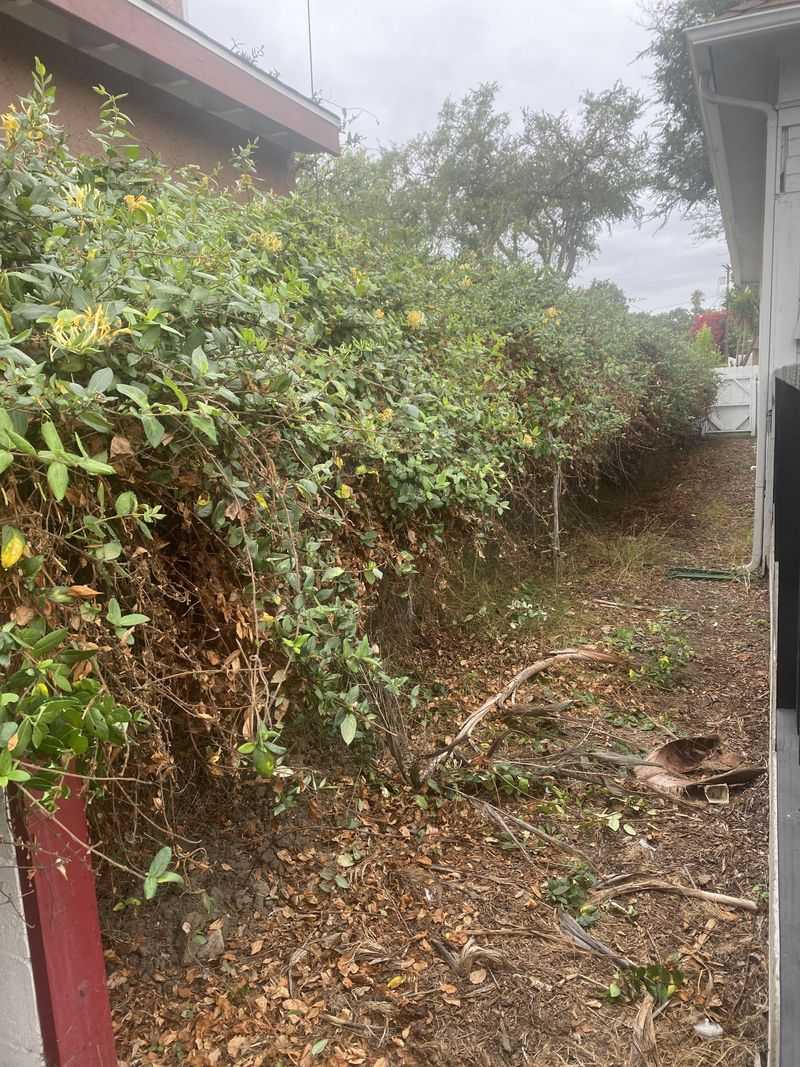
Georgia law grants you the right to cut back branches, vines, and roots that cross your property line.
This rule applies even when the plant originates from your neighbor’s yard.
You can take action without asking permission first, which gives homeowners significant control over their own space.
Your trimming must stop exactly at the property boundary.
Crossing onto your neighbor’s land to cut their plants counts as trespassing and could create legal problems.
Most experts recommend measuring your property line carefully before you start any cutting.
Some homeowners worry about damaging expensive landscaping or rare plants.
Georgia law does not require you to consider the value of the vegetation before trimming.
Your right to maintain your property takes priority over concerns about plant health.
Many people find it helpful to document the encroachment with photos before trimming.
This evidence can protect you if disputes arise later.
Keeping records shows you acted reasonably and stayed within your legal boundaries.
Communication often prevents future problems even though the law does not require it.
A friendly conversation can maintain good neighbor relations while you exercise your legal rights.
2. You Cannot Enter Your Neighbor’s Property Without Permission
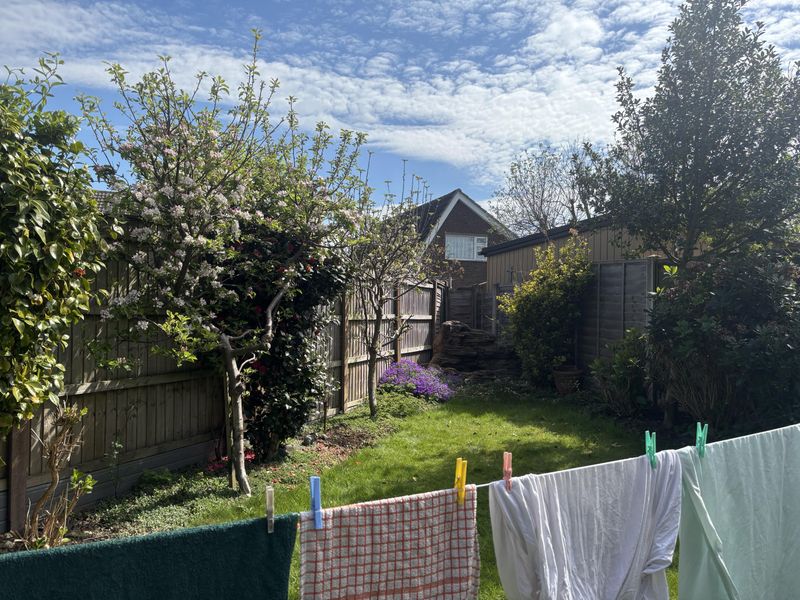
Stepping onto your neighbor’s land without their consent violates trespassing laws in Georgia.
This restriction applies even when you want to trim vegetation that hangs over your fence.
All cutting must happen from your side of the boundary line.
Trespassing can result in criminal charges or civil lawsuits.
Your neighbor could claim damages if you enter their property uninvited.
Courts take property rights seriously and typically side with landowners who protect their boundaries.
Situations become tricky when vines wrap around fence posts or grow through chain link.
You might need to work carefully from your side to avoid reaching across the line.
Sometimes this requires special tools or creative approaches to reach the vegetation.
Asking for permission to step onto their property can solve practical problems.
Your Georgia Garden Changes Every Week. Your Plan Should Too.
Gardening in Georgia changes quickly throughout the season. Every Friday you’ll receive a simple weekly plan showing exactly what to plant, prune, fertilize, harvest, and protect so you never miss the right timing.
Many neighbors will agree to access when you explain your intentions clearly.
Getting written consent protects both parties and shows respect for property rights.
Emergency situations might create exceptions to this rule.
A tree about to fall could justify immediate action.
However, most vine situations do not qualify as emergencies and require patience and proper procedure.
3. Responsibility For Damage Falls On The Plant Owner
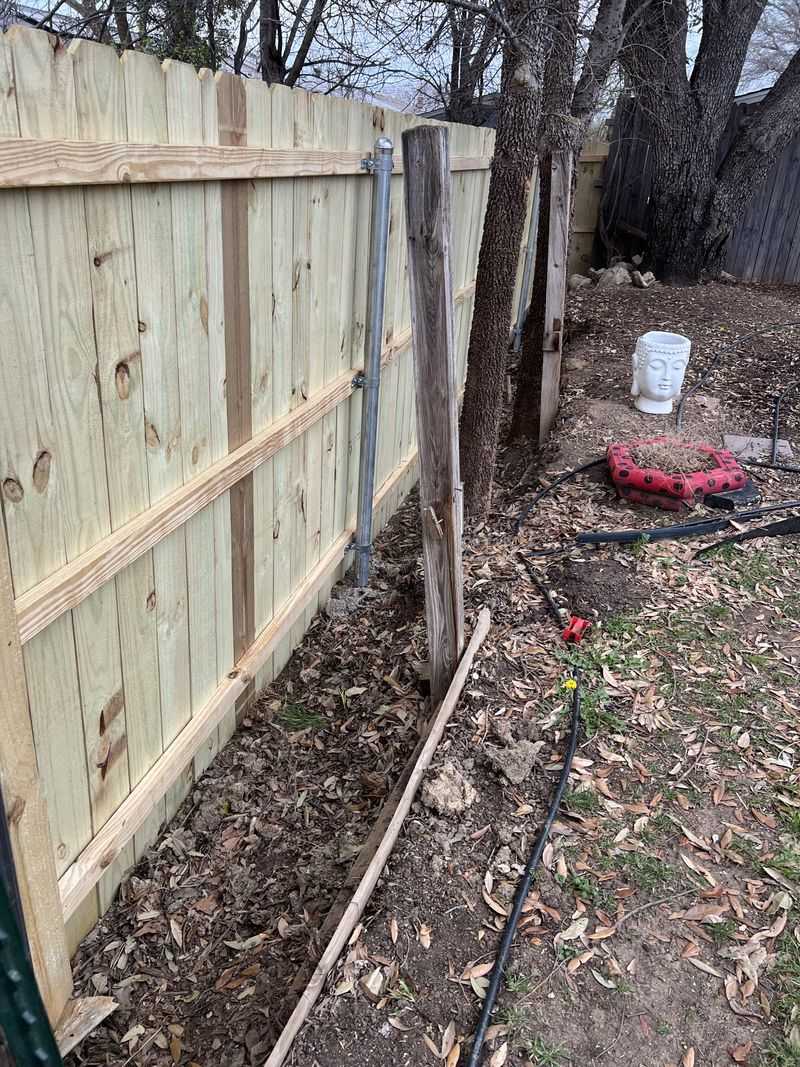
When a neighbor’s vines cause harm to your property, Georgia law typically holds them responsible.
Damage might include broken fences, cracked siding, or harm to your own plants.
The plant owner must pay for repairs if their vegetation creates the problem.
Proving the damage came from their vines requires clear evidence.
Photos showing the vine’s origin and the resulting harm work best.
Documentation should include dates and detailed descriptions of what happened.
Neighbors might argue that natural plant growth does not create liability.
Courts generally reject this defense when owners neglect obvious maintenance needs.
Property owners have a duty to prevent their plants from causing foreseeable damage.
Small claims court offers a simple way to recover repair costs.
You can file without hiring an attorney for amounts under a certain threshold.
Bringing your evidence and receipts helps judges understand your situation quickly.
Prevention works better than legal action in most cases.
Sending a polite letter about the encroaching vines creates a paper trail.
Many neighbors will address the problem once they understand their potential liability for continued damage.
4. Local Ordinances May Add Extra Requirements
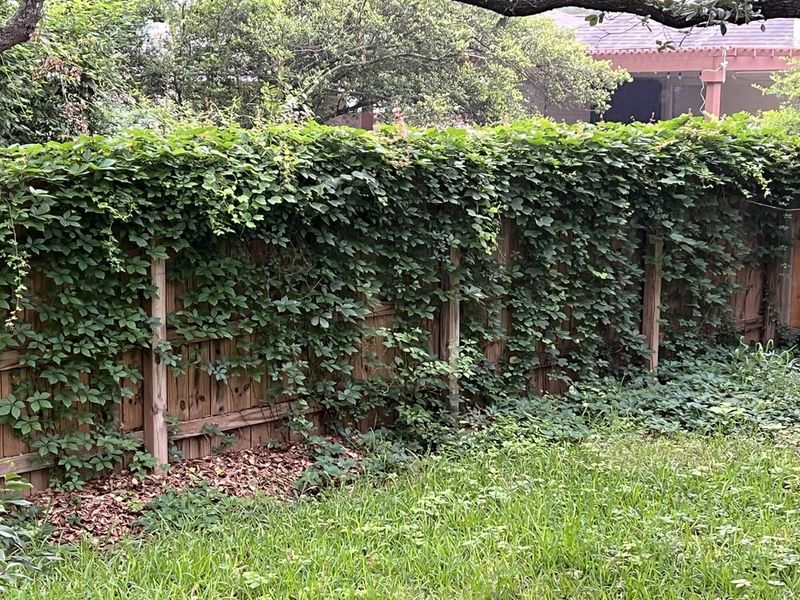
Cities and counties across Georgia can create their own rules about vegetation management.
These local laws sometimes add restrictions beyond what state law requires.
Homeowners must follow both state statutes and local ordinances to stay compliant.
Some municipalities require permits before removing certain plants or trees.
Others mandate specific trimming seasons to protect wildlife.
Your local code enforcement office can explain which rules apply in your area.
Homeowner associations often have the strictest vegetation rules.
These private agreements can limit when and how you trim plants.
Violating HOA rules might result in fines even when you follow state law correctly.
Historic districts sometimes protect old vines and mature landscaping.
You might need approval before cutting plants that contribute to the area’s character.
These regulations balance property rights with community preservation goals.
Checking local rules before you start trimming prevents unexpected problems.
A quick call to your city hall or county office takes just minutes.
This simple step can save you from fines or orders to restore plants you removed.
5. Disputes Can Lead To Nuisance Claims
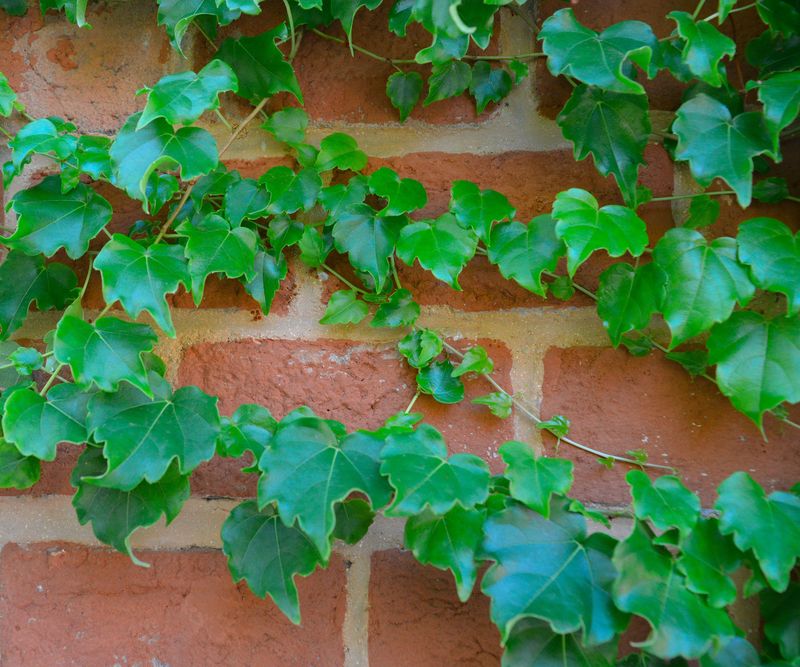
Vegetation that substantially interferes with your property use might qualify as a legal nuisance.
Georgia courts recognize that excessive plant growth can harm your enjoyment of your own land.
Nuisance claims provide a legal remedy when trimming alone does not solve the problem.
Proving a nuisance requires showing significant and unreasonable interference.
Minor annoyances typically do not meet this standard.
Courts look at factors like the severity of the problem and how long it has continued.
Successful nuisance claims can result in court orders forcing your neighbor to remove the vines.
You might also recover monetary damages for harm you suffered.
Some cases result in ongoing maintenance requirements to prevent future problems.
Filing a nuisance lawsuit should be a last resort after other solutions fail.
These cases can be expensive and time-consuming.
Relationships with neighbors often suffer permanent damage once lawyers get involved.
Mediation offers a less confrontational alternative to court battles.
A neutral third party helps both sides reach an agreement.
Many counties offer free or low-cost mediation services for neighbor disputes.
6. Trimmed Material Belongs To The Plant Owner
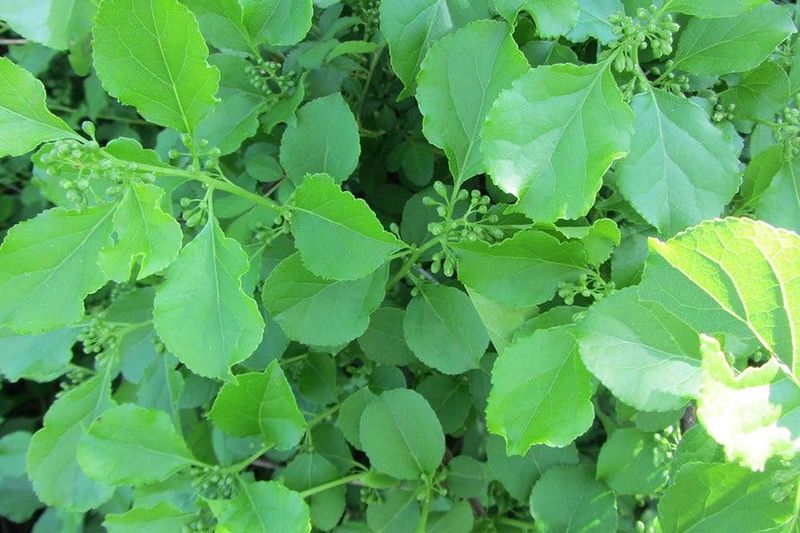
After cutting back encroaching vines, you might wonder what to do with the trimmings.
Technically, the cut vegetation still belongs to your neighbor since it came from their plant.
You cannot simply dispose of it without considering ownership rights.
Most neighbors do not care what happens to trimmed vines and leaves.
However, valuable plants or fruit-bearing vines might create different expectations.
Offering to return the cuttings shows courtesy and avoids potential arguments.
Some plants can spread from cuttings left on the ground.
Invasive species might take root in your yard if you do not dispose of them properly.
Research the specific vine type before deciding how to handle the trimmings.
Local waste management rules affect how you can dispose of yard debris.
Some areas require special bags or pickup arrangements for plant material.
Composting offers an eco-friendly option when the vines are not invasive or diseased.
Leaving cut vines on your neighbor’s property without permission creates its own problems.
This could be considered littering or trespassing.
Finding a respectful disposal method maintains good relationships while exercising your trimming rights.
7. Timing Your Trimming Matters For Legal Protection
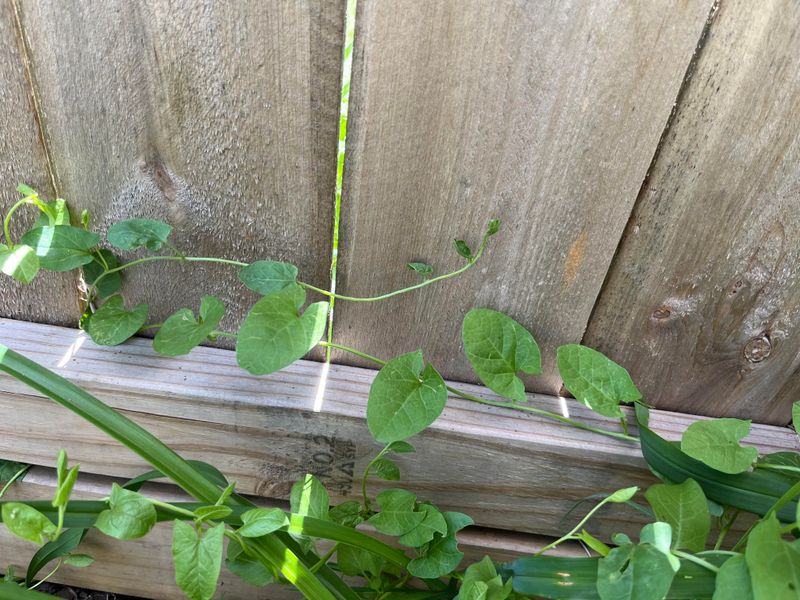
Choosing the right time to trim encroaching vines can affect your legal standing.
Acting immediately after noticing the problem shows you exercised your rights reasonably.
Waiting years before taking action might weaken your position in future disputes.
Some plants have protected nesting seasons when trimming could violate wildlife laws.
Birds often build nests in dense vines during spring and early summer.
Checking for nests before cutting protects both you and local wildlife.
Weather conditions can impact the safety and effectiveness of your trimming work.
Wet conditions make ladders dangerous and cutting tools less effective.
Planning your work for dry, mild weather produces better results and fewer accidents.
Notifying your neighbor before you trim, while not legally required, demonstrates good faith.
A quick conversation or note gives them a chance to handle the problem themselves.
This courtesy can prevent misunderstandings and preserve neighborhood harmony.
Documenting when you first noticed the encroachment helps if disputes arise later.
Photos with dates prove when the problem started and how it progressed.
This timeline can be important if you need to show you acted promptly and reasonably.
8. Professional Help Reduces Liability Risks
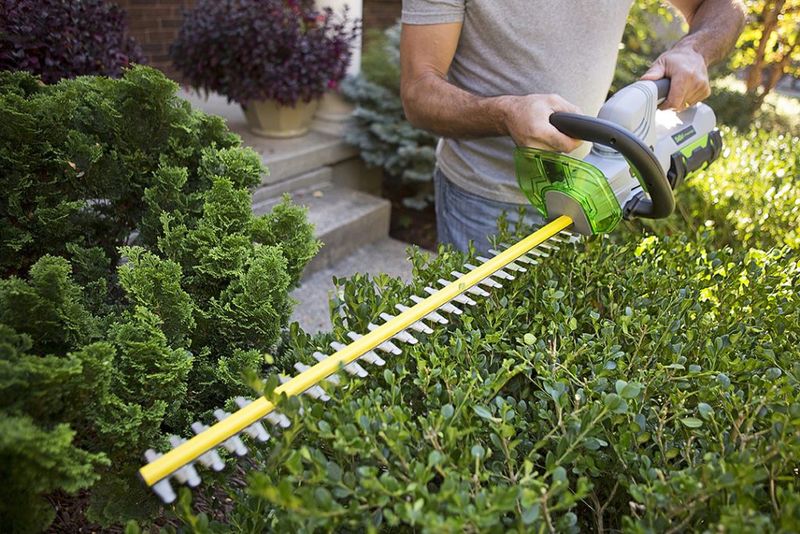
Hiring trained professionals to handle vine removal offers several advantages over doing it yourself.
Licensed landscapers understand property boundaries and local regulations.
Their expertise reduces the chance of legal mistakes that could cause problems later.
Professional companies carry insurance that protects you if accidents happen.
Damage to your neighbor’s property or injuries during the work get covered by their policies.
This protection can save you thousands of dollars in potential liability.
Some vines require special equipment or techniques to remove safely.
Poison ivy mixed with other vines creates health hazards for untrained people.
Professionals have the tools and knowledge to handle dangerous plants without risking exposure.
Getting written estimates from landscaping companies creates useful documentation.
These records show you took reasonable steps to address the problem.
Quotes also help you budget for the work and compare different service providers.
Professional work often produces better long-term results than amateur efforts.
Proper cutting techniques prevent rapid regrowth and reduce future maintenance.
The investment in professional service can pay off through years of reduced vine problems.