Why Amaryllis Struggles To Bloom In Minnesota Homes And How To Fix It

Amaryllis should be the star of the winter windowsill, yet in many Minnesota homes, it never makes it to center stage.
Strong leaves shoot up, but buds stall or never show at all.
It feels like waiting for a grand finale that never arrives.
Cold winters and indoor conditions often throw this plant off its rhythm without much warning.
Minnesota homes face long nights, limited sunlight, and dry indoor air that can slow bloom development.
Amaryllis depends on bright light, steady warmth, and the right balance of water to set buds.
When one piece slips, the plant puts its energy into leaves instead of flowers.
Even small changes in placement or care can tip the scales the wrong way.
The upside is that this problem usually has a clear fix.
With a few simple adjustments, amaryllis can get back on track and bloom as expected.
Understanding what holds it back helps turn frustration into success, bringing bold color into Minnesota homes when winter feels endless.
With the right care, this plant can finally deliver the show it promises.
1. Insufficient Cold Period Rest
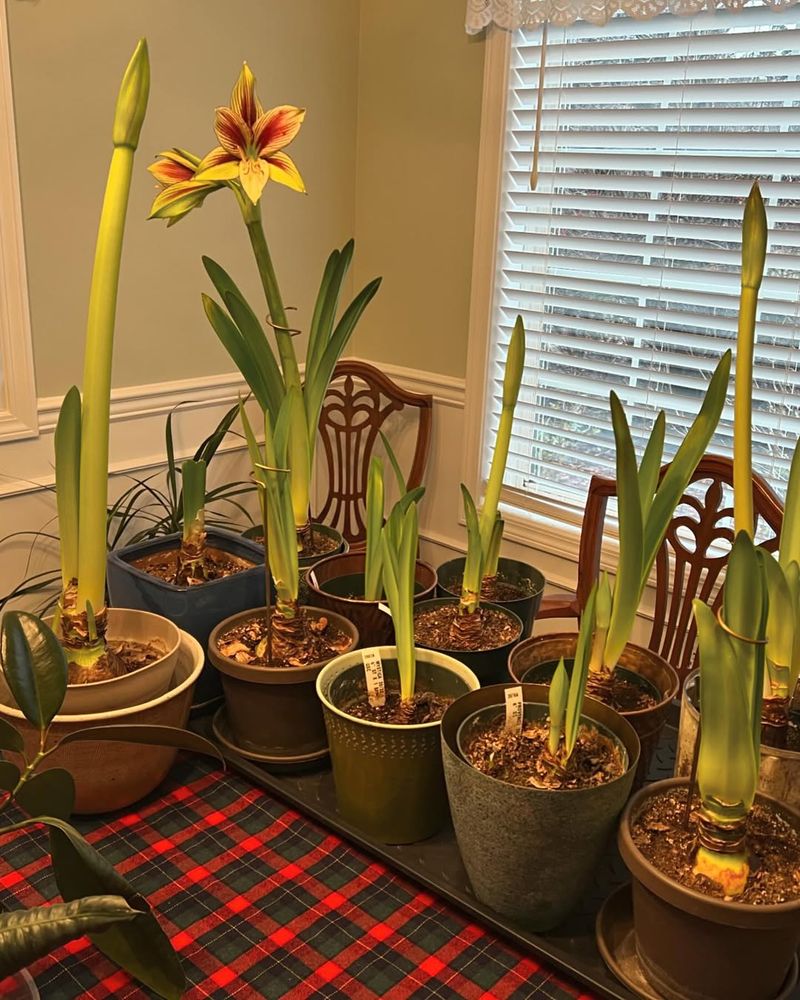
Amaryllis bulbs need a proper dormancy period to gather energy for their next blooming cycle.
Many Minnesota gardeners keep their amaryllis growing continuously without giving it the rest it desperately needs.
Without this crucial downtime, the bulb exhausts itself and cannot produce flowers.
In their native South American habitat, amaryllis experience a natural dry season that triggers dormancy.
You need to recreate this cycle in your Minnesota home by forcing the bulb into rest mode.
After your amaryllis finishes blooming in winter or spring, continue watering and feeding it until late summer.
Around August or September, stop watering completely and move the pot to a cool, dark location like a basement or garage.
The foliage will turn yellow and wither, which is perfectly normal.
Keep the bulb in this dormant state for eight to twelve weeks at temperatures between 50 and 55 degrees Fahrenheit.
Minnesota basements often provide ideal conditions for this rest period.
After the dormancy period ends, bring the pot back into a warm, bright room and resume watering.
New growth should appear within two to eight weeks.
Mark your calendar to track this cycle, as consistent dormancy scheduling leads to reliable blooming.
Many successful Minnesota amaryllis growers set reminders on their phones to start the dormancy process in late August.
This simple rest period makes all the difference between a bulb that blooms beautifully and one that produces only leaves year after year.
2. Inadequate Light Exposure During Growth
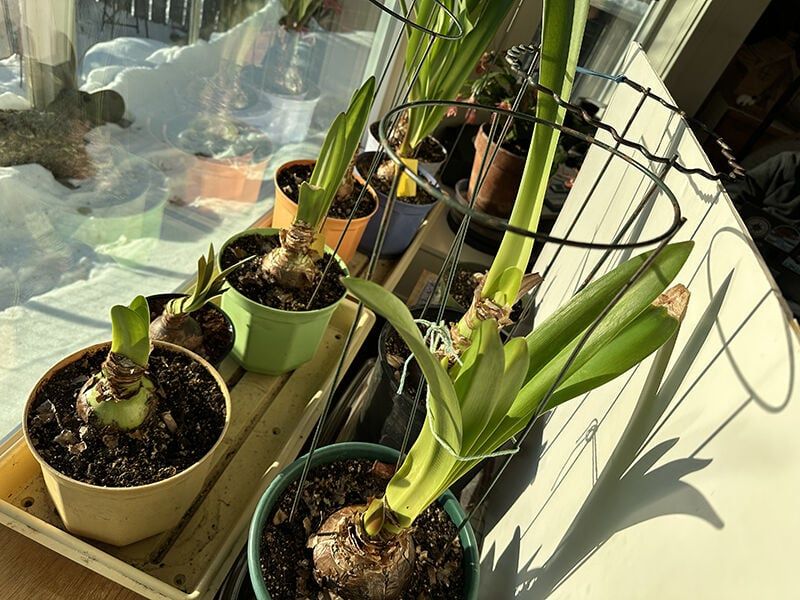
Light levels drop dramatically during Minnesota winters, making it challenging for amaryllis to bloom properly.
Your bulb might receive plenty of light in summer but struggle during the darker months when you actually want it to flower.
Amaryllis plants require bright, indirect sunlight for at least six to eight hours daily to develop strong flower stalks.
South-facing windows work best in Minnesota homes because they capture maximum winter sunlight.
Position your amaryllis pot within three feet of the window to ensure adequate light reaches the growing bulb.
Your Minnesota Garden Changes Every Week. Your Plan Should Too.
Gardening in Minnesota changes quickly throughout the season. Every Friday you’ll receive a simple weekly plan showing exactly what to plant, prune, fertilize, harvest, and protect so you never miss the right timing.
During December and January, when Minnesota experiences extremely short days, even south-facing windows might not provide enough brightness.
Watch for signs of insufficient light, including thin, weak stems that flop over or lean heavily toward the window.
Healthy amaryllis stems should grow thick and sturdy, standing upright without support.
If your windows cannot provide enough natural light, supplement with artificial lighting.
LED grow lights placed twelve to eighteen inches above the bulb work wonderfully for Minnesota indoor gardeners.
Run the grow lights for twelve to fourteen hours daily to compensate for our short winter days.
Rotate your pot every few days to prevent the flower stalk from bending toward the light source.
Some Minnesota growers move their amaryllis to different windows throughout the day, following the sun like a spotlight.
Remember that once the flower bud appears, you can move the plant to a shadier location to extend bloom time.
Proper lighting during the growth phase ensures your amaryllis develops the energy reserves needed to produce those magnificent, show-stopping flowers.
3. Incorrect Watering Practices
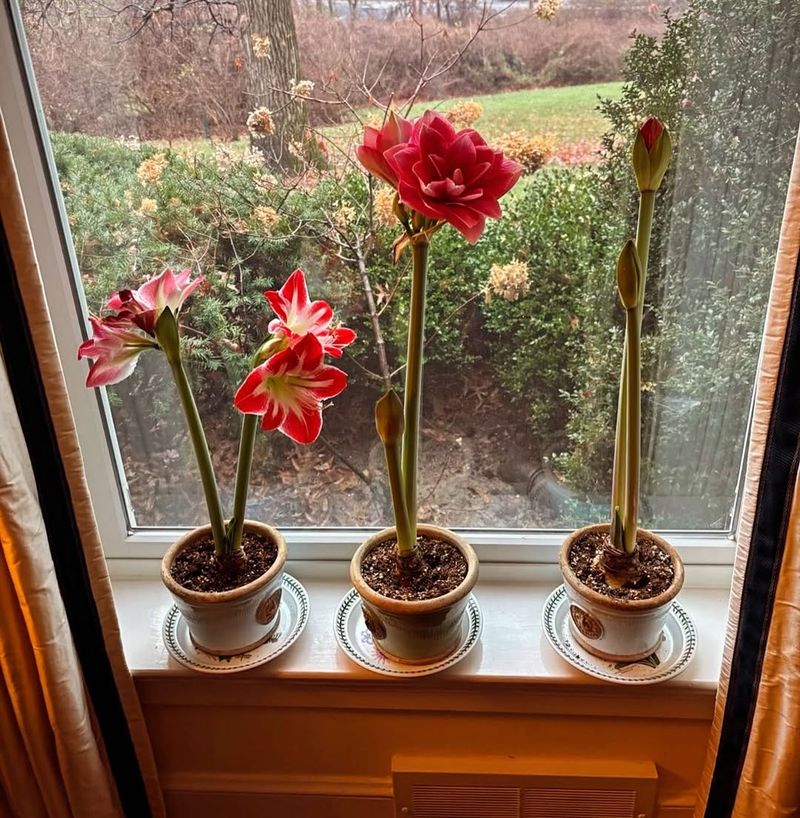
Watering mistakes rank among the most common reasons amaryllis bulbs refuse to bloom in Minnesota homes.
Too much water causes the bulb to rot, while too little leaves it too weak to produce flowers.
Finding the right balance takes attention and practice, especially in our dry, heated Minnesota homes during winter.
When you first plant or restart a dormant bulb, water it thoroughly and then wait.
Do not water again until you see new growth emerging from the top of the bulb, which usually takes one to three weeks.
Premature watering before growth appears can cause root rot, especially in the cool conditions of a Minnesota home in early winter.
Once the flower stalk reaches about six inches tall, begin regular watering to keep the soil evenly moist but never soggy.
Check the soil moisture by sticking your finger one inch deep into the potting mix.
If it feels dry at that depth, water thoroughly until liquid drains from the bottom holes.
Minnesota tap water works fine for amaryllis, though letting it sit overnight helps it reach room temperature.
Cold water straight from the tap can shock the roots and slow growth.
During the active growing season after blooming, continue regular watering and add liquid fertilizer every two to three weeks.
As you approach the dormancy period in late summer, gradually reduce watering frequency.
Eventually stop watering completely when you want the plant to enter its rest phase.
Proper watering rhythm throughout the entire growth cycle ensures your amaryllis bulb stays healthy and blooms reliably every year in your Minnesota home.
4. Temperature Fluctuations And Extremes
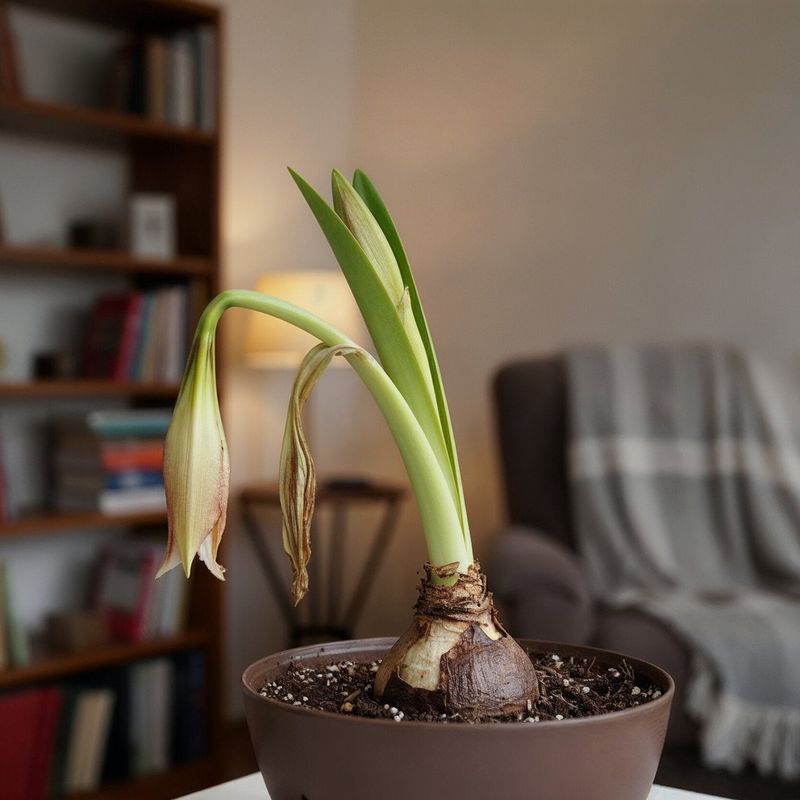
Minnesota homes experience significant temperature swings that can confuse and stress amaryllis bulbs.
Central heating creates warm, dry conditions, while windows radiate cold during our frigid winter nights.
Amaryllis prefer consistent temperatures between 68 and 75 degrees Fahrenheit during their active growing phase.
Placing your bulb too close to heating vents causes the soil to dry out rapidly and can damage developing flower buds.
Similarly, positioning the pot directly against a cold window during a Minnesota January can chill the bulb and halt growth.
Find a location in your home that maintains steady warmth without dramatic day-to-night temperature changes.
Avoid spots near exterior doors that open frequently, letting in blasts of arctic air.
Drafty areas cause stress that prevents blooming or causes flower buds to blast, meaning they turn brown and shrivel before opening.
During the dormancy period, cooler temperatures around 50 to 55 degrees actually benefit the bulb.
Most Minnesota basements naturally maintain these cooler conditions perfect for amaryllis rest.
However, make sure the storage area does not freeze, as temperatures below 40 degrees can damage the bulb permanently.
When you bring the bulb out of dormancy, do not place it immediately in the warmest room.
Let it gradually adjust to warmer temperatures over a few days to prevent shock.
Monitor your home thermometer and consider using a small heating mat under the pot if your house runs particularly cold.
Consistent, appropriate temperatures throughout each growth phase help your amaryllis bloom magnificently despite Minnesota’s challenging climate conditions.
5. Poor Bulb Quality Or Size
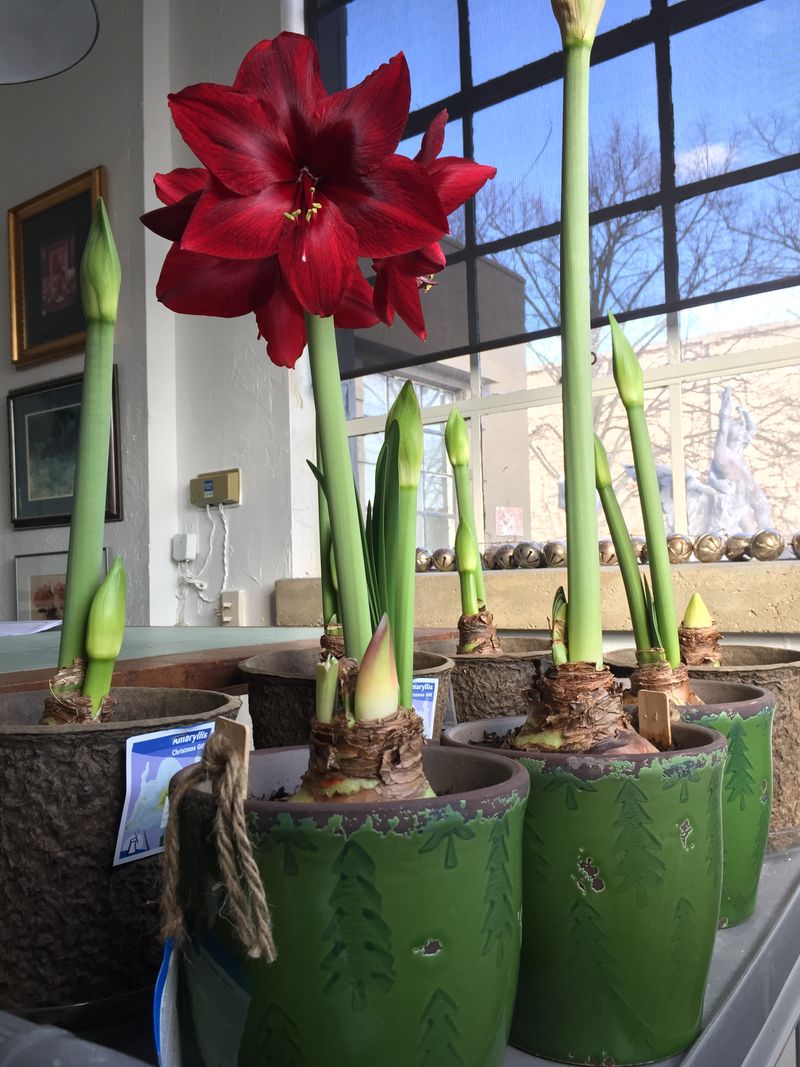
Not all amaryllis bulbs are created equal, and starting with a weak or undersized bulb dooms your blooming efforts from the beginning.
Larger bulbs contain more stored energy and nutrients, making them much more likely to produce flowers.
Look for bulbs measuring at least 10 to 12 inches in circumference when shopping at Minnesota garden centers or ordering online.
Jumbo bulbs often produce multiple flower stalks, while smaller bulbs may struggle to generate even one.
Examine bulbs carefully before purchasing, avoiding any with soft spots, mold, or damaged areas.
The outer papery skin should be mostly intact, and the bulb should feel firm and heavy for its size.
Lightweight bulbs have likely dried out and lost vitality.
When amaryllis bulbs go on clearance at Minnesota stores after the holidays, they are often smaller, older stock that may disappoint.
Buying quality bulbs from reputable sources costs more initially but pays off with spectacular blooms.
If you are growing the same bulb year after year, its blooming ability depends on how well you cared for it previously.
Bulbs need to rebuild their energy reserves after flowering by growing healthy leaves and roots.
Feed your amaryllis monthly with balanced liquid fertilizer during the growing season to help it bulk up for next year.
Plant bulbs in pots only slightly larger than the bulb itself, leaving about one inch of space around the sides.
Oversized pots encourage root growth at the expense of flowering.
Quality bulbs paired with proper care create the foundation for reliable blooming in your Minnesota home season after season.
6. Nutrient Deficiency In Potting Soil
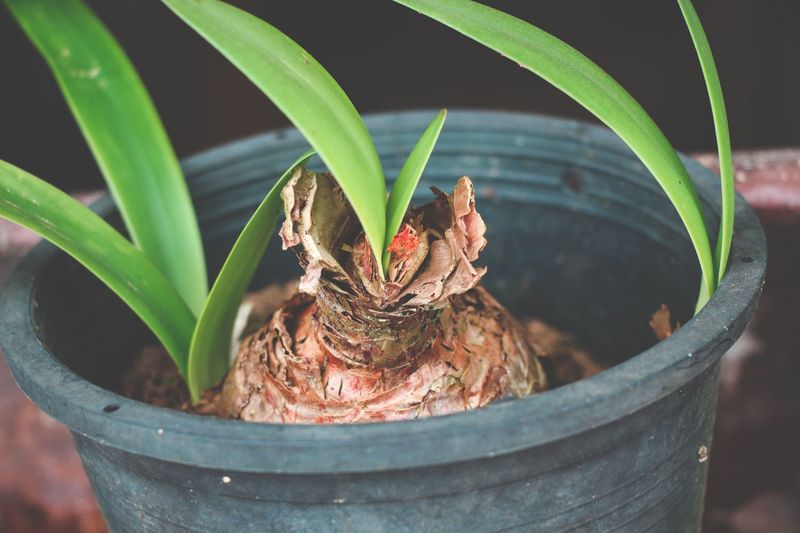
Amaryllis bulbs are heavy feeders that quickly deplete nutrients from potting soil, especially in containers.
Without adequate nutrition, the bulb cannot build the energy reserves necessary to produce flowers.
Many Minnesota gardeners plant their amaryllis and forget about fertilizing, wondering why blooms never appear.
Start with fresh, high-quality potting mix that drains well but retains some moisture.
Regular garden soil from your Minnesota yard is too heavy and compacts in containers, suffocating roots.
Mix in some perlite or coarse sand to improve drainage if your potting soil seems dense.
After your amaryllis finishes blooming, begin a regular feeding schedule to help the bulb recover and grow.
Use a balanced, water-soluble fertilizer with equal amounts of nitrogen, phosphorus, and potassium, such as a 10-10-10 or 20-20-20 formula.
Apply fertilizer at half the recommended strength every two to three weeks throughout the growing season.
Continue feeding until you stop watering in late summer to prepare for dormancy.
Never fertilize a dormant bulb, as it cannot absorb nutrients without active roots and leaves.
Some Minnesota growers prefer slow-release fertilizer pellets mixed into the soil at planting time.
These granules gradually release nutrients over several months, reducing the need for frequent liquid feeding.
Pay attention to the foliage color as an indicator of plant health.
Dark green, sturdy leaves signal good nutrition, while pale yellow-green leaves suggest the bulb needs more food.
Proper fertilization helps your amaryllis develop thick, healthy leaves that manufacture and store energy for producing those stunning flowers Minnesota gardeners cherish during the cold winter months.
7. Planting Depth And Container Issues
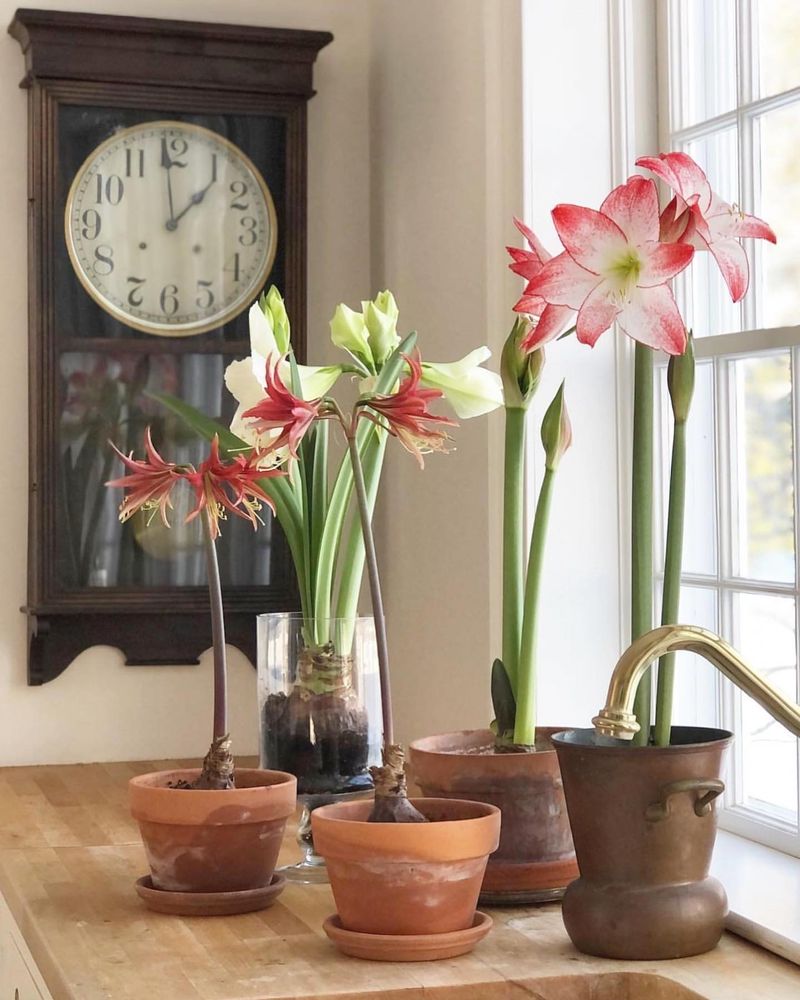
How you plant your amaryllis bulb significantly impacts whether it will bloom successfully in your Minnesota home.
Burying the bulb too deeply is one of the most common mistakes that prevents flowering.
Amaryllis bulbs should sit with their top one-third to one-half exposed above the soil line.
Planting too deeply keeps the bulb overly moist and can cause rot, while also delaying or preventing flower stalk emergence.
Choose a container with drainage holes in the bottom, as sitting water quickly rots amaryllis roots.
Terracotta pots work wonderfully because they allow excess moisture to evaporate through the clay walls, helpful in heated Minnesota homes.
Select a pot that leaves only about one inch of space between the bulb and the pot rim on all sides.
Surprisingly, amaryllis bloom better when slightly root-bound rather than swimming in too much soil.
Fill the pot with quality potting mix, set the bulb on top, and add more soil around the sides, firming gently.
Leave that top portion of the bulb exposed, resisting the urge to cover it completely.
Water thoroughly after planting to settle the soil, then wait for growth to appear before watering again.
If you are replanting an existing bulb after dormancy, gently remove old, dried roots and refresh the potting soil.
You can use the same container year after year if it is the right size.
Proper planting technique combined with the right container size creates ideal conditions for your amaryllis to thrive and bloom beautifully throughout Minnesota winters.