Who’s Liable For Leaves That Blow Over From A Neighbor’s Tree In South Carolina
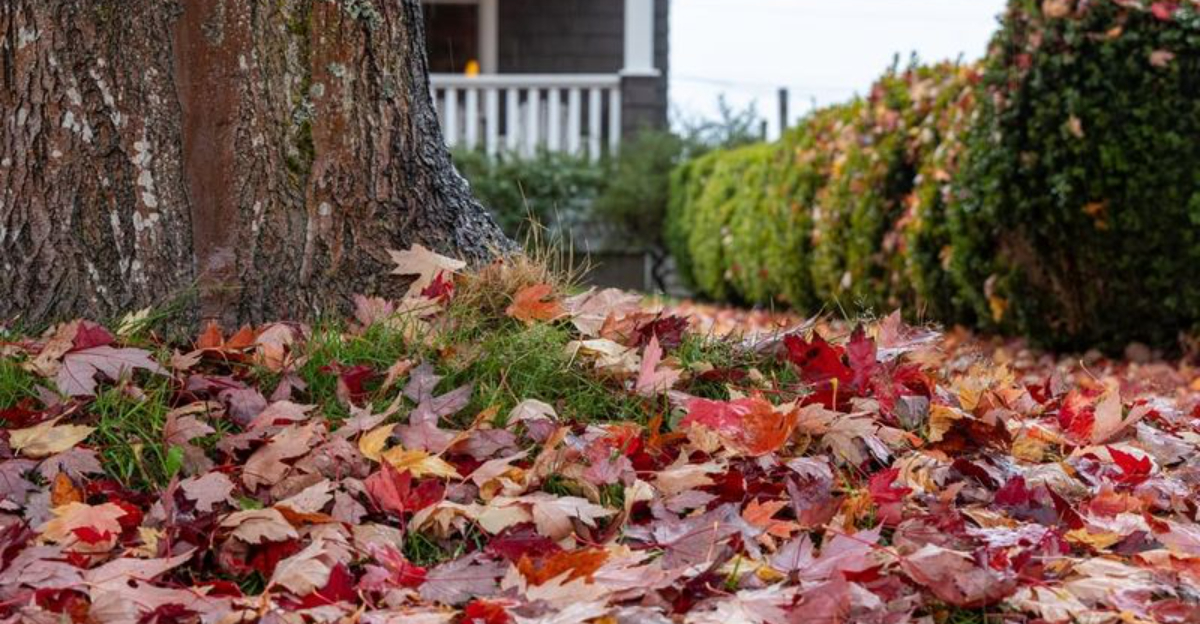
Falling leaves from a neighbor’s tree can create quite a mess in your yard, especially during autumn when trees shed their foliage everywhere around South Carolina.
Many homeowners wonder who is responsible for cleaning up those leaves and whether they can hold their neighbor accountable for the extra yard work involved.
Understanding South Carolina laws about tree liability helps you know your rights and responsibilities when dealing with leaves blowing onto your property from nearby trees.
This guide covers ten important facts about leaf liability that every South Carolina homeowner should know before confronting neighbors or taking any legal action regarding trees.
South Carolina Follows The Massachusetts Rule For Tree Disputes
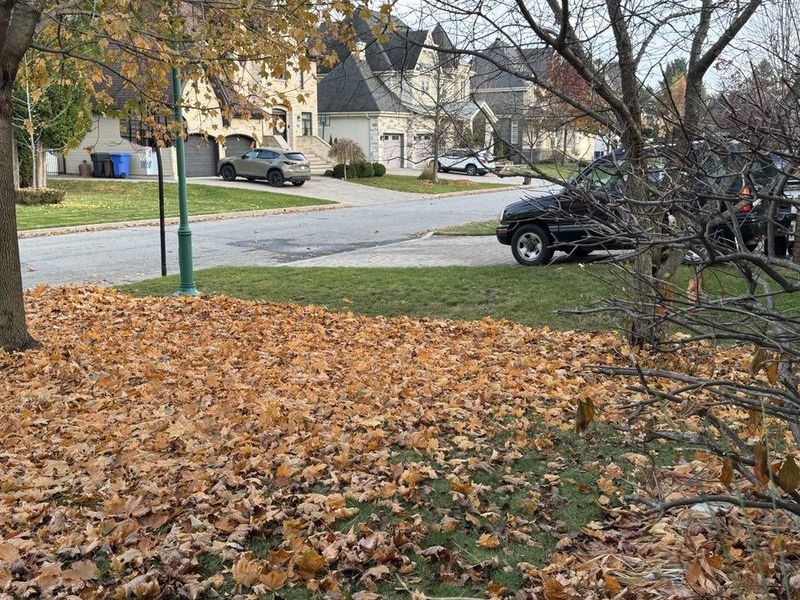
Property owners in South Carolina must understand that the state follows what legal experts call the Massachusetts Rule when handling disputes involving trees and their debris.
This rule means that natural occurrences like falling leaves, acorns, branches, or other tree debris are generally considered acts of nature rather than nuisances caused by negligence.
Courts across South Carolina typically do not hold property owners liable for leaves that naturally blow from their trees onto neighboring properties during normal seasonal changes.
Neighbors cannot sue simply because leaves drift over property lines unless they can prove the tree owner acted negligently or created an intentional hazard somehow.
The Massachusetts Rule protects homeowners from endless lawsuits over natural processes that nobody can reasonably control, even with regular tree maintenance and proper care.
South Carolina courts recognize that trees provide environmental benefits and property value, so they avoid punishing owners for natural leaf fall that occurs each year.
Understanding this foundational rule helps homeowners set realistic expectations about what they can and cannot demand from neighbors regarding leaves blowing onto their property regularly.
Natural Leaf Fall Is Not Considered A Legal Nuisance
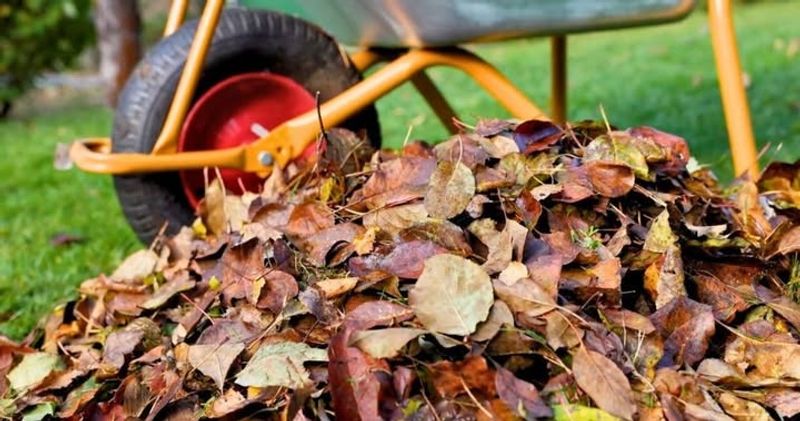
Leaves falling from trees represent a natural process that happens every year, especially during autumn when deciduous trees shed their foliage as part of their lifecycle.
South Carolina law recognizes this as a normal part of living near trees and does not classify seasonal leaf fall as a legal nuisance that warrants compensation.
Homeowners cannot successfully sue neighbors simply because leaves blow onto their property, even if the cleanup requires significant time and effort throughout the fall season.
Courts distinguish between natural occurrences and actual nuisances caused by human negligence, carelessness, or intentional actions that create unreasonable interference with property enjoyment for others.
For leaves to become a legal issue, they would need to accumulate in such extreme quantities that they cause actual property damage or health hazards.
Regular leaf fall, no matter how annoying or time-consuming to clean up, does not meet the legal threshold for nuisance claims in South Carolina courts.
Property owners should focus on neighborly communication and practical solutions rather than pursuing legal action over leaves that naturally drift across property boundaries each autumn season.
You Can Trim Branches That Hang Over Your Property Line
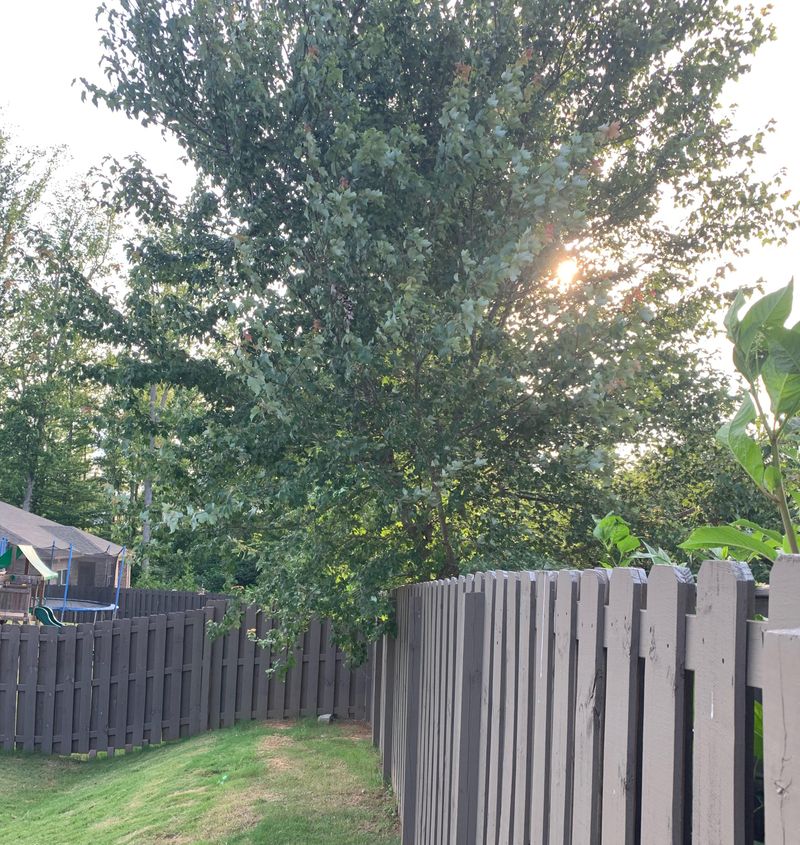
South Carolina law grants property owners the right to trim tree branches that extend over their property line, even when the tree trunk sits on the neighbor’s land.
Your South Carolina Garden Changes Every Week. Your Plan Should Too.
Gardening in South Carolina changes quickly throughout the season. Every Friday you’ll receive a simple weekly plan showing exactly what to plant, prune, fertilize, harvest, and protect so you never miss the right timing.
This right allows homeowners to reduce the amount of leaves falling onto their property by cutting back overhanging branches to the exact boundary line between properties.
However, property owners must exercise this right carefully and responsibly to avoid causing harm to the tree or creating liability for themselves through improper trimming techniques.
Cutting branches too aggressively or improperly can damage the tree’s health, potentially making you liable for the tree’s decline or even its eventual removal costs.
Many experts recommend hiring professional arborists who understand proper pruning techniques and can trim branches without compromising the tree’s structural integrity or long-term health prospects.
Property owners should notify neighbors before trimming overhanging branches as a courtesy, though South Carolina law does not strictly require advance permission for boundary-line trimming.
Remember that you cannot enter your neighbor’s property to trim branches without permission, and all trimming must be done from your side of the property line.
Proving Negligence Changes Everything About Liability
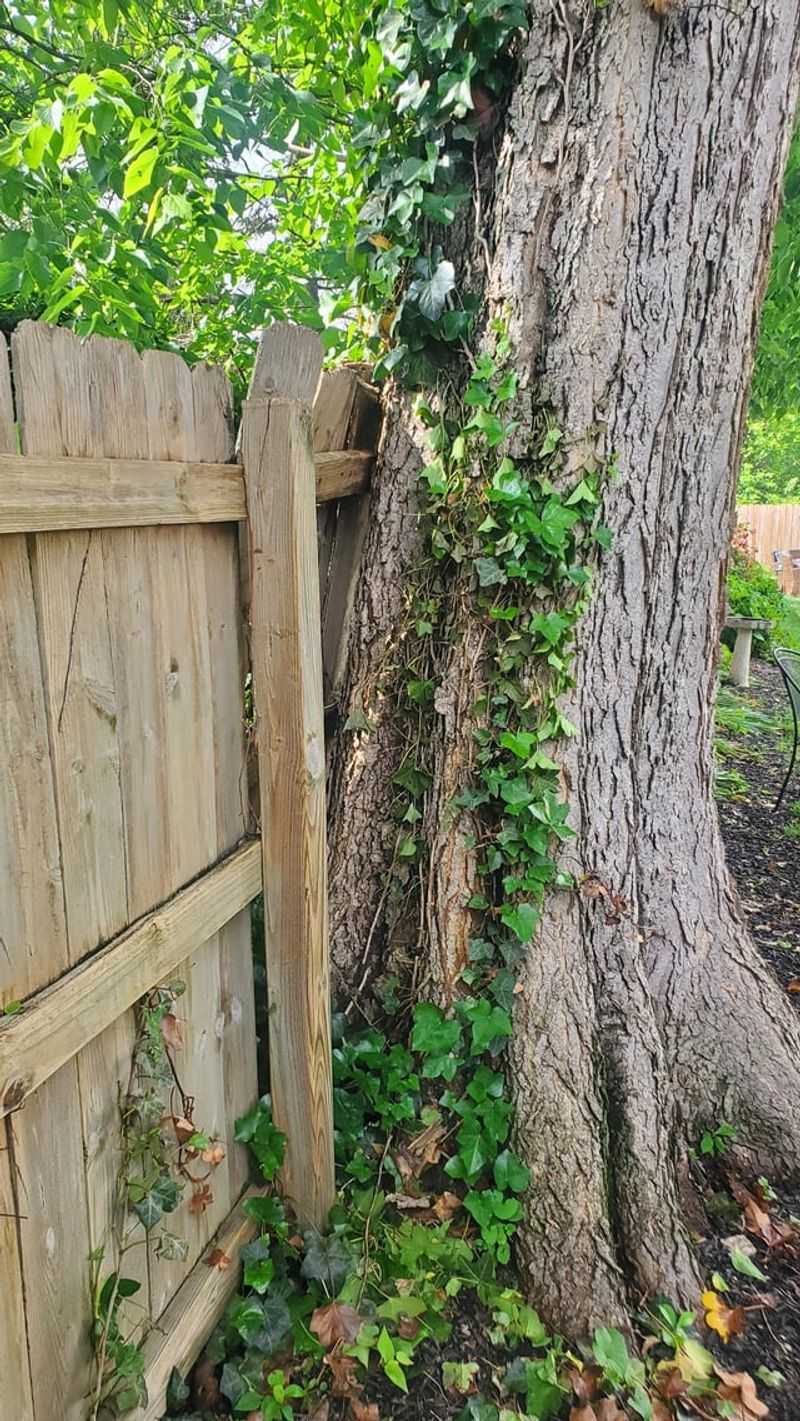
While natural leaf fall typically does not create liability, proving that a tree owner acted negligently can completely change the legal outcome of a dispute in court.
Negligence might include ignoring a diseased or structurally unsound tree that poses obvious risks, failing to maintain a tree properly, or allowing hazardous conditions to develop.
If a neighbor knows their tree is sick, damaged, or dangerous but refuses to address the problem, they may become liable for any damage the tree causes.
Proving negligence requires documenting the tree’s condition, showing that the owner knew about the problem, and demonstrating that reasonable action should have been taken promptly.
Property owners should keep records of any communications with neighbors about tree concerns, including emails, letters, or certified mail that documents their awareness of problems.
Photographs showing tree damage, rot, leaning, or other visible problems help establish that a reasonable person would recognize the tree as potentially dangerous to nearby properties.
Consulting with certified arborists who can provide professional assessments of tree health and safety strengthens any claim that a neighbor acted negligently regarding tree maintenance.
Property Damage From Leaves Might Create Liability
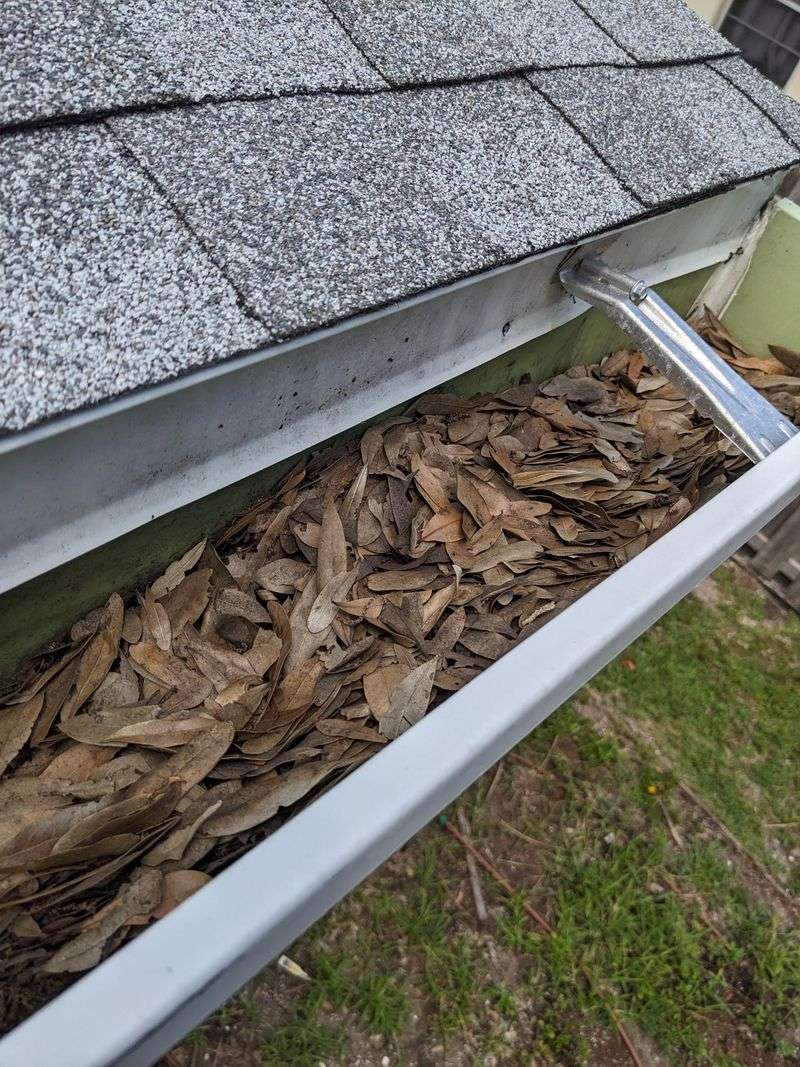
Although leaves themselves do not usually create legal liability, property damage resulting from accumulated leaves might give homeowners grounds for claims against negligent tree owners.
For example, if massive quantities of leaves repeatedly clog gutters and cause water damage to a home, the tree owner might bear some responsibility.
Similarly, leaves that block drainage systems and cause flooding or leaves that create slip hazards on walkways might establish liability if the tree owner ignored warnings.
Property owners must document the damage carefully, showing a clear connection between the neighbor’s tree and the specific harm that occurred to their property or safety.
Taking photographs of clogged gutters, water damage, or other problems caused by leaf accumulation helps establish the extent and cause of the damage for potential claims.
Homeowners should notify neighbors in writing about problems caused by excessive leaf fall and request that they take reasonable steps to address the issue cooperatively.
Courts are more likely to find liability when tree owners ignore repeated complaints about damage and refuse to work toward reasonable solutions with affected neighbors.
Good Neighbor Policies Often Work Better Than Legal Action
Most tree and leaf disputes between neighbors can be resolved through friendly conversation and cooperation rather than expensive and time-consuming legal battles in court.
Starting with a polite discussion about the leaf problem often leads to practical solutions like cost-sharing for cleanup or agreements about trimming overhanging branches together.
Many neighbors are willing to help with leaf cleanup or contribute to professional services when approached respectfully rather than with threats or legal demands immediately.
Building positive relationships with neighbors creates goodwill that benefits everyone in the community and makes future problems easier to resolve through mutual understanding and compromise.
Some homeowners agree to share the cost of tree trimming services that benefit both properties, reducing leaves while maintaining the tree’s health and appearance.
Others work out arrangements where one neighbor handles cleanup in exchange for other favors or assistance, creating mutually beneficial solutions that strengthen community bonds.
Legal action should be a last resort reserved for situations where neighbors refuse to communicate or address serious problems that cause significant property damage.
Homeowners Associations May Have Additional Rules About Trees
Many South Carolina neighborhoods operate under homeowners associations that establish specific rules and regulations about tree maintenance, leaf cleanup, and property appearance standards for residents.
These HOA rules can create additional obligations beyond what state law requires, potentially holding homeowners responsible for leaves that affect neighboring properties within the community.
Property owners should carefully review their HOA covenants, conditions, and restrictions to understand what responsibilities they have regarding trees and leaf management throughout the year.
Some HOAs require regular tree trimming, prompt leaf cleanup, or maintaining yards in ways that minimize impact on neighboring properties according to community standards and expectations.
Violating HOA rules about tree maintenance can result in fines, penalties, or even liens against the property, regardless of what South Carolina state law says.
Homeowners facing disputes about leaves should consult their HOA board or management company to understand how community rules apply to their specific situation and options.
HOAs sometimes offer mediation services or dispute resolution processes that help neighbors work out tree-related problems without resorting to formal legal action in courts.
Municipal Ordinances Can Affect Tree Responsibility
Cities and towns throughout South Carolina often have local ordinances that regulate trees, including requirements for maintenance, removal of hazardous trees, and property upkeep standards.
These local laws can create obligations for tree owners that go beyond general state law, potentially including responsibility for excessive leaf fall that violates community standards.
Some municipalities require property owners to maintain trees in ways that do not create nuisances or hazards for neighboring properties, which might include managing excessive leaves.
Local codes often address issues like obstructed sidewalks, drainage problems, or fire hazards that could be caused or worsened by accumulated leaves from poorly maintained trees.
Property owners should check with their city or county code enforcement office to understand local regulations that might apply to tree maintenance and leaf management.
Violating municipal ordinances can result in citations, fines, or orders to correct problems, giving neighbors another avenue for addressing persistent tree-related issues beyond civil lawsuits.
Understanding both state law and local ordinances helps homeowners navigate tree disputes more effectively and know all the options available for resolving leaf-related conflicts with neighbors.
Documentation Is Critical If You Pursue Legal Action
Homeowners considering legal action over tree-related problems must gather thorough documentation to support their claims and prove that damages or negligence actually occurred as alleged.
Photographs showing the tree’s condition, leaf accumulation, property damage, and the relationship between the tree and the harm help establish facts that courts need.
Written communications with neighbors, including emails, letters, or texts discussing the tree problem, demonstrate that you attempted to resolve the issue before resorting to litigation.
Professional assessments from certified arborists or contractors provide expert opinions about tree health, proper maintenance standards, and whether the tree owner acted reasonably or negligently.
Receipts for cleanup costs, repair expenses, or professional services related to the leaf problem help quantify damages if you succeed in proving liability in court.
Keep a detailed log of when leaves fall, how much time you spend cleaning them, and any repeated problems that show a pattern of excessive impact.
Strong documentation makes the difference between winning and losing tree-related cases, so start gathering evidence early if you think legal action might become necessary eventually.
Mediation Can Resolve Disputes Without Expensive Litigation
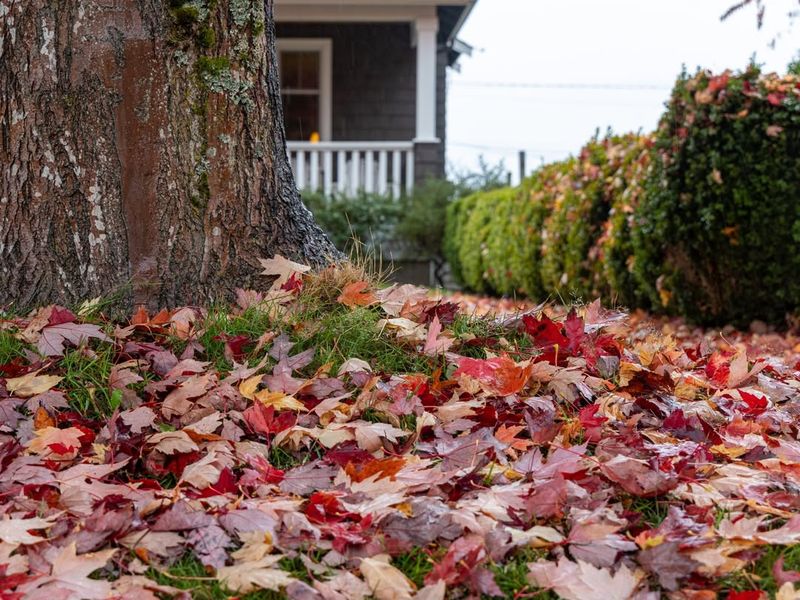
Many South Carolina residents find that mediation offers a faster, cheaper, and less stressful way to resolve tree disputes compared to filing lawsuits in court.
Mediation involves a neutral third party who helps neighbors communicate effectively and work toward mutually acceptable solutions that address everyone’s concerns about tree-related problems.
This process typically costs far less than hiring lawyers and going through formal litigation, saving both parties thousands of dollars in legal fees and court costs.
Mediation sessions are confidential and informal, creating a more comfortable environment for honest discussion than the adversarial atmosphere of a courtroom trial with judges and attorneys.
Many communities offer low-cost or even free mediation services through local government programs, community organizations, or court-sponsored dispute resolution centers available to residents.
Agreements reached through mediation can be just as binding as court orders when properly documented, giving both parties legal protection while maintaining neighborly relationships moving forward.
Consider mediation as a serious option before pursuing litigation, especially for tree disputes where ongoing neighborly relations matter and legal outcomes remain uncertain under South Carolina law.