Why These Tiny Metallic Insects In North Carolina Yards Are Actually Helpful
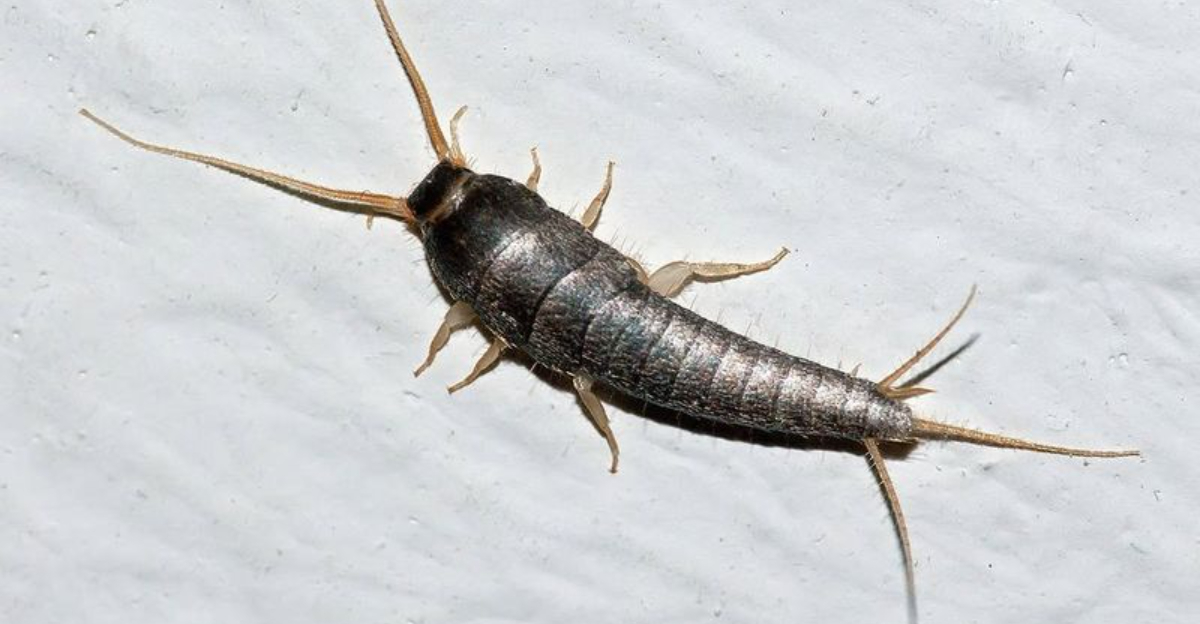
A sudden flash of silvery movement across a North Carolina yard or patio often sparks concern.
Silverfish look unusual, quick, and almost mechanical, which leads many homeowners to assume the worst.
Their appearance alone can raise alarms, especially when they show up near homes.
Silverfish play a quiet but useful role in the outdoor environment.
They feed on organic debris, dead insects, and decaying plant matter, which helps keep natural waste in check.
North Carolina’s warm, humid conditions suit them well, especially in shaded areas, mulch beds, and around leaf litter.
Their presence outdoors usually points to healthy moisture levels rather than a serious problem.
While silverfish cause trouble indoors, their activity outside tends to support balance rather than damage.
They rarely harm living plants and help break down material that would otherwise pile up.
Once their role becomes clear, silverfish shift from unwanted mystery to minor contributors within the larger backyard ecosystem.
They Help Break Down Dead Plant Material
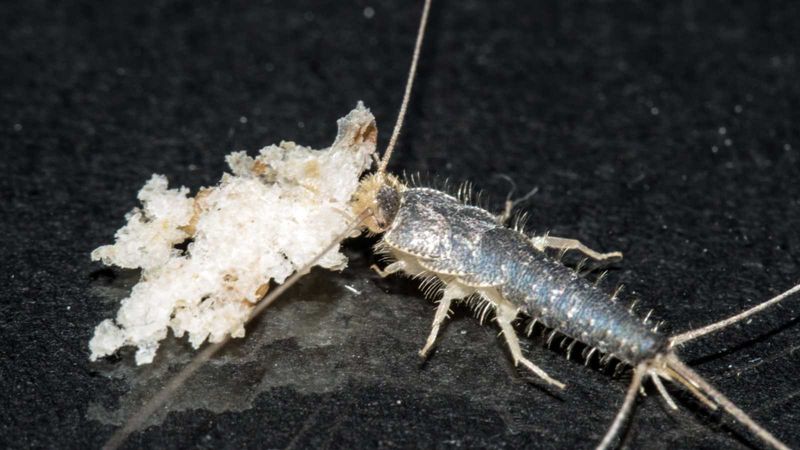
Silverfish have a special appetite for old leaves, bark, and other plant parts that have fallen to the ground.
When plants lose their leaves or branches break off, these materials pile up on the soil surface.
Without insects like silverfish, this layer would grow thicker and thicker over time.
Silverfish use their strong mouthparts to chew through tough plant fibers that many other insects cannot handle.
As they eat, they break down the material into smaller pieces.
This process speeds up decomposition and makes it easier for bacteria and fungi to finish the job.
In North Carolina, where humidity stays high during warm months, silverfish stay active and busy.
They work like tiny janitors, cleaning up the yard naturally.
Homeowners benefit because less buildup means healthier soil and fewer places for harmful pests to hide.
Next time you see a silverfish near a pile of leaves, remember it is doing important cleanup work.
These insects may be small, but their contribution to keeping yards tidy is significant.
They transform what looks like waste into something useful for the ecosystem.
They Contribute To Nutrient Recycling In Soil

Every garden needs nutrients to grow strong plants, and silverfish play a quiet but important role in making that happen.
After they eat decaying plant material, their bodies break it down even further.
When silverfish leave droppings behind, those droppings contain nutrients that enrich the soil.
Microorganisms in the ground then work on these droppings, releasing nitrogen, phosphorus, and other elements plants need.
This cycle happens constantly in healthy yards.
Silverfish act as middlemen, taking complex organic matter and turning it into simpler forms.
Gardeners in North Carolina often notice that areas with lots of organic activity have richer, darker soil.
Silverfish contribute to this richness without anyone noticing.
Unlike chemical fertilizers, the nutrients from silverfish activity release slowly and naturally.
This gentle process protects plant roots and keeps the soil balanced.
If you care about growing vegetables or flowers, silverfish are actually your allies.
They help create the kind of soil that supports strong, healthy growth year after year.
Your North Carolina Garden Changes Every Week. Your Plan Should Too.
Gardening in North Carolina changes quickly throughout the season. Every Friday you’ll receive a simple weekly plan showing exactly what to plant, prune, fertilize, harvest, and protect so you never miss the right timing.
They Feed On Organic Debris Other Insects Ignore
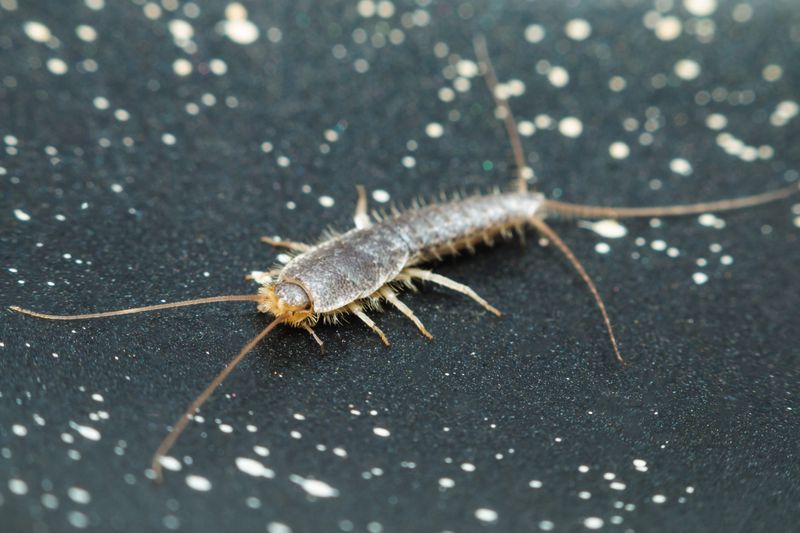
Most insects have picky eating habits, but silverfish are not fussy at all.
They consume materials that other bugs pass by, including bits of paper, mold, and even tiny fungi growing on rotting wood.
This makes them incredibly useful in yards where different types of organic waste collect.
In North Carolina, where rain and humidity encourage mold growth, silverfish help control these fungi by eating them before they spread too much.
They also munch on bits of cellulose found in old cardboard, newspapers, or plant stems.
While some people worry about silverfish in their homes, outdoors they serve as natural cleanup crews.
Their ability to digest tough materials that other insects avoid means fewer piles of junk building up in your yard.
Think of them as nature’s recyclers with a broader menu than most.
They target the stuff that would otherwise sit around for months or even years.
By eating these overlooked materials, silverfish keep the yard cleaner and healthier.
Their unique diet fills a gap in the ecosystem that few other creatures can manage.
They Support The Food Chain As Prey Species

Silverfish might seem like they just wander around eating old leaves, but they also serve as meals for many other animals.
Spiders, centipedes, and ground beetles all hunt silverfish in North Carolina yards.
Even some birds, like robins and wrens, snack on them when they find them under logs or rocks.
This makes silverfish an important link in the food chain.
Without prey species like silverfish, predators would struggle to find enough food.
A healthy yard needs a balance of hunters and hunted, and silverfish help maintain that balance.
They are small and easy to catch, which makes them perfect food for young spiders learning to hunt.
Homeowners who want to attract beneficial predators to their yards should appreciate silverfish for this reason.
More silverfish means more food for helpful insects and animals that control other pests.
The presence of silverfish signals a thriving ecosystem where energy flows from decomposers to predators.
So when you see a spider web near a pile of leaves, silverfish might be part of the reason that spider chose to live there.
They Help Reduce Accumulated Leaf Litter
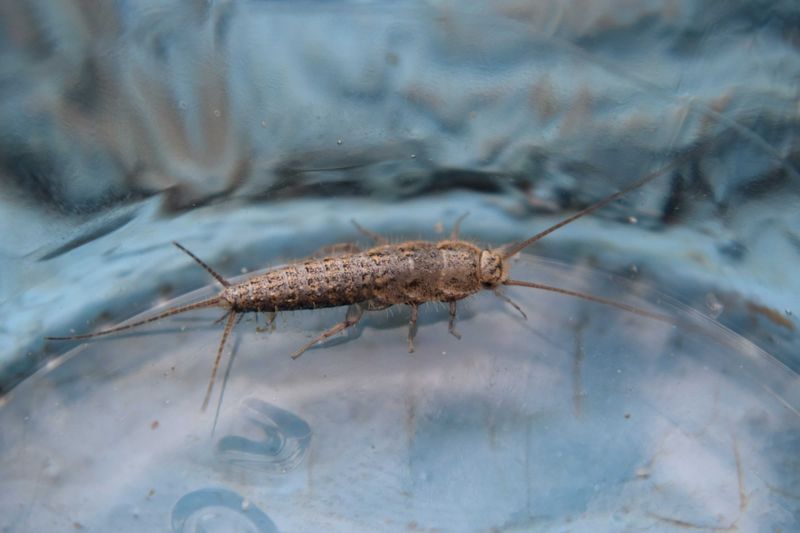
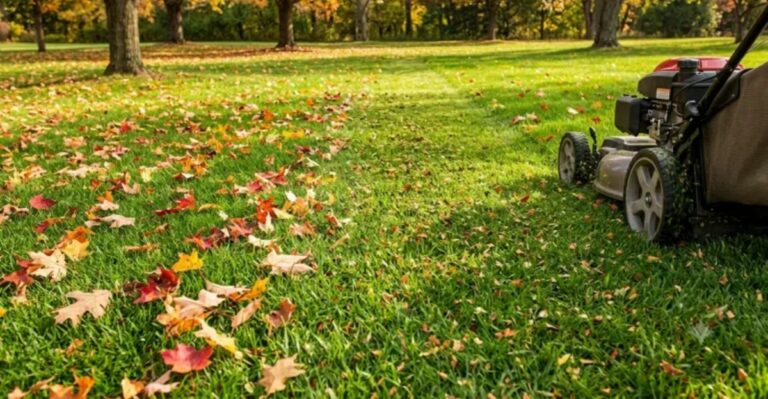
Autumn brings beautiful colors to North Carolina, but it also brings piles of fallen leaves that can smother grass and plants.
Silverfish help tackle this problem by eating through the leaf litter layer.
As they feed, they break apart the leaves into smaller fragments.
These fragments decompose much faster than whole leaves would.
Faster decomposition means the nutrients locked inside the leaves return to the soil sooner.
Yards with active silverfish populations tend to have thinner layers of leaf litter because these insects constantly work through the pile.
This natural process saves homeowners time and effort since they do not need to rake as often.
It also prevents problems like mold growth and pest hideouts that thick leaf layers can create.
Silverfish prefer damp, dark conditions, so they thrive under leaf piles where moisture collects.
Their activity aerates the lower layers and allows air and water to reach the soil beneath.
Healthier soil means stronger grass and better plant growth come spring.
Encouraging silverfish by leaving some leaf litter in place can actually improve your yard over time.
They Thrive Without Damaging Living Garden Plants
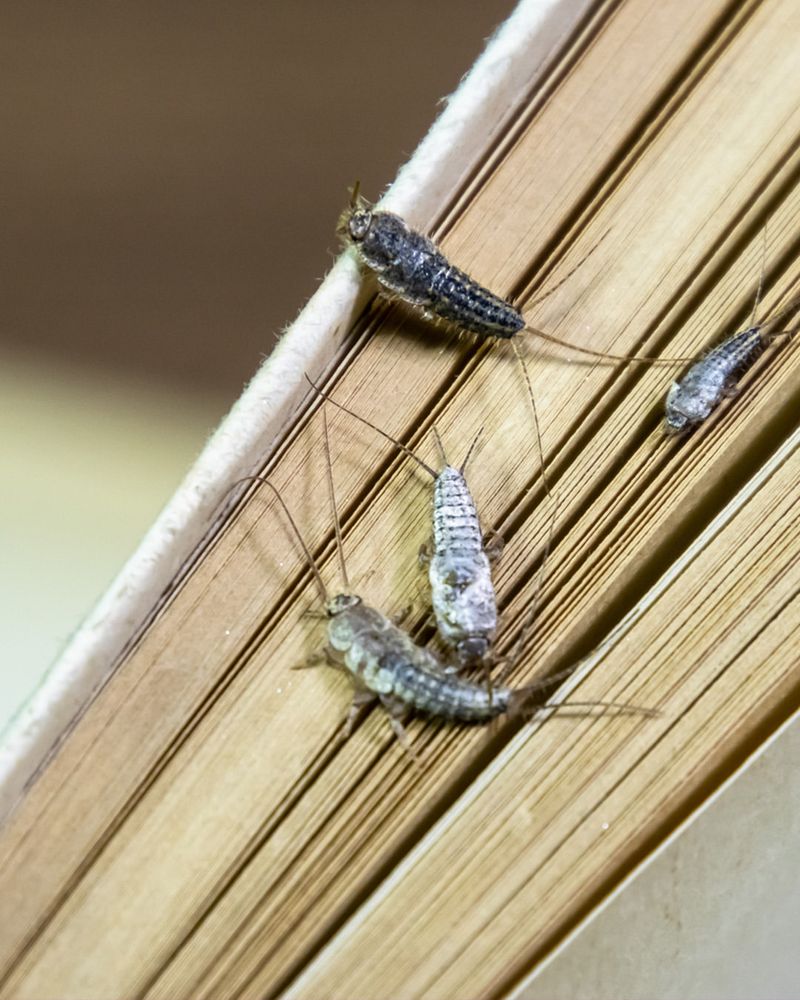
One of the best things about silverfish is that they focus on eating material that has already fallen or decayed.
Unlike aphids, caterpillars, or beetles that chew on fresh leaves and flowers, silverfish leave your garden plants alone.
They prefer dead and decaying matter over anything green and growing.
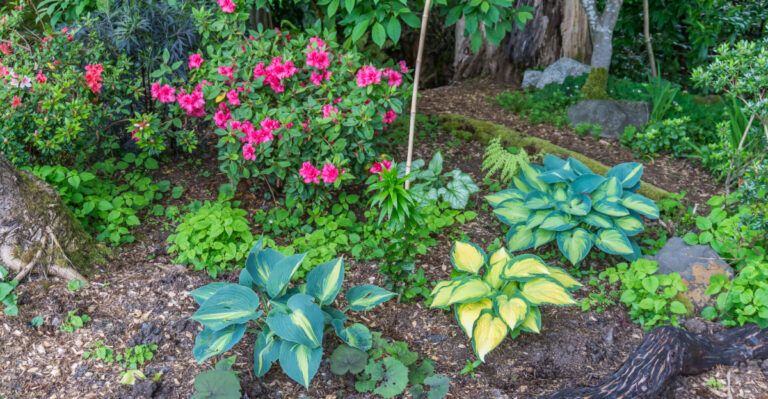
This means you can have silverfish in your yard without worrying about damaged tomatoes, chewed lettuce, or ruined roses.
Gardeners in North Carolina appreciate insects that help without causing harm, and silverfish fit that description perfectly.
They work quietly in the background, processing waste while your vegetables and flowers flourish.
Some people confuse silverfish with harmful pests, but their diet makes them fundamentally different.
They actually help create better conditions for plants by improving soil quality and reducing debris.
If you spot silverfish near your garden beds, there is no need to panic or reach for pesticides.
They are simply doing their job as decomposers.
Protecting silverfish means protecting a natural process that benefits your entire yard.
Healthy gardens need decomposers just as much as they need pollinators.
They Indicate Moist, Organic-Rich Microhabitats
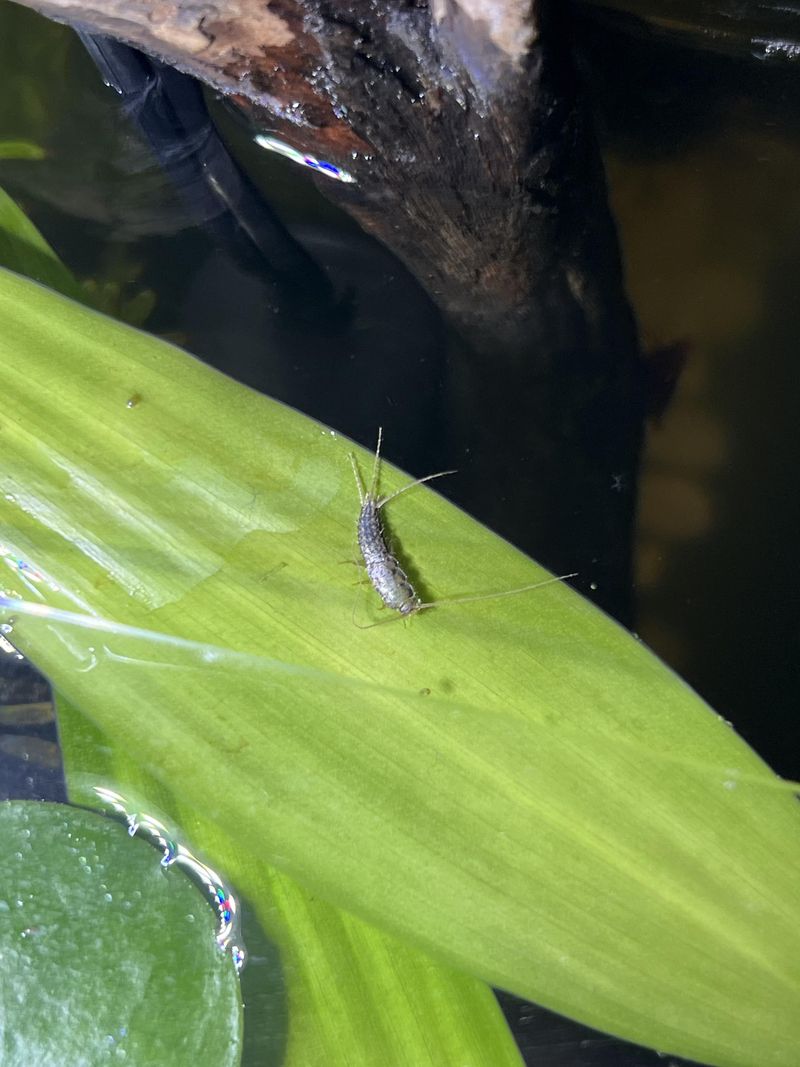
Finding silverfish in your yard tells you something important about the health of your soil.
These insects need moisture and organic matter to survive, so their presence signals that your yard has both.
Moist, organic-rich areas are exactly what plants need to grow strong roots and stay healthy.
In North Carolina, where summers can be hot and dry, having pockets of moisture in your yard is valuable.
Silverfish often live under logs, rocks, or mulch where humidity stays higher than in open areas.
These microhabitats act as refuges for many beneficial organisms, including earthworms, fungi, and bacteria.
When you see silverfish, you can feel confident that your yard supports a diverse ecosystem.
Dry, lifeless soil rarely attracts silverfish because they cannot survive without moisture.
Homeowners who want to improve their yards should create conditions that silverfish and other decomposers prefer.
Adding mulch, leaving some leaf litter, and avoiding overuse of chemicals all help.
Silverfish act as little indicators, showing you which parts of your yard are thriving.
Their presence is a sign of balance and health, not a problem to fix.