12 Garden Plants Maryland Is Restricting Or Considering For Bans
Maryland gardeners face new rules about certain plants that spread too quickly and harm local ecosystems by crowding out native species.
State officials work hard to protect natural areas from invasive plants that damage forests, wetlands, and yards across the region.
These restrictions help preserve biodiversity while encouraging homeowners to choose safer alternatives that support local wildlife and maintain healthy garden spaces.
1. English Ivy
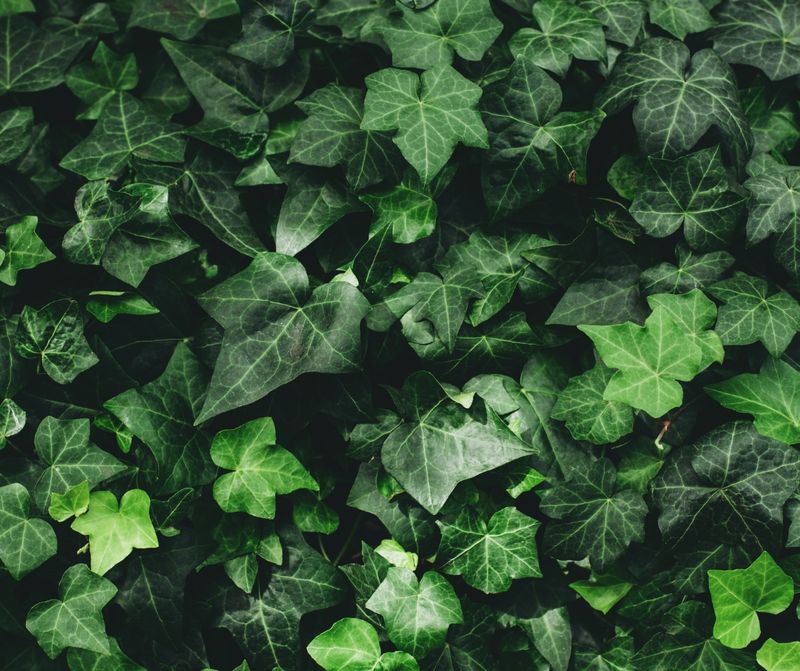
English Ivy seems harmless when you first plant it, but this evergreen climber quickly takes over yards, trees, and entire forests.
Maryland officials recognize its aggressive growth pattern as a serious threat to native woodland ecosystems throughout the state.
Homeowners often choose this vine for quick ground cover or decorative wall climbing without realizing the long-term consequences ahead.
The plant produces dense mats that smother native wildflowers, shrubs, and young trees trying to grow beneath its heavy blankets.
Trees weakened by ivy become more vulnerable to storm damage because the extra weight stresses branches during high winds.
Wildlife suffers too since ivy creates biological deserts where few native insects can survive or find proper food sources.
Removing established ivy requires persistent effort over several seasons, making prevention far easier than trying to control mature infestations.
Maryland encourages gardeners to select native alternatives like Virginia creeper, which provides similar aesthetic benefits without environmental harm.
Garden centers across the state now offer better choices that support local ecosystems rather than destroying them completely.
2. Japanese Stiltgrass
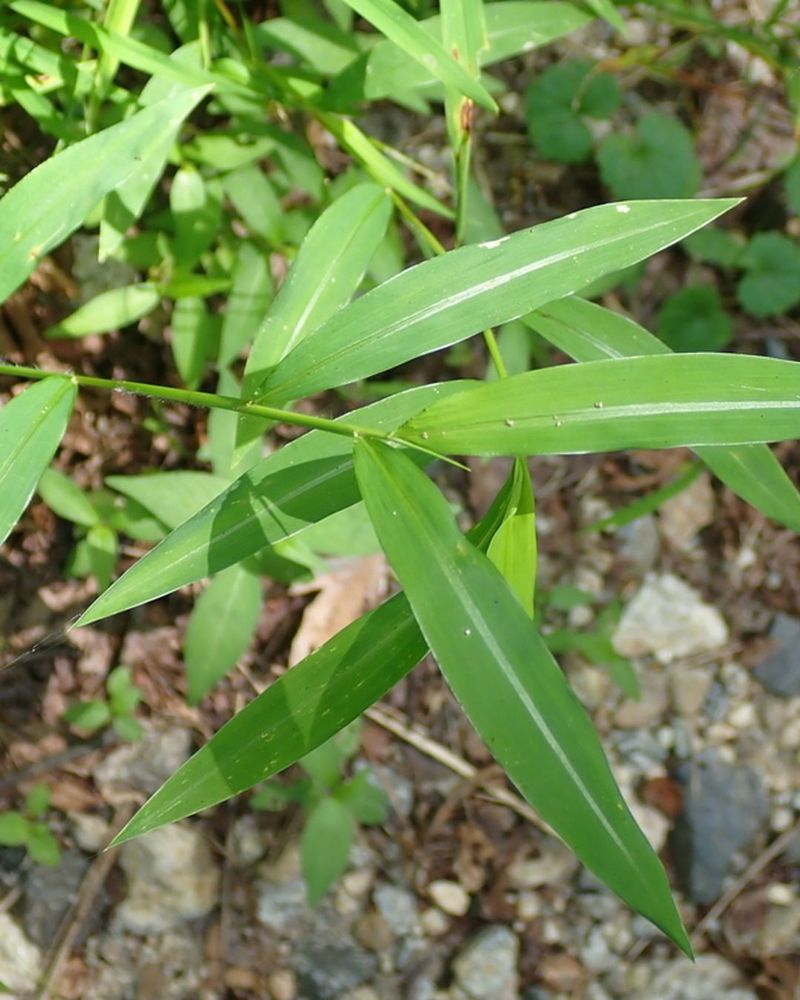
Japanese Stiltgrass arrived accidentally in America through shipping materials, but now this annual grass dominates Maryland forests and park trails.
Its ability to thrive in shady conditions gives it unfair advantages over native plants that evolved here over thousands.
Walkers often spread seeds unknowingly on their shoes and clothing, helping this invasive species colonize new areas incredibly quickly.
Each plant produces thousands of seeds that remain viable in soil for several years, creating persistent seed banks.
Native spring wildflowers struggle to compete against the dense carpets formed by stiltgrass during critical growing seasons each year.
Forest regeneration slows dramatically when tree seedlings cannot establish roots through the thick grass mats covering forest floors.
Maryland land managers spend countless hours removing this pest from public lands, yet it continues spreading into private properties.
Early detection helps control efforts succeed, so learning to identify stiltgrass becomes essential for responsible landowners statewide.
Reporting new infestations to local authorities helps protect remaining healthy forests from this relentless invader threatening biodiversity.
3. Tree of Heaven
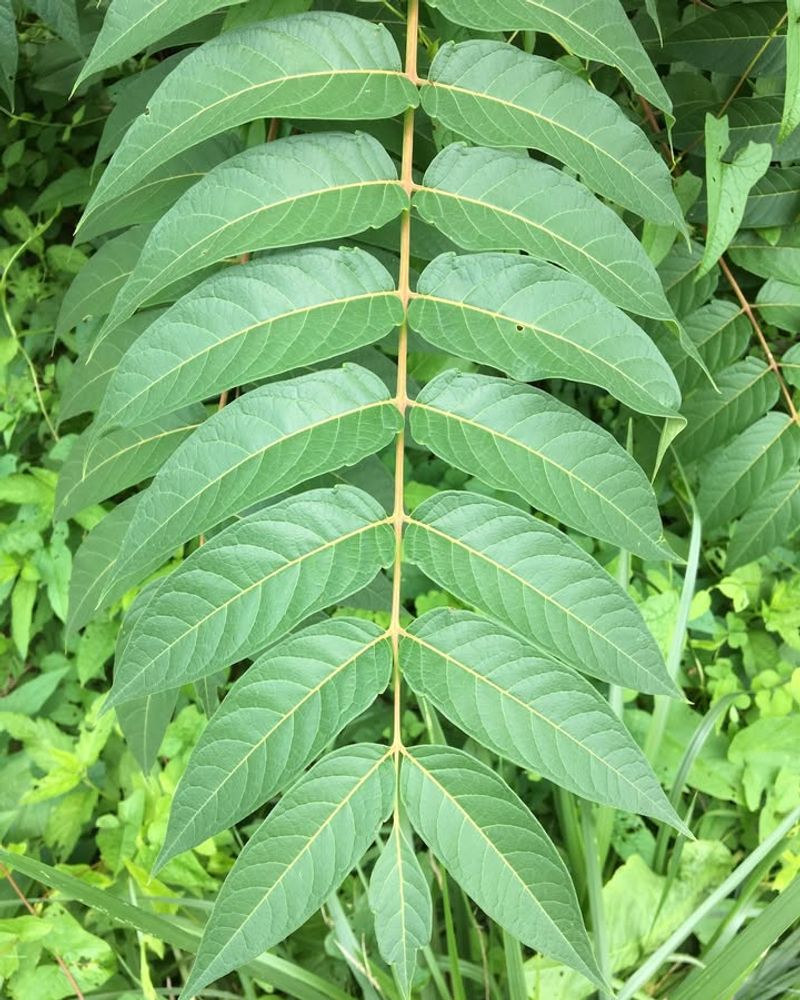
Tree of Heaven grows incredibly fast, reaching heights of sixty feet within just fifteen years of initial establishment.
Maryland officials worry about this species because it produces chemicals that poison soil and prevent other plants from growing nearby.
Urban areas suffer most from these trees, which sprout through sidewalk cracks, foundation walls, and sewer lines with remarkable persistence.
Root systems spread aggressively underground, sending up new shoots that create dense thickets difficult to control or remove.
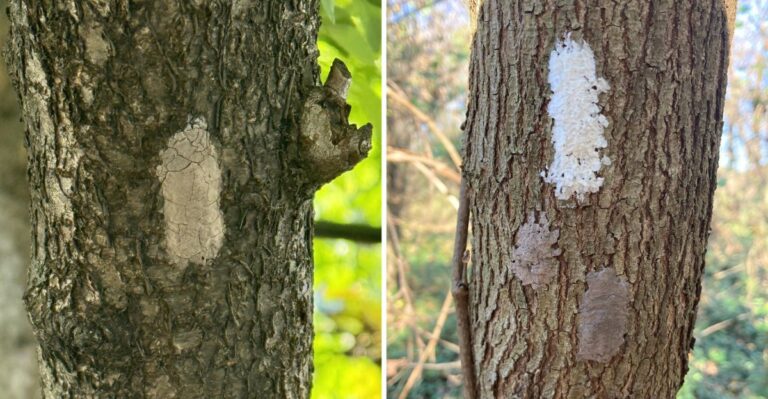
The tree also serves as the preferred host for spotted lanternfly, an invasive insect causing agricultural damage across Maryland.
Your Maryland Garden Changes Every Week. Your Plan Should Too.
Gardening in Maryland changes quickly throughout the season. Every Friday you’ll receive a simple weekly plan showing exactly what to plant, prune, fertilize, harvest, and protect so you never miss the right timing.
Removing these trees helps reduce lanternfly populations while improving overall ecosystem health in affected neighborhoods and commercial districts.
Cutting down mature trees without treating stumps immediately results in dozens of new sprouts emerging from remaining root systems.
Chemical treatment becomes necessary for effective control, though repeated applications over multiple years often prove essential for success.
Native alternatives like tulip poplar provide similar fast growth without the environmental problems associated with this troublesome import.
4. Bamboo (Running Varieties)
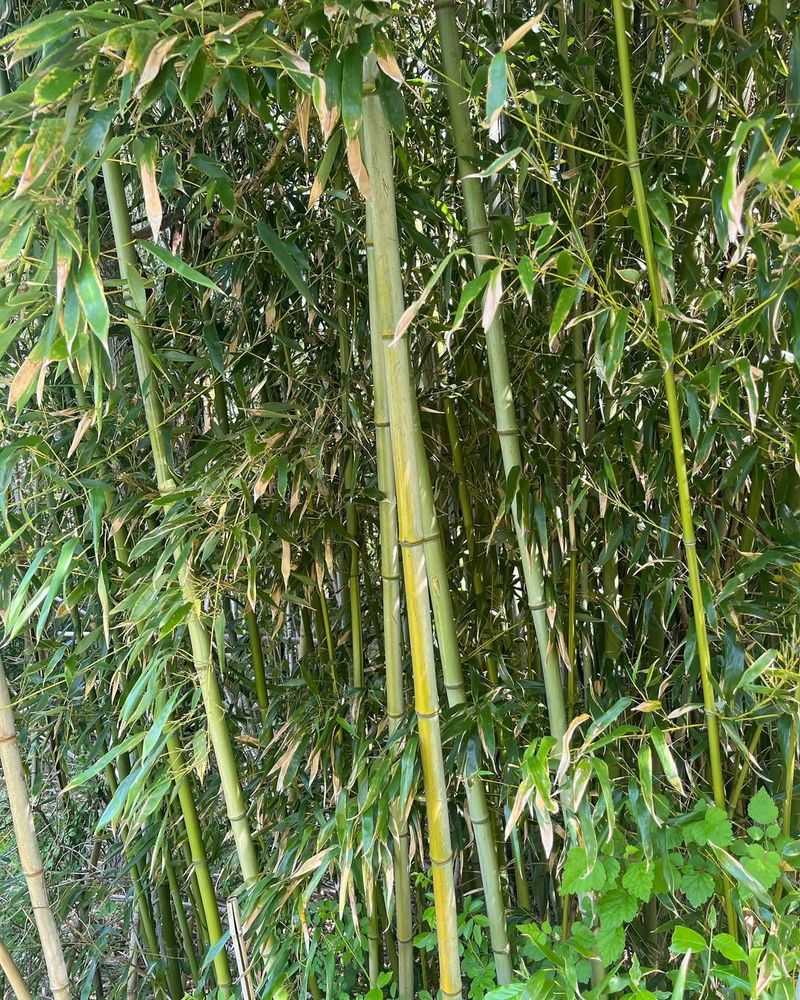
Running bamboo spreads through underground rhizomes that travel surprising distances, often invading neighboring properties and causing serious disputes.
Maryland homeowners learn too late that containing this plant requires constant vigilance and expensive barrier systems installed properly.
Garden centers sometimes sell running varieties without explaining the difference between clumping and spreading types to unsuspecting customers.
Once established, bamboo rhizomes can penetrate building foundations, driveways, and underground utilities, creating costly repair bills for property owners.
Removing unwanted bamboo requires excavating rhizomes several feet deep and monitoring the area for years to catch regrowth.
Chemical treatments help but rarely eliminate established stands completely, leaving frustrated homeowners fighting persistent shoots every growing season.
Maryland regulations increasingly restrict planting running bamboo near property lines to protect neighbors from unwanted invasions and legal conflicts.
Clumping bamboo varieties offer similar aesthetic appeal without the aggressive spreading behavior that makes running types so problematic.
Local ordinances may hold property owners financially responsible for bamboo damage occurring on adjacent lands, adding legal risks to environmental concerns.
5. Callery Pear (Bradford Pear)
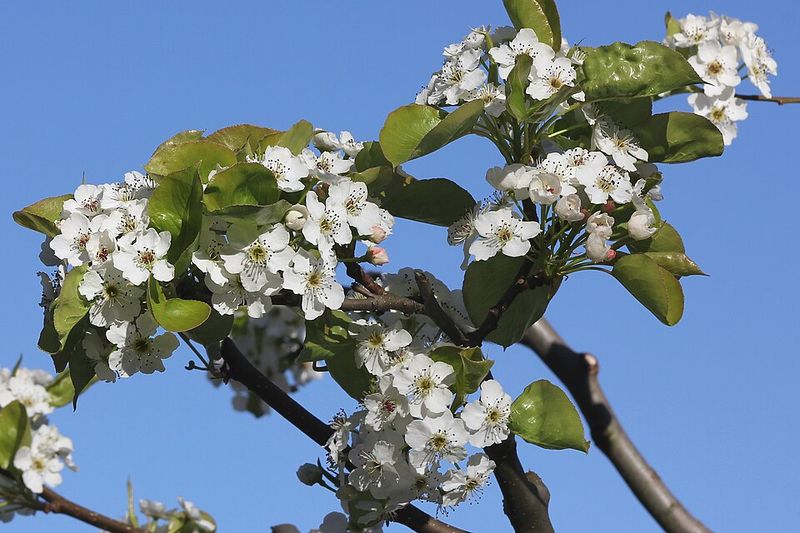
Bradford Pear trees once lined streets across Maryland because landscapers loved their spectacular spring flowers and fast growth rates.
Decades later, these trees reveal serious problems including weak branch structure that splits apart during storms and ice events.
Escaped trees now invade natural areas, forming dense thickets that crowd out native vegetation important to local wildlife populations.
Cross-pollination between different Callery Pear cultivars produces thorny offspring that spread aggressively through seeds dispersed by birds eating fruits.
Maryland forestry experts document increasing problems in woodlands where these invasive pears create impenetrable barriers to forest regeneration.
The trees also produce flowers with unpleasant odors that many people find offensive during peak blooming periods each spring.
Replacement programs across the state help homeowners remove Bradford Pears and plant better alternatives like native serviceberry or dogwood.
These native options provide similar ornamental value while supporting beneficial insects, birds, and other wildlife that depend on native plants.
Forward-thinking communities now prohibit planting Callery Pears in new developments, protecting future generations from ongoing management problems.
6. Japanese Knotweed
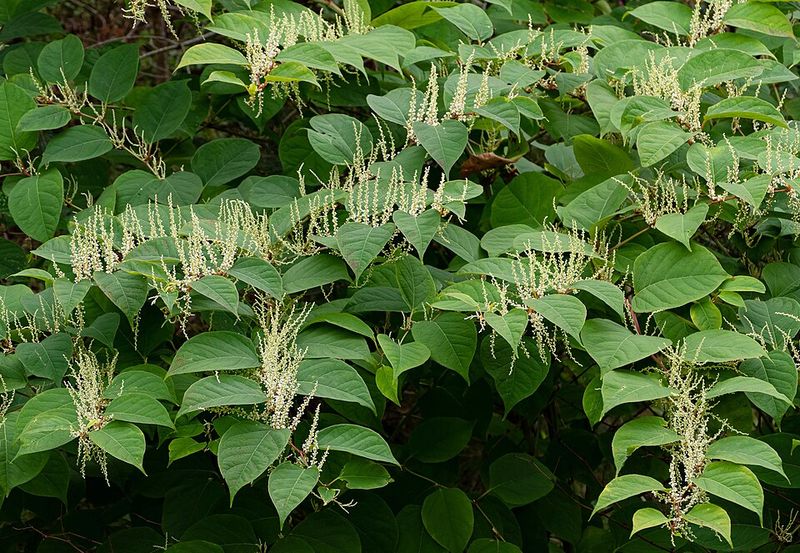
Japanese Knotweed ranks among the most difficult invasive plants to control once it establishes roots in Maryland landscapes.
This perennial sends rhizomes deep underground, where they survive harsh winters and herbicide treatments that eliminate most other plants.
Stream banks erode more rapidly where knotweed replaces native vegetation because its shallow root system fails to stabilize soil.
Property values decrease when knotweed infestations become severe enough to interfere with land use or threaten building foundations nearby.
Mortgage companies in some regions refuse loans on properties with documented knotweed problems due to potential structural damage risks.
Maryland law may require sellers to disclose knotweed presence, adding legal complications to real estate transactions involving infested properties.
Professional removal costs thousands of dollars and requires multiple years of treatment to achieve acceptable control levels on properties.
Improper disposal of plant fragments spreads infestations to new locations since tiny root pieces regenerate into full plants.
Native alternatives like cardinal flower or Joe-Pye weed provide similar height and visual interest without the catastrophic problems knotweed creates.
7. Mile-A-Minute Vine
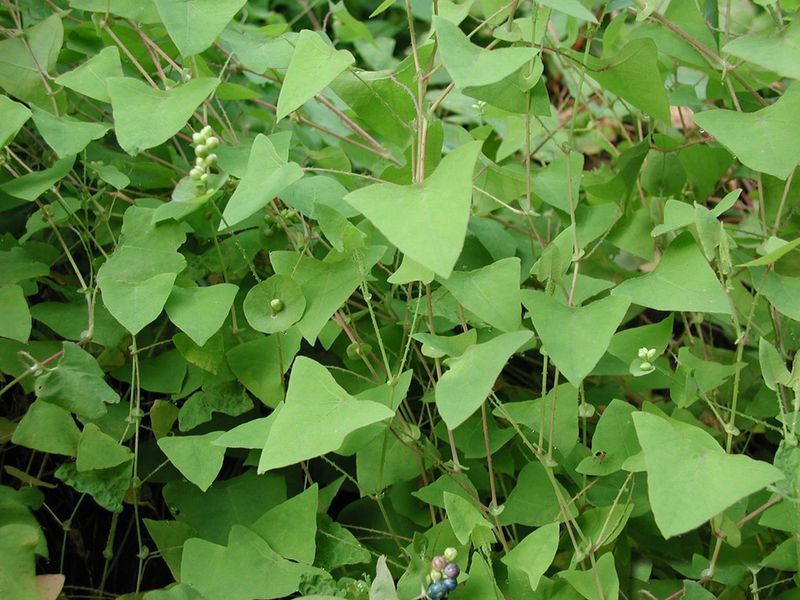
Mile-A-Minute Vine grows so rapidly it can cover entire shrubs and small trees within a single growing season.
Sharp recurved thorns covering stems make removal painful and difficult, requiring protective gloves and clothing for safe handling.
Maryland forests suffer when this vine smothers native saplings trying to regenerate after disturbances like logging or storm damage.
The plant spreads through seeds that remain viable in soil for six years, creating persistent problems requiring long-term management.
Birds eating the distinctive blue fruits distribute seeds across landscapes, establishing new infestations far from original planting sites.
Biological control using specialized weevils shows promise in Maryland, offering hope for more sustainable long-term management of this pest.
Early detection and rapid response prove most effective since small infestations can be eliminated before they produce seeds.
Property owners should inspect edges of woodlands, fence lines, and disturbed areas where mile-a-minute typically establishes first.
Reporting sightings to agricultural extension offices helps coordinate regional control efforts that benefit entire communities and protect valuable natural areas.
8. Purple Loosestrife
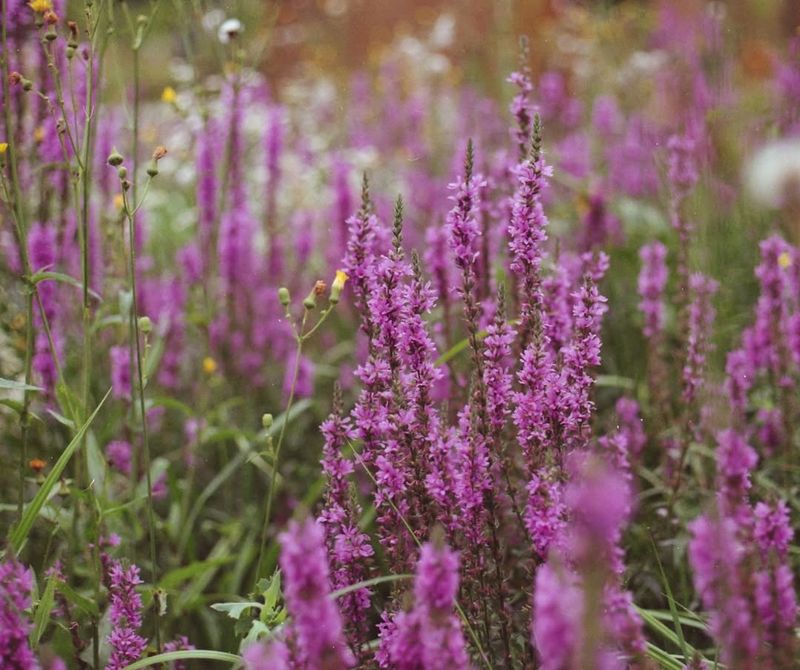
Purple Loosestrife transforms wetlands into biological deserts where few native species can survive or find suitable habitat conditions.
Maryland wetlands provide critical services including flood control, water filtration, and wildlife habitat that loosestrife invasions seriously compromise.
Each mature plant produces millions of tiny seeds that spread through water, mud, and wildlife, colonizing new wetlands rapidly.
Dense stands crowd out native cattails, sedges, and rushes that waterfowl, amphibians, and aquatic insects need for survival.
Gardeners attracted to the showy purple flowers often plant loosestrife without understanding its devastating impacts on natural wetland ecosystems.
Sterile cultivars marketed as safe alternatives sometimes revert to fertile forms or cross-pollinate with wild populations nearby.
Maryland prohibits selling or planting purple loosestrife to protect remaining healthy wetlands from further degradation and species loss.
Biological control programs using specialized beetles help manage existing infestations, though complete eradication remains difficult in established populations.
Native alternatives like swamp milkweed or cardinal flower offer similar beauty while supporting beneficial insects and maintaining wetland ecosystem functions.
9. Yellow Flag Iris
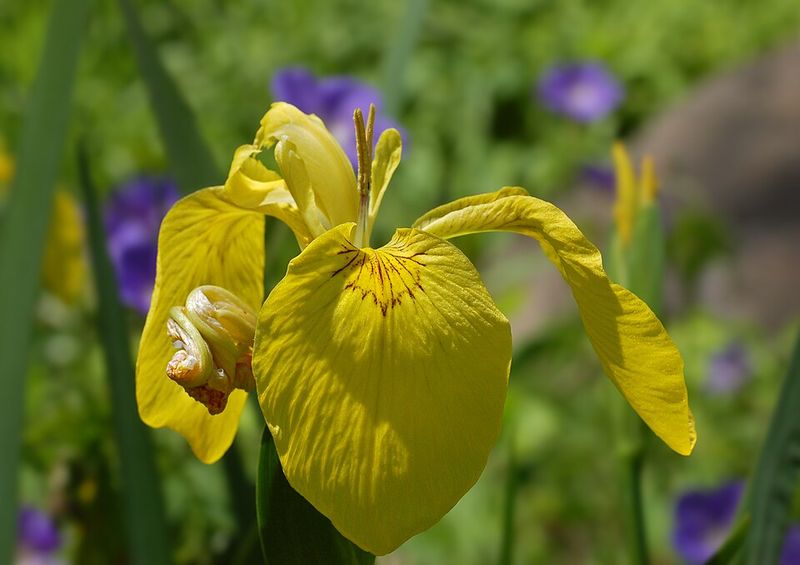
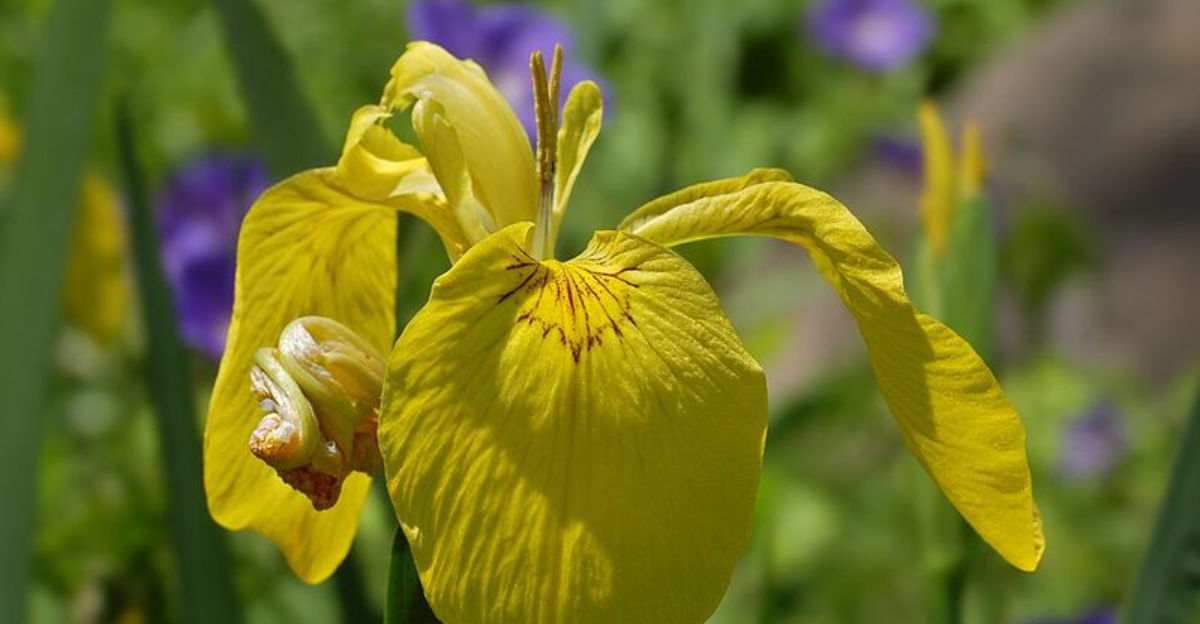
Yellow Flag Iris escapes from water gardens into natural wetlands where it outcompetes native iris species and other wetland plants.
Maryland streams and pond edges become choked with dense stands that alter water flow patterns and reduce habitat quality.
The plant contains toxins that make it unpalatable to most wildlife, reducing food resources available to native species populations.
Thick rhizome mats trap sediment and change wetland hydrology in ways that favor continued iris dominance over native vegetation.
Removing established populations proves extremely difficult because any rhizome fragments left behind quickly regenerate into new plants spreading further.
Hand-pulling requires complete removal of underground parts, making large infestations nearly impossible to control without chemical treatments.
Maryland gardeners seeking water garden plants should choose native blue flag iris, which provides similar ornamental value without invasive tendencies.
Responsible plant disposal matters too since dumping unwanted water garden plants into natural areas causes new infestations downstream.
Education programs help homeowners understand connections between their landscaping choices and environmental health of local waterways and wetland ecosystems.
10. Porcelain Berry
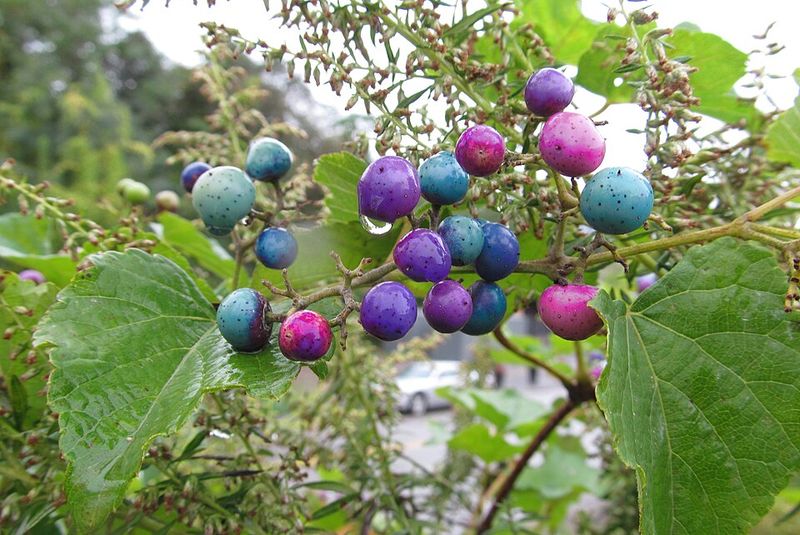
Porcelain Berry attracts gardeners with stunning multicolored fruits that progress from white through turquoise to deep purple shades.
Maryland forests pay the price when birds spread seeds into natural areas where vines smother native plants completely.
Fast-growing vines climb high into tree canopies, blocking sunlight needed by leaves below for photosynthesis and energy production.
The weight of dense vine masses can break branches or topple entire trees during storms and heavy winds.
Native grape vines face direct competition from porcelain berry, which grows more aggressively and produces more attractive fruits for birds.
Wildlife depending on native grapes for food suffer when porcelain berry replaces these important native species in forests.
Controlling established infestations requires cutting vines and treating stumps with appropriate herbicides to prevent vigorous regrowth from roots.
Maryland encourages planting native alternatives like Virginia creeper or trumpet vine, which support local ecosystems rather than harming them.
Garden centers increasingly stock native options, making responsible choices easier for homeowners wanting beautiful landscapes that benefit environmental health.
11. Butterfly Bush
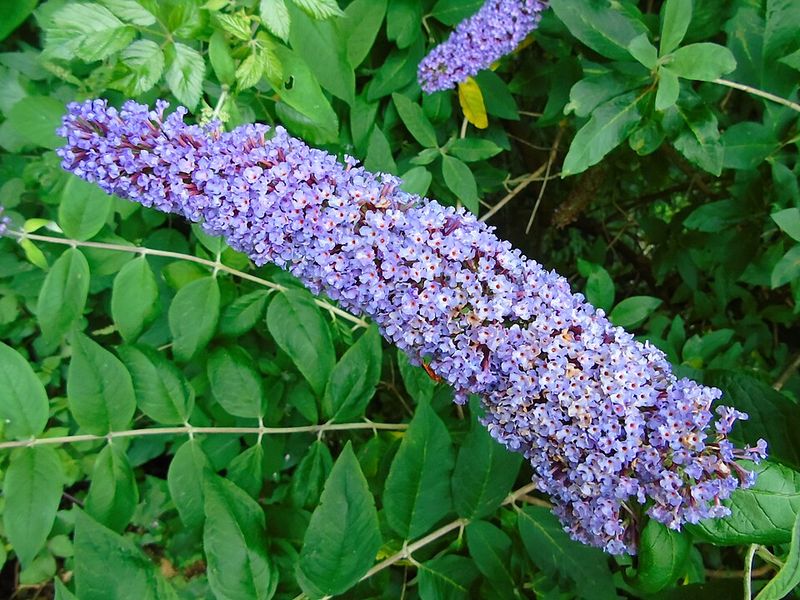
Butterfly Bush seems beneficial because adult butterflies visit flowers frequently for nectar during summer blooming periods throughout Maryland.
Deeper examination reveals problems since this non-native shrub fails to support caterpillars, which need native host plants for survival.
Adult butterflies visiting butterfly bush waste time and energy on plants that provide calories but no breeding habitat whatsoever.
Maryland conservationists worry that widespread planting misleads gardeners into thinking they help butterflies while actually offering little value.
Seeds spread from gardens into natural areas where butterfly bush colonizes stream banks, forest edges, and disturbed sites.
Dense thickets crowd out native shrubs like buttonbush and elderberry that truly support complete butterfly life cycles and lifecycles.
Sterile cultivars reduce but do not eliminate seed production, and many still produce viable seeds under certain conditions.
Native alternatives like Joe-Pye weed, mountain mint, and milkweed species provide superior butterfly habitat while supporting entire ecosystems.
Maryland gardeners wanting to truly help pollinators should choose native plants that feed caterpillars and adult insects throughout their lives.
12. Wisteria (Chinese & Japanese Varieties)
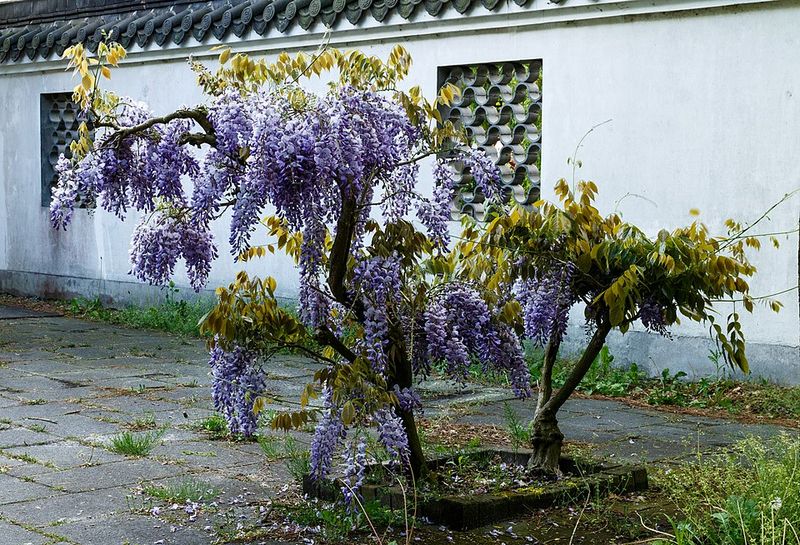
Chinese and Japanese Wisteria create spectacular spring flower displays that make them popular choices for arbors and pergolas statewide.
Maryland forests suffer when escaped vines strangle native trees by wrapping tightly around trunks and cutting off nutrient flow.
Mature wisteria vines develop tremendous strength capable of crushing wooden structures, breaking gutters, and damaging building exteriors over time.
Aggressive root systems spread underground, sending up new shoots that appear unexpectedly throughout yards and neighboring properties alike.
Native American Wisteria offers similar beauty with less aggressive growth habits, making it a far better choice for landscapes.
Asian wisteria species bloom before leaves emerge, while native types bloom after leafing out, providing an identification clue.
Removing established Asian wisteria requires cutting vines and treating stumps repeatedly over several years to exhaust root reserves.
Seeds remain viable in soil for extended periods, requiring monitoring to catch seedlings before they establish strong roots.
Maryland gardeners can enjoy wisteria beauty responsibly by selecting native varieties that enhance rather than threaten local environmental health and biodiversity.