Why Chickadees Keep Returning To Ohio Feeders This December
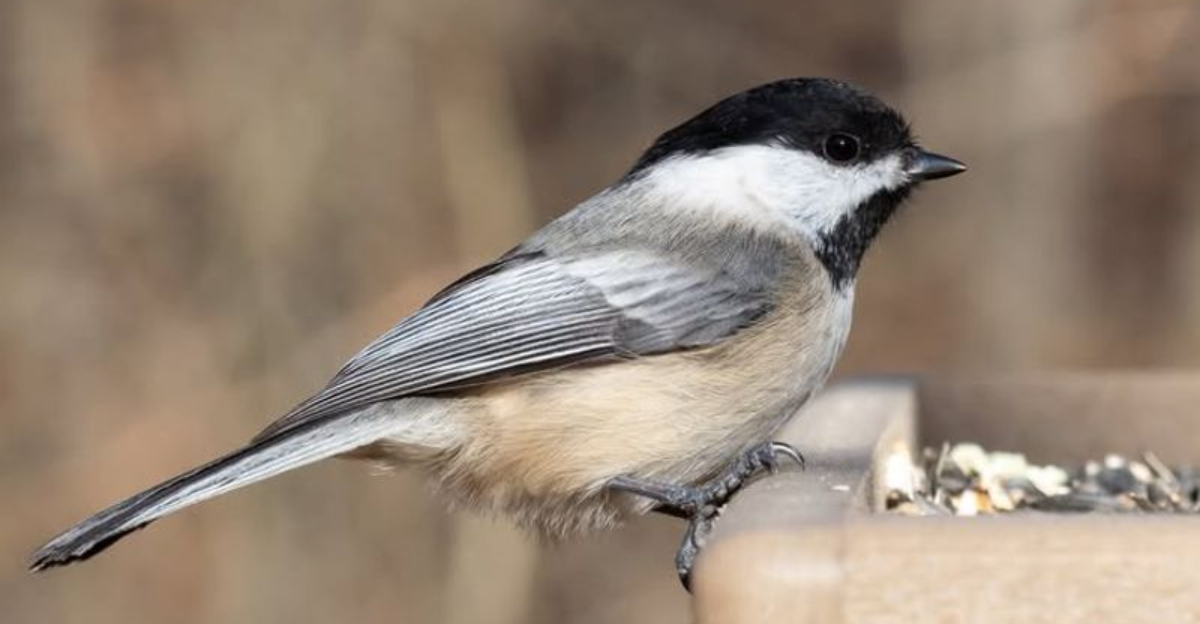
Ohio feeders are getting plenty of repeat visitors this December, and chickadees seem to lead the charge.
These small birds may look delicate, but they are tough, curious, and always on the move.
When winter tightens its grip, chickadees stick close to places that offer steady food and a sense of safety.
A reliable feeder quickly becomes their go-to stop.
Cold temperatures force chickadees to burn energy fast just to stay warm.
Searching far and wide for food wastes precious calories, so they return again and again to feeders they trust.
They remember good locations, share them with others, and build daily routines around dependable meals.
In many Ohio yards, this turns a single feeder into a busy winter hub.
Snow cover and frozen ground also limit natural food sources.
Seeds, insects, and berries disappear, pushing chickadees to rely on backyard help.
Their quick visits, bold behavior, and constant chatter show just how important these feeders become.
For homeowners, their loyalty offers a front-row seat to winter wildlife and a reminder that even the smallest creatures know the value of a good thing when they find it.
1. High-Energy Foods Help Them Survive Cold Nights
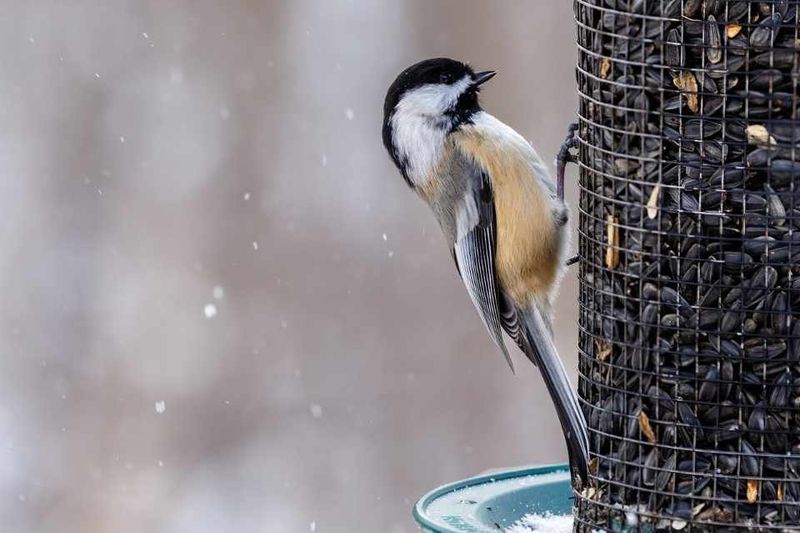
Chickadees burn through calories incredibly fast during December’s freezing temperatures in Ohio.
Their tiny bodies work overtime to stay warm, requiring them to eat almost constantly throughout daylight hours.
A single chickadee can visit a feeder dozens of times each day, grabbing one seed before flying off to crack it open on a nearby branch.
Black oil sunflower seeds rank as their absolute favorite because these seeds pack maximum fat and protein into every bite.
The high oil content gives chickadees the energy boost they desperately need to make it through long, cold nights when temperatures can drop well below freezing.
Suet cakes also attract them because the fat content helps build up their reserves.
Ohio winters demand that these birds consume nearly 60 percent of their body weight in food daily just to maintain their energy levels.
Without reliable food sources like backyard feeders, survival becomes much harder.
Chickadees remember which feeders consistently offer quality food, creating mental maps of dependable locations throughout their territory.
Offering nyjer seeds, peanuts, and mealworms alongside sunflower seeds creates variety that keeps them interested.
Fresh food matters too, since chickadees can tell the difference between stale and fresh offerings.
Keeping feeders stocked during December directly impacts whether these charming birds can successfully weather Ohio’s harshest season, making your backyard an essential stop on their daily survival route.
2. They Cache Food For Later Use
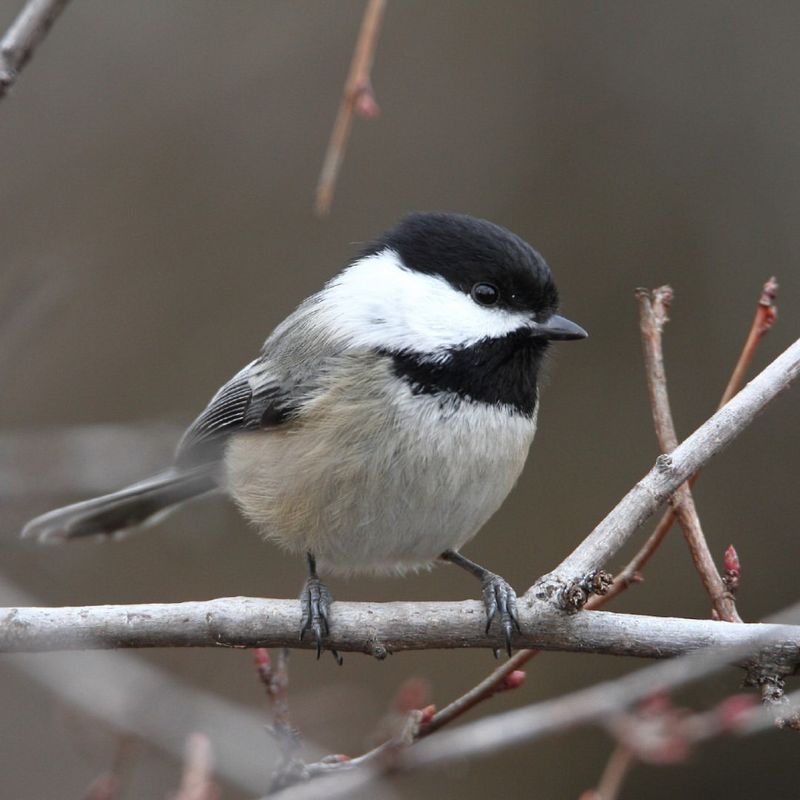
Watch carefully and you’ll notice something fascinating about chickadee behavior at Ohio feeders this December.
Many birds grab a seed and eat it right away, but chickadees often take one and immediately fly to a hiding spot.
This caching behavior represents a survival strategy that helps them prepare for unpredictable weather and food shortages.
Each chickadee can hide hundreds of seeds throughout a single day, tucking them into tree bark, under leaves, or behind loose shingles on houses.
Your Ohio Garden Changes Every Week. Your Plan Should Too.
Gardening in Ohio changes quickly throughout the season. Every Friday you’ll receive a simple weekly plan showing exactly what to plant, prune, fertilize, harvest, and protect so you never miss the right timing.
Their remarkable memory allows them to recall thousands of hiding places, returning later when they need an extra meal.
Scientists have discovered that the part of their brain responsible for spatial memory actually grows larger during winter months to accommodate all this information.
Ohio’s December weather can change quickly, with sudden snowstorms or ice making food harder to find.
Having cached supplies scattered throughout their territory means chickadees always have backup options when natural food becomes scarce.
Your feeder serves as the primary source for building these emergency stores.
The more reliable your feeder proves to be, the more likely chickadees will choose your yard as a caching location.
They prefer areas where they’ve successfully found food before, creating a cycle of repeated visits.
Some homeowners report seeing the same individual chickadees return year after year, suggesting these birds develop long-term relationships with dependable feeding stations across Ohio neighborhoods.
3. Feeders Offer Consistent Food Sources When Natural Options Disappear
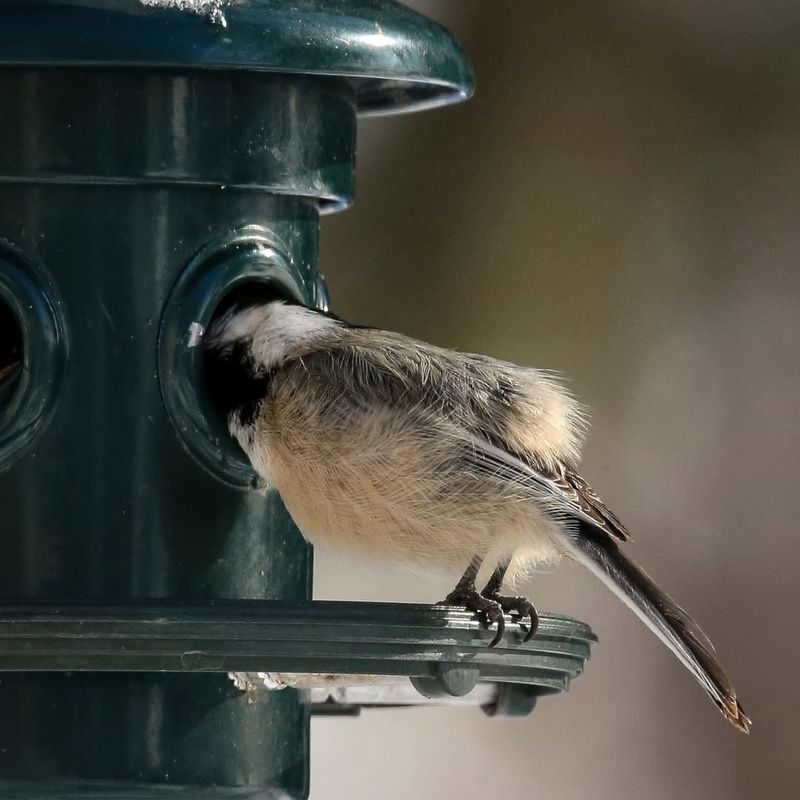
Natural food sources become incredibly scarce across Ohio once December arrives and winter truly sets in.
Insects hide away or become dormant, seeds from wildflowers get buried under snow, and berries have long since been eaten by migrating birds passing through earlier in autumn.
Chickadees face a landscape that looks dramatically different from the abundant buffet available just months before.
Tree bark still harbors some insect eggs and larvae, but finding them requires significant effort and energy expenditure.
Chickadees must carefully inspect every crack and crevice, often in freezing temperatures with limited daylight hours available for foraging.
The calories burned during this search sometimes exceed what they gain from the food they find.
Backyard feeders eliminate this uncertainty by providing concentrated, easily accessible nutrition in one predictable location.
Instead of spending hours searching through frozen vegetation, chickadees can quickly grab what they need and return to sheltered spots to conserve energy.
This efficiency becomes crucial for survival during Ohio’s coldest stretches.
Communities across Ohio that maintain active feeding stations throughout December create safety nets for local chickadee populations.
These birds quickly learn which neighborhoods offer reliable resources, spreading the word through their social networks.
When one chickadee discovers a well-stocked feeder, others soon follow, explaining why you might suddenly see multiple chickadees visiting together throughout the day.
4. Social Behavior Brings Them Back To Familiar Locations
Chickadees live in tight-knit social groups during winter months, forming flocks that typically include six to twelve individuals.
These flocks establish territories that they defend against other chickadee groups, and your Ohio feeder might sit right in the middle of one flock’s claimed area.
Once a flock adopts a feeding station, they incorporate it into their regular daily circuit.
Flock members communicate constantly through their distinctive chickadee-dee-dee calls, sharing information about food sources and potential dangers.
When one bird discovers your well-stocked feeder, it alerts the others, who then remember the location for future visits.
This social learning means that maintaining a good feeder benefits multiple birds simultaneously.
Dominance hierarchies exist within these flocks, with some birds having priority access to food.
You might notice certain chickadees feeding first while others wait nearby.
Despite this pecking order, the group stays together because cooperation improves everyone’s survival chances.
They watch for predators while others feed, creating a security system that benefits all members.
Ohio feeders that consistently offer food become important social gathering points where flock members can meet, feed, and reinforce their group bonds.
Young chickadees learn which feeders to trust by following experienced adults, creating generational knowledge that gets passed down.
This explains why some Ohio homes attract chickadees year after year, even as individual birds age and new ones join the flock.
5. Protection From Predators Near Human Structures
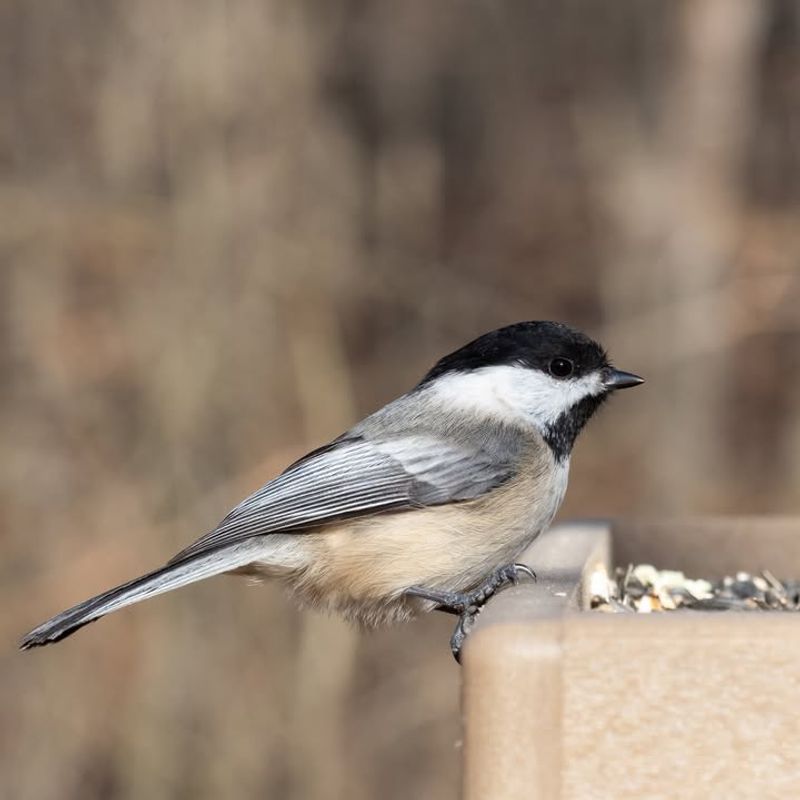
Something interesting happens when chickadees feed near human homes in Ohio during December.
Hawks and other predators tend to avoid areas with regular human activity, making backyards safer than remote forest locations.
Chickadees recognize this protection and actively seek out feeders positioned near houses, garages, or other structures where people frequently pass by.
Sharp-shinned hawks and Cooper’s hawks both hunt small birds during winter, and chickadees make tempting targets because of their size.
However, these predators prefer hunting in areas where they can approach unseen and escape quickly.
Residential yards with human activity create enough disturbance to discourage extended hunting attempts.
Placing feeders within ten to fifteen feet of windows or walls gives chickadees quick escape routes when danger appears.
They can dart into nearby shrubs or fly under deck railings, using the structure of human spaces to their advantage.
Many Ohio homeowners notice chickadees seem bolder and more relaxed at feeders close to their homes compared to those positioned in open areas.
Dense evergreen shrubs planted near feeding stations provide additional cover where chickadees can pause and scan for threats before approaching.
These birds have learned that suburban and urban environments in Ohio offer unique safety advantages during winter months.
Your presence actually helps protect them, and they’ve adapted their behavior to take advantage of this unexpected benefit, making them more likely to return repeatedly throughout December.
6. Water Sources Remain Available At Maintained Feeders
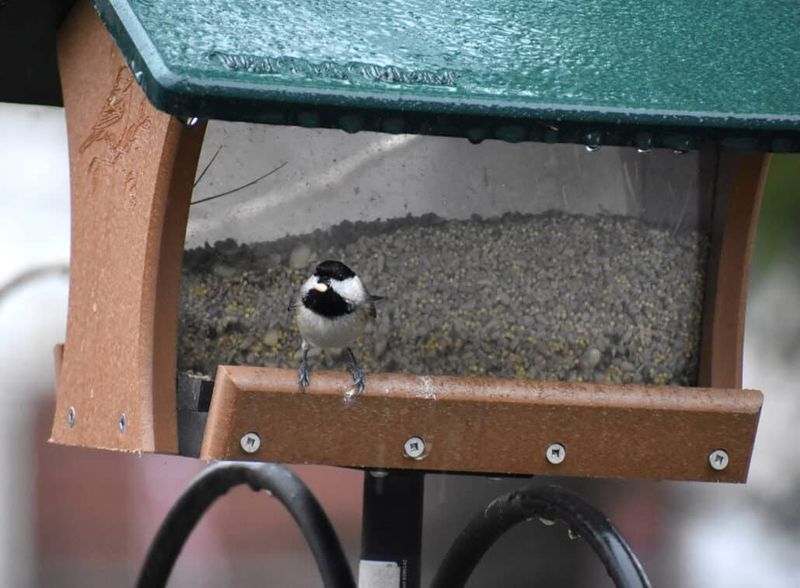
Finding liquid water poses a serious challenge for Ohio birds once December temperatures regularly dip below freezing.
Streams and ponds develop ice layers, and snow requires precious energy to melt internally before it can hydrate a bird’s system.
Chickadees need water daily for drinking and maintaining their feather condition, making unfrozen water sources almost as important as food.
Homeowners who provide heated bird baths or regularly refresh water dishes create oases that chickadees desperately need.
These birds remember exactly where they can reliably find liquid water during frozen months, returning multiple times daily for quick drinks.
A chickadee will often grab a seed from your feeder, then immediately visit a nearby water source before flying off.
Proper feather maintenance depends on regular bathing, even in winter.
Clean, well-aligned feathers provide better insulation than dirty or damaged ones, directly impacting a bird’s ability to stay warm.
Chickadees will briefly bathe even in cold weather if they find accessible water, quickly preening afterward to restore their feathers’ insulating properties.
Ohio neighborhoods that maintain both feeders and water sources throughout December become prime chickadee habitat.
These birds establish routines that include stops at both resources, often visiting in the same sequence each day.
Your efforts to keep water available make your property significantly more attractive than locations offering food alone, increasing the likelihood that chickadees will choose your yard as a regular stop on their winter survival circuit.
7. Shelter And Roosting Spots Nearby
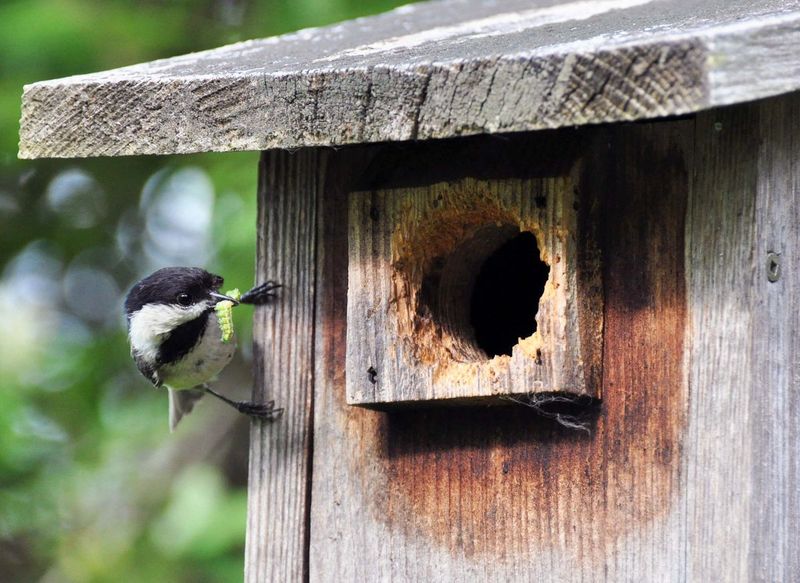
Nighttime survival represents one of the biggest challenges chickadees face during Ohio’s December cold snaps.
Temperatures can plummet dramatically after sunset, and these tiny birds must find protected spots where they can conserve body heat through the long darkness.
Properties that offer both food and nearby shelter become premium real estate in the chickadee world.
Dense evergreen trees and shrubs provide essential roosting cover that blocks wind and retains slightly warmer air.
Chickadees seek out cavities in dead trees, old woodpecker holes, or even specially designed roosting boxes where they can tuck themselves away.
Some will hudble together in small groups, sharing body heat to improve everyone’s chances of surviving until dawn.
Yards with mature trees, brush piles, and varied vegetation offer multiple shelter options that chickadees need.
They prefer feeding locations within easy flight distance of these safe spots, allowing them to quickly retreat when weather worsens or evening approaches.
A well-stocked feeder loses much of its appeal if no suitable roosting sites exist nearby.
Many Ohio bird enthusiasts enhance their properties by leaving some dead tree limbs standing, installing roosting boxes, and planting native evergreens.
These improvements transform ordinary yards into complete chickadee habitat that supports them through December’s harshest conditions.
When chickadees find a location that meets all their needs, they establish it as part of their core territory, ensuring regular visits throughout winter and often returning for years to come.
8. They Recognize And Trust Reliable Feeding Schedules
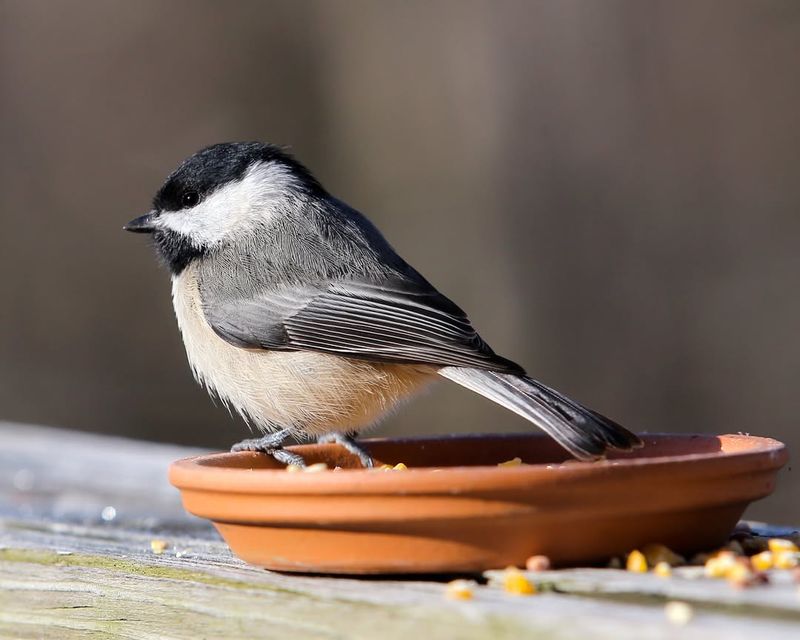
Chickadees possess impressive cognitive abilities that allow them to track patterns and remember schedules with remarkable accuracy.
Ohio residents who refill their feeders at consistent times often notice chickadees waiting nearby, anticipating the fresh food delivery.
This learned behavior demonstrates how these birds monitor human routines and adjust their own schedules accordingly.
Research shows chickadees can recognize individual human faces and associate specific people with food provision.
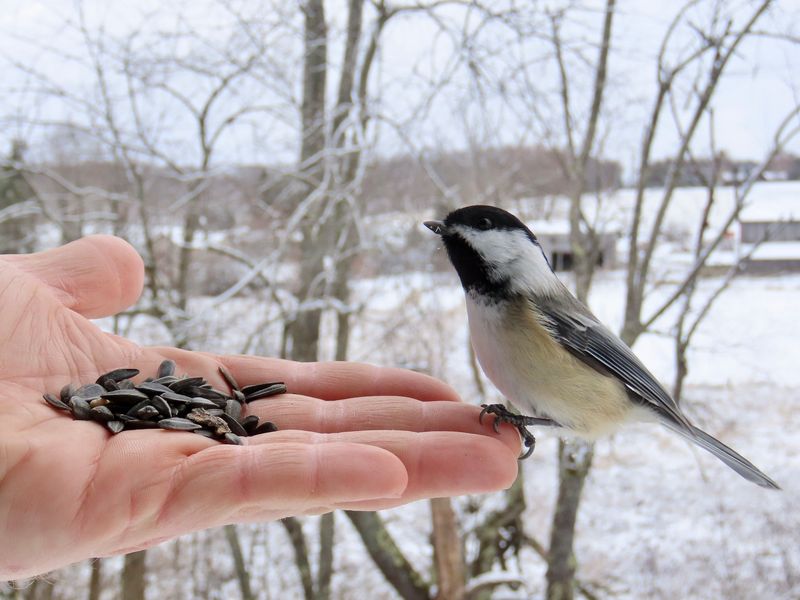
They become comfortable around those who regularly maintain feeders, sometimes approaching within a few feet or even landing on an outstretched hand offering seeds.
This trust develops over time but creates strong bonds between birds and the people who feed them.
Inconsistent feeding schedules create uncertainty that makes chickadees less likely to rely heavily on a particular feeder.
They need to maximize efficiency during short December days, so they prioritize locations where food appears predictably.
Missing several days of refills can cause them to shift their attention to more dependable neighbors.
Ohio chickadees that find truly reliable feeders will visit them first thing each morning, knowing they can quickly fuel up for the day ahead.
Some people report their chickadees arriving within minutes of stepping outside to refill empty feeders, suggesting these birds actively watch and wait.
Building this kind of relationship requires commitment, but the reward comes in watching these delightful birds return day after day throughout December, their trust in you growing stronger with each visit.