Invasive Virginia Plants That Are Easier To Remove In Winter
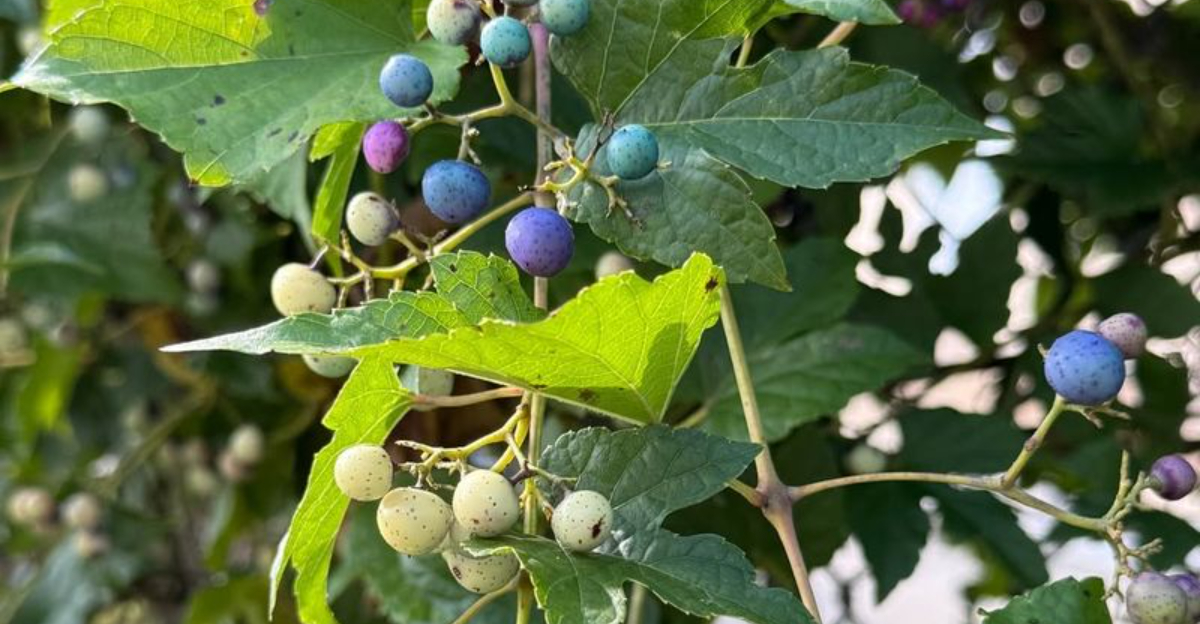
Winter is the best time to tackle invasive plants in Virginia.
Many invasive species are easier to remove in winter because native plants are dormant and invasive vines or shrubs are easier to spot.
Leaf drop reveals growth patterns, while cooler temperatures reduce regrowth.
Soil is often softer, making digging easier and reducing disturbance to surrounding plants.
Removing invasives before spring growth helps prevent seed spread and gives native plants a stronger start when warmer weather returns.
English Ivy

Those thick, woody vines climbing up your trees become surprisingly visible once native leaves drop in autumn.
English ivy maintains some foliage year-round, but winter’s bare landscape exposes the full extent of its invasion like never before.
You can trace vines from ground level all the way up tree trunks without dense undergrowth blocking your view.
Cutting becomes far more straightforward when you can see exactly where each vine originates and travels.
The reduced sap flow in winter means less mess and cleaner cuts when you sever the main stems near ground level.
Roots lose their firm grip in cold, sometimes frozen soil, making manual pulling more successful than during growing season.
Winter removal prevents the spring growth surge that would otherwise repair your cutting efforts within weeks.
You’ll also avoid disturbing nesting birds and active wildlife that depend on dense vegetation during warmer months.
The cooler temperatures make physical labor more comfortable, allowing you to work longer without overheating.
Mark treated areas with bright tape so you can monitor regrowth when spring arrives.
Persistent follow-up in subsequent winters will eventually exhaust the root system and stop this aggressive climber for good.
Japanese Honeysuckle
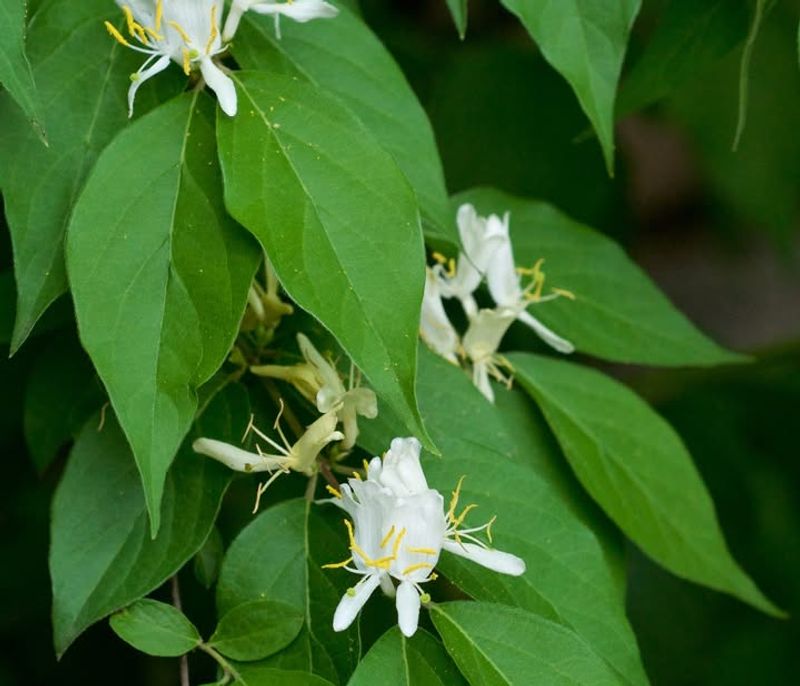
Bright green leaves stand out like beacons against winter’s brown and gray backdrop, making Japanese honeysuckle infestations impossible to miss.
This semi-evergreen invader keeps much of its foliage through cold months, advertising its location to anyone ready to take action.
Walking through woodlands in January reveals tangled masses of this vine exactly where you need to focus removal efforts.
The contrast between honeysuckle’s persistent leaves and dormant native plants creates a natural map of invasion.
You can follow the green trails to identify root zones and plan your attack strategy without guessing which vines belong where.
Cold weather slows the plant’s defensive regrowth response, giving you weeks to work before it bounces back.
Cutting vines at ground level during winter interrupts the root system’s energy storage just when reserves are lowest.
Pulling becomes easier because frozen ground loosens the soil structure around shallow root networks.
You’ll protect native spring wildflowers by removing this aggressive competitor before their growing season begins.
Bag and dispose of cut vines properly since fragments can root in compost piles and spread the problem.
Check your work areas monthly through late winter, removing any new shoots that appear from remaining root fragments.
Kudzu
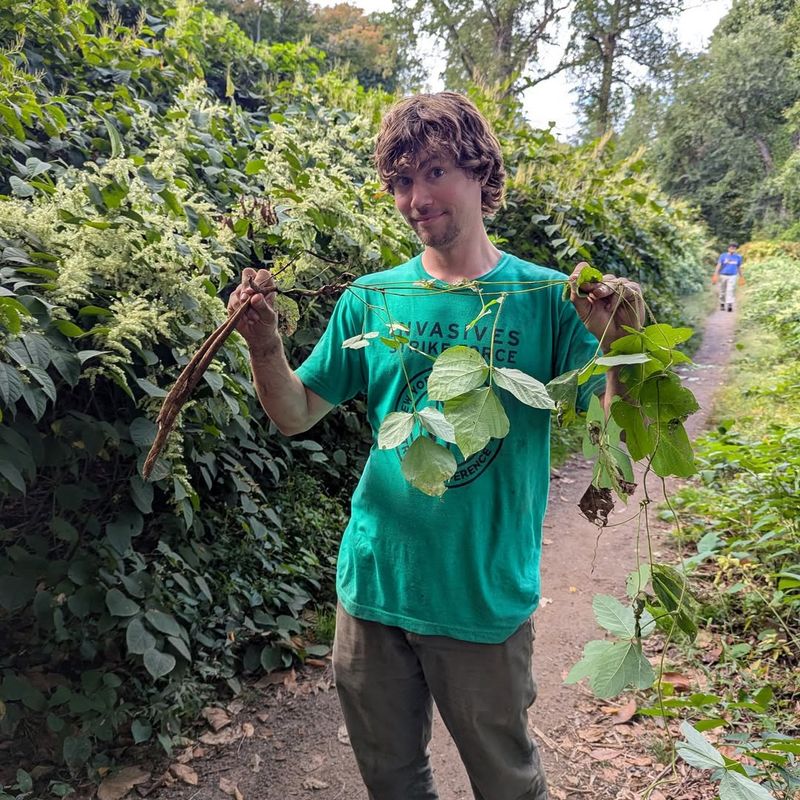
Massive tangles of dormant brown vines lose their intimidating summer appearance when cold weather strips away the legendary leaf coverage.
Your Virginia Garden Changes Every Week. Your Plan Should Too.
Gardening in Virginia changes quickly throughout the season. Every Friday you’ll receive a simple weekly plan showing exactly what to plant, prune, fertilize, harvest, and protect so you never miss the right timing.
Kudzu’s reputation for growing a foot per day becomes irrelevant in winter when freezing temperatures halt all that aggressive expansion.
What looked like an impenetrable jungle in July transforms into manageable, brittle stems you can cut and bundle for disposal.
Dormancy means the plant isn’t actively defending itself by producing new growth to replace what you remove.
Root systems retreat energy downward for winter survival, leaving above-ground portions vulnerable to your removal efforts.
The lack of rapid regrowth gives you time to dig out crown areas without fighting constant new shoots.
Winter cutting prevents the spring flowering and potential seed production that would spread infestations further.
Frozen or cold soil makes digging around root crowns less muddy and more precise than summer excavation attempts.
You can clearly see which vines connect to which root systems without dense leaf cover obscuring the relationships.
Focus on removing the woody crown just below soil level for maximum impact against future regrowth.
Repeated winter cutting over several years will eventually exhaust even kudzu’s impressive energy reserves and reclaim your landscape.
Wintercreeper (Euonymus Fortunei)
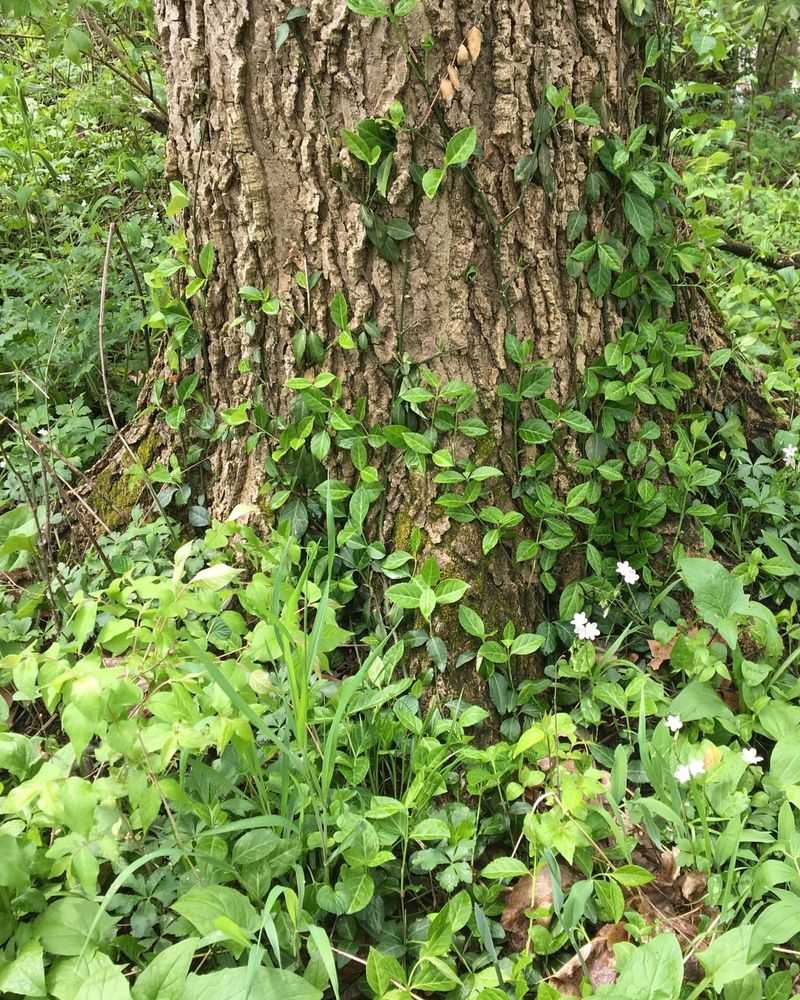
Glossy evergreen leaves make wintercreeper incredibly easy to spot when everything else has dropped foliage for the season.
This ground-hugging invader carpets forest floors and climbs trees with distinctive variegated or solid green leaves that shine in winter sun.
Unlike deciduous natives resting underground, wintercreeper advertises its presence throughout the coldest months.
Removal during winter protects dormant native plants from the collateral damage that often occurs during growing season work.
You can pull and dig without worrying about crushing emerging spring wildflowers or disturbing active root systems of desirable plants.
The evergreen nature means you’re removing active photosynthetic tissue, immediately impacting the plant’s energy production.
Cold soil conditions make root extraction cleaner and more complete than when warm weather encourages roots to break and resprout.
Winter work prevents the spring berry production that birds spread throughout your property and neighboring natural areas.
You’ll enjoy comfortable working temperatures while tackling this labor-intensive removal project over multiple sessions.
Dispose of all plant material in trash bags rather than compost since stem fragments readily root in moist conditions.
Mark cleared areas and revisit them monthly through winter, removing any new growth before it establishes strong roots.
Tree Of Heaven

Smooth gray bark and distinctive branch patterns make Tree of Heaven easy to identify once its large compound leaves drop in late autumn.
Winter cutting prevents the massive sap flow that occurs in spring, reducing the mess and making herbicide application more effective if needed.
Young trees and root suckers become visible across your property when competing vegetation goes dormant for the season.
Cutting before spring stops the production of thousands of wind-dispersed seeds that would spread this invader across entire neighborhoods.
Cold weather slows the aggressive root suckering response that typically follows cutting during the growing season.
You can work safely without attracting the spotted lanternfly, an invasive pest that feeds heavily on this tree during warmer months.
Winter removal gives you time to treat stumps with appropriate herbicide before spring rains dilute applications.
The lack of leaves allows you to see exactly how many stems you’re dealing with and plan systematic removal.
Frozen ground makes digging around root zones easier for small specimens you want to remove entirely.
Always wear gloves since crushed leaves and bark can cause skin irritation even in winter conditions.
Plan for persistent follow-up since root systems send up new shoots for years after initial cutting.
Multiflora Rose
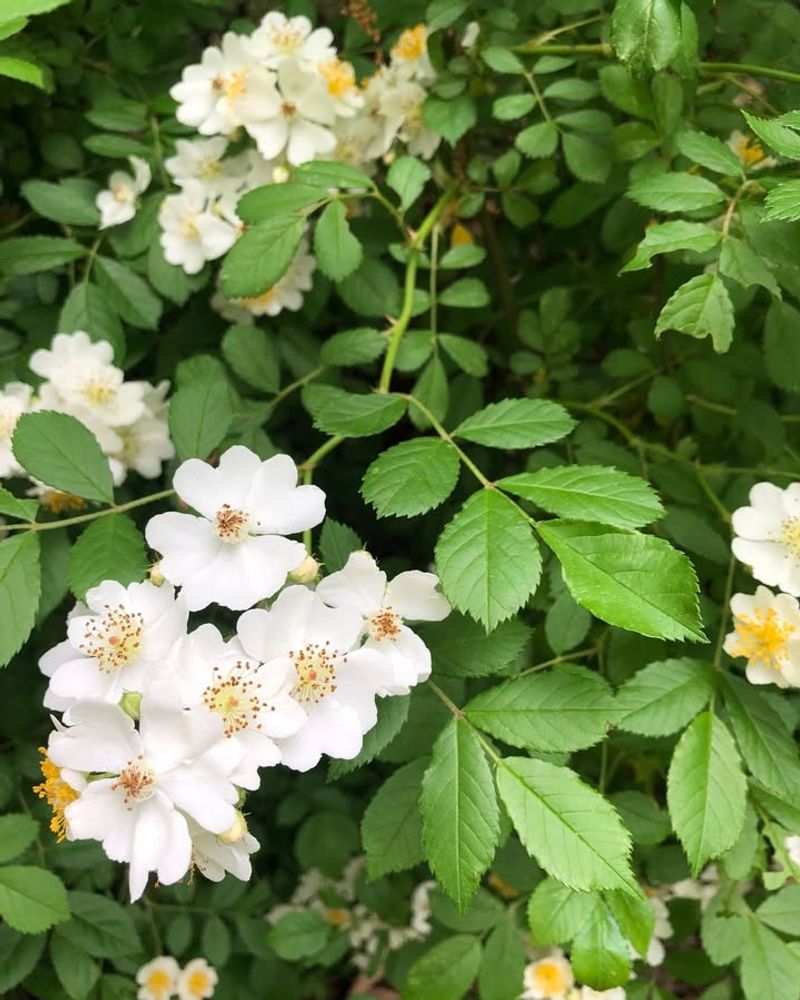
Arching canes covered in thorns become completely visible once leaves drop, revealing the full structure of these aggressive shrubs.
Winter’s bare branches let you see exactly where canes root and how far they’ve spread without getting scratched by hidden thorns.
Cold weather makes protective clothing more comfortable while you tackle this prickly removal challenge with heavy gloves and long sleeves.
Cutting dormant canes prevents the production of thousands of seeds that birds spread throughout Virginia’s landscapes each year.
Frozen or cold soil makes digging around root crowns more manageable than during summer when ground is rock-hard and dry.
You can clearly identify which canes belong to which root system, ensuring complete removal rather than partial cutting.
Winter work protects nesting birds that use these dense thickets during breeding season, avoiding wildlife disturbance entirely.
The lack of leaves makes it easier to see where canes have rooted at tip nodes, allowing you to eliminate new colonies.
Reduced sap flow means cleaner cuts and less plant material sticking to your tools and clothing during removal.
Dispose of cut canes carefully since they can root from stem fragments left on moist ground.
Revisit sites monthly through late winter, removing any new shoots before they develop extensive root systems.
Oriental Bittersweet
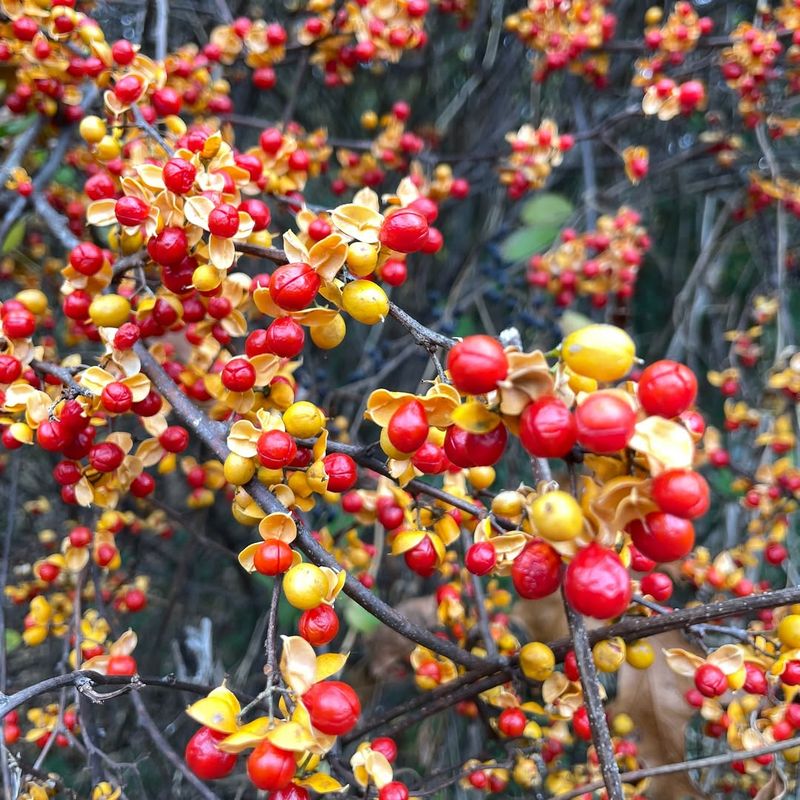
Bright orange and yellow seed capsules persist through winter, making Oriental bittersweet vines easy to spot wrapped around tree trunks and branches.
Leaf drop reveals the true extent of these woody vines that strangle trees and shade out native plants during the growing season.
You can trace individual vines from ground to canopy without foliage blocking your view of their destructive climbing path.
Winter cutting stops the vine before spring growth resumes, preventing further girdling damage to host trees.
Cold weather makes the physical work of pulling vines from tree bark less exhausting than summer removal efforts.
Removing seed-bearing vines before birds consume and spread them prevents new infestations across your property.
The dormant period gives you time to systematically cut and remove vines without rapid regrowth replacing your efforts.
Frozen soil makes digging around root crowns more successful, allowing complete removal of the source.
You can work without disturbing active bird nests or other wildlife that depend on dense vegetation during breeding season.
Cut vines will often cling to trees for months, but they’ll eventually dry and fall away naturally.
Mark treated trees so you can monitor for root sucker regrowth when spring arrives and address new shoots immediately.
Bush Honeysuckle
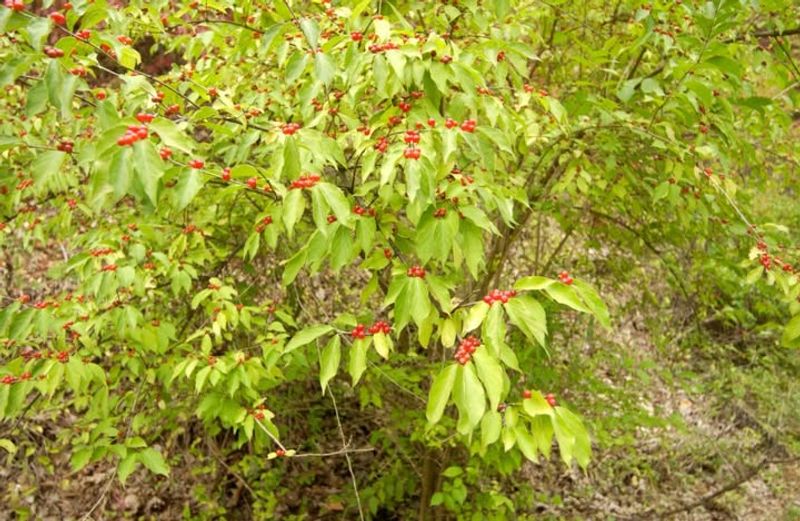
Gray branches with hollow pith centers stand out in winter woodlands where native shrubs display solid stems and different bark patterns.
Bush honeysuckle species leaf out weeks before native shrubs in spring, but winter reveals their locations for removal before that competitive advantage kicks in.
Dormant shrubs show their full size and structure without the dense foliage that makes summer identification and removal more challenging.
Cutting during winter prevents the production of abundant berries that birds spread throughout natural areas and home landscapes.
Cold weather makes the physical work of digging and cutting more comfortable, especially for large established shrubs.
You can see through the understory to identify all the honeysuckle specimens that need removal from your property.
Winter removal protects spring wildflowers by eliminating the shade competition before native plants begin their growing season.
The dormant period reduces the shrub’s ability to resprout from cut stumps compared to growing season cutting.
Frozen soil actually helps with removal since root balls come out more intact when ground is firm.
Apply herbicide to fresh-cut stumps if you want to prevent resprouting from established root systems.
Check treated areas monthly through late winter and remove any new shoots before they develop strong roots.
Porcelain Berry
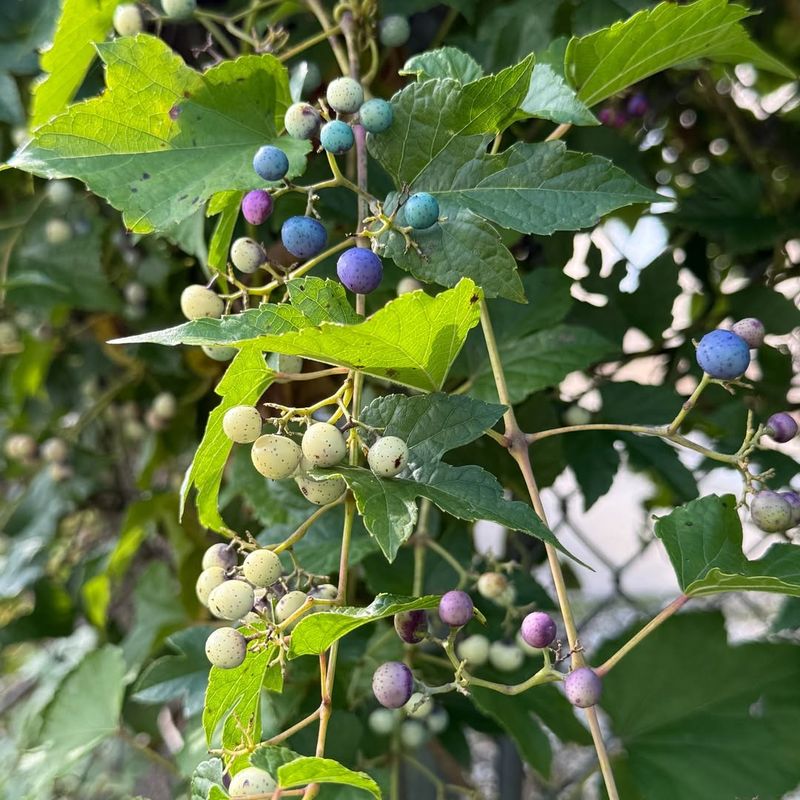
Colorful berries in shades of blue, purple, and white often persist into early winter, marking porcelain berry vines for easy identification.
Once leaves drop, the tangled masses of thin vines become visible wrapped around trees, fences, and any vertical surface they encountered.
Winter’s bare landscape lets you trace vines back to their root systems without guessing which stems belong where.
Dormant vines become brittle and easier to untangle from tree branches without the flexible strength they display during growing season.
Cutting before spring prevents the rapid growth that can smother small trees and shrubs within a single growing season.
Cold weather slows the vine’s regrowth response, giving you weeks to work on complete removal without constant new shoots.
Winter removal protects trees from girdling damage that occurs when vines tighten around trunks during spring growth.
You can work without attracting stinging insects that often nest in dense vine tangles during warmer months.
The lack of leaves makes it easier to apply herbicide to cut stems if you choose chemical control methods.
Bag all removed vines since stem fragments can root in compost or moist soil and restart the invasion.
Revisit cleared areas monthly and remove new shoots before they climb and spread across your property again.
Japanese Barberry
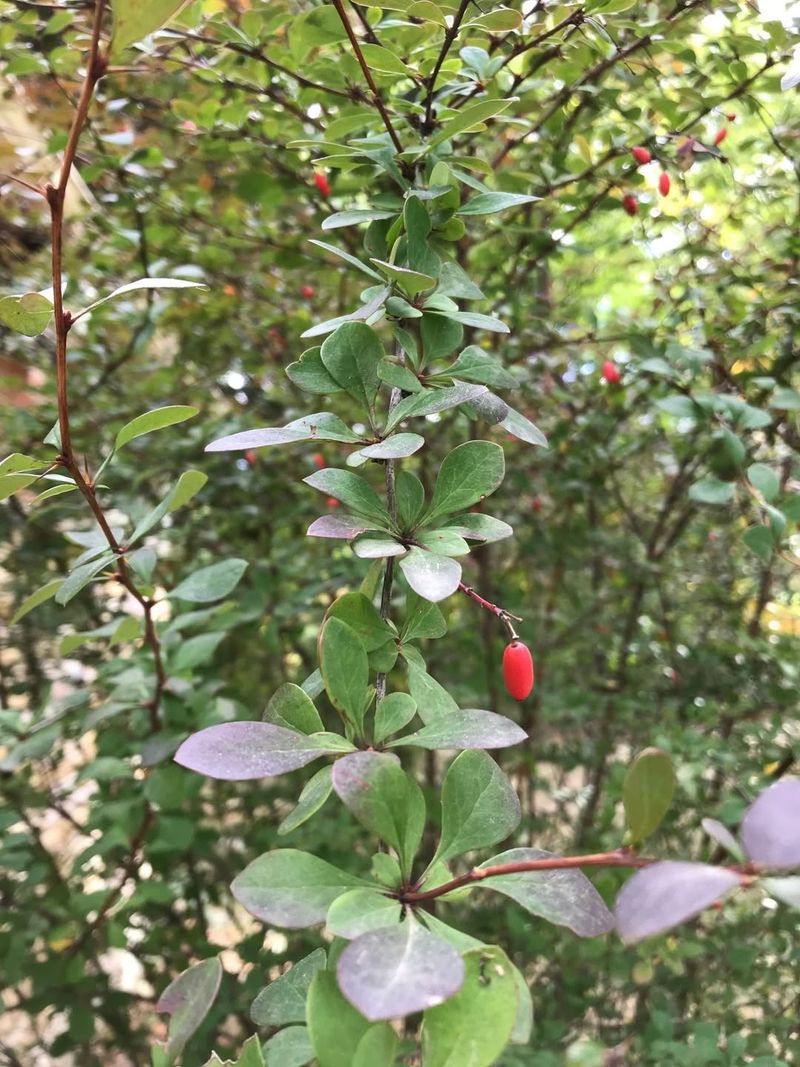
Dense thorny branches create impenetrable thickets that provide perfect habitat for ticks carrying Lyme disease and other illnesses.
Winter removal reduces tick populations by eliminating their preferred shelter before spring activity increases disease transmission risks.
Deciduous leaves drop to reveal the shrub’s full structure, making it easier to cut main stems at ground level.
Cold weather makes working around thorny branches more tolerable with heavy protective clothing that would be unbearable in summer heat.
Removing barberry before spring prevents seed production and reduces the spread of new plants across your property.
The shrub’s distinctive red berries often persist into winter, making identification simple even for beginners.
Winter cutting stops the early leaf-out that gives barberry a competitive advantage over native shrubs each spring.
Frozen soil makes digging around root systems cleaner and more effective than summer removal attempts in dry, compacted ground.
You can clearly see how far the shrub has spread and identify all specimens that need removal without dense foliage blocking your view.
Dispose of cut branches carefully since thorns remain sharp even after drying and can puncture trash bags.
Monitor treated areas through late winter and remove any new shoots that emerge from remaining root fragments.
Garlic Mustard (Rosette Stage)
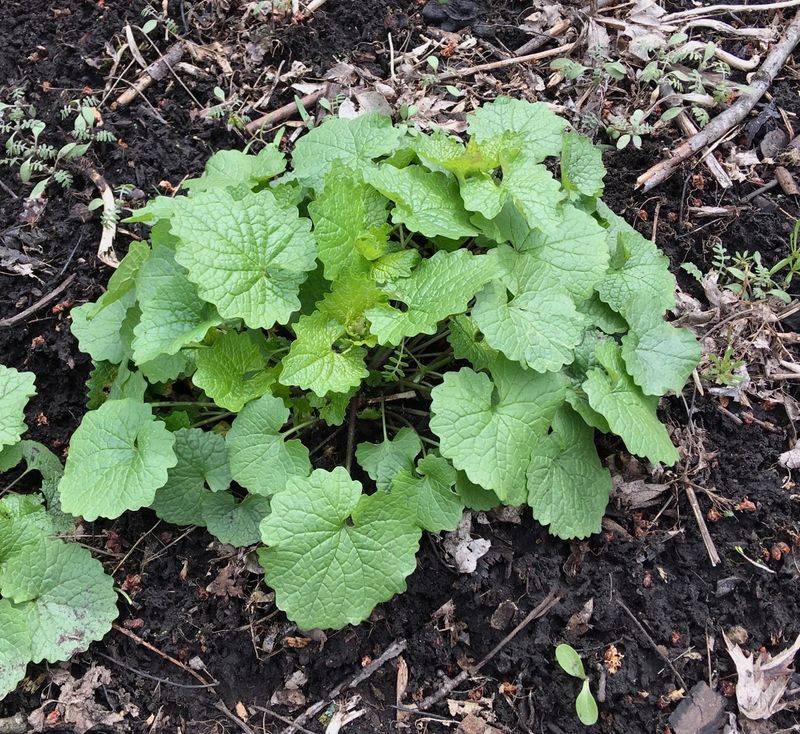
Bright green rosettes of kidney-shaped leaves stay active through winter, making first-year garlic mustard plants easy to spot and remove.
Late winter offers the perfect window for pulling these biennial invaders before they bolt, flower, and produce thousands of seeds in spring.
The distinctive garlic smell when you crush leaves confirms identification even for gardeners new to invasive plant management.
Winter rosettes have small root systems that pull easily from cold, moist soil without leaving fragments that regrow.
Removing plants before flowering prevents the seed production that creates massive infestations in subsequent years.
You can work comfortably in cool weather while tackling large areas that would be exhausting in summer heat.
First-year plants focus energy on leaf production rather than deep roots, making complete removal simple with basic hand pulling.
Winter removal protects spring wildflowers by eliminating competition before native plants emerge from dormancy.
The evergreen rosettes stand out against bare ground and leaf litter, making thorough removal much easier than summer searches.
Bag pulled plants rather than composting since seeds can remain viable even on young plants.
Return to treated areas in early spring and remove any rosettes you missed during winter clearing sessions.
Callery Pear Seedlings

Young invasive pear trees stand out in winter with their distinctive branching pattern and clusters of old fruit that persist after leaf drop.
Seedlings and saplings that sprouted from bird-dispersed seeds become visible across fields and woodland edges once vegetation goes dormant.
Winter removal prevents these fast-growing trees from reaching maturity and producing thousands more seeds each spring.
Cold weather makes digging young trees easier since roots haven’t developed the extensive systems that mature specimens establish.
Removing seedlings before spring eliminates future problems with sharp thorns and weak branches that characterize mature Callery pears.
You can work systematically across your property, identifying and removing young trees without tall grass and weeds hiding them.
Winter cutting stops growth before trees invest energy in spring flowering and the structural problems that make mature specimens hazardous.
Frozen soil actually helps with removal since you can pry root balls out more cleanly than during summer’s dry conditions.
Young trees have smooth bark and may show thorns even at small sizes, helping distinguish them from native species.
Cut stumps flush with the ground to prevent tripping hazards and make mowing easier in treated areas.
Mark locations where you removed seedlings and check for root sucker regrowth monthly through late winter and early spring.