The Real Reason Cardinals Are Drawn To New York Backyard Feeders
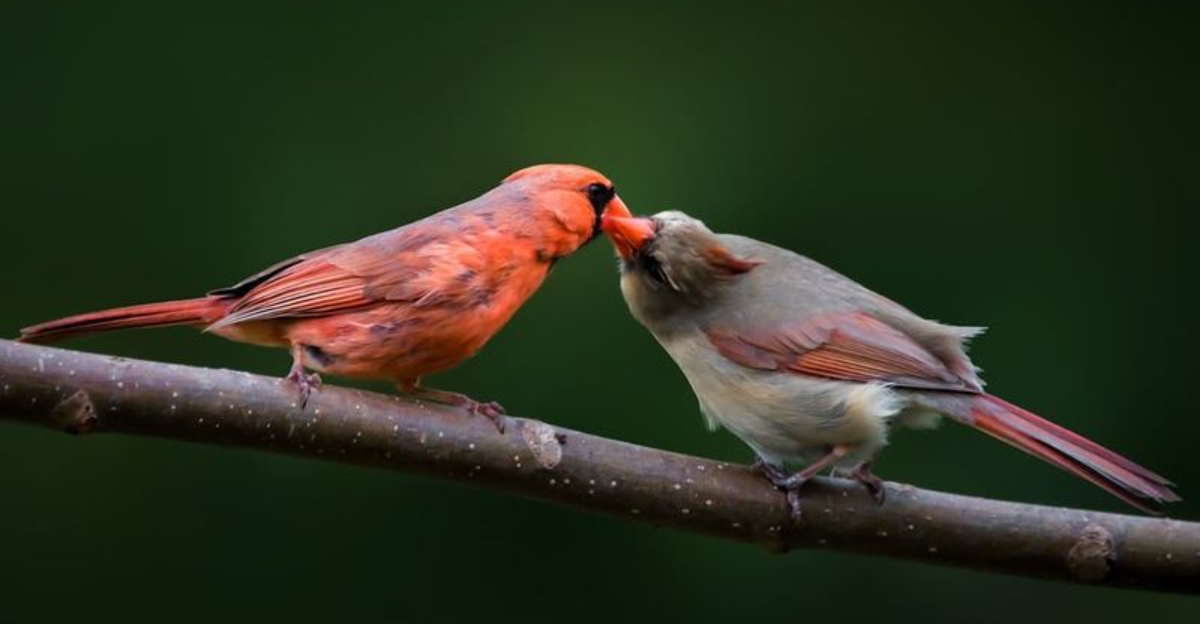
A bright red cardinal against a gray New York winter feels like a spark of color in an otherwise muted season.
Homeowners often notice these birds returning to the same feeders again and again.
That loyalty stems from more than chance.
Cardinals favor reliable food sources, sheltered spaces, and predictable routines.
Backyard feeders provide all three, especially during colder months when natural supplies shrink.
New York’s mix of urban neighborhoods and wooded areas creates ideal conditions for repeat visits. These birds prefer familiarity and tend to remain within known territories.
Consistent feeding builds trust and keeps cardinals close through winter and beyond.
Their presence signals both smart adaptation and the quiet bond between people and wildlife.
Sunflower Seeds Provide Essential Energy
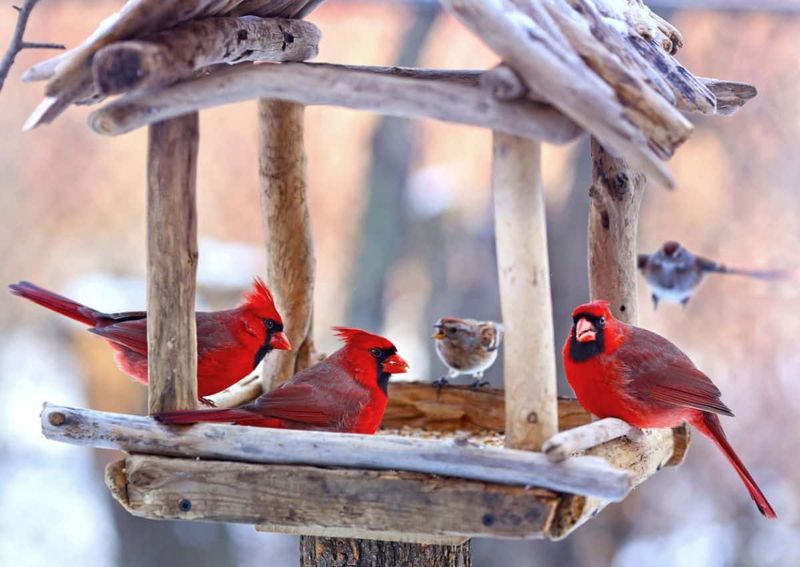
Black oil sunflower seeds rank as the favorite food for cardinals visiting New York feeders.
Their high fat content gives birds the calories they need to survive cold winters and raise healthy chicks in spring.
Cardinals can crack open these seeds with their powerful beaks, unlike many smaller birds that struggle with tough shells.
The nutritional value packed into each seed makes them worth the effort.
New York winters demand extra energy from birds trying to stay warm through freezing nights.
Sunflower seeds deliver that fuel efficiently.
Cardinals remember which feeders offer quality seeds and return daily once they find a reliable source.
Your feeder becomes part of their regular route.
Fresh seeds matter more than you might think.
Old or moldy seeds get ignored by picky eaters like cardinals.
Keeping your feeder stocked with fresh black oil sunflower seeds guarantees repeat visits from these crimson beauties.
They will choose your yard over neighbors who offer cheaper seed mixes filled with filler grains that cardinals typically scatter on the ground.
Quality attracts quality visitors every single time.
Platform Feeders Match Their Feeding Style

Cardinals prefer eating at platform-style feeders rather than hanging tube designs.
Their body size and feeding habits make flat surfaces much more comfortable.
Hopper feeders with wide ledges also work well for these larger songbirds.
Unlike finches that cling easily to small perches, cardinals need stable footing while they crack seeds open.
Their strong feet grip flat surfaces best.
Ground feeding comes naturally to cardinals in wild settings, so platform feeders feel familiar and safe.
Many New York bird watchers notice cardinals avoiding their tube feeders completely while flocking to platforms nearby.
The design simply matches how these birds naturally eat.
Tray feeders placed on poles or hung from tree branches both attract cardinals successfully.
Adding a roof protects seeds from snow and rain, which cardinals appreciate during harsh New York weather.
Covered platforms stay dry and keep food fresh longer.
Cardinals often bring their mates to feeders, and platform designs accommodate multiple birds feeding together peacefully.
Watching a pair share breakfast becomes a daily joy for New York homeowners who choose the right feeder style.
Shrubs And Bushes Offer Nearby Cover
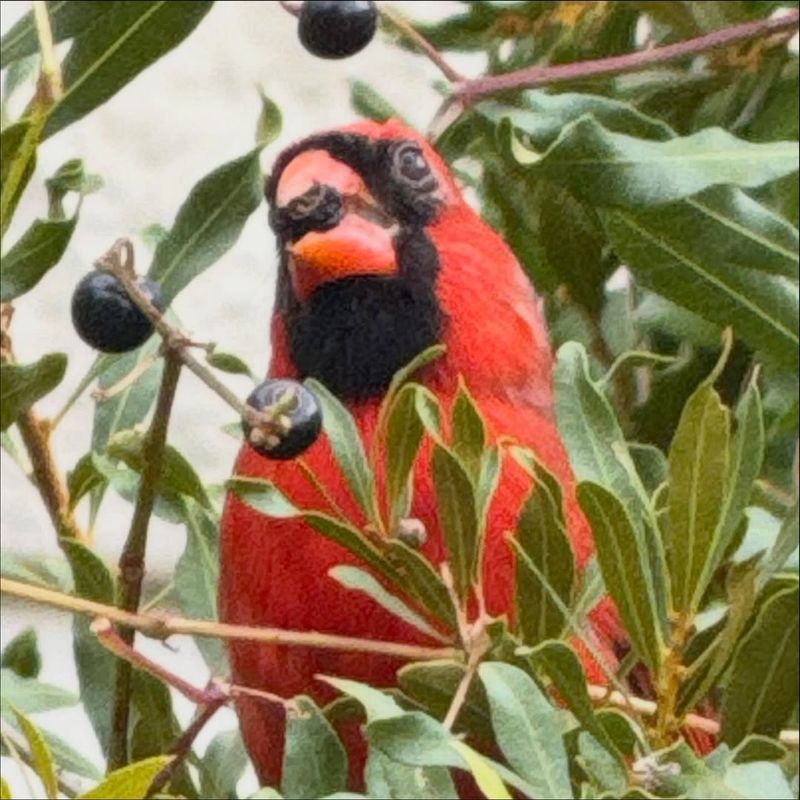
Dense shrubs within ten feet of your feeder make cardinals feel secure enough to visit regularly.
Your New York Garden Changes Every Week. Your Plan Should Too.
Gardening in New York changes quickly throughout the season. Every Friday you’ll receive a simple weekly plan showing exactly what to plant, prune, fertilize, harvest, and protect so you never miss the right timing.
These cautious birds prefer having quick escape routes from potential predators.
Evergreens work especially well during New York winters when deciduous plants lose their leaves.
Cardinals dash between protective cover and feeders multiple times during each meal.
They rarely stay exposed in open areas for long periods.
Native bushes like holly, juniper, and boxwood create perfect cardinal habitats in New York yards.
These plants provide year-round shelter plus nesting sites during breeding season.
Cardinals raise their young in dense shrubs, so yards with good cover attract breeding pairs who stick around all year.
Placing feeders near but not inside bushes gives cardinals the best of both worlds.
Too close and squirrels use branches to raid your feeder.
Too far and cardinals feel too exposed to feed comfortably.
About six to ten feet creates the ideal distance.
Yards lacking shrubs rarely see many cardinal visits despite offering excellent food.
Adding landscaping improves your chances dramatically of hosting these beautiful red birds throughout every season.
Fresh Water Sources Attract Year-Round Visitors

Cardinals need water daily for drinking and bathing, making birdbaths nearly as important as feeders.
New York summers get hot, and finding clean water becomes challenging for backyard birds.
Winter presents different problems when natural water sources freeze solid.
Heated birdbaths keep water accessible during cold months, turning your yard into a cardinal oasis.
Birds remember reliable water sources and visit them faithfully.
Cardinals prefer shallow baths between one and two inches deep.
Deeper water makes them nervous since they cannot touch bottom while bathing.
Adding stones creates varying depths that accommodate different bird sizes perfectly.
Moving water attracts more attention than still baths.
Simple fountain attachments or drippers create sounds and ripples that cardinals notice from far away.
The splashing noise signals fresh, clean water worth investigating.
Placing your birdbath near feeders but not directly underneath prevents seed hulls from contaminating the water.
Cardinals appreciate clean conditions.
Changing water every few days prevents algae growth and mosquito breeding.
Fresh water shows you care about bird health, and cardinals reward attentive homeowners with frequent, extended visits throughout the entire year.
Safflower Seeds Discourage Unwanted Guests
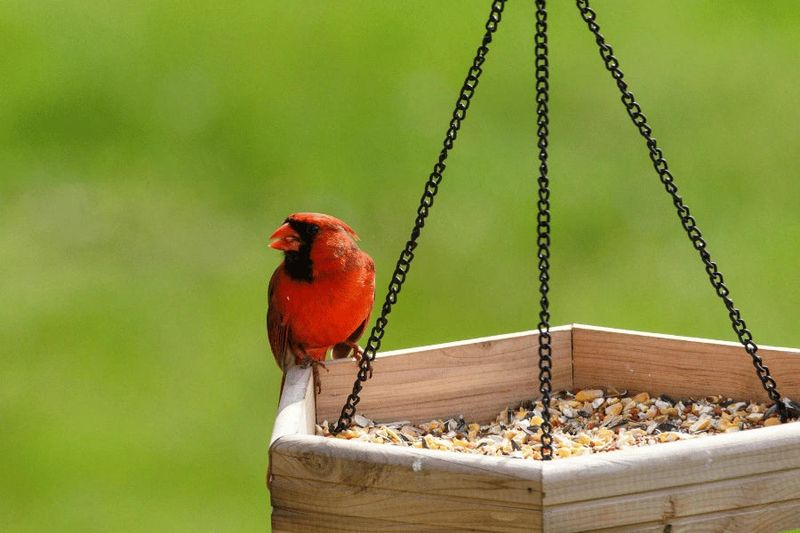
Squirrels and grackles typically avoid safflower seeds, but cardinals love them just as much as sunflower seeds.
This creates a perfect solution for New York yards plagued by feeder raiders.
The slightly bitter taste that squirrels dislike does not bother cardinals at all.
Switching to safflower often reduces squirrel problems dramatically without expensive baffles or complicated feeder designs.
Cardinals crack open safflower seeds easily with their strong beaks.
The nutritional content rivals sunflower seeds, providing excellent energy and healthy fats.
Many bird feeding experts recommend mixing safflower with sunflower seeds initially, then gradually increasing the safflower percentage.
This helps cardinals adjust to the new option smoothly.
Pure safflower feeders attract mostly cardinals, chickadees, and titmice while deterring pest species.
Your seed budget stretches further when squirrels stop emptying feeders daily.
Cardinals benefit from less competition at feeders stocked with safflower.
They can eat peacefully without aggressive birds chasing them away constantly.
New York homeowners tired of refilling feeders multiple times daily often find safflower seeds solve their problems while keeping cardinals happy and well-fed throughout every season of the year.
Year-Round Residency Means Consistent Feeding
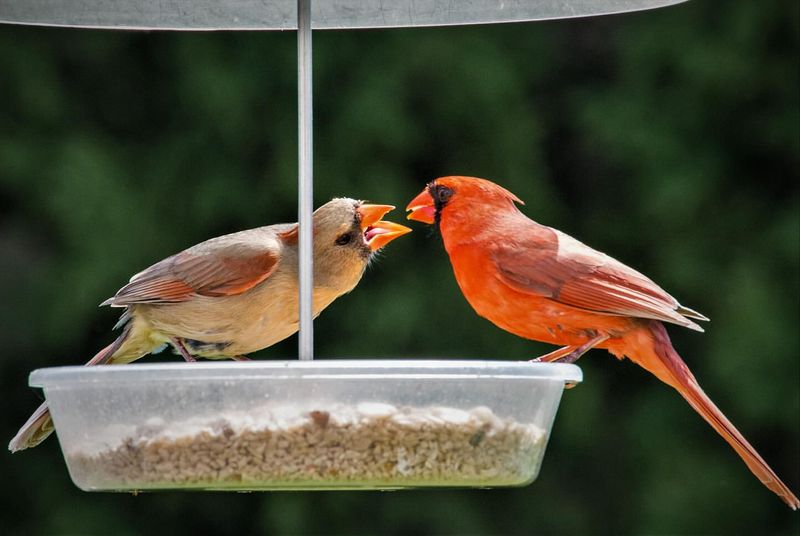
Unlike many colorful birds that migrate south, cardinals remain in New York throughout winter.
This residency pattern creates reliable feeder visitors who depend on your offerings during the harshest months.
Cardinals face serious survival challenges when snow covers natural food sources completely.
Backyard feeders become critical lifelines during January and February cold snaps.
Birds that survive winter in your yard often nest nearby come spring.
Consistent feeding establishes your property as prime cardinal territory.
Pairs defend their breeding areas aggressively, which means the cardinals you feed in winter likely stay through summer too.
You build relationships with specific birds over months and years.
Many New York bird watchers recognize individual cardinals by subtle plumage differences or behavioral quirks.
Watching the same pair raise multiple broods creates special connections.
Cardinals adapt their diet seasonally but appreciate feeders year-round.
Summer brings insects that supplement seeds, while fall offers wild berries and fruits.
Winter forces complete dependence on seeds, making feeders essential.
Maintaining stocked feeders through all seasons keeps your cardinal population healthy and ensures these stunning red birds brighten your yard every single day of the year.
Early Morning And Late Evening Feeding Times
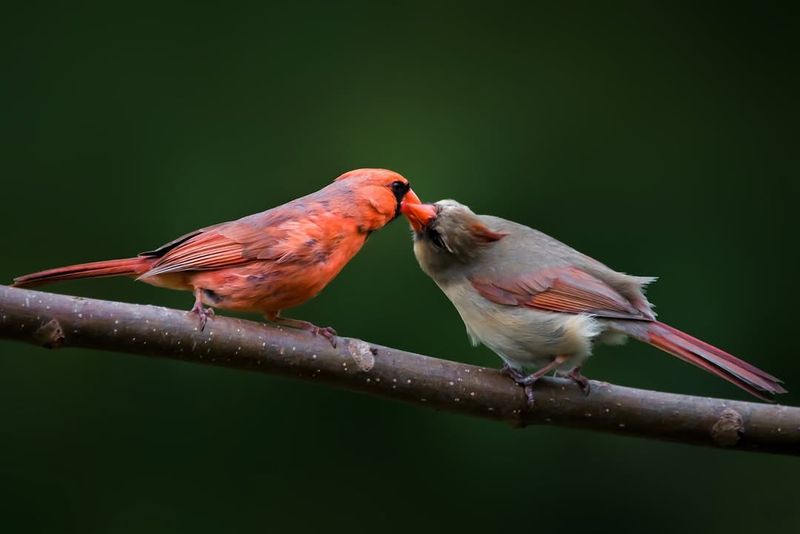
Cardinals typically feed most actively during the first and last hours of daylight.
Dawn brings hungry birds seeking breakfast after cold nights, while dusk finds them tanking up before darkness falls.
New York cardinals follow this pattern reliably throughout the year.
Early morning visits happen around sunrise, with activity peaking within the first hour of light.
Cardinals seem to prioritize refueling after fasting through long winter nights.
Evening feeding begins about an hour before sunset.
Birds eat heavily to build energy reserves that sustain them until morning.
Cold nights require extra calories, making the evening meal crucial for survival.
Keeping feeders full during these prime times guarantees cardinal visits.
Empty feeders at dawn disappoint birds who depend on your offerings.
Midday brings fewer cardinal sightings since they rest in sheltered spots during afternoon hours.
Hot summer days see even less midday activity as birds conserve energy.
Understanding cardinal schedules helps you plan bird watching sessions for maximum enjoyment.
Grab your coffee at sunrise or relax after work at dusk to catch the best shows.
Patient observers often see multiple cardinal pairs visiting during peak feeding times in well-stocked New York yards.
Mealworms Add Protein During Breeding Season
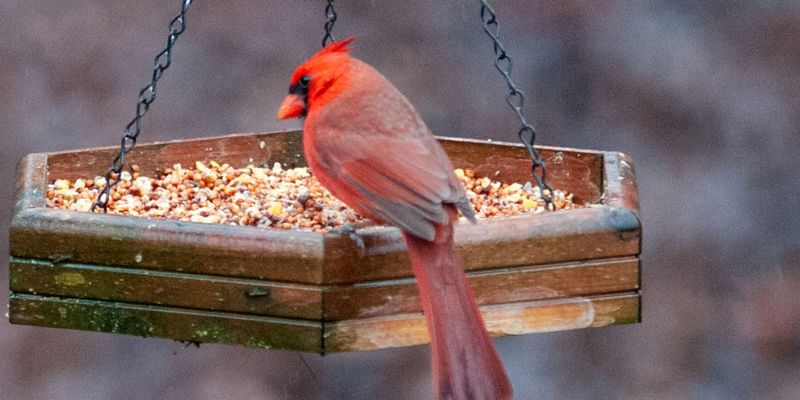
Spring and summer bring increased protein needs as cardinals raise their young.
Baby birds require high-protein diets for proper growth and development.
Parent cardinals eagerly take mealworms from feeders to their hungry nestlings.
Offering dried or live mealworms during breeding season makes your yard especially attractive to cardinal families.
Adults eat mealworms too, appreciating the nutritional boost.
Protein helps females produce healthy eggs and recover from the demanding nesting process.
Males need energy for territorial defense and constant food delivery to mates and chicks.
Small dishes or specialized mealworm feeders work best.
Cardinals prefer eating mealworms from platforms rather than enclosed feeders.
Dried mealworms cost less and store easily, though some birds prefer live ones.
Soaking dried mealworms in water for a few minutes makes them more appealing and easier for baby birds to digest.
New York cardinals typically raise two or three broods between April and August.
Providing mealworms throughout this extended breeding season supports multiple generations.
Watching parent cardinals carry mealworms to hidden nests creates rewarding bird watching experiences that connect you directly to the natural cycle happening right in your own backyard.
Reduced Pesticide Use Protects Cardinal Health
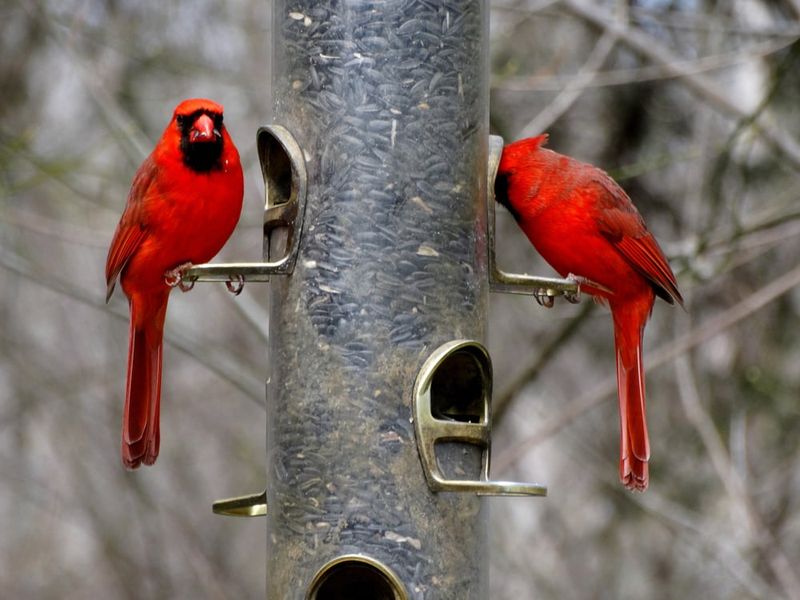
New York yards managed without chemical pesticides support healthier cardinal populations.
Toxins accumulate in insects that cardinals feed to their young, causing reproductive problems and weakened immune systems.
Natural yard care benefits birds directly.
Cardinals eat many insects during summer months, including beetles, caterpillars, and grasshoppers
Pesticide-free yards provide abundant, safe insect populations that supplement seed diets perfectly.
Healthy adult cardinals raise more successful broods.
Chemical-free landscaping also protects the seeds and berries cardinals consume.
Contaminated food sources harm birds over time through repeated exposure.
Organic gardening methods create safer environments for all backyard wildlife.
Native plants attract beneficial insects that cardinals hunt naturally.
Allowing some weeds to grow provides additional seeds that birds appreciate.
Perfect lawns offer little value to cardinals compared to diverse, slightly wild yards.
Tolerating caterpillars on plants feeds baby birds far better than sterile, sprayed landscapes.
Cardinals choose yards where they can safely feed their families.
Pesticide-free properties become preferred territories that breeding pairs defend and return to year after year, creating long-term relationships between homeowners and these magnificent red birds.
Consistent Feeder Maintenance Builds Trust
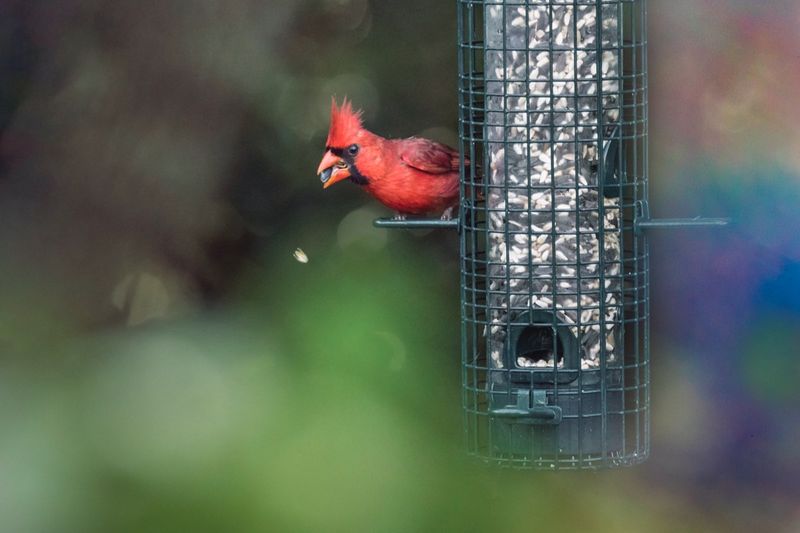
Cardinals develop routines around reliable food sources and avoid feeders that frequently run empty.
Regular refilling and cleaning demonstrate your commitment to their welfare.
Birds notice consistency and reward it with loyal visits.
Moldy seeds and dirty feeders spread diseases that harm cardinal populations.
Cleaning feeders monthly with mild soap and water prevents bacterial growth.
Thorough drying before refilling keeps seeds fresh longer.
Cardinals prefer clean feeding stations just like you prefer clean restaurants.
Checking feeders daily ensures adequate seed levels and allows you to spot problems quickly.
Squirrel damage, weather issues, or seed clumping all require prompt attention.
Well-maintained feeders function properly and attract more birds.
Seasonal adjustments matter too.
Winter demands more frequent refilling as cardinals consume extra calories.
Summer humidity spoils seeds faster, requiring more vigilant monitoring.
New York weather challenges feeders year-round through snow, rain, and heat.
Cardinals come to trust yards where feeders always offer fresh, accessible food.
This trust builds over weeks and months, transforming occasional visitors into permanent residents who bring color and song to your property every single day.