7 Garden Layout Changes Illinois Homeowners Can Make During Winter
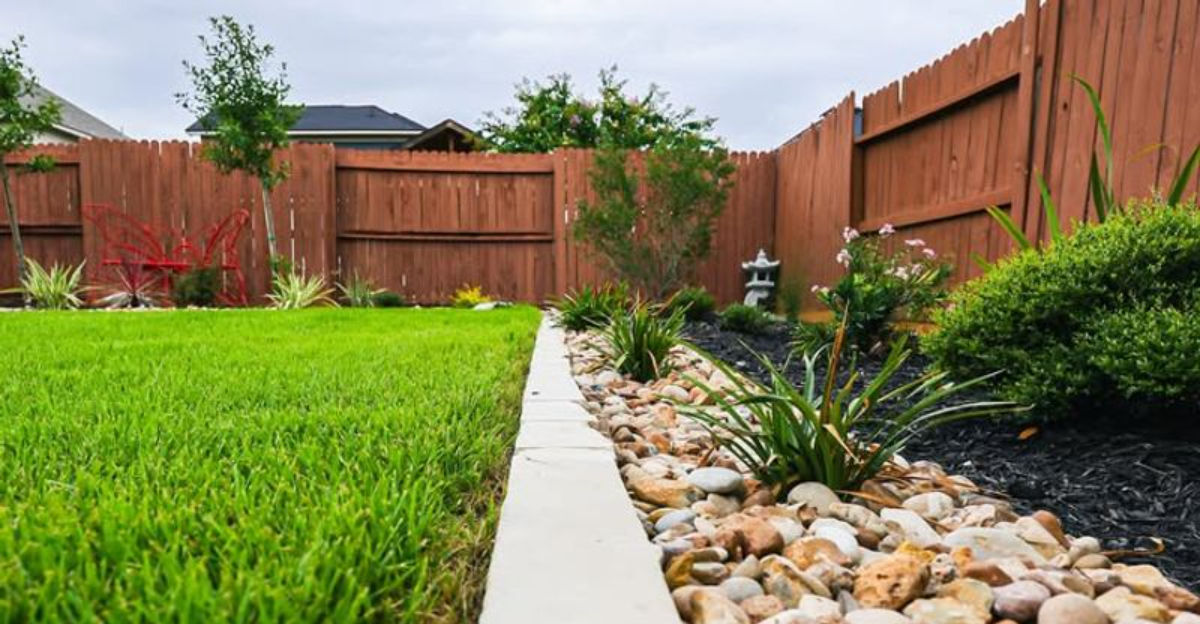
Winter in Illinois may slow plant growth, but it gives homeowners a clear view of their gardens.
Without thick leaves and busy blooms, the layout stands out for better or worse.
Empty spaces, awkward paths, and crowded beds become easier to spot, turning the quiet season into a time for smart planning.
Cold months offer breathing room to rethink how a garden flows.
Walkways can be shifted, beds reshaped, and sightlines improved without racing against weeds or heat.
It is a chance to work on structure instead of upkeep.
Small changes made now can fix long-standing issues that felt harder to tackle during the growing season.
Illinois winters also protect plants from stress while changes take shape.
Frozen ground and dormant roots reduce damage, making it safer to adjust borders or move features.
By spring, the heavy lifting is done and the garden is ready to grow into its new shape.
Winter may look still on the surface, but it is the perfect time to lay the groundwork for a smoother, more balanced garden once warm weather returns.
1. Add Raised Garden Beds For Better Drainage
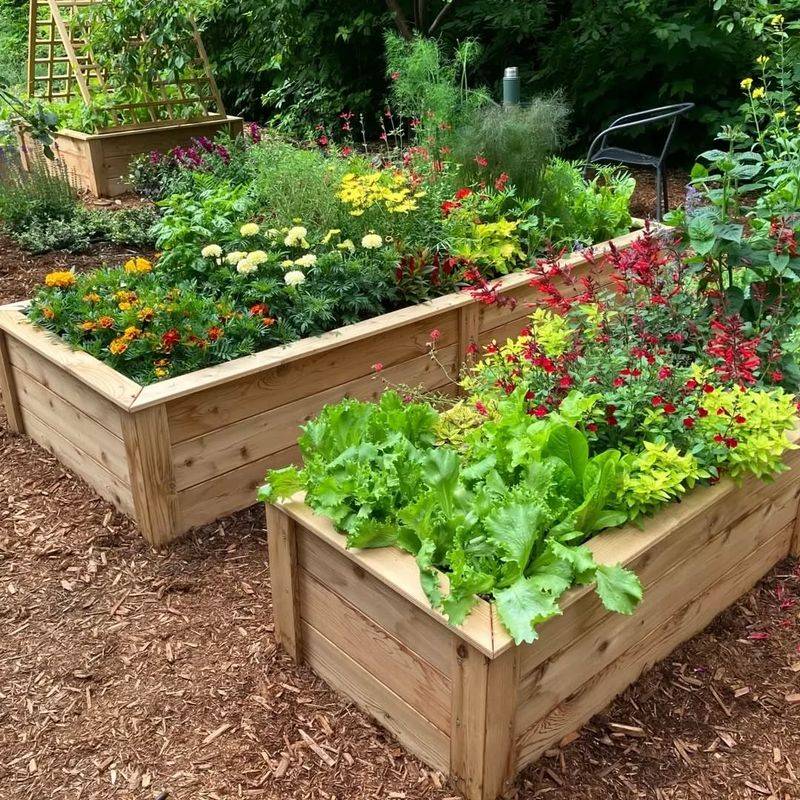
Raised garden beds have become incredibly popular across Illinois, and winter is the ideal time to plan where they’ll go in your yard.
Poor drainage plagues many Illinois gardens, especially in areas with heavy clay soil that holds water like a sponge.
Raised beds solve this problem by elevating your planting area above problematic ground conditions.
During winter months, you can carefully observe where water pools in your yard after snow melts or winter rains pass through.
These low spots are exactly where raised beds would make the biggest difference come spring planting season.
Mark these areas with stakes or flags so you remember your observations when the ground thaws.
Planning now means you can order materials early and possibly snag better prices before the spring rush hits garden centers.
Consider the size and height of beds based on what you want to grow, deeper beds work wonderfully for root vegetables like carrots and potatoes.
Shallower beds are perfect for lettuce, herbs, and flowers that don’t need as much soil depth.
Winter planning also lets you think through pathways between beds and how you’ll access each section for watering and harvesting.
Many Illinois gardeners choose cedar or composite materials that withstand our freeze-thaw cycles better than regular pine.
You can even build the frames in your garage during snowy weekends, storing them until spring installation.
By planning raised beds now, you’ll have a major advantage when planting season arrives, and your vegetables will thank you with healthier growth and bigger harvests throughout the growing season.
2. Redesign Pathways With Permeable Materials
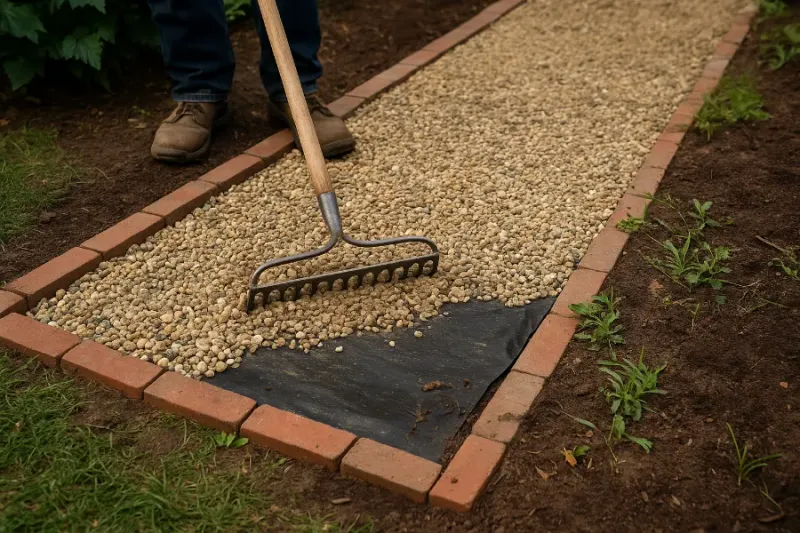
Pathways might not seem exciting, but they’re the backbone of any functional garden layout, especially in Illinois where mud season can turn yards into swamps.
Winter gives you time to evaluate whether your current paths actually work or if they become slippery, muddy messes during spring thaws.
Your Illinois Garden Changes Every Week. Your Plan Should Too.
Gardening in Illinois changes quickly throughout the season. Every Friday you’ll receive a simple weekly plan showing exactly what to plant, prune, fertilize, harvest, and protect so you never miss the right timing.
Permeable materials like gravel, crushed stone, or permeable pavers allow water to drain through instead of pooling on the surface.
Walking your garden during winter reveals exactly where you naturally step when moving between beds or features.
These worn patterns show you the most logical pathway routes, which might differ from what you originally planned.
Take photos from different angles to capture these natural traffic patterns for reference during your redesign.
Permeable pathways benefit Illinois gardens in multiple ways beyond just keeping your shoes clean during wet seasons.
They reduce runoff that can wash away topsoil and carry nutrients away from where plants need them most.
These materials also prevent erosion on slopes and help recharge groundwater instead of sending every drop into storm drains.
Winter planning allows you to measure pathway lengths accurately and calculate how much material you’ll need without plants in the way.
Consider pathway width carefully, make them wide enough for wheelbarrows and garden carts if you’ll be hauling compost or mulch regularly.
Many Illinois homeowners combine materials, using larger stepping stones surrounded by gravel for an attractive yet functional design.
You can even prep the ground during mild winter days by removing sod and leveling the pathway base, so installation becomes much easier when materials arrive in early spring.
3. Create Dedicated Composting Areas
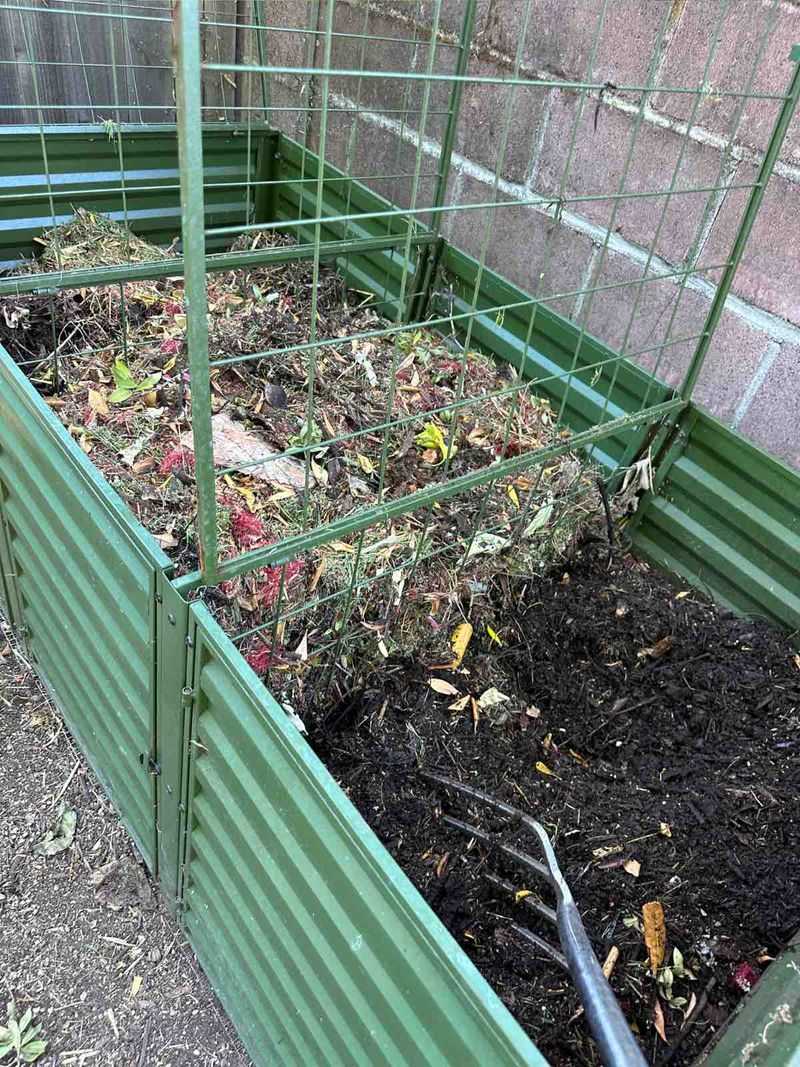
Every serious gardener knows compost is black gold, but many Illinois homeowners toss kitchen scraps into random piles without a proper system.
Winter offers the perfect opportunity to design a dedicated composting area that’s both functional and discreet.
A well-planned compost station makes the process easier and keeps your yard looking organized rather than cluttered.
Location matters tremendously when setting up a composting area, and winter lets you evaluate different spots without summer plants blocking your view.
You want a place that’s convenient to reach from your kitchen but not so close to outdoor living spaces that odors become an issue.
Partial shade works best because it prevents compost from drying out too quickly during hot Illinois summers.
Consider installing a three-bin system that allows you to rotate material through different stages of decomposition.
One bin holds fresh additions, another contains actively decomposing material, and the third stores finished compost ready for garden use.
This system keeps everything organized and ensures you always have finished compost available when planting season arrives.
Winter planning means you can build or purchase bins now and have them ready before spring yard work generates tons of compostable material.
Many Illinois gardeners use wooden pallets to create inexpensive yet effective compost bins that blend naturally into the landscape.
You might also install a small concrete pad underneath to make turning compost easier and prevent bins from sinking into muddy ground.
Think about adding a nearby storage spot for tools like pitchforks and a cart for hauling finished compost to garden beds when needed.
4. Plan Vertical Growing Structures For Small Spaces
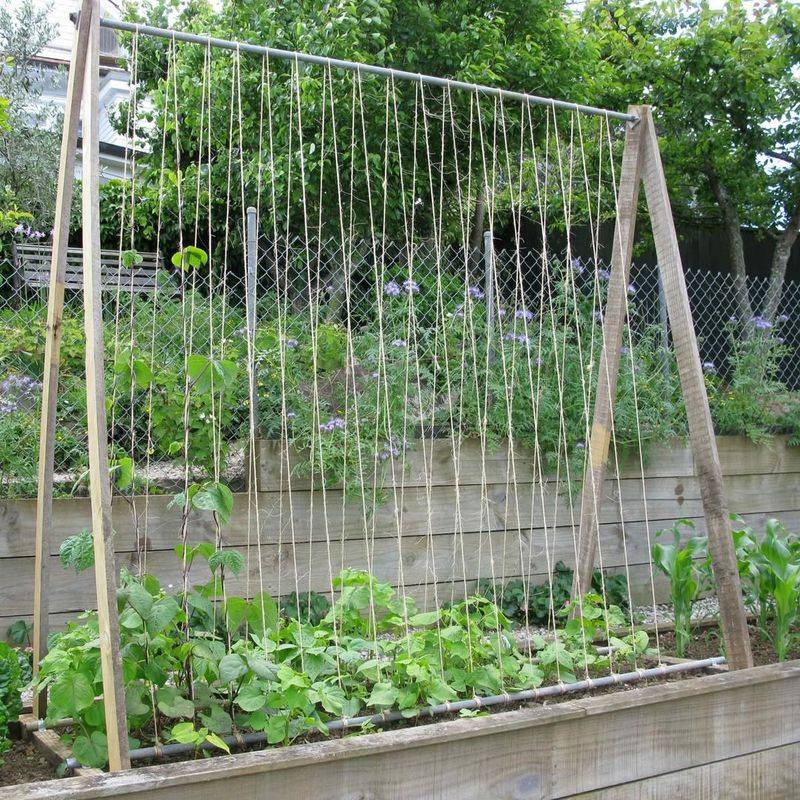
Not every Illinois homeowner has acres of yard space, but that doesn’t mean you can’t grow abundantly.
Vertical gardening maximizes production in compact areas by training plants upward instead of letting them sprawl across precious ground space.
Winter is the perfect time to design and install trellises, arbors, and other vertical structures before plants start growing.
Consider which crops you’d like to grow vertically, cucumbers, pole beans, peas, and indeterminate tomatoes all thrive when given something to climb.
Many flowering vines also benefit from vertical support, adding beauty while taking up minimal ground space in your Illinois garden.
Planning these structures now means you can anchor them properly into frozen or thawing ground without damaging existing plants.
Vertical structures also create interesting visual layers in your garden, adding height and dimension that makes the space feel larger and more dynamic.
An arbor over a pathway provides shade during hot Illinois summers while supporting beautiful flowering vines or even grape vines.
Trellises against fences or walls make use of otherwise wasted space and can help hide unsightly views.
Winter construction projects keep gardening enthusiasts busy during the off-season and ensure everything’s ready when planting time arrives.
Many Illinois gardeners build simple A-frame trellises from bamboo poles or create more permanent structures using cedar posts and wire mesh.
You can paint or stain wooden structures now while they’re easy to access, protecting them from weather and extending their lifespan.
Think about incorporating vertical growing into your overall garden design, placing taller structures on the north side so they don’t shade shorter plants throughout the growing season.
5. Establish Permanent Herb Spiral Gardens
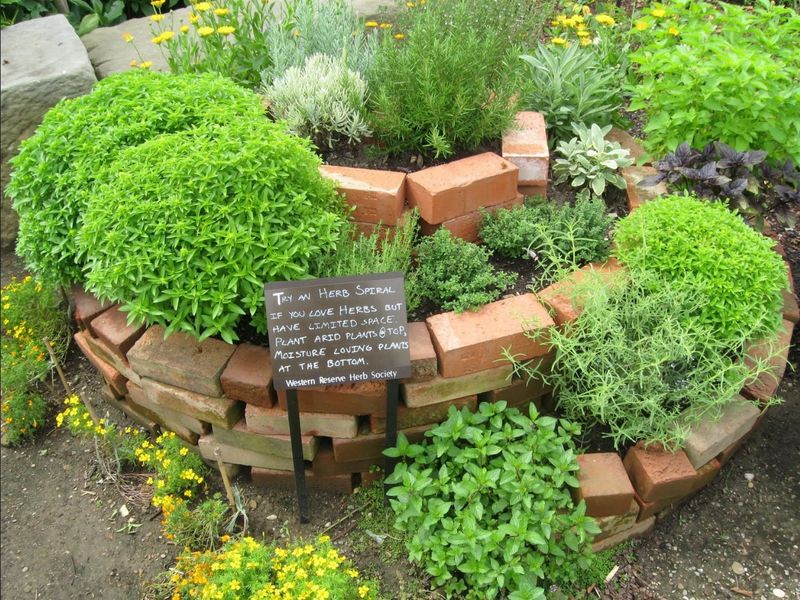
Herb spirals represent one of the most clever garden designs, packing multiple growing microclimates into a small footprint.
This raised, spiral-shaped bed creates different moisture and sun exposure zones, letting you grow herbs with varying needs all in one spot.
Winter in Illinois gives you ample time to build this permanent structure before planting season begins.
The design works by stacking stones or bricks in a spiral pattern that rises from ground level to about three feet high at the center.
As the spiral ascends, drainage improves and sun exposure increases, creating perfect conditions for Mediterranean herbs like rosemary and thyme at the top.
Moisture-loving herbs like mint and parsley thrive at the bottom where soil stays damper and receives more shade.
Building during winter means you can take your time positioning stones carefully without worrying about damaging growing plants.
Many Illinois gardeners use local limestone or fieldstone, which looks natural and holds up well through our freeze-thaw cycles.
The structure itself becomes a beautiful garden feature even when herbs aren’t actively growing.
Location matters, choose a spot that receives at least six hours of sunlight daily and sits near your kitchen for convenient harvesting.
Herb spirals work wonderfully as focal points in small yards or as functional art pieces in larger landscapes.
You can fill the spiral with quality soil mix during late winter, letting it settle before spring planting begins.
Some Illinois homeowners add a small pond or water feature at the base of the spiral, creating even more microclimate diversity and attracting beneficial insects to the garden throughout the growing season.
6. Reconfigure Garden Zones By Sun Exposure
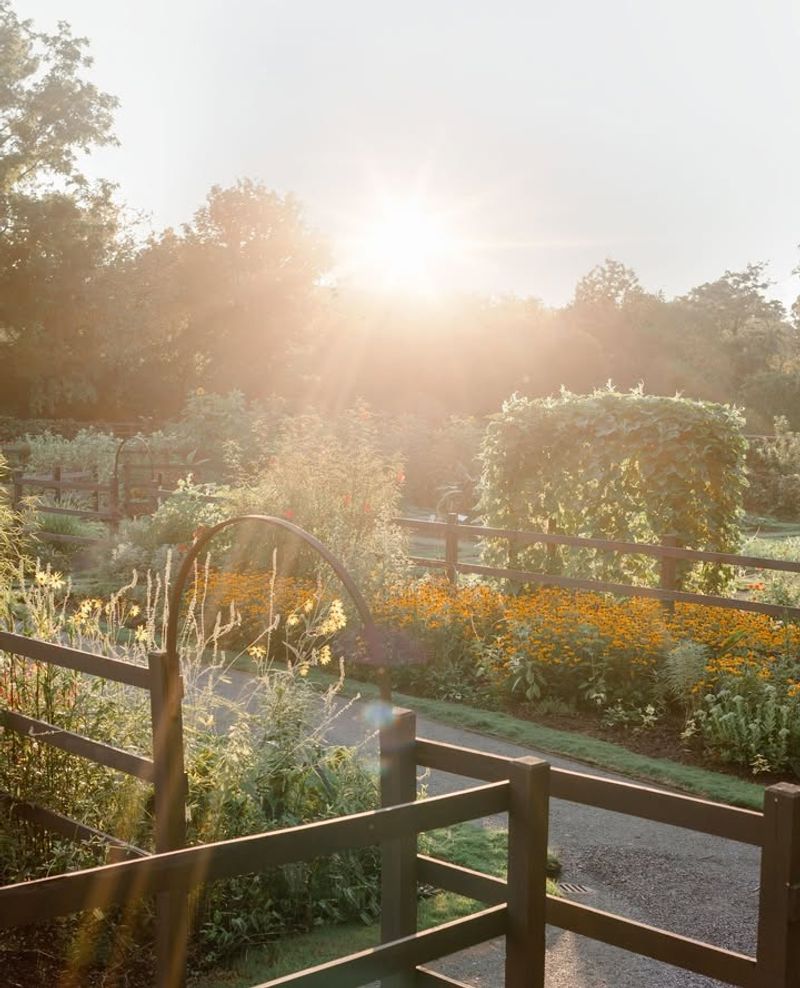
Understanding sun patterns is absolutely fundamental to garden success, yet many Illinois homeowners plant without really observing how light moves through their yard.
Winter offers crystal-clear visibility of sun patterns because deciduous trees are bare and shadows are most pronounced during the low-angle winter sun.
This season provides your best opportunity to accurately map sun exposure and reorganize planting zones accordingly.
Grab a notebook and observe your yard at different times throughout winter days, noting which areas receive full sun, partial shade, or deep shade.
These observations will differ from summer patterns because leafless trees allow much more light through during winter months.
However, the winter patterns help you understand the garden’s bones and identify permanent structures that create shade year-round.
Once you’ve mapped sun zones, you can plan to move sun-loving vegetables like tomatoes and peppers to the brightest spots come spring.
Shade-tolerant plants like lettuce, spinach, and many herbs can occupy areas that receive only four to six hours of direct sunlight.
This strategic placement dramatically improves plant performance and reduces frustration with crops that struggle in the wrong conditions.
Winter planning also reveals opportunities to modify sun exposure through strategic pruning or removing trees that cast too much shade.
Many Illinois gardens would benefit from removing or trimming lower branches that block morning light from reaching vegetable beds.
You might discover that moving a garden bed just ten feet makes the difference between marginal and excellent growing conditions.
Take photos from the same spots monthly throughout winter to document how shadows change as the sun angle shifts, giving you comprehensive data for making smart layout decisions.
7. Install Hardscaping Features And Garden Borders
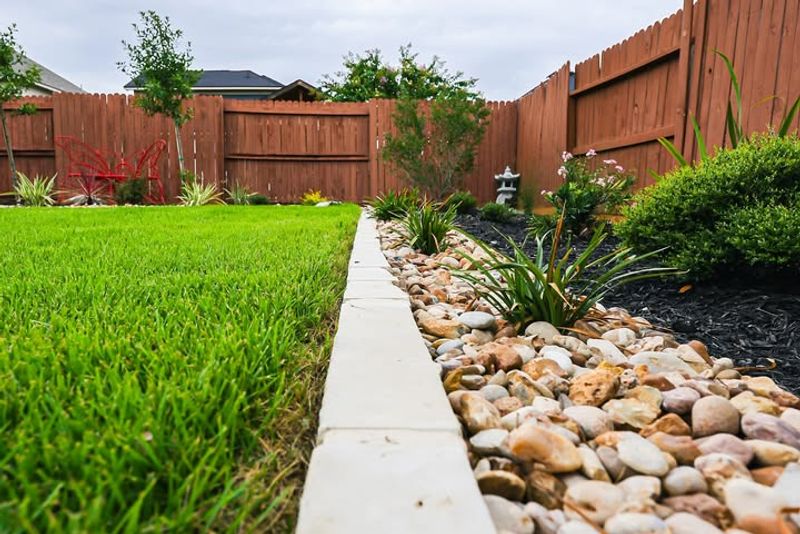
Hardscaping provides the permanent structure that makes gardens look intentional and well-designed rather than haphazard.
Borders, edging, stone features, and decorative elements define spaces and create visual interest even when nothing’s blooming in your Illinois garden.
Winter is actually the best time to install hardscaping because the ground is accessible, plants aren’t in the way, and contractors often offer better rates during their slow season.
Garden borders serve practical purposes beyond just looking attractive, they prevent grass from creeping into beds and make mowing easier by creating clean edges.
Materials like brick, stone, metal edging, or composite borders all work well in Illinois, withstanding our temperature extremes and freeze-thaw cycles.
Choose materials that complement your home’s style and other landscape features for a cohesive look.
Winter installation means you can dig and set materials without worrying about disturbing plant roots or trampling emerging spring growth.
Many Illinois homeowners add stepping stones through larger beds, making it easier to reach plants for maintenance without compacting soil.
Decorative rock features, small retaining walls, or even a simple stone bench become focal points that anchor your garden design.
Consider adding permanent irrigation during hardscaping projects, burying lines before borders go in place for a clean, professional appearance.
Winter planning lets you visualize the garden’s structure without being distracted by colorful blooms and lush foliage.
You can see exactly where borders should go to create pleasing shapes and functional spaces that work with your yard’s natural contours.
By completing hardscaping during winter, your Illinois garden will have strong bones ready to showcase plants beautifully when growing season arrives, and you’ll save yourself the hassle of working around established plantings.