The 10 Best Fragrant Plants To Include In A Butterfly Garden In Georgia
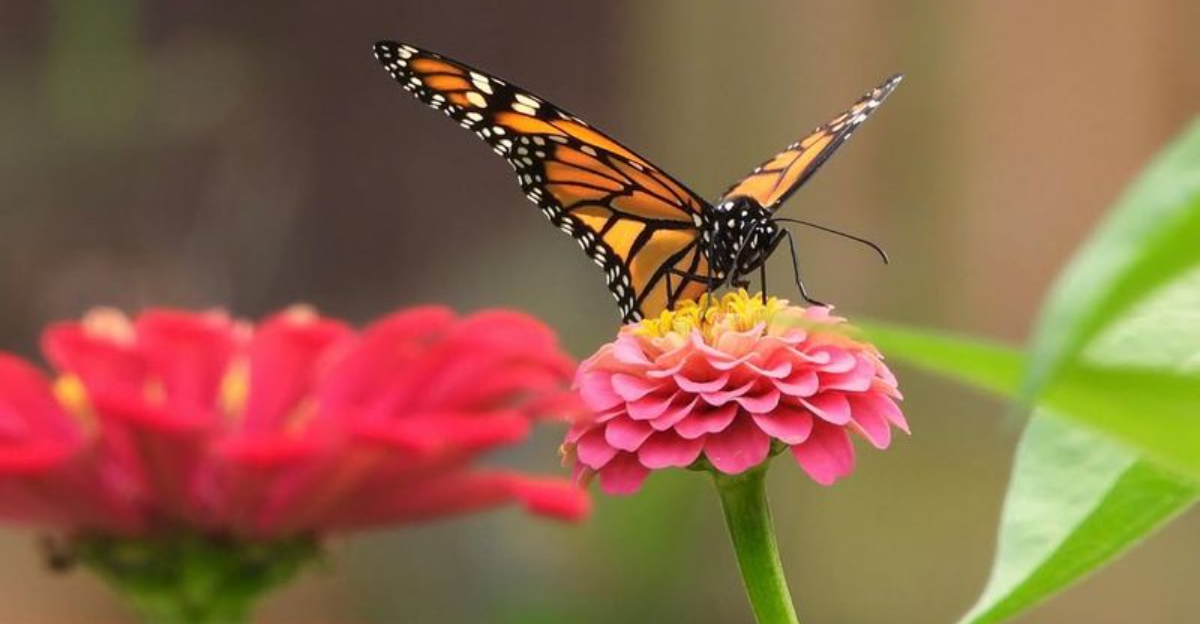
Georgia gardens thrive on warmth, color, and life, and fragrance plays a powerful role in that mix.
Butterflies rely on scent as much as color when they search for nectar.
A garden that appeals to the nose often attracts wings as well.
Georgia’s long growing season allows fragrant plants to flourish across spring, summer, and fall.
Many of these plants support butterflies while also pleasing gardeners who value sensory experiences.
Strong scents guide pollinators, support feeding patterns, and enhance garden appeal.
The right plant choices create a space that feels alive rather than ornamental alone.
With thoughtful selection, a Georgia butterfly garden offers motion, aroma, and beauty that work together in perfect balance.
1. Butterfly Bush (Buddleia)
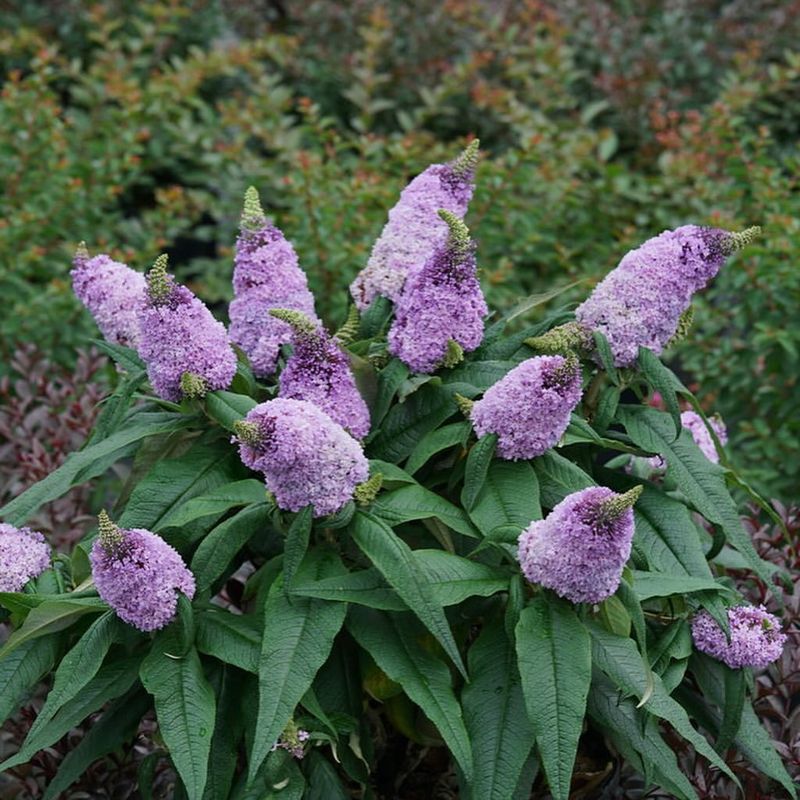
Butterfly Bush earns its name by attracting more butterflies than almost any other plant you can grow.
Long purple, pink, or white flower spikes bloom from summer through fall, creating a feast for hungry butterflies.
The sweet honey-like fragrance drifts across your garden on warm afternoons.
This hardy shrub grows quickly and can reach six to ten feet tall, making it perfect as a backdrop for smaller plants.
Georgia’s warm climate suits this sun-loving plant perfectly.
Monarchs, swallowtails, and painted ladies all flock to these blooms.
Pruning in late winter encourages bushier growth and more flowers.
The plant tolerates drought once established, which helps during Georgia’s hot summers.
Deadheading spent blooms keeps new flowers coming all season.
Some gardeners worry about this plant spreading too easily, but newer cultivars stay more compact.
Plant it in full sun with well-draining soil for best results.
The sweet perfume becomes strongest during midday when butterflies are most active.
Children love watching the constant parade of colorful wings visiting these fragrant flowers.
2. Lantana
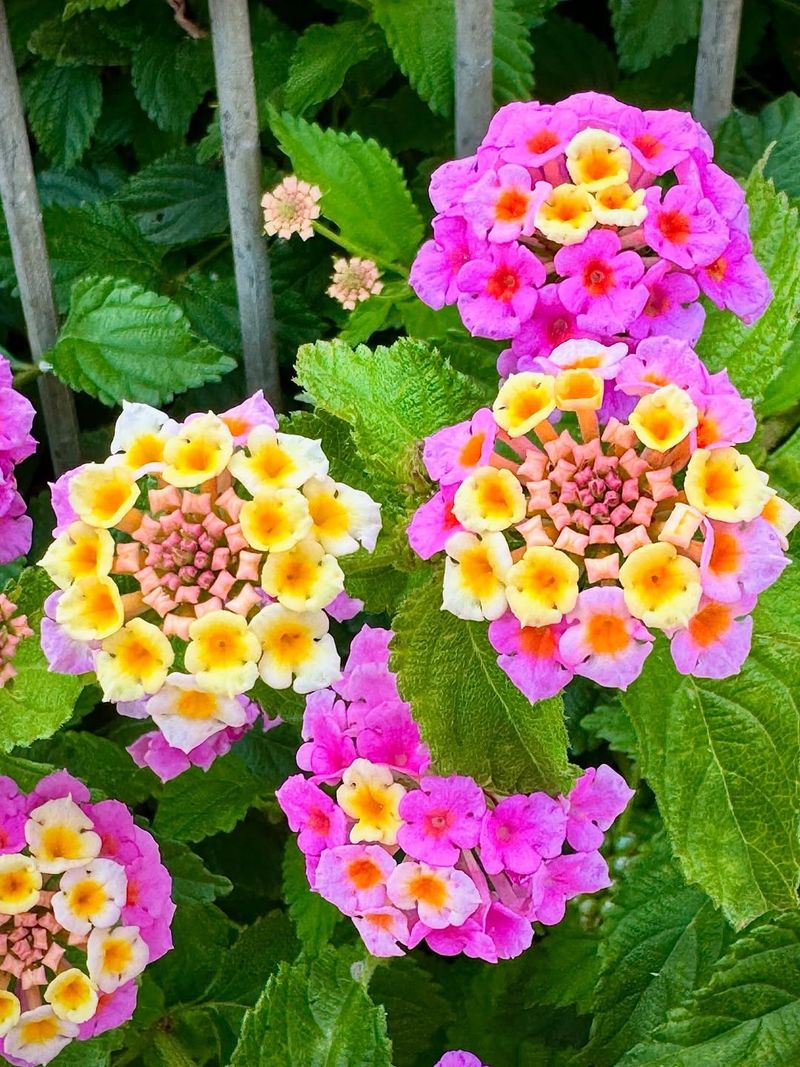
Bright clusters of tiny flowers pack each lantana bloom, creating little landing pads for butterflies.
Colors shift from yellow to orange to red as the flowers mature, giving each cluster a rainbow effect.
The spicy-sweet scent reminds many people of tropical fruits mixed with herbs.
Lantana thrives in Georgia’s heat and humidity, blooming nonstop from late spring until the first frost.
Butterflies adore the nectar-rich flowers, and you’ll spot many different species throughout the day.
This tough plant handles drought, poor soil, and blazing sun without complaint.
Trailing varieties work beautifully in hanging baskets, while upright types make excellent border plants.
The rough-textured leaves release their fragrance when you brush against them.
Hummingbirds also visit lantana regularly, adding another dimension to your wildlife garden.
Plant lantana in full sun for the most blooms and strongest fragrance.
Space plants about two feet apart to allow good air circulation.
The flowers need no deadheading, making this an easy-care choice for busy gardeners.
Watch for gulf fritillaries and cloudless sulphurs dancing around these cheerful blooms all summer.
3. Lavender
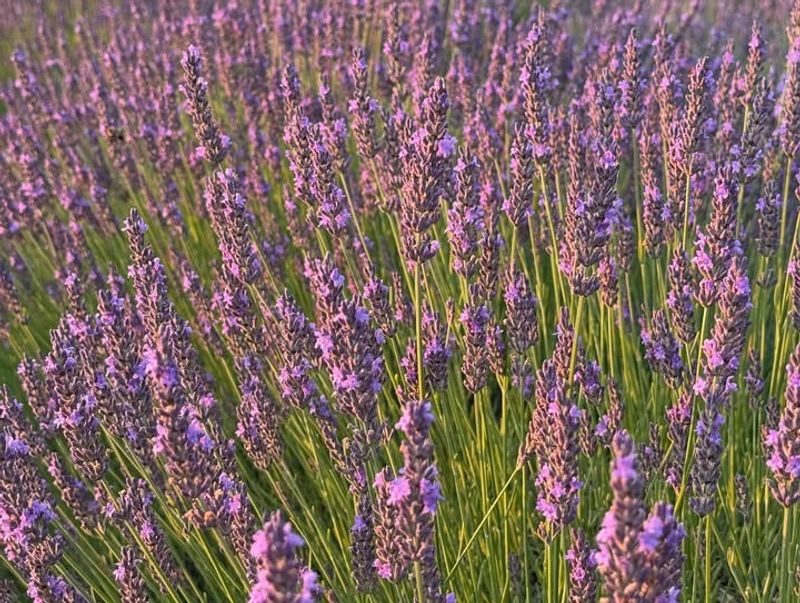
Few plants match lavender’s legendary fragrance, which has soothed people for thousands of years.
Silvery-green foliage contrasts beautifully with purple flower spikes that rise above the plant in early summer.
The calming scent carries on the breeze, creating a peaceful atmosphere throughout your garden.
Your Georgia Garden Changes Every Week. Your Plan Should Too.
Gardening in Georgia changes quickly throughout the season. Every Friday you’ll receive a simple weekly plan showing exactly what to plant, prune, fertilize, harvest, and protect so you never miss the right timing.
Butterflies find lavender irresistible, especially smaller species like skippers and hairstreaks.
Georgia gardeners should choose heat-tolerant varieties like Spanish or French lavender for best success.
These Mediterranean natives prefer well-drained soil and full sun.
Avoid overwatering, as lavender roots rot easily in soggy conditions.
The flowers dry beautifully, allowing you to bring the fragrance indoors.
Harvest blooms just as they open for the strongest scent.
Plant lavender along pathways where you’ll brush against it and release the aromatic oils.
The evergreen foliage provides year-round interest in Georgia’s mild winters.
Prune plants lightly after flowering to maintain a compact shape.
Bees also love lavender, creating a buzzing symphony among the purple spikes.
The combination of beauty, fragrance, and butterfly appeal makes lavender a must-have plant.
4. Phlox
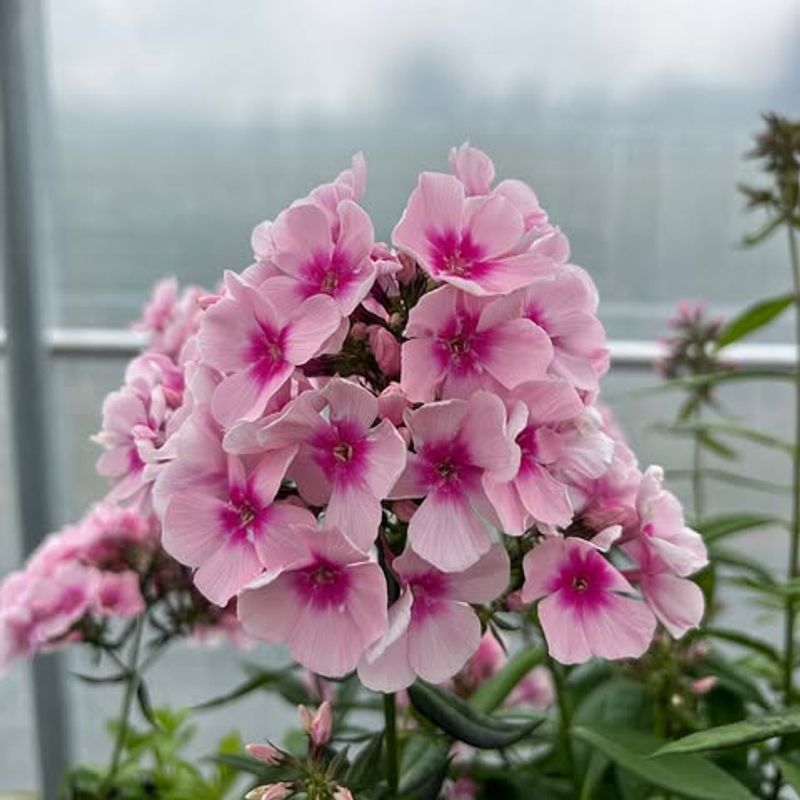
Garden phlox stands tall in summer borders, reaching three to four feet with dome-shaped flower clusters.
The sweet, slightly spicy perfume becomes noticeable from several feet away on warm evenings.
Pink, purple, white, and red varieties give you plenty of color choices for your garden design.
Swallowtails particularly enjoy phlox nectar, often spending several minutes at each flower cluster.
This native perennial grows naturally in Georgia’s climate and comes back stronger each year.
Plant phlox in groups of three or five for the biggest visual impact.
The tall stems might need staking in windy locations.
Good air circulation helps prevent powdery mildew on the leaves.
Space plants eighteen inches apart to promote healthy growth.
Phlox blooms for several weeks in midsummer when many other flowers slow down.
Deadheading encourages additional blooms and prevents unwanted self-seeding.
The flowers work wonderfully in cut arrangements, bringing fragrance indoors.
Morning sun with afternoon shade suits phlox well in Georgia’s intense summer heat.
Watch for hummingbirds joining the butterflies around these fragrant, nectar-filled blooms.
5. Zinnia
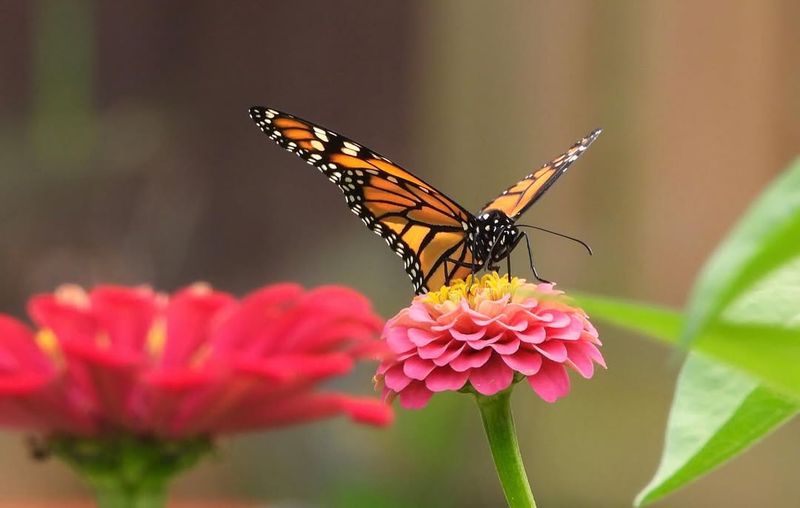
Zinnias rank among the easiest flowers to grow from seed, making them perfect for beginning gardeners.
Bold, cheerful blooms come in every color except blue, from soft pastels to brilliant jewel tones.
While not strongly scented to human noses, butterflies detect subtle fragrances we miss entirely.
The flat flower heads create ideal landing platforms for butterflies to rest while feeding.
Monarchs especially favor zinnias during their migration through Georgia each fall.
These heat-loving annuals bloom continuously from early summer until frost.
Tall varieties reach three feet, while dwarf types stay under a foot high.
Plant seeds directly in the garden after the last frost for best results.
Zinnias need full sun and tolerate Georgia’s summer heat without wilting.
Water at the base of plants rather than overhead to prevent leaf diseases.
The more you cut zinnia flowers, the more blooms the plants produce.
Deadheading keeps plants looking tidy and encourages fresh flowers.
Mix different colors and heights for a cottage garden effect that butterflies adore.
Children enjoy growing zinnias because the large seeds are easy to handle and sprout quickly.
6. Milkweed
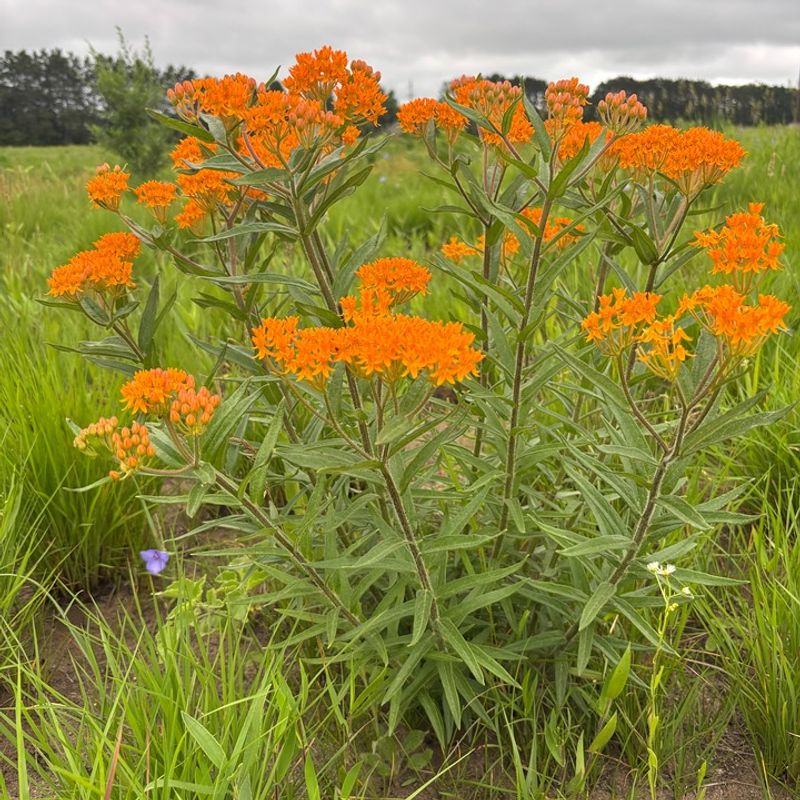
No butterfly garden feels complete without milkweed, the only food source for monarch caterpillars.
Butterfly weed, a native Georgia milkweed, produces clusters of brilliant orange flowers all summer long.
The subtle, sweet fragrance attracts not just monarchs but many other butterfly species too.
Adult butterflies sip nectar from the flowers while females lay eggs on the leaves.
Watching the complete life cycle from egg to butterfly happens right in your garden.
This tough native plant handles heat, drought, and poor soil without any fussing.
Deep taproots make milkweed difficult to transplant, so choose planting locations carefully.
The plant grows two to three feet tall with multiple flower clusters atop each stem.
Swamp milkweed works well in wetter areas, while butterfly weed prefers dry, sandy spots.
Seed pods split open in fall, releasing silky-tufted seeds that float on the wind.
Leave the dried stalks standing through winter as shelter for beneficial insects.
Plant several milkweed varieties to provide blooms throughout the growing season.
Your garden becomes a vital rest stop for monarchs during their incredible migration journey.
7. Coneflower (Echinacea)
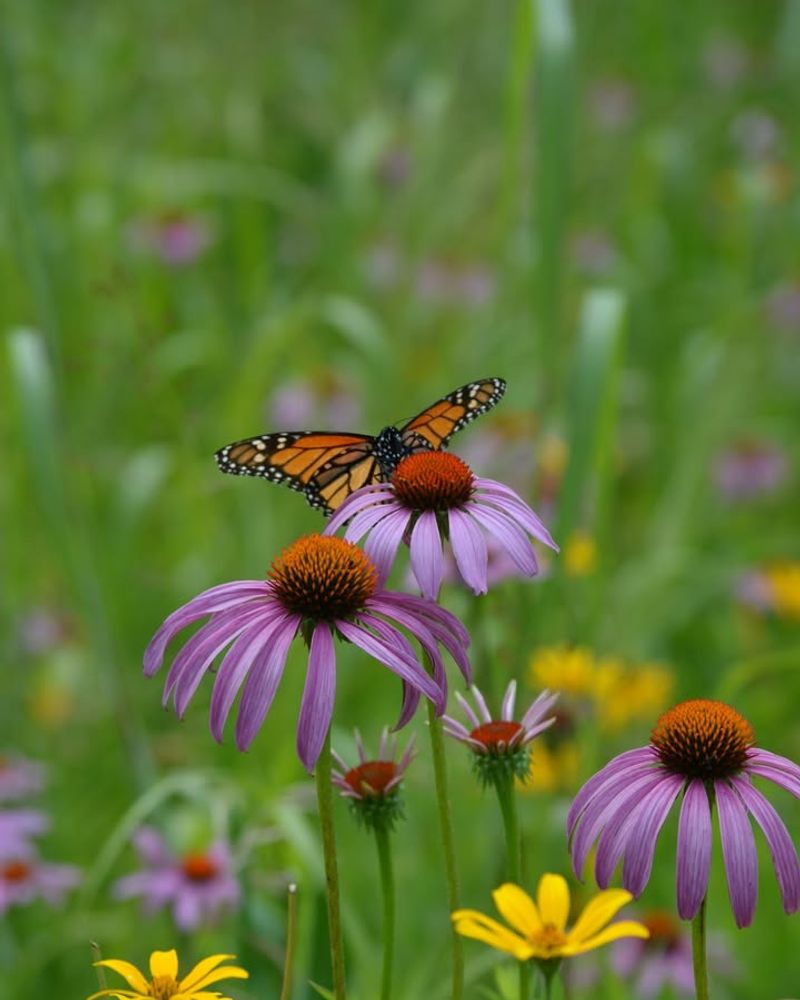
Purple coneflowers bring prairie charm to Georgia gardens with their distinctive daisy-like blooms.
The raised orange center cone gives butterflies an easy place to land and feed.
A light, pleasant fragrance attracts various butterfly species from early summer through fall.
These native perennials tolerate heat, humidity, and drought once their roots establish.
Flowers start purple-pink but now come in white, yellow, orange, and red varieties too.
Each bloom lasts for weeks, providing reliable nectar sources when butterflies need them most.
Coneflowers grow two to four feet tall, depending on the variety you choose.
Plant them in full sun with average soil for the healthiest growth.
The sturdy stems rarely need staking, even during Georgia’s summer thunderstorms.
Goldfinches feast on the seed heads in winter, adding year-round wildlife value.
Divide established clumps every three to four years to maintain vigor.
Coneflowers resist deer browsing better than many other perennials.
The flowers work beautifully in fresh or dried arrangements.
Watch for fritillaries, swallowtails, and skippers visiting these reliable, easy-care blooms throughout the warm months.
8. Verbena
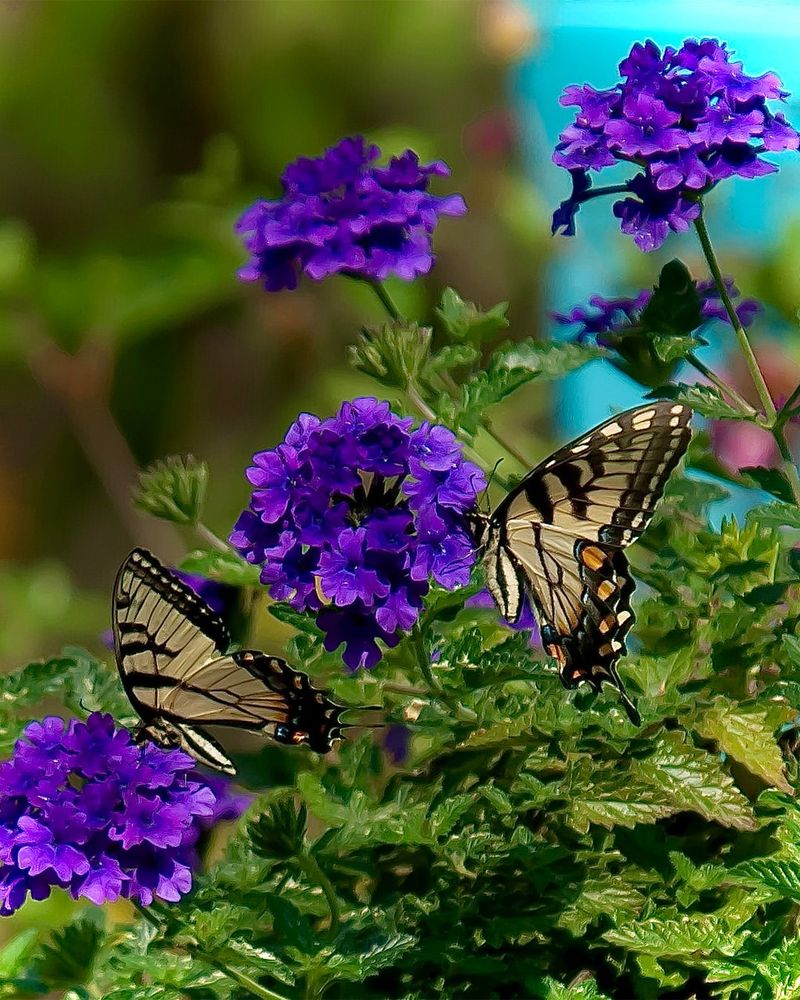
Verbena produces tiny flowers packed tightly into flat-topped clusters that butterflies find irresistible.
The light, sweet scent becomes more noticeable during evening hours.
Purple remains the most popular color, but pink, red, and white varieties also attract plenty of butterflies.
This low-growing plant works wonderfully as a groundcover or spilling from containers.
Verbena blooms nonstop from spring through the first hard frost in fall.
The plants handle Georgia’s heat and humidity better than many other flowering annuals.
Trailing types can spread three feet wide, creating carpets of color and fragrance.
Butterflies appreciate how the flower clusters provide multiple feeding spots in one location.
Plant verbena in full sun for the most blooms and strongest plants.
Well-draining soil prevents root problems during rainy periods.
Deadheading isn’t necessary, but removing spent blooms keeps plants looking fresh.
Verbena combines beautifully with taller plants, filling in spaces at ground level.
The flowers attract both butterflies and hummingbirds to your garden.
Children enjoy counting how many different butterfly species visit a single verbena plant during summer afternoons.
9. Salvia
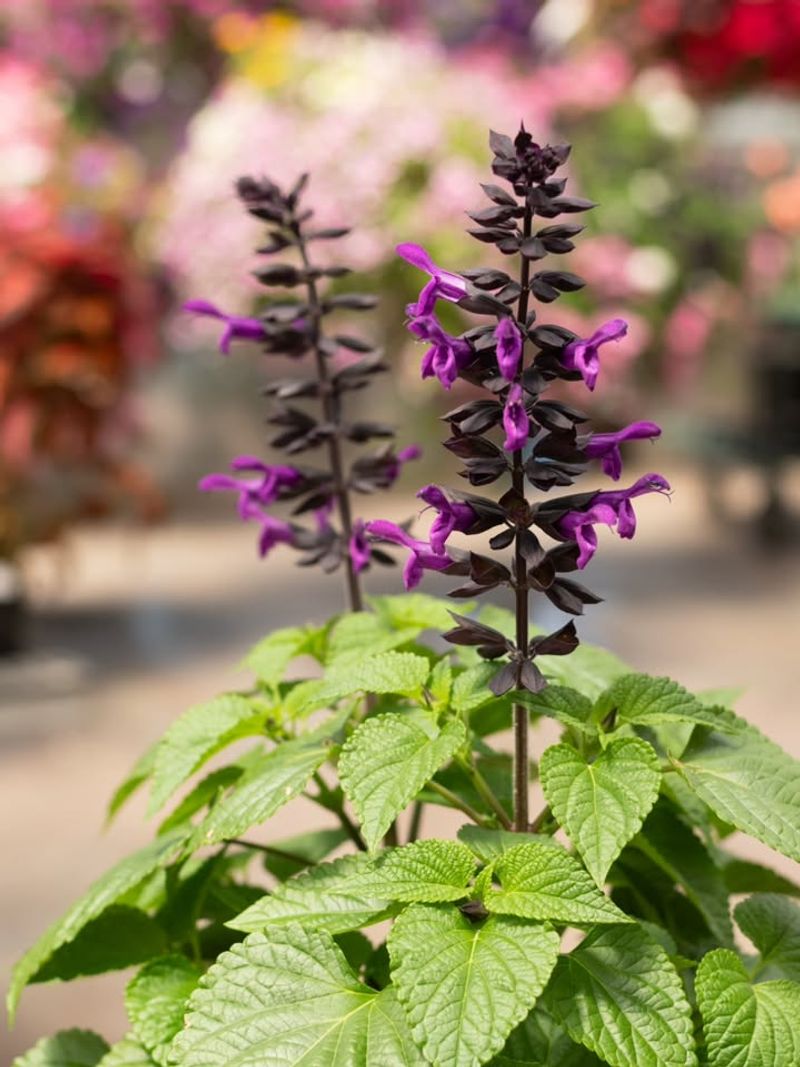
Salvia’s spike-shaped flowers rise above aromatic foliage, creating vertical interest in butterfly gardens.
The minty, herbal scent comes mainly from the leaves when you touch or brush against them.
Blue and purple varieties are most common, though red, pink, and white types also grow well.
Tubular flowers fit perfectly with butterfly tongues, making nectar access easy.
Many salvia varieties bloom from late spring until frost, providing consistent food sources.
These plants tolerate Georgia’s summer heat and bounce back quickly from dry spells.
Hummingbirds also adore salvia, especially the red-flowered types.
Plant salvia in full sun to partial shade, depending on the variety.
The plants grow one to four feet tall, with some spreading wider than their height.
Cutting back spent flower spikes encourages fresh blooms and bushier growth.
Salvia resists deer and rabbit browsing thanks to its aromatic foliage.
The flowers dry well for crafts and arrangements.
Native Georgia salvias like azure sage work particularly well in natural garden settings.
Watch for swallowtails, skippers, and buckeyes dancing around these fragrant, nectar-rich spikes all season long.
10. Honeysuckle
Honeysuckle vines fill summer evenings with one of nature’s sweetest perfumes.
The tubular flowers, usually yellow or white, bloom in clusters along the climbing stems.
Butterflies with longer tongues, like swallowtails, can reach the nectar hidden deep inside each bloom.
Native coral honeysuckle works better in Georgia gardens than invasive Japanese varieties.
The vines climb fences, trellises, and arbors, creating vertical gardens that maximize butterfly habitat.
Coral honeysuckle produces red tubular flowers that hummingbirds prefer, but butterflies visit them too.
The vines grow quickly, covering unsightly structures while providing fragrance and wildlife value.
Plant honeysuckle in full sun to partial shade for best flowering.
Well-established vines handle drought and poor soil conditions.
Prune honeysuckle after flowering to control size and encourage bushier growth.
The fragrance intensifies during evening hours, making patios and seating areas more enjoyable.
Some varieties produce small berries that birds eat in fall and winter.
Planting honeysuckle near windows brings both fragrance and butterfly-watching opportunities indoors.