Why Downy Woodpeckers Are More Active In Ohio Yards This Winter
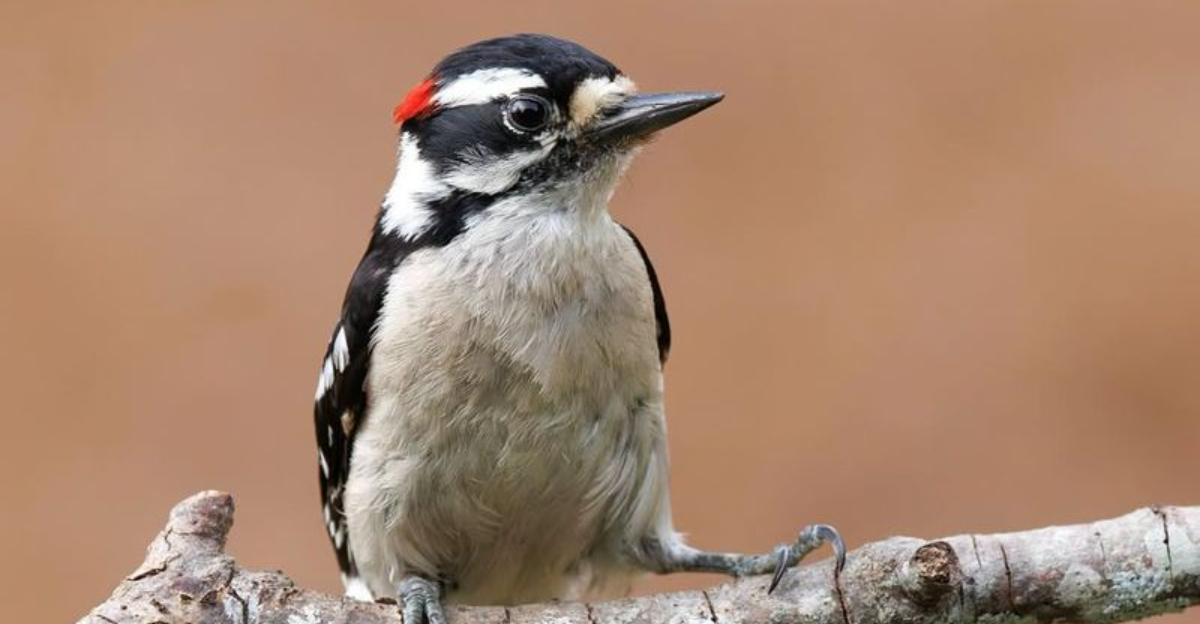
Ohio yards are echoing with sharp taps and quick flashes of black and white this winter, and downy woodpeckers are behind the action.
These small but busy birds do not slow down when temperatures drop.
In fact, winter often puts them front and center as they search for food and defend their space.
Cold weather limits insects, which pushes downy woodpeckers to work harder and expand their feeding routes.
Tree bark, fence posts, and backyard feeders become important stops as they hunt for hidden meals.
Their steady drumming and quick movements show just how determined they are to stay fueled through long winter days.
Downy woodpeckers also grow more visible as leaves fall and yards open up.
Without thick foliage, their activity is easier to spot, and their sounds carry farther.
For Ohio homeowners, this winter surge brings a lively soundtrack and a closer look at one of the state’s most familiar birds.
Understanding why they stay so active helps turn everyday noise into a sign of survival and seasonal rhythm playing out right outside the door.
1. Food Sources Become Scarce In Natural Habitats
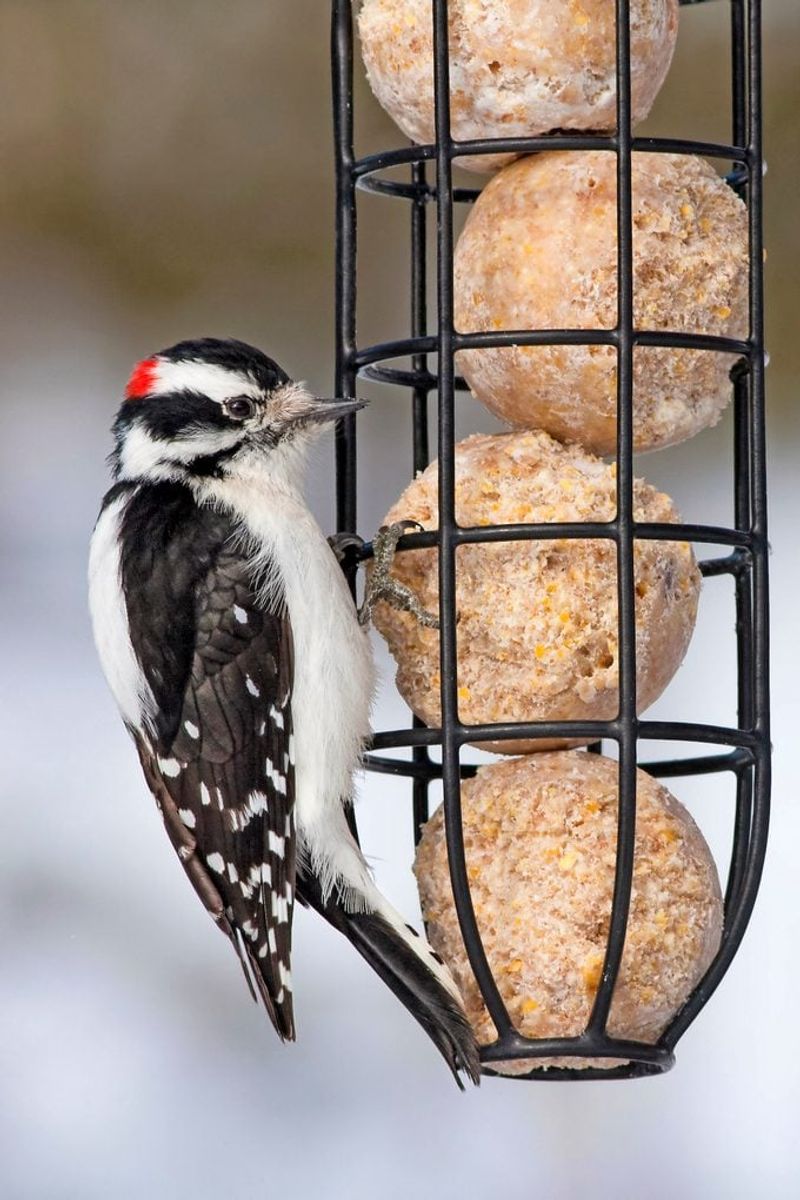
Winter transforms the Ohio landscape into a challenging environment for wildlife, and downy woodpeckers must adapt quickly to survive.
Natural food sources that were abundant during warmer months become extremely limited as temperatures drop.
Insects hide deep within tree bark or enter dormancy, making them much harder to locate in forests and wild areas.
Your backyard offers a reliable alternative with suet feeders, peanut butter, and sunflower seeds that provide essential calories.
These supplemental food sources can mean the difference between a struggling bird and a thriving one during harsh Ohio winters.
Downy woodpeckers have learned that human-populated areas often provide consistent feeding opportunities.
Dry trees and rotting wood in residential yards also harbor dormant insects that these birds can access more easily than in dense forests.
The combination of natural and human-provided foods makes Ohio yards irresistible to hungry woodpeckers.
Homeowners who maintain bird feeders throughout winter become important partners in supporting local wildlife populations.
Mature trees in established neighborhoods create ideal feeding territories that downy woodpeckers can defend and return to regularly.
The predictable food availability in residential areas reduces the energy these small birds must expend searching for meals.
This efficiency becomes crucial when every calorie counts during freezing temperatures and shorter daylight hours across Ohio.
2. Suburban Trees Provide Perfect Foraging Opportunities
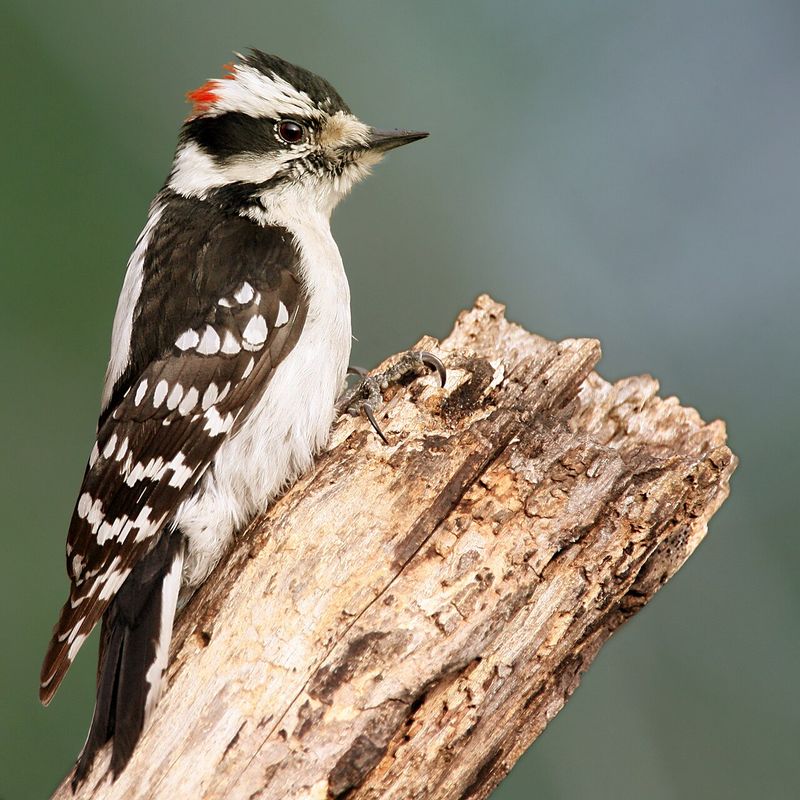
Backyards throughout Ohio feature a diverse mix of tree species that create an ideal buffet for downy woodpeckers seeking winter sustenance.
Ornamental trees, fruit trees, and native species planted in residential landscapes offer varied bark textures and insect populations.
This diversity means woodpeckers can find different food sources within a small area, making suburban yards more attractive than monotonous forest stands.
The spacing between backyard trees also allows easier movement and better visibility for spotting potential threats.
Many homeowners unknowingly create perfect woodpecker habitat by leaving dry branches or standing snags in their yards.
These decaying wood features become insect hotels that provide protein-rich meals throughout the cold season.
Your Ohio Garden Changes Every Week. Your Plan Should Too.
Gardening in Ohio changes quickly throughout the season. Every Friday you’ll receive a simple weekly plan showing exactly what to plant, prune, fertilize, harvest, and protect so you never miss the right timing.
Downy woodpeckers possess specialized adaptations for excavating bark and wood, allowing them to access hidden larvae and eggs.
Ohio yards often contain a mixture of softwood and hardwood trees, each attracting different insect species that overwinter in various life stages.
This variety ensures that downy woodpeckers can always find something to eat, even when one food source becomes depleted.
Residential landscapes also tend to have younger, more accessible trees compared to old-growth forests.
The manageable size of backyard trees makes foraging less energy-intensive for these small birds.
They can thoroughly search several trees without traveling long distances, conserving precious energy during Ohio’s coldest months when food is scarce.
3. Backyard Feeders Offer High-Energy Winter Fuel
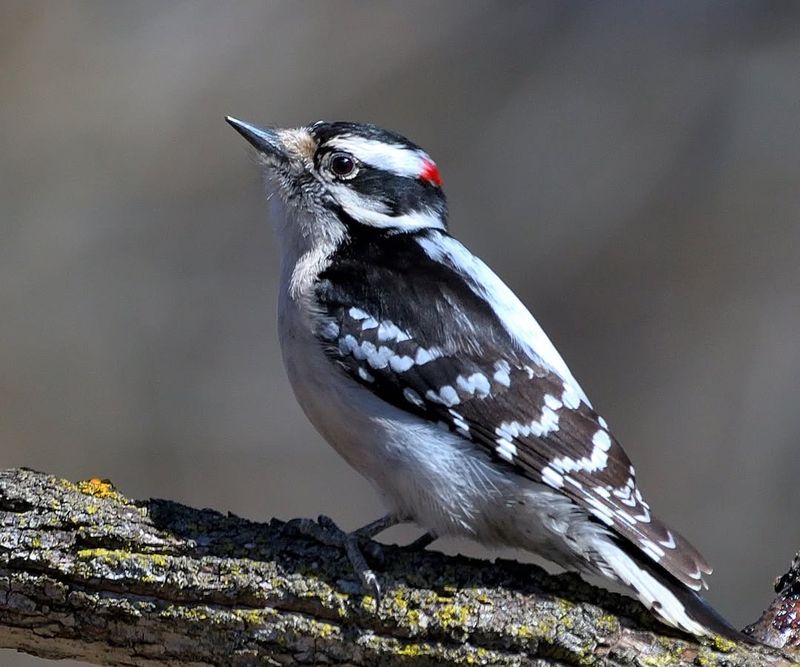
Suet feeders have become wildly popular among Ohio bird enthusiasts, and downy woodpeckers have noticed this generous trend with great enthusiasm.
These high-fat food sources provide concentrated energy that helps small birds maintain their body temperature during freezing nights.
A single visit to a well-stocked suet feeder can deliver more calories than an hour of foraging in the wild.
Downy woodpeckers quickly learn the locations of reliable feeders and incorporate them into their daily routines.
Peanut butter, sunflower chips, and specialized woodpecker blends also attract these birds to residential feeding stations across Ohio.
The convenience of backyard feeders allows woodpeckers to spend less time searching for food and more time resting in sheltered locations.
This energy conservation becomes especially important during severe weather events that make natural foraging nearly impossible.
Many Ohio homeowners maintain their feeders consistently throughout winter, creating dependable food sources that woodpeckers come to rely upon.
The birds develop mental maps of productive feeding territories and visit the same yards repeatedly.
This learned behavior explains why you might see the same individual downy woodpecker visiting your feeder daily.
Feeders placed near natural cover allow woodpeckers to quickly escape from predators while still accessing easy meals.
The strategic placement of feeding stations in Ohio yards makes them even more attractive to these cautious birds during vulnerable winter months.
4. Competition Decreases As Migratory Birds Leave

As autumn transitions to winter, many bird species abandon Ohio for warmer southern climates, leaving behind more resources for year-round residents.
Downy woodpeckers remain active throughout the coldest months, giving them exclusive access to food sources that were previously contested.
Migratory warblers, flycatchers, and other insect-eating birds no longer compete for the same hidden larvae and eggs.
This reduced competition means downy woodpeckers can establish and defend smaller territories more successfully.
Feeder traffic also decreases as migrant species depart, allowing resident woodpeckers easier access to human-provided foods.
The absence of aggressive species like red-winged blackbirds and grackles makes backyard feeding stations more peaceful and accessible.
Downy woodpeckers, though small, can assert themselves more confidently when fewer birds are present.
Natural foraging sites in Ohio yards become less crowded, enabling woodpeckers to thoroughly search trees without constant interruptions.
This efficiency allows them to extract more food from each location before moving on to the next.
The winter landscape essentially becomes a quieter, less competitive environment where resident birds can thrive.
With fewer birds vying for the same resources, downy woodpeckers can afford to be more visible and active during daylight hours.
Their increased presence in Ohio yards during winter reflects not just their needs but also their newfound dominance in the seasonal bird community that remains behind.
5. Residential Areas Provide Shelter From Harsh Weather
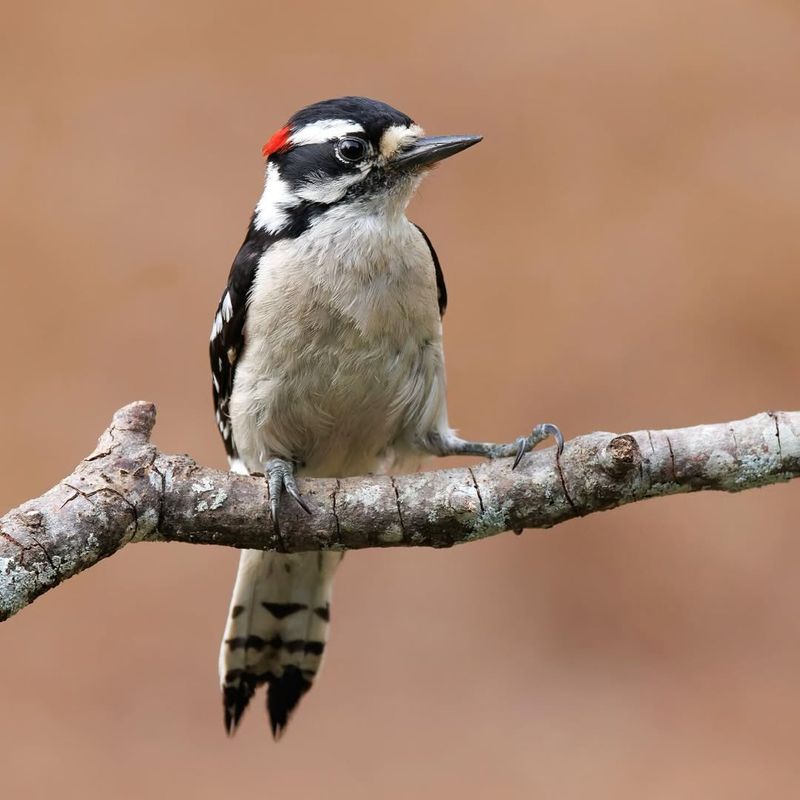
Ohio winters bring fierce winds, heavy snowfall, and bone-chilling temperatures that make survival challenging for small birds like downy woodpeckers.
Residential neighborhoods offer natural windbreaks through buildings, fences, and dense evergreen plantings that reduce exposure to harsh elements.
These structures create microclimates that can be several degrees warmer than open countryside or exposed forests.
Downy woodpeckers instinctively seek out these protected areas when weather conditions deteriorate.
Backyard trees often include cavities, woodpecker holes, and natural crevices where birds can roost overnight and escape dangerous cold snaps.
These sheltered spots allow woodpeckers to conserve body heat more effectively than roosting on exposed branches.
Many Ohio homeowners also provide roosting boxes specifically designed for cavity-nesting birds, further enhancing available shelter options.
Buildings and homes radiate stored heat even during the coldest nights, creating warmer zones around residential properties.
Downy woodpeckers benefit from this thermal advantage when roosting in nearby trees or structures.
The combination of food availability and superior shelter makes suburban yards far more attractive than remote natural areas during severe weather.
Dense shrubs and ornamental plantings common in Ohio yards provide additional protection from wind and precipitation.
These landscape features create layered habitats that woodpeckers can navigate to find the most comfortable conditions.
The thoughtful design of many residential properties inadvertently creates ideal winter survival zones for these adaptable birds throughout the state.
6. Water Sources Remain Accessible In Developed Areas

Finding unfrozen water becomes a serious challenge for Ohio birds when temperatures plummet and natural sources freeze solid for weeks.
Downy woodpeckers need regular access to water for drinking and maintaining their feather condition, even during the coldest months.
In wild areas, birds must rely on rare open streams or melting snow, both of which require significant energy expenditure to locate and access.
Residential yards offer a distinct advantage through heated birdbaths and other water features that remain liquid throughout winter.
Many Ohio homeowners have discovered that providing winter water attracts more birds than food alone, and downy woodpeckers are frequent visitors.
These reliable water sources eliminate the need for birds to travel long distances or waste precious energy melting snow with their body heat.
A simple heated birdbath can become a lifeline for backyard wildlife during extended cold periods.
Dripping faucets, outdoor pet water dishes, and decorative fountains in residential areas also provide occasional drinking opportunities.
Downy woodpeckers quickly learn the locations of these dependable water sources and incorporate them into their daily routines.
The predictability of human-maintained water features makes them far superior to unreliable natural sources.
Proper hydration helps woodpeckers maintain their high metabolism and active lifestyle throughout Ohio’s demanding winter season.
Yards that offer both food and water become premier destinations that attract and retain these delightful birds for the entire cold season and beyond.
7. Breeding Territory Establishment Begins In Late Winter
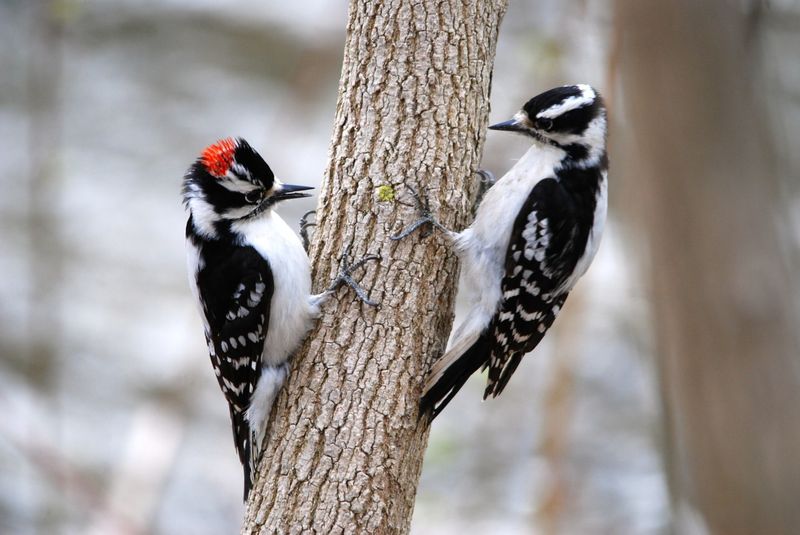
Late winter marks the beginning of breeding season preparation for downy woodpeckers across Ohio, triggering increased activity and territorial behavior.
Male woodpeckers begin drumming on resonant surfaces to advertise their presence and claim prime nesting territories.
This rhythmic tapping becomes noticeably more frequent in residential areas where suitable nest sites and food resources are concentrated.
Backyard trees with existing cavities or soft wood suitable for excavation become highly contested real estate.
Both male and female downy woodpeckers scout potential nesting locations throughout late winter, leading to increased visibility in Ohio yards.
They carefully evaluate trees for cavity potential, proximity to food sources, and safety from predators.
Residential areas that provided good winter survival conditions naturally become attractive breeding territories as well.
The drumming sounds that homeowners hear echoing through their neighborhoods serve as both territorial warnings and courtship signals.
Downy woodpeckers select resonant dry branches, metal gutters, and even wooden siding to amplify their messages across the landscape.
This behavior explains why these birds seem particularly active and vocal in yards during the transition from winter to spring.
Establishing territories early gives woodpeckers the best selection of nest sites and ensures adequate food resources for raising young.
Ohio yards that supported birds through winter often become prime breeding locations, creating a year-round presence.
The increased activity you notice now represents an investment in the next generation of backyard woodpeckers.