Why Chickadees Are More Active In Minnesota Yards This Winter
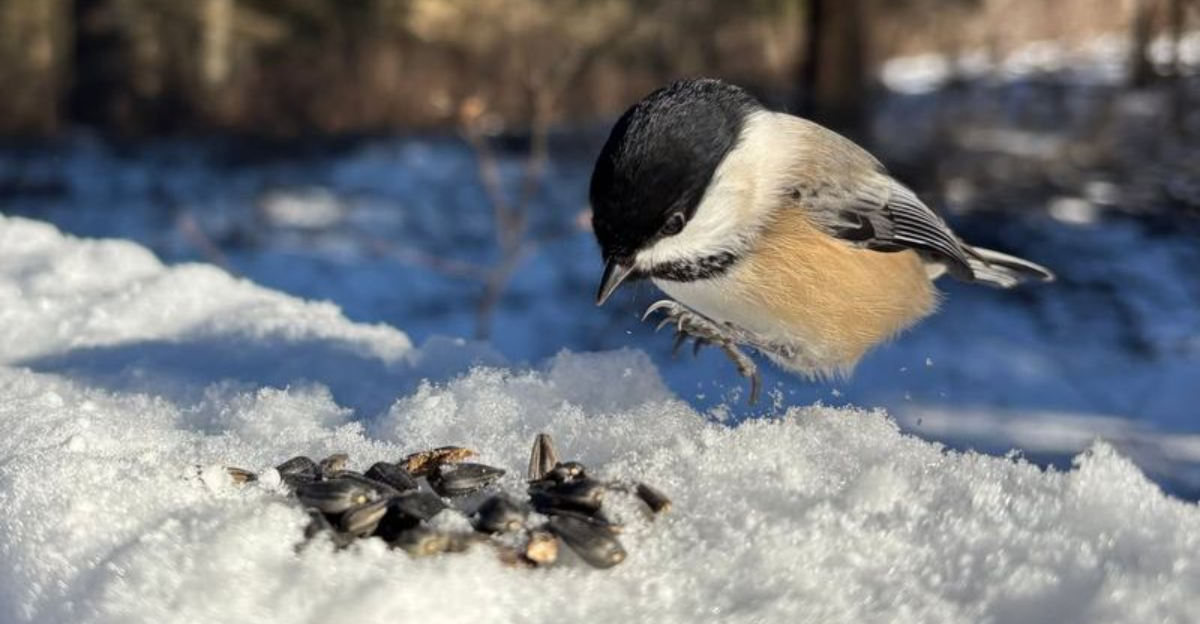
Minnesota winters demand constant energy from small birds, and chickadees meet that demand head-on.
These birds stay active throughout the day to maintain body heat and avoid danger.
Frequent movement also helps them locate food stored earlier in the season.
Backyard feeders play a major role, offering high-energy fuel when natural sources stay scarce.
Familiar yards provide shelter and safety, which encourages bold behavior.
Their winter activity reflects smart survival habits that keep them visible even during the coldest stretches of the year.
Natural Food Sources Have Dwindled In Forests
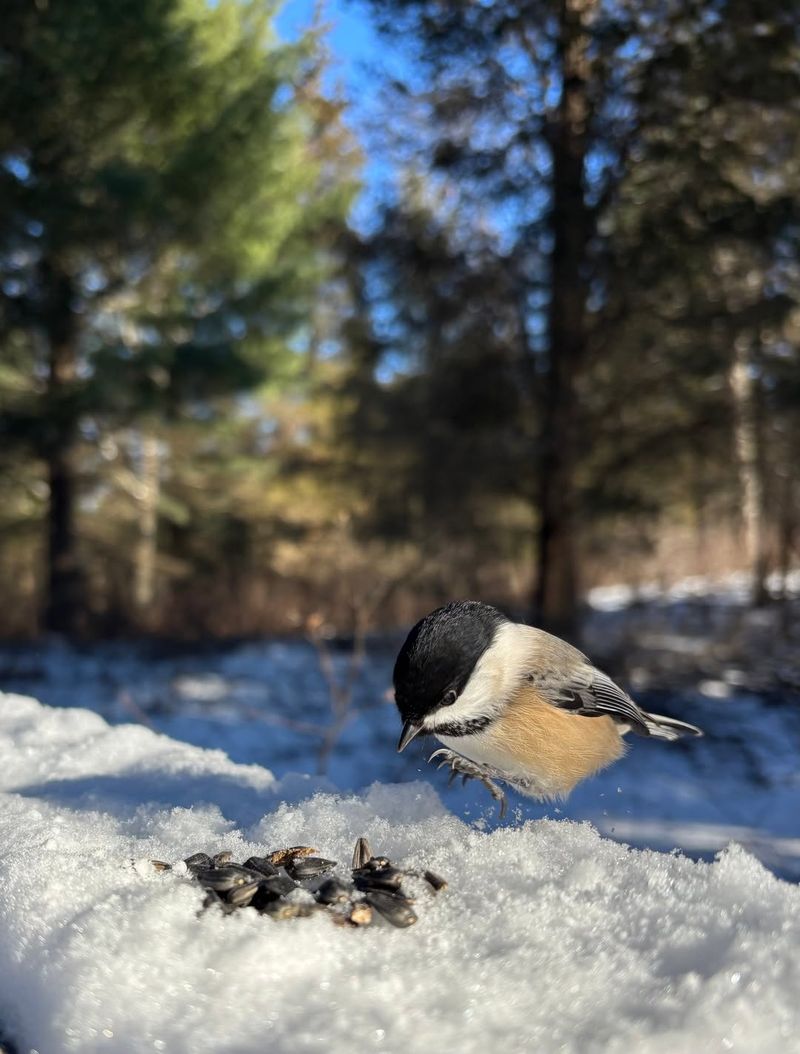
Wild seed crops and berry production experienced a significant decline this year across Minnesota woodlands.
Oak trees produced fewer acorns, and birch trees offered limited catkins compared to previous seasons.
When natural food becomes scarce in their woodland habitats, chickadees must expand their search radius to survive.
Backyard feeders become lifesaving resources during these lean times.
Sunflower seeds, suet, and peanuts provide the high-fat nutrition chickadees need to maintain their body temperature through frigid nights.
A single chickadee can visit a feeder dozens of times daily, caching seeds in tree bark for later retrieval.
The birds remember thousands of hiding spots using their remarkable spatial memory.
This behavior explains why you might see the same chickadee repeatedly throughout the day.
Forest food shortages push entire chickadee populations toward residential areas where reliable feeding stations exist.
Homeowners who maintain consistent feeder supplies essentially create vital safety nets for these adaptable birds.
The shift from forest to backyard represents a survival strategy that has worked for generations of chickadees.
Your yard becomes part of their expanded territory when wild food runs low.
Harsh Weather Drives Birds Closer To Shelter
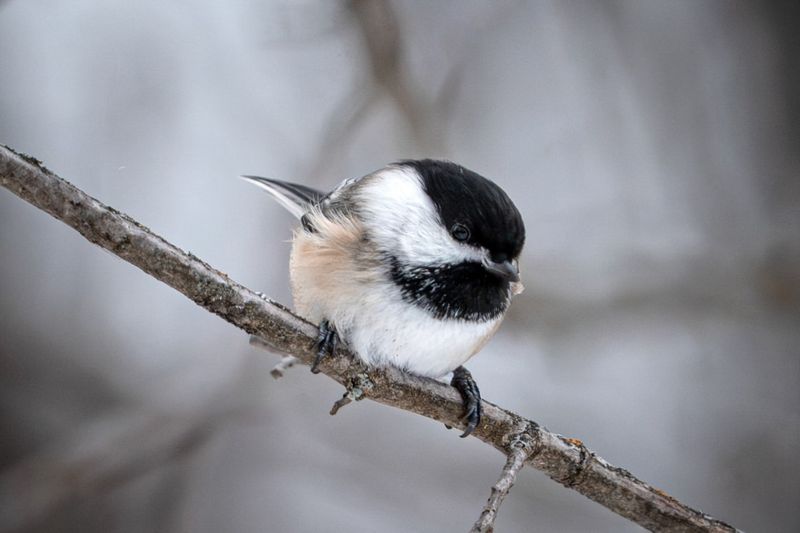
Minnesota winters test the limits of survival for small birds like chickadees.
Temperatures plummet well below zero, and wind chills make conditions even more brutal.
Chickadees weigh less than half an ounce, making them especially vulnerable to extreme cold.
Residential areas offer crucial protection from harsh elements that open forests cannot provide.
Buildings, fences, evergreen shrubs, and dense vegetation create windbreaks that reduce heat loss.
Chickadees seek out these sheltered microclimates where temperatures can be several degrees warmer than exposed areas.
Your garage eaves, porch overhangs, and thick hedges become essential refuges during blizzards and cold snaps.
Birds often huddle in these protected spots overnight, conserving precious energy reserves.
The combination of shelter and nearby food sources makes suburban yards irresistible to winter-stressed chickadees.
Studies show that birds with access to sheltered feeding areas have better survival rates during severe weather.
Each degree of warmth matters when you have such a small body mass to maintain.
The architectural landscape of human settlements accidentally creates ideal winter habitat for these resourceful birds.
Chickadees have learned to exploit these advantages over countless generations.
Population Numbers Hit A Cyclical Peak
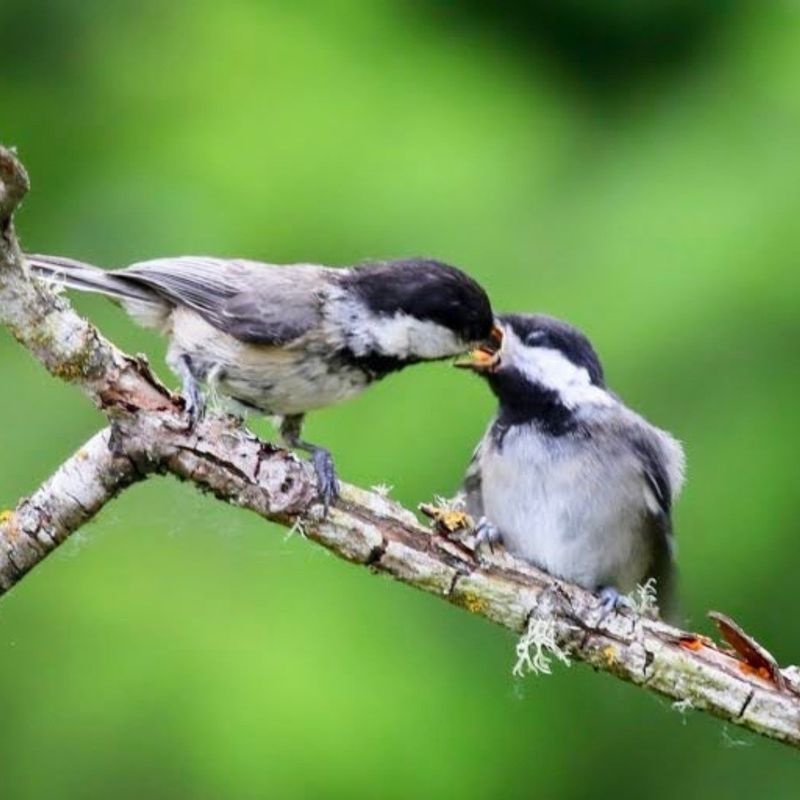
Bird populations naturally fluctuate in predictable cycles influenced by breeding success and environmental conditions.
This winter represents a peak year for chickadee numbers across the Upper Midwest region.
Last spring brought ideal nesting conditions with abundant insects to feed growing chicks.
Your Minnesota Garden Changes Every Week. Your Plan Should Too.
Gardening in Minnesota changes quickly throughout the season. Every Friday you’ll receive a simple weekly plan showing exactly what to plant, prune, fertilize, harvest, and protect so you never miss the right timing.
Mild weather during the breeding season meant higher chick survival rates in nest cavities.
Chickadee pairs typically raise five to eight young each year, and when conditions align perfectly, more fledglings survive to adulthood.
The result appears months later when these juvenile birds join the winter population.
Ornithologists track these cycles through citizen science projects and bird count data.
The numbers clearly show an upward swing this year compared to the previous three winters.
More chickadees overall means more birds competing for territory and food sources.
This competition pushes birds into areas they might normally avoid, including suburban neighborhoods.
Young birds especially must find unoccupied territories, often settling near human habitation.
The cyclical nature means populations will eventually decline again, but for now, chickadees are everywhere.
Enjoy this abundant year while it lasts, as nature will balance the numbers over time.
Irruption Events Push Birds Southward
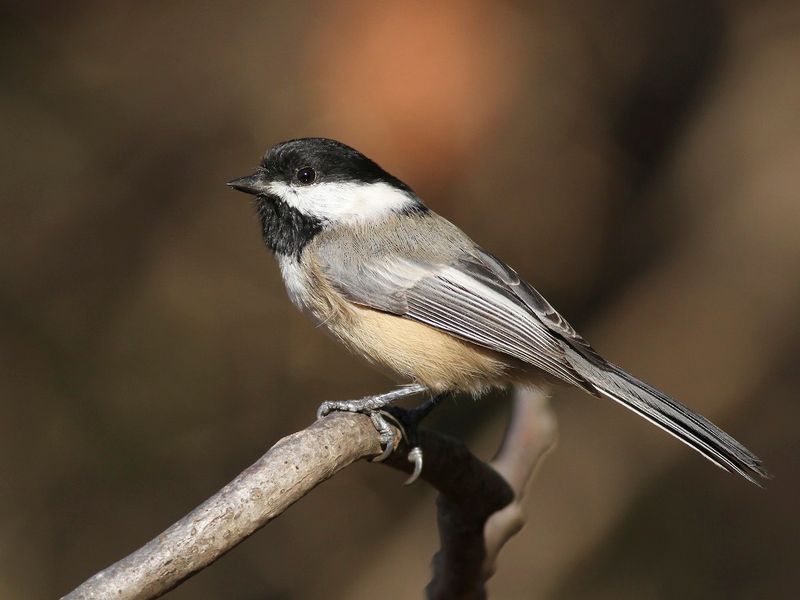
Sometimes northern bird populations experience dramatic movements called irruptions, where large numbers suddenly appear far south of their typical range.
While chickadees are year-round Minnesota residents, birds from even farther north occasionally move into the state during harsh winters.
Canadian populations may shift southward when food becomes extremely scarce in boreal forests.
These irruption events happen irregularly, often tied to boom-and-bust cycles of spruce and pine seed production.
When cone crops fail across vast northern regions, birds must relocate or face starvation.
Minnesota becomes a destination for these displaced populations seeking better conditions.
The influx adds to local chickadee numbers, creating the impression of unusually high activity.
Birdwatchers sometimes notice subtle differences in the arriving birds, such as slightly larger size or different vocalizations.
These northern visitors mix with resident populations, all competing for the same backyard resources.
Irruptions can bring other northern species too, including redpolls, pine siskins, and evening grosbeaks.
The phenomenon reminds us how interconnected bird populations are across vast geographic areas.
Your backyard feeder might be supporting birds that hatched a thousand miles north.
Such movements demonstrate the remarkable adaptability and mobility of these small survivors.
Increased Metabolic Needs Require Constant Feeding
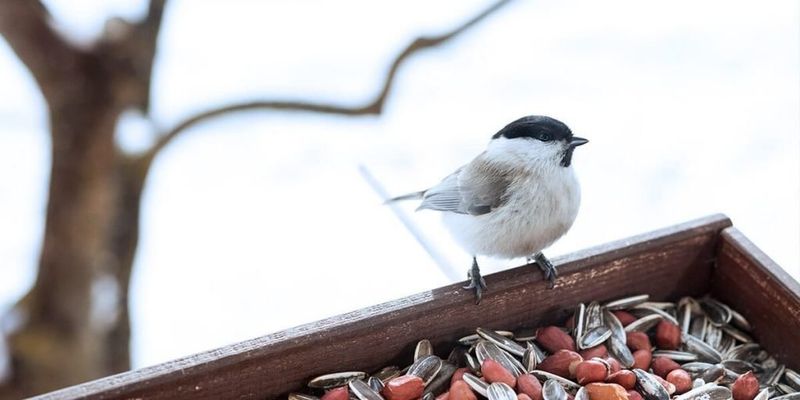
Chickadees face an extraordinary metabolic challenge every winter day.
Their tiny bodies must generate enough heat to maintain a core temperature of 108 degrees Fahrenheit despite freezing conditions.
This requires consuming an enormous amount of food relative to their body weight.
A chickadee may need to eat the equivalent of 60 percent of its body weight daily during extreme cold.
Imagine if humans had to eat that proportionally—it would be like consuming 100 pounds of food every day!
This desperate need for calories drives constant feeding activity from dawn until dusk.
The birds cannot afford to waste time searching unproductive areas when every calorie counts.
Backyard feeders offer concentrated, predictable food sources that maximize efficiency.
Chickadees can quickly grab a seed, cache it, and return for another within minutes.
Their hyperactive appearance stems directly from this metabolic urgency.
Birds that fail to meet their daily caloric needs simply will not survive the night.
The stakes are incredibly high, which explains why chickadees seem so bold and persistent at feeders.
They literally cannot afford to be shy when survival depends on constant fuel intake throughout short winter days.
Territorial Boundaries Expand In Winter
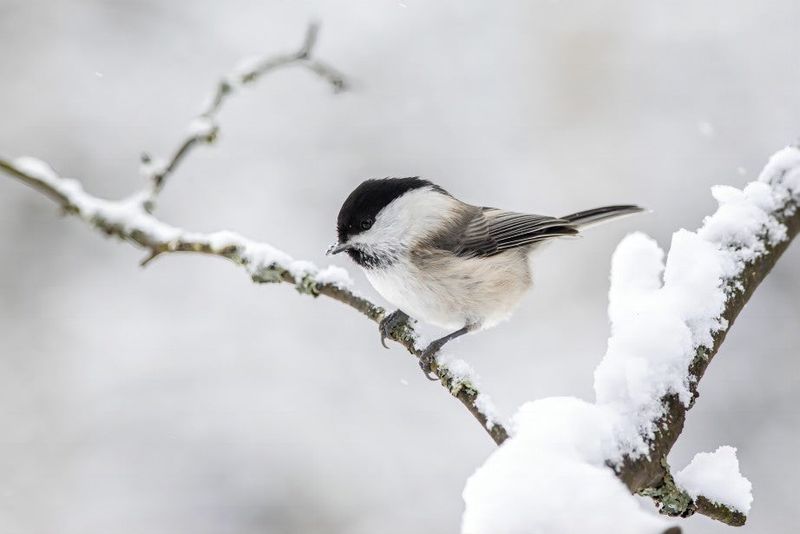
During breeding season, chickadee pairs defend small territories around their nesting sites.
However, winter changes their social structure dramatically.
Birds form loose flocks that roam across much larger areas in search of food.
These winter flocks may include six to twelve individuals, sometimes joined by other small bird species like nuthatches and titmice.
The expanded territory can cover 50 acres or more, compared to just a few acres during nesting season.
Your yard might fall within the winter range of multiple flocks that pass through at different times.
Flocking provides safety advantages, with more eyes watching for predators like hawks and shrikes.
Birds also benefit from shared knowledge about food locations discovered by flock members.
The social tolerance increases because breeding competition disappears during winter months.
As territories expand, chickadees explore areas they ignored during summer.
Suburban yards become part of their regular circuit, especially if feeders provide reliable rewards.
The birds establish mental maps of productive feeding sites across their enlarged winter range.
This territorial expansion explains why you might suddenly notice chickadees that were absent during warmer months.
They were always nearby but had no reason to visit until winter needs changed their patterns.
Predator Pressure Remains Lower Near Homes
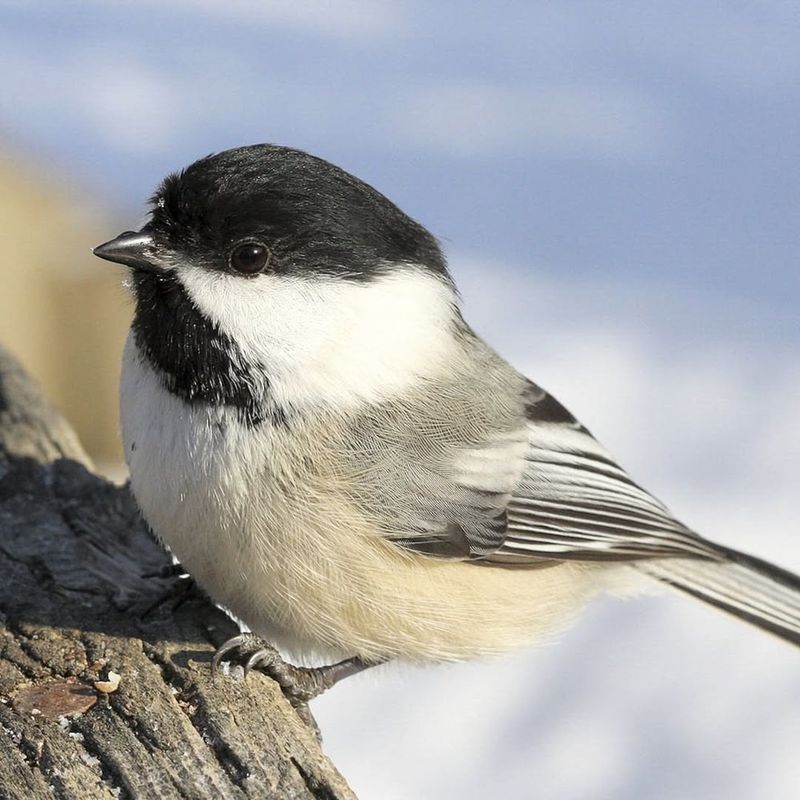
Wild spaces harbor numerous predators that target small birds, from sharp-shinned hawks to northern shrikes.
Residential neighborhoods generally support fewer of these threats, making backyards relatively safer feeding zones.
Chickadees instinctively recognize this reduced danger and adjust their behavior accordingly.
While hawks do occasionally hunt near homes, the presence of people, pets, and buildings creates disturbances that limit predator success.
Windows, walls, and nearby cover allow chickadees to quickly escape when danger approaches.
Dense shrubs planted near feeders provide crucial escape routes that forest edges may lack.
The birds demonstrate remarkable boldness around humans because we pose no direct threat.
They have learned over generations that people associated with feeders mean food, not danger.
This comfort level allows chickadees to feed more efficiently without constant vigilance.
Reduced predator stress means birds can focus energy on feeding rather than hiding.
The caloric savings from decreased anxiety actually improves winter survival odds.
Your presence in the yard may even provide a protective shield that chickadees exploit.
They feed more actively when humans are nearby because predatory birds avoid close contact with people.
This mutually beneficial relationship has developed naturally as birds adapted to suburban environments.
Water Sources Become Critical And Scarce
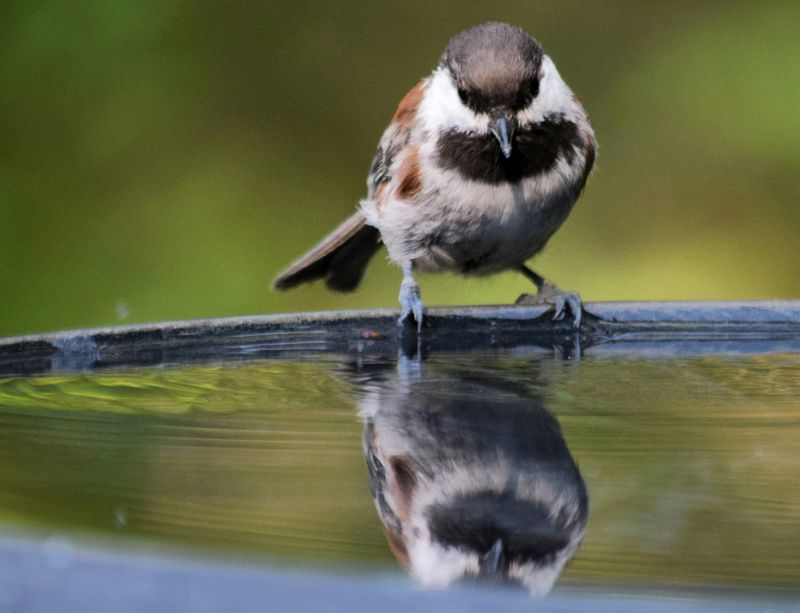
Most people think about providing food for winter birds, but water availability proves equally important.
Chickadees need water for drinking and maintaining feather condition throughout the brutal Minnesota winter.
Natural water sources freeze solid, creating a serious survival challenge.
Birds obtain some moisture from snow, but melting snow requires precious energy that depletes fat reserves.
Liquid water allows efficient hydration without the metabolic cost of melting ice internally.
Homeowners who provide heated birdbaths or water features create oases that attract birds from considerable distances.
Feather maintenance depends on water for preening and keeping plumage in optimal insulating condition.
Damaged or dirty feathers lose effectiveness, forcing birds to burn more calories maintaining body temperature.
Access to water helps chickadees keep their feathers properly arranged and functional.
A reliable water source can be even more attractive than food during certain conditions.
Chickadees will visit water features multiple times daily, drinking and bathing even in freezing temperatures.
The combination of food and water makes a backyard irresistible to winter birds.
If you want to maximize chickadee activity, consider adding a heated water element to your existing feeding station.
The investment pays dividends in increased bird diversity and activity throughout the coldest months.