What Brings Snowy Owls To New York Some Winters
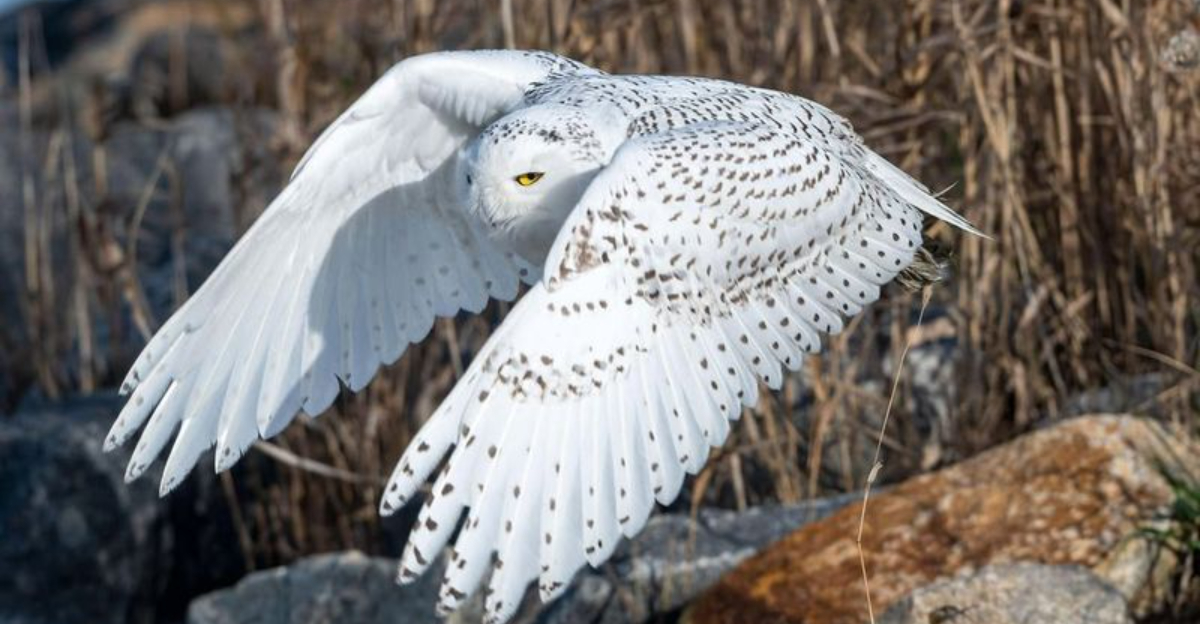
Some winters, New York feels like it borrows a page from the Arctic, and snowy owls arrive as the surprise guests.
These striking white birds perch along coastlines, fields, and open spaces, turning ordinary landscapes into something straight out of a nature documentary.
Their appearance feels sudden, but it follows a natural pattern that plays out far beyond state lines.
Snowy owls roam great distances when conditions shift in their northern breeding grounds.
Changes in food supply push them to travel south in search of open hunting areas.
New York offers wide fields, shorelines, and airports that mimic the open tundra they prefer.
When prey is scarce up north, these spaces become welcome stops.
Their visits do not happen every year, which makes sightings feel special.
When snowy owls do show up, they often stay for weeks or months, quietly hunting and conserving energy.
For New Yorkers, these visits are a reminder of nature’s reach and balance.
The arrival of snowy owls signals a winter shaped by movement, survival, and forces far beyond what the eye can see.
1. Lemming Population Explosions In The Arctic
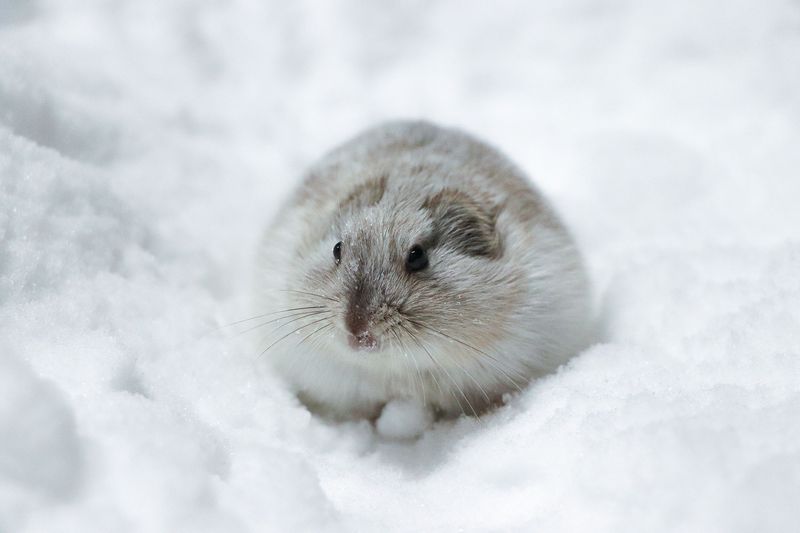
Lemmings are small rodents that live in the Arctic, and they’re the favorite food of snowy owls.
These tiny creatures go through dramatic population cycles, sometimes exploding in numbers every three to five years.
When lemming populations boom, snowy owls have an incredible feast and can raise large families with six, eight, or even more chicks in a single breeding season.
This abundance of food creates a baby boom among the owl population.
But here’s where things get interesting for New York bird watchers.
After a summer of plenty, the Arctic suddenly has way more snowy owls than it can support once lemming numbers crash back down.
Young owls, especially those born during these boom years, face fierce competition for limited food resources.
They must leave their birthplace and search for new hunting grounds to survive the winter.
Many of these young, hungry owls head south, following their instincts to find open landscapes that remind them of home.
New York’s coastal areas, farm fields, and airports provide the treeless, wide-open spaces these birds prefer.
The connection between tiny Arctic lemmings and snowy owl sightings in New York shows how ecosystems across thousands of miles are linked.
When researchers track lemming populations in Canada, they can actually predict which winters might bring snowy owls to places like Jones Beach or Lake Ontario’s shoreline.
This natural cycle has been happening for thousands of years, long before humans were around to witness these spectacular visitors.
2. Young Owls Seeking New Territory

Picture being a young snowy owl just a few months old, facing your first winter in the harsh Arctic.
You’ve recently left your parents and must now fend for yourself in one of Earth’s most challenging environments.
Unlike adult snowy owls, which often stay in the far north year-round, young birds lack the hunting experience and established territories that would help them survive Arctic winters.
Your New York Garden Changes Every Week. Your Plan Should Too.
Gardening in New York changes quickly throughout the season. Every Friday you’ll receive a simple weekly plan showing exactly what to plant, prune, fertilize, harvest, and protect so you never miss the right timing.
Their inexperience combined with natural wanderlust sends many southward.
Young snowy owls wear darker plumage with more brown and black barring than the nearly pure white adult males.
These juvenile markings help researchers identify that most snowy owls spotted in New York are indeed youngsters on their first big adventure.
They’re learning to hunt new prey, navigate unfamiliar landscapes, and survive in places that look nothing like their Arctic birthplace.
Some adapt well, while others struggle with the challenges of this southern journey.
New York provides ideal stopover habitat for these inexperienced hunters.
The state’s varied landscapes, from Long Island’s beaches to the fields of the Finger Lakes region, offer hunting opportunities these young birds can actually handle.
They’re looking for areas with few trees, good visibility, and prey they can catch.
Airports, in particular, attract snowy owls because they resemble Arctic tundra and often have populations of small mammals and birds.
This dispersal of young owls is nature’s way of preventing overcrowding in the Arctic and spreading the population across a wider range, ensuring the species’ long-term survival.
3. Irruptive Migration Patterns
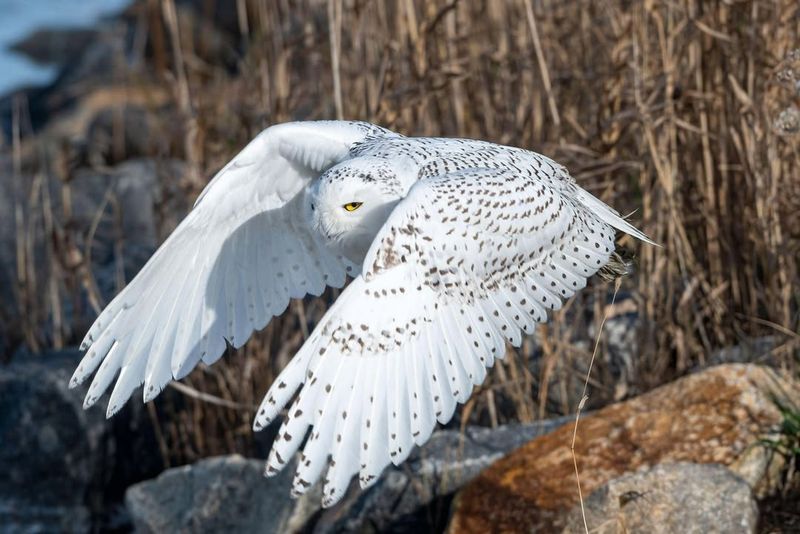
Snowy owls don’t migrate like robins or geese that travel south every single year on a predictable schedule.
Instead, they exhibit what scientists call “irruptive migration,” which means they only move south in large numbers during certain years.
These irregular movements depend on conditions in their Arctic home rather than the changing seasons.
Some winters bring just a handful of snowy owls to New York, while other years deliver a spectacular irruption with dozens or even hundreds of sightings across the state.
The winter of 2013-2014 brought one of the most impressive snowy owl irruptions in recent memory.
Bird watchers in New York reported extraordinary numbers of these Arctic visitors, with owls appearing in places they’d never been seen before.
Researchers tracked owls from Massachusetts to Michigan, documenting the widespread nature of this particular movement.
These irruption years generate tremendous excitement among nature enthusiasts who understand they’re witnessing something special and unpredictable.
Scientists study these patterns to understand what triggers mass movements.
Weather conditions, prey availability, and population dynamics in the Arctic all play roles in determining whether a given winter will bring snowy owls to New York.
Climate change may be affecting these patterns, potentially altering the timing and intensity of irruptions.
By monitoring when and where snowy owls appear in places like New York, researchers gain valuable insights into Arctic ecosystem health.
Each irruption year provides a unique opportunity to study these magnificent birds and collect data that helps protect them for future generations.
4. Abundant Prey In Open Habitats
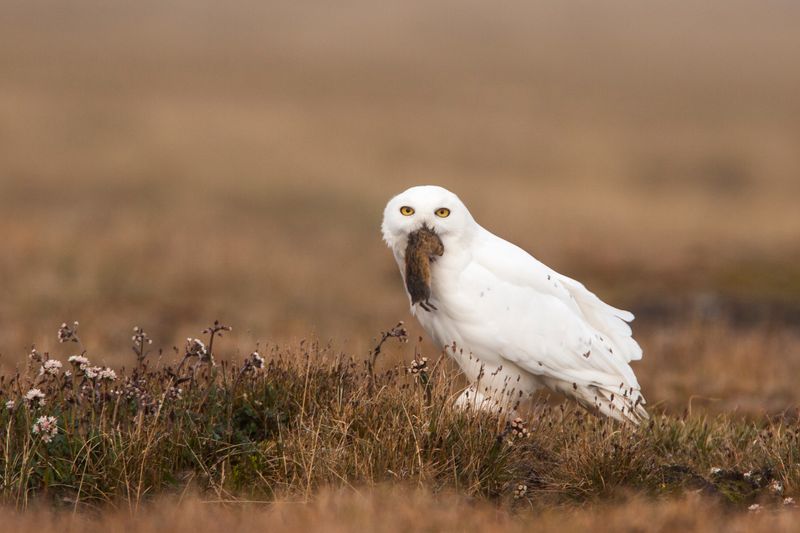
When snowy owls arrive in New York, they’re not just wandering aimlessly.
They’re actively searching for good hunting grounds that can support them through the winter months.
These skilled predators need open landscapes where they can spot prey from a distance, just like they do on the Arctic tundra.
New York’s agricultural areas, coastal dunes, and large parks provide exactly what they’re looking for, along with plenty of potential meals.
Although lemmings aren’t available in New York, snowy owls adapt their diet to whatever small animals they can catch.
Meadow voles, which are abundant in farm fields and grasslands throughout the state, become a primary food source.
These owls also hunt rabbits, rats, ducks, and other birds when opportunities arise.
Their hunting strategy involves perching on a high point like a fence post or dune, scanning the area with their incredible vision, then swooping down to grab unsuspecting prey with their powerful talons.
Coastal areas of Long Island, including Jamaica Bay Wildlife Refuge and Jones Beach, consistently attract snowy owls because these locations offer both open terrain and diverse prey options.
The fields of upstate New York, particularly around the Great Lakes region, also provide excellent winter habitat.
These owls can consume several small mammals daily to maintain their energy in cold weather.
Finding areas with reliable food sources makes the difference between surviving the winter or not.
New York’s varied ecosystems accidentally provide ideal conditions for these Arctic visitors, which explains why the state sees regular visits during irruption years.
5. Harsh Arctic Winter Conditions
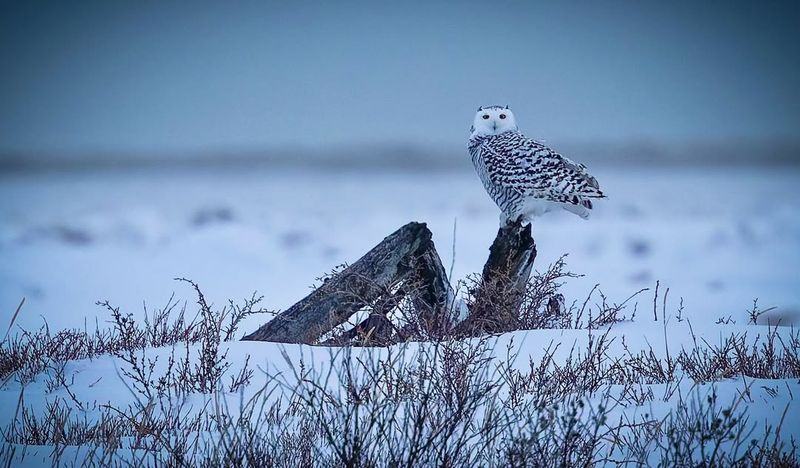
Even though snowy owls evolved to handle extreme cold, sometimes Arctic winter conditions become too severe even for these hardy birds.
Brutal temperatures, persistent blizzards, and extended periods of darkness can make hunting nearly impossible in the far north.
When weather conditions turn particularly nasty, even adult snowy owls may move south to find more manageable environments.
Combined with food shortages, harsh weather can trigger movements toward places like New York.
Arctic winters feature months of near-total darkness, with some areas experiencing 24-hour night for weeks at a time.
While snowy owls have excellent night vision and can hunt in low light, extended darkness still makes finding food more challenging.
Fierce winds and deep snow can hide prey animals in burrows, making them inaccessible to hunting owls.
These cumulative stresses push some birds to seek better conditions farther south.
New York winters, while certainly cold by human standards, are comparatively mild compared to Arctic conditions.
Temperatures rarely drop as low as those in northern Canada, and the state receives more daylight hours during winter months.
This makes hunting easier and less energy-intensive for visiting snowy owls.
Coastal areas of New York benefit from moderating ocean influences that keep temperatures somewhat warmer than inland locations.
For a snowy owl struggling in the Arctic, the relatively gentler conditions found in New York can mean the difference between a successful winter and a desperate struggle.
These birds aren’t fleeing cold itself but rather the combination of extreme weather and limited food that makes Arctic survival so challenging during certain winters.
6. Competition For Resources In The North
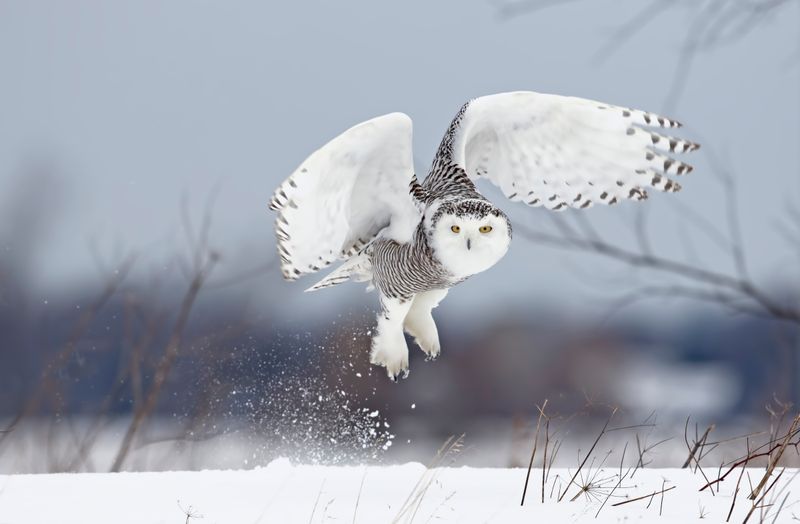
Imagine dozens of snowy owls trying to hunt in the same area after a population boom.
Competition for limited food and suitable hunting territories becomes intense, especially when prey populations decline after their peak years.
Adult owls, which are larger and more experienced, typically claim the best hunting spots and defend them aggressively.
This leaves younger, weaker, or less experienced birds with two choices: either compete for scraps in marginal habitat or move somewhere else entirely.
Snowy owls are generally solitary hunters outside the breeding season, preferring to have exclusive access to productive hunting areas.
When too many owls occupy the same region, conflicts arise and hunting efficiency drops for everyone.
Younger birds usually lose these confrontations with established adults and must disperse to find unclaimed territories.
This competitive pressure serves as a major driving force pushing juvenile snowy owls out of the Arctic and toward places like New York.
Once they arrive in New York, these displaced owls often spread out across the landscape rather than clustering together.
You might find one owl at a beach on Long Island, another in farm fields near Rochester, and yet another at a rural airport in the Hudson Valley.
This spacing behavior continues even in their winter habitat, as each bird seeks its own hunting territory.
The competitive dynamics in the Arctic essentially redistribute snowy owls across a much larger geographic area, bringing these magnificent predators to locations where they’d otherwise never appear.
Understanding this competition helps explain why irruption years vary so much in intensity and why some winters bring many more owls to New York than others.
7. Natural Dispersal And Exploration
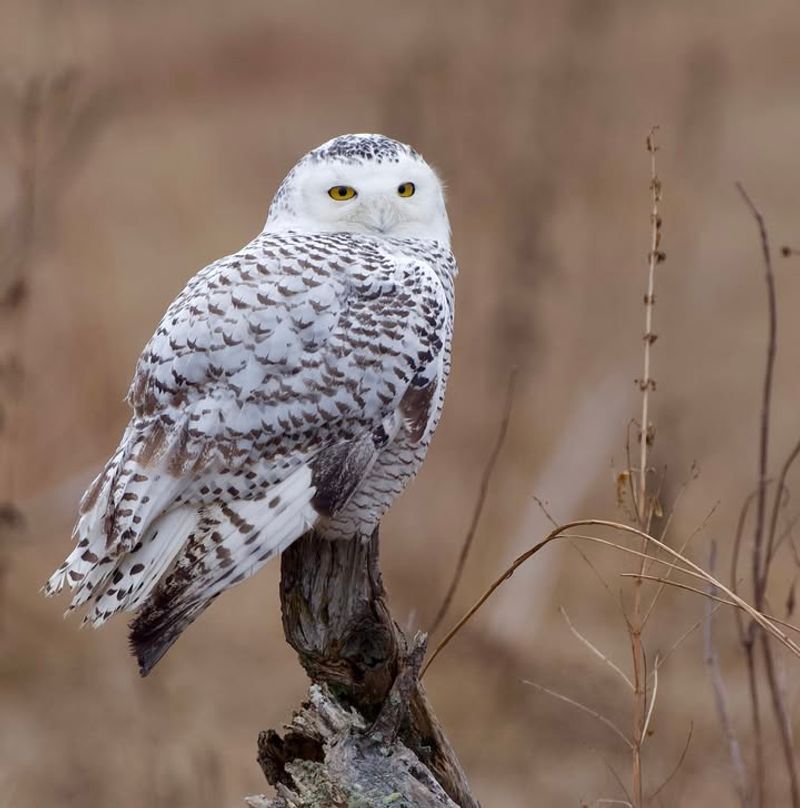
Sometimes snowy owls show up in New York simply because they’re naturally curious and exploratory.
Young animals of many species have an innate drive to wander and investigate new areas, and snowy owls are no exception.
This dispersal behavior is hardwired into their biology, encouraging genetic diversity and preventing inbreeding.
Even in years without dramatic lemming crashes or extreme weather, some adventurous young owls head south just to see what’s out there.
Scientists believe this exploratory behavior serves an important evolutionary purpose.
By dispersing widely, young owls discover new habitats and potential breeding areas that the species might need in the future.
Climate change and shifting ecosystems make this adaptability increasingly important.
Owls that explore beyond their traditional range might find suitable habitat that could support populations if Arctic conditions change dramatically.
New York becomes part of this exploration zone, offering varied landscapes these birds can assess and potentially remember for future reference.
Bird banding studies have revealed fascinating patterns in snowy owl movements.
Individual owls banded in New York during one winter have sometimes been spotted in completely different locations during subsequent winters, showing they don’t necessarily return to the same places each year.
Some owls wander along the Atlantic coast, while others explore inland areas around the Great Lakes.
This nomadic lifestyle contrasts sharply with many bird species that return to the exact same locations year after year.
For snowy owls, flexibility and exploration are survival strategies that occasionally bring them to New York’s shores and fields, delighting anyone lucky enough to spot these Arctic wanderers.