Smart Steps To Take When A Coyote Shows Up In A New Jersey Yard And Mistakes To Avoid
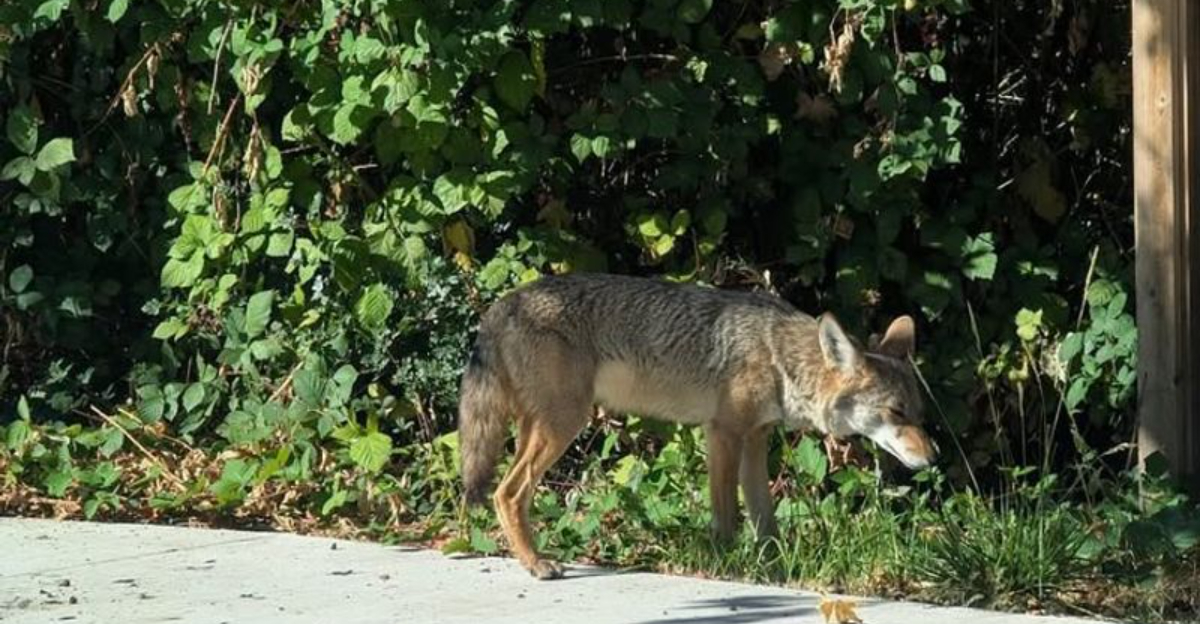
Coyotes are increasingly common in New Jersey neighborhoods, and seeing one in your yard doesn’t mean immediate danger—but it does require the right response.
Coyotes are highly adaptable and often pass through residential areas in search of food or shelter.
Problems usually arise when people react incorrectly, either by panicking or unintentionally encouraging the animal to stay.
Feeding wildlife, approaching coyotes, or letting pets roam freely can make encounters worse.
Knowing what to do—and what not to do—helps keep both people and animals safe.
With the right steps, most coyote visits end without incident.
Understanding their behavior and responding calmly is the best way to protect your yard, pets, and peace of mind.
Stay Calm And Observe From A Distance
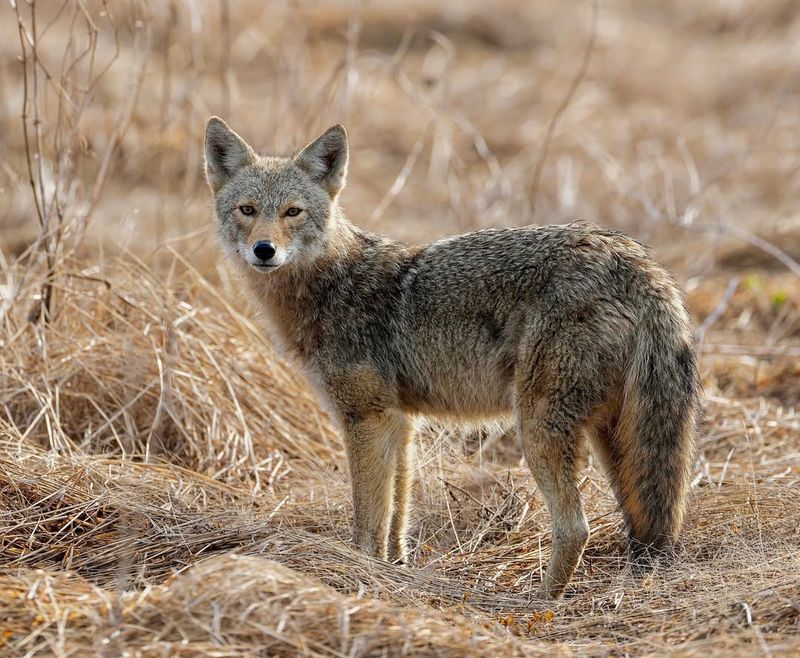
Panic serves no purpose when wildlife appears unexpectedly in your space.
Coyotes are naturally cautious creatures who typically prefer avoiding human contact altogether.
When you spot one in your yard, your first instinct might be to rush outside or make sudden movements, but staying composed gives you the advantage.
Taking a moment to observe from behind a window or at least twenty feet away allows you to assess the situation without escalating it.
Most coyotes are simply passing through your property in search of food or heading to another location.
They’re not plotting an attack or planning to settle permanently on your lawn.
Watching quietly helps you determine whether the animal appears healthy, how long it stays, and what might have attracted it in the first place.
This information becomes valuable if you need to report the sighting or take preventive measures later.
Remember that coyotes have lived in New Jersey for decades and encounters usually end without incident when humans remain calm.
Your composed response sets the tone for a safe outcome for everyone involved.
Rushing toward the animal or making erratic gestures could confuse or frighten it, potentially causing unpredictable behavior.
Distance and calmness are your best tools in those first crucial moments.
Secure Trash, Pet Food, And Outdoor Attractants
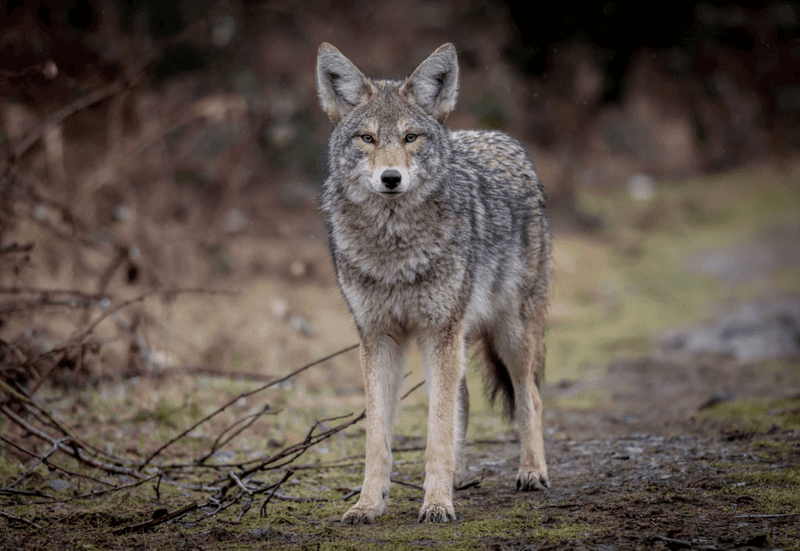
Coyotes possess remarkable noses that can detect food sources from impressive distances.
Your trash cans, compost bins, and pet food bowls might as well be sending out dinner invitations to hungry wildlife.
When garbage bags sit outside overnight or bird feeders scatter seeds across the ground, coyotes learn that your yard offers easy meals.
This pattern creates a dangerous cycle where animals return repeatedly, losing their natural wariness of human spaces.
Investing in locking trash containers or storing bins inside your garage until collection day removes a major temptation.
Pet food left on porches or patios should come indoors immediately after feeding time, and any spilled kibble needs prompt cleanup.
Bird feeders attract rodents and small mammals, which in turn attract coyotes hunting those creatures.
Consider bringing feeders in at night or switching to designs that minimize ground spillage.
Fallen fruit from trees also draws wildlife, so rake up apples, pears, or berries regularly during harvest season.
Even outdoor grills with lingering food smells can prove attractive, so clean them thoroughly after each use.
Your New Jersey Garden Changes Every Week. Your Plan Should Too.
Gardening in New Jersey changes quickly throughout the season. Every Friday you’ll receive a simple weekly plan showing exactly what to plant, prune, fertilize, harvest, and protect so you never miss the right timing.
Making your property less rewarding for coyotes encourages them to seek natural food sources elsewhere.
Consistency matters here—one unsecured meal can undo weeks of careful prevention.
Bring Pets Indoors, Especially At Dusk And Dawn
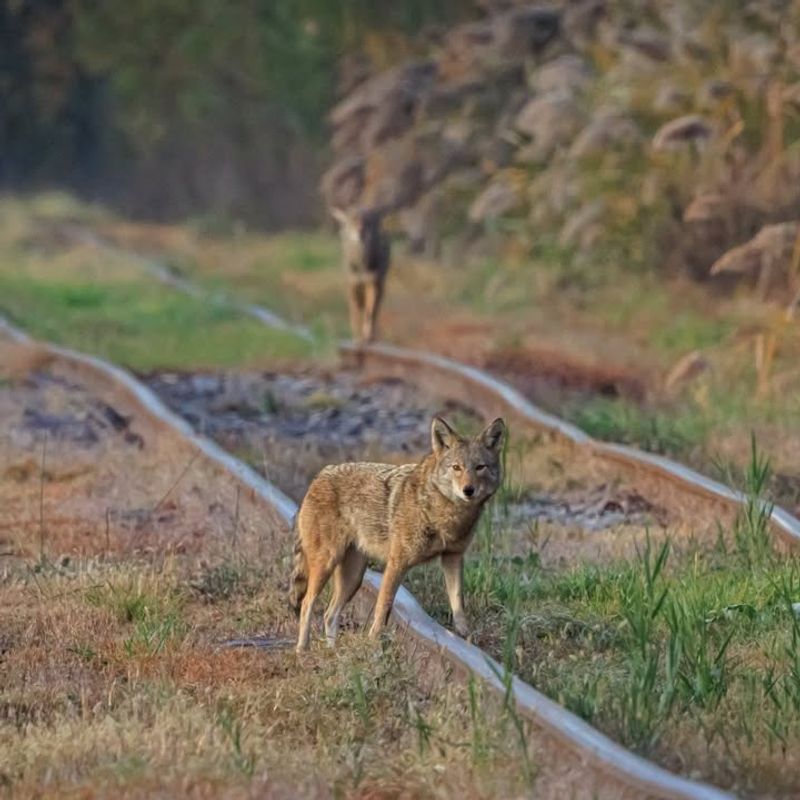
Timing plays a critical role in preventing unfortunate encounters between domestic animals and coyotes.
These wild canines are crepuscular, meaning their activity peaks during the low-light hours of early morning and evening.
Your beloved cat or small dog outside during these windows faces significantly higher risk of crossing paths with a hunting coyote.
Even medium-sized dogs can attract unwanted attention, particularly during breeding season when coyotes become more territorial.
Establishing a routine where pets stay indoors from sunset to sunrise dramatically reduces conflict potential.
If your dog needs evening bathroom breaks, accompany them outside on a leash rather than letting them roam freely.
Cats should transition to indoor-only living in areas where coyote populations are established, as their size makes them particularly vulnerable.
Many New Jersey residents have adjusted their pet care schedules after learning about crepuscular patterns, and this simple change prevents countless tragic situations.
Motion-activated lights in your yard provide additional protection by illuminating spaces where predators might lurk.
During daytime hours, supervision still matters, but the risk level drops considerably when coyotes retreat to rest in wooded areas or quiet spaces.
Your pet’s safety depends on respecting the natural rhythms of wildlife behavior.
Convenience never justifies leaving vulnerable animals unattended during high-risk hours.
Use Hazing If A Coyote Approaches Too Closely
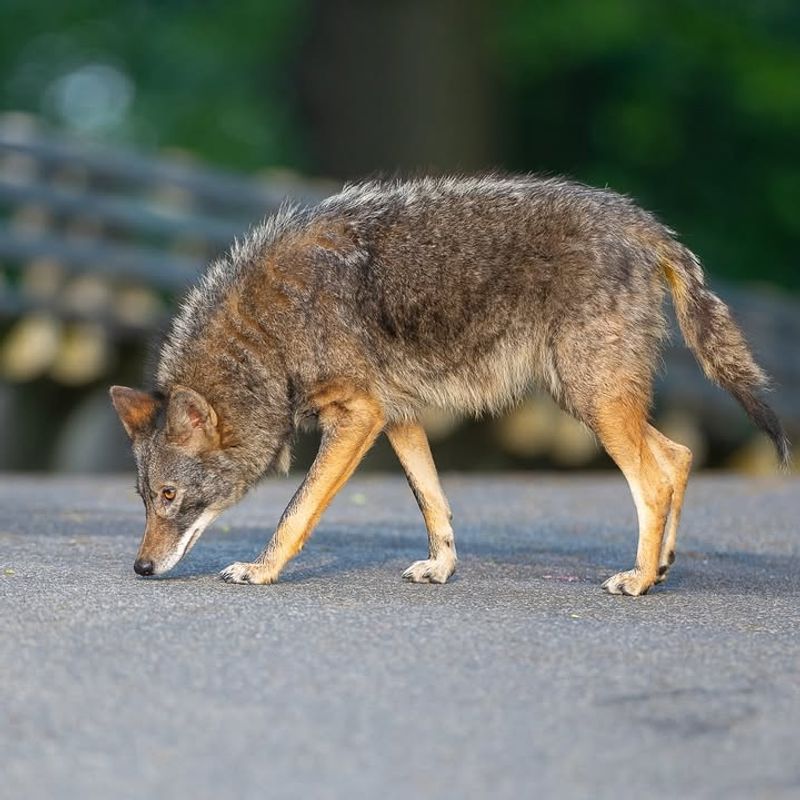
Wildlife experts strongly advocate for a technique called hazing when coyotes show diminished fear of humans.
This method involves making yourself as loud, large, and intimidating as possible to reinforce the animal’s natural wariness.
Clapping your hands forcefully, shouting in a deep authoritative voice, and waving your arms overhead sends a clear message that humans are not safe to approach.
You can also stomp your feet, bang pots and pans together, or use noisemakers like air horns for added effect.
The goal isn’t to harm the coyote but to create an unpleasant association with human presence.
When coyotes learn that approaching people results in scary experiences, they maintain appropriate distance in future encounters.
Hazing works best when applied consistently by entire neighborhoods, as one person’s efforts can be undermined if others tolerate close approaches.
Continue the hazing behavior until the coyote leaves your property completely, not just backs up a few feet.
Some wildlife agencies recommend carrying hazing tools like whistles or shaker cans filled with coins when walking in areas with known coyote activity.
This proactive approach prevents habituation, which occurs when animals lose their instinctive fear through repeated neutral or positive human interactions.
Habituated coyotes pose greater risks because they venture closer to homes, pets, and people.
Your assertive response today protects your community tomorrow.
Maintain Eye Contact And Stand Tall
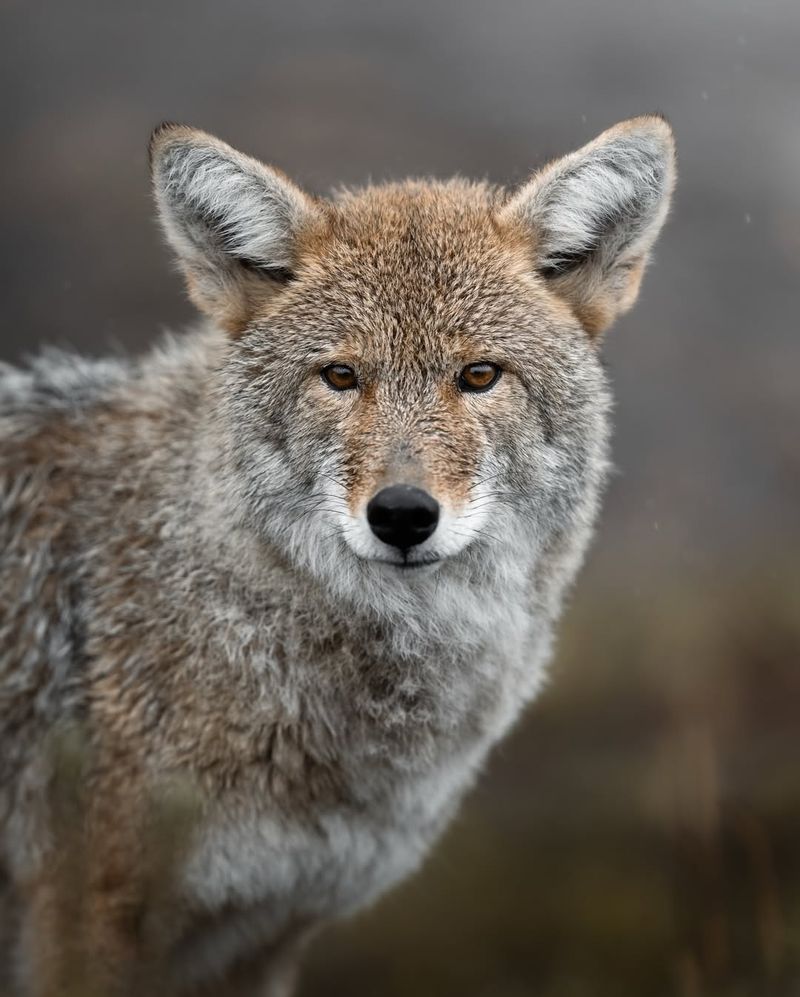
Body language communicates volumes in the animal kingdom, and coyotes read human posture expertly.
When you encounter one of these animals, resisting the urge to look away or crouch down makes a significant difference.
Maintaining direct eye contact signals confidence and dominance, traits that discourage a coyote from testing boundaries.
Predators instinctively recognize submissive behavior, and breaking eye contact or making yourself smaller can trigger curiosity or boldness.
Instead, stand at your full height, square your shoulders, and face the animal directly.
This assertive stance conveys that you’re not prey and not intimidated by its presence.
If you’re carrying a jacket or bag, hold it above your head to appear even larger and more formidable.
Children should be picked up immediately if they’re small enough, or positioned behind adults if they’re older.
Never turn your back on a coyote or bend down to pick up objects while it’s nearby, as these movements can signal vulnerability.
The animal will likely assess you for several seconds before deciding whether to retreat or hold its ground.
Your unwavering confident posture throughout this assessment period usually results in the coyote choosing to leave.
Think of yourself as claiming your space rather than invading theirs, even though you’re in your own yard.
Confidence without aggression strikes the perfect balance.
Install Motion Lights Or Fencing If Sightings Repeat
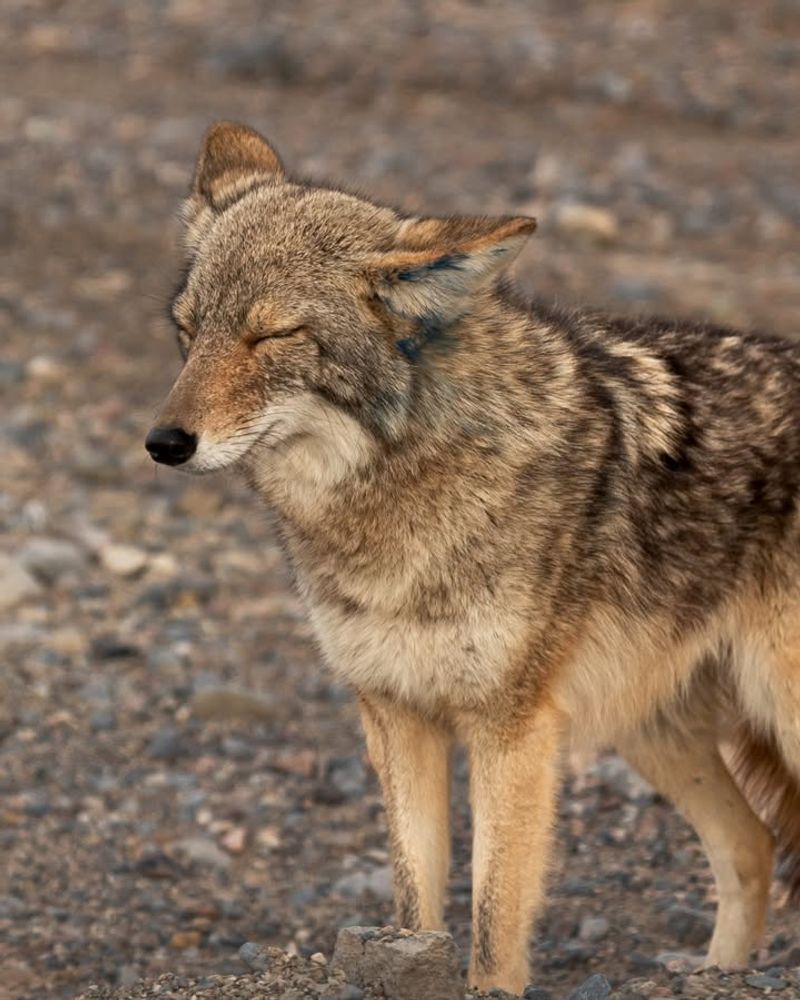
Repeated coyote visits suggest your property offers something appealing that needs addressing through physical deterrents.
Motion-activated lighting transforms dark yards into illuminated spaces that make coyotes uncomfortable and exposed.
These animals prefer operating under cover of darkness where they feel secure and hidden from potential threats.
Bright lights triggered by movement eliminate that advantage and often convince coyotes to seek alternative routes.
Installing lights near garbage areas, pet doors, and along property perimeters creates protective zones around your home.
Solar-powered options provide cost-effective solutions that require minimal maintenance while delivering consistent results.
Fencing presents another powerful deterrent, though it requires more investment and planning.
Coyotes can jump surprisingly high, so effective fencing should stand at least six feet tall with no gaps at ground level.
Some homeowners add roller bars at the top or angle the upper portion outward to prevent climbing.
Buried wire mesh extending underground stops determined animals from digging underneath barriers.
Chain-link, wood, or vinyl fencing all work when properly installed with coyote behavior in mind.
Combining fencing with other deterrents like lighting and scent repellents creates layered protection that’s harder for wildlife to overcome.
These upgrades also boost overall property security beyond just coyote concerns.
Consider them investments in long-term peace of mind for your family and pets.
Educate Family Members And Neighbors
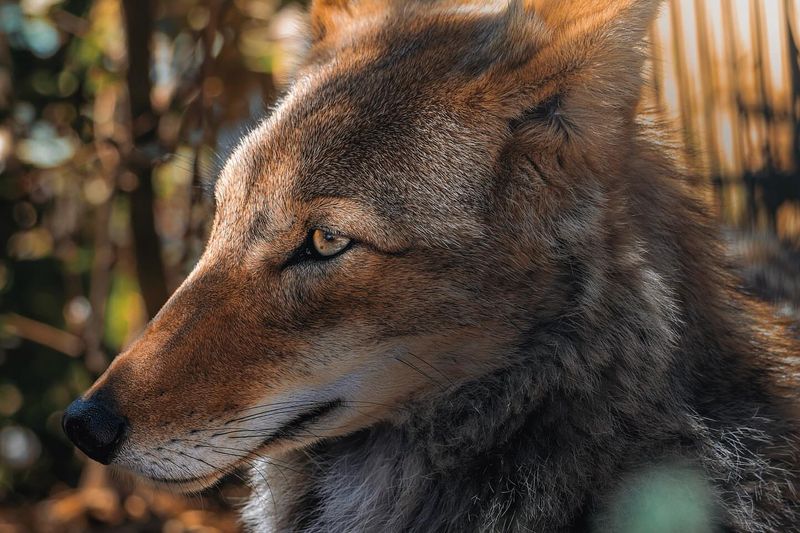
Individual efforts lose effectiveness when neighbors unknowingly undermine coyote deterrence through contradictory actions.
A single household feeding wildlife or leaving attractants accessible can draw coyotes into the entire neighborhood.
Taking time to share information with those around you creates a unified community approach that yields better results.
Start conversations at neighborhood gatherings, through community social media groups, or with simple door-to-door visits.
Many people lack basic knowledge about coyote behavior and genuinely appreciate learning how to respond appropriately.
Explain the importance of hazing, securing food sources, and supervising pets during vulnerable hours.
Children especially need clear instructions about never approaching or attempting to befriend wild animals, no matter how dog-like they appear.
Teach kids to immediately tell an adult if they spot a coyote and to move calmly toward home without running.
Some communities organize informational meetings with wildlife officials who provide expert guidance tailored to local situations.
Distributing printed materials or sharing reputable online resources helps reinforce verbal discussions.
When everyone understands that coyotes are wild animals deserving respect rather than fear or affection, coexistence becomes manageable.
Neighborhoods working together report fewer problematic encounters than areas where residents act independently.
Your willingness to educate others demonstrates community leadership that benefits both human and animal populations.
Shared knowledge builds shared safety for everyone involved.
Report Aggressive Or Unusual Behavior To NJ Fish And Wildlife
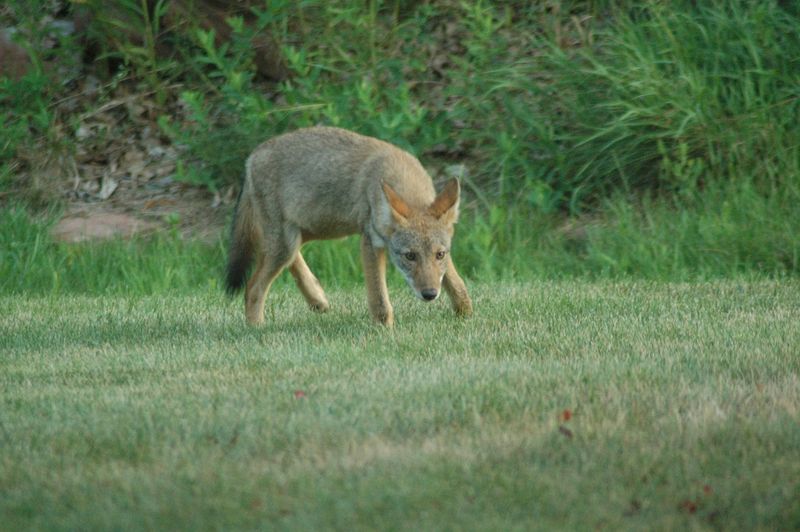
Most coyote encounters fall within normal wildlife behavior parameters and require no official intervention.
However, certain behaviors cross into concerning territory that wildlife professionals need to assess.
A coyote that follows people persistently, approaches despite hazing attempts, or shows no fear when confronted exhibits habituation that could escalate.
Similarly, animals appearing disoriented, staggering, or displaying unusual aggression toward humans warrant immediate reporting.
New Jersey Fish and Wildlife maintains systems for documenting and responding to problematic wildlife situations.
When contacting them, provide specific details including date, time, location, and exact behaviors observed.
Photographs or videos captured safely from a distance offer valuable documentation that helps officials evaluate the situation accurately.
Explain whether the coyote appeared healthy or showed signs of distress, and mention any interactions with pets or people.
Officials can determine whether the behavior represents normal activity or indicates a genuine public safety concern requiring intervention.
They might recommend increased community hazing efforts, conduct their own assessment, or in rare cases, authorize removal of particularly problematic animals.
Your report also contributes to broader data collection that helps wildlife managers understand population trends and human-wildlife conflict patterns.
Don’t hesitate to contact authorities when something feels wrong, even if you’re unsure whether it meets reporting thresholds.
Professionals would rather evaluate unnecessary reports than miss situations requiring attention.
Your vigilance protects both your immediate community and broader regional wildlife management efforts.
Do NOT Feed Coyotes — Intentionally Or Accidentally
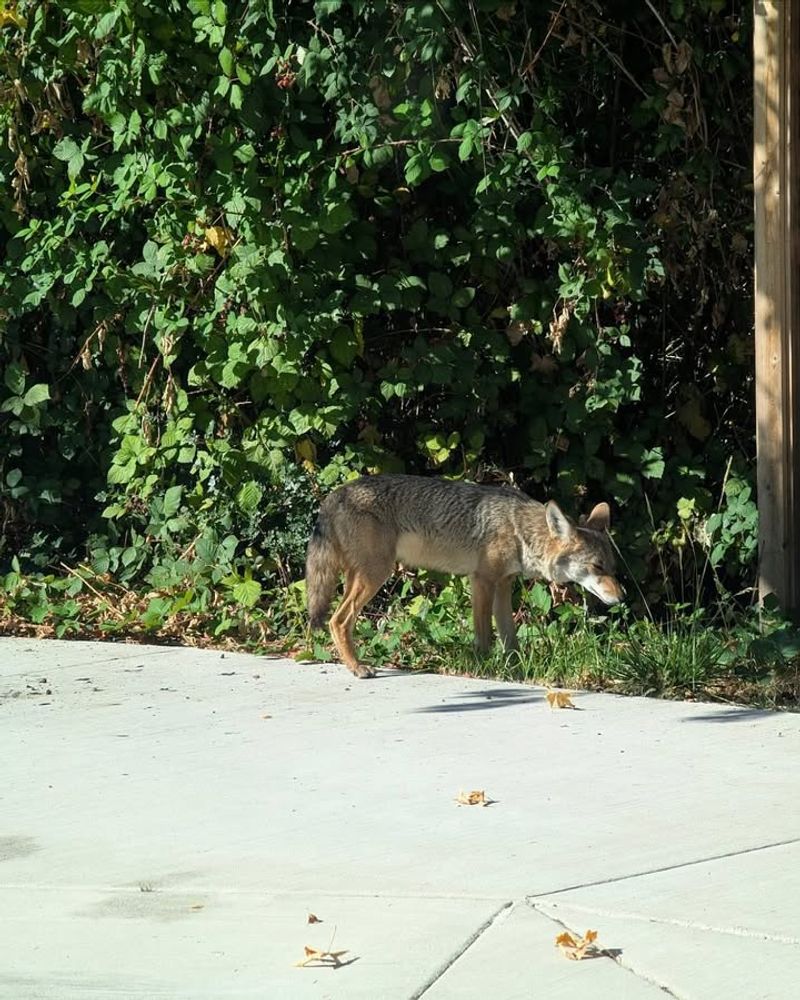
Feeding wild animals ranks among the most harmful actions well-meaning people take, despite good intentions.
New Jersey law explicitly prohibits feeding coyotes because it fundamentally alters their behavior in dangerous ways.
When coyotes receive food from humans, they quickly lose their natural wariness and begin associating people with easy meals.
This learned behavior transforms cautious wild animals into bold opportunists who approach homes, follow pedestrians, and venture into spaces they would normally avoid.
The progression from fed coyote to problem coyote happens remarkably fast, sometimes within just a few feeding incidents.
Intentional feeding obviously violates regulations, but accidental feeding through unsecured garbage or pet food creates identical problems.
Some people mistakenly believe offering food helps struggling wildlife, but coyotes are highly adaptable omnivores perfectly capable of finding natural sustenance.
Your intervention doesn’t help them survive—it teaches them dangerous habits that often lead to conflicts requiring removal.
Fed coyotes also pass these learned behaviors to their offspring, multiplying the problem across generations.
They become bolder around children and pets, increasing bite risk and tragic encounters.
Once habituation occurs, reversing it proves extremely difficult and sometimes impossible.
Respecting the wild nature of these animals means letting them maintain their instinctive fear and self-sufficiency.
Your compassion serves wildlife better through habitat preservation and responsible coexistence practices.
Feeding ultimately harms the very animals you hope to help.
Do NOT Run Away If You Encounter One
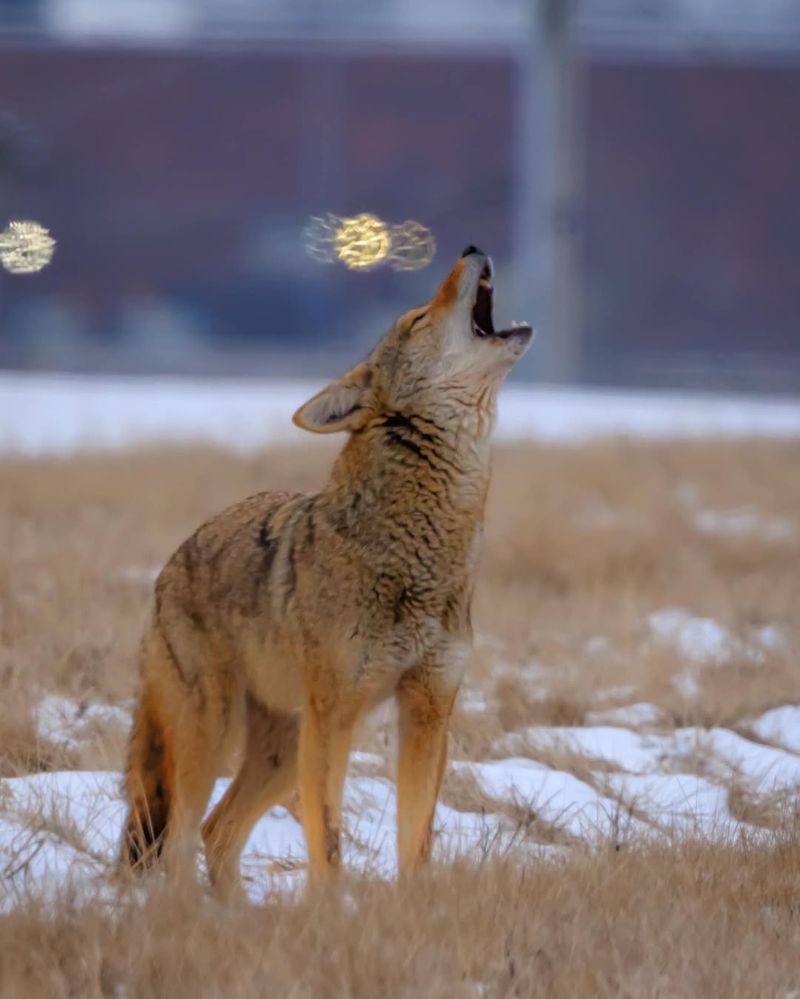
Human instinct often betrays us when fear kicks in during unexpected wildlife encounters.
Running away from a coyote activates deeply ingrained predatory instincts that even well-fed domestic dogs retain.
Rapid fleeing movement triggers chase responses hardwired into canine brains over thousands of years of evolution.
A coyote that might have simply watched you pass could suddenly feel compelled to pursue if you bolt.
This doesn’t necessarily indicate aggression—it’s pure instinct responding to prey-like behavior.
Instead of running, back away slowly while maintaining the eye contact and tall posture discussed earlier.
Moving deliberately and calmly signals that you’re not prey and not worth pursuing.
Create distance gradually rather than frantically, keeping the coyote in your sight throughout your retreat.
If the animal follows, stop and resume hazing behaviors like shouting and arm waving.
Never run even if you’re close to your house or car—those final sprinting steps could undo all your previous careful actions.
Children find this instruction particularly challenging since running feels like the obvious escape strategy.
Practice calm responses with your kids through role-playing scenarios so they develop muscle memory for appropriate reactions.
Adults should model this behavior consistently since children learn more from actions than words.
Remember that coyotes can run much faster than humans anyway, making flight a losing strategy.
Confident, controlled retreat keeps you safe while reinforcing appropriate boundaries with wildlife.
Do NOT Try To Trap, Relocate, Or Harm The Coyote Yourself
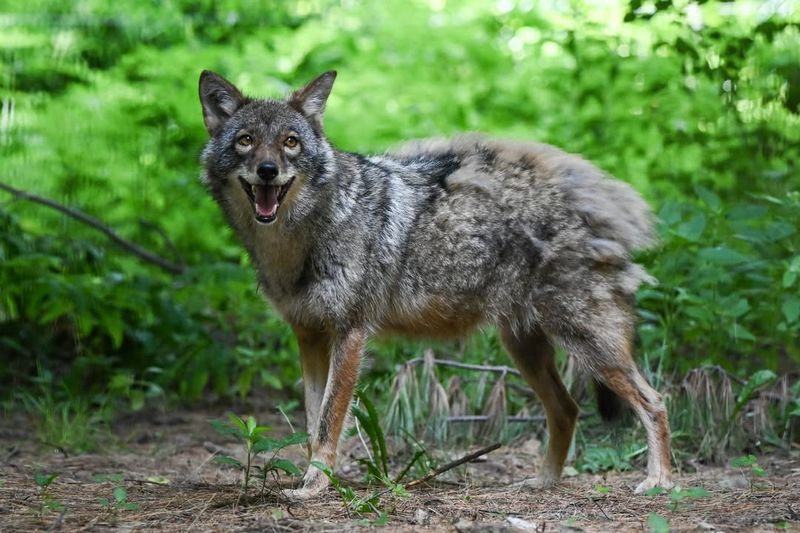
Frustration with persistent coyote presence sometimes drives homeowners toward drastic unauthorized actions.
New Jersey regulations strictly control wildlife trapping and relocation, requiring proper permits and training that average residents don’t possess.
Attempting to trap a coyote yourself risks injury to both you and the animal, plus potential legal consequences including fines.
Coyotes can become aggressive when cornered or trapped, and their bites deliver serious wounds requiring medical attention.
Even successfully trapping one doesn’t solve your problem because relocation rarely works as intended.
Relocated coyotes often struggle to establish themselves in unfamiliar territories already occupied by other animals.
They face increased stress, reduced survival rates, and frequently attempt to return to their original range.
Meanwhile, removing one coyote from your area simply opens that territory for another to claim, leaving you back where you started.
The vacuum effect means new animals move in to fill the space vacated by removed individuals.
Harming or ending a coyote’s life violates animal cruelty laws and accomplishes nothing productive for long-term coexistence.
Professional wildlife control operators understand animal behavior, legal requirements, and effective deterrence strategies that address root causes rather than symptoms.
They can evaluate your specific situation and recommend solutions ranging from habitat modification to exclusion techniques.
Investing in professional help costs less than potential legal fees and medical bills from amateur intervention attempts.
Respect both the law and the complexity of wildlife management by leaving these situations to qualified experts.
Do NOT Assume A Daytime Coyote Is Rabid Or Dangerous
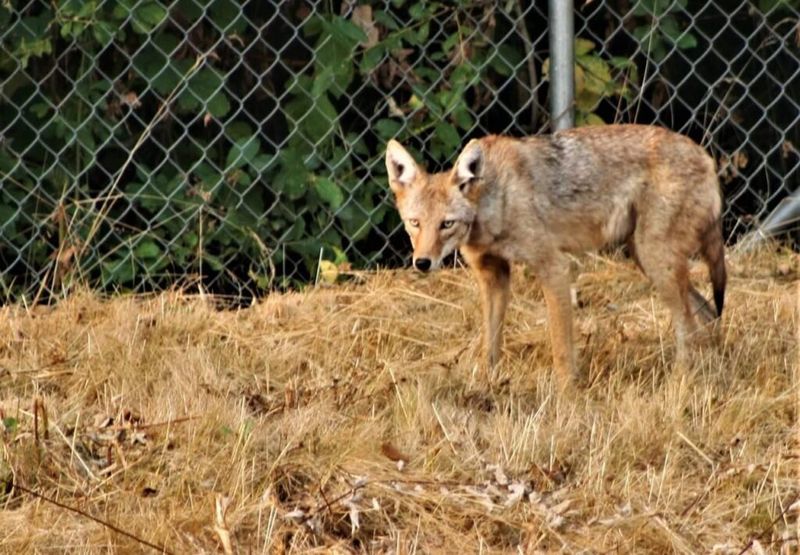
Misconceptions about coyote behavior fuel unnecessary panic and inappropriate responses to normal wildlife activity.
Many people believe that seeing a coyote during daylight hours automatically indicates illness, particularly rabies.
This myth persists despite wildlife experts consistently explaining that coyotes are not strictly nocturnal creatures.
While they prefer dawn and dusk activity, coyotes regularly hunt and travel during daytime, especially when raising young or when nighttime human activity disrupts their preferred schedules.
Urban and suburban coyotes adapt their patterns around human routines, sometimes becoming more diurnal in their habits.
A daytime coyote behaving normally—moving purposefully, appearing alert and coordinated, avoiding close human contact—shows no concerning signs whatsoever.
Rabid animals typically display obvious symptoms including disorientation, staggering, excessive drooling, unprovoked aggression, or unusual fearlessness.
Simply being active when you happen to see them doesn’t indicate disease or danger.
Jumping to the rabies conclusion leads people to make panicked calls to authorities, attempt harmful interventions, or spread neighborhood alarm unnecessarily.
This overreaction wastes wildlife management resources and creates community anxiety around normal ecological processes.
New Jersey’s rabies cases in coyotes remain extremely rare compared to other wildlife like raccoons and bats.
Educating yourself about actual warning signs helps you distinguish between normal behavior and legitimate concerns.
Observing calmly and assessing the animal’s overall condition provides much better information than reacting to the time of day alone.
Knowledge replaces fear with appropriate awareness and measured responses.