The One Mulching Tip Ohio Homeowners Should Follow Before Year End
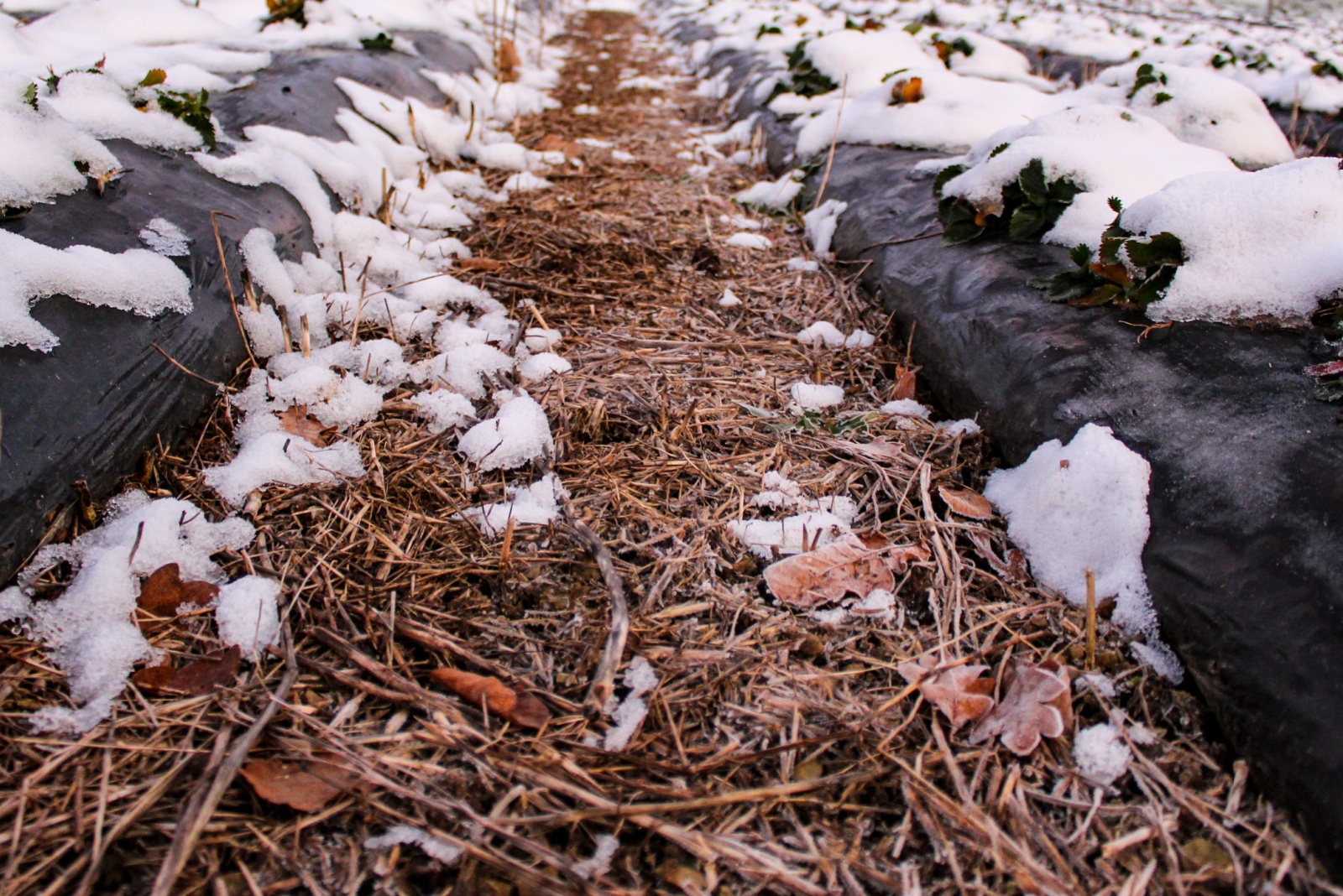
Ohio winters arrive with little patience, and the first hard frost signals a turning point for garden beds and landscapes.
That moment calls for one final task that carries real weight: apply the last layer of mulch after the ground firms up.
Too early, and mulch traps excess warmth and moisture.
Too late, and roots face sudden exposure when temperatures plunge.
A properly timed final layer acts like a winter coat for soil. It locks in stable temperatures, reduces freeze and thaw cycles, and shields roots from sharp swings that cause stress and damage.
Perennials, shrubs, and young plantings benefit the most from this added protection, especially during Ohio’s unpredictable cold spells.
This step also helps suppress winter weeds and limits erosion from snowmelt and heavy rain.
With careful timing and the right depth, mulch works as intended rather than against the landscape.
One thoughtful pass before year end sets the stage for healthier plants and smoother growth once spring returns.
Why Waiting Until After The First Hard Frost Matters
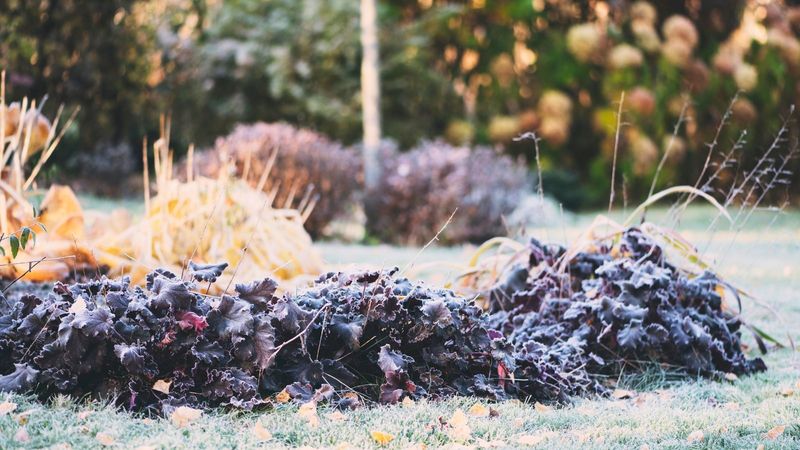
Plants need to enter their winter sleep naturally, and applying mulch too soon can confuse them.
When you spread mulch while temperatures still fluctuate above and below freezing, plants may think spring has arrived early.
This premature warmth encourages new growth that will be damaged when cold weather returns.
Waiting for that first hard frost ensures plants have already begun their dormancy process.
The ground temperature drops consistently, signaling to roots that winter has truly arrived.
Mulch applied at this point acts as insulation to maintain steady cold temperatures rather than create false warmth.
Ohio experiences unpredictable temperature swings throughout fall, making timing especially important.
A hard frost typically means temperatures have dropped to 28 degrees Fahrenheit or lower for several hours.
At this point, tender plant tissues have already been affected, and perennials have naturally begun shutting down.
Your mulch layer then becomes a protective blanket that keeps soil temperatures stable.
This stability prevents the damaging expansion and contraction that happens when soil repeatedly freezes and thaws.
Proper timing protects your investment in landscaping and helps plants survive until spring.
The Biggest Mulching Mistake Ohio Homeowners Make Too Early
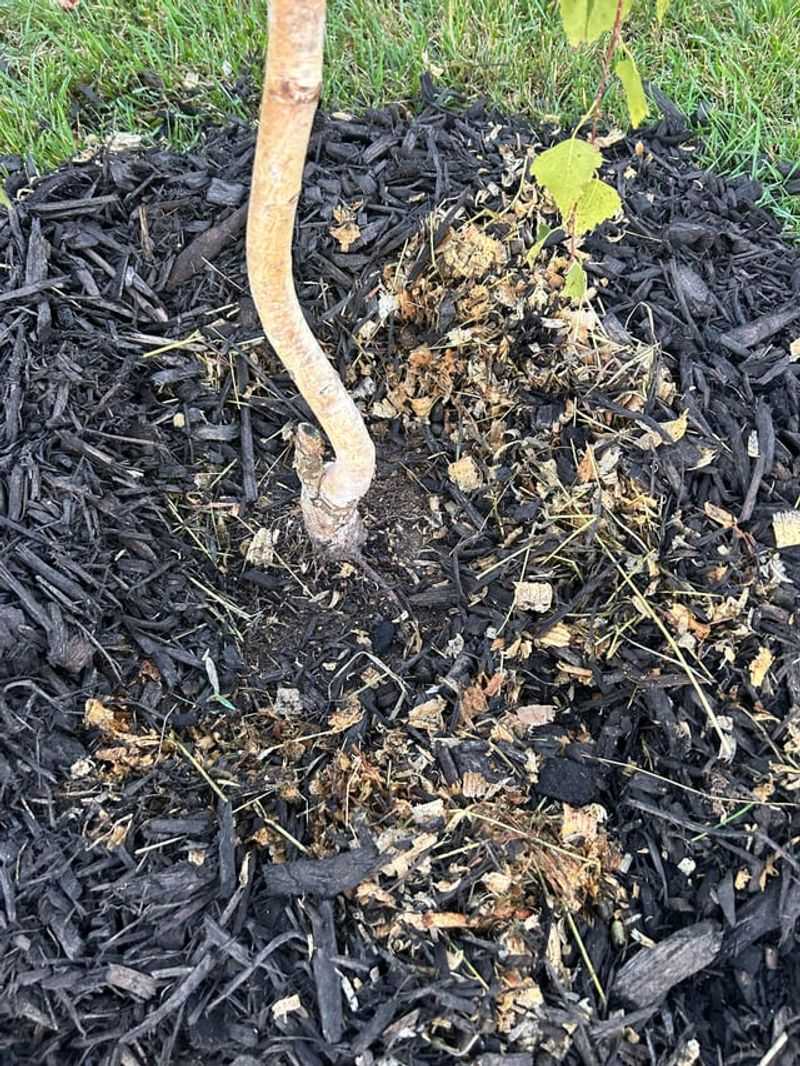
Eager gardeners often spread mulch in September or early October, thinking they’re getting ahead of winter.
Unfortunately, this early application creates the perfect environment for rodents seeking warm winter homes.
Mice and voles burrow into fresh mulch when it’s still warm, establishing tunnels and nests.
Once settled, these pests chew on plant stems, roots, and bark throughout winter.
The damage often goes unnoticed until spring when you discover girdled stems and weakened plants.
Early mulching also keeps soil temperatures warmer longer than nature intended.
Perennials and shrubs continue growing when they should be hardening off for winter.
Soft, tender growth that develops in late fall cannot withstand sudden temperature drops.
When a hard freeze finally arrives, these plants suffer severe damage or complete loss of new growth.
Additionally, warm mulch encourages fungal diseases to thrive.
Your Ohio Garden Changes Every Week. Your Plan Should Too.
Gardening in Ohio changes quickly throughout the season. Every Friday you’ll receive a simple weekly plan showing exactly what to plant, prune, fertilize, harvest, and protect so you never miss the right timing.
Moisture trapped in prematurely applied mulch creates humid conditions where fungi multiply rapidly.
Crown rot and root rot become serious problems when plants sit in this damp environment.
Patience truly pays off when it comes to winter mulching in Ohio.
How Late Mulching Protects Roots From Freeze–Thaw Damage
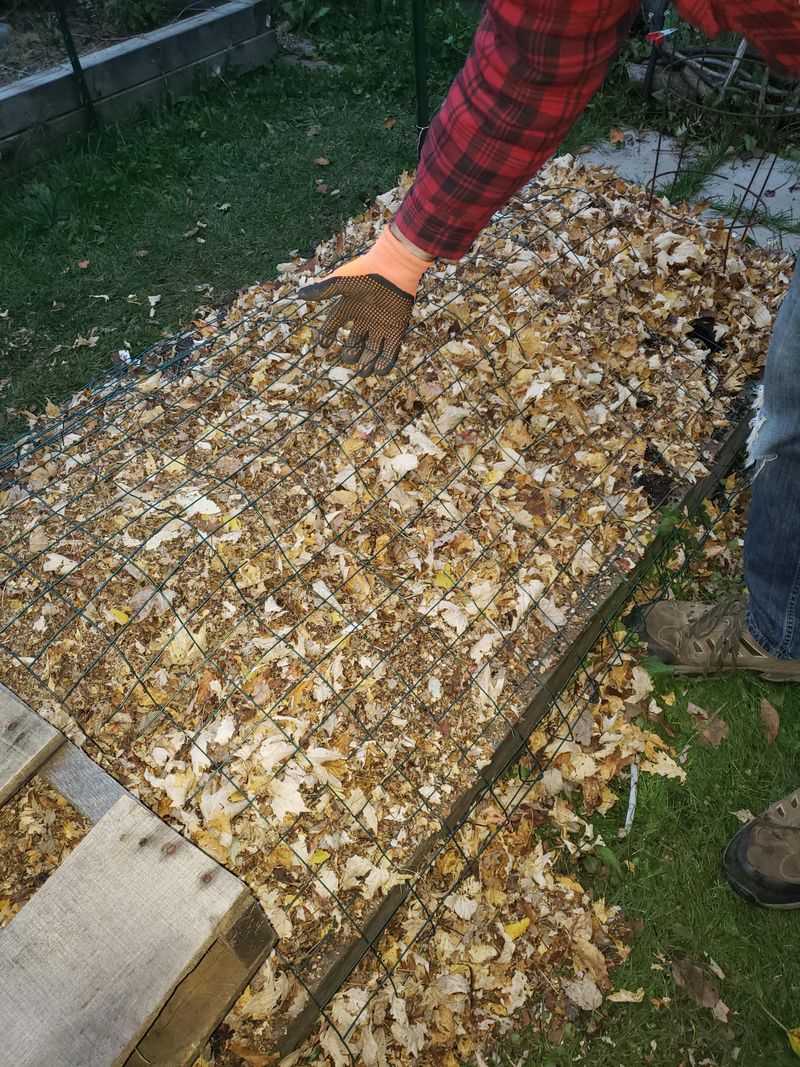
Freeze-thaw cycles cause more damage to Ohio plants than consistent cold temperatures ever could.
When soil freezes, it expands, pushing plants upward and exposing roots to air.
Then when temperatures warm, the soil contracts and settles, but roots often remain partially exposed.
This heaving process repeats throughout winter, progressively lifting plants out of the ground.
Exposed roots dry out, suffer cold damage, and lose contact with moisture and nutrients in the soil.
Mulch applied after the first hard frost acts as a thermal blanket.
It keeps soil temperatures more consistent, reducing the number of freeze-thaw events.
A three to four inch layer provides excellent insulation without smothering plants.
The mulch slows heat loss from soil on cold nights and prevents rapid warming during sunny winter days.
Roots remain safely buried at a stable depth throughout the season.
This protection is especially important for newly planted perennials, shrubs, and trees.
Their root systems haven’t fully established yet, making them vulnerable to heaving.
Proper mulch timing gives these plants the best chance of surviving their first Ohio winter successfully.
When Ohio Typically Reaches The Right Mulching Window
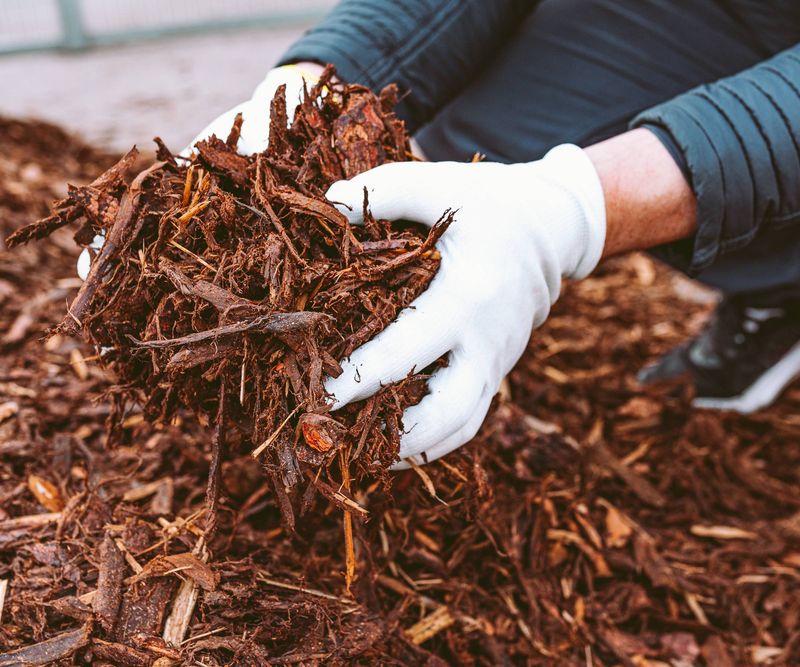
Northern Ohio usually experiences its first hard frost between mid-October and early November.
Central regions typically see this event from late October through mid-November.
Southern Ohio often waits until mid to late November for temperatures to drop sufficiently.
These dates vary significantly from year to year depending on weather patterns.
Rather than following a calendar, watch your local weather forecast carefully.
Look for predictions of overnight temperatures dropping to 28 degrees Fahrenheit or below.
When forecasters predict these conditions for several consecutive hours, your mulching window approaches.
Wait about a week after that first hard frost before applying mulch.
This delay ensures plants have truly entered dormancy and won’t be stimulated by warmer mulch layers.
You’ll notice perennials have collapsed, annual flowers have withered, and deciduous plants have dropped most leaves.
The ground may even have a thin frozen crust in shaded areas during morning hours.
These visual cues confirm the right timing for mulch application.
Don’t worry about being a few days late; there’s flexibility in this window that extends through December in most Ohio regions.
Which Plants Benefit Most From Post-Frost Mulching
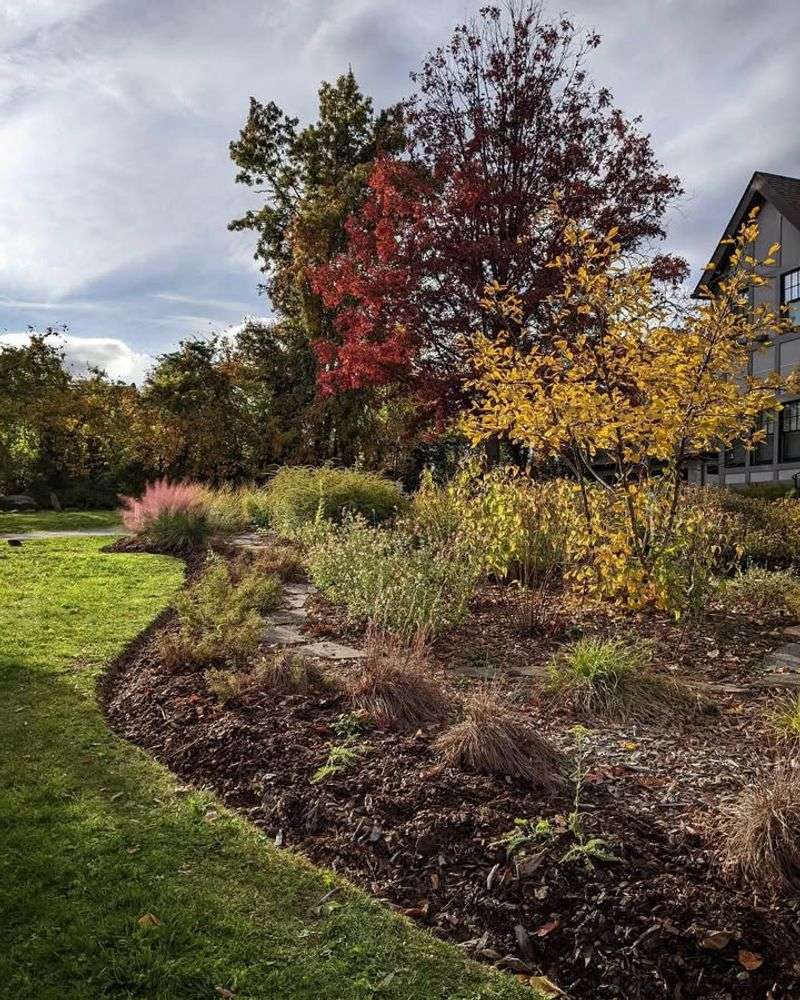
Perennial flowers top the list of plants that need post-frost mulch protection.
Hostas, daylilies, coneflowers, and black-eyed Susans all benefit from a protective winter layer.
Their crowns sit at or just below soil level, making them vulnerable to temperature extremes.
Roses require special attention, particularly hybrid teas and other grafted varieties.
The graft union where two rose varieties join together needs insulation from harsh cold.
Mounding mulch around the base protects this vulnerable point from winter damage.
Newly planted trees and shrubs desperately need mulch during their first few winters.
Their root systems haven’t spread far enough to anchor plants against heaving.
A mulch ring extending two to three feet from the trunk provides excellent protection.
Strawberry beds benefit tremendously from post-frost mulching as well.
A thick layer of straw protects crowns and helps plants produce better crops the following season.
Even established shrubs like hydrangeas, azaleas, and rhododendrons appreciate winter mulch.
Their shallow root systems remain near the surface where temperature fluctuations cause the most stress.
Focus your mulching efforts on these vulnerable plants first for maximum garden success.
Best Mulch Types To Use For Winter Protection In Ohio
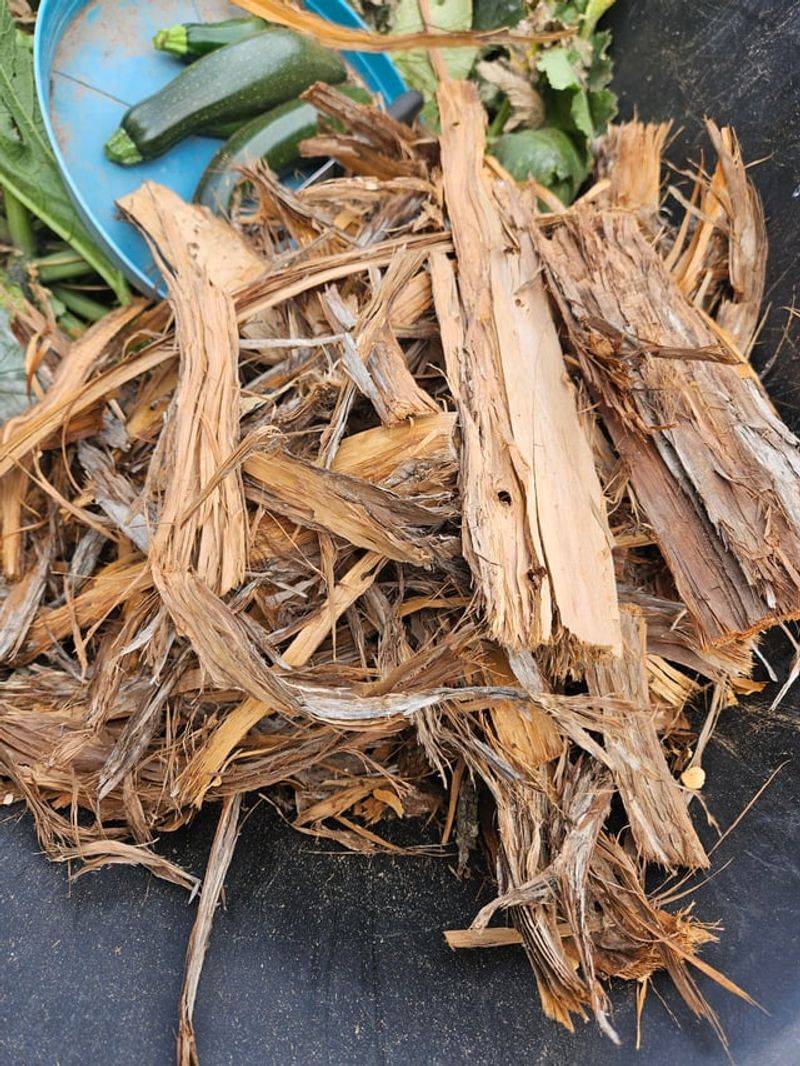
Shredded hardwood bark makes an excellent choice for winter mulching in Ohio gardens.
It breaks down slowly, providing insulation throughout the entire winter season.
The irregular pieces interlock nicely, resisting compaction and allowing air circulation.
Wood chips work well too, though they take longer to decompose and add less organic matter to soil.
Avoid using fresh wood chips from diseased trees, which might harbor harmful fungi or pests.
Pine needles create a loose, airy mulch perfect for acid-loving plants like azaleas and blueberries.
They don’t mat down like some materials, ensuring good drainage around plant crowns.
Shredded leaves from your own yard provide free, effective winter mulch.
Run them through a mower or shredder first to prevent matting that blocks air and water.
Straw works beautifully for strawberry beds and vegetable garden areas.
Choose clean straw rather than hay, which contains weed seeds that sprout in spring.
Avoid using grass clippings, which mat down and create slimy, anaerobic conditions.
Also skip rubber mulch for winter protection since it doesn’t provide the insulation value that organic materials offer.
Stick with natural, organic options that improve soil as they decompose.
How Proper Timing Helps Prevent Pests And Disease Over Winter
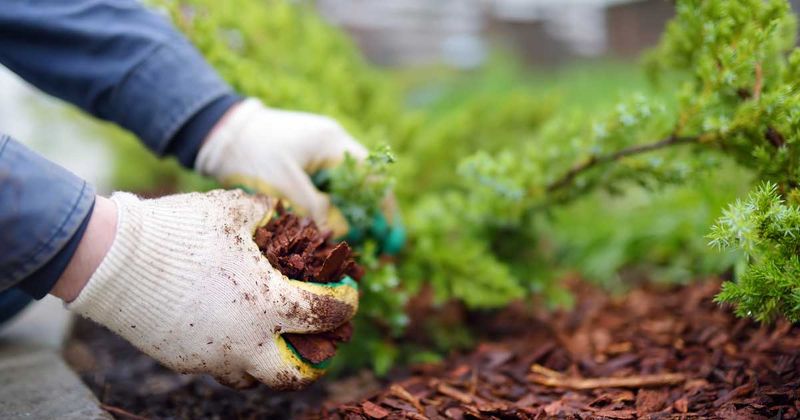
Rodents searching for winter shelter find early-applied mulch irresistible.
Warm, fluffy mulch spread in early fall offers perfect nesting material and protection from predators.
Voles tunnel through the mulch layer, feeding on plant roots and bark all winter long.
By waiting until after hard frost, you make your garden much less appealing to these pests.
Cold mulch and frozen ground discourage rodents from establishing winter homes in your beds.
They’ve usually found other shelter by the time you apply late-season mulch.
Fungal diseases also pose less threat when you time mulch application correctly.
Early mulch traps moisture and warmth, creating ideal conditions for fungi to grow and spread.
Crown rot, root rot, and various molds thrive in these damp, warm environments.
Once plants enter dormancy and temperatures drop consistently, fungal activity slows dramatically.
Late-applied mulch keeps soil cold enough to suppress most disease organisms.
Insects seeking overwintering sites also prefer warm, early-applied mulch.
Waiting until after frost means most insects have already found hibernation spots elsewhere.
Your properly timed mulch protects plants without creating a pest and disease haven that causes spring problems.