Why Winterberry Shrubs Fail In Illinois Yards And How To Fix The Soil Issue

Winterberry shrubs promise bright red berries and winter interest, yet in many Illinois yards they struggle or fail to deliver.
Leaves may look healthy, but berries stay sparse or disappear entirely, leaving homeowners frustrated.
The issue rarely comes down to the plant itself.
Soil conditions beneath the surface often work against winterberry’s specific needs, especially in regions with heavy clay and fluctuating moisture.
Small imbalances in drainage, pH, and nutrient availability can quietly sabotage growth year after year.
Correcting the soil—not replacing the shrub—is often the key to turning a disappointing planting into a vibrant, berry-filled standout.
Wrong Soil pH Levels

Winterberry shrubs absolutely need acidic soil to absorb nutrients properly, but most Illinois yards have neutral or alkaline soil conditions naturally.
When the pH rises above 6.5, these plants cannot take up iron and other essential minerals even when those nutrients exist in the ground.
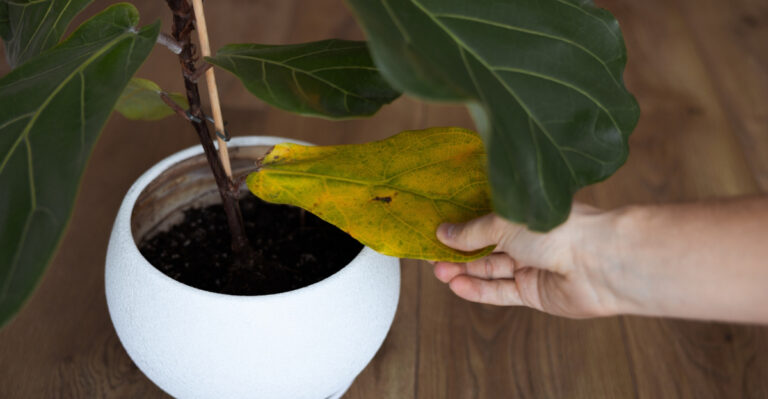
Leaves turn yellow between the veins, growth slows down, and berry production drops significantly or stops completely in Illinois gardens.
Testing your soil pH costs just a few dollars at any garden center and reveals exactly what your winterberry faces underground daily.
Adding sulfur or aluminum sulfate gradually lowers pH levels over several months, creating the acidic environment winterberries desperately need to thrive successfully.
Mixing peat moss into planting holes also helps acidify the soil while improving drainage and adding organic matter that benefits root development.
Retest your soil every spring to maintain ideal acidity levels between 4.5 and 6.0 for healthy winterberry growth and abundant berry production.
Poor Drainage Problems
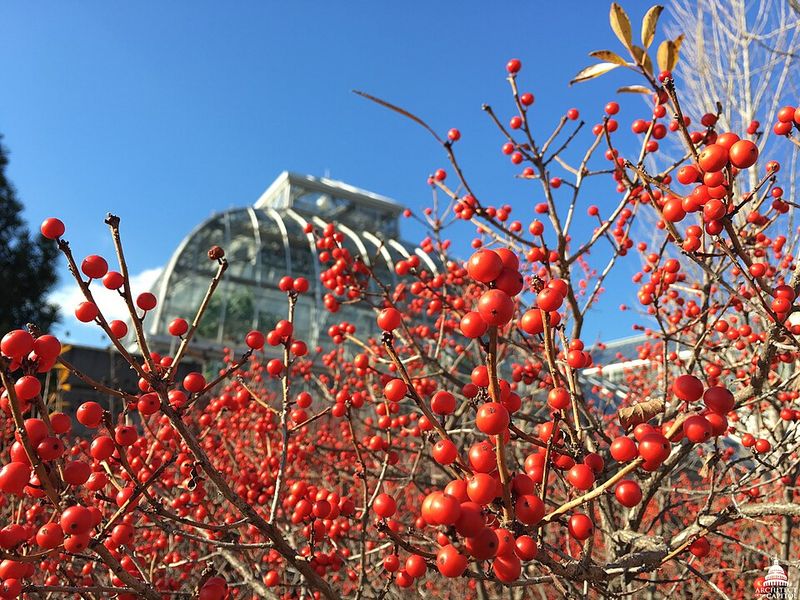
Clay-heavy Illinois soil holds water like a sponge, creating soggy conditions that suffocate winterberry roots and prevent proper oxygen circulation underground.
Roots need air pockets in the soil to breathe and function properly, but waterlogged ground eliminates these spaces completely and quickly.
Standing water after rainstorms indicates serious drainage issues that will eventually cause root rot and overall plant decline in your landscape.
Amending heavy clay soil with coarse sand and compost improves drainage dramatically by creating channels for water to flow through easily.
Building raised beds lifts winterberry roots above problem areas and gives you complete control over soil composition and moisture levels throughout seasons.
Installing French drains or redirecting downspouts away from planting areas prevents water from pooling around sensitive winterberry root zones during heavy rains.
Mulching with pine needles adds acidity while gradually improving soil structure as the needles break down over time in Illinois gardens.
Lack Of Organic Matter
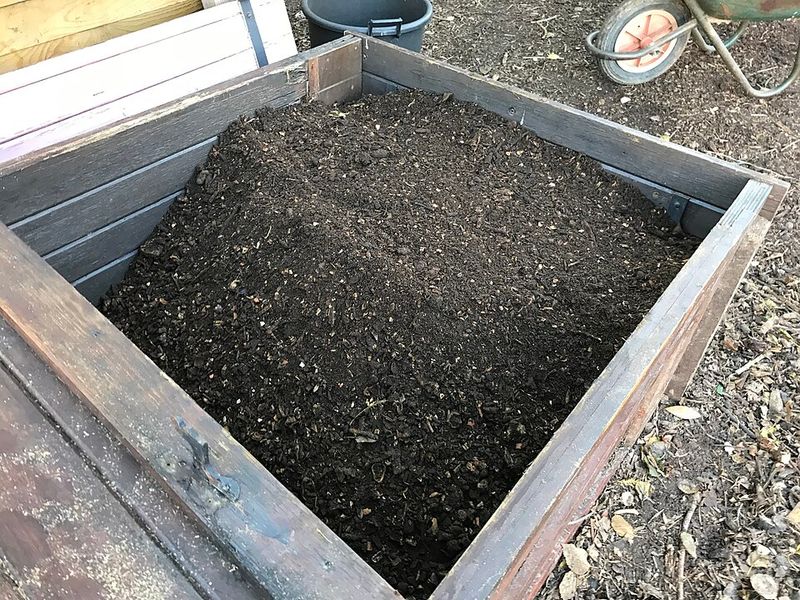
Illinois prairie soils naturally contain less organic matter than woodland areas where winterberries grow wild in their native eastern forest habitats.
Organic material feeds beneficial microorganisms, improves soil structure, retains moisture during dry spells, and releases nutrients slowly over extended growing seasons.
Without sufficient organic content, soil becomes compacted, drains poorly, and fails to support the complex root systems winterberries develop when healthy.
Adding compost annually replenishes organic matter that naturally breaks down and disappears from garden beds as microorganisms consume it for energy.
Your Illinois Garden Changes Every Week. Your Plan Should Too.
Gardening in Illinois changes quickly throughout the season. Every Friday you’ll receive a simple weekly plan showing exactly what to plant, prune, fertilize, harvest, and protect so you never miss the right timing.
Leaf mold made from decomposed oak or maple leaves works exceptionally well because it acidifies soil while adding valuable organic material simultaneously.
Composted pine bark holds moisture effectively and breaks down slowly, providing long-lasting benefits that continue improving soil quality for several growing seasons.
Spreading a three-inch layer of organic mulch around winterberries each fall protects roots while gradually enriching the soil as it decomposes naturally.
Compacted Soil Conditions

Heavy foot traffic, construction equipment, and natural settling compress Illinois soil particles together so tightly that roots cannot penetrate or spread properly.
Compacted ground prevents water infiltration, limits oxygen availability, and creates a hostile environment where winterberry roots struggle to establish and expand naturally.
Young shrubs planted in compacted areas often remain stunted and never develop the robust root systems needed to support vigorous growth.
Breaking up compacted soil with a garden fork loosens the ground without disrupting existing root systems as much as tilling would.
Working organic amendments into the top twelve inches creates a lighter, fluffier texture that roots can easily navigate and colonize successfully.
Avoiding walking or driving over planting beds prevents future compaction and protects the improved soil structure you worked hard to create.
Core aeration tools remove small plugs of soil, allowing air, water, and nutrients to reach deeper layers where winterberry roots actively grow.
Insufficient Moisture Retention

Sandy soils or areas with inadequate organic content drain so quickly that water rushes past roots before plants can absorb what they need.
Winterberries require consistently moist soil throughout the growing season, especially during berry development when water demands increase significantly for fruit production.
Drought stress causes leaves to curl, berries to shrivel, and overall plant vigor to decline noticeably during hot Illinois summer months.
Incorporating peat moss or coconut coir into sandy soils dramatically increases water-holding capacity without creating the soggy conditions winterberries hate so much.
Applying organic mulch around plants reduces evaporation from the soil surface and keeps roots cooler during scorching summer heat waves that stress plants.
Installing drip irrigation delivers consistent moisture directly to root zones and eliminates the guesswork involved with manual watering schedules and techniques.
Grouping winterberries together creates a microclimate where plants benefit from shared moisture and reduced wind exposure that dries soil surfaces quickly.
Nutrient Deficiency Issues
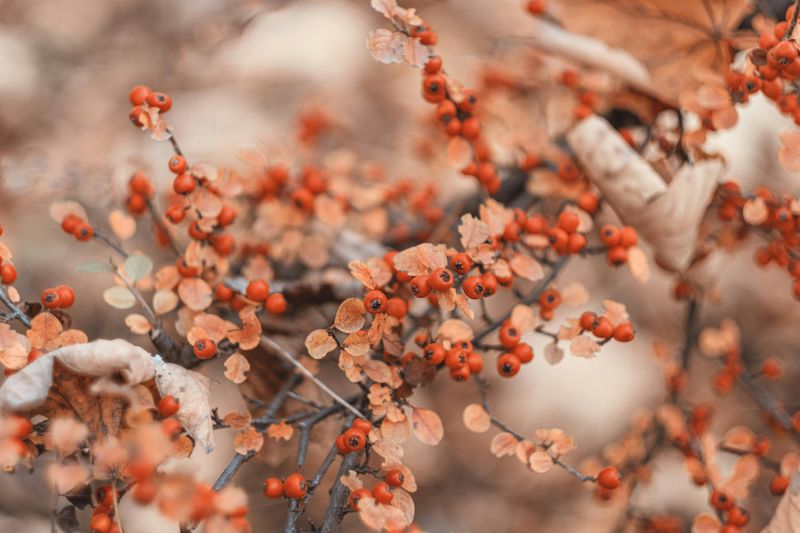
Even fertile Illinois soils may lack specific nutrients winterberries need in the right forms and quantities for optimal health and productivity.
Iron deficiency appears as yellowing leaves with green veins, while nitrogen shortage causes overall pale foliage and weak growth patterns.
Phosphorus deficiency reduces flowering and berry production, leaving gardeners disappointed when plants fail to deliver the colorful winter display they expected completely.
Annual soil testing identifies exactly which nutrients your winterberries lack so you can address specific deficiencies rather than guessing randomly.
Applying acidic fertilizers formulated for azaleas and rhododendrons provides nutrients in forms winterberries can actually use when soil pH stays appropriate.
Foliar feeding with diluted fertilizer solutions delivers nutrients directly through leaves when root uptake becomes compromised by soil conditions or issues.
Slow-release organic fertilizers feed plants gradually over months without causing the salt buildup that damages sensitive winterberry roots in Illinois landscapes.
Alkaline Water Sources

Municipal water supplies and well water in Illinois often contain high levels of calcium, magnesium, and other minerals that gradually raise soil pH.
Each watering session adds more alkaline compounds to the ground, slowly transforming acidic soil into neutral or alkaline conditions winterberries cannot tolerate.
Hard water leaves white crusty deposits on leaves and soil surfaces, providing visible evidence of the minerals accumulating in your landscape.
Collecting rainwater in barrels provides naturally soft, slightly acidic water perfect for winterberries and other acid-loving plants in your Illinois garden.
Adding vinegar to irrigation water at a rate of one tablespoon per gallon temporarily acidifies water without harming plants when used correctly.
Installing water softeners removes problematic minerals but adds sodium that can damage plants, so use softened water only for household purposes.
Applying acidifying amendments more frequently compensates for alkaline water effects and maintains proper pH levels despite challenging water chemistry in your area.
Improper Planting Depth
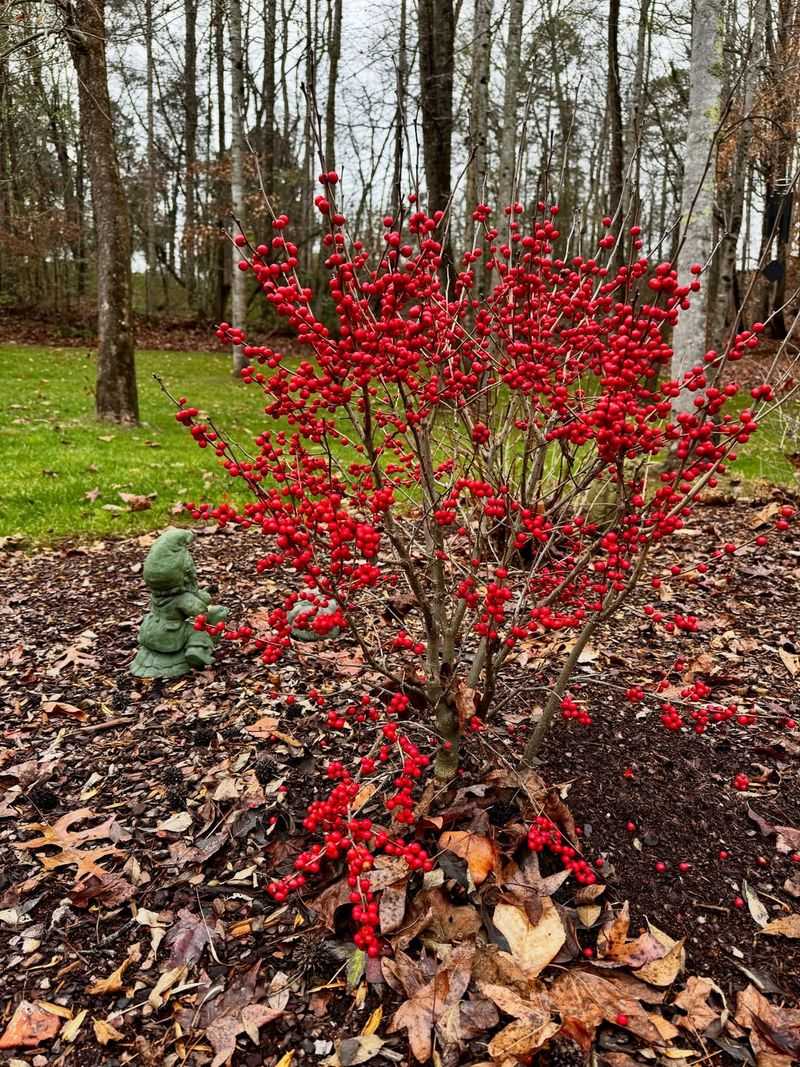
Planting winterberries too deeply smothers the crown where stems meet roots, causing slow decline as the buried tissue rots from constant moisture.
Shallow planting exposes roots to temperature extremes and drying conditions that stress plants and reduce their ability to absorb water and nutrients.
Getting the depth exactly right ensures proper root development and allows the crown to breathe while staying protected by a thin mulch layer.
Positioning the root flare precisely at ground level creates ideal conditions for winterberries to establish quickly and grow vigorously in Illinois yards.
Checking planting depth from multiple angles before backfilling prevents mistakes that become difficult to correct once shrubs settle into their new locations.
Removing excess soil from nursery containers reveals the true root crown that may be buried under several inches of unnecessary growing medium.
Settling occurs naturally after planting, so positioning shrubs slightly high compensates for inevitable sinking that happens as soil compacts around roots over time.
Competition From Grass Roots
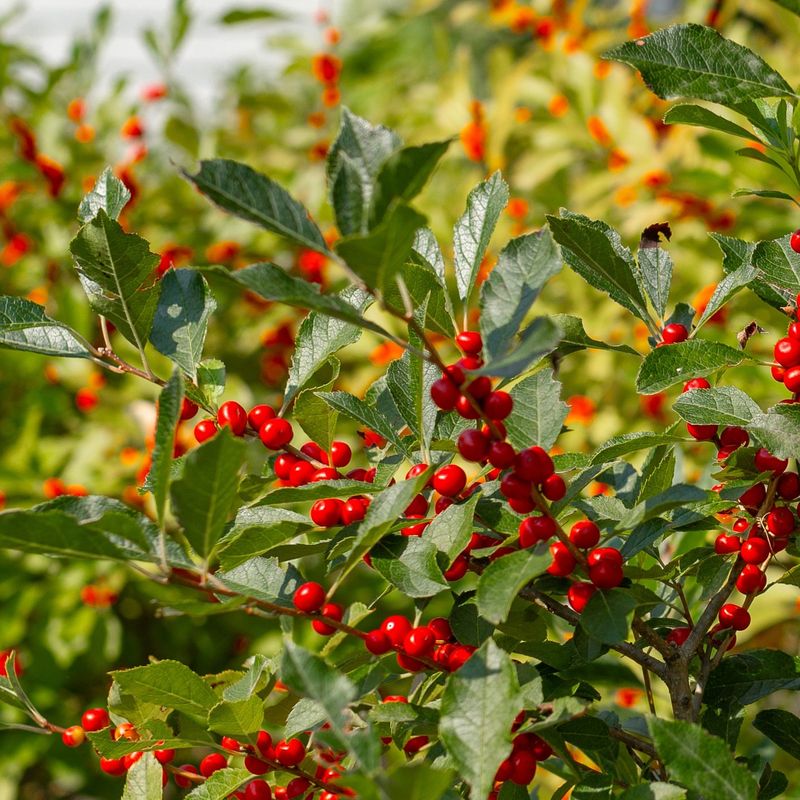
Turfgrass roots form dense mats that aggressively compete with winterberry shrubs for water, nutrients, and growing space in Illinois landscapes everywhere.
Grass grows much faster than woody shrubs and quickly dominates the root zone, stealing resources winterberries desperately need for establishment and growth.
Lawn fertilizers designed for grass often contain too much nitrogen and not enough acidity for winterberries, creating additional problems beyond competition.
Creating grass-free zones around winterberries eliminates competition and allows shrubs to access all available resources within their root zones effectively.
Mulch rings extending at least three feet from stems prevent grass encroachment while improving soil quality as organic materials decompose gradually.
Edging materials like metal or plastic barriers physically block grass runners from invading winterberry planting beds and stealing precious resources.
Applying pre-emergent herbicides around established winterberries prevents grass seeds from sprouting without harming shrubs when products are chosen carefully and used correctly.
Wrong Soil Amendments Added
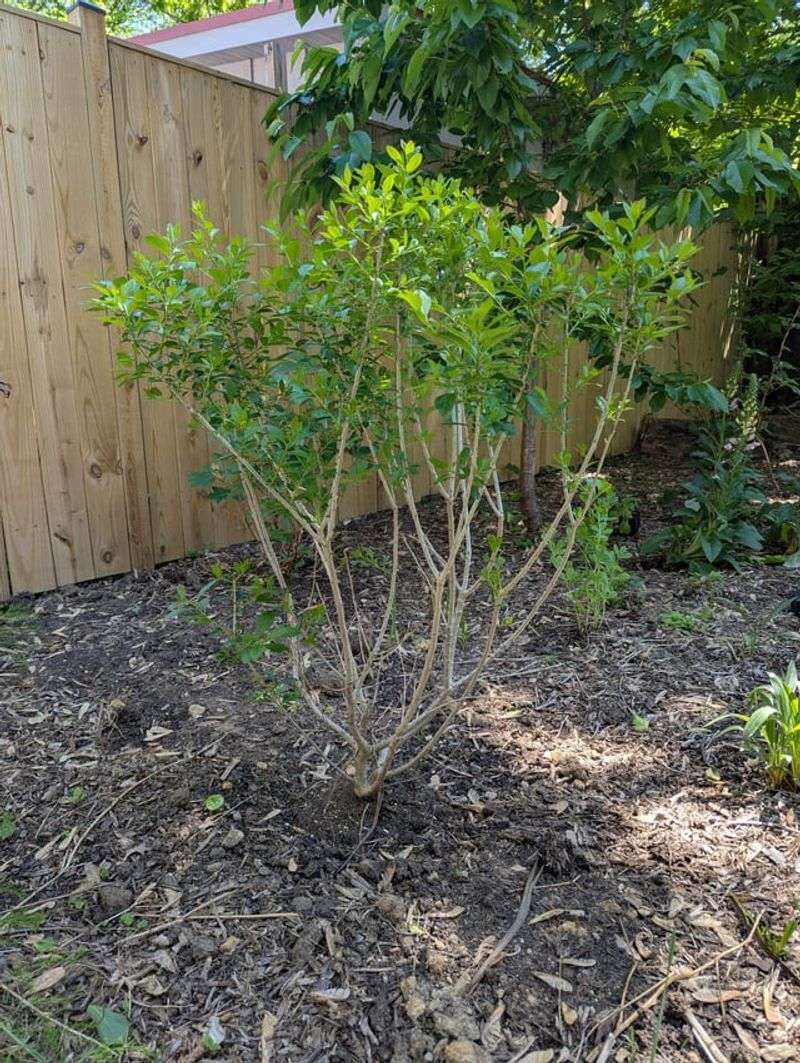
Many Illinois gardeners automatically add lime to gardens without realizing this common amendment raises pH and creates exactly the opposite conditions winterberries require.
Bone meal, wood ashes, and crushed oyster shells also increase alkalinity while providing nutrients that acid-loving plants cannot access properly anyway.
Using the wrong amendments wastes money and effort while actively harming winterberries instead of helping them thrive as intended by gardeners.
Researching plant requirements before adding amendments prevents costly mistakes that take months or years to reverse in established Illinois landscape plantings.
Choosing acidifying products like sulfur, aluminum sulfate, and iron sulfate lowers pH while addressing specific nutrient needs winterberries have in gardens.
Reading product labels carefully ensures amendments match plant needs rather than working against them through chemical reactions in soil profiles.
Consulting with local extension offices provides reliable, regionally specific advice about which amendments work best for winterberries in Illinois growing conditions and climates.