These 8 Ways Keep Pots And Planters Safe From Frost In Virginia
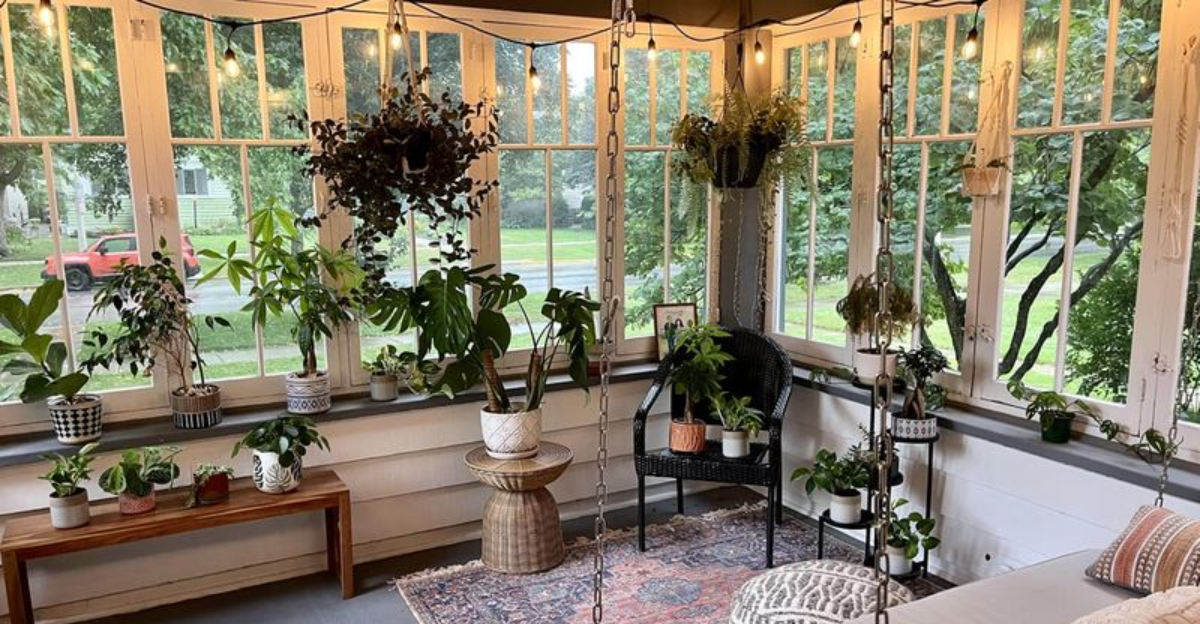
Frost can sneak up quickly in Virginia, catching pots and planters off guard just as temperatures start dropping overnight.
Even hardy container plants struggle when roots freeze solid, especially in exposed spots like patios, steps, and balconies.
A few smart adjustments before the cold settles in can keep planters protected, plants alive, and spring recovery far less stressful.
1. Move Containers to Sheltered Locations
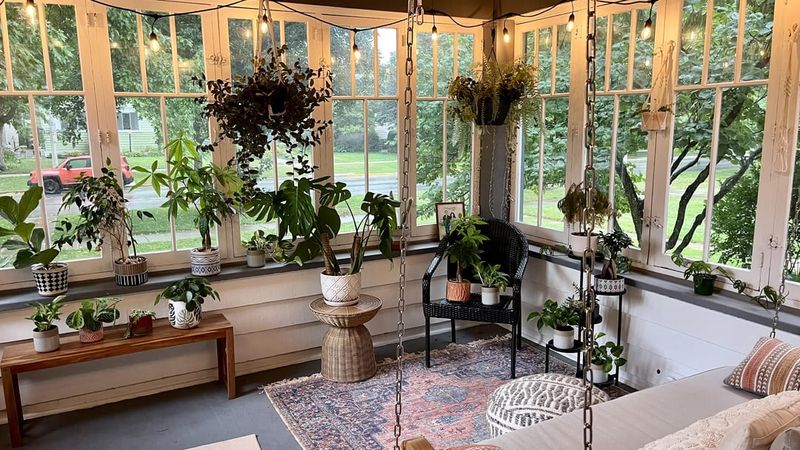
Relocating your pots to protected spots offers immediate defense against biting winds and plummeting temperatures that sweep through Virginia during winter months each year consistently.
Covered porches, garage spaces, and areas close to your home’s foundation provide natural warmth and shield containers from direct exposure to freezing conditions overnight.
The radiant heat from building walls can raise temperatures by several degrees, creating microclimates that prevent soil from freezing solid in your favorite decorative containers.
Even moving planters just a few feet closer to structures makes a noticeable difference when temperatures drop suddenly across the state during unexpected cold fronts.
Heavy pots may require dollies or plant caddies with wheels, making relocation tasks much easier without straining your back or risking damage to expensive pottery.
Remember to check drainage holes remain clear, as sheltered locations sometimes trap excess moisture that could cause problems when temperatures fluctuate throughout Virginia’s unpredictable winter season.
This simple repositioning strategy costs nothing but effort, yet delivers excellent results for gardeners seeking effective protection methods without purchasing specialized equipment or complicated supplies.
2. Wrap Pots with Insulating Materials
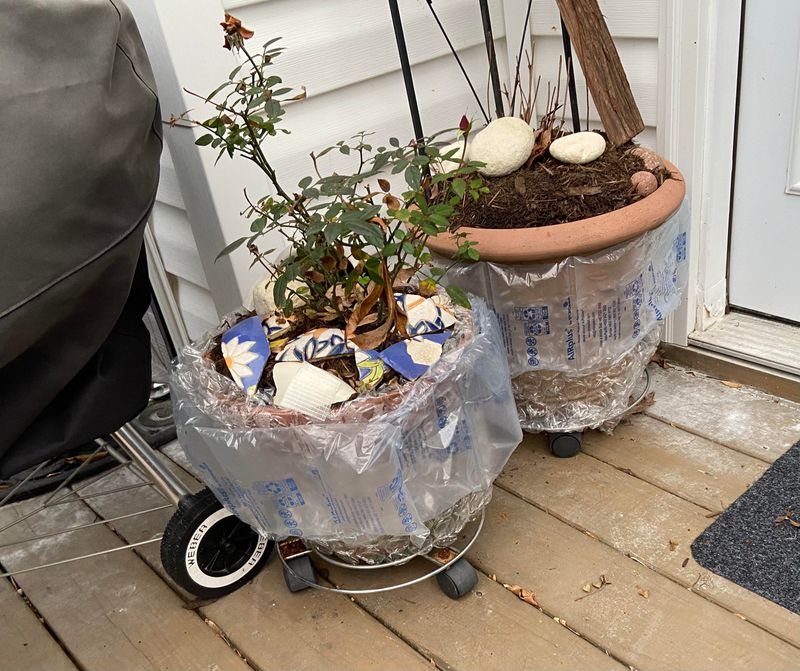
Wrapping containers with insulating layers creates a protective barrier that maintains more stable temperatures around root systems during Virginia’s coldest nights when frost threatens vulnerable plants.
Burlap, bubble wrap, old blankets, or specialized horticultural fleece work wonderfully as affordable wrapping materials that trap warmth and prevent ceramic or terracotta from cracking under pressure.
Start by wrapping the container’s exterior from bottom to top, securing the material with twine, tape, or clips to ensure it stays firmly in place throughout winter.
Multiple layers provide enhanced insulation, especially for prized containers housing perennials you hope to enjoy again when warmer weather returns to the state in springtime ahead.
Leave the soil surface exposed to allow moisture to escape and prevent rot, while focusing insulation efforts on protecting the pot walls from temperature extremes and fluctuations.
Darker wrapping materials absorb more solar heat during sunny Virginia days, providing additional warmth that helps plants survive through extended cold periods without suffering serious damage or setbacks.
Remove wrappings during mild spells to prevent overheating and mold growth, then reapply them when forecasts predict another round of freezing temperatures approaching your area soon.
3. Group Containers Together for Mutual Protection
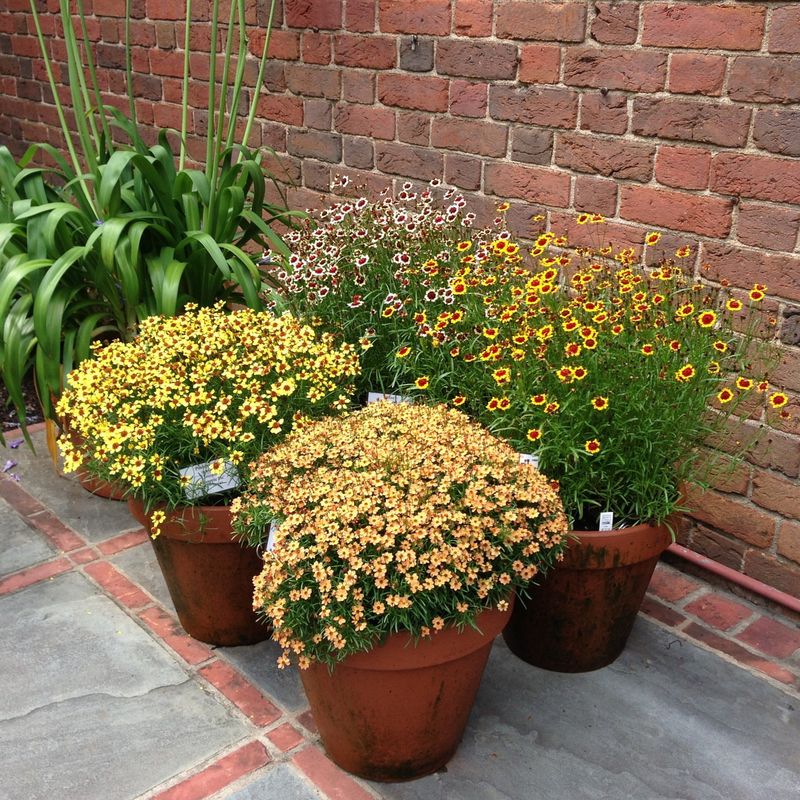
Clustering your containers creates a shared microclimate where plants benefit from collective warmth and reduced exposure to harsh elements sweeping across Virginia during winter’s toughest stretches.
When pots sit close together, they shield each other from wind, trap ambient heat, and create humidity pockets that moderate temperature swings throughout day and night cycles.
Place larger containers on the outside of your grouping to act as windbreaks, while smaller, more delicate pots nestle safely in the protected center spaces away from elements.
Your Virginia Garden Changes Every Week. Your Plan Should Too.
Gardening in Virginia changes quickly throughout the season. Every Friday you’ll receive a simple weekly plan showing exactly what to plant, prune, fertilize, harvest, and protect so you never miss the right timing.
This arrangement mimics natural forest understory conditions, where plants naturally huddle together for survival during challenging seasons, a strategy refined over countless generations in the wild.
Position your clustered containers against south-facing walls in Virginia for maximum sun exposure, capturing precious warmth during short winter days when every degree of temperature matters significantly.
The collective mass of soil in grouped pots retains heat longer than individual containers would alone, providing steadier conditions that roots appreciate throughout cold overnight periods statewide.
This method requires no special purchases or tools, just thoughtful arrangement of existing containers into strategic formations that maximize protection through simple physics and smart positioning techniques.
4. Apply Thick Mulch Layers to Soil Surface
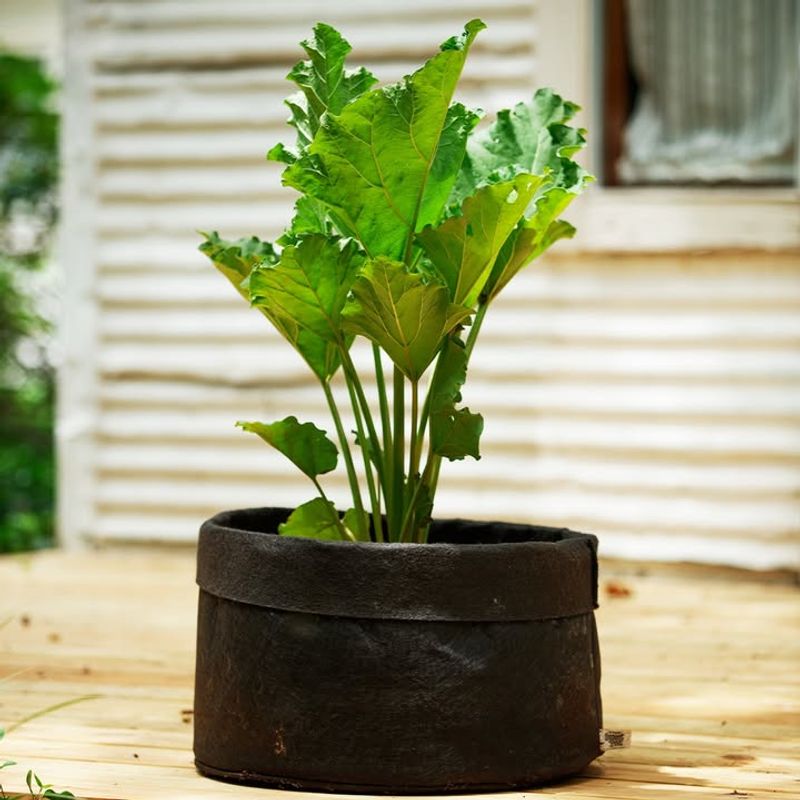
Adding generous mulch layers atop container soil insulates roots from temperature extremes while retaining moisture and preventing the freeze-thaw cycles that damage plants throughout Virginia’s variable winter conditions.
Shredded bark, straw, pine needles, or compost all serve as excellent mulching materials that create insulating blankets over vulnerable root zones in your outdoor containers and planters.
Apply mulch to a depth of two to three inches, covering the entire soil surface but keeping material away from plant stems to prevent rot and fungal issues.
This protective layer moderates soil temperature fluctuations, keeping roots warmer on frigid nights and cooler during sunny days when Virginia weather shifts dramatically within short timeframes unexpectedly.
Organic mulches break down gradually, adding nutrients to container soil while maintaining their protective qualities throughout the entire winter season until spring cleanup time arrives at last.
Check mulch depth periodically, as wind and settling can reduce coverage over time, requiring occasional replenishment to maintain effective insulation levels in your most valued containers.
Come spring, simply rake mulch aside or work it into the soil as organic matter, preparing your containers for fresh plantings when the state’s growing season begins anew.
5. Elevate Planters Off Cold Ground Surfaces
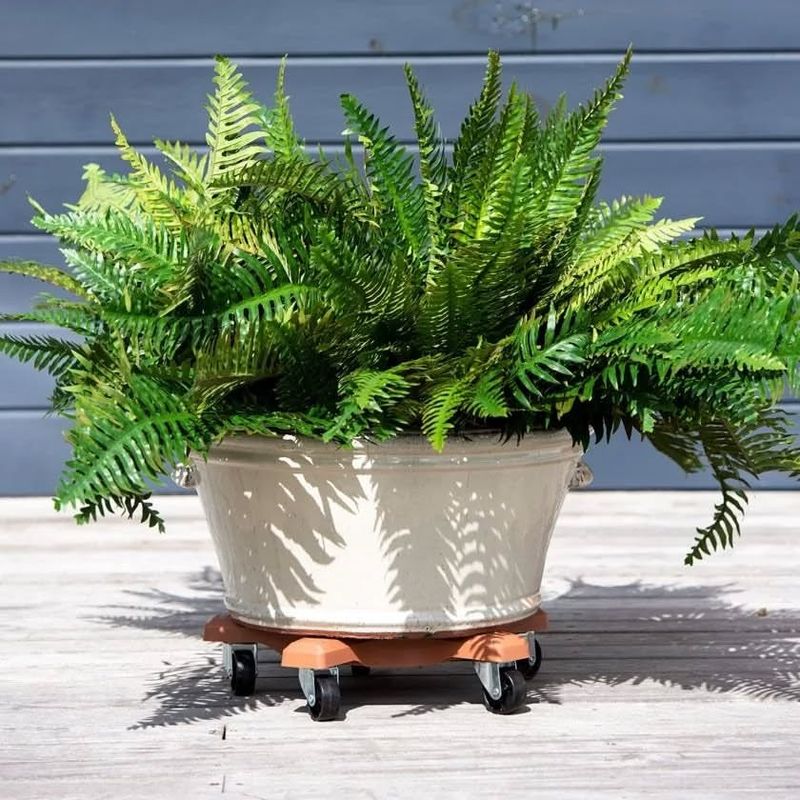
Lifting containers above ground level prevents direct contact with frozen surfaces that rapidly drain heat from pots and soil, compromising root health throughout Virginia’s coldest winter months ahead.
Pot feet, bricks, wood blocks, or specialized plant stands create air circulation underneath containers, reducing heat loss and improving drainage that prevents waterlogging and ice formation problems.
This elevation strategy proves particularly important on concrete patios and stone surfaces, which conduct cold efficiently and can freeze soil solid in containers sitting directly upon them.
Even raising pots just an inch or two makes a measurable difference in soil temperature maintenance, providing roots with the slightly warmer conditions they need for survival.
The air gap underneath also prevents containers from freezing to the ground, which can trap moisture and cause cracking when temperatures rise and fall repeatedly across the state.
For heavy containers that are difficult to move, slide flat stones or wood pieces underneath without lifting the entire pot, achieving elevation benefits with minimal physical effort required.
This method works beautifully in combination with other protection strategies, creating layered defense systems that give your Virginia container gardens the best possible chance of surviving harsh winter conditions successfully.
6. Water Containers Before Freeze Events
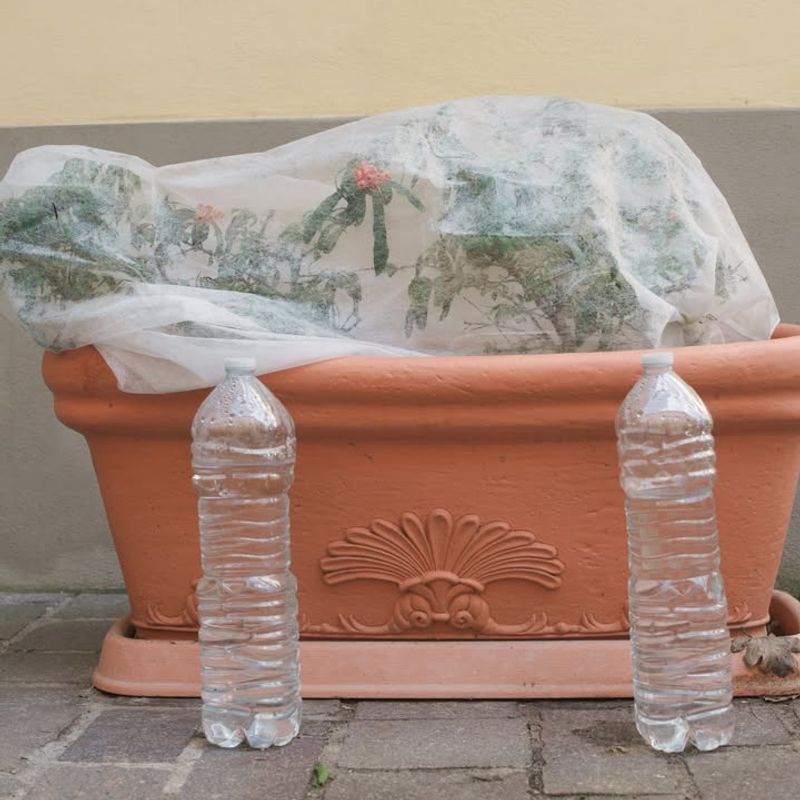
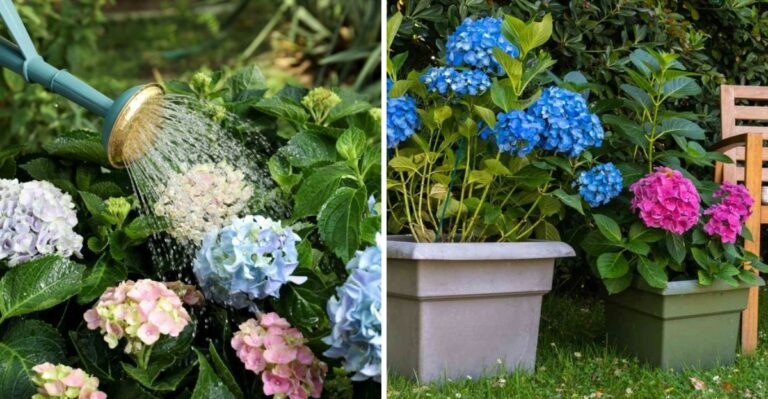
Providing containers with adequate moisture before predicted freezes seems counterintuitive, but moist soil actually retains and releases heat better than dry soil throughout cold Virginia nights ahead.
Water acts as a thermal mass, absorbing warmth during the day and slowly releasing it after sunset, moderating temperature drops around root systems in your outdoor containers.
Apply water during late afternoon on days before expected freezes, giving soil time to absorb moisture thoroughly before temperatures plummet after darkness falls across the state.
Avoid overwatering, which can lead to ice formation and root damage, but ensure soil feels evenly moist throughout the container rather than bone-dry or waterlogged at extremes.
This strategy proves especially valuable for evergreen plants in containers, which continue losing moisture through their foliage even during winter dormancy periods when growth has stopped completely.
Dry soil freezes faster and more deeply than hydrated soil, making properly watered containers significantly more resilient when Virginia weather turns harsh and threatening to tender plants.
Monitor weather forecasts regularly throughout winter, timing your watering sessions to coincide with predicted cold snaps for maximum protective benefit without wasting water or creating unnecessary moisture problems.
7. Use Frost Blankets and Protective Covers
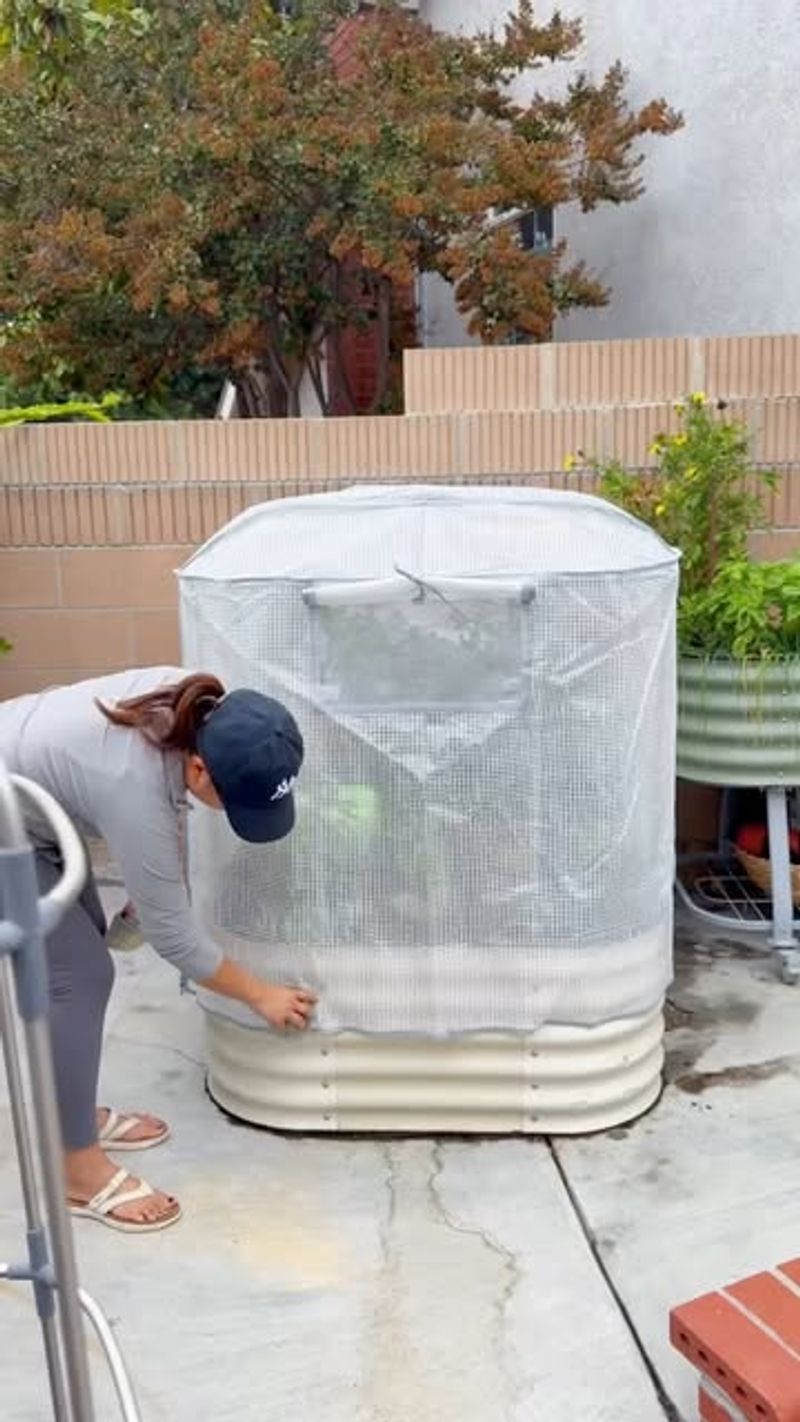
Draping frost blankets or specialized covers over containers provides immediate protection during sudden cold snaps that frequently surprise Virginia gardeners despite careful monitoring of weather predictions and forecasts.
Horticultural fleece, frost cloth, or even old bedsheets create barriers that trap warm air around plants while allowing some light and air circulation to pass through safely.
Secure covers with stakes, clips, or weights to prevent wind from blowing them away during blustery winter nights when protection is needed most desperately for survival.
Remove covers during daytime hours when temperatures rise above freezing, allowing plants to receive sunlight and preventing excessive heat buildup that could trigger premature growth in the state.
For extended cold periods, consider using covers with higher fabric weights that provide better insulation while still maintaining breathability to prevent moisture accumulation and fungal growth underneath.
Avoid plastic sheeting that touches foliage directly, as it conducts cold and can cause more damage than leaving plants uncovered when temperatures drop significantly overnight in Virginia.
Keep covers handy throughout winter, stored in accessible locations where you can quickly deploy them when weather alerts warn of incoming freezes threatening your carefully maintained container gardens outdoors.
8. Choose Frost-Resistant Container Materials
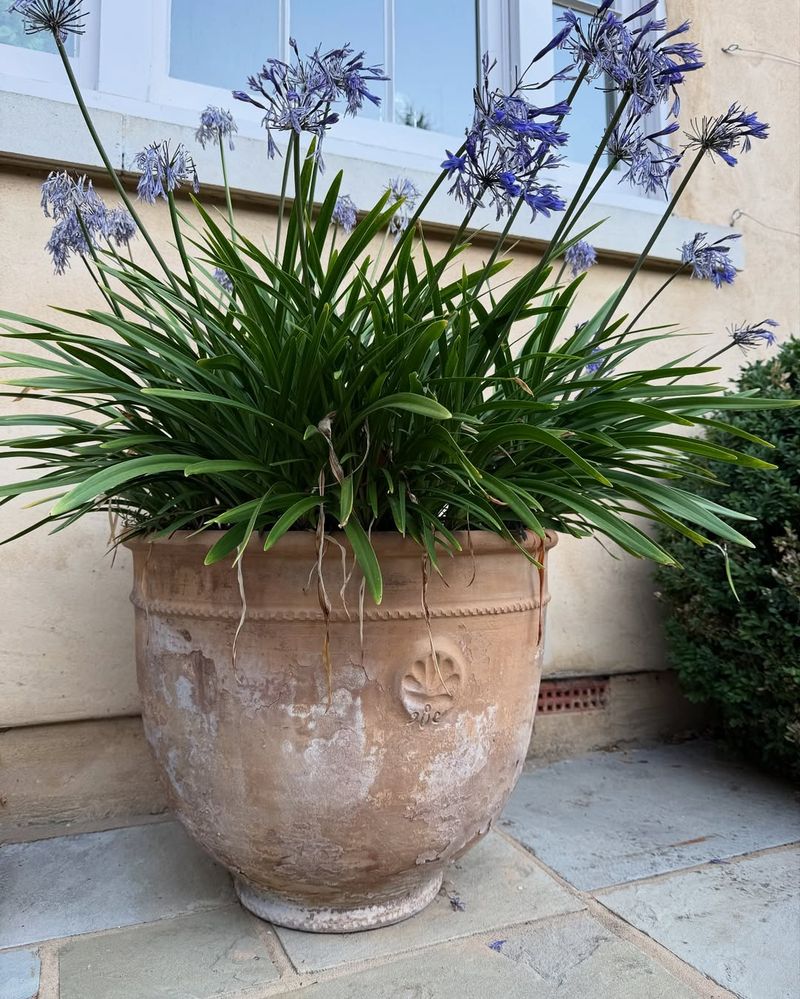
Selecting containers made from freeze-tolerant materials prevents cracking and breakage that commonly occurs when moisture inside pot walls expands during freezing cycles throughout Virginia’s winter season annually.
Fiberglass, resin, thick plastic, and wood containers withstand temperature fluctuations far better than terracotta or thin ceramic pots that shatter easily when water freezes within their porous structures.
Metal containers also handle cold well, though they conduct temperature rapidly, so combining them with insulating wraps provides optimal protection for both container and plant root systems.
Investing in quality frost-resistant planters saves money over time by eliminating the need to replace broken containers every spring after winter damage has taken its inevitable toll.
If you already own beloved ceramic or terracotta pots, move them to protected indoor locations during winter, reserving tougher containers for outdoor duty in the state’s harshest conditions.
Modern resin containers now mimic the appearance of traditional materials beautifully, offering aesthetic appeal without the fragility that makes authentic ceramic planters risky choices for year-round outdoor use.
When purchasing new containers, specifically ask retailers about freeze-thaw ratings and warranties, ensuring your investment will survive multiple Virginia winters without cracking, chipping, or deteriorating prematurely over time.