9 Plants That Are Now Restricted Or At Risk In Colorado Gardens
Some plants quietly change status over time, and a few that once felt harmless in Colorado gardens are now restricted, regulated, or closely watched for good reasons.
This list walks through nine plants that are either limited or increasingly risky to grow in Colorado, so gardeners know what to avoid, replace, or keep a closer eye on.
1. Russian Olive

Once planted widely for windbreaks and erosion control, Russian olive now ranks among Colorado’s most problematic invasive species throughout the state.
This hardy tree spreads rapidly along waterways, choking out native cottonwoods and willows that provide essential habitat for birds and other wildlife.
Sharp thorns make removal difficult, while its dense growth blocks sunlight from reaching native plants trying to survive underneath the canopy.
Colorado classifies Russian olive as a noxious weed in many counties, meaning property owners must remove it or face penalties from authorities.
Birds eat the small fruits and spread seeds across vast distances, causing new infestations far from the original planting site.
Removing established trees requires cutting and treating stumps with herbicide, as they resprout vigorously from roots if simply cut down.
Native alternatives like serviceberry or chokecherry provide similar windbreak benefits without the invasive problems that plague landscapes across Colorado today.
Replacing Russian olive helps restore natural ecosystems while keeping your property compliant with local regulations and supporting healthier wildlife populations statewide.
2. Purple Loosestrife

Stunning purple flower spikes might catch your eye, but purple loosestrife devastates wetlands and irrigation ditches throughout Colorado with alarming speed.
A single mature plant produces millions of tiny seeds annually, allowing it to dominate wetland areas and crowd out native species.
Cattails, sedges, and rushes that waterfowl depend on for nesting disappear when purple loosestrife takes over their habitat completely.
Colorado law prohibits selling, distributing, or planting this aggressive invader anywhere within state boundaries to protect precious water resources and ecosystems.
Wetland restoration projects spend thousands of dollars removing purple loosestrife from affected areas, making prevention far easier than dealing with established infestations.
Biological control using specialized beetles shows promise, but manual removal remains necessary for small populations found in gardens or private lands.
Gardeners seeking purple flowers near water features should choose native alternatives like Rocky Mountain beeplant or showy milkweed instead of risky species.
Reporting sightings to county extension offices helps Colorado officials track and manage this invasive threat before it spreads to new waterways.
3. Tamarisk (Salt Cedar)
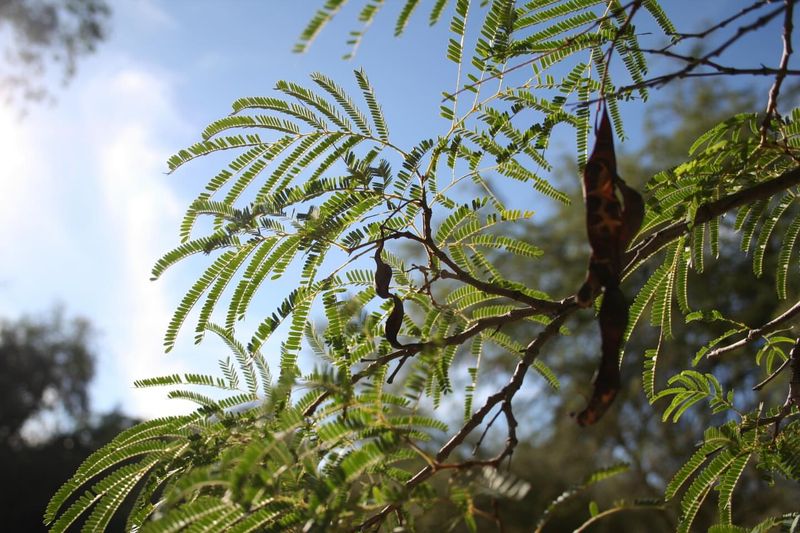
Feathery pink blooms disguise one of Colorado’s most water-hungry invaders, consuming precious resources along rivers and streams throughout the region.
Tamarisk roots reach deep underground, tapping water tables and leaving native plants struggling to survive during dry summer months common here.
Each plant transpires enormous amounts of water daily, contributing to reduced stream flows that affect fish populations and downstream water users.
Colorado designates tamarisk as a noxious weed, requiring landowners to control or remove it from their properties to protect water supplies.
Dense thickets replace native willows and cottonwoods, eliminating nesting habitat for endangered southwestern willow flycatchers and other sensitive bird species.
Your Colorado Garden Changes Every Week. Your Plan Should Too.
Gardening in Colorado changes quickly throughout the season. Every Friday you’ll receive a simple weekly plan showing exactly what to plant, prune, fertilize, harvest, and protect so you never miss the right timing.
Tiny seeds travel on wind and water, establishing new colonies miles away from parent plants and expanding infestations across watersheds.
Specialized beetles released as biological control agents help manage large infestations, but homeowners must still remove plants from their properties manually.
Choosing native shrubs like red osier dogwood or river birch for waterside plantings helps restore natural beauty while conserving Colorado’s limited water.
4. Myrtle Spurge

Attractive blue-green foliage and chartreuse flowers make myrtle spurge tempting for rock gardens, but this succulent causes serious problems across Colorado.
Milky sap contains toxic compounds that irritate skin and eyes, posing risks to children, pets, and gardeners who handle plants without protection.
Seeds shoot several feet from mature plants, spreading rapidly into natural areas and displacing native wildflowers that support pollinators and wildlife.
Colorado lists myrtle spurge as a noxious weed in multiple counties, prohibiting its sale and requiring removal from properties where found.
This Mediterranean native thrives in dry conditions, outcompeting native plants adapted to similar environments found throughout the state’s lower elevations.
Removing myrtle spurge requires careful handling with gloves and protective clothing to avoid painful skin reactions from the caustic sap.
Disposing of pulled plants in sealed bags prevents seeds from spreading during transport to landfills or composting facilities in your area.
Native alternatives like stonecrop or penstemon provide similar drought tolerance and visual interest without the invasive tendencies or toxic sap issues.
5. Dame’s Rocket
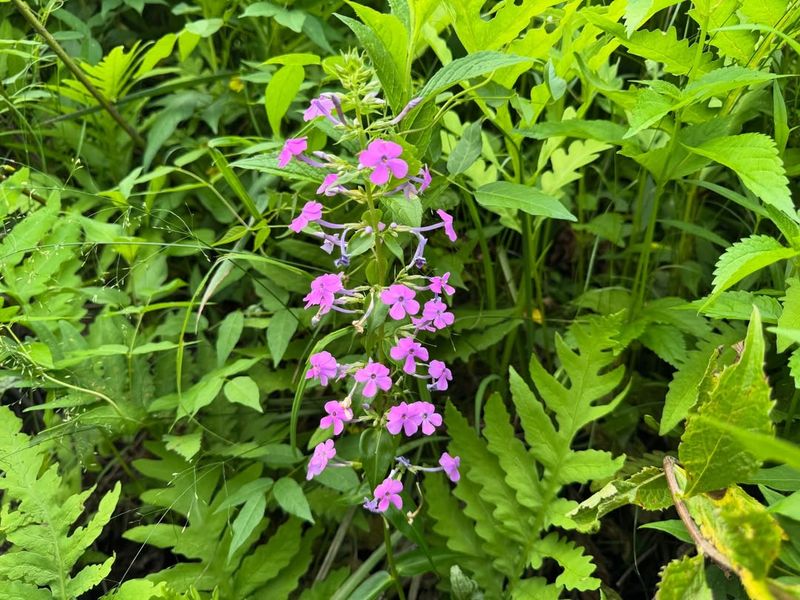
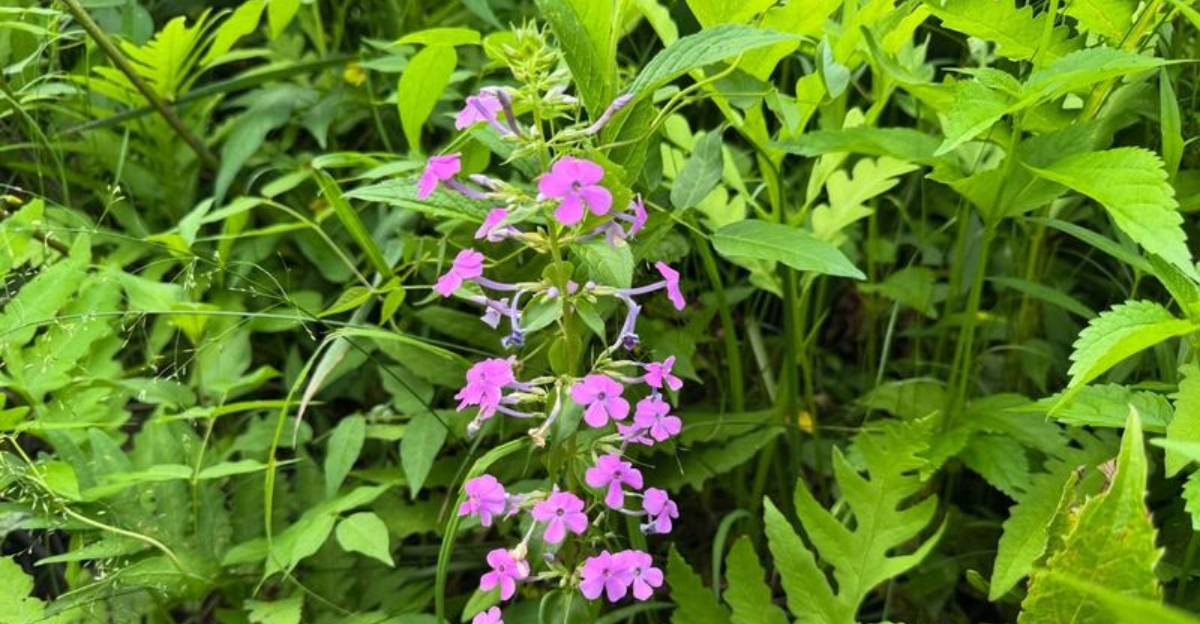
Fragrant purple and white flowers resembling garden phlox deceive gardeners, but dame’s rocket aggressively invades forests and meadows throughout Colorado today.
Often sold in wildflower seed mixes, this European import spreads quickly and forms dense stands that exclude native wildflowers from habitats.
Seed pods explode when ripe, flinging seeds several feet away and ensuring rapid colonization of disturbed areas near roadsides and trails.
Colorado conservation groups work to remove dame’s rocket from natural areas, but garden escapees continue reseeding these sensitive ecosystems annually.
Biennial growth means plants spend their first year as leafy rosettes before flowering, making young plants easy to overlook during weeding.
Pulling plants before they flower prevents seed production, but roots must be removed completely to stop regrowth from fragments left behind.
Native alternatives like Rocky Mountain penstemon or wild bergamot offer similar beauty with better support for native pollinators seeking familiar food sources.
Checking wildflower seed mixes carefully before planting helps Colorado gardeners avoid accidentally introducing this persistent invader to their properties and neighborhoods.
6. Yellow Toadflax
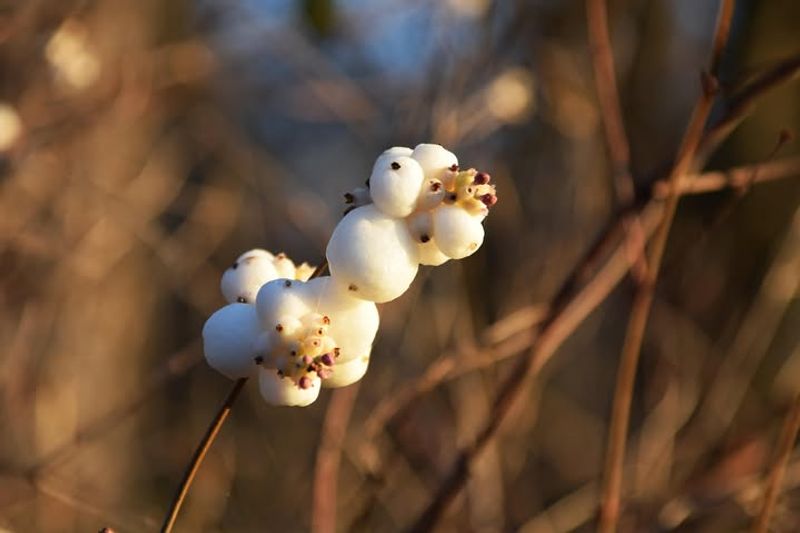
Cheerful yellow snapdragon-like blooms earn this plant the nickname butter-and-eggs, but yellow toadflax ranks as a serious agricultural pest in Colorado.
Creeping roots spread horizontally underground, forming dense patches that crowd out crops, native grasses, and desirable forage plants on rangeland.
A single plant fragment left in soil can regenerate into a full colony, making complete removal nearly impossible once established.
Colorado ranchers lose valuable grazing land to yellow toadflax infestations that cattle avoid due to its unpalatable taste and low nutritional value.
Seeds remain viable in soil for years, sprouting when conditions become favorable and creating persistent weed problems for landowners statewide.
Biological control using specialized weevils helps suppress large populations, but homeowners must still hand-pull or treat plants found in gardens carefully.
Native penstemons provide similar tubular flowers that attract hummingbirds and pollinators without the aggressive spreading habit that plagues toadflax infestations.
Monitoring garden edges and disturbed areas regularly helps catch new toadflax plants early, before roots establish deeply in Colorado’s variable soils.
7. Perennial Pepperweed
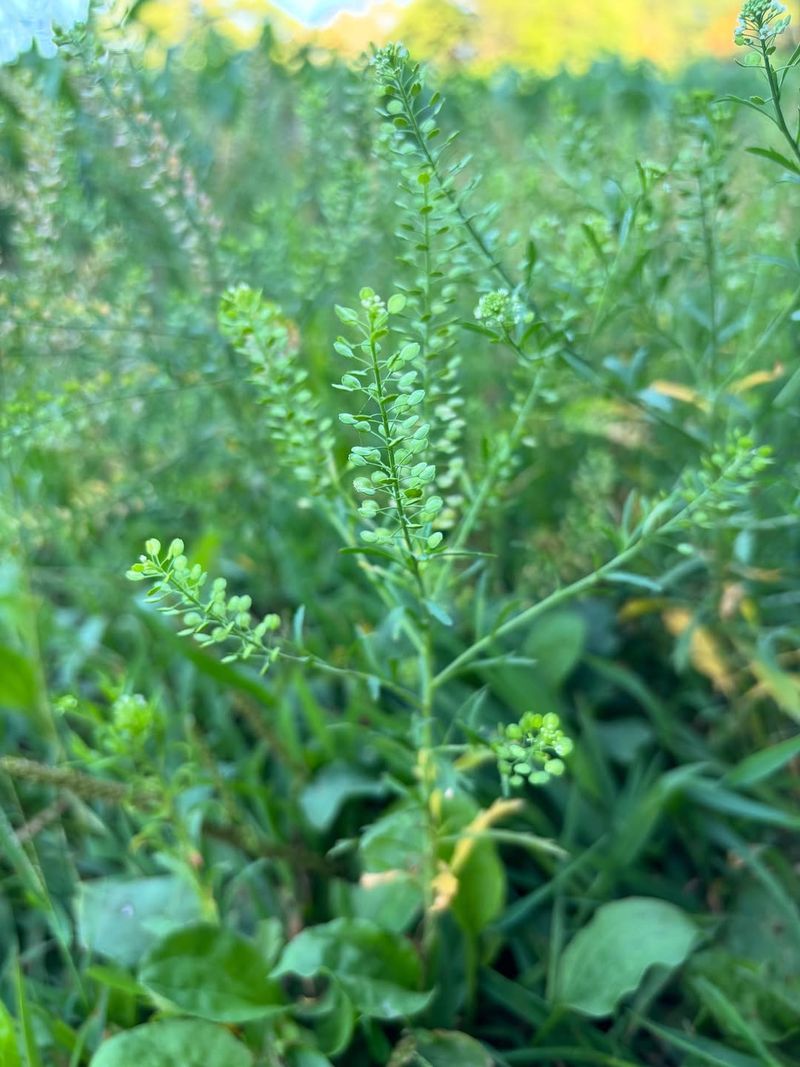
Clouds of tiny white flowers might seem innocent, but perennial pepperweed creates impenetrable monocultures that destroy pastures and wetlands across Colorado.
Extensive root systems extend ten feet deep and spread twenty feet wide, making this one of the most difficult invasive plants to control.
Roots produce chemicals that inhibit germination of other plants, creating bare zones where only pepperweed survives in affected areas statewide.
Colorado classifies perennial pepperweed as a noxious weed requiring mandatory control, as infestations reduce property values and agricultural productivity dramatically.
Livestock avoid grazing in areas dominated by pepperweed, reducing available forage and forcing ranchers to purchase supplemental feed at considerable expense.
Mowing or tilling spreads the problem by breaking roots into fragments, each capable of sprouting into new plants across the landscape.
Effective control requires years of persistent herbicide treatment combined with revegetation using competitive native grasses that help suppress regrowth over time.
Reporting new infestations to county weed managers helps Colorado communities respond quickly before pepperweed becomes impossible to manage or eradicate completely.
8. Canada Thistle
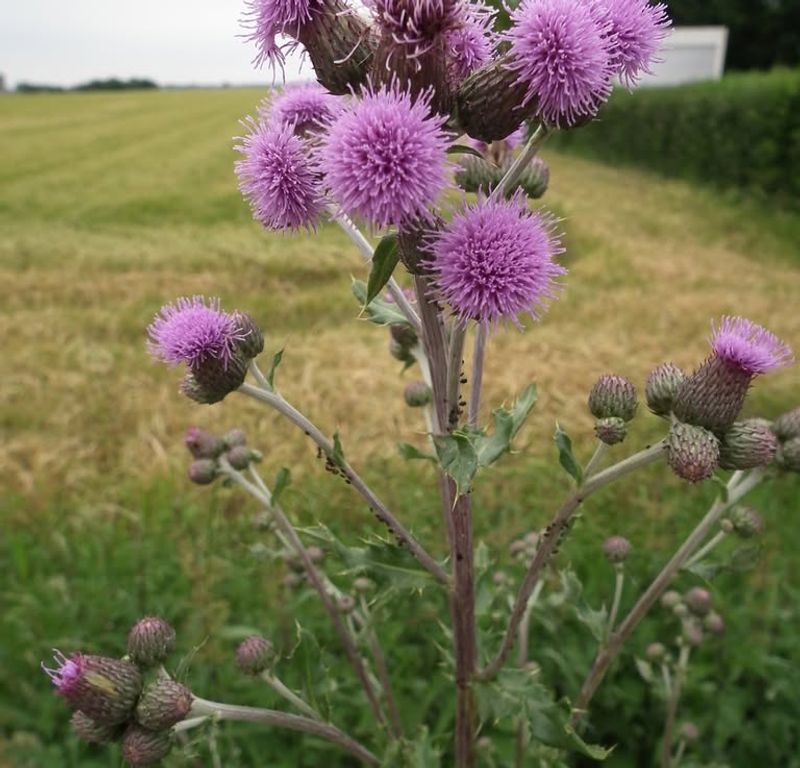
Despite its name, Canada thistle actually originated in Europe and now plagues gardens, farms, and natural areas throughout Colorado with aggressive growth.
Horizontal roots spread rapidly underground, sending up new shoots several feet from the parent plant and forming dense, prickly colonies.
Sharp spines on leaves and stems make handling painful, discouraging manual removal and allowing plants to flourish in neglected areas undisturbed.
Colorado law designates Canada thistle as a noxious weed, meaning property owners must control infestations to prevent spreading to neighboring lands.
Seeds equipped with fluffy parachutes float on wind currents for miles, establishing new colonies far from original infestations across the state.
Cutting flower heads before seeds mature helps reduce spread, but roots must be treated with herbicide or removed completely for control.
Repeated mowing exhausts root reserves over time, but requires consistent effort throughout the growing season for several years to succeed fully.
Native alternatives like Colorado thistle provide similar visual interest with less aggressive growth, supporting native pollinators without invasive problems plaguing introduced species.
9. Dalmatian Toadflax
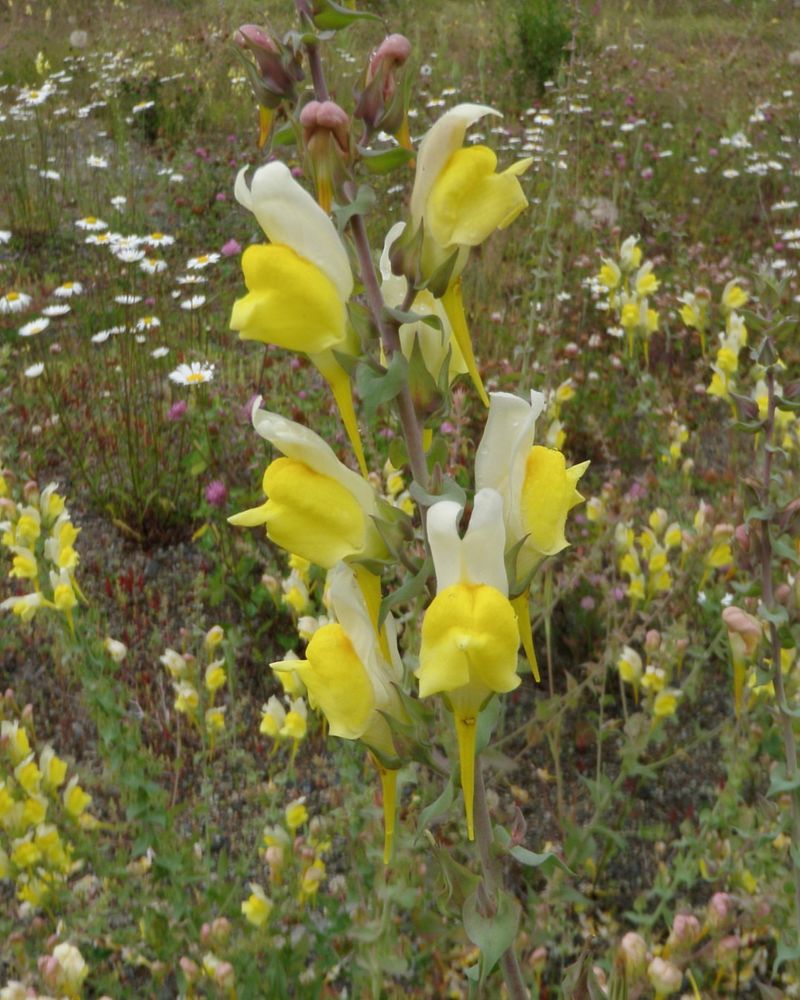
Bright yellow snapdragon flowers and attractive waxy leaves make Dalmatian toadflax appealing, but it threatens rangelands and natural areas throughout Colorado.
Waxy leaf coating helps this plant survive drought and cold, allowing it to outcompete native vegetation adapted to similar harsh conditions statewide.
Extensive root systems store energy reserves, enabling plants to resprout vigorously after cutting, grazing, or fire passes through affected areas.
Colorado designates Dalmatian toadflax as a noxious weed, requiring landowners to prevent its spread from their properties to surrounding natural habitats.
Livestock avoid grazing plants due to unpalatable taste, reducing available forage and allowing toadflax to expand unchecked across valuable rangeland.
Biological control using specialized stem-boring weevils shows promise for managing large infestations where herbicide application proves impractical or environmentally concerning.
Small garden infestations require persistent hand-pulling or careful herbicide application, targeting plants before flowering prevents seed production and further spread.
Choosing native snapdragon relatives like penstemon provides similar garden appeal while supporting local ecosystems rather than threatening them with invasive growth patterns.