9 Coral Bells Varieties That Perform Well In Oregon Gardens
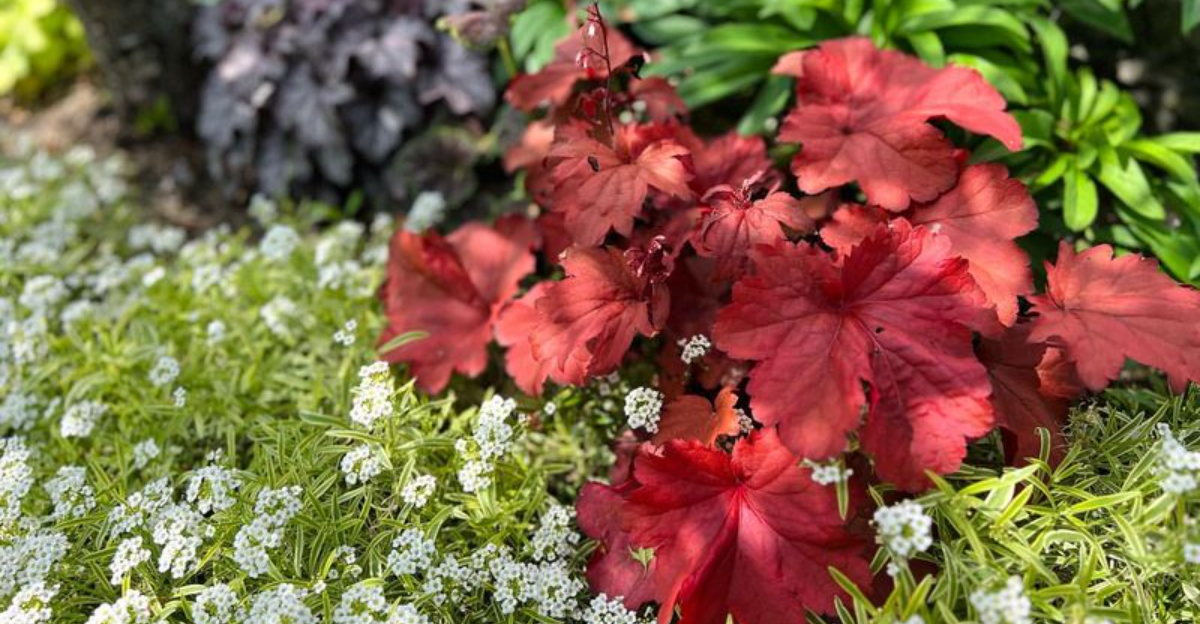
Coral bells are a favorite in Oregon gardens because they handle changing weather, partial shade, and long growing seasons with surprising ease.
Certain varieties stand out for strong color, reliable growth, and leaves that stay attractive through cool, damp months.
Choosing the right coral bells helps Oregon gardeners keep beds looking lively and consistent without constant adjustments or extra care.
1. Heuchera ‘Palace Purple’ For Reliable Color In Oregon Shade
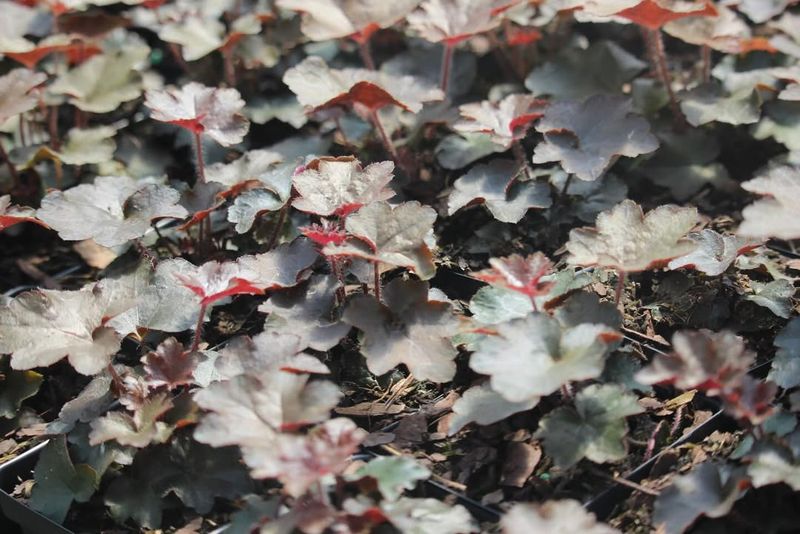
Deep burgundy leaves make this variety a standout choice for gardeners throughout Oregon who want dependable color even in shaded garden spots.
Established plants develop rich, wine-colored foliage that holds its intensity from spring through fall, regardless of fluctuating light conditions in the state.
Many Oregon gardeners appreciate how Palace Purple tolerates the region’s damp winters without developing rot or losing its striking appearance during cold months.
This cultivar pairs beautifully with ferns and hostas, creating layered textures that enhance woodland garden designs popular across Oregon’s diverse landscape regions.
Small white flowers appear on tall stems in early summer, adding vertical interest while attracting pollinators like bees and hummingbirds to your yard.
Planting Palace Purple in well-draining soil amended with compost helps roots establish quickly, especially important in Oregon’s clay-heavy or waterlogged garden areas.
Regular watering during dry summer weeks keeps foliage looking fresh, though this variety handles brief dry spells better than many other heuchera types.
Dividing clumps every three years encourages vigorous growth and prevents the crown from becoming woody, ensuring long-term success in Oregon gardens everywhere.
2. Heuchera ‘Caramel’ Thriving In Oregon’s Mild Coastal Climates
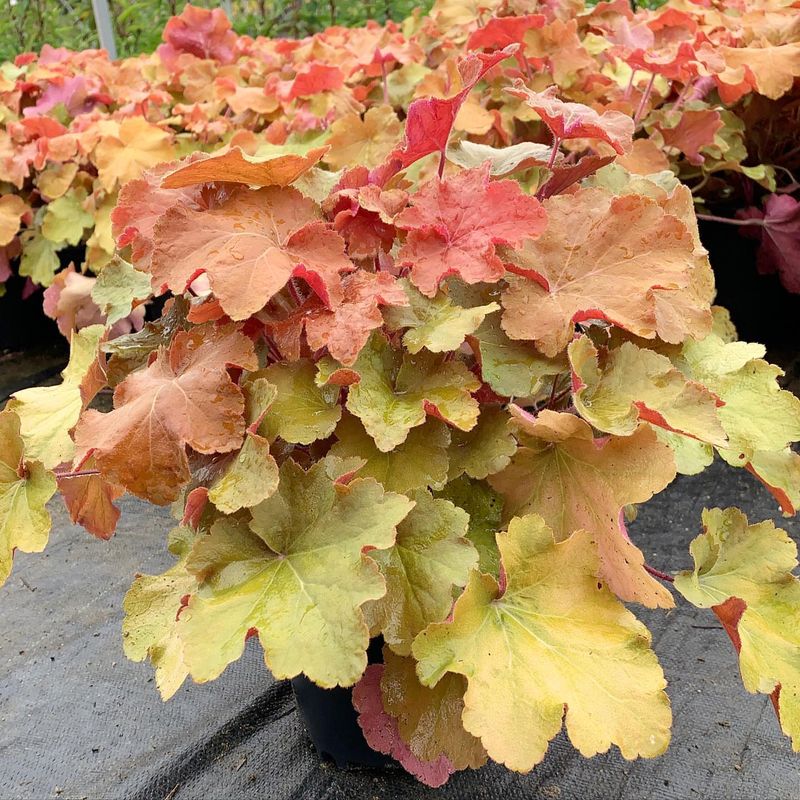
Golden-orange foliage brings warmth to coastal Oregon gardens where cool breezes and frequent fog can make other plants struggle to maintain vibrant colors.
Caramel’s leaves shift through peachy-gold tones depending on sun exposure, offering visual interest that changes subtly as seasons progress across the state.
Coastal gardeners in Oregon find this variety particularly forgiving of salt spray and windy conditions that often damage more delicate perennial foliage in shoreline areas.
Undersides of leaves reveal rosy-purple hues, creating a delightful surprise when breezes lift the foliage or when viewed from different angles in beds.
This cultivar prefers partial shade but tolerates morning sun well, making it versatile for Oregon gardens with varying light patterns throughout the growing season.
Pairing Caramel with blue-leaved hostas or silver-foliaged artemisia creates stunning color contrasts that brighten shaded corners and pathway edges in coastal landscapes.
Mulching around plants helps retain moisture during Oregon’s drier summer months while keeping roots cool, which promotes healthier growth and more intense leaf coloration.
Removing spent flower stalks after blooming encourages plants to focus energy on producing lush foliage, keeping your Oregon garden looking tidy and attractive.
3. Heuchera ‘Obsidian’ Handling Cool Oregon Winters Well
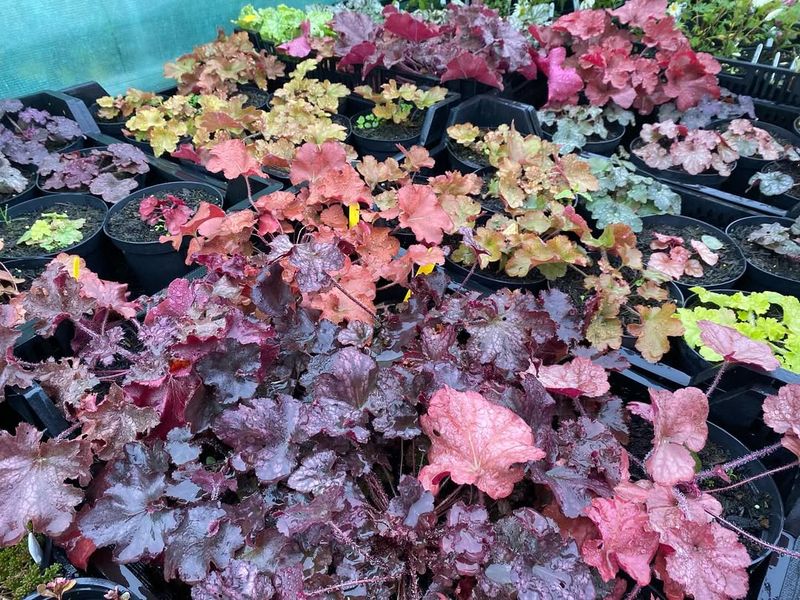
Glossy, near-black leaves create dramatic focal points in Oregon gardens, especially when planted alongside lighter-colored perennials or groundcovers for maximum visual impact.
Obsidian’s dark foliage remains stunning throughout winter, providing structure and color when many other plants have gone dormant across the Oregon landscape.
Your Oregon Garden Changes Every Week. Your Plan Should Too.
Gardening in Oregon changes quickly throughout the season. Every Friday you’ll receive a simple weekly plan showing exactly what to plant, prune, fertilize, harvest, and protect so you never miss the right timing.
Cold-hardy characteristics make this variety ideal for Oregon’s occasional freezing temperatures, as plants bounce back quickly once spring warmth returns to the region.
Gardeners across Oregon appreciate how Obsidian’s shiny leaves resist slug damage better than varieties with softer, matte foliage, reducing pest problems significantly.
Small cream-colored flowers emerge on wiry stems in late spring, creating an elegant contrast against the dark leaves that catches attention from across yards.
Planting Obsidian near the front of borders ensures its striking foliage remains visible, especially in Oregon’s woodland gardens where taller plants might overshadow it.
Adequate drainage is crucial for winter success, so amending heavy Oregon clay soils with sand and organic matter prevents waterlogging that could harm roots.
Fertilizing lightly in early spring encourages robust growth, though this variety thrives with minimal feeding, making it low-maintenance for busy Oregon gardeners everywhere.
4. Heuchera ‘Lime Rickey’ Brightening Oregon Gardens With Consistent Growth
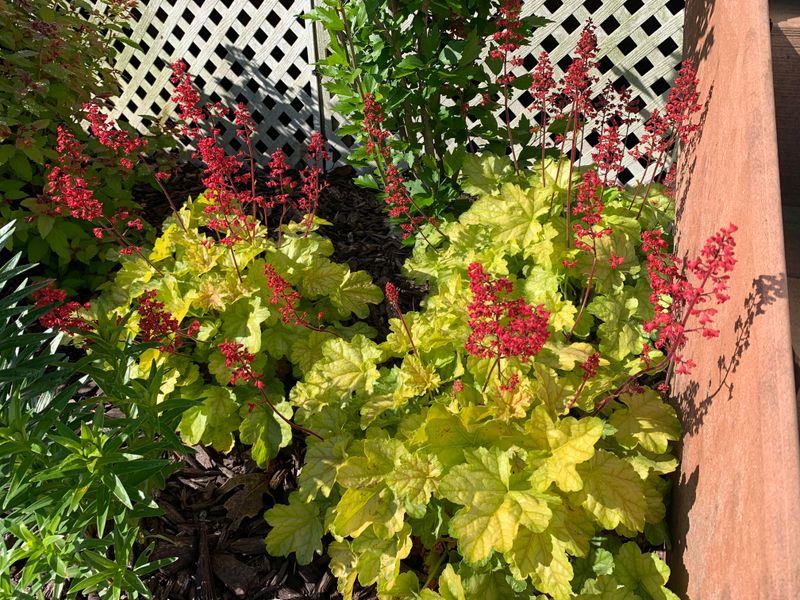
Chartreuse foliage practically glows in shaded Oregon garden spots, offering a cheerful brightness that lifts spirits even during the state’s long, gray winter months.
Lime Rickey’s vibrant leaves maintain their electric color from spring through fall, providing consistent visual interest that many Oregon gardeners rely on for designs.
This variety grows vigorously in Oregon’s climate, quickly filling in garden spaces and forming dense clumps that suppress weeds naturally without requiring frequent maintenance.
Pairing Lime Rickey with dark-leaved heucheras or purple-flowering perennials creates eye-catching combinations that showcase the best of Oregon’s diverse plant palette beautifully.
Partial to full shade suits this cultivar best, though morning sun won’t harm it, making placement flexible in Oregon gardens with changing light patterns.
White flowers appear on tall stalks in summer, adding height and attracting beneficial insects like native bees that help pollinate other plants in your yard.
Dividing plants every few years keeps them vigorous and prevents overcrowding, ensuring Lime Rickey continues performing well in Oregon gardens for many seasons ahead.
Regular watering during dry spells maintains the foliage’s fresh appearance, though established plants tolerate brief drought periods common in Oregon’s summer weather patterns.
5. Heuchera ‘Autumn Leaves’ Adapting Well To Oregon Temperature Swings
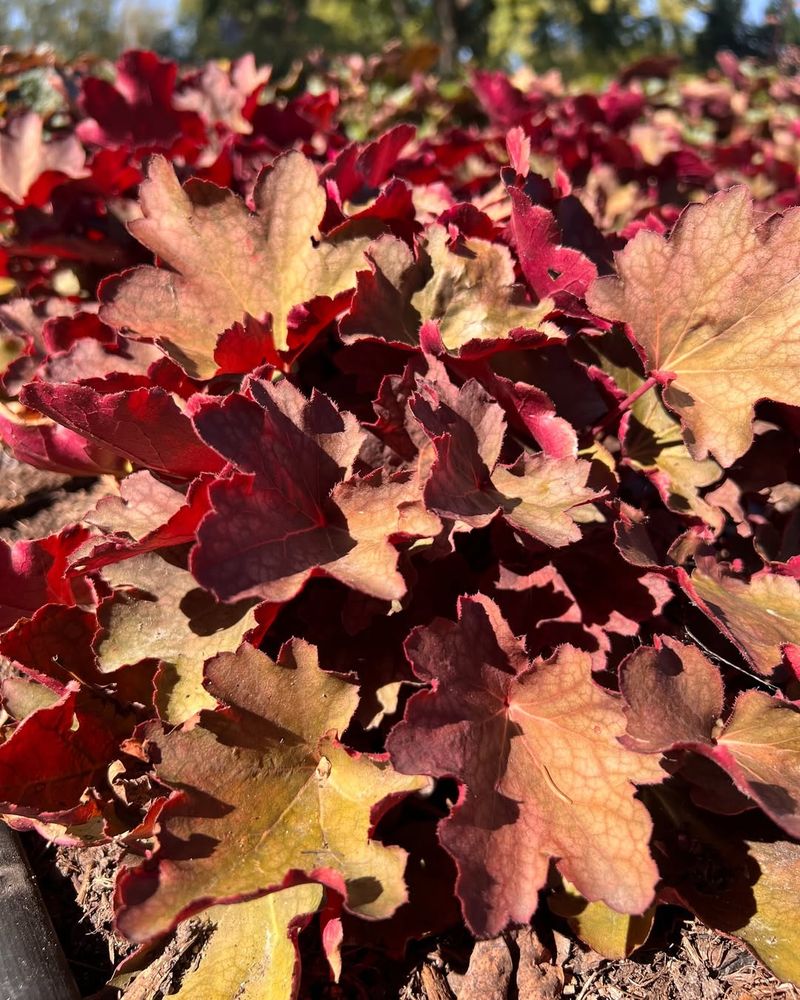
Multicolored foliage shifts through shades of orange, red, copper, and gold, mimicking fall’s best colors throughout the growing season in Oregon gardens everywhere.
Temperature fluctuations common in Oregon actually enhance this variety’s coloration, causing leaves to intensify in hue as nights cool and days remain mild.
Gardeners throughout Oregon value how Autumn Leaves adapts to both coastal and inland climates, thriving whether planted near the ocean or in valley regions.
Large, ruffled leaves create textural interest that pairs wonderfully with fine-leaved grasses or delicate ferns commonly grown in Oregon’s naturalistic garden designs today.
This cultivar tolerates more sun than many heucheras, making it suitable for Oregon gardens with brighter exposures where other varieties might struggle or fade.
Creamy-white flowers bloom on tall stems in late spring, providing nectar for hummingbirds and butterflies that visit Oregon gardens seeking food sources throughout summer.
Amending soil with compost before planting helps roots establish quickly, particularly important in Oregon’s heavy clay soils that can compact and restrict growth otherwise.
Removing damaged leaves in early spring tidies plants and encourages fresh growth, keeping your Oregon garden looking polished and healthy as temperatures warm up.
6. Heuchera ‘Georgia Peach’ Performing Strongly In Oregon’s Spring Conditions
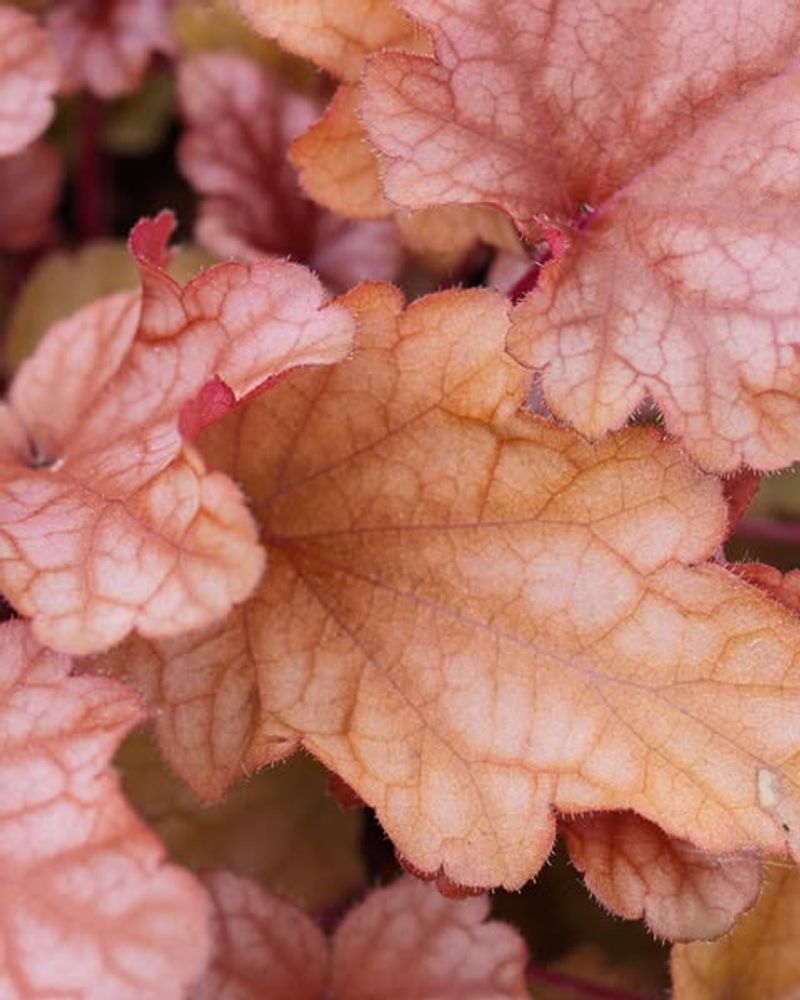
Peachy-pink foliage emerges brilliantly in spring, bringing soft warmth to Oregon gardens as temperatures rise and daylight hours lengthen across the state.
Color intensity peaks during Oregon’s cool spring mornings and mild afternoons, when this variety displays its most vibrant peach and rose tones beautifully.
Gardeners in Oregon appreciate how Georgia Peach handles spring rains without developing fungal issues, a common problem with less resilient perennial varieties here.
Leaves mature to deeper coral shades by midsummer, providing evolving color interest that keeps Oregon gardens dynamic and visually engaging throughout the growing season.
This cultivar prefers partial shade but tolerates filtered sunlight well, making it adaptable for Oregon gardens with dappled light under deciduous trees or structures.
White flowers on delicate stems appear in late spring, adding vertical elements that complement the foliage’s rounded form and enhance overall garden composition nicely.
Mulching with organic materials helps regulate soil temperature and moisture, both critical for Georgia Peach’s success in Oregon’s variable spring weather patterns and conditions.
Fertilizing with a balanced, slow-release product in early spring supports vigorous growth, though this variety performs well even with minimal feeding in Oregon soils.
7. Heuchera ‘Fire Alarm’ Maintaining Color In Oregon’s Partial Sun Areas
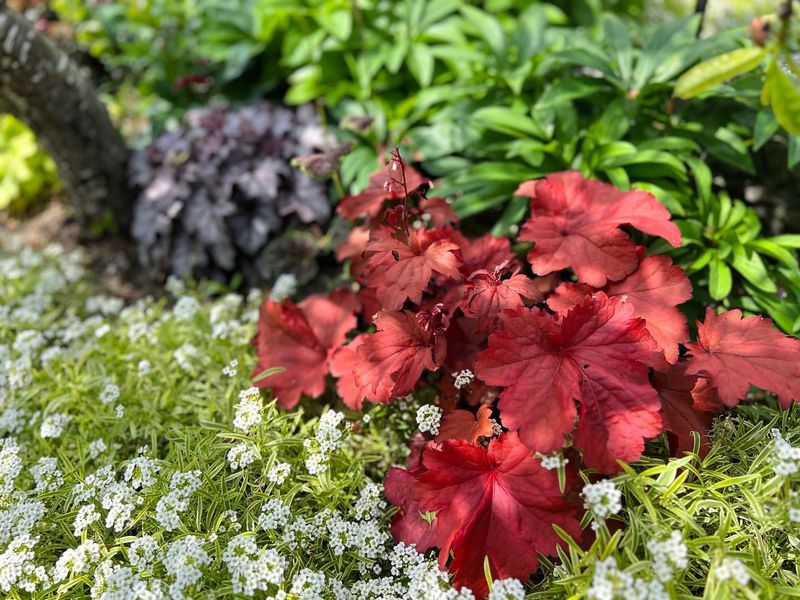
Brilliant red foliage commands attention in Oregon gardens, especially when planted where morning or late afternoon sun highlights the leaves’ fiery tones dramatically.
Fire Alarm’s intense coloration holds up remarkably well in partial sun, unlike many heucheras that fade or scorch when exposed to too much light.
This variety’s ability to tolerate more sun makes it valuable for Oregon gardeners working with south-facing beds or open garden areas with limited shade.
Leaves display silvery veining that creates intricate patterns across the red surface, adding subtle detail that rewards close inspection in Oregon garden settings everywhere.
Small white flowers emerge in early summer, though many Oregon gardeners trim them off to keep focus on the stunning foliage that truly defines this cultivar.
Pairing Fire Alarm with chartreuse or silver-leaved plants creates bold contrasts that make both stand out, perfect for Oregon gardens seeking high-impact design solutions.
Consistent moisture during Oregon’s dry summer weeks prevents leaf edges from browning, though established plants handle brief dry periods better than newly planted specimens.
Dividing clumps every three to four years rejuvenates plants and maintains their vibrant appearance, ensuring Fire Alarm continues thriving in Oregon gardens for years.
8. Heuchera ‘Silver Scrolls’ Tolerating Moist Oregon Soils
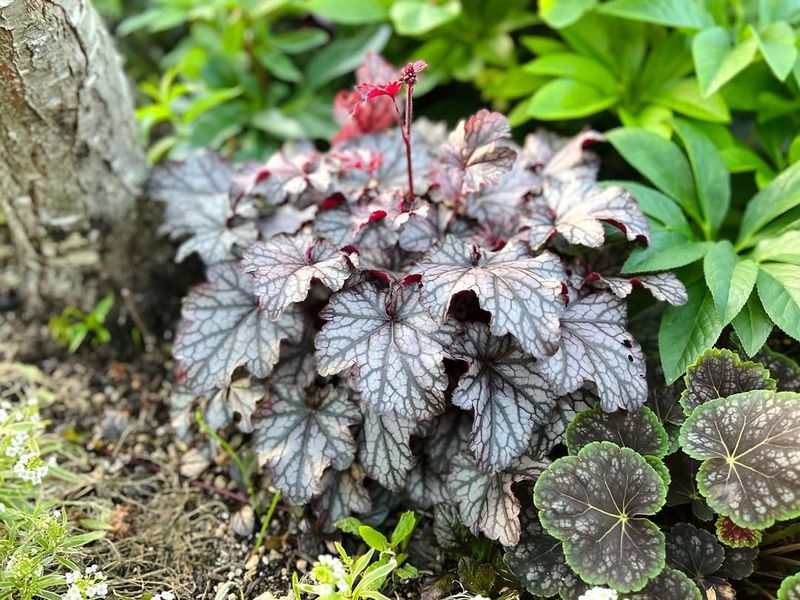
Silvery leaves marked with deep purple veining create an almost metallic appearance that stands out in Oregon’s shaded, moisture-rich garden areas beautifully.
This variety thrives in the damp conditions common throughout Oregon’s rainy season, making it perfect for low-lying garden spots where drainage can be challenging.
Gardeners across Oregon value how Silver Scrolls resists root rot better than many heucheras, even when planted in areas that stay consistently moist year-round.
Intricate leaf patterns resemble hand-drawn scrollwork, giving this cultivar an artistic quality that elevates Oregon garden designs with its unique, ornamental foliage characteristics.
Partial to full shade suits Silver Scrolls best, though it tolerates brief morning sun without losing its distinctive silver coloration or developing leaf damage.
Pinkish-white flowers appear on tall stems in late spring, adding delicate vertical interest that complements the bold foliage patterns below in Oregon landscapes.
Planting Silver Scrolls alongside ferns and astilbes creates cohesive shade garden compositions that thrive in Oregon’s naturally damp, cool woodland environments without extra effort.
Removing old leaves in early spring allows new growth to emerge cleanly, keeping plants looking fresh and ensuring optimal display of Oregon’s beautiful foliage throughout seasons.
9. Heuchera ‘Midnight Rose’ Standing Out In Oregon Garden Beds
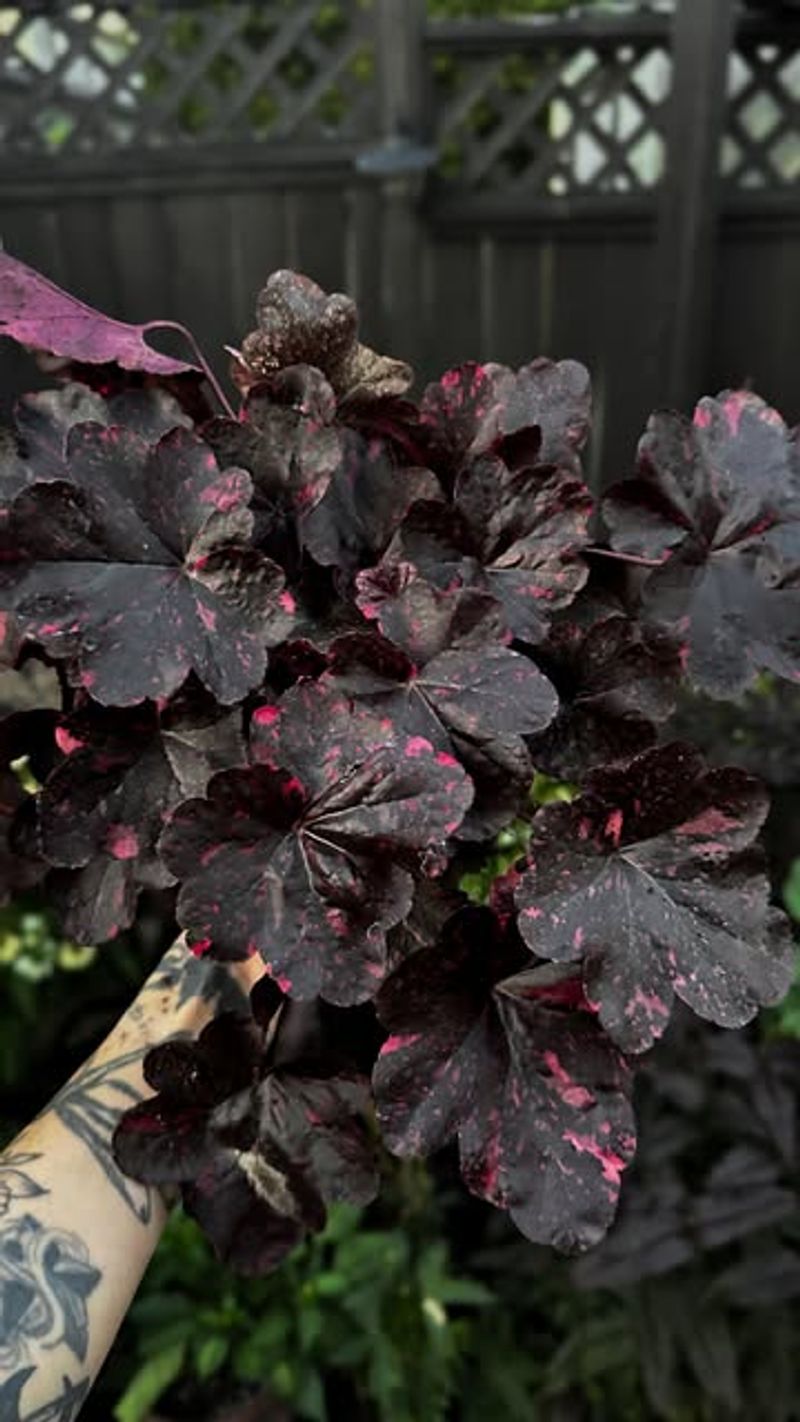
Dark purple leaves splashed with hot-pink spots create a whimsical, almost magical appearance that delights visitors to Oregon gardens throughout the growing season.
Spotting patterns vary from plant to plant, ensuring each Midnight Rose adds unique character to Oregon garden beds and container arrangements with individual charm.
This variety’s bold foliage makes it an excellent focal point, drawing eyes immediately and creating conversation starters in Oregon gardens designed for visual impact.
Gardeners in Oregon find Midnight Rose particularly effective when planted in groups, where the collective spotting creates a dazzling, confetti-like effect across beds.
Partial shade brings out the best coloration, though morning sun intensifies the pink spots, offering flexibility for Oregon gardens with varying light throughout days.
White flowers bloom on tall stems in early summer, though many Oregon gardeners remove them to maintain focus on the spectacular foliage below.
Consistent moisture helps maintain vibrant spotting patterns, especially during Oregon’s drier summer months when plants might otherwise show stress through faded or dulled colors.
Dividing plants every few years keeps them vigorous and ensures continued production of the distinctive spotted leaves that make Midnight Rose so popular here.