Inside The Newly Revamped Butterfly House At The Tennessee Aquarium And Botanical Gardens

Walking into the newly revamped Butterfly House at the Tennessee Aquarium and Botanical Gardens feels like stepping into a calm, colorful world where movement, plants, and light work together effortlessly.
The space feels more open and immersive now, with butterflies gliding close enough to slow everyone down and make the visit feel personal instead of rushed.
This update matters because it changes how visitors connect with pollinators, turning a quick stop into a moment that actually lingers after you leave.
1. Exotic Butterfly Species from Six Continents

Visitors entering the revamped space will immediately notice butterflies representing species from Africa, Asia, Australia, Europe, North America, and South America flying freely overhead.
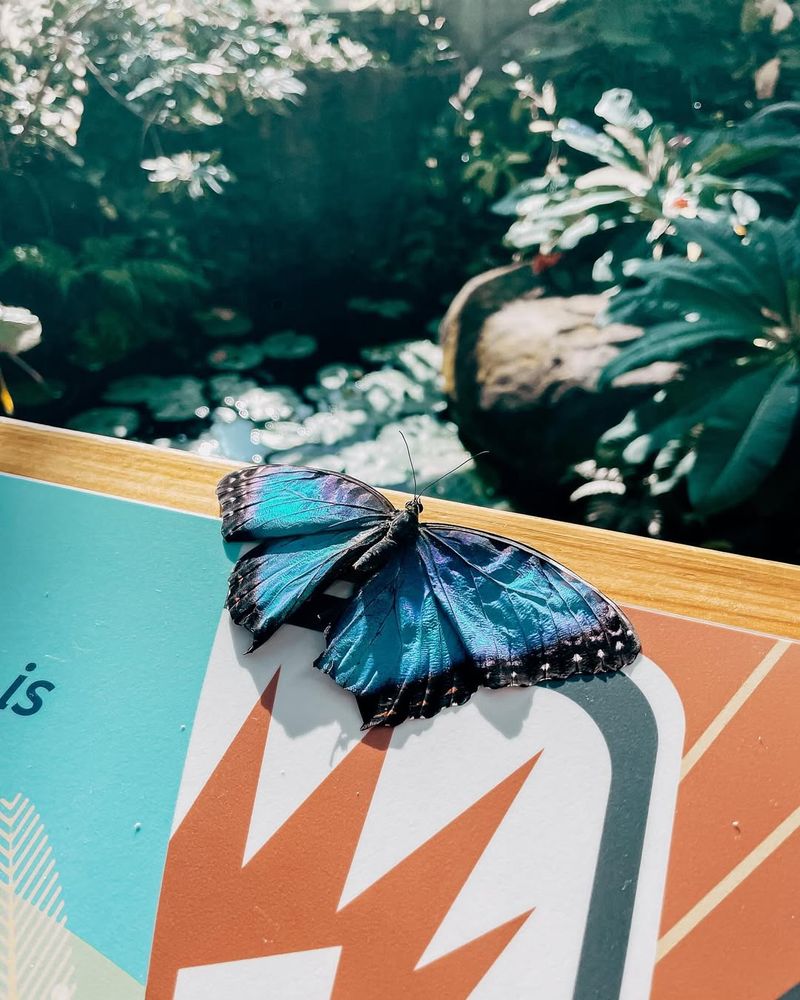
Blue Morphos from Central America flash their brilliant metallic wings while Painted Ladies from Europe glide gracefully past native Tennessee wildflowers in stunning displays.
Each species brings unique colors, patterns, and behaviors that scientists have carefully selected to create an educational experience showcasing global butterfly diversity beautifully.
Giant Swallowtails, some measuring nearly six inches across, share space with tiny Skippers that dart quickly between flowering plants throughout the exhibit daily.
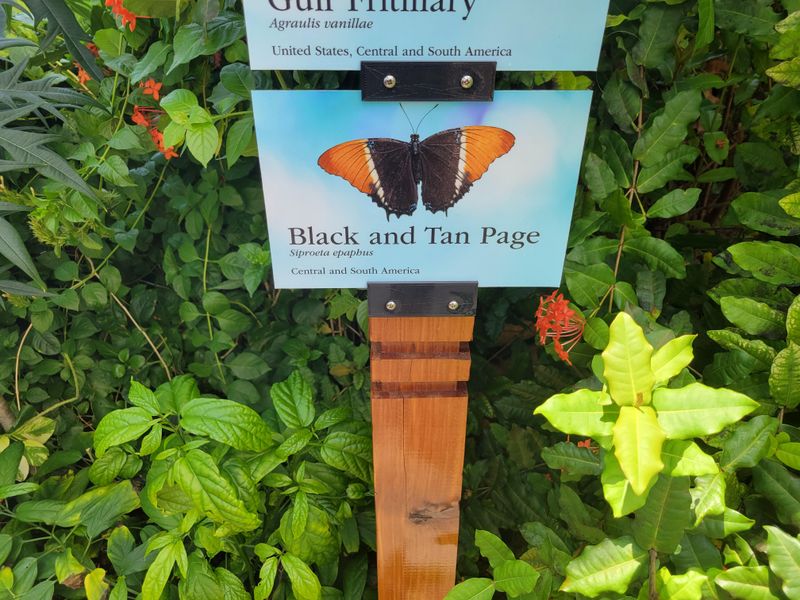
Informational plaques positioned near feeding stations help guests identify different species and learn fascinating facts about their lifecycles, habitats, and conservation status worldwide.
Photography enthusiasts love capturing close-up shots when butterflies land on colorful blooms or rest with wings spread wide, revealing intricate patterns nature created.
This collection represents years of collaboration with butterfly conservatories and breeding programs dedicated to protecting endangered species and educating the public about biodiversity.
2. Interactive Nectar Feeding Stations
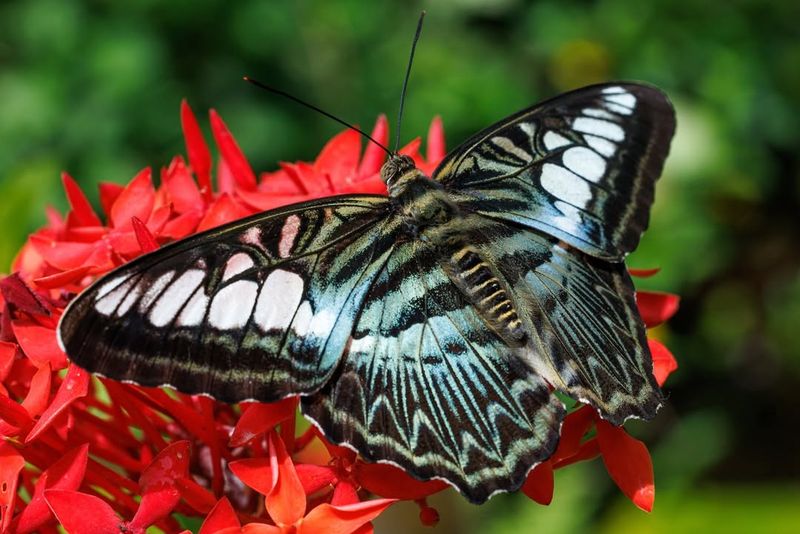
Bright orange slices, overripe bananas, and specially formulated nectar solutions attract dozens of hungry butterflies to designated feeding areas throughout the Tennessee greenhouse daily.
Kids squeal with delight when a Monarch lands inches from their faces, unfurling its long proboscis to sip sweet liquid from shallow dishes nearby.
Staff members refresh feeding stations multiple times each day, ensuring butterflies receive proper nutrition while giving visitors incredible opportunities to observe natural feeding behaviors closely.
Colorful ceramic dishes shaped like flowers add whimsical touches to these stations, blending educational value with aesthetic beauty that enhances the overall visitor experience significantly.
Guests often spend twenty minutes or more watching butterflies compete for prime feeding spots, displaying territorial behaviors and social interactions rarely seen in nature.
Educational signs explain how butterflies taste with their feet and use their straw-like mouthparts to drink liquids, making complex biology accessible to everyone.
These feeding areas become perfect teaching moments where parents and teachers can discuss pollination, plant-animal relationships, and ecosystem connections in engaging, memorable ways for children.
3. Climate-Controlled Tropical Environment
Engineers designed sophisticated climate systems maintaining consistent temperatures between 80 and 85 degrees Fahrenheit with humidity levels hovering around 70 percent year-round inside.
Automatic misting systems activate periodically, creating gentle fog that keeps tropical plants healthy while providing butterflies with moisture they need for survival and reproduction.
Palm trees stretch toward glass ceilings while orchids, bromeliads, and passion vines create layered vegetation mimicking natural rainforest conditions found in butterfly native habitats.
Your Tennessee Garden Changes Every Week. Your Plan Should Too.
Gardening in Tennessee changes quickly throughout the season. Every Friday you’ll receive a simple weekly plan showing exactly what to plant, prune, fertilize, harvest, and protect so you never miss the right timing.
Tennessee winters disappear completely once visitors step through double-door airlocks designed to maintain stable interior conditions while preventing butterfly escapes during entry and exit.
Skylights flood the space with natural sunlight, supplemented by specialized grow lights ensuring plants photosynthesize properly and butterflies maintain healthy circadian rhythms throughout seasons.
Visitors often remove jackets within minutes of entering, transported instantly from Chattanooga weather into an equatorial paradise where nature thrives in carefully balanced conditions.
This controlled environment allows staff to showcase species that would never survive Tennessee outdoor temperatures, expanding educational opportunities and creating truly immersive tropical experiences.
4. Chrysalis Emergence Viewing Window
Behind protective glass, visitors witness one of nature’s most remarkable transformations as butterflies break free from chrysalises, slowly pumping fluid into crumpled wings.
Specially designed emergence chambers maintain optimal conditions for this delicate process while allowing guests unprecedented views of metamorphosis happening in real-time before their eyes.
Docents stationed nearby explain the intricate biological processes occurring, describing how caterpillars completely dissolve inside chrysalises before reorganizing into entirely different creatures with wings.
Lucky visitors might catch the exact moment a butterfly splits its pupal case, a process taking only minutes but representing weeks of hidden development inside.
Newly emerged butterflies remain motionless for hours while their wings harden and expand, creating perfect opportunities for observation and photography without disturbing these vulnerable creatures.
Educational displays show chrysalises at various developmental stages, some appearing metallic gold while others display intricate patterns hinting at the butterfly colors developing within them.
Tennessee students on field trips gather around this window, captivated by transformations that make abstract textbook concepts tangible, memorable, and genuinely exciting to young minds.
5. Native Tennessee Butterfly Garden Section
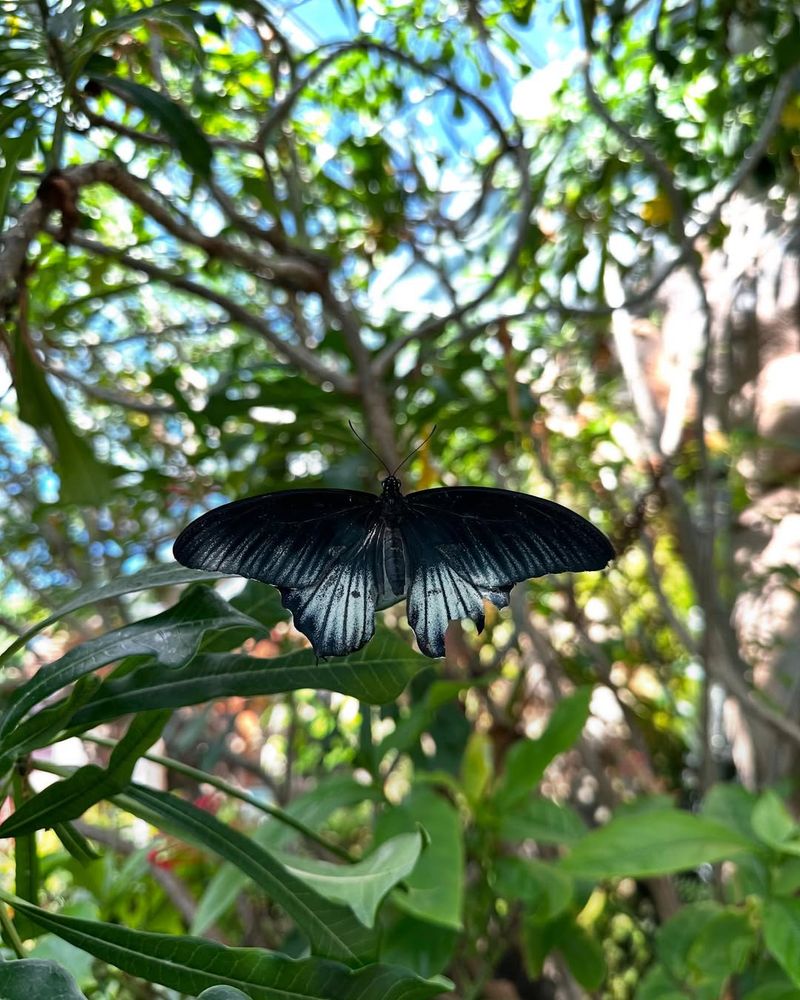
One dedicated zone showcases butterflies native to Tennessee ecosystems, including Eastern Tiger Swallowtails, Red-spotted Purples, and various Fritillary species found throughout the region.
Milkweed plants essential for Monarch reproduction grow abundantly here, demonstrating the critical connection between specific host plants and butterfly survival in local environments.
Visitors learn how they can create butterfly-friendly habitats in their own Tennessee backyards by planting native species that provide food and shelter for pollinators.
Interpretive signage identifies which butterflies appear during different seasons in Chattanooga and surrounding areas, helping guests recognize species they might encounter while hiking locally.
This section emphasizes conservation messages, explaining how habitat loss and pesticide use threaten native butterfly populations throughout Tennessee and what individuals can do to help.
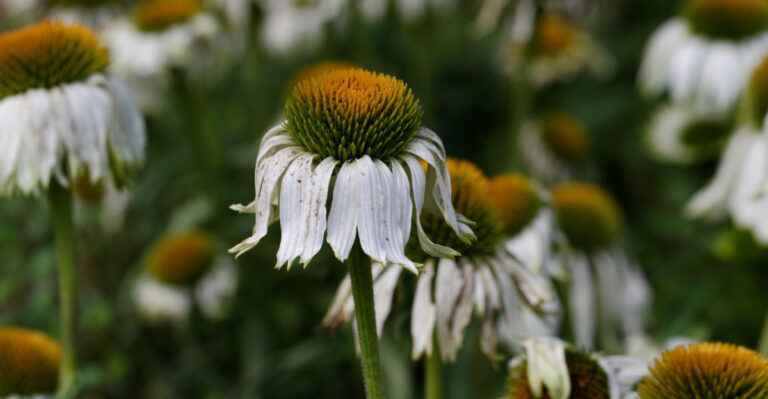
Purple coneflowers, black-eyed Susans, and Joe-Pye weed bloom in rotation, providing continuous nectar sources while demonstrating beautiful landscaping options that support local wildlife effectively.
Children participating in the aquarium’s education programs often plant similar gardens at schools, extending conservation lessons beyond museum walls into Tennessee communities where they live.
6. Butterfly Life Cycle Display with Live Caterpillars
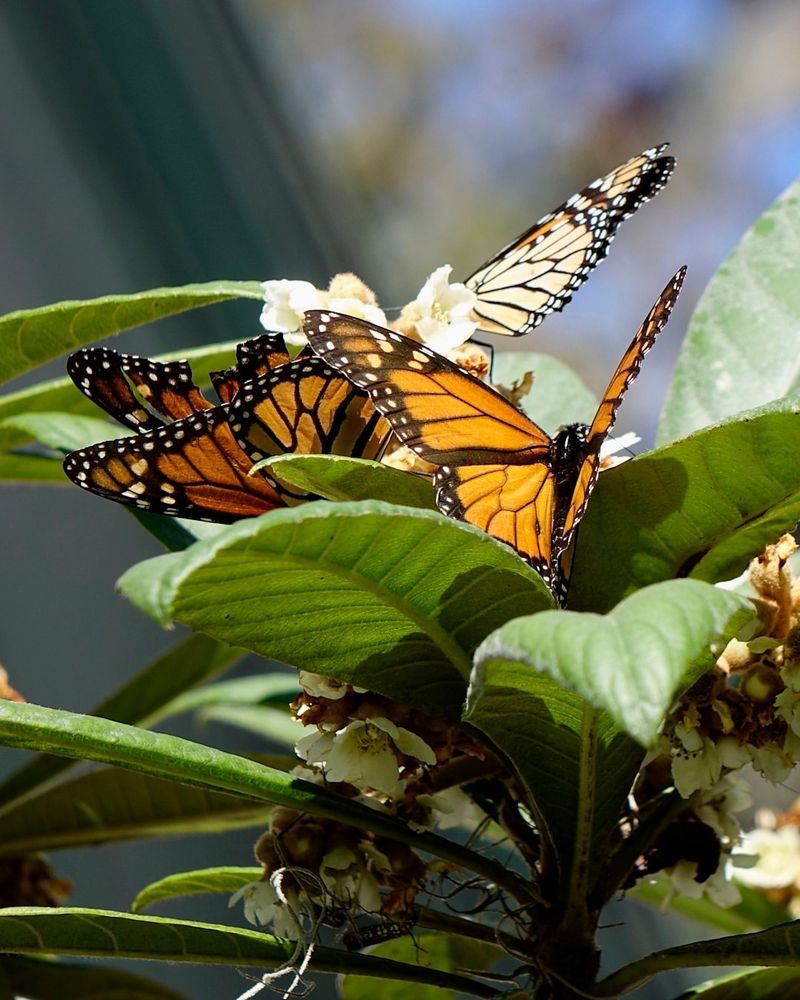
Transparent containers allow visitors to observe living caterpillars at various growth stages, munching constantly on fresh leaves and demonstrating the voracious appetites of these larval insects.
Some caterpillars appear fuzzy and colorful while others display camouflage patterns or intimidating eyespots designed to scare potential predators away from these vulnerable creatures.
Interactive touchscreens provide detailed information about complete metamorphosis, explaining how eggs become caterpillars, then chrysalises, and finally adult butterflies in fascinating developmental cycles.
Staff members regularly update the display as caterpillars pupate and emerge, ensuring visitors always see multiple life stages simultaneously during any Tennessee aquarium visit.
Magnifying glasses positioned near containers let children examine tiny details like prolegs, spiracles, and mouthparts that would otherwise remain invisible to unaided human eyes observing.
Educational materials explain how different butterfly species have evolved specialized relationships with specific host plants, making plant conservation essential for butterfly survival worldwide and locally.
This hands-on learning station transforms abstract biological concepts into concrete, observable phenomena that stick with students long after they leave the Chattanooga facility behind.
7. Waterfall Feature with Puddling Stones
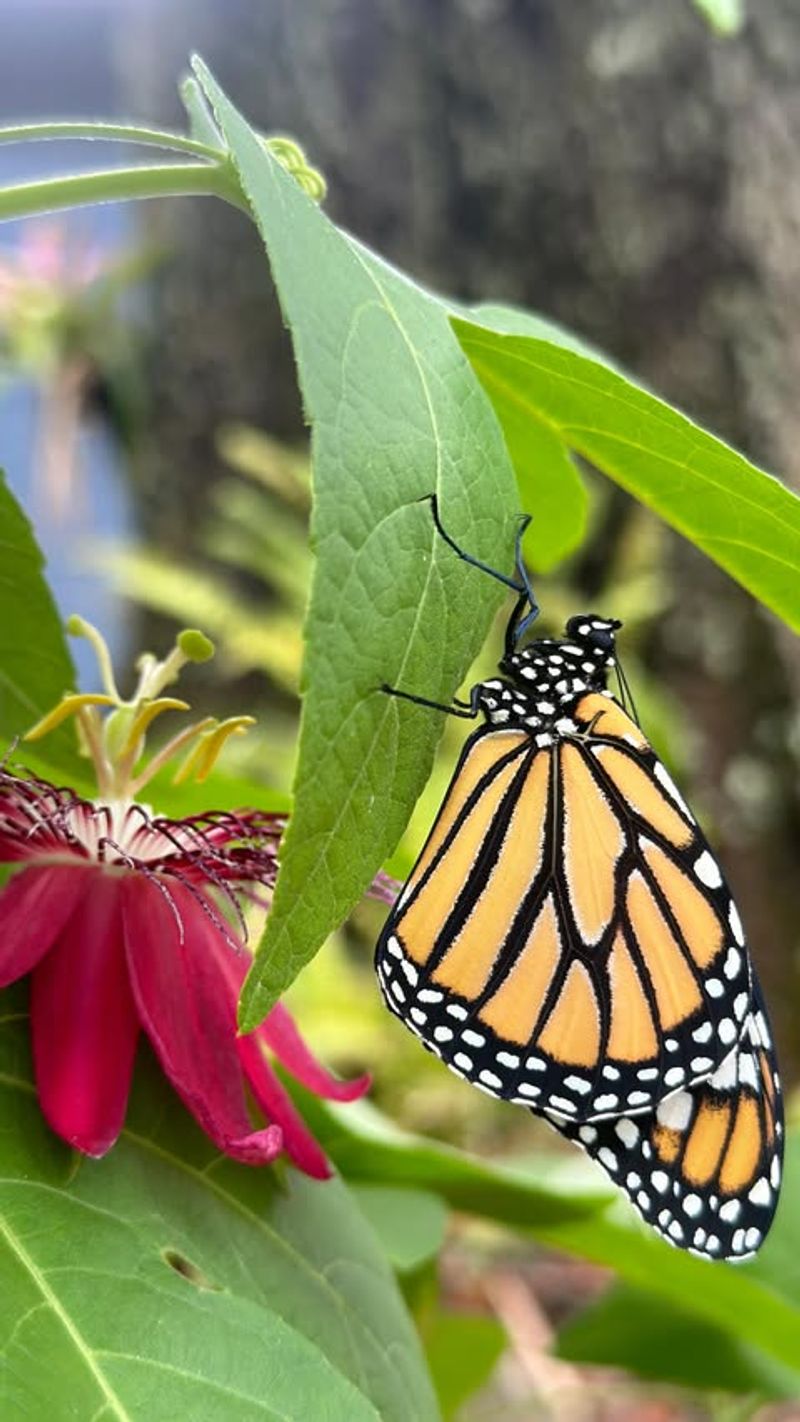
Gentle water cascades over carefully arranged stones, creating shallow puddles where male butterflies gather to drink and extract essential minerals from damp surfaces below.
This behavior, called puddling, allows butterflies to obtain sodium and other nutrients not available from nectar alone, supporting reproduction and overall health in populations.
Visitors watch dozens of butterflies cluster together on wet rocks, their wings opening and closing rhythmically while proboscises probe moist surfaces for dissolved minerals.
The waterfall adds soothing sounds to the Tennessee greenhouse environment while serving practical purposes for butterfly nutrition and creating stunning visual focal points for photography.
Aquarium staff carefully monitor water chemistry, occasionally adding mineral supplements to ensure butterflies receive balanced nutrition similar to what they would find in natural habitats.
Children find this area particularly mesmerizing, often sitting quietly on nearby benches to watch the constant activity as butterflies arrive, drink, and depart throughout days.
Interpretive signs explain the science behind puddling behavior and why predominantly male butterflies engage in this activity, connecting observations to reproductive biology in accessible language.
8. Photography-Friendly Butterfly Landing Stations
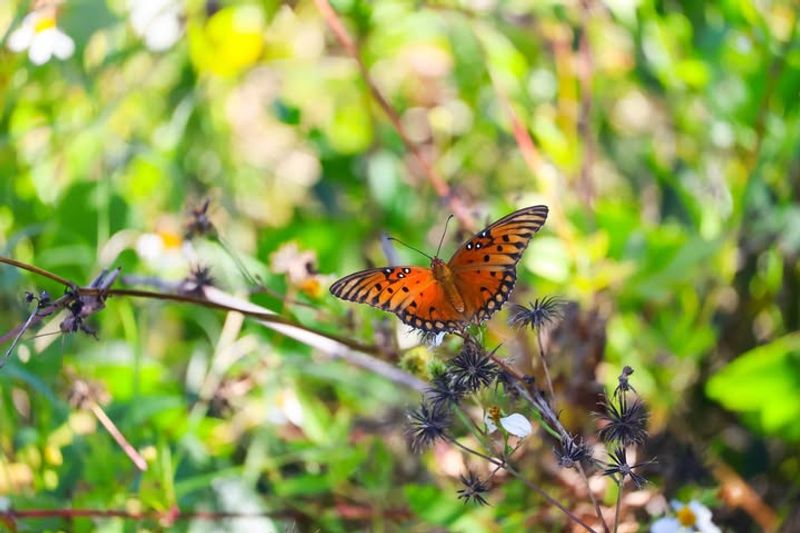
Strategically placed flowering plants at various heights create perfect opportunities for visitors to capture stunning butterfly photographs without specialized equipment or professional photography experience.
Zinnias, lantanas, and pentas bloom prolifically in designated areas where butterflies consistently land to feed, making these spots ideal for patient observers with smartphones.
Natural lighting from skylights eliminates harsh shadows while the Tennessee greenhouse’s humidity-free glass stays clear, ensuring nothing obstructs views or reduces photograph quality significantly.
Benches positioned near these stations allow photographers to wait comfortably for perfect moments when butterflies land with wings fully spread, revealing their most photogenic poses.
Staff members provide tips about approaching butterflies slowly and avoiding sudden movements that might startle these sensitive creatures before capturing desired images successfully and respectfully.
Social media enthusiasts share thousands of butterfly photos taken here annually, inadvertently promoting the aquarium while spreading awareness about butterfly conservation to wider online audiences.
These landing stations transform casual visitors into engaged observers who spend extra time appreciating intricate wing patterns, colors, and behaviors they might otherwise overlook completely.