Dangerous Insects Ohio Homeowners Should Eliminate Immediately
Ohio is home to a wide range of insects, but some pose serious risks to health, property, or safety and should be dealt with promptly.
Venomous stings, aggressive behavior, disease transmission, and structural damage are all concerns linked to certain species.
Many dangerous insects build nests near homes or go unnoticed until populations grow.
Delaying action can increase the risk of injury or costly repairs.
Knowing which insects require immediate attention helps homeowners respond quickly and appropriately.
Proper identification is the first step in protecting families, pets, and homes from harm.
Mosquitoes
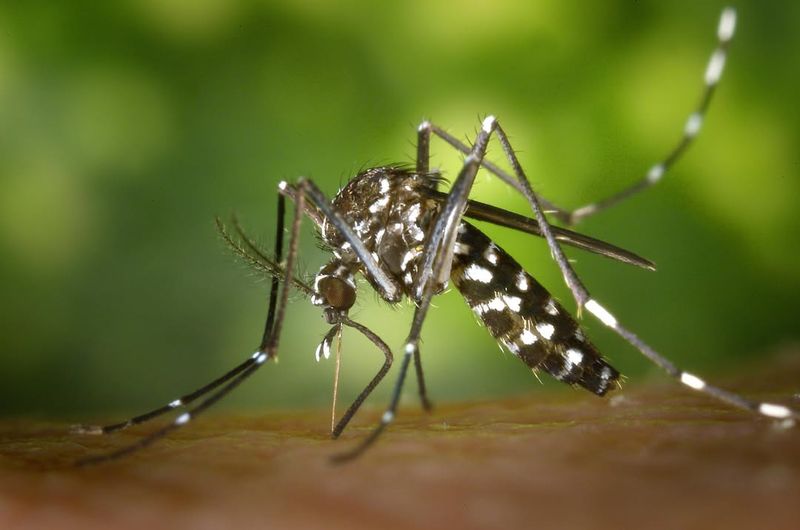
Mosquitoes rank among Ohio’s most hazardous insects because they carry diseases that can seriously harm humans.
West Nile virus remains the biggest concern, causing fever, headaches, and in severe cases, neurological complications.
These tiny bloodsuckers breed rapidly in standing water, turning birdbaths, clogged gutters, and forgotten containers into nurseries for thousands of offspring.
Standing water elimination is your most powerful weapon against mosquito populations around your property.
Check your yard weekly for water accumulation in flower pots, tire swings, tarps, and kiddie pools.
Even a bottle cap filled with rainwater can support mosquito larvae development.
Homeowners should empty and scrub birdbaths twice weekly and ensure downspouts direct water away from the foundation.
Rain barrels need tight-fitting screens to prevent access.
Ornamental ponds benefit from mosquito dunks containing Bacillus thuringiensis, a bacteria harmless to other wildlife but lethal to larvae.
Peak mosquito season runs from May through September in Ohio, making spring prevention efforts especially important.
Outdoor enthusiasts should wear long sleeves during dawn and dusk when mosquitoes are most active.
Window screens need regular inspection for tears that allow indoor entry.
Professional barrier treatments create protective zones around patios and play areas for months of relief.
Yellowjackets
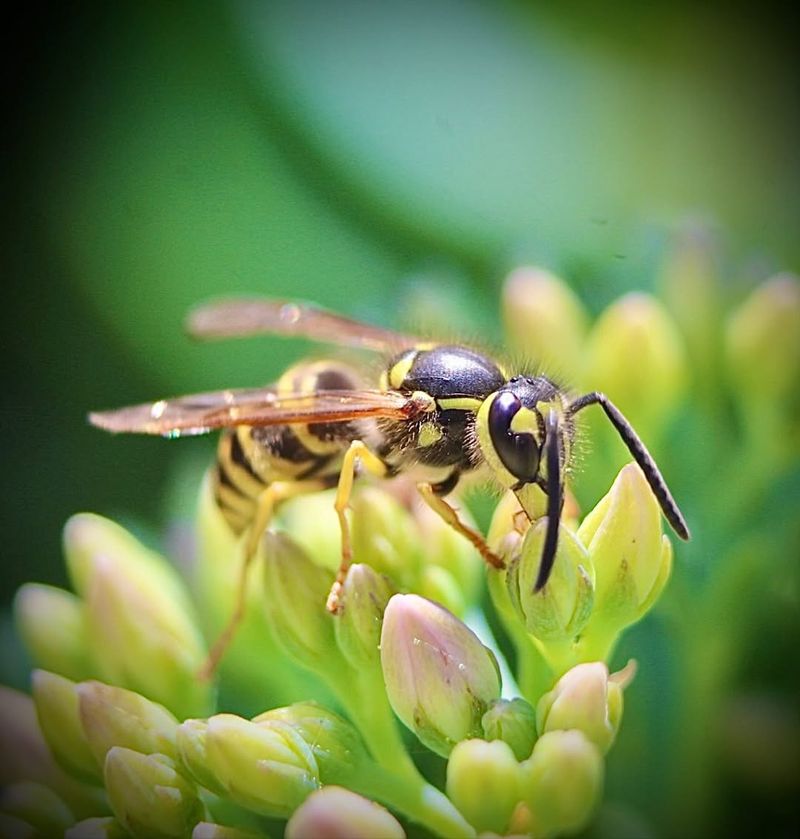
Few insects inspire as much fear in Ohio yards as yellowjackets, and for good reason.
Their aggressive territorial behavior sets them apart from other stinging insects, especially when colonies reach peak size in late summer.
Unlike honeybees that sting once, yellowjackets can sting repeatedly, injecting venom that causes intense pain and swelling.
Ground nests present the biggest danger because homeowners often disturb them accidentally while mowing or gardening.
A single colony can house thousands of workers ready to swarm at the slightest vibration.
Victims often receive multiple stings before they can escape the attack zone.
Yellowjackets also build nests in wall voids, attics, and sheds, creating hazards near entryways and outdoor living spaces.
They become increasingly aggressive as summer progresses and food sources dwindle.
Picnics and outdoor gatherings attract them to sugary drinks and protein-rich foods.
Early detection makes removal safer and more effective before populations explode.
Watch for increased wasp activity around specific ground areas or building gaps.
Never attempt to plug nest entrances yourself, as trapped yellowjackets will find alternative exits, often into your home’s interior.
Professional pest control experts possess protective equipment and specialized treatments to eliminate colonies safely.
They can also identify all nest entrances and apply treatments during cooler evening hours when yellowjackets are less active.
Your Ohio Garden Changes Every Week. Your Plan Should Too.
Gardening in Ohio changes quickly throughout the season. Every Friday you’ll receive a simple weekly plan showing exactly what to plant, prune, fertilize, harvest, and protect so you never miss the right timing.
Prompt action prevents painful encounters and protects family members with insect sting allergies.
Bald-Faced Hornets
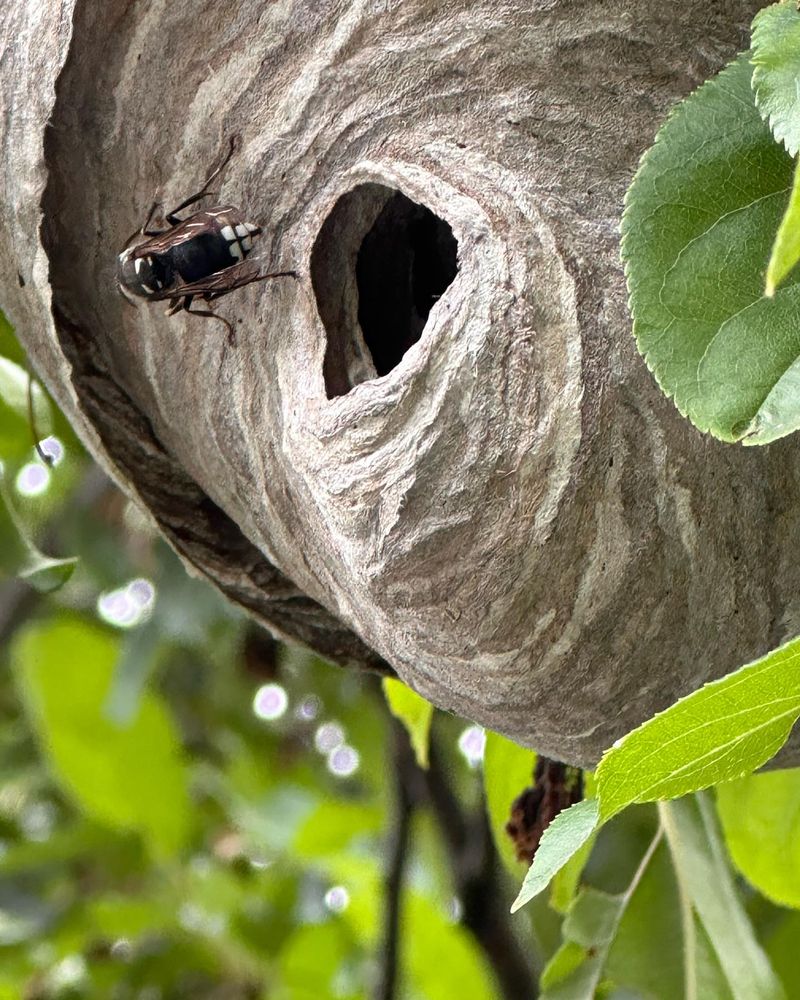
Bald-faced hornets construct impressive aerial nests that can grow as large as basketballs by summer’s end.
Despite their name, these insects are actually wasps related to yellowjackets, with distinctive white facial markings.
Their nests, built from chewed wood fibers, hang from tree branches, eaves, and utility poles throughout Ohio neighborhoods.
Aggression levels in bald-faced hornets exceed most other stinging insects when defending their colonies.
They perceive threats from distances up to three feet and will chase intruders for considerable lengths.
A mature nest contains hundreds of workers programmed to attack anything that disturbs their home.
Homeowners face increased sting risk when nests develop near walkways, driveways, or children’s play areas.
Lawn equipment vibrations can trigger defensive responses even without direct nest contact.
Each hornet can sting multiple times, delivering venom that causes significant pain and localized swelling.
Nest location determines removal difficulty and urgency.
Ground-level nests pose immediate dangers, while high nests might wait until fall when colonies naturally decline.
However, nests near frequently used areas require prompt professional attention regardless of height.
Never spray nests with water or attempt amateur removal methods advertised online.
Bald-faced hornets remember threat locations and will attack on sight if initial removal attempts fail.
Pest control professionals use specialized equipment to treat nests from safe distances, often during nighttime hours when hornets are inside and less active.
Paper Wasps
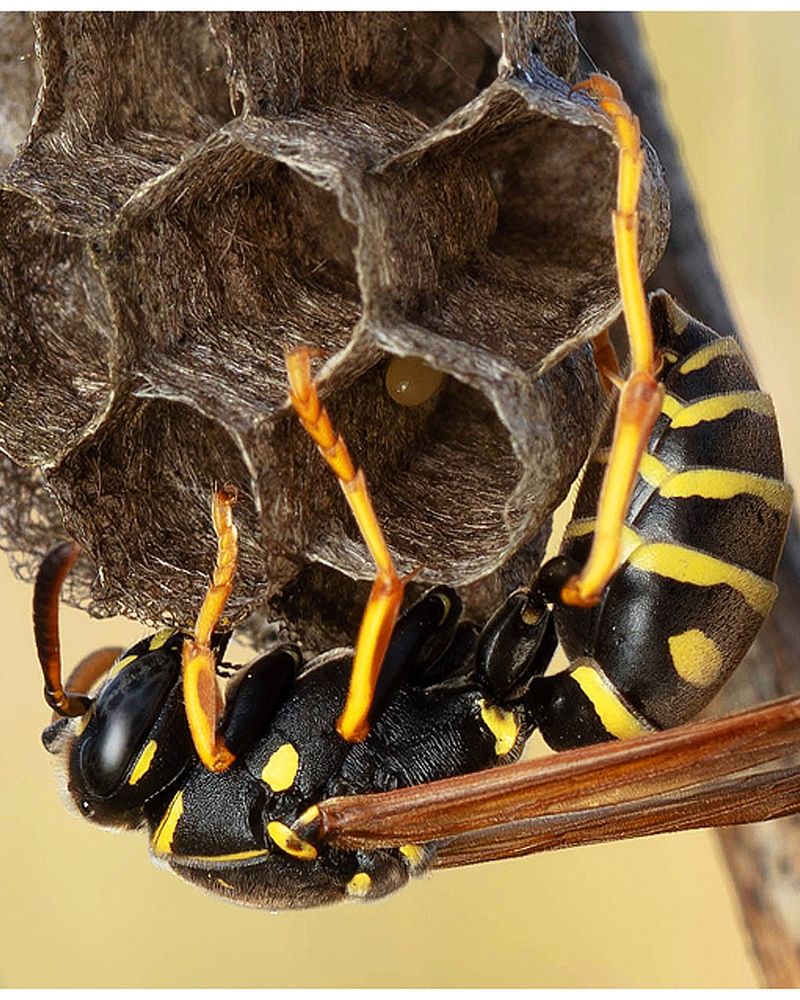
Paper wasps favor protected overhangs around Ohio homes, building their distinctive umbrella-shaped nests under eaves, deck railings, and porch ceilings.
Their open-comb construction makes individual cells visible, unlike the enclosed nests of hornets.
Queens emerge from winter hibernation in spring and begin nest construction, making early detection crucial for easier removal.
Early-season nests contain only the founding queen and perhaps a few workers, presenting minimal threat during removal.
However, colonies expand rapidly through summer, reaching populations of several dozen wasps by August.
Larger colonies defend their nests more aggressively, increasing sting risk for residents and visitors.
These wasps typically show less aggression than yellowjackets but will defend their nests when threatened.
Their stings deliver painful venom that can trigger allergic reactions in sensitive individuals.
Multiple wasps may respond to disturbances near their colony.
Regular spring inspections of potential nesting sites allow homeowners to spot and address small nests before they become problems.
Check underneath deck boards, behind shutters, inside meter boxes, and along fence tops.
Small nests with only a queen present can sometimes be carefully removed during cool morning hours using proper protective equipment.
Waiting until summer creates more dangerous situations requiring professional intervention.
Established colonies near doorways or outdoor entertaining areas pose unacceptable risks.
Prevention strategies include sealing gaps where wasps might build and applying deterrent sprays to common nesting locations each spring before queens begin construction.
Termites
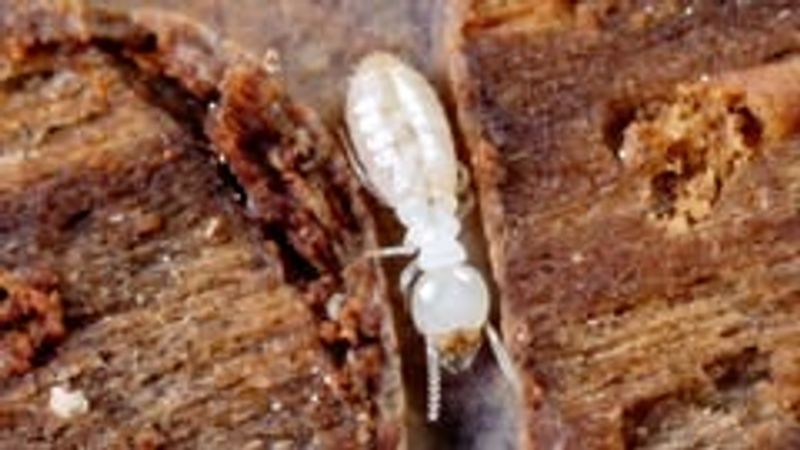
Termites operate as silent destroyers, causing billions in property damage across America annually, with Ohio homes particularly vulnerable.
Unlike stinging insects that pose immediate physical threats, termites work hidden inside wooden structures for years before homeowners notice problems.
By the time visible damage appears, colonies may have consumed significant portions of support beams, floor joists, or wall studs.
Subterranean termites, the most common Ohio species, live underground and build mud tubes to access above-ground wood sources.
These tubes protect them from air exposure while they travel between soil colonies and food sources in your home.
A single colony can contain hundreds of thousands of workers consuming wood 24 hours daily.
Warning signs include discarded wings near windowsills, hollow-sounding wood, or small piles of frass resembling sawdust.
Mud tubes along foundation walls provide definitive evidence of active infestations.
Spring swarms of winged reproductives often provide the first visible indication of nearby colonies.
Professional inspections identify termite activity before major damage occurs, especially important before purchasing property.
Treatment options include liquid barrier applications around foundations, bait station systems, and direct colony treatments.
Modern termiticides provide years of protection when properly applied.
Prevention measures include eliminating wood-to-soil contact, fixing moisture problems that attract termites, and storing firewood away from structures.
Regular inspections catch new activity early, preventing the extensive repairs that unchecked infestations eventually require.
Homeowners insurance typically excludes termite damage, making prevention and early detection financially critical.
Carpenter Bees
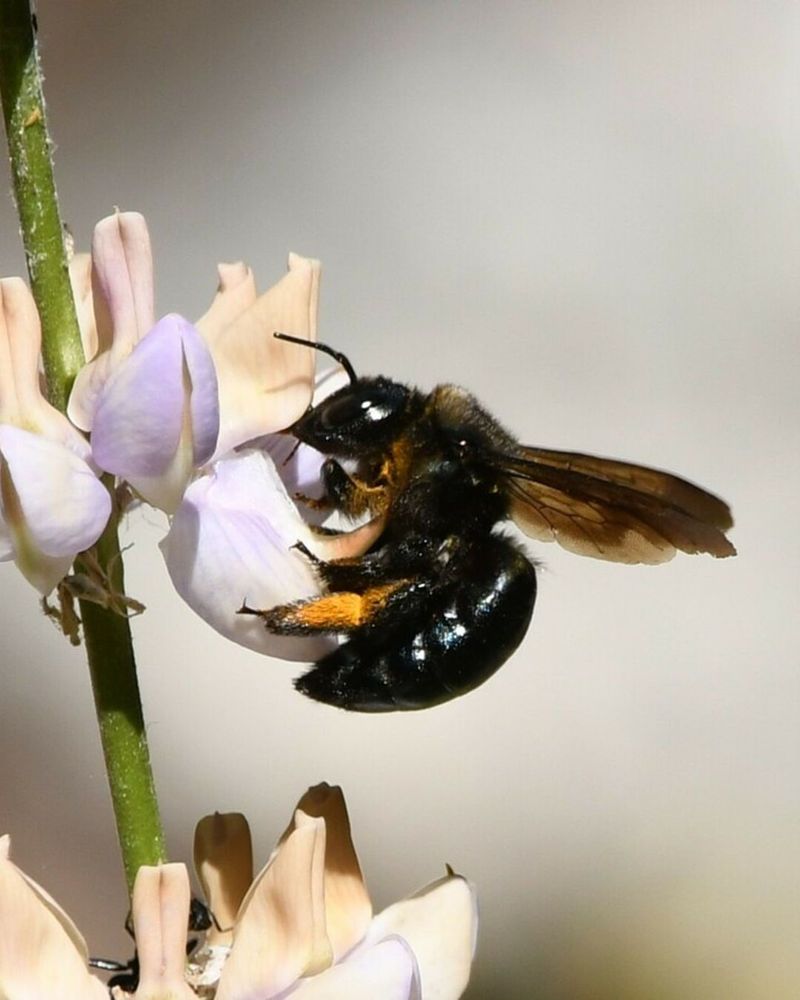
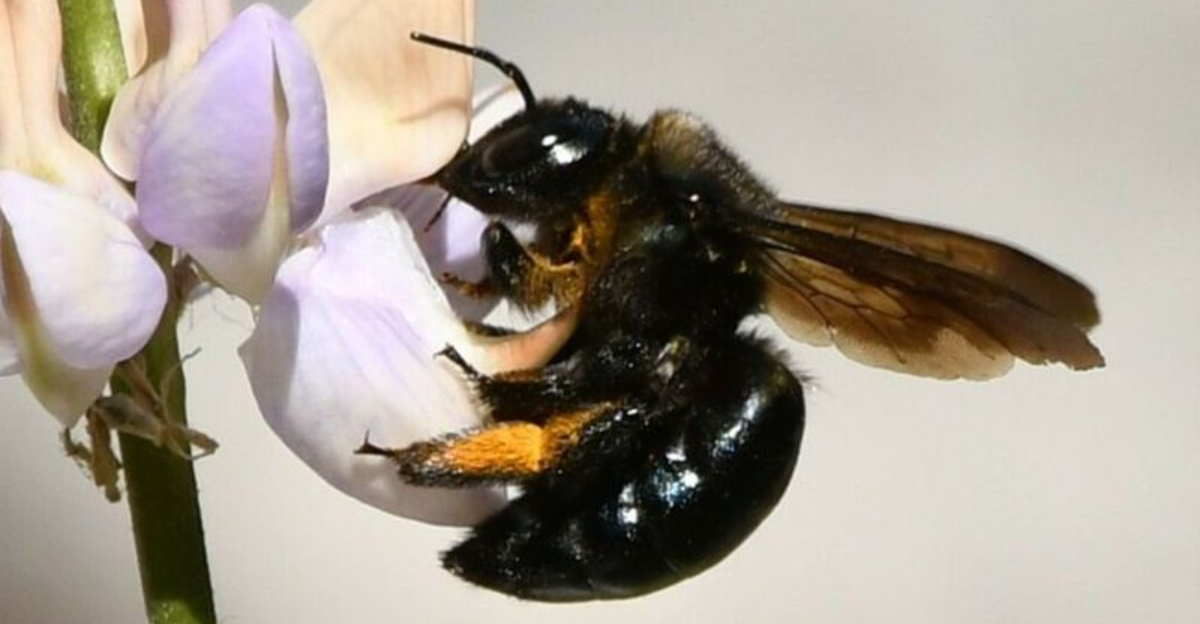
Carpenter bees resemble oversized bumblebees but possess shiny, hairless abdomens and wood-boring habits that damage Ohio homes.
Males hover aggressively around nest sites but cannot sting, while females rarely sting unless directly handled.
The real danger comes from their relentless tunneling through wooden structures year after year.
Female carpenter bees excavate perfectly round half-inch holes in untreated wood, creating tunnels up to ten feet long for egg-laying chambers.
They prefer weathered softwoods like pine, cedar, and redwood found in decks, siding, eaves, and outdoor furniture.
Each spring, new generations often return to expand existing tunnels rather than starting fresh holes.
Cumulative damage from multiple generations seriously weakens structural integrity over time.
Deck railings become unstable, fascia boards deteriorate, and wooden siding develops extensive internal galleries.
Woodpeckers compound the problem by tearing into tunnels to eat developing larvae, creating even larger holes.
Fresh holes show clean edges with piles of coarse sawdust beneath entry points.
Active tunnels may have yellowish staining from bee excrement near entrances.
Hovering males near wooden structures during spring indicate nearby nesting activity.
Treatment involves filling holes with wood putty after applying insecticidal dust deep into tunnels.
Painting or staining all exterior wood surfaces discourages new excavations since carpenter bees prefer bare wood.
Pressure-treated lumber and hardwoods resist boring better than standard construction materials.
Addressing activity immediately prevents the multi-generational damage that requires expensive repairs or complete board replacement.
Bed Bugs
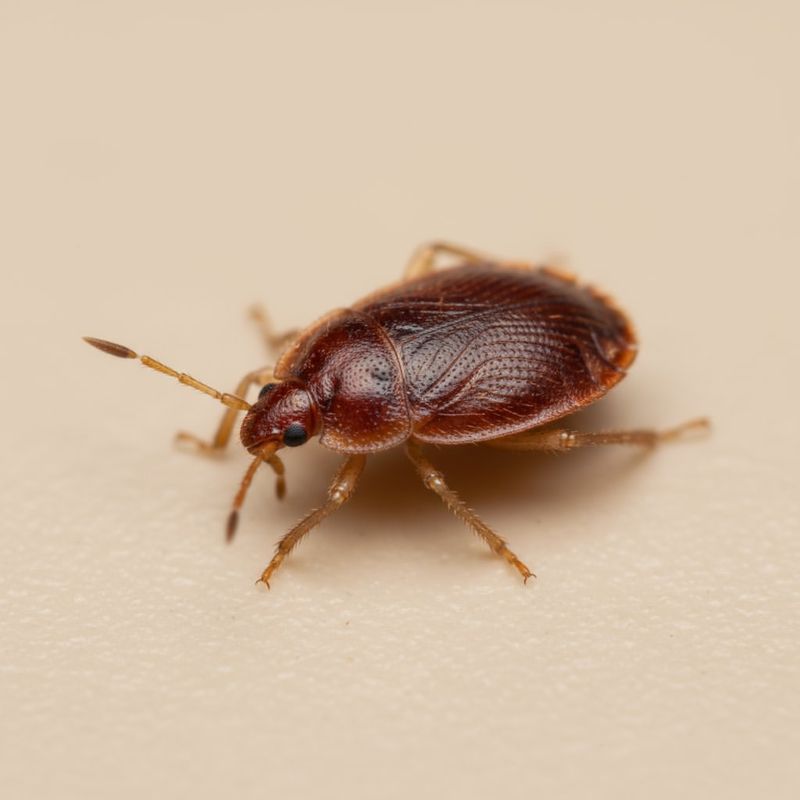
Bed bugs have resurged across Ohio in recent decades, infesting homes, apartments, hotels, and dormitories with alarming frequency.
These nocturnal parasites hide in mattress seams, box springs, and furniture cracks during daylight, emerging at night to feed on sleeping humans.
Their bites create itchy welts, though reactions vary significantly among individuals, with some people showing no visible symptoms.
Contrary to popular belief, bed bugs infest clean homes as readily as dirty ones since they feed exclusively on blood.
Travelers unknowingly transport them in luggage from infested hotels, or they hitchhike on used furniture and clothing.
Once established, they reproduce rapidly, with females laying hundreds of eggs during their lifetime.
Early detection proves challenging because initial populations remain small and well-hidden.
Telltale signs include small blood spots on sheets, dark fecal stains on mattresses, and shed skins near hiding spots.
Bites often appear in linear patterns where bugs fed multiple times along exposed skin.
Bed bugs spread quickly between rooms and adjacent apartments through wall voids and electrical conduits.
Attempting DIY elimination with store-bought sprays typically fails because these insects hide in inaccessible locations that treatments miss.
Disturbing them without proper protocols causes them to scatter into new areas, worsening infestations.
Professional heat treatments or specialized pesticide applications provide the most reliable elimination methods.
Preparation requires extensive decluttering, laundering, and sealing items in plastic bags.
Follow-up inspections ensure complete eradication since even a few surviving bugs restart infestations.
Acting immediately upon discovery prevents the massive infestations that require months of intensive treatment and cause significant emotional distress.