The Simple Light Trick Ohio Homeowners Use To Get Their Christmas Cactus Blooming Again
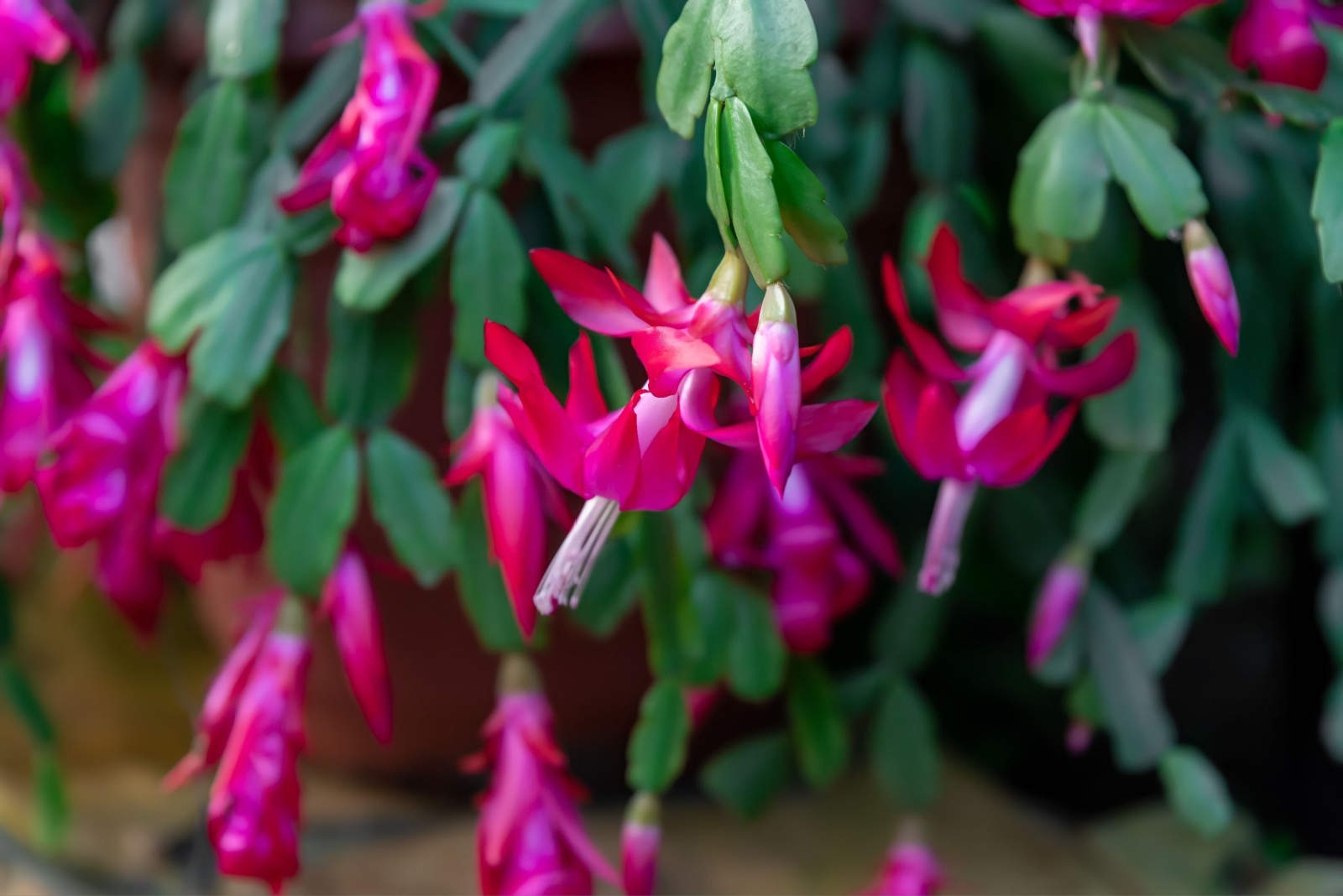
Christmas cactus plants sit on windowsills across Ohio, often refusing to bloom despite their owners’ best efforts and genuine care for them.
The secret to triggering those stunning flowers lies in understanding how light exposure affects the plant’s natural blooming cycle each year.
Ohio homeowners have discovered a simple darkness trick that mimics the plant’s native environment and encourages spectacular blooms to form reliably.
This method requires minimal effort but delivers maximum results when you understand the science behind what makes these tropical plants flower.
Why Your Christmas Cactus Refuses To Bloom

Many Ohio homeowners wonder why their Christmas cactus produces lush green growth but never develops the colorful flowers they desperately want to see.
The plant itself appears healthy with thick segments and vibrant coloring, yet blooming season passes without a single bud appearing anywhere.
Understanding the natural habitat of Christmas cactus helps explain this frustrating problem that affects so many indoor gardeners across the state.
These plants originated in Brazilian rainforests where they grew beneath tree canopies and experienced distinct periods of darkness during fall months annually.
Without replicating those specific light conditions indoors, the plant never receives the environmental signal it needs to start forming flower buds.
Most homes keep lights on during evening hours, which interrupts the darkness period the cactus requires to trigger its blooming response.
Even small amounts of artificial light from hallways or streetlamps can confuse the plant and prevent the flowering process from beginning properly.
Ohio’s shorter fall days help somewhat, but indoor lighting still interferes with the natural cycle the plant follows in its habitat.
Recognizing this light sensitivity represents the first step toward successfully encouraging your Christmas cactus to produce those beautiful blooms you desire greatly.
The One Light Mistake That Stops Flowers Cold

Leaving your Christmas cactus in a room with evening lighting represents the single biggest mistake that prevents blooming from occurring naturally.
Homeowners across Ohio routinely place these plants in living rooms, kitchens, or bedrooms where lights remain on until bedtime each night.
This seemingly innocent habit completely disrupts the photoperiod requirements that Christmas cactus needs to initiate bud formation during the fall season.
The plant measures day length through specialized cells that detect light, and even brief exposure to artificial illumination resets this timer.
Street lights shining through windows, nightlights in hallways, or even the glow from electronics can provide enough illumination to cause problems.
Your cactus interprets these light sources as extended daylight hours, which signals the plant to continue vegetative growth instead of flowering.
In nature, shortening days during autumn tell the Christmas cactus that the dry season approaches and reproduction should begin immediately.
Indoor environments mask these natural seasonal changes, leaving the plant in a perpetual state of confusion about what time of year exists.
Correcting this single error by controlling nighttime light exposure can transform a non-blooming plant into a spectacular display within several weeks.
How Long Darkness Triggers Christmas Cactus Buds
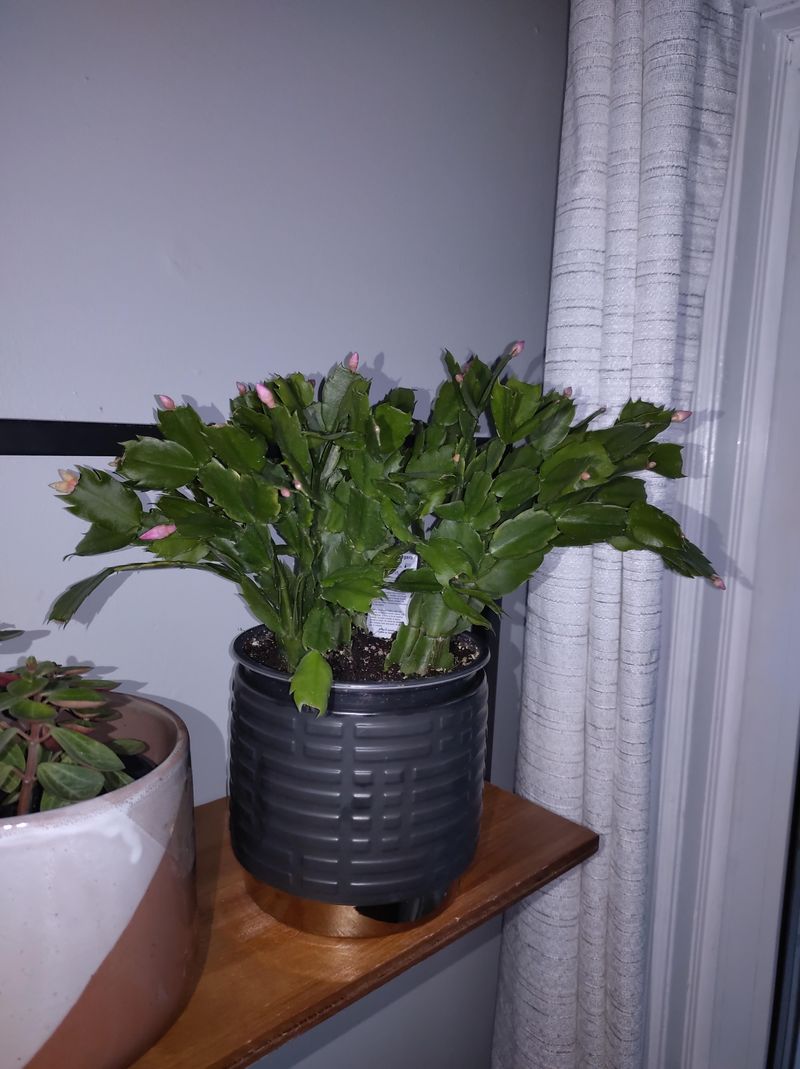
Christmas cactus requires approximately twelve to fourteen consecutive hours of complete darkness each night for about six weeks to form flower buds.
Your Ohio Garden Changes Every Week. Your Plan Should Too.
Gardening in Ohio changes quickly throughout the season. Every Friday you’ll receive a simple weekly plan showing exactly what to plant, prune, fertilize, harvest, and protect so you never miss the right timing.
This extended dark period mimics the shortened days and longer nights that occur naturally in the plant’s native Brazilian forest environment.
During this darkness phase, the cactus undergoes important hormonal changes that redirect energy from leaf growth toward reproductive structures and bud development.
Ohio homeowners can easily provide this darkness by moving plants to unused rooms, closets, or basements where no artificial light intrudes nightly.
Alternatively, covering the plant with a cardboard box or dark cloth each evening creates the necessary blackout conditions for proper blooming.
The treatment should begin in late September or early October to produce flowers by the December holiday season as the name suggests.
Consistency matters tremendously because even one night of interrupted darkness can delay or prevent the entire blooming process from progressing correctly.
After approximately six weeks of this treatment, tiny buds should become visible along the edges of the flattened stem segments.
Once buds appear, you can return the plant to normal lighting conditions and watch those buds develop into beautiful flowers.
The Simple Nighttime Routine That Actually Works
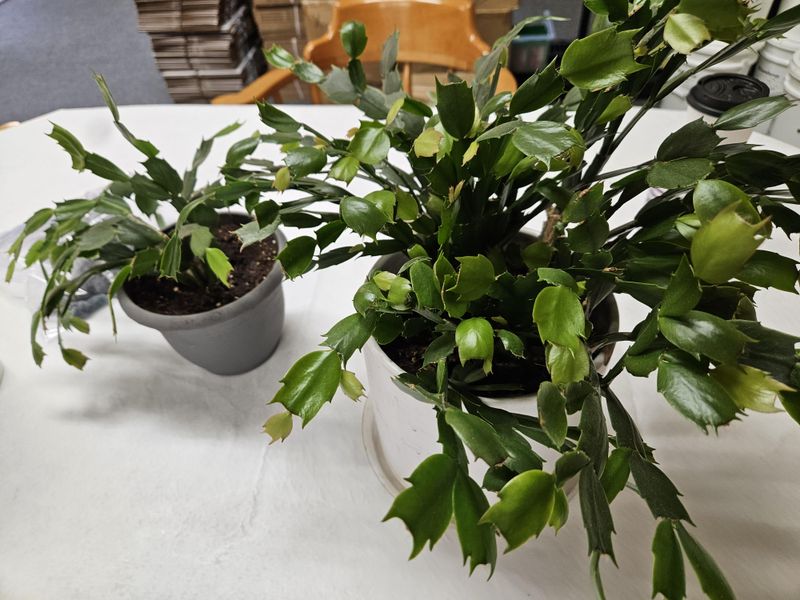
Establishing a consistent evening routine makes providing darkness incredibly simple and fits easily into most household schedules without causing major disruptions.
Around six or seven o’clock each evening, move your Christmas cactus to a completely dark location like a closet or spare room.
Set a phone reminder for the same time daily to help maintain consistency, which proves crucial for successful bud formation.
The following morning around eight or nine o’clock, return the plant to its usual bright location where it receives indirect sunlight.
This routine mimics the natural day-night cycle the plant would experience in autumn within its native South American rainforest environment originally.
Some Ohio gardeners find it helpful to keep plants in a wheeled cart, making the nightly transportation process much easier physically.
Others dedicate a specific closet or basement area for their Christmas cactus during the six-week treatment period to eliminate daily moving.
Whatever method you choose, maintaining the schedule without skipping nights ensures the best possible results and abundant flower production later on.
After several weeks of this simple routine, your patience will be rewarded with developing buds that eventually open into stunning blooms.
Why Ohio Fall Light Makes This Trick So Effective
Ohio’s geographical location provides naturally shorter days during autumn months, which gives gardeners a significant advantage when encouraging Christmas cactus blooms.
By October, daylight in Ohio lasts only about eleven hours, meaning plants already experience reduced light exposure compared to summer months.
This natural seasonal shift reduces the amount of additional darkness manipulation required to reach the critical twelve to fourteen hour threshold.
Gardeners in southern states with longer fall days must work harder to provide sufficient darkness periods for their Christmas cactus plants.
Ohio’s climate also brings cooler temperatures during autumn, which further supports the blooming process by mimicking the plant’s natural growing conditions.
The combination of shorter days and cooler nights creates nearly perfect conditions for triggering the hormonal changes that lead to flowering.
Homeowners who begin their darkness treatment in late September can take full advantage of Ohio’s natural light patterns for maximum effectiveness.
By working with rather than against the seasonal changes, the darkness trick becomes even more powerful and reliable for producing blooms.
This geographical advantage explains why so many Ohio gardeners have discovered and shared this effective method for encouraging their Christmas cactus plants.
The Temperature Sweet Spot Most People Miss
While darkness gets most of the attention, temperature plays an equally important role in convincing Christmas cactus to produce flower buds.
These plants prefer nighttime temperatures between fifty and fifty-five degrees Fahrenheit during the bud formation period for optimal flowering results consistently.
Daytime temperatures should remain slightly warmer, ideally between sixty-five and seventy degrees, creating a noticeable difference between day and night conditions.
Most Ohio homes maintain temperatures around seventy degrees or higher throughout the day and night, which inhibits proper bud development unfortunately.
Placing your Christmas cactus in a cooler room like a basement, enclosed porch, or spare bedroom helps achieve the ideal temperature.
The combination of cool temperatures and extended darkness provides the strongest signal possible that blooming season has arrived for the plant.
Avoid placing plants near heating vents, radiators, or fireplaces, which create warmth that counteracts the cool conditions needed for flowering success.
Ohio’s autumn weather naturally cools homes during evening hours, making it easier to achieve proper temperatures compared to summer months when blooming fails.
Monitoring temperature alongside your darkness routine ensures you’re providing all the environmental conditions necessary for spectacular blooms to develop beautifully and abundantly.
When To Stop The Darkness And Let It Bloom
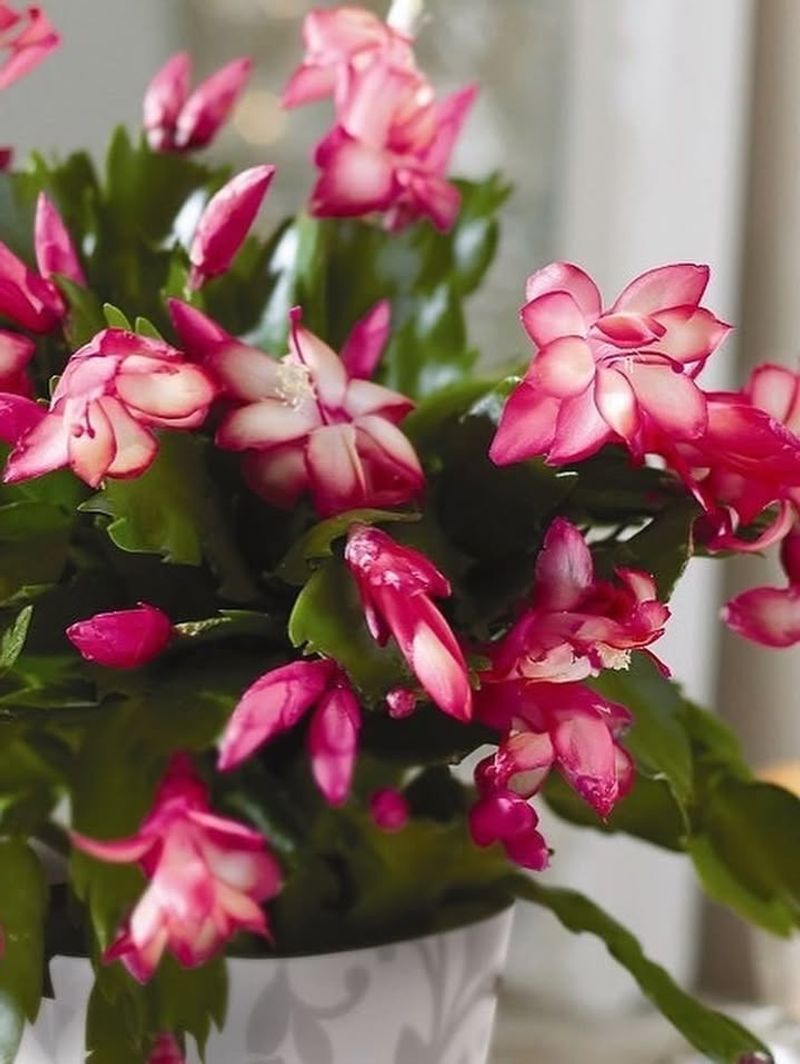
After maintaining the darkness routine for approximately six weeks, small buds should become visible along the flattened edges of the segments.
These buds appear as tiny pink or red bumps that gradually enlarge over several days, signaling that the darkness treatment accomplished its goal.
Once you can clearly see bud formation, the plant no longer requires the strict darkness schedule and can return to normal lighting.
Continue providing bright, indirect light during the day, but you no longer need to move the plant to complete darkness each evening.
The buds will continue developing and eventually open into full flowers over the next two to four weeks under regular lighting.
Maintaining consistent conditions during this final stage prevents bud drop, which can occur if the plant experiences sudden environmental changes or stress.
Keep the plant away from cold drafts, heating vents, and direct sunlight, which can damage developing buds before they open fully.
Water moderately when the top inch of soil feels dry, as both overwatering and underwatering can cause buds to fall prematurely.
With proper care during this final phase, your Christmas cactus will reward your patience with a spectacular display of colorful blooms.
Common Mistakes That Cause Buds To Drop
Few things frustrate gardeners more than watching carefully formed buds suddenly drop from their Christmas cactus before opening into beautiful flowers completely.
This heartbreaking problem usually results from environmental stress or inconsistent care during the critical bud development period that follows darkness treatment.
Moving the plant to different locations repeatedly confuses it and triggers a stress response that causes buds to detach prematurely.
Dramatic temperature fluctuations, especially sudden exposure to cold drafts or hot air from heating systems, can shock the plant badly.
Overwatering represents another common culprit, as waterlogged soil suffocates roots and prevents proper nutrient uptake needed for bud development currently.
Conversely, allowing the soil to become completely dry stresses the plant and forces it to sacrifice buds to conserve moisture.
Low humidity levels in heated Ohio homes during winter can also contribute to bud drop by desiccating the developing flowers slowly.
Once buds appear, maintain a consistent environment with stable temperatures, regular watering, and the same location without moving the plant unnecessarily.
Avoiding these common mistakes dramatically increases your chances of enjoying a full display of gorgeous Christmas cactus blooms throughout the holiday season.
Water And Feeding During The Darkness Period
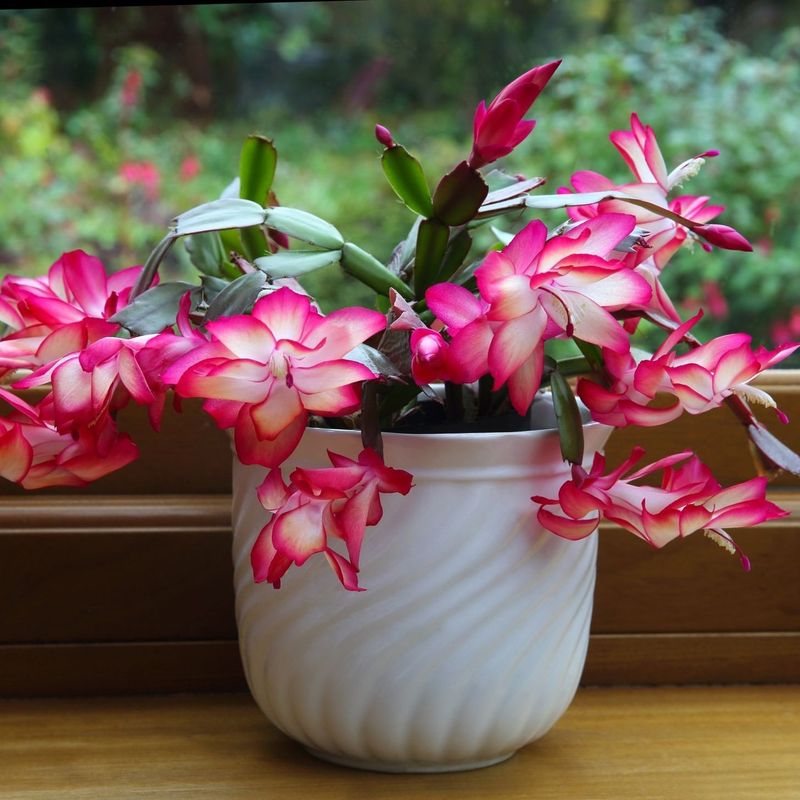
Many Ohio homeowners wonder whether they should adjust watering and fertilizing schedules during the six-week darkness treatment period for their plants.
The answer involves reducing both water and nutrients to simulate the drier conditions Christmas cactus experiences in nature during its blooming season.
During the darkness treatment, water only when the top two inches of soil feel completely dry to the touch when tested.
This typically means watering approximately once every two weeks, though the exact frequency depends on your home’s humidity and temperature levels.
Reducing water intake signals the plant that the dry season has arrived, which reinforces the message provided by the darkness treatment.
Stop fertilizing completely during the darkness period, as excess nutrients encourage vegetative growth rather than flower bud formation at this time.
The plant should focus its energy on reproductive structures rather than producing new leaves or segments during this critical phase currently.
Resume normal watering and feeding schedules once buds become visible and you return the plant to regular lighting conditions for blooming.
This careful attention to watering and nutrition during the treatment period helps ensure maximum success with your Christmas cactus blooming efforts.
Maintaining Blooms Year After Year Successfully
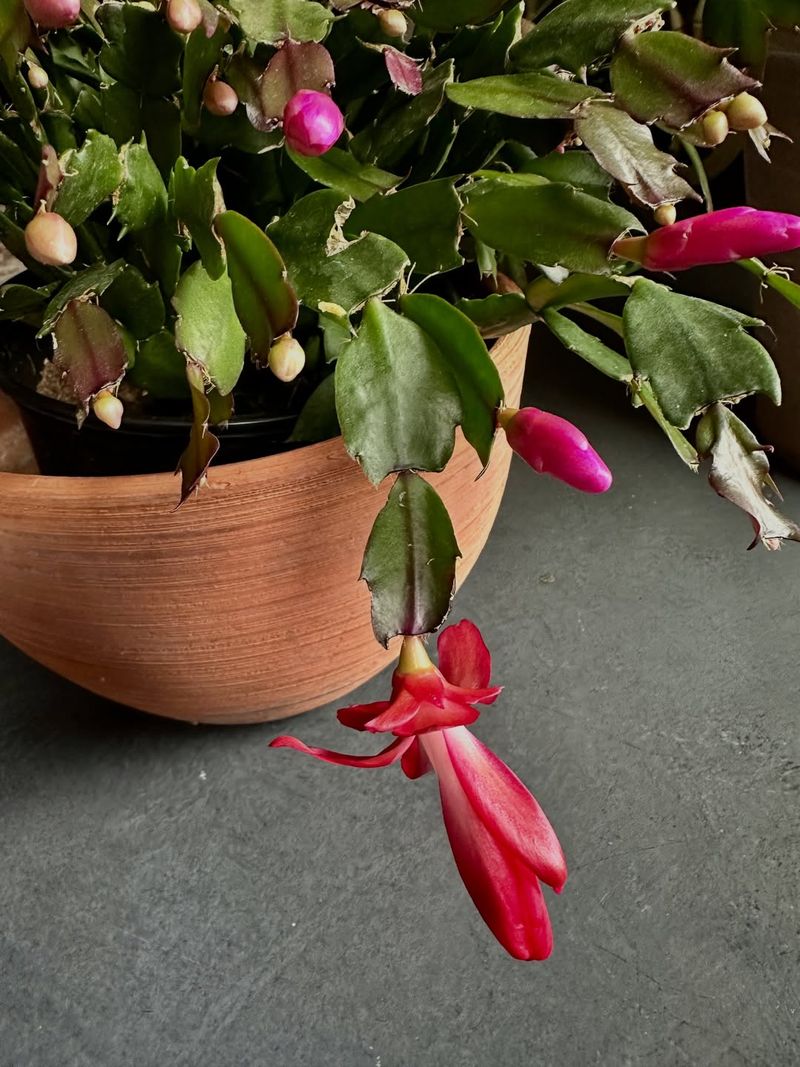
Once you’ve successfully triggered blooms using the darkness method, you’ll want to maintain this beautiful display for years to come reliably.
After flowering finishes completely, allow your Christmas cactus to rest for several weeks with reduced watering and no fertilizer applications at all.
In spring, resume regular care with bright indirect light, moderate watering, and monthly feeding using a balanced houseplant fertilizer diluted properly.
During summer months, many Ohio gardeners move their Christmas cactus outdoors to a shaded porch or under trees for natural conditions.
This outdoor vacation provides ideal growing conditions and strengthens the plant, preparing it for another successful blooming cycle in fall months.
Bring the plant back indoors before temperatures drop below fifty degrees Fahrenheit to prevent cold damage to the tender tropical foliage.
Resume the darkness treatment in late September or early October, repeating the same six-week routine that proved successful previously before.
With this annual cycle of growth, rest, and darkness treatment, your Christmas cactus can bloom reliably for decades in your home.
Many Ohio families treasure Christmas cactus plants that have been passed down through generations, blooming faithfully every year with proper care.