The Rare Ghost Plant Appearing In North Carolina Woods And What It Means
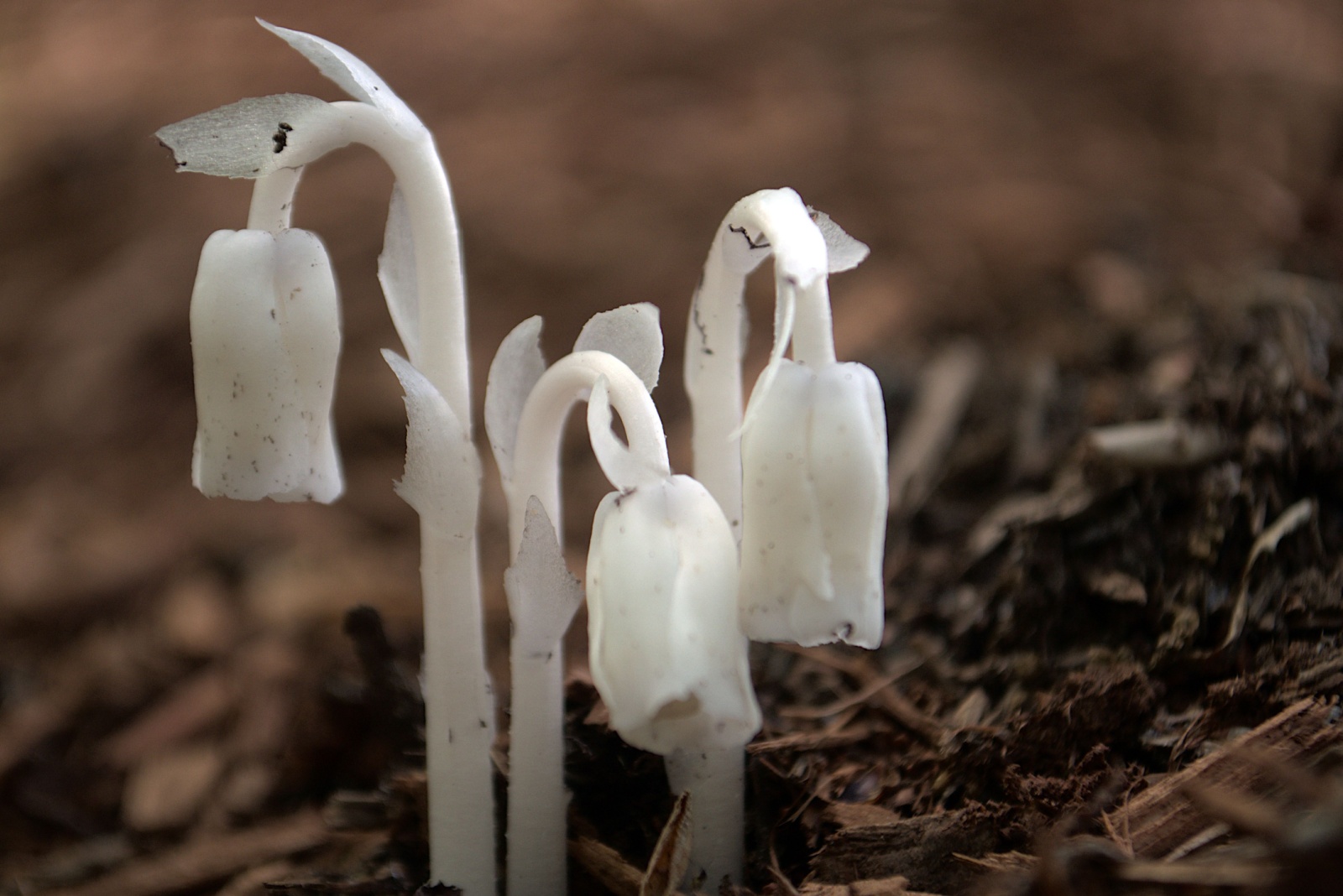
Deep in North Carolina forests, a strange white plant appears that looks more like a mushroom than a flowering species.
Ghost pipe emerges from the shadowy forest floor during summer months, catching hikers and nature lovers completely off guard with its appearance.
This unusual plant has fascinated botanists for decades because it breaks all the normal rules about how plants are supposed to grow.
Learning about ghost pipe helps us understand the hidden connections that make healthy forests thrive and supports conservation efforts across the state.
Why This Ghostly White Plant Looks Like It Doesn’t Belong
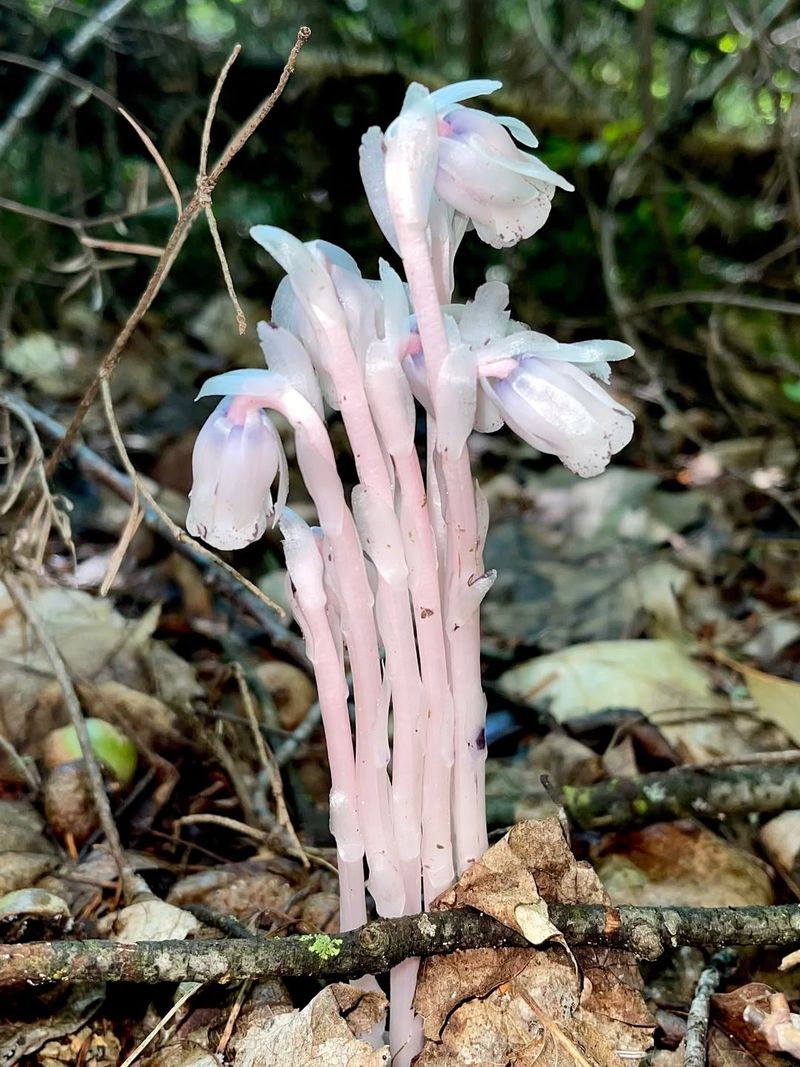
Ghost pipe earns its spooky name from its completely white appearance that makes it stand out against the dark forest floor everywhere.
Most plants appear green because chlorophyll helps them make food from sunlight, but ghost pipe took a completely different evolutionary path instead.
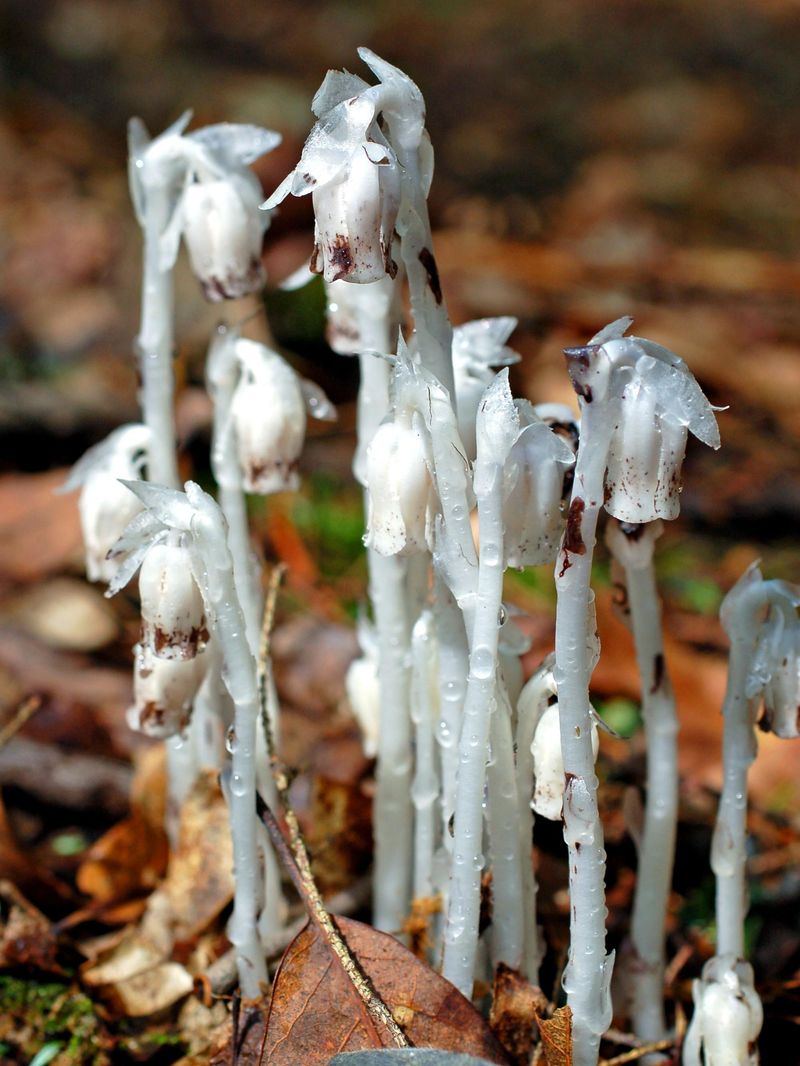
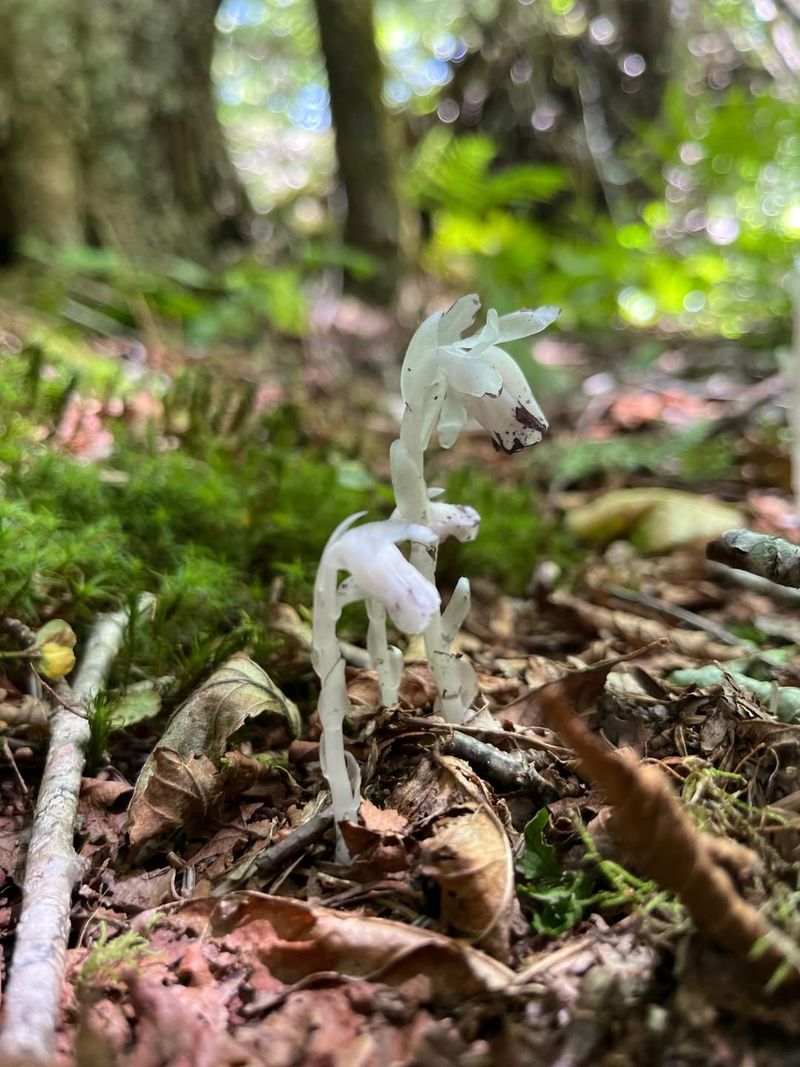
The waxy white stems and nodding bell-shaped flowers look almost transparent, giving the plant an otherworldly glow in shaded woodland areas throughout.
Some folks mistake it for a fungus at first glance because the pale coloring resembles mushrooms more than typical flowering plants around.
Each stem grows between three and eight inches tall and turns completely black after the blooming period ends in late summer months.
The plant feels cold and clammy to touch, adding to its reputation as one of nature’s strangest botanical specimens found anywhere locally.
Native Americans called it corpse plant because of its ghostly appearance, and the name stuck in many regional folklore traditions passed down.
Finding a cluster of these pale stems rising from leaf litter creates an unforgettable moment that nature enthusiasts remember for years afterward.
The Surprising Way Ghost Pipe Survives Without Sunlight
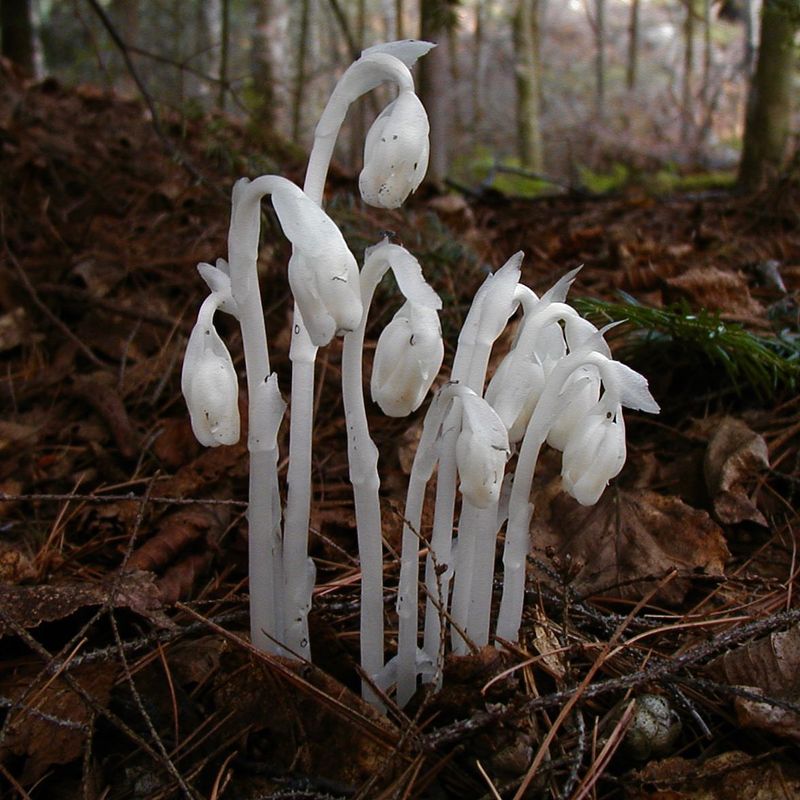
Plants typically need sunlight to create energy through photosynthesis, but ghost pipe developed a clever workaround that scientists find absolutely fascinating today.
This unusual species taps into underground fungal networks that connect trees throughout the forest, stealing nutrients in a process called mycoheterotrophy instead.
Mycorrhizal fungi form partnerships with tree roots, exchanging nutrients for sugars the trees produce through photosynthesis in their green leaves above.
Ghost pipe attaches itself to these same fungi and takes sugars without giving anything back, making it a parasitic plant technically speaking.
The fungi get their energy from oak, beech, and pine trees primarily, so ghost pipe indirectly feeds off these larger species.
This complex three-way relationship means ghost pipe can only grow in mature forests where extensive fungal networks have already been well established.
Scientists study this plant to better understand how forest ecosystems work together beneath the soil surface where we cannot easily observe them.
The survival strategy allows ghost pipe to thrive in deep shade where sunlight-dependent plants would struggle to gather enough energy for growth.
Where North Carolinians Are Most Likely To Spot It
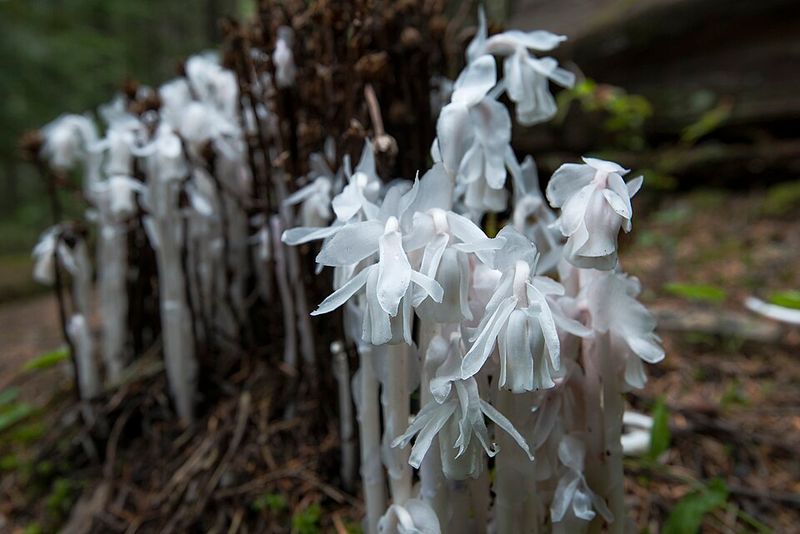
Mountain regions in western North Carolina provide ideal conditions for ghost pipe, especially in areas with mature hardwood forests and rich soil.
The Blue Ridge Mountains and Great Smoky Mountains offer perfect habitat because of cool temperatures, high humidity, and established fungal networks there.
Your North Carolina Garden Changes Every Week. Your Plan Should Too.
Gardening in North Carolina changes quickly throughout the season. Every Friday you’ll receive a simple weekly plan showing exactly what to plant, prune, fertilize, harvest, and protect so you never miss the right timing.
Hikers exploring trails through Pisgah National Forest and DuPont State Forest frequently report sightings during summer months when conditions are just right.
Look for ghost pipe in deeply shaded areas under oak, beech, and pine canopies where thick leaf litter covers the ground completely.
The plant prefers moist but well-drained soils along stream banks and in ravines where water availability stays consistent throughout the growing season.
Coastal plain forests rarely support ghost pipe because the fungal partnerships it needs typically develop better in older mountain woodland ecosystems instead.
Some botanical gardens in North Carolina try cultivating ghost pipe, but it proves extremely difficult without replicating the exact natural conditions required.
Nature preserves and state parks with old-growth forest sections give visitors the best chances of encountering this elusive plant in its habitat.
What Its Sudden Appearance Says About Forest Health
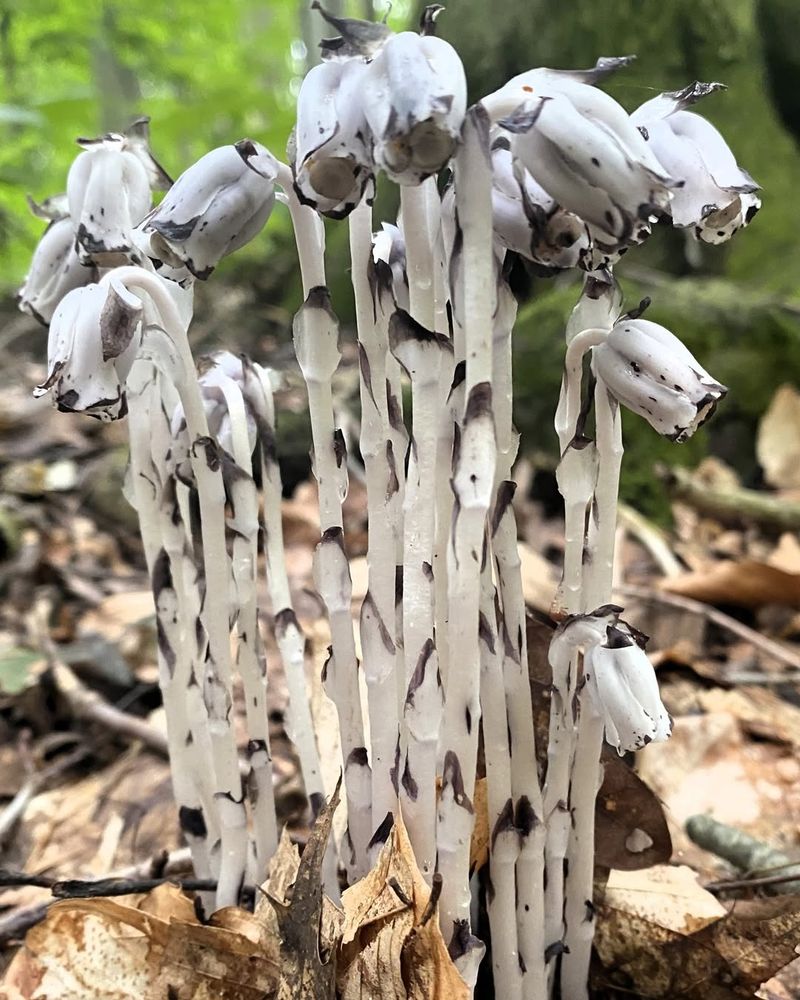
Finding ghost pipe in North Carolina forest indicates that complex underground networks are functioning properly and supporting diverse life forms throughout the ecosystem.
The plant serves as a biological indicator species because it can only survive where mature trees and extensive fungal communities already exist.
Forests with ghost pipe populations typically feature healthy mycorrhizal networks that benefit hundreds of other plant species growing in the same area together.
Disturbed forests or recently logged areas lack the established fungal connections ghost pipe needs, so its presence suggests minimal human disturbance historically.
Conservation biologists pay attention when ghost pipe appears because it signals that the forest has reached a level of ecological maturity worth protecting.
The underground fungal networks that support ghost pipe also help trees share nutrients and communicate about threats like insect infestations or drought.
Seeing this unusual plant means the forest floor remains undisturbed enough to maintain the delicate balance required for these specialized organisms to thrive.
Ecologists consider ghost pipe a sign of forest resilience and biodiversity that took many decades or even centuries to develop naturally over time.
Why This Rare Plant Vanishes As Quickly As It Appears
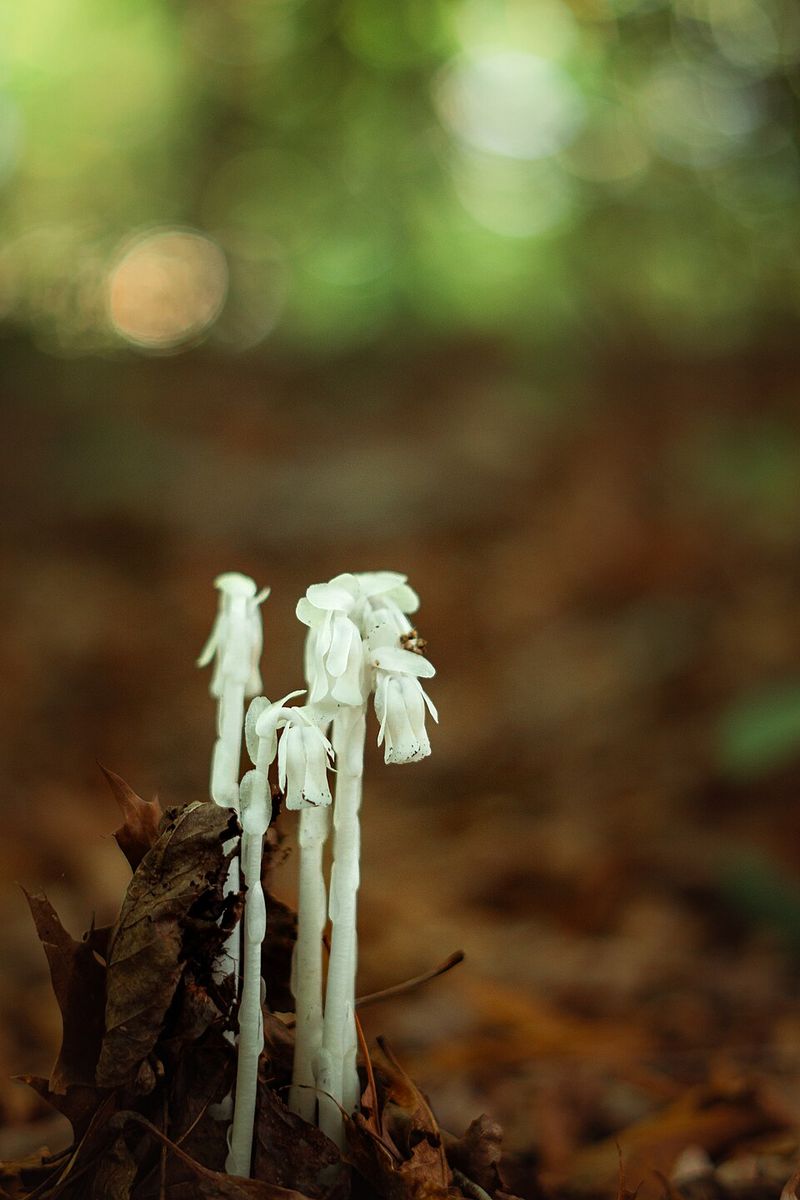
Ghost pipe has an incredibly short above-ground life cycle that lasts only a few weeks during mid-summer before completely disappearing again.
The plant emerges from the soil in June or July in North Carolina, blooms quickly, gets pollinated by bees, then turns black and withers away.
Most of its life happens underground where it maintains connections with fungal networks throughout the year, invisible to casual forest visitors passing.
Once the flowers get pollinated and seeds develop, the plant has accomplished its reproductive mission and no longer needs to stay visible above.
The blackened stems remain standing briefly before crumbling completely, leaving no trace that ghost pipe was ever there in that exact spot.
This ephemeral nature makes finding ghost pipe feel like discovering a secret treasure that only reveals itself for a limited window each year.
Photographers and nature enthusiasts must time their forest visits perfectly during peak blooming periods or miss the plant entirely for another season ahead.
The brief appearance strategy likely helps ghost pipe avoid herbivores and conserve energy since maintaining above-ground structures requires resources from its fungal partners.
The One Thing You Should Never Do If You Find One
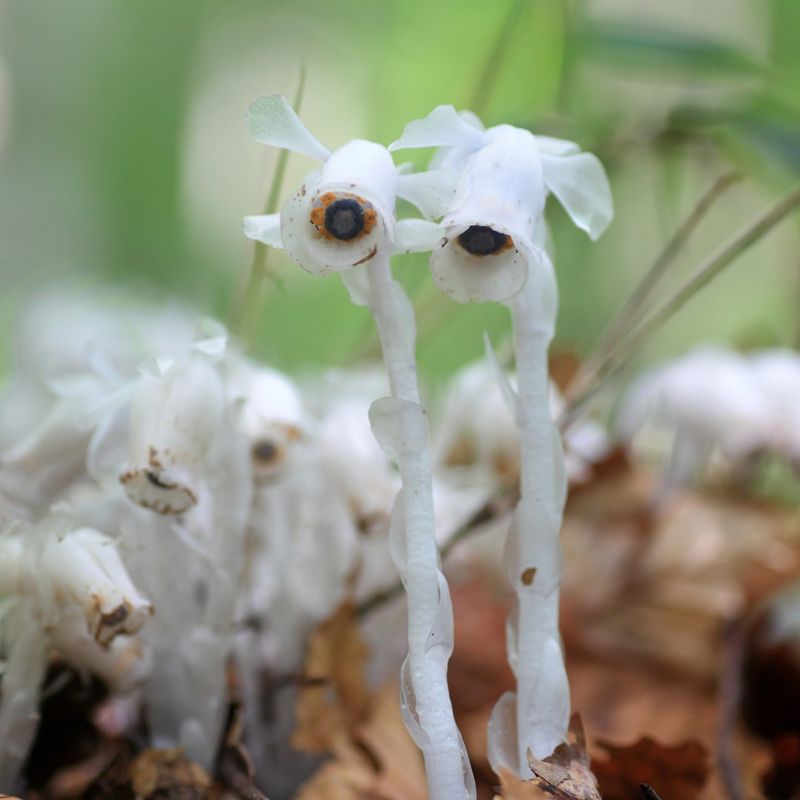
Picking or digging up ghost pipe causes immediate harm because removing it severs the crucial fungal connections that keep the plant alive.
Unlike common wildflowers that might survive transplanting, ghost pipe cannot exist outside its specific forest ecosystem with established underground fungal networks present.
Even careful attempts to move ghost pipe to gardens fail because recreating the exact three-way relationship between plant, fungi, and trees.
The plant turns black almost instantly after being picked, making it worthless as a cut flower and causing unnecessary damage to populations.
Disturbing the soil around ghost pipe can damage fungal threads that took years to develop and support many other forest organisms simultaneously.
North Carolina law protects many rare native plants, and removing them from public lands can result in fines for violating conservation regulations.
Photography provides the best way to capture ghost pipe’s beauty without harming it, allowing others to enjoy the same plants in future seasons.
Responsible nature enthusiasts observe from a respectful distance, take pictures, and leave no trace so future visitors can experience the same wonder.
How Long Ghost Pipe Season Usually Lasts
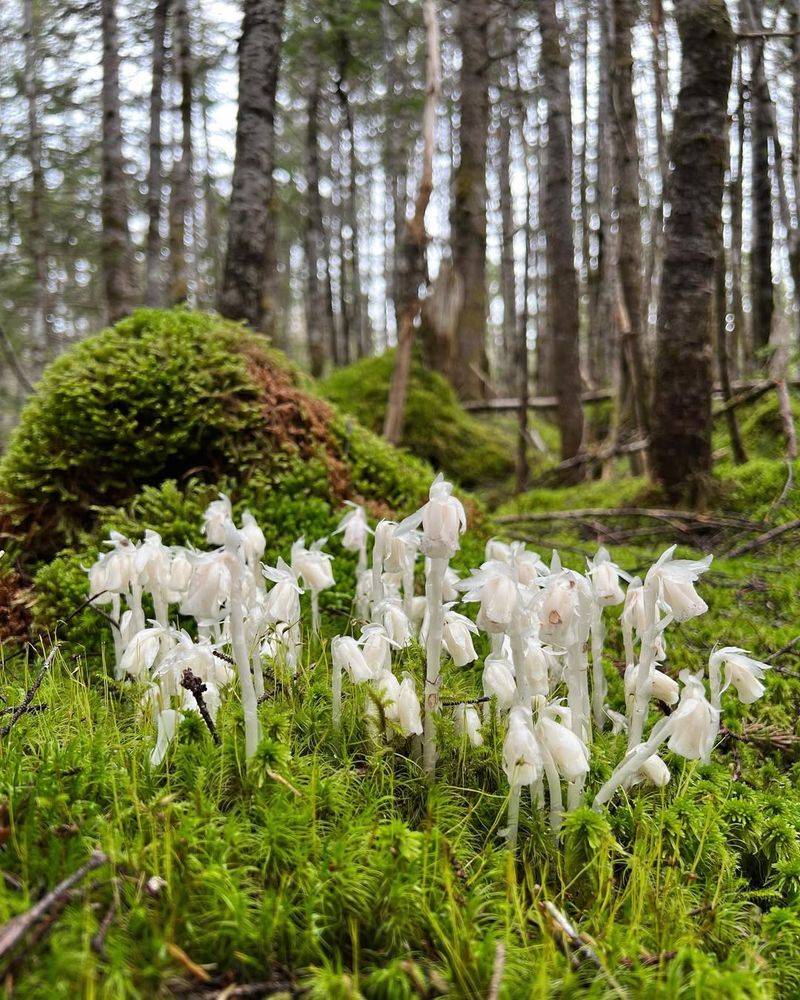
Ghost pipe season typically runs from late June through early August in North Carolina, though exact timing varies with elevation and weather patterns.
Higher elevation mountain forests see blooms slightly later than lower elevation areas because cooler temperatures slow the plant’s development and emergence timing.
Individual plants remain visible for only two to three weeks before completing their life cycle and turning black after successful pollination occurs.
Different patches within the same forest may bloom at staggered times, extending the overall season when lucky hikers might encounter them somewhere.
Rainy summers with consistent moisture tend to produce better ghost pipe displays than drought years when the plants struggle to emerge properly.
Early July represents the peak viewing period across most of North Carolina’s mountain regions where conditions align perfectly for abundant blooming activity then.
Some years bring exceptional ghost pipe displays with numerous clusters appearing, while other years see only scattered individuals emerging from forest floors.
Keeping track of blooming patterns helps nature enthusiasts plan hiking trips during the narrow window when ghost pipe puts on its show.
How Ghost Pipe Reproduces And Spreads Through The Forest
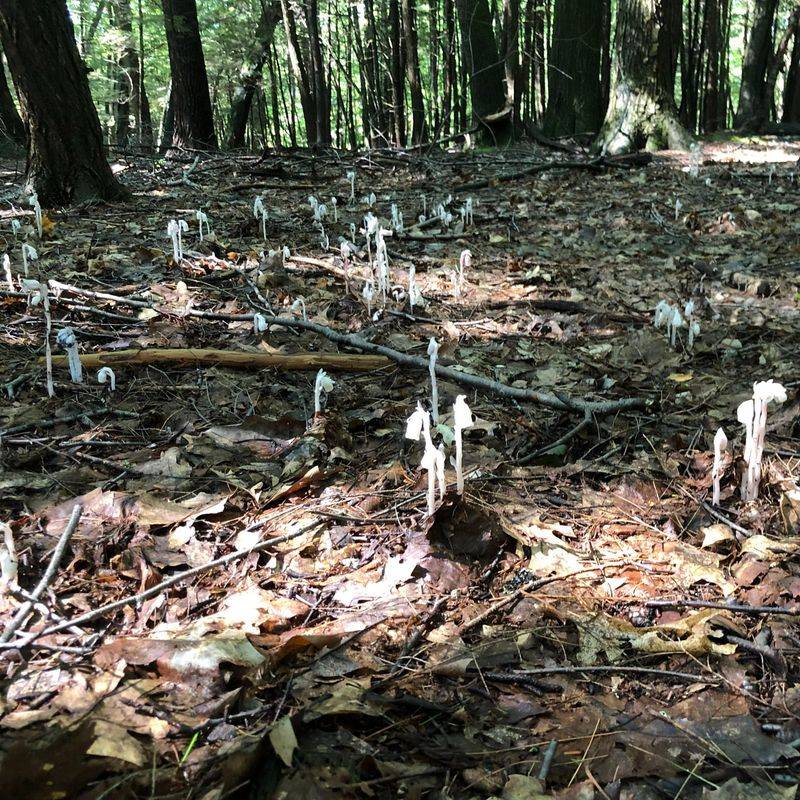
After pollination by bumblebees and other insects, ghost pipe develops seed capsules filled with thousands of dust-like seeds incredibly tiny in size.
Each capsule splits open when mature, releasing seeds that scatter across the forest floor with help from wind and rain moving them around.
The seeds are so small they lack stored energy reserves, meaning they must immediately find fungal partners or perish within days of landing.
Germination requires the seed to encounter exactly the right fungal species willing to share nutrients while the tiny seedling establishes its parasitic connection.
This challenging requirement means only a tiny fraction of ghost pipe seeds successfully germinate and develop into mature plants over time ahead.
Once established, individual ghost pipe plants may return to the same spot year after year, emerging from underground structures that persist through.
Colonies slowly expand as new seedlings establish near parent plants where appropriate fungal networks already exist and support additional ghost pipe individuals.
The reproduction strategy favors stable forest environments over disturbed areas, which explains why ghost pipe concentrates in protected mature North Carolina woodland habitats specifically.
The Role Bees And Other Pollinators Play In Its Survival
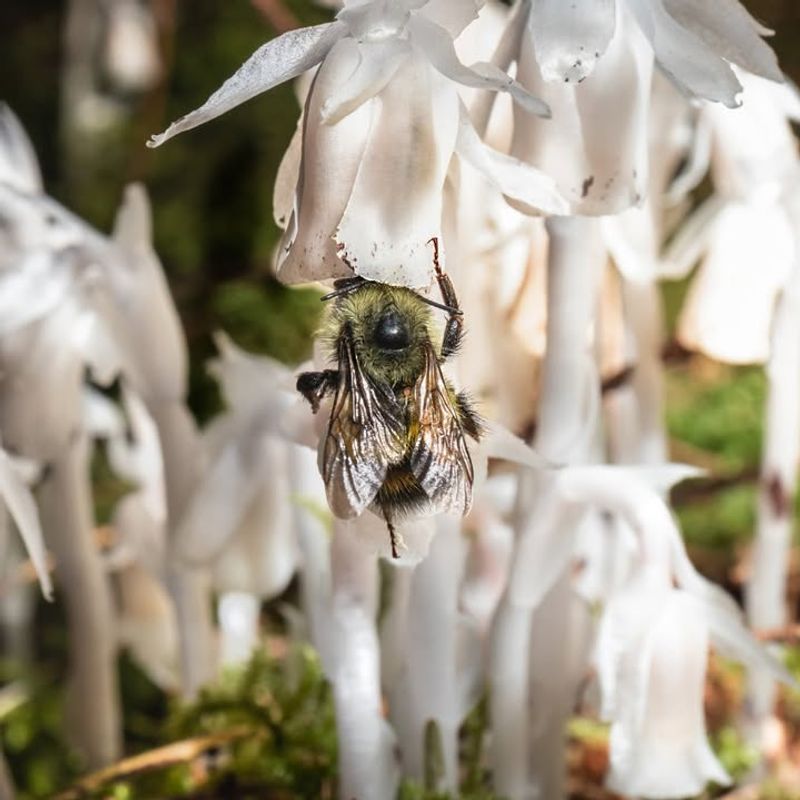
Bumblebees serve as primary pollinators for ghost pipe, attracted to the flowers despite their lack of bright colors or strong fragrance typically expected.
The nodding bell-shaped flowers protect pollen from rain while creating a sheltered space where bees can work without weather interference during visits.
Bees must push their way into the flower opening, brushing against reproductive parts and transferring pollen between different plants they visit sequentially.
Scientists believe ghost pipe may produce subtle scents or ultraviolet patterns invisible to humans but perfectly detectable by insect pollinators searching for.
Small flies and beetles occasionally visit ghost pipe flowers too, though bumblebees do most of the heavy lifting for successful cross-pollination efforts.
The timing of ghost pipe blooming coincides with peak bumblebee activity in summer when colonies reach maximum size and foraging intensity levels.
Without these pollinator partnerships, ghost pipe populations would decline rapidly since the plant depends entirely on insects for sexual reproduction and genetic diversity.
Protecting bee populations through North Carolina habitat conservation and reducing pesticide use indirectly helps ghost pipe and countless other forest plant species thrive together.
Native American And Folk Medicine Uses Throughout History
Cherokee and other southeastern tribes traditionally used ghost pipe as a medicine for treating convulsions, anxiety, and pain-related conditions for generations.
The plant contains compounds that affect the nervous system, which explains its historical use for calming effects and treating various ailments naturally.
Herbalists in Appalachian folk medicine traditions prepared ghost pipe tinctures by preserving fresh plants in alcohol to extract medicinal compounds effectively.
Some practitioners still use ghost pipe preparations today for treating panic attacks, restlessness, and sensory overload in alternative medicine practices across regions.
However, modern conservation concerns make harvesting ghost pipe ethically questionable since populations remain small and vulnerable to over-collection from wild areas.
Scientific research on ghost pipe’s medicinal properties remains limited, so most claims about its effectiveness rely on traditional knowledge rather than studies.
The plant’s rarity means sustainable harvesting is practically impossible, and ethical herbalists now avoid using it or seek cultivated alternatives instead.
Understanding historical uses helps us appreciate how indigenous peoples developed detailed botanical knowledge through careful observation over countless generations of forest stewardship.
How Climate Change Might Affect Future Ghost Pipe Populations
Rising temperatures and shifting precipitation patterns threaten the delicate balance ghost pipe needs to survive in its specialized North Carolina mountain forest habitats currently.
Warmer conditions may disrupt the fungal networks that connect ghost pipe to trees, potentially breaking the three-way relationship essential for survival.
Drought stress affects host trees and their fungal partners first, which then cascades down to impact ghost pipe populations dependent on them.
Climate change may push suitable habitat to higher elevations where cooler temperatures persist, but mountaintops offer limited space for species to relocate.
Earlier spring warming could throw off the timing between ghost pipe emergence, pollinator activity, and optimal moisture conditions required for successful reproduction.
Forest disturbances from increased storm intensity, pest outbreaks, and fires may damage the mature woodland ecosystems where ghost pipe currently thrives best.
Scientists monitor ghost pipe populations as climate indicators because changes in its distribution could signal broader ecosystem shifts affecting numerous forest species.
Conservation efforts focusing on protecting large intact forest areas give ghost pipe and its fungal partners the best chances for adapting to changing conditions.
Other Unusual Plants That Share Ghost Pipe’s Habitat In North Carolina
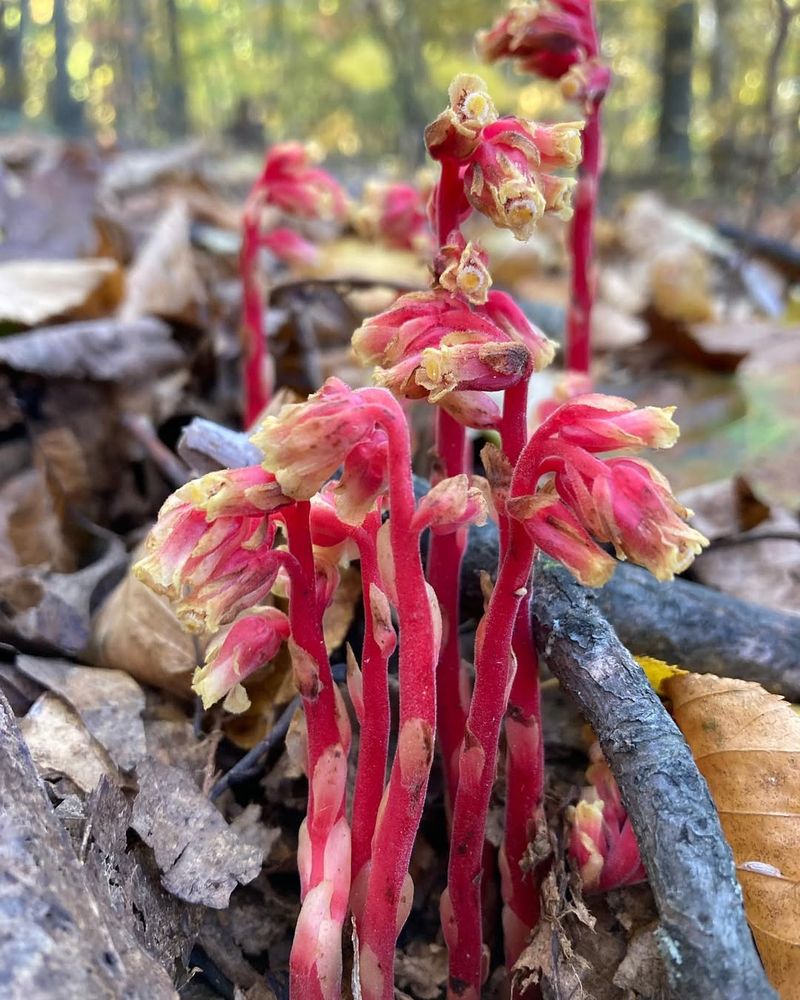
Pinesap, a close relative of ghost pipe, grows in similar habitats but displays yellow, pink, or red coloring instead of pure white.
Both plants belong to the same family and use identical survival strategies, tapping into mycorrhizal networks rather than performing photosynthesis themselves independently.
Spotted wintergreen and pipsissewa grow nearby in the same shaded forest environments, though these plants do contain chlorophyll and photosynthesize normally.
Pink lady’s slipper orchids share ghost pipe’s preference for mature forests with established fungal networks that help both species obtain necessary nutrients effectively.
Jack-in-the-pulpit produces unusual hooded flowers in spring and thrives in the moist, shaded conditions where ghost pipe later emerges during summer months.
Indian cucumber root and trillium species add to the diversity of interesting woodland plants that make North Carolina forests botanical treasure troves worth.
Learning to identify multiple forest plants enriches hiking experiences and helps people appreciate the incredible diversity hiding in seemingly ordinary woodland areas nearby.
Conservation efforts protecting ghost pipe habitat simultaneously benefit dozens of other specialized species that depend on healthy, undisturbed forest ecosystems for survival.