Reasons Numerous Purple Finches Are Visiting Tennessee Feeders This December
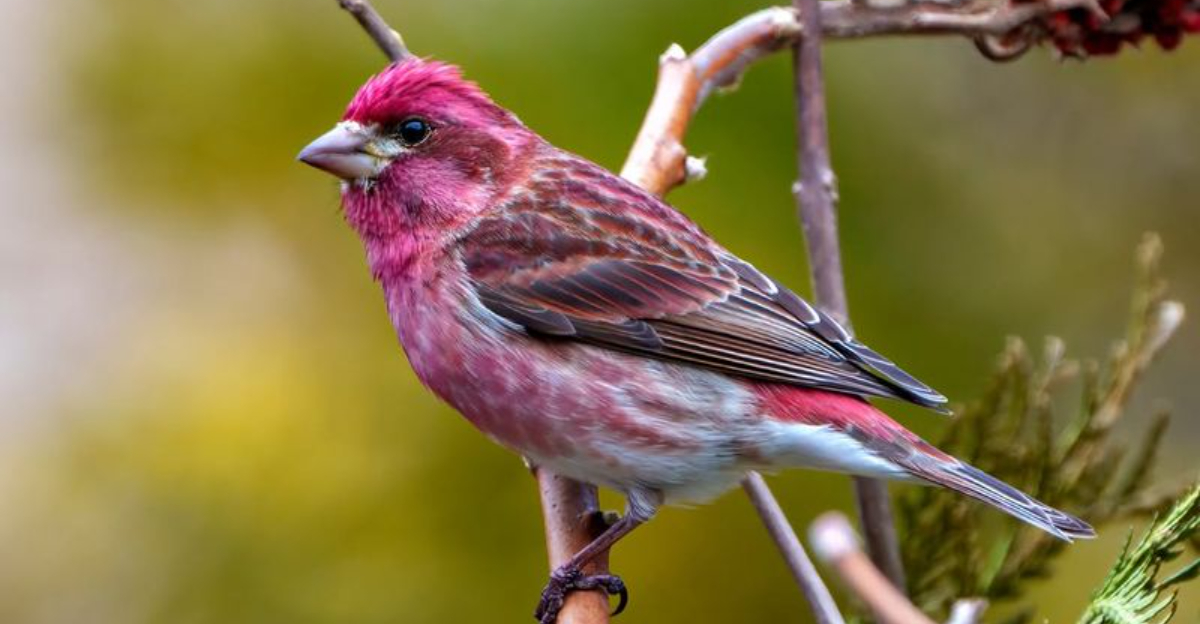
December brings a change of pace to Tennessee backyards, and purple finches are suddenly part of the daily scene.
Their soft colors and musical calls stand out against bare branches, making them hard to miss.
This uptick in visits is no stroke of luck.
When winter tightens its grip, purple finches start playing it safe, and feeders become a dependable lifeline.
As colder weather pushes north, food supplies shift and these birds follow the trail.
Seeds that once came easy in forests and fields grow scarce, so backyard feeders turn into a sure bet.
Purple finches are known for traveling in loose groups, and when one finds a good spot, word spreads fast.
Before long, a quiet feeder can turn into a busy meeting place.
Weather patterns also tip the scales.
Early cold snaps and uneven snow cover can send purple finches farther south in search of stable conditions.
Tennessee offers a sweet spot with enough shelter and steady food to make settling in worthwhile.
For homeowners, their arrival is a clear sign that winter routines are underway.
Your feeder has become part of their seasonal strategy, helping them ride out the cold one seed at a time.
1. Northern Food Shortages Drive Migration South
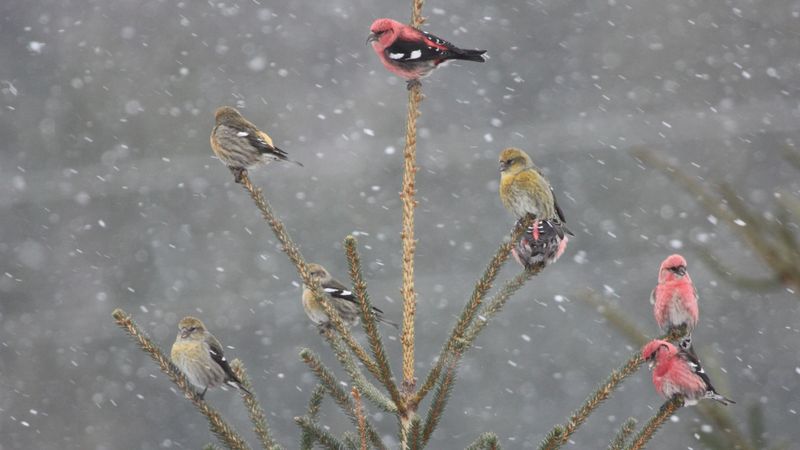
Food scarcity in Canada and the northern United States has pushed purple finches to search for better feeding grounds this winter.
When spruce, fir, and pine trees fail to produce adequate cone crops in their usual habitats, these resourceful birds must travel farther south than normal.
Tennessee has become an unexpected destination for thousands of hungry purple finches seeking reliable food sources.
Scientists call these movements “irruptions,” which happen irregularly depending on food availability in northern forests.
Unlike predictable seasonal migrations, irruptions occur only when conditions force birds to abandon their typical winter territories.
This December’s arrival in Tennessee represents one of these special irruption years, giving residents a front-row seat to an uncommon natural phenomenon.
Purple finches prefer seeds from coniferous trees, but they adapt quickly when those resources disappear.
Bird feeders filled with sunflower seeds, nyjer, and safflower become lifesaving alternatives for displaced finches.
Tennessee homeowners who maintain well-stocked feeders are essentially providing emergency food stations for these traveling birds.
The widespread crop failure across northern regions this year has affected not just purple finches but many other seed-eating species too.
Birdwatchers throughout Tennessee should expect continued visits from these beautiful finches as long as northern food supplies remain scarce.
Keeping feeders clean and consistently filled helps support these birds during their unexpected southern journey.
Your backyard might become a critical refueling station for finches that have traveled hundreds of miles searching for sustenance.
2. Ideal Weather Conditions In Tennessee
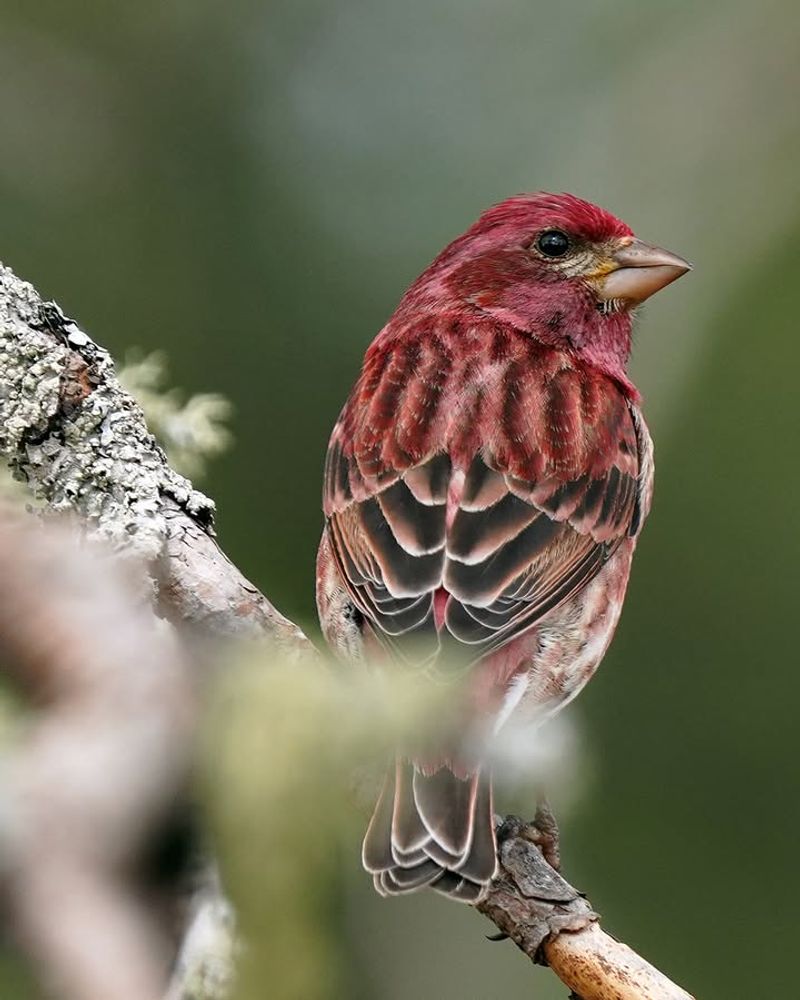
Tennessee’s relatively mild December temperatures have created perfect conditions for purple finches this year.
While northern states face harsh blizzards and freezing temperatures, Tennessee offers a comfortable climate that appeals to birds seeking refuge.
The state’s moderate weather allows finches to conserve energy that would otherwise be spent staying warm in extreme cold.
Your Tennessee Garden Changes Every Week. Your Plan Should Too.
Gardening in Tennessee changes quickly throughout the season. Every Friday you’ll receive a simple weekly plan showing exactly what to plant, prune, fertilize, harvest, and protect so you never miss the right timing.
Temperature matters tremendously for small birds like purple finches, which must maintain high body heat despite their tiny size.
Every degree of warmth saves precious calories that can be redirected toward finding food and staying healthy.
Tennessee’s winter climate strikes an ideal balance, cold enough to feel seasonal but mild enough to support visiting bird populations comfortably.
Recent weather patterns have also brought adequate moisture without excessive ice storms or heavy snow accumulation.
These conditions make it easier for finches to access feeders and natural food sources without battling through deep snow or icy coverings.
Birds can land on feeder perches, eat their fill, and move about freely without the obstacles that northern winter weather creates.
The combination of manageable temperatures and accessible food has made Tennessee particularly attractive to purple finches this season.
As long as weather conditions remain favorable throughout the state, these visitors will likely stick around through the winter months.
Homeowners should take advantage of this rare opportunity by observing how weather influences bird behavior at their feeders.
Watching purple finches adapt to Tennessee’s December climate provides valuable lessons about wildlife resilience and flexibility.
3. Abundant Feeder Offerings Throughout The State
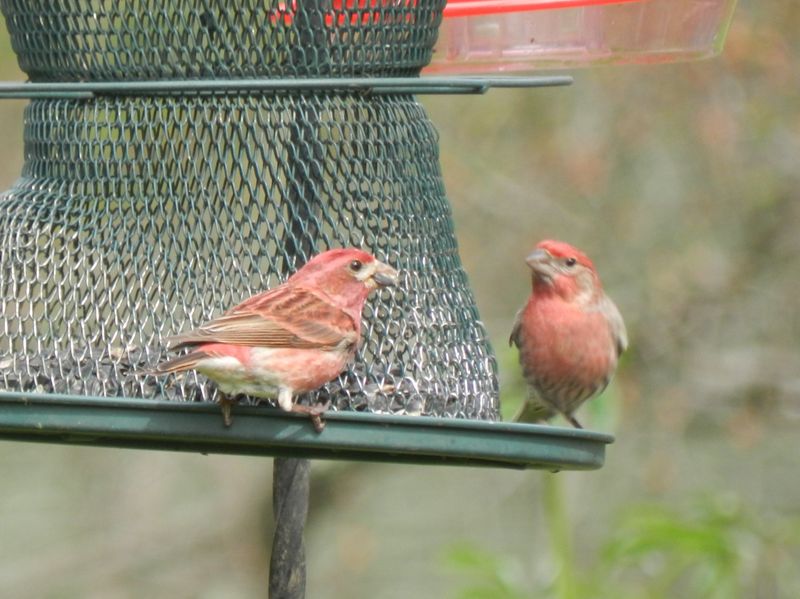
Tennessee residents have embraced backyard bird feeding with enthusiasm, creating a network of food sources that attracts purple finches statewide.
From Memphis to Knoxville, homeowners fill feeders with high-quality seeds that appeal specifically to finch preferences.
This widespread availability of supplemental food has essentially created a welcoming corridor for traveling purple finches seeking nourishment.
Black oil sunflower seeds rank among the favorite foods for purple finches, and Tennessee feeders overflow with this nutritious option.
These seeds provide essential fats and proteins that help finches maintain their energy levels during cold weather.
Many Tennessee birdwatchers also offer nyjer seed, safflower, and mixed seed blends that cater to finch dietary needs perfectly.
The consistency of feeder maintenance across Tennessee makes the state particularly attractive to migrating birds.
Purple finches learn quickly which areas provide reliable food sources and communicate this information through their flock behavior.
When one finch discovers a well-maintained feeder, others soon follow, creating the large groups that Tennessee residents have been observing this December.
Feeder placement throughout Tennessee neighborhoods has also improved over recent years as more people become interested in birdwatching.
Proper feeder positioning near trees and shrubs gives purple finches safe access to food while maintaining escape routes from potential predators.
This thoughtful approach to bird feeding has transformed Tennessee into an ideal stopover location for finches traveling south.
Your participation in maintaining feeders contributes to a larger conservation effort that supports bird populations during challenging times.
4. Competition For Resources In Traditional Wintering Grounds
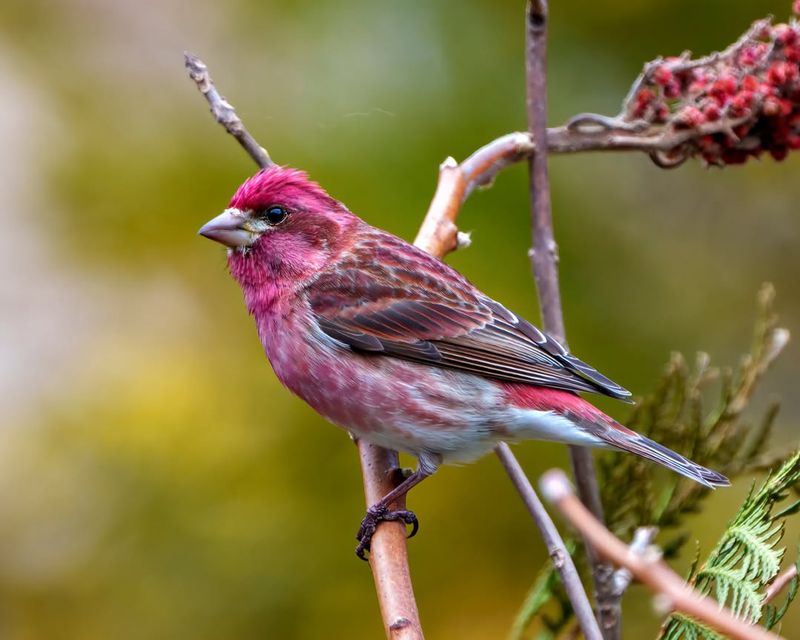
Overcrowding in traditional purple finch wintering areas has pushed many birds to explore new territories like Tennessee.
When too many finches concentrate in limited spaces, competition for food becomes intense and stressful.
Some birds choose to continue traveling south rather than fight for scarce resources in overpopulated locations.
Purple finches typically winter in the northern and central United States, but population pressures can alter these patterns significantly.
Younger, less experienced birds often get pushed out by dominant individuals who claim the best feeding territories.
These displaced finches must search for alternative locations where competition remains manageable, leading them to states like Tennessee that offer abundant resources.
Bird behavior experts have documented how social dynamics within flocks influence migration decisions.
When aggression levels rise at feeding sites, subordinate birds often choose relocation over constant conflict.
Tennessee’s feeders provide these birds with peaceful feeding opportunities away from the intense competition found farther north.
The arrival of purple finches in Tennessee reflects broader ecological pressures affecting bird populations across North America.
Habitat changes, climate shifts, and food availability all combine to reshape traditional migration and wintering patterns.
Observing these changes in your own backyard connects you directly to continental-scale environmental dynamics.
Each purple finch visiting Tennessee feeders tells a story about adaptation, survival, and the search for hospitable environments.
Providing welcoming feeder stations helps reduce competition stress and supports healthier bird populations throughout the winter season.
5. Natural Food Sources Complement Backyard Feeders
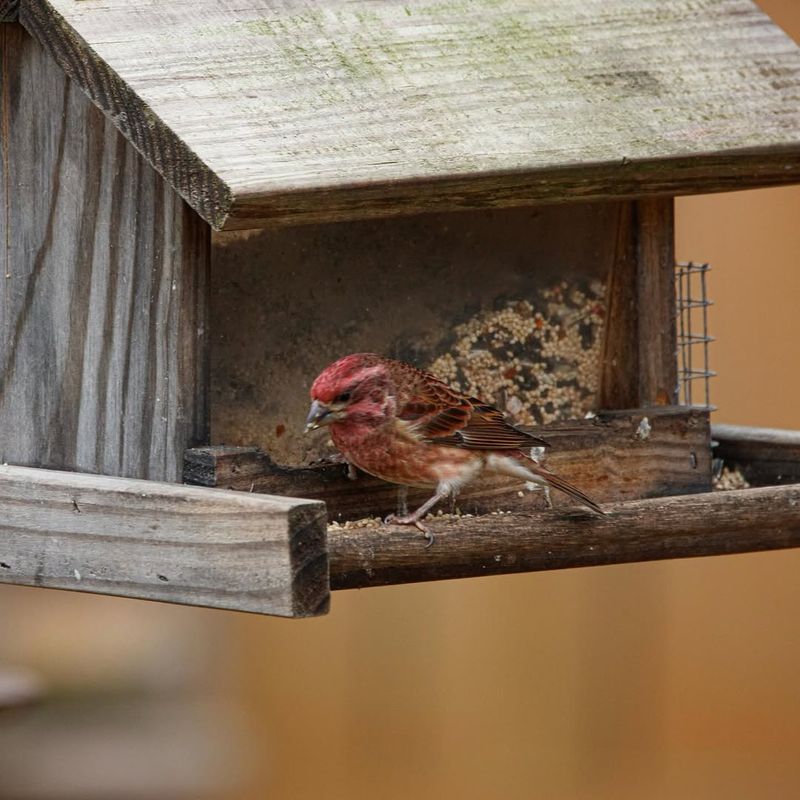
Tennessee’s diverse landscape offers purple finches more than just backyard feeders to sustain them through December.
Native trees, shrubs, and plants throughout the state produce seeds and berries that complement the food available at feeders.
This combination of natural and supplemental food sources makes Tennessee exceptionally attractive to visiting finches seeking varied nutrition.
Sweetgum trees, common throughout Tennessee, produce spiky seed balls that purple finches can access during winter months.
These natural food sources provide important dietary variety that helps birds maintain optimal health.
Finches alternate between visiting feeders for easy meals and foraging naturally, which keeps them physically active and mentally stimulated.
Many Tennessee homeowners have planted native species that produce winter food for birds, unknowingly creating finch-friendly habitats.
Dogwood berries, cedar berries, and various wildflower seeds remain available throughout December, offering purple finches multiple foraging options.
This habitat diversity explains why Tennessee has become such a popular destination for finches this winter season.
The state’s mix of forests, suburban areas, and rural landscapes creates ecological variety that supports different feeding behaviors.
Purple finches can move between environments depending on their needs, accessing whatever food sources are most abundant at any given time.
This flexibility helps them thrive in Tennessee even though it lies outside their typical winter range.
Encouraging native plant growth in your yard enhances the natural food supply and makes your property even more attractive to purple finches.
Combining feeders with native landscaping creates the ultimate winter habitat for these gorgeous visitors.
6. Reduced Predator Pressure In Suburban Settings
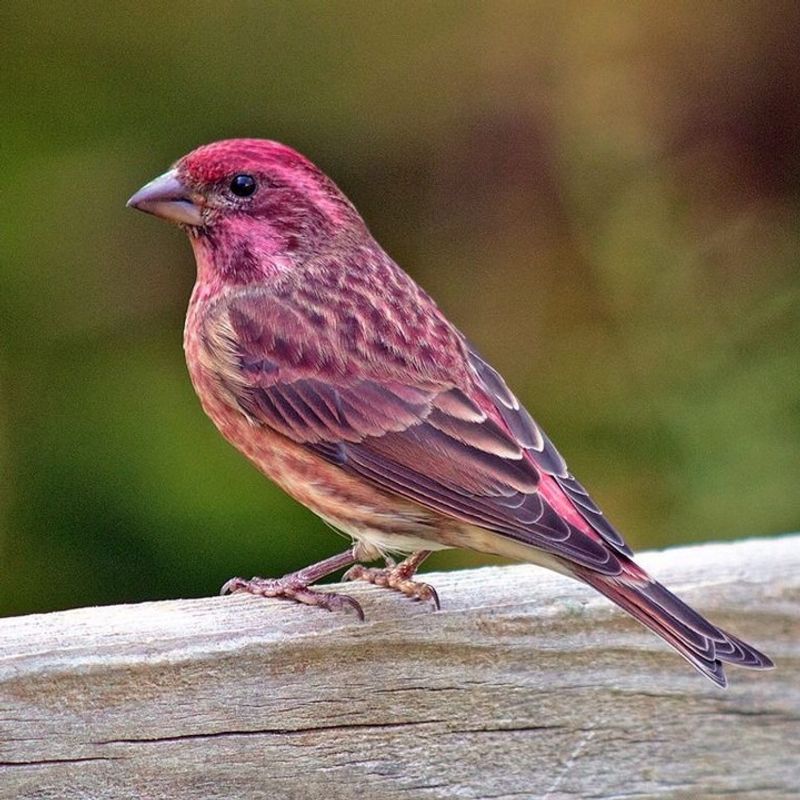
Suburban neighborhoods across Tennessee provide purple finches with relatively safe environments compared to dense forests where predators are more concentrated.
Hawks, owls, and other bird-hunting species often focus their efforts in wilderness areas rather than residential zones.
This reduced predation risk makes Tennessee backyards appealing destinations for finches seeking both food and safety during vulnerable winter months.
House cats pose a concern in residential areas, but responsible pet ownership and proper feeder placement minimize these dangers.
Feeding stations positioned away from hiding spots and elevated off the ground give finches clear sightlines to detect potential threats.
Many Tennessee homeowners have learned to create bird-safe yards that protect visiting finches while still allowing excellent viewing opportunities.
The open nature of suburban landscapes also helps purple finches spot approaching predators more easily than in dense forest undergrowth.
Birds feeding in yards can quickly escape to nearby trees when danger appears, using residential areas as relatively secure feeding grounds.
This combination of food availability and safety creates ideal conditions that explain why so many finches have chosen Tennessee neighborhoods this December.
Community awareness about bird conservation has grown significantly in Tennessee, with many residents actively working to protect feeder visitors.
Window decals prevent collision accidents, and thoughtful landscaping provides escape cover without creating predator hiding spots.
These efforts have transformed Tennessee suburbs into sanctuaries for traveling birds like purple finches.
Your commitment to creating safe feeding environments contributes directly to the survival and wellbeing of these beautiful winter visitors throughout their stay.
7. Social Learning And Flock Communication
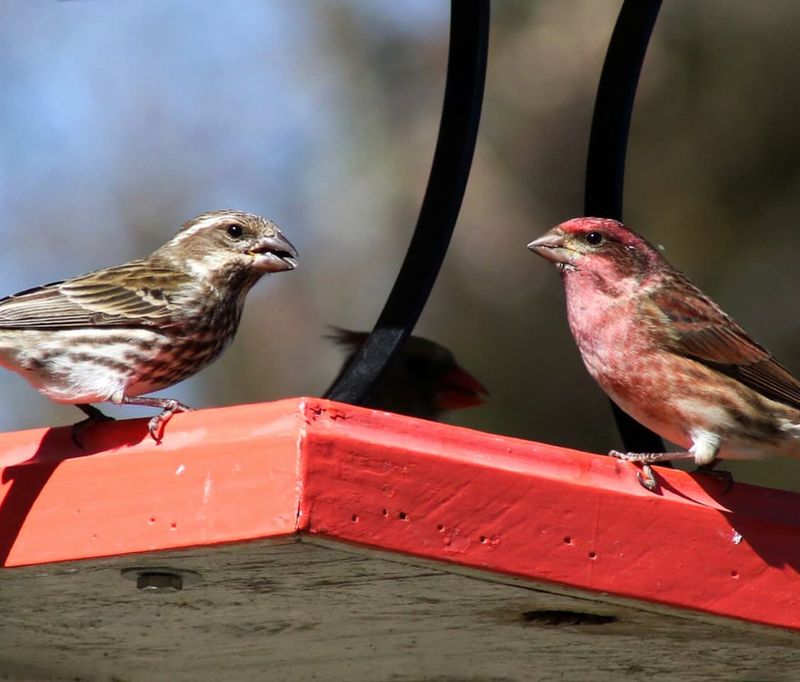
Purple finches are highly social birds that share information about food sources through flock behavior and vocalizations.
When one finch discovers a reliable feeder in Tennessee, it communicates this finding to other flock members through calls and behavioral cues.
This social learning explains how feeder stations can quickly attract large numbers of finches once initial scouts report their discoveries.
Researchers have documented sophisticated communication systems among finch species that help them locate resources efficiently.
Birds pay attention to where their companions feed successfully and follow these leads to new food sources.
Tennessee’s concentration of well-maintained feeders creates positive feedback loops where successful feeding experiences get shared throughout finch populations rapidly.
Young purple finches learn migration routes and wintering locations from older, experienced flock members.
As more finches discover Tennessee’s abundant resources, this information gets passed to subsequent generations and spreads through populations.
Over time, Tennessee may become an established wintering destination for purple finches if conditions remain favorable year after year.
The chattering sounds you hear at your feeder represent more than simple bird noise; they’re complex communications about food quality, safety, and social dynamics.
Purple finches maintain contact with flock members while feeding, ensuring that everyone benefits from discovered resources.
This cooperative behavior helps entire flocks survive challenging winter conditions by maximizing foraging efficiency.
Watching these social interactions at Tennessee feeders provides fascinating insights into bird intelligence and community cooperation.
Your feeder becomes not just a food source but a social gathering place where purple finches exchange vital survival information.
8. Climate Change Altering Traditional Migration Patterns
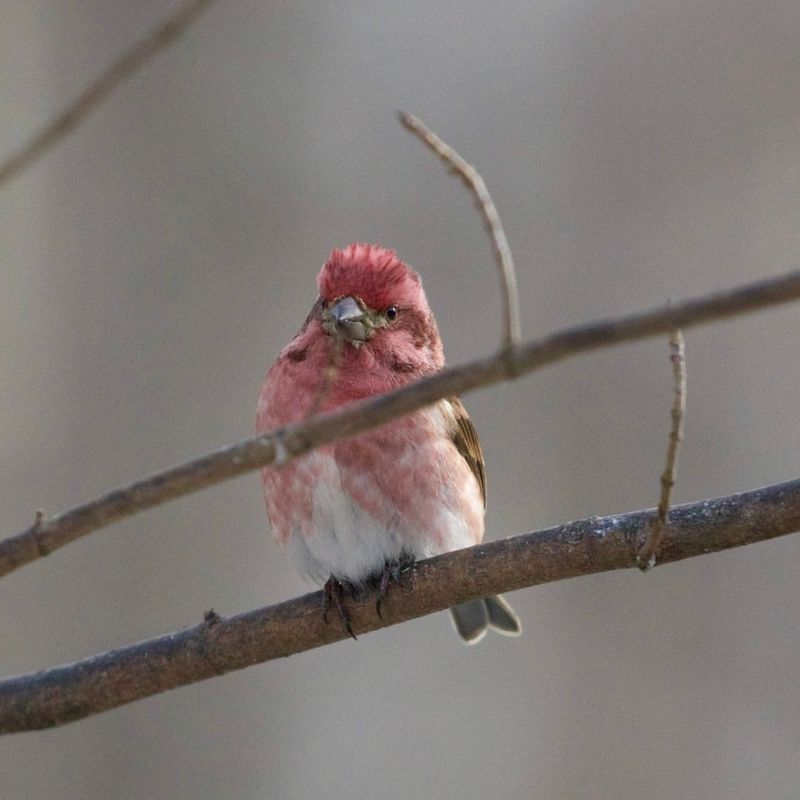
Shifting climate patterns are gradually changing where purple finches spend their winter months, with Tennessee becoming increasingly suitable habitat.
Warmer average temperatures and altered precipitation patterns have modified the ecological zones that different bird species can tolerate comfortably.
What once seemed too far south for purple finches now falls within their expanding winter range as climate conditions evolve.
Scientists tracking bird populations have noticed that many species are adjusting their migration timing and destinations in response to environmental changes.
Purple finches arriving in Tennessee this December may represent the leading edge of a broader shift in wintering behavior.
These adaptations demonstrate the remarkable flexibility that allows bird species to survive in a changing world.
Tennessee’s position in the transition zone between northern and southern climates makes it particularly interesting for observing these shifts.
The state now offers conditions that historically would have been found farther north, creating new opportunities for species like purple finches.
Birdwatchers documenting these visits contribute valuable data that helps researchers understand how wildlife responds to environmental changes.
Long-term monitoring projects depend on observations from everyday people who notice unusual bird visitors at their feeders.
Reporting purple finch sightings to organizations like eBird helps scientists track population movements and identify emerging patterns.
Your backyard observations in Tennessee become part of a larger scientific effort to understand bird adaptation strategies.
This December’s purple finch invasion may signal permanent changes in where these birds spend winter, making Tennessee an increasingly important habitat.
Welcoming these visitors and documenting their presence helps protect bird populations navigating an uncertain environmental future.