Get More Songbirds In Your Michigan Backyard With These Plants
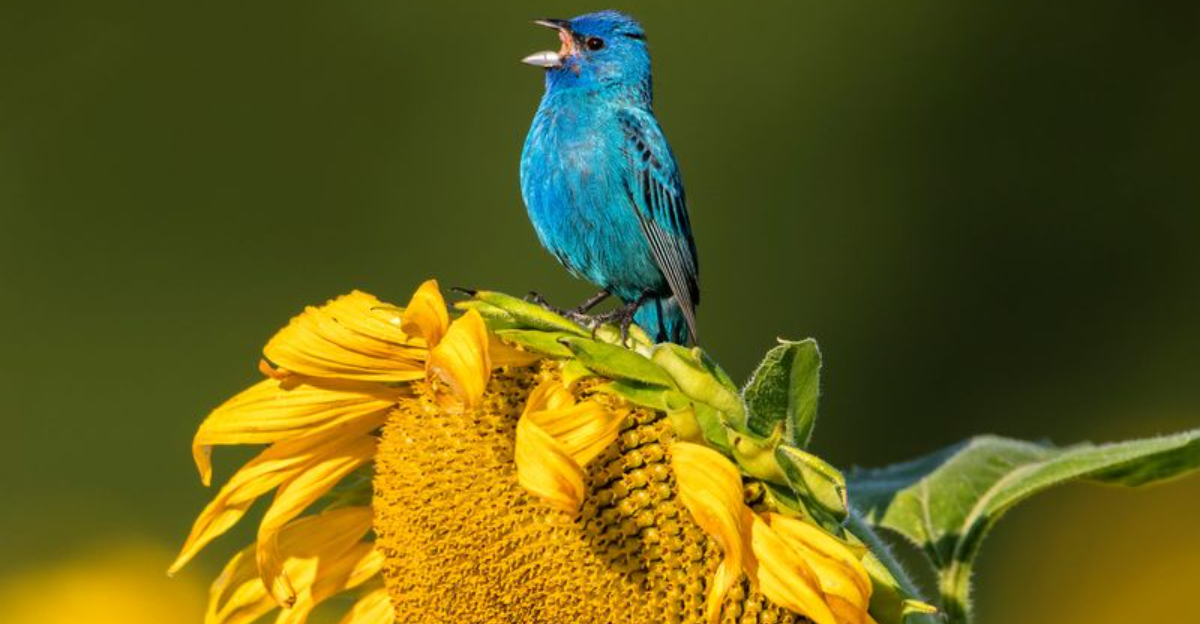
Michigan backyards hold hidden promise for color, chatter, and flutter all season long.
Songbirds pass over many yards, yet some places turn into true hot spots.
The secret sits in smart plant choice, not luck of the draw.
Native shrubs and flowers stack the deck, offer cover, seed, and fruit, and turn a plain lawn into a busy crossroads.
When branches bear berries and stems stand firm through snow, birds take notice fast.
Chickadees, finches, and cardinals follow the groceries, plain and simple.
Skip flashy tricks and big gadgets.
Plants do the heavy lift and pay off year after year.
A thoughtful mix draws wings close, adds life to cold months, and keeps spring full of sound.
With the right roots in the ground, your yard earns a good name on the bird grapevine.
Soon each dawn brings motion, color, and cheer, right outside the window, today.
1. Eastern Red Cedar
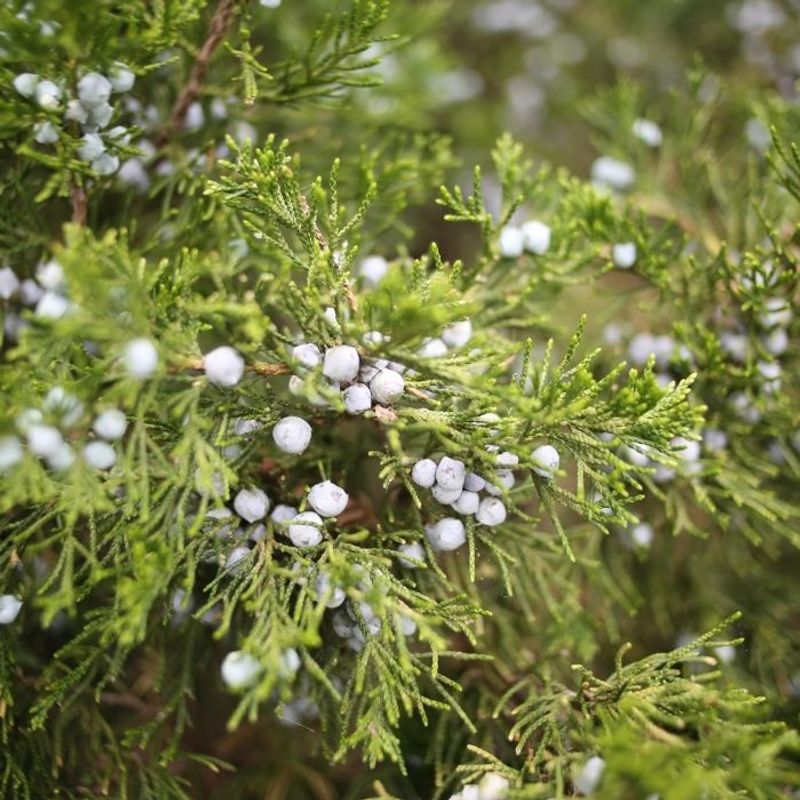
Birds flock to this evergreen native like kids to a candy store, and for good reason.
Eastern Red Cedar produces small blue berries that over 50 bird species munch on during fall and winter months.
The dense foliage offers excellent shelter from harsh Michigan winds and predators year-round.
Cedar waxwings, robins, and bluebirds particularly love snacking on the berry-like cones.
This tough tree adapts to various soil types and needs minimal care once established in your yard.
The branches provide perfect nesting spots for mourning doves and other medium-sized birds.
You can plant it as a single specimen tree or create a windbreak hedge along your property line.
Growth rates vary, but expect about 12-24 inches per year under good conditions.
The aromatic wood naturally resists rot and insects, making it a long-lasting addition to any landscape.
During migration seasons, you might spot warblers and thrushes taking temporary shelter in its protective branches.
Plant in full sun for best berry production and healthy growth.
The year-round green color adds visual interest even during Michigan’s gray winter months.
2. Black-Eyed Susan
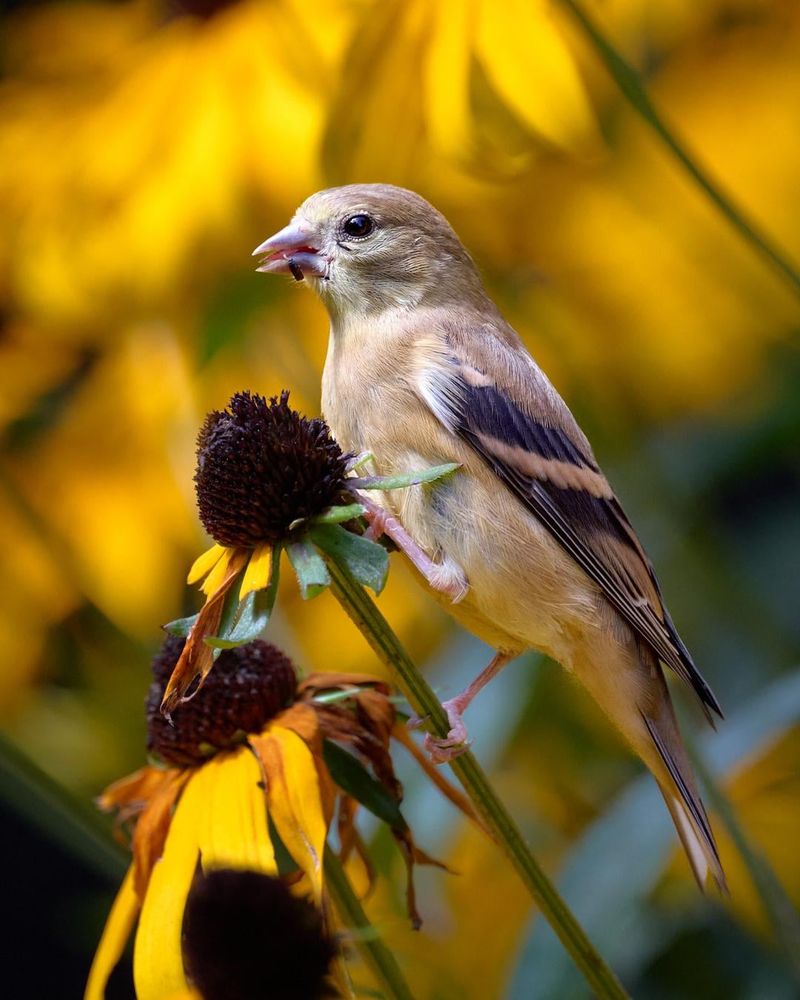
Cheerful golden petals surrounding dark chocolate centers make this wildflower a garden superstar.
American goldfinches adore the seed heads that form after the blooms fade in late summer.
Instead of deadheading spent flowers, leave them standing so birds can feast on the nutritious seeds throughout fall.
Black-Eyed Susans spread readily and fill garden spaces with color from June through September.
They tolerate drought conditions well, making them perfect for busy gardeners who forget to water regularly.
The plants reach about two feet tall and work beautifully in borders, meadow gardens, or naturalized areas.
Pollinators visit the blooms during summer, while seed-eating birds take over in autumn.
You can start them from seed or purchase young plants at most Michigan garden centers.
Space them about 18 inches apart for a full, natural look.
They prefer full sun but tolerate partial shade, though flowering may decrease slightly.
Chickadees and juncos also nibble on the seeds during their winter foraging trips.
Pair them with other native wildflowers for a diverse bird buffet that lasts multiple seasons.
Your Michigan Garden Changes Every Week. Your Plan Should Too.
Gardening in Michigan changes quickly throughout the season. Every Friday you’ll receive a simple weekly plan showing exactly what to plant, prune, fertilize, harvest, and protect so you never miss the right timing.
3. Serviceberry
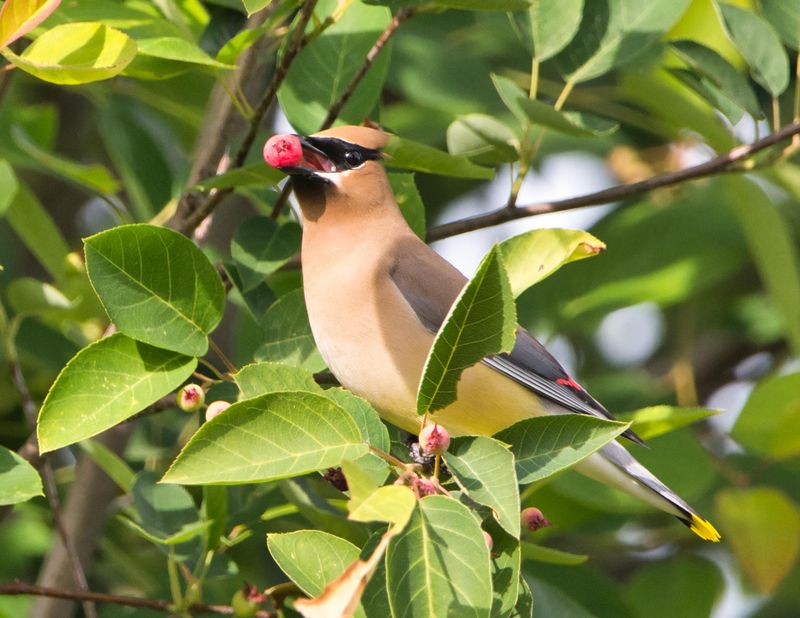
Few plants match the year-round appeal that Serviceberry brings to Michigan landscapes.
White blossoms appear in early spring, followed by sweet purple berries that ripen in June.
Over 40 bird species gobble up the fruit, including robins, catbirds, and tanagers.
The berries taste delicious to humans too, so you might find yourself competing with the birds for this treat.
Brilliant orange and red fall foliage adds stunning autumn color before leaves drop.
This native shrub grows 15-25 feet tall depending on the variety you choose.
It adapts to various soil conditions but prefers moist, well-drained spots with morning sun.
The multi-stemmed growth habit creates natural nesting sites for smaller songbirds.
Plant several together to increase berry production and create a bird-friendly thicket.
Downy Serviceberry varieties stay smaller and work well in compact yards.
The smooth gray bark adds winter interest after leaves have fallen.
Maintenance requirements stay low, with only occasional pruning needed to maintain shape and remove damaged branches.
4. Purple Coneflower
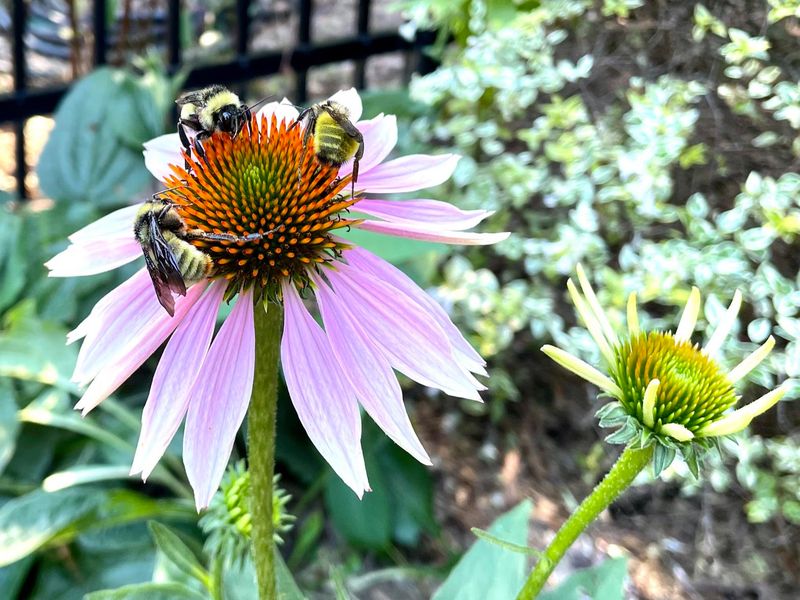
Bright pink-purple petals drooping around spiky orange centers create an unforgettable garden display.
Goldfinches perform acrobatic feats while balancing on the cone-shaped seed heads from August through winter.
Butterflies and bees visit the summer blooms, then songbirds take over when seeds mature.
Purple Coneflower ranks among the toughest native perennials for Michigan gardens.
It laughs at drought, tolerates clay soil, and comes back stronger each year.
Plants reach 2-4 feet tall and spread slowly to form attractive clumps.
The sturdy stems stand upright even under heavy snow, providing winter food sources when birds need them most.
You can collect seeds in fall to start new plants or share with fellow bird enthusiasts.
Space plants 18-24 inches apart in full sun for maximum flowering.
Avoid cutting back the seed heads until spring so finches and sparrows can continue feeding.
The roots have medicinal properties, though you should leave them for the birds to enjoy.
Pair with other prairie natives like Black-Eyed Susans for a low-maintenance bird paradise.
5. Winterberry Holly
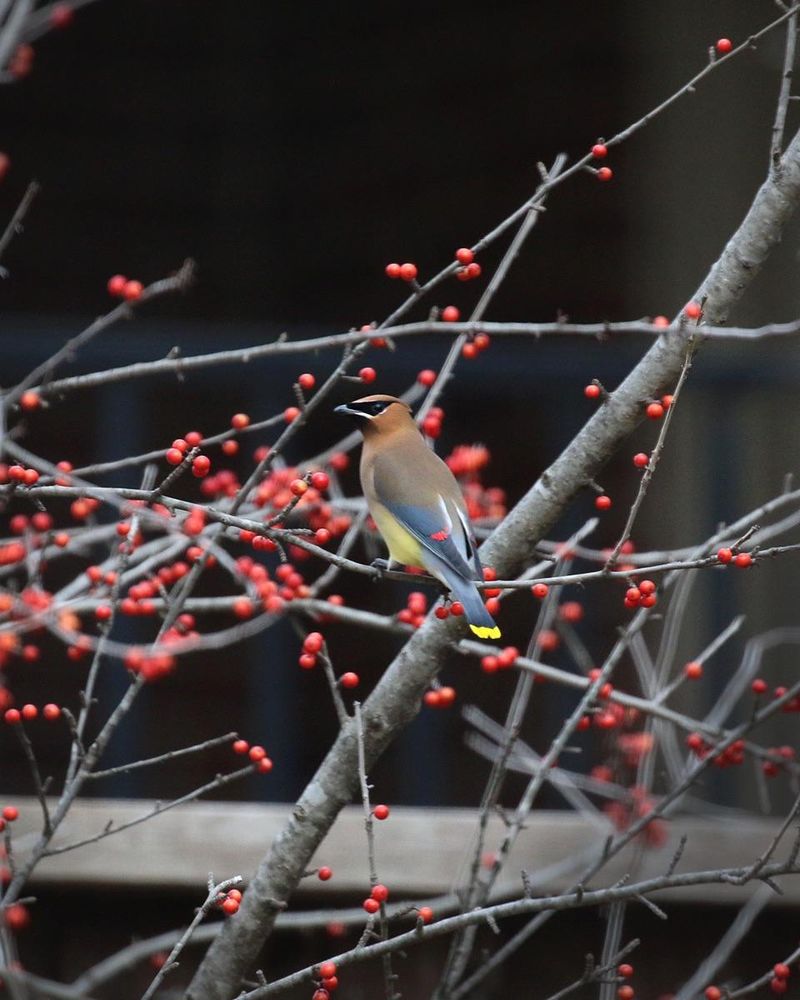
Imagine branches absolutely loaded with glossy red berries against a snowy Michigan backdrop.
Winterberry Holly delivers exactly that spectacular sight from November through February.
Robins, bluebirds, and mockingbirds devour the bright fruit during cold months when other food sources vanish.
You need both male and female plants for berry production, with one male pollinating several females.
The deciduous leaves drop in fall, leaving the brilliant berries as the star attraction.
This native holly thrives in wet areas where other shrubs struggle, making it perfect for low spots in your yard.
Plants grow 6-10 feet tall and equally wide, creating substantial screening and bird habitat.
The berries persist on branches until hungry birds finally strip them bare, usually by late winter.
Plant in full sun to partial shade for best berry production.
Spring flowers attract early pollinators, but they remain small and inconspicuous.
Prune in late winter if needed, removing only damaged or crossing branches.
The shrub tolerates acidic soil and actually prefers moist conditions that would rot many other plants.
6. Oak Trees
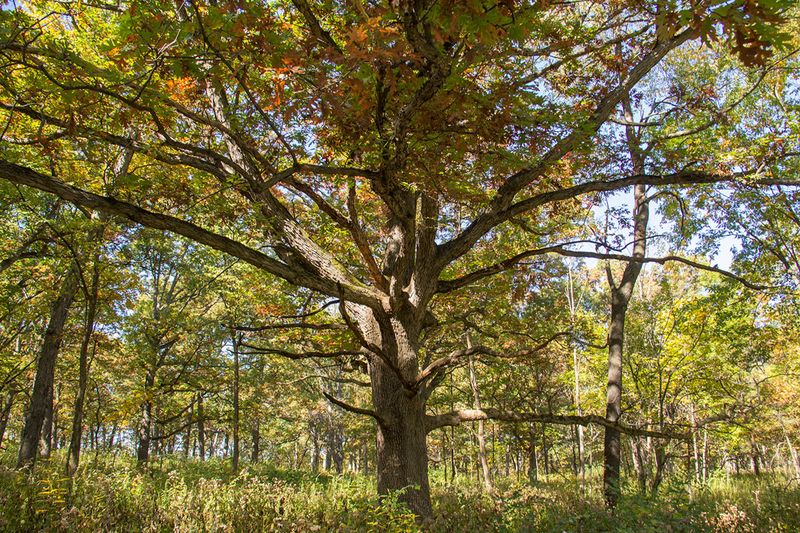
Planting an oak tree means thinking about future generations of both birds and people.
Blue jays cache acorns for winter food, inadvertently planting new oak trees across the landscape.
Woodpeckers, nuthatches, and titmice probe the bark for insects that live in the deep crevices.
Caterpillars that munch oak leaves in spring provide essential protein for nesting songbirds feeding their babies.
Scientists have documented over 500 caterpillar species that depend on oak trees.
Red Oak and White Oak both grow well throughout Michigan and support tremendous wildlife diversity.
Young trees grow slowly but accelerate after establishing strong root systems.
A mature oak can drop thousands of acorns in a good mast year, feeding countless birds and mammals.
The dense canopy provides excellent shelter and numerous nesting sites.
Warblers, vireos, and tanagers hunt for caterpillars among the branches during migration.
Plant in a spacious area where the tree can reach its full magnificent size.
Oaks prefer well-drained soil and full sun exposure for optimal growth and acorn production.
7. Wild Bergamot
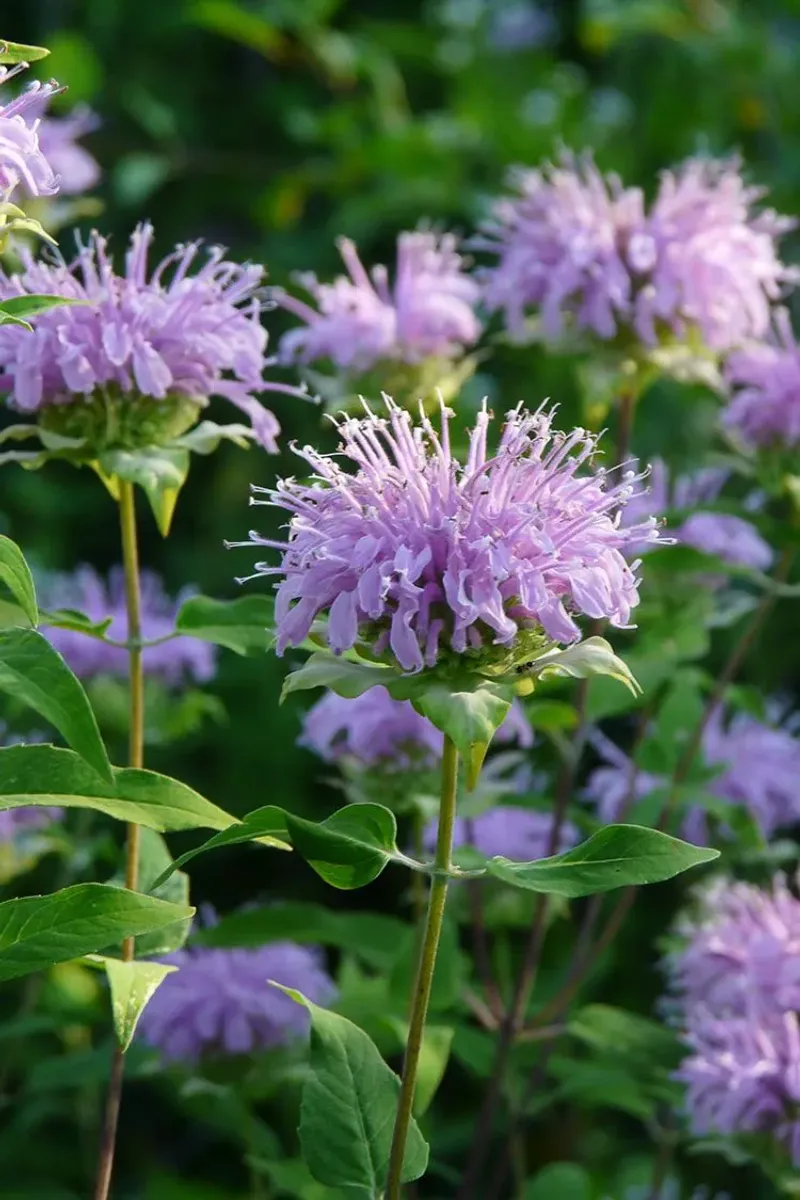
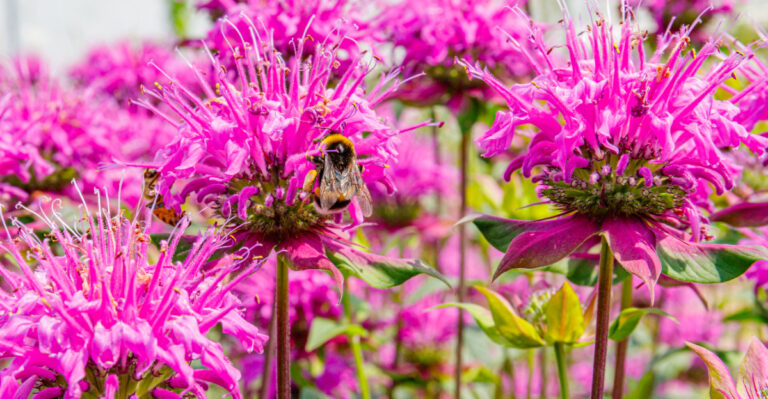
Lavender flower clusters release a minty fragrance that fills summer gardens with delightful scent.
Hummingbirds zip between the tubular blooms from July through September, refueling on sweet nectar.
After flowers fade, goldfinches and sparrows pick apart the seed heads for nutritious meals.
Wild Bergamot spreads through underground rhizomes to form attractive colonies in sunny spots.
The square stems and aromatic leaves identify it as a member of the mint family.
Native Americans brewed the leaves for tea, giving it the alternate name Oswego Tea.
Plants reach 2-4 feet tall and prefer dry to medium soil moisture.
It tolerates clay soil better than many garden perennials, making it ideal for challenging Michigan yards.
Powdery mildew sometimes affects the leaves in humid conditions, but this rarely harms the plant seriously.
Space plants about 18 inches apart and thin colonies every few years to maintain vigor.
The flowers also attract numerous butterfly species, adding even more movement and color to your garden.
Leave the dried seed heads standing through winter to provide ongoing food sources for resident birds.
8. Staghorn Sumac
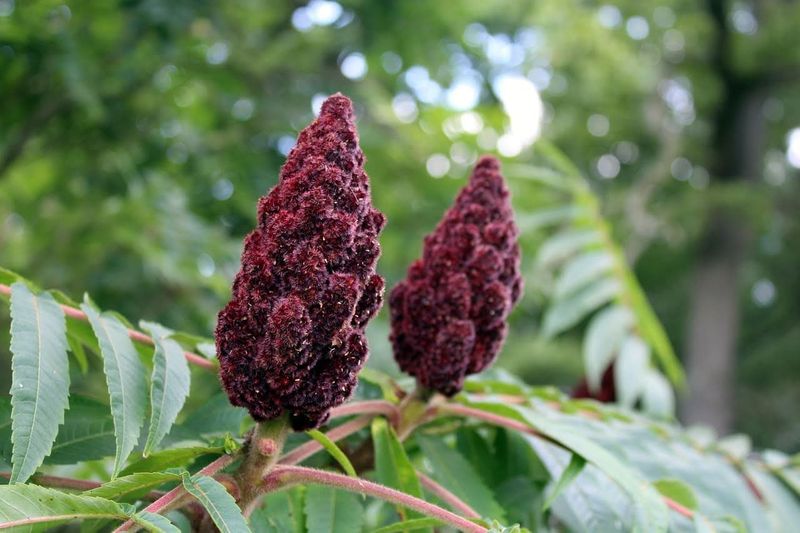
Fuzzy red berry clusters stand upright like candles on this distinctive native shrub.
The fruit persists through winter, offering emergency rations when blizzards bury other food sources.
Bluebirds, cardinals, and catbirds eventually consume the tart berries, though they prefer tastier options first.
Staghorn Sumac spreads aggressively through root suckers, forming dense colonies that provide excellent bird cover.
The compound leaves turn brilliant shades of orange, red, and purple each autumn.
Velvety branches resemble deer antlers in velvet, inspiring the common name.
This tough shrub grows in poor, dry soil where pampered garden plants fail miserably.
It reaches 15-25 feet tall and works well for erosion control on slopes.
Male and female flowers grow on separate plants, so you need both for berry production.
The dense thickets offer safe nesting sites for brown thrashers and towhees.
Plant in areas where spreading growth won’t invade other garden beds.
Full sun produces the best fall color and most abundant berry clusters for your feathered visitors.
9. Sunflowers
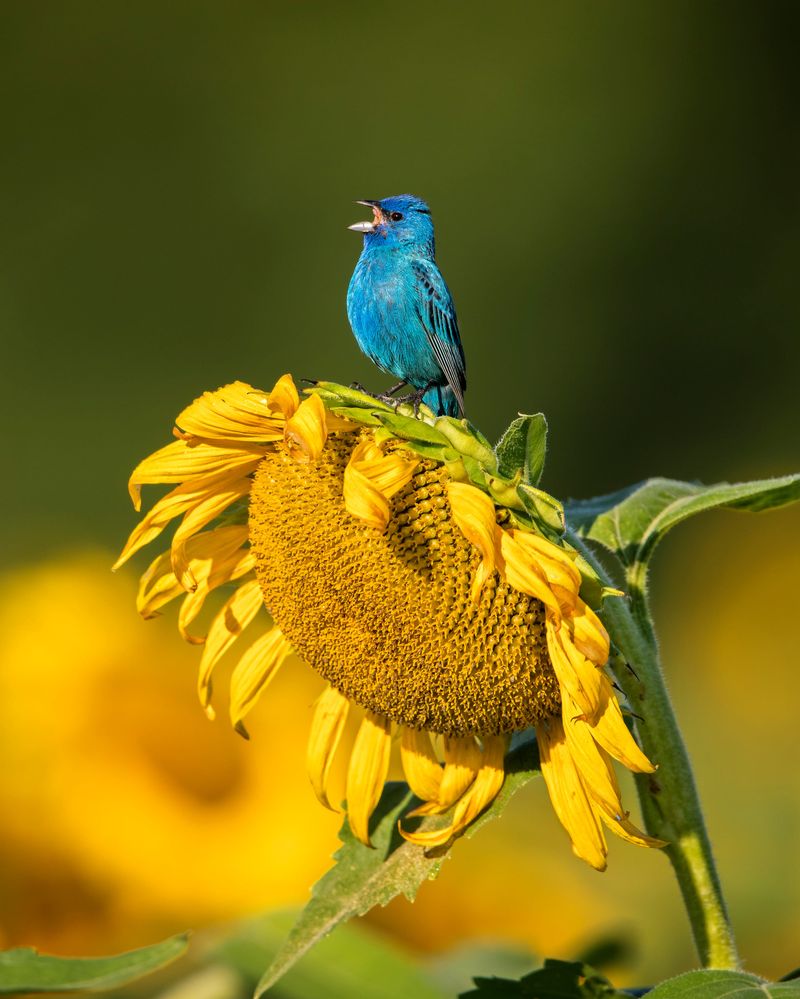
Giant golden faces track the sun across the sky, then bow their heads when heavy with seeds.
Chickadees, nuthatches, and finches perform aerial gymnastics while extracting nutritious sunflower seeds.
A single large sunflower head can contain over 1,000 seeds, providing weeks of bird entertainment.
Plant seeds directly in the garden after frost danger passes in late May.
Choose varieties ranging from 3-foot dwarfs to 12-foot giants depending on your space.
The sturdy stalks need full sun and decent soil but tolerate less-than-perfect conditions.
Space plants 12-24 inches apart to allow good air circulation and prevent disease.
You can harvest some seeds for yourself and leave others for the birds to discover.
Woodpeckers sometimes cling to the large seed heads, pecking out their favorites.
Annual sunflowers complete their life cycle in one season, so you need to replant each spring.
The massive blooms attract bees and butterflies before transforming into bird feeders.
Cut the dried heads and hang them near windows for close-up bird watching opportunities during winter months.
10. Elderberry

Flat-topped clusters of creamy white flowers transform into drooping bunches of dark purple berries by August.
Over 45 bird species feast on elderberries, including waxwings, thrushes, and grosbeaks.
The fruit ripens all at once, creating a brief but intense feeding frenzy among local bird populations.
Humans can harvest elderberries for jams, pies, and wine if birds leave any behind.
This fast-growing native shrub reaches 8-12 feet tall and spreads through root suckers.
It prefers moist soil and tolerates wet areas that challenge other fruiting shrubs.
The compound leaves emerge early in spring, providing quick screening and privacy.
Prune out old canes every few years to maintain vigorous growth and maximum fruit production.
Plant in full sun to partial shade, though berry production decreases in heavy shade.
The flowers attract numerous pollinating insects in June before developing into the bird-attracting fruit.
Space plants 6-10 feet apart to create a productive hedgerow that birds will visit repeatedly.
Raw berries contain compounds that upset human stomachs, but cooking neutralizes them completely for safe consumption.