10 Plants That Give Birds Food And Nutrients In Ohio
Ohio landscapes offer more than curb appeal and shade.
They serve as quiet diners for birds that need fuel through heat, frost, and storm.
A smart plant choice turns yards, fields, and edges into rich pantries packed with seed, fruit, and insects.
When native plants take root, birds find protein for young, fat for cold nights, and shelter from harm.
Cardinals, bluebirds, and wrens respond fast, since food drives every move.
Skip bare lawns and empty hedges that pull no weight.
The right greenery pulls double duty, feeds wildlife and adds beauty that holds up all year.
Each one plays a role, from early blooms to winter berries.
Put these plants to work, and Ohio birds repay the favor with song, color, and steady presence that turns any outdoor space into a place.
1. Eastern Red Cedar
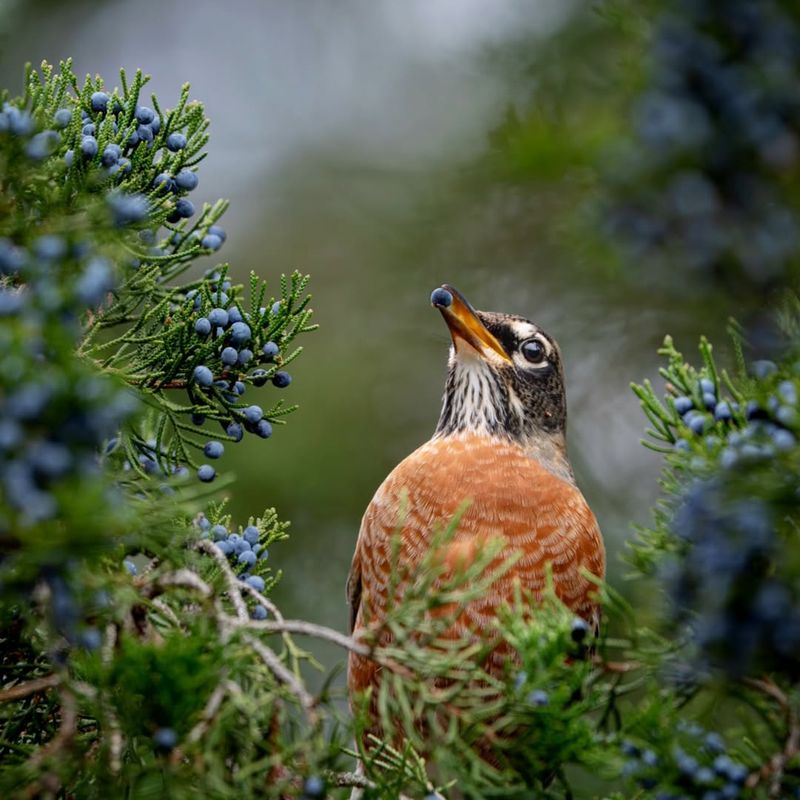
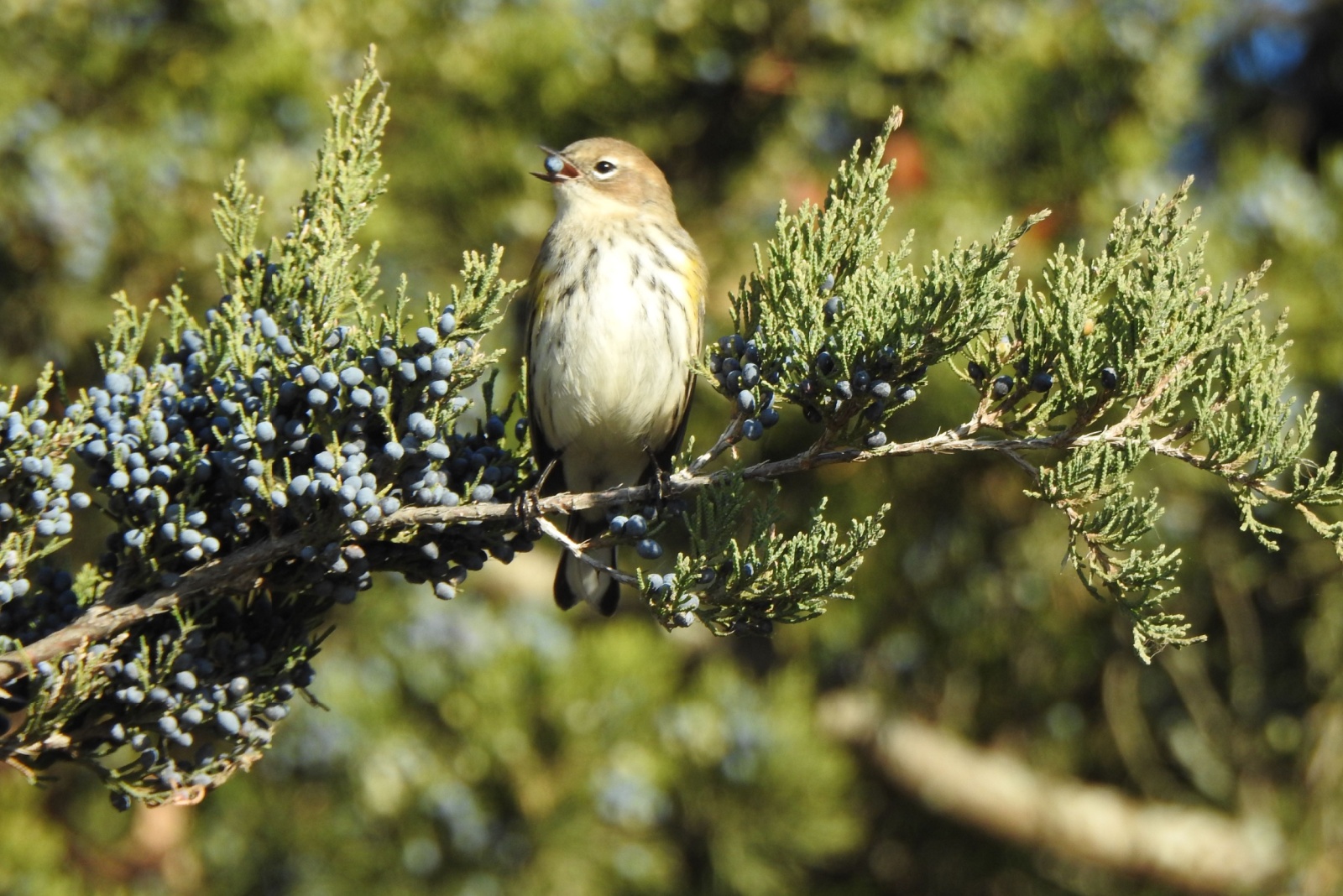
Waxwings and robins flock to this evergreen tree when winter winds blow across Ohio.
The small blue berries stay on the branches through the coldest months, offering a reliable food source when other options disappear.
Cedar waxwings earned their name partly because of their love for these berry-covered trees.
Beyond the berries, the dense foliage creates a cozy shelter where birds can hide from predators and harsh weather.
Juncos, sparrows, and finches often roost in the thick branches overnight.
Eastern red cedar grows well in poor soil and tolerates drought, making it a low-maintenance choice for Ohio yards.
The tree also supports moths and other insects that birds eat during warmer seasons.
Plant one in a sunny spot, and within a few years, you’ll notice increased bird activity.
Both male and female trees produce berries, though only females bear the fruit.
This native evergreen adds year-round color to your landscape while serving as a wildlife magnet.
Cardinals and mockingbirds also nibble the berries when food becomes scarce in late winter.
2. Black Cherry
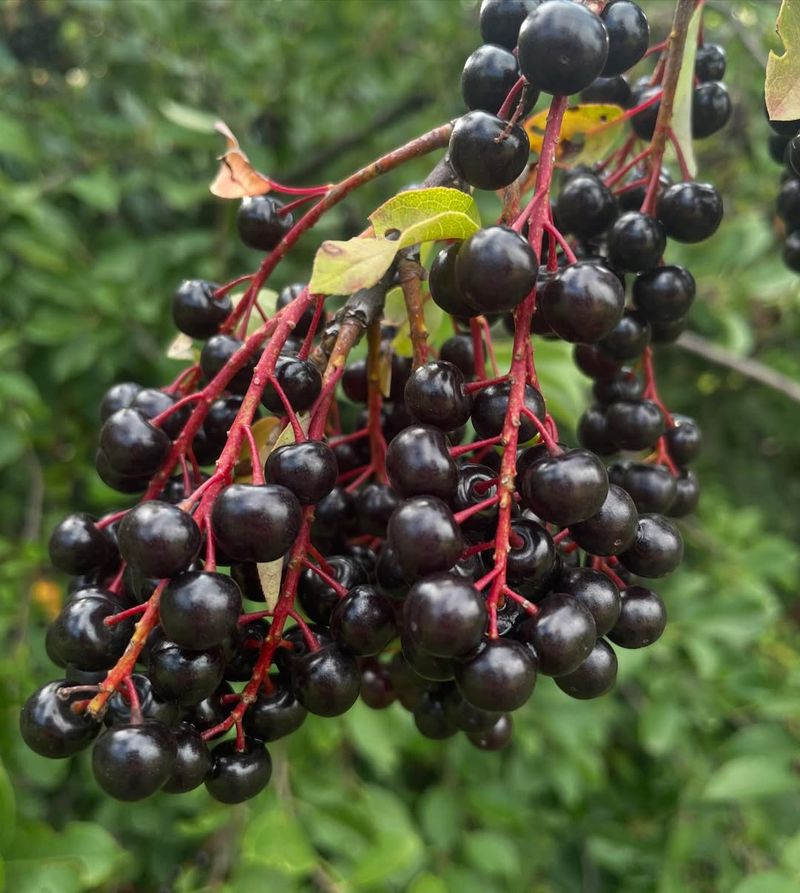
Robins go wild for the dark purple cherries that ripen on these tall trees each summer.
Black cherry trees produce clusters of small fruit that dozens of bird species find irresistible.
Thrushes, tanagers, and grosbeaks all visit to feast on the sweet, juicy cherries.
The fruit ripens in July and August, providing a critical food source during the nesting season when parent birds need extra energy.
Woodpeckers also peck at the bark to find insects hiding underneath.
Black cherry grows quickly and can reach impressive heights, offering birds high perches to scan for food and danger.
The tree blooms with white flowers in spring, attracting pollinators that birds also eat.
Caterpillars munch on the leaves, and warblers hunt these protein-rich insects to feed their chicks.
Plant black cherry in well-drained soil with full sun for the best fruit production.
The cherries often disappear within days once they ripen, a sign of how much birds value this native Ohio tree.
Orioles and bluebirds join the feeding frenzy, making your yard a lively spot all summer long.
3. Serviceberry
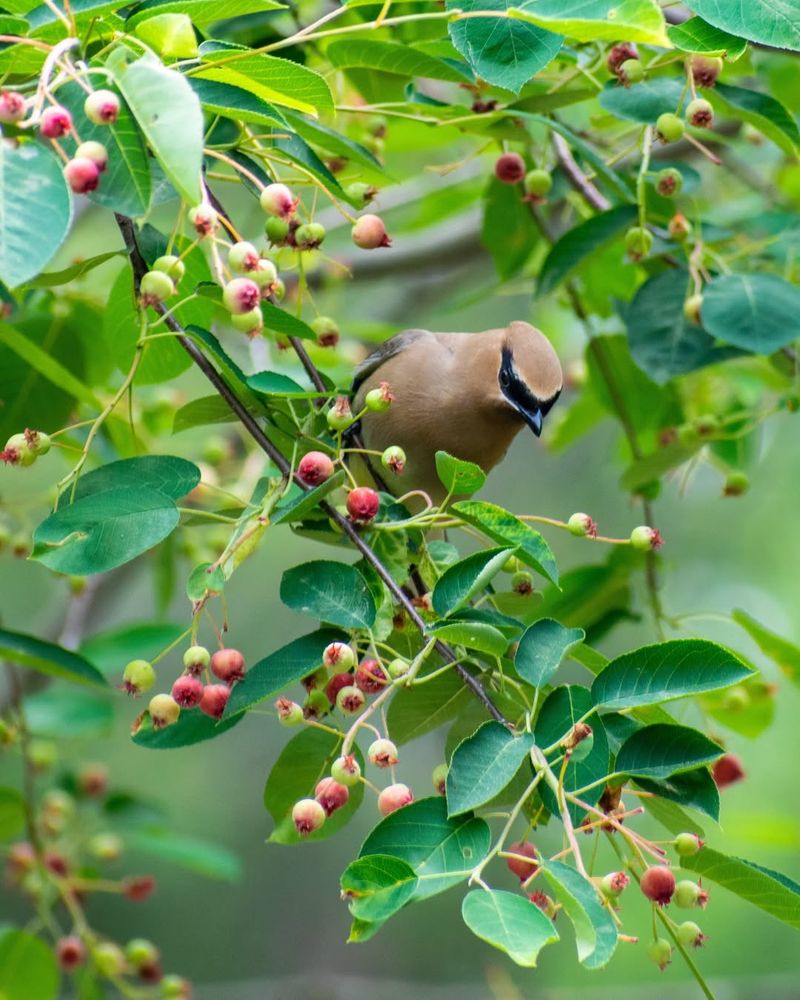
Few plants match the serviceberry’s ability to attract hungry birds in early summer.
Your Ohio Garden Changes Every Week. Your Plan Should Too.
Gardening in Ohio changes quickly throughout the season. Every Friday you’ll receive a simple weekly plan showing exactly what to plant, prune, fertilize, harvest, and protect so you never miss the right timing.
The small, sweet berries turn from red to deep purple as they ripen, and birds devour them almost instantly.
Catbirds, thrashers, and towhees all compete for the fruit, which tastes similar to blueberries.
Serviceberry blooms with delicate white flowers in spring, one of the first signs that warm weather has arrived in Ohio.
The flowers attract early insects, which warblers and flycatchers eagerly snap up.
This small tree or large shrub fits well in yards of any size, making it a versatile choice for bird lovers.
The berries ripen in June, right when many birds are raising their second broods and need extra nutrition.
Serviceberry also offers beautiful fall foliage in shades of orange and red, adding visual interest to your landscape.
Plant it in partial shade or full sun, and water regularly until the roots establish.
Cardinals and jays visit serviceberry bushes throughout the growing season, checking for ripe fruit.
The tree’s multi-season appeal makes it a top pick for anyone wanting to support Ohio’s bird population year-round.
4. Oak Trees
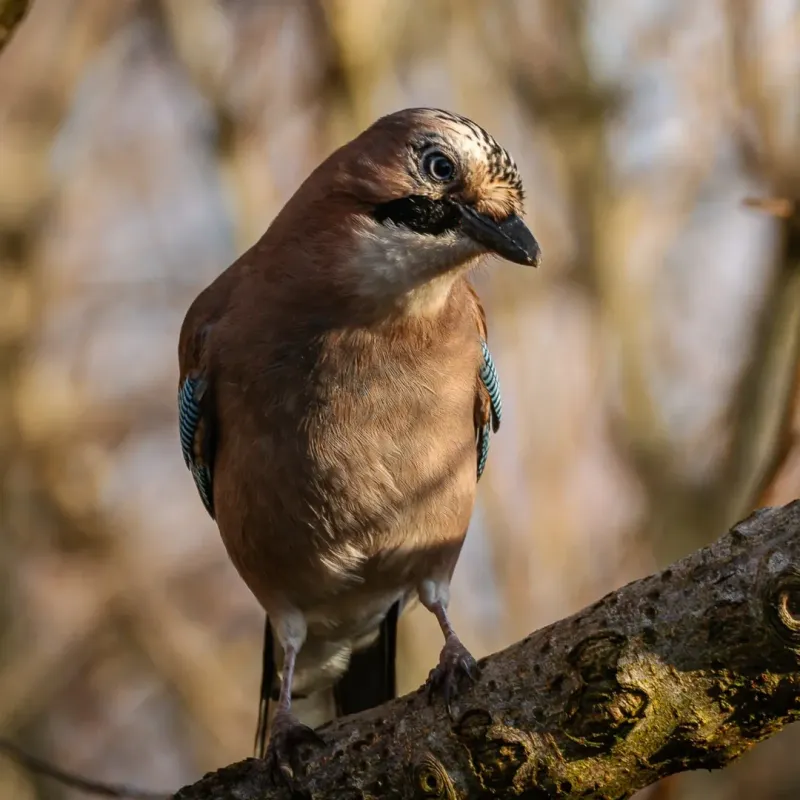
Acorns fuel the survival of countless birds during Ohio’s long, cold winters.
Blue jays stash acorns in cracks and crevices, creating hidden food stores they return to when snow covers the ground.
Woodpeckers wedge acorns into tree bark and hammer them open to reach the nutritious meat inside.
Turkeys, nuthatches, and titmice also rely on oak trees for their calorie-dense seeds.
Oak trees support more insect species than almost any other tree, and warblers, vireos, and chickadees hunt these bugs during spring and summer.
The dense canopy provides excellent nesting sites, and many birds raise their young in the safety of oak branches.
Different oak species produce acorns at different times, so planting several varieties extends the food supply.
White oaks and red oaks both grow well in Ohio and produce abundant crops of acorns every few years.
These majestic trees live for centuries, offering generations of birds a reliable food source.
Plant an oak in deep, well-drained soil with plenty of space for the roots to spread.
Your patience will pay off as the tree matures and becomes a hub of bird activity.
5. Elderberry
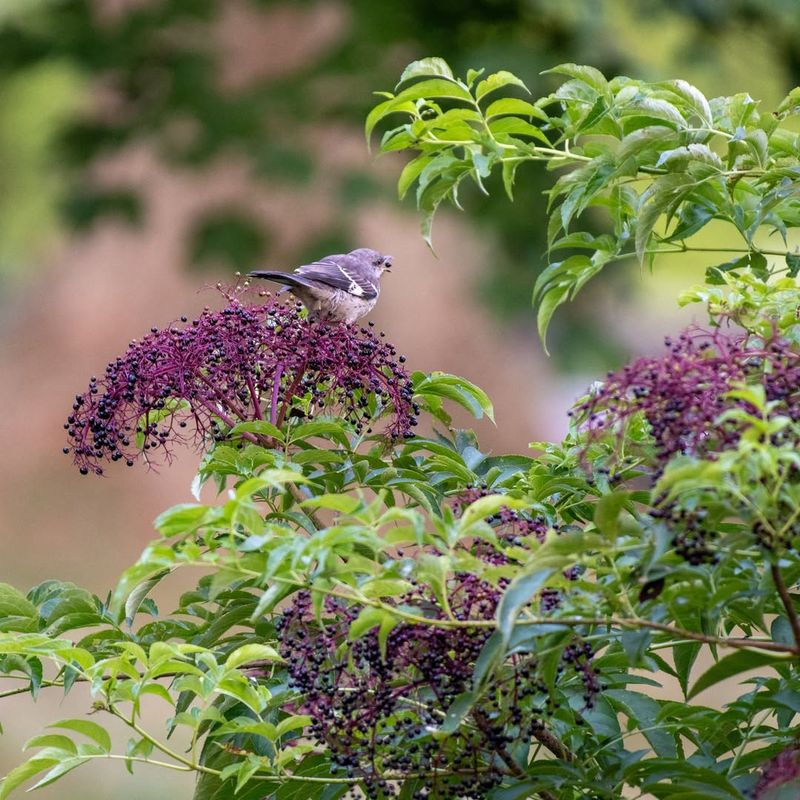
Clusters of dark purple elderberries hang heavy on the branches in late summer, and birds arrive in droves to feast.
Thrushes, waxwings, and grosbeaks all depend on elderberries for quick energy during migration.
The berries ripen in August and September, perfectly timed to fuel birds as they prepare for long journeys south.
Elderberry shrubs grow quickly and spread through suckers, forming dense thickets that birds use for cover.
The white flower clusters that bloom in June attract insects, which flycatchers and warblers hunt with precision.
Elderberry tolerates wet soil better than many other fruiting plants, making it ideal for low-lying areas in Ohio yards.
The shrub grows tall and can reach ten feet or more, providing vertical structure that birds appreciate.
Robins and bluebirds often perch on elderberry branches while scanning the ground for worms and insects.
Plant elderberry in full sun for the best berry production, and water during dry spells.
The shrub spreads easily, so give it room to expand or plan to prune it regularly.
Watching birds strip an elderberry bush clean in just a few days reminds you how valuable native plants are to wildlife.
6. Dogwood Trees
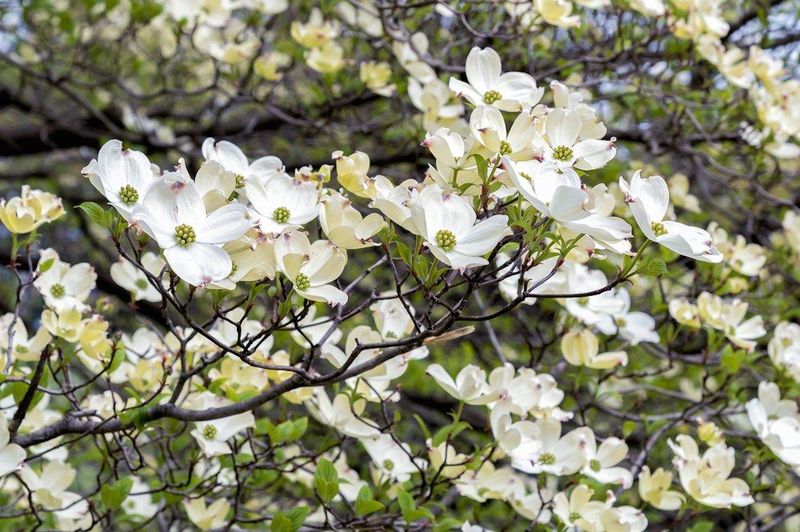
Bright red berries dangle from dogwood branches in fall, catching the eye of migrating birds.
Thrushes, woodpeckers, and cardinals all stop to refuel on these high-fat fruits before continuing their journeys.
Dogwood berries ripen in September and October, providing critical energy when birds need it most.
The berries contain more fat than many other fruits, making them especially valuable for birds preparing for migration or winter.
Dogwood trees bloom with showy white or pink flowers in spring, adding beauty to Ohio landscapes.
The flowers attract insects that warblers and vireos hunt during the breeding season.
Dogwoods grow as small understory trees, thriving in the dappled shade beneath taller oaks and maples.
Plant them in partial shade with rich, moist soil for the healthiest growth.
The trees also offer stunning fall color, with leaves turning deep red and purple before they drop.
Robins and bluebirds often linger near dogwoods in autumn, waiting for the berries to ripen fully.
Once the fruit is ready, birds strip the branches bare within days, a testament to the tree’s importance in the ecosystem.
7. Sumac
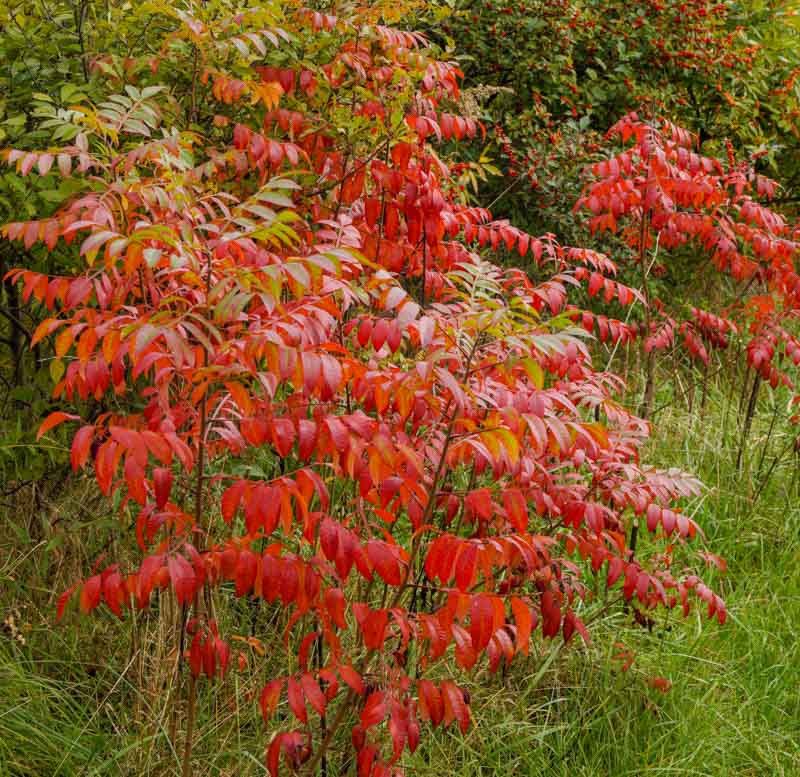
Cone-shaped clusters of fuzzy red berries persist on sumac branches all winter, offering birds a last-resort food source.
Bluebirds, robins, and starlings turn to sumac when snow and ice cover other food supplies.
The berries are tart and not as tasty as other fruits, so birds usually save them for the leanest months.
Sumac grows quickly and spreads through underground runners, forming colonies that provide excellent cover for ground-feeding birds.
Sparrows, juncos, and towhees forage beneath sumac thickets, protected from hawks and other predators.
The shrub’s compound leaves turn brilliant shades of orange and red in fall, adding drama to Ohio landscapes.
Sumac tolerates poor soil and drought, making it one of the toughest native plants you can grow.
Plant it in full sun along fences or property edges where it can spread without crowding other plants.
The berry clusters also provide nesting material for some birds, who use the fuzzy fibers to line their nests.
Woodpeckers occasionally visit sumac to hunt for insects in the bark and stems.
By late winter, the berry clusters may look weathered, but birds still pick at them when hunger strikes.
8. Wild Grape
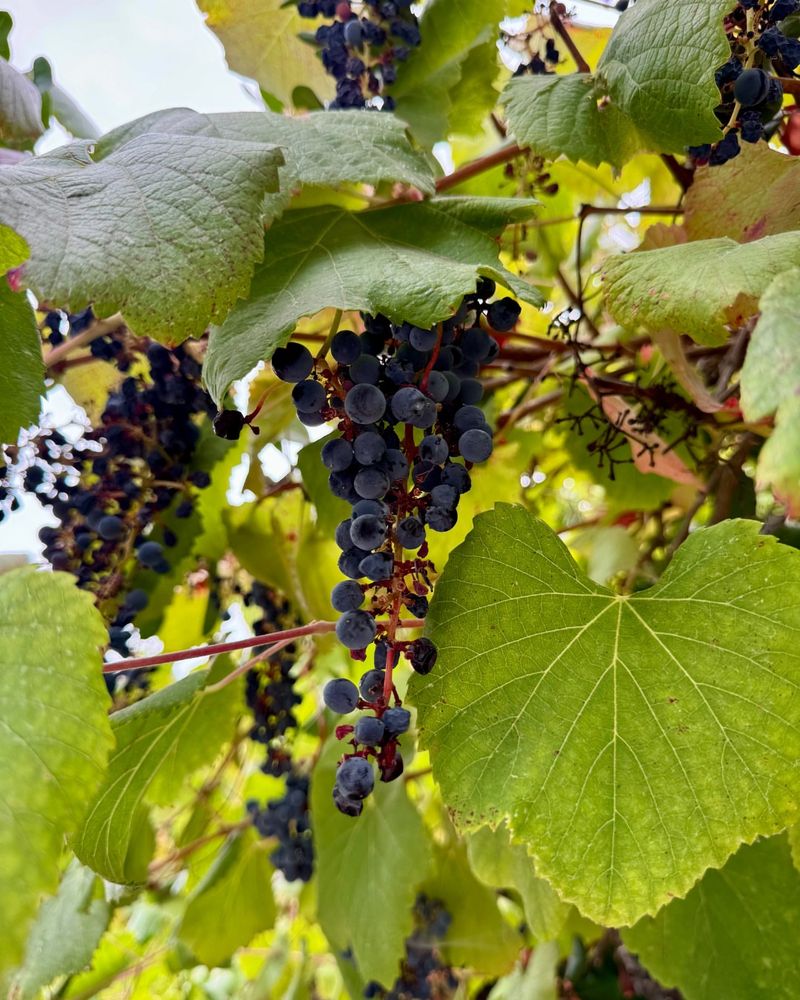
Tangled vines loaded with small purple grapes create a feeding frenzy among Ohio’s bird population each fall.
Catbirds, mockingbirds, and thrashers all gorge on wild grapes, fattening up before migration or winter.
The grapes ripen in late summer and early fall, hanging in loose clusters that birds can easily pluck.
Wild grape vines climb trees, fences, and arbors, creating vertical habitat that birds use for nesting and perching.
Warblers and vireos hunt insects among the leaves during spring and summer, finding caterpillars and spiders to feed their young.
The vines grow vigorously and can cover large areas, so plant them where they have room to spread.
Wild grapes provide more calories per berry than many cultivated varieties, making them especially valuable for birds.
Robins and bluebirds often strip entire vines of fruit within a week once the grapes ripen.
Plant wild grape in full sun with sturdy support for the vines to climb.
The plant tolerates a range of soil types and requires little maintenance once established.
Watching birds feast on wild grapes reminds you that native plants offer benefits no store-bought feeder can match.
9. Hawthorn
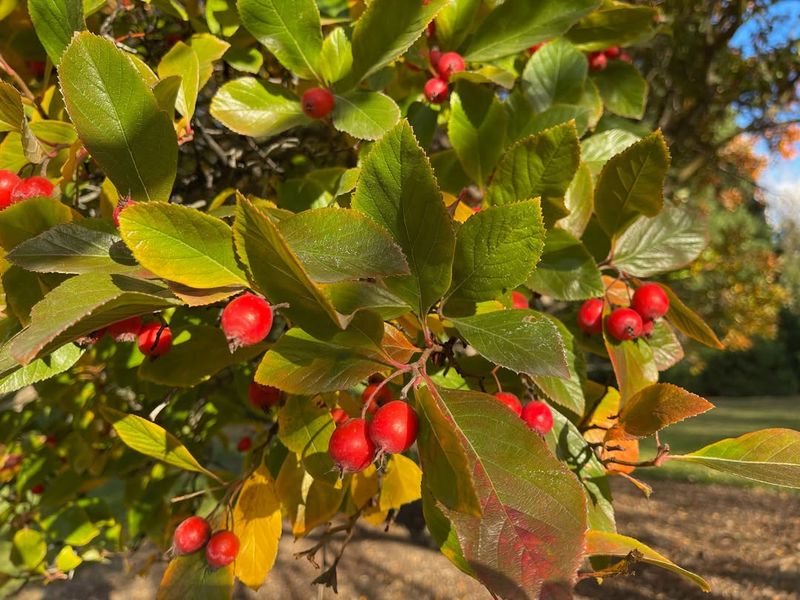
Sharp thorns line hawthorn branches, creating a fortress where small birds can hide from predators while feasting on red berries.
Waxwings, robins, and mockingbirds all seek out hawthorn trees in fall and winter for the abundant fruit.
The berries, called haws, persist on the tree well into winter, providing food when other sources run low.
Hawthorn blooms with white flowers in spring, attracting insects that flycatchers and warblers hunt eagerly.
The dense, thorny branches also make excellent nesting sites, protecting eggs and chicks from snakes and cats.
Hawthorn trees grow slowly but live for decades, becoming more valuable to birds with each passing year.
Plant hawthorn in full sun with well-drained soil, and be patient as the tree establishes itself.
The thorns can be intimidating, but they’re part of what makes hawthorn so valuable for wildlife.
Cardinals and blue jays often perch in hawthorn branches, using the thorns as protection while they rest.
The tree’s fall color ranges from orange to deep red, adding seasonal beauty to your yard.
Watching birds navigate the thorny branches to reach the berries is a reminder of nature’s clever adaptations.
10. Crabapple
Small, colorful fruits cling to crabapple branches through fall and winter, offering birds a sweet treat when they need it most.
Waxwings, thrushes, and robins all visit crabapple trees regularly, pecking at the fruit until nothing remains.
The apples vary in size and color depending on the variety, but all provide valuable nutrition for birds
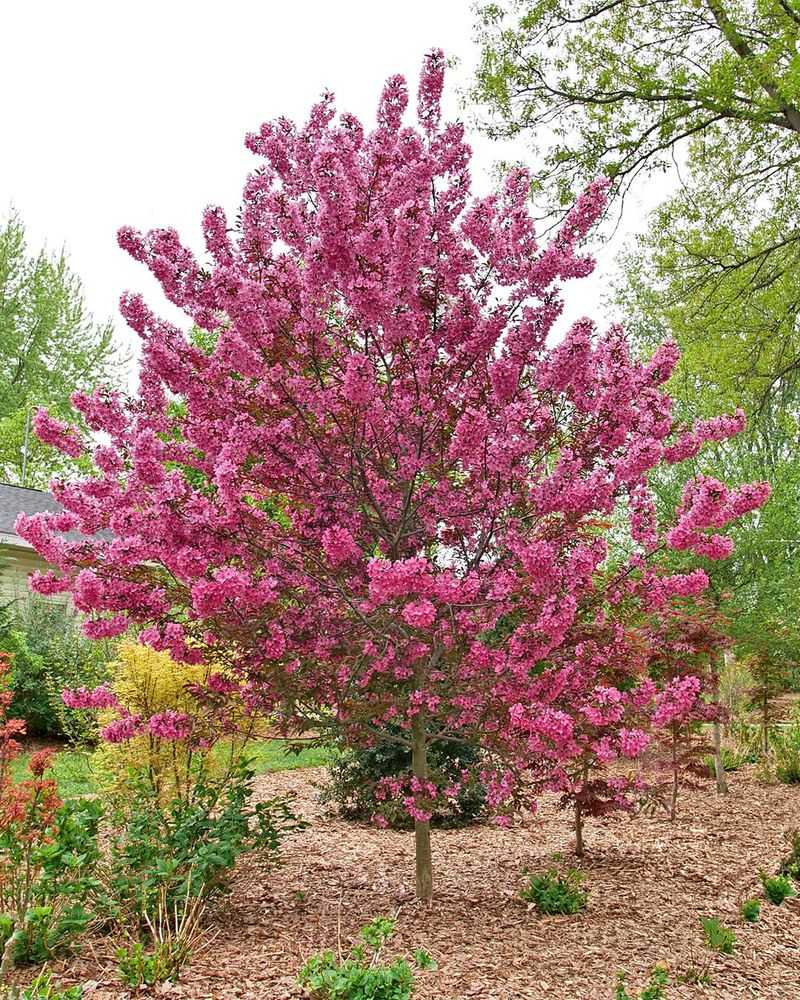
Crabapple trees bloom with stunning pink or white flowers in spring, transforming Ohio yards into fragrant showcases.
The flowers attract pollinators, which in turn attract insect-eating birds like warblers and chickadees.
Choose varieties with persistent fruit that stays on the tree into winter for maximum bird benefit.
Some crabapples drop their fruit early, which is less useful for birds during the coldest months.
Plant crabapple in full sun with well-drained soil, and prune lightly to maintain an open canopy.
The tree’s compact size makes it ideal for smaller yards where space is limited.
Bluebirds and mockingbirds often defend crabapple trees as their personal feeding territory, chasing away competitors.
Watching birds feast on crabapples reminds you that even small trees can make a big difference for wildlife.