7 Important Gardening Jobs To Finish Before Winter In Michigan
Michigan gardens may look quiet as fall fades, but there is still work to be done before winter shuts the door.
Skipping these final tasks can come back to bite once snow piles up and cold digs in.
A little effort now can save a world of trouble when spring rolls around.
As temperatures drop, soil, plants, and tools all need attention.
Clearing spent plants keeps pests from setting up camp.
Cutting back the right perennials helps protect roots without leaving them exposed.
Adding mulch acts like a warm blanket, locking in moisture and guarding against freeze and thaw cycles that can heave plants right out of the ground.
This is also the time to think ahead.
Draining hoses, cleaning tools, and storing equipment properly prevents rust and cracks that show up later.
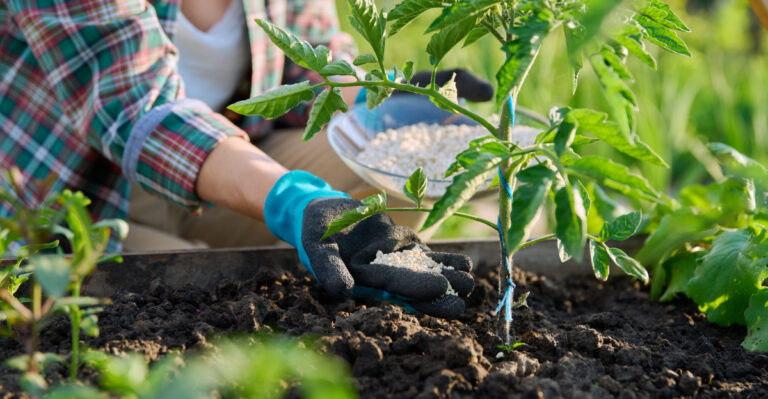
Even feeding the soil with compost gives gardens a head start for next year.
These jobs may not be glamorous, but they pull their weight.
Like tightening loose ends before a long trip, wrapping up garden chores now brings peace of mind.
When winter finally arrives in full force, you can rest easy knowing your Michigan garden is buttoned up and ready to weather the storm.
1. Mulch Your Perennial Beds And Shrubs
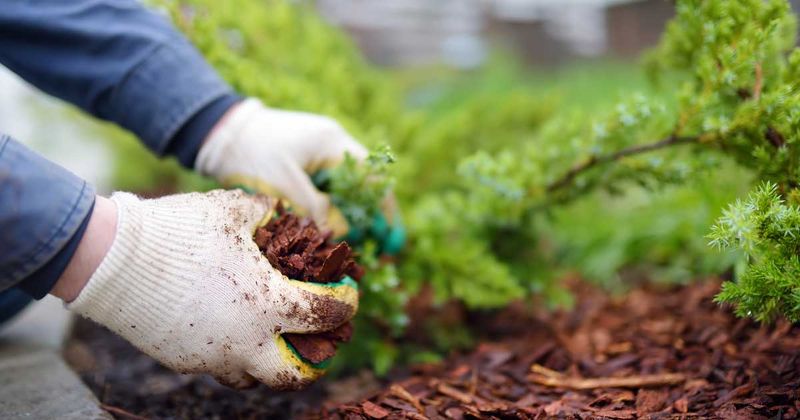
Protecting your perennials and shrubs with a good layer of mulch ranks among the smartest moves you can make before Michigan’s brutal winter sets in.
Mulch acts like a cozy blanket for plant roots, keeping soil temperatures more stable even when the air above freezes solid.
Without this protection, the repeated freeze-thaw cycles common in Michigan can heave plants right out of the ground, exposing tender roots to damaging cold.
Wait until the ground has experienced a few hard frosts before applying your winter mulch.
Putting it down too early can actually keep the soil warm longer, encouraging rodents to nest and delaying the natural hardening-off process plants need.
Once temperatures consistently hover near freezing, spread a three to four inch layer of shredded bark, wood chips, or straw around your plants.
Focus especially on newly planted perennials and shrubs that haven’t established deep root systems yet.
These younger plants are most vulnerable to winter damage in Michigan’s climate.
Pull mulch away from direct contact with plant stems and tree trunks to prevent rot and discourage mice from gnawing on bark during winter months.
Organic mulches break down over time, enriching your soil with nutrients and improving its structure for better drainage come spring.
This means you’re not just protecting plants now but also building healthier soil for future growing seasons.
Michigan gardeners who mulch faithfully often notice their perennials emerge stronger and bloom more vigorously after a well-protected winter rest.
2. Clean Up Garden Debris And Dead Plant Material
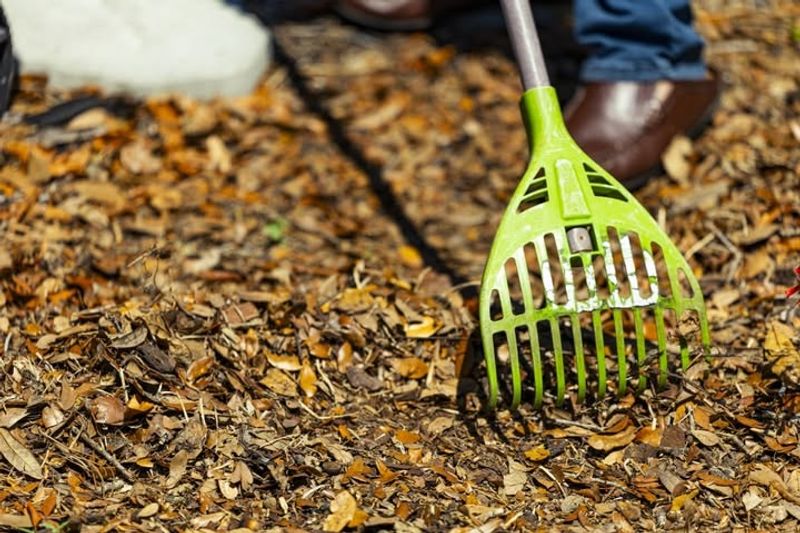
Garden cleanup might not seem glamorous, but it’s one of the most important jobs for preventing problems next year.
Dead leaves, spent annual plants, and decaying vegetable matter create perfect hiding spots for insects, diseases, and fungal spores that can overwinter and attack your garden when warm weather returns.
Your Michigan Garden Changes Every Week. Your Plan Should Too.
Gardening in Michigan changes quickly throughout the season. Every Friday you’ll receive a simple weekly plan showing exactly what to plant, prune, fertilize, harvest, and protect so you never miss the right timing.
Michigan’s damp autumn weather accelerates decay, making garden debris even more problematic if left in place.
Start by removing all annual plants that have finished their growing season.
Pull up vegetable plants, spent flowers, and any diseased foliage you notice in your beds.
Don’t compost anything that shows signs of disease or pest infestation, as home compost piles rarely get hot enough to eliminate these problems completely.
Rake up fallen leaves from garden beds, though you can leave some in natural areas to provide habitat for beneficial insects.
A thick layer of wet leaves can smother perennials and create conditions for fungal diseases to develop over winter.
Many Michigan gardeners run their lawn mower over leaves to shred them, then use the pieces as mulch or add them to compost bins where they’ll break down faster.
Cut back perennials that turn mushy after frost, but consider leaving ornamental grasses and seed heads that provide winter interest and food for birds.
Remove any fruit that has fallen from trees, as rotting apples and pears attract pests and harbor diseases.
A thorough fall cleanup makes spring gardening much easier and helps ensure your Michigan garden starts the new growing season on a healthy note.
3. Protect Sensitive Plants And Young Trees
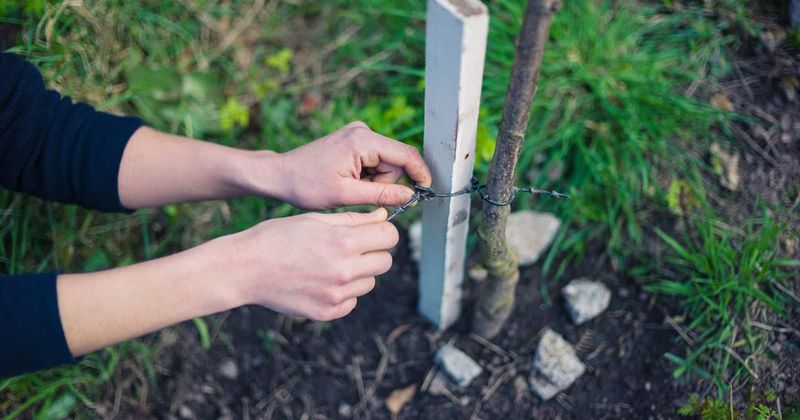
Young trees and tender plants face serious challenges during their first few Michigan winters.
Their bark is thin, their root systems shallow, and they haven’t developed the natural defenses that mature plants possess.
Taking steps to shield these vulnerable plants from harsh winds, heavy snow, and extreme cold can mean the difference between thriving survivors and disappointing losses come spring.
Wrap the trunks of young fruit trees and ornamentals with tree wrap or light-colored plastic guards to prevent sunscald and frost cracks.
These problems occur when winter sun warms bark during the day, then temperatures plummet at night, causing the bark to split.
Wrap from the ground up to the first branches, overlapping as you go, and remove the protection in early spring before growth begins.
Evergreens like arborvitae, boxwood, and yews benefit from burlap screens that block drying winter winds without trapping moisture against foliage.
Michigan’s winter winds can desiccate evergreen needles and leaves faster than frozen roots can replace moisture, leading to brown, damaged foliage by spring.
Create a simple windbreak by driving stakes around plants and stapling burlap to form a protective barrier on the windward side.
Tender roses, especially hybrid teas and floribundas, need extra protection in Michigan’s climate.
Mound soil or mulch around the base of rose bushes to protect the graft union, or consider using rose cones for particularly valuable plants.
Container plants should be moved to protected locations like unheated garages or buried in the ground, as roots in pots are far more vulnerable to freezing than those planted directly in garden soil.
4. Drain And Store Garden Hoses And Irrigation Systems
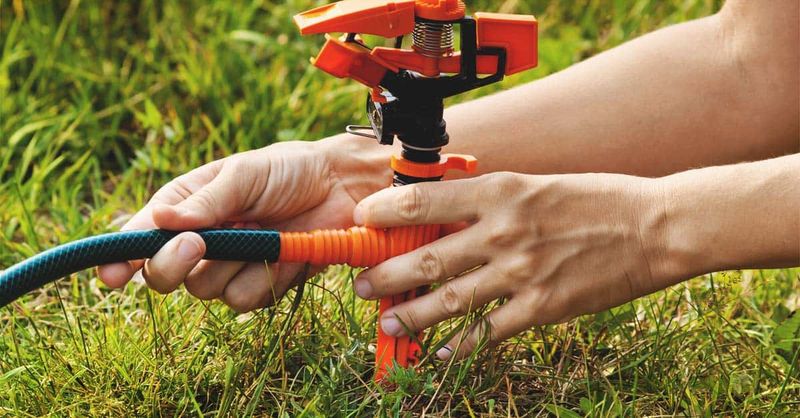
Water left in hoses, sprinkler systems, and outdoor faucets can freeze solid during Michigan winters, causing expensive damage that won’t show up until you try to use them again in spring.
Frozen water expands with tremendous force, cracking pipes, splitting hose connections, and rupturing sprinkler heads.
Spending an hour or two properly winterizing your watering equipment now saves hundreds of dollars in replacement costs and spring frustration.
Disconnect all garden hoses from outdoor faucets and drain them completely by stretching them out on a slope or coiling them to force water out.
Even small amounts of trapped water can cause problems when temperatures drop below freezing.
Once drained, store hoses in a garage, shed, or basement where they won’t be exposed to extreme cold and UV damage from winter sun.
Shut off water to outdoor faucets from inside your home if you have shut-off valves, then open the outdoor faucets to drain any remaining water.
Install insulated faucet covers on outdoor spigots for extra protection against Michigan’s coldest nights.
These inexpensive foam covers can prevent frozen pipes in exterior walls, which can lead to indoor flooding when they eventually thaw.
In-ground irrigation systems require professional winterization or careful DIY attention.
Use an air compressor to blow out all water from underground pipes, working through each zone systematically.
Michigan’s frost line extends deep into the ground, and irrigation pipes are usually buried well above this depth, making them vulnerable to freezing.
Many gardeners hire professionals for this task, as improper winterization can damage expensive irrigation components and create big headaches when it’s time to start watering again next spring.
5. Plant Spring-Blooming Bulbs Before The Ground Freezes
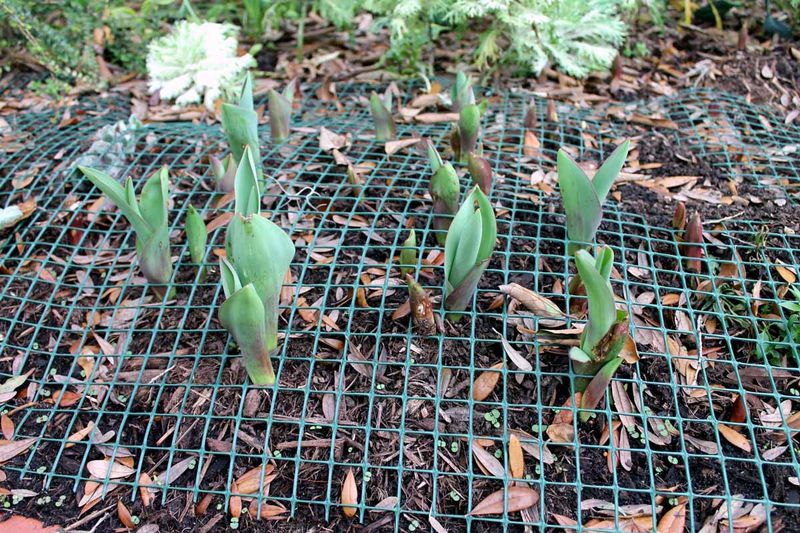
Nothing announces spring’s arrival quite like colorful tulips, cheerful daffodils, and delicate crocuses pushing through lingering snow.
Getting these bulbs into the ground before winter is essential because they need a cold period to develop properly.
Michigan’s climate provides perfect conditions for spring bulbs, but timing matters tremendously when it comes to planting success.
Aim to plant bulbs about six weeks before the ground freezes hard, which typically falls in October or early November across most of Michigan.
The bulbs need time to establish some root growth before winter sets in, but you don’t want them sprouting leaves too early.
Planting too soon can result in premature growth that gets damaged by frost, while waiting too long means bulbs go into frozen ground without developing any roots at all.
Choose a planting site with good drainage, as bulbs sitting in wet soil over winter often rot before they can bloom.
Plant bulbs at a depth about three times their height, with the pointed end facing up.
Group bulbs in clusters rather than straight lines for a more natural look that creates bigger visual impact when they bloom.
Michigan gardeners often plant bulbs in layers, with larger tulips and daffodils deeper and smaller crocuses and grape hyacinths closer to the surface.
After planting, water the area thoroughly to help settle soil around bulbs and encourage root development.
Add a light layer of mulch to moderate soil temperatures and discourage digging from squirrels, which love to snack on freshly planted bulbs.
Consider planting daffodils and alliums, which rodents generally avoid, if you’ve had problems with bulb theft in previous years.
6. Fertilize And Prepare Your Lawn For Winter
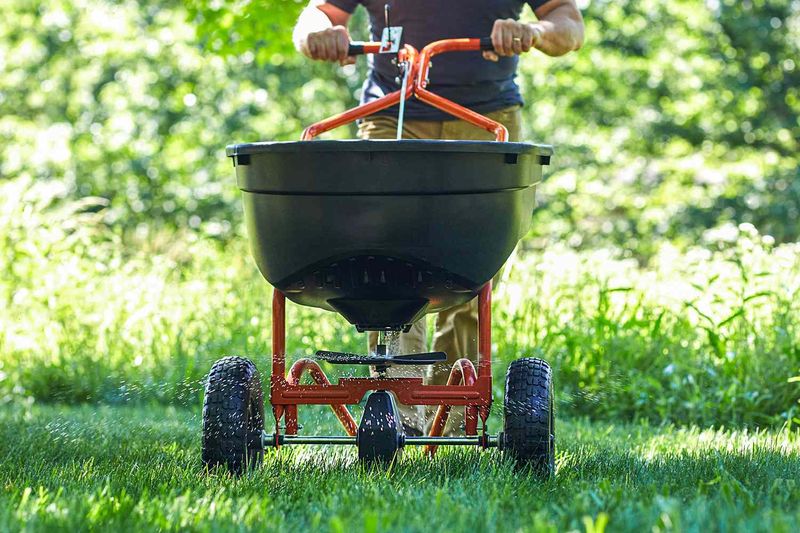
Your lawn might look like it’s shutting down for winter, but roots continue growing well after the grass blades stop.
Applying the right fertilizer in late fall gives Michigan lawns a significant advantage, strengthening root systems that support thick, healthy growth when spring arrives.
This final feeding of the season is often called winterizing fertilizer, and it’s specifically formulated to prepare grass for the challenges ahead.
Look for a fertilizer high in potassium, which helps grass plants withstand cold stress, disease, and foot traffic during winter months.
Nitrogen levels should be moderate, as too much encourages tender top growth that’s vulnerable to freezing damage.
Apply winterizing fertilizer after grass has stopped actively growing but before the ground freezes, typically in late October or November across Michigan.
Rake up excessive leaves before fertilizing, as thick leaf layers block fertilizer from reaching soil and grass roots.
You can use a mulching mower to chop leaves into small pieces that decompose over winter, adding organic matter to your soil.
Continue mowing until grass stops growing, gradually lowering your mower blade to a final height of about two to three inches for the last cut of the season.
Consider aerating your lawn before applying fall fertilizer if you notice compacted soil or poor drainage.
Aeration creates small holes that allow air, water, and nutrients to reach grass roots more effectively.
Michigan’s clay-heavy soils in many areas benefit greatly from fall aeration, especially in high-traffic areas.
Overseed thin spots after aerating to take advantage of the improved soil contact and the fertilizer you’re applying, giving new grass seedlings time to establish before winter weather arrives.
7. Harvest And Store Root Vegetables And Herbs

Michigan gardeners who grow vegetables face an important deadline as winter approaches.
Many crops actually improve in flavor after light frosts, but leaving them in the ground too long risks losing your entire harvest to hard freezes.
Root vegetables and certain herbs require proper timing and storage techniques to preserve your hard work through the winter months.
Carrots, beets, turnips, and parsnips can tolerate light frosts and often taste sweeter after cold weather converts some of their starches to sugars.
However, harvest these crops before the ground freezes solid, making digging nearly impossible.
In Michigan, this typically means finishing your root vegetable harvest by mid to late November, though timing varies depending on whether you’re in the Upper Peninsula or southern regions of the state.
Potatoes need harvesting after their foliage has completely withered but before hard freezes arrive.
Dig carefully to avoid damaging tubers, then let them cure in a cool, dark, humid location for about two weeks before moving them to long-term storage.
Properly cured and stored potatoes can last Michigan gardeners well into spring, providing homegrown food long after the garden is buried in snow.
Harvest tender herbs like basil before the first frost, as they turn black and mushy once frozen.
Woody herbs such as rosemary, thyme, and sage can handle light frosts but should be harvested before severe cold arrives.
Dry herbs by hanging bundles upside down in a warm, airy location, or freeze them in oil or water for convenient winter cooking.
Some Michigan gardeners pot up herbs to grow indoors on sunny windowsills, extending their harvest throughout the winter months while enjoying fresh flavors in their cooking.