How To Overwinter Leafy Greens For Fresh Pennsylvania Harvests

Pennsylvania winters can be tough as nails, but leafy greens are more resilient than they look.
While many gardens shut down after the first hard frost, these cold hardy crops are ready to weather the storm.
With the right approach, your garden does not have to sit idle while snow blankets the ground.
Overwintering leafy greens is all about working with nature instead of fighting it.
Shorter days slow growth to a crawl, yet the plants hold their ground, waiting for better light and warmer moments.
A little protection goes a long way.
Simple covers, smart placement, and healthy soil help greens stay alive when temperatures dip and winds howl.
Once spring peeks around the corner, they bounce back faster than expected.
For Pennsylvania gardeners, this method feels like having money in the bank.
Instead of starting from scratch, you step into the season with established plants already on deck.
Fresh spinach, kale, or lettuce can be ready weeks ahead of schedule.
It takes planning and patience, but the payoff is hard to beat.
When others are just getting started, you will already be harvesting crisp greens that prove winter does not always get the last word.
1. Use Cold Frames To Protect Your Greens From Harsh Weather
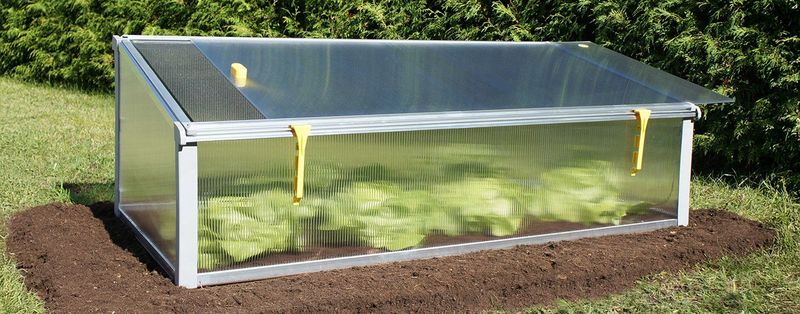
Cold frames work like miniature greenhouses that trap solar heat during the day and release it slowly at night, creating a protected microclimate for your plants.
These simple structures consist of a bottomless box with a transparent lid, usually made from old windows or clear plastic sheeting.
Pennsylvania gardeners have used cold frames for generations because they’re affordable, easy to build, and remarkably effective at extending the growing season by several weeks or even months.
Leafy greens such as spinach, kale, lettuce, and arugula perform exceptionally well under cold frames because they can tolerate temperatures down to the low twenties.
The key is positioning your cold frame in a south-facing location where it receives maximum sunlight during short winter days.
You’ll need to monitor the temperature inside on sunny days, as it can quickly rise above comfortable levels even when outdoor temperatures hover near freezing.
Prop open the lid on warmer afternoons to prevent overheating and allow air circulation, which helps prevent fungal diseases.
Building a cold frame doesn’t require carpentry skills or expensive materials.
Many Pennsylvania gardeners construct theirs using scrap lumber and recycled windows from renovation projects.
The slanted lid should face south to capture optimal sunlight, and you can insulate the sides with straw bales or banked soil for extra protection during particularly cold snaps.
With proper ventilation and occasional watering, your cold frame will provide fresh greens throughout winter, giving you a taste of spring even during Pennsylvania’s chilliest months.
2. Select Hardy Varieties Specifically Bred For Cold Tolerance
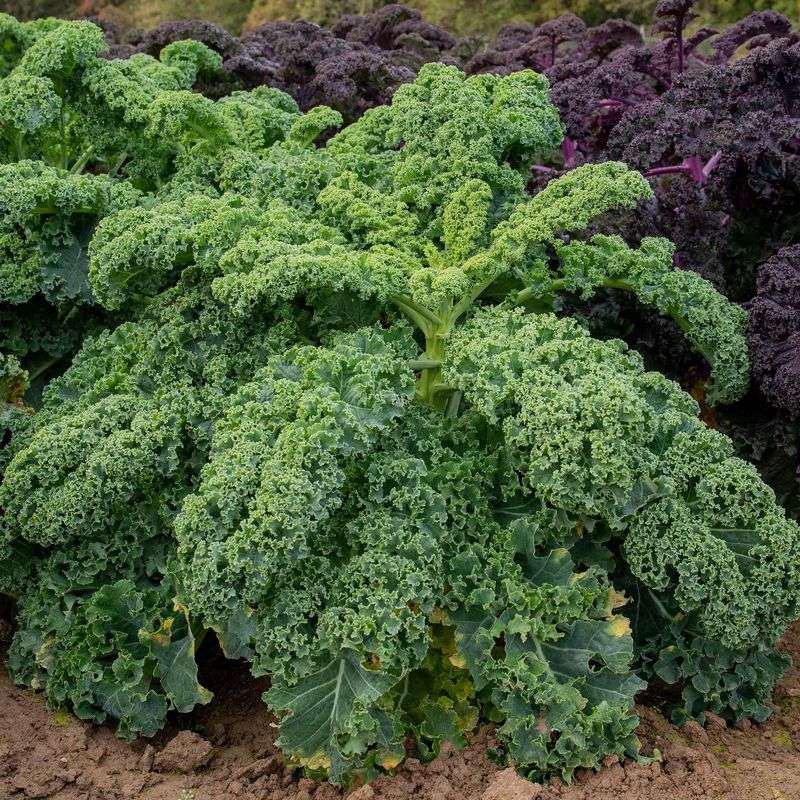
Not all leafy greens handle cold weather equally, so choosing varieties specifically developed for winter growing makes a tremendous difference in your success rate.
Plant breeders have created cultivars that not only survive freezing temperatures but actually taste sweeter after exposure to frost.
Your Pennsylvania Garden Changes Every Week. Your Plan Should Too.
Gardening in Pennsylvania changes quickly throughout the season. Every Friday you’ll receive a simple weekly plan showing exactly what to plant, prune, fertilize, harvest, and protect so you never miss the right timing.
Cold weather triggers these plants to convert starches into sugars as a natural antifreeze mechanism, resulting in more flavorful harvests than you’d get during summer months.
For Pennsylvania winters, consider planting ‘Winterbor’ kale, which stands up to temperatures well below freezing and produces beautiful, curly leaves perfect for soups and sautés.
‘Tyee’ spinach is another champion performer, bred specifically for fall and winter production with excellent cold hardiness and slow bolting characteristics.
Mâche, also called corn salad, originated in Europe where gardeners have grown it through winter for centuries.
This delicate green tolerates temperatures down to ten degrees and offers a mild, nutty flavor that brightens winter salads.
‘Winter Density’ lettuce forms compact heads that resist cold damage better than loose-leaf varieties, while ‘Astro’ arugula provides peppery leaves throughout the season.
Asian greens like ‘Red Giant’ mustard and ‘Prize Choy’ pac choi also demonstrate remarkable cold tolerance.
When shopping for seeds, look for descriptions mentioning cold tolerance, winter hardiness, or fall planting suitability.
Pennsylvania garden centers and seed catalogs often highlight varieties tested in similar climates, giving you confidence they’ll perform well in your specific growing conditions.
3. Apply Thick Mulch Layers To Insulate Soil And Roots
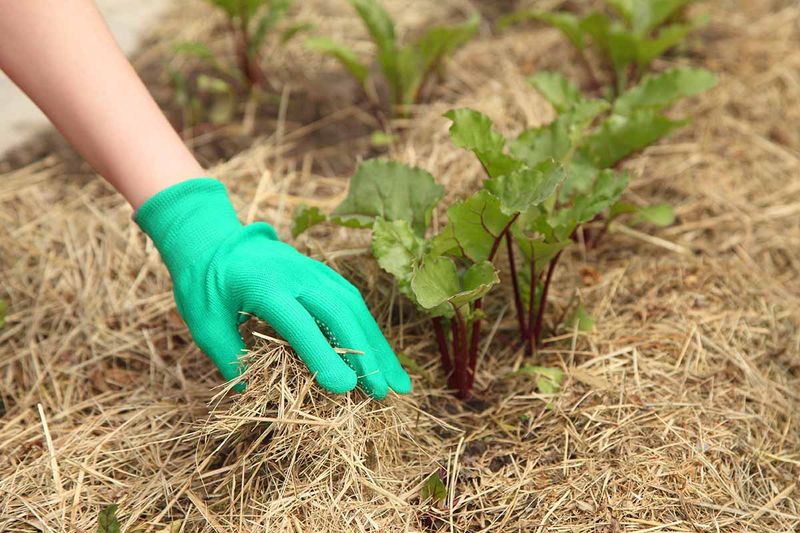
Mulching serves as a protective blanket for your plants, moderating soil temperature fluctuations that can damage tender roots and stress leafy greens during Pennsylvania’s unpredictable winter weather.
When temperatures swing wildly between freezing nights and milder days, unmulched soil expands and contracts, potentially heaving plants right out of the ground and exposing their root systems to damaging cold.
A generous layer of organic mulch prevents this problem while providing additional benefits throughout the season.
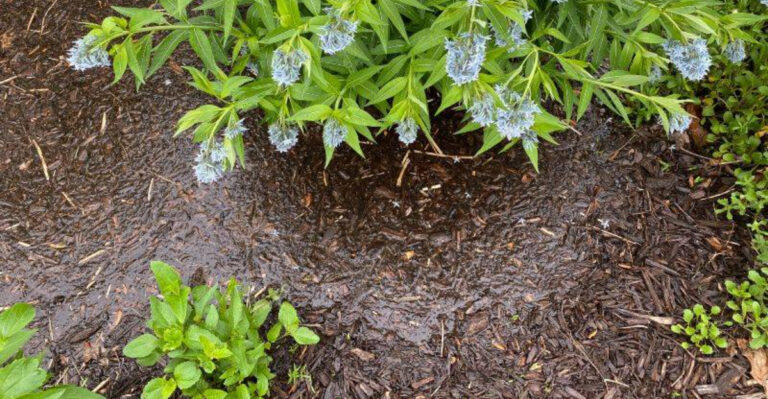
Straw makes an excellent mulch choice for overwintering greens because it insulates effectively, allows water and air to penetrate, and breaks down slowly to enrich your soil by spring.
Apply a layer four to six inches deep around your plants after the first light frost, being careful not to pile it directly against plant stems where it might encourage rot or provide shelter for pests.
Shredded leaves also work beautifully and are abundantly available in Pennsylvania during fall.
Run your lawn mower over fallen leaves to chop them into smaller pieces that won’t mat down and smother plants.
Pine needles create an attractive, slightly acidic mulch that works particularly well with greens that prefer lower pH levels.
Some Pennsylvania gardeners use a combination of materials, layering different types for enhanced protection and visual interest.
Beyond temperature regulation, mulch suppresses weeds that might compete with your greens for nutrients and water.
It also reduces soil moisture loss, meaning you’ll water less frequently during dry winter periods when the ground isn’t frozen.
4. Install Low Tunnels With Row Covers For Flexible Protection
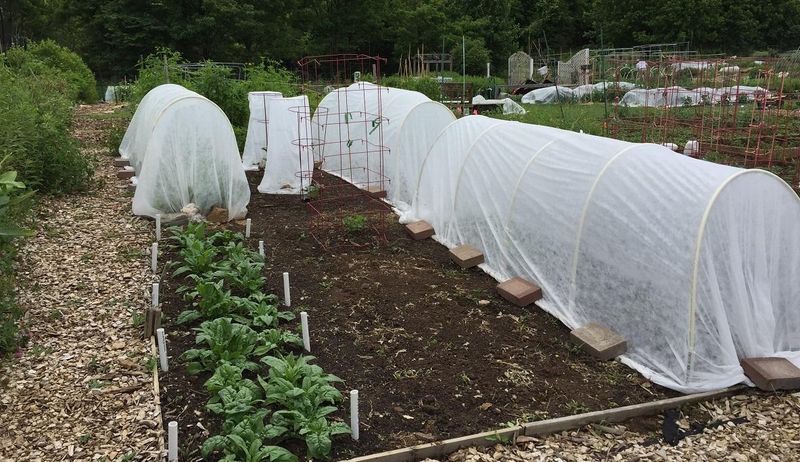
Low tunnels offer a middle ground between unprotected outdoor growing and the commitment of building permanent cold frames, giving Pennsylvania gardeners flexible protection that adapts to changing weather conditions.
These temporary structures consist of flexible hoops made from PVC pipe, wire, or fiberglass rods spanning your garden beds, covered with lightweight fabric or plastic sheeting.
The hoops hold the covering several inches above your plants, creating an insulating air pocket that traps heat while allowing light penetration.
Spun-bonded polypropylene fabric, commonly called row cover or frost blanket, comes in various weights offering different levels of protection.
Lightweight versions protect plants down to twenty-eight degrees while still admitting about seventy percent of available sunlight.
Heavier grades provide protection to twenty-four degrees or lower but reduce light transmission, so choose based on your specific Pennsylvania microclimate and the severity of typical winter conditions in your area.
The fabric breathes, allowing moisture and air exchange while keeping harsh winds and heavy snow off delicate leaves.
Setting up low tunnels takes minimal time and effort.
Push hoops into the ground every four to five feet along your planting beds, drape your chosen covering over them, and secure the edges with sandbags, boards, or soil.
The beauty of this system lies in its flexibility.
On milder days, you can easily roll back or remove the covering to provide ventilation and prevent overheating, then replace it quickly when forecasts call for bitter cold or winter storms sweeping through Pennsylvania.
5. Time Your Plantings For Optimal Fall Growth Before Dormancy
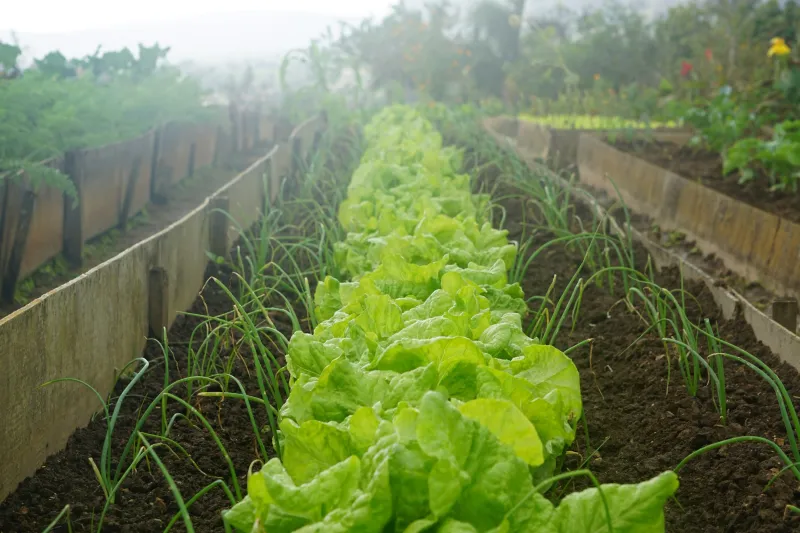
Success with overwintering leafy greens depends heavily on proper timing, as plants need sufficient growth before Pennsylvania’s harsh winter weather arrives and growth essentially stops.
Understanding your local frost dates and working backward from there helps ensure your greens reach harvestable size before cold temperatures slow their development to a crawl.
Most leafy greens grow actively when temperatures range between forty and seventy degrees, conditions typical of Pennsylvania’s fall season.
For winter harvests, you’ll want to plant most greens between mid-August and mid-September, depending on your specific location within the state.
Western Pennsylvania typically experiences first frosts earlier than southeastern regions, so adjust your planting schedule accordingly.
Calculate planting dates by checking seed packets for days to maturity, then add approximately two weeks to account for slower fall growth as daylight hours decrease.
Add another two weeks if you’re using protective structures like cold frames or row covers, which extend the viable planting window.
Spinach germinates and grows quickly, making it forgiving if you plant a bit late, while kale and other brassicas need more time to develop substantial leaves worth harvesting.
Some Pennsylvania gardeners practice succession planting, sowing small amounts every two weeks through early fall to ensure continuous harvests rather than a single large crop.
Remember that once daylight drops below ten hours daily, typically around late November in Pennsylvania, plant growth slows dramatically regardless of temperature.
Your goal is getting plants to harvestable size before this winter dormancy period begins.
6. Choose Sheltered Garden Locations With Southern Exposure
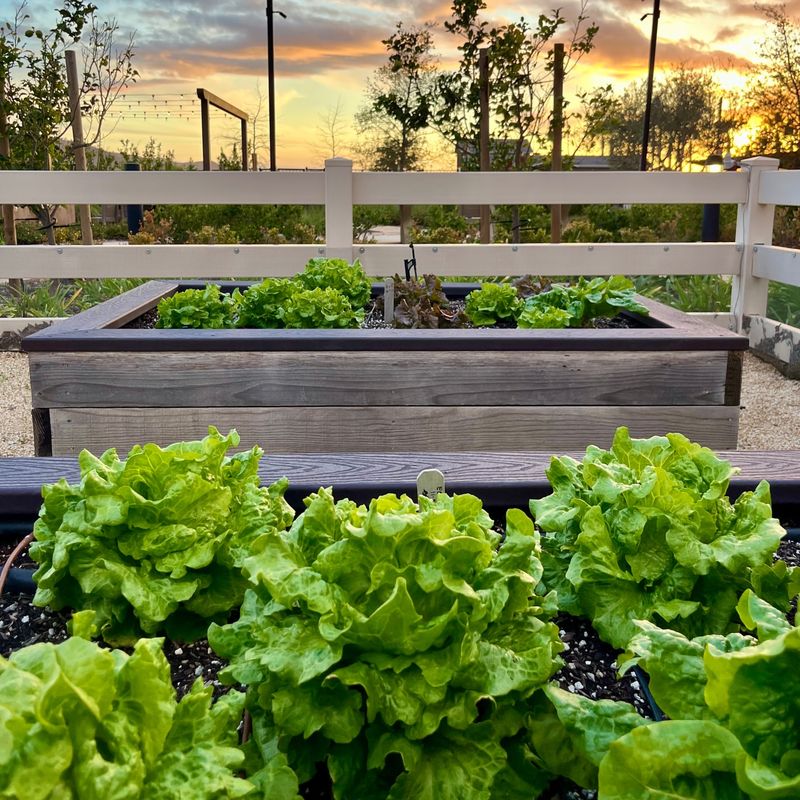
Where you position your winter greens makes an enormous difference in their survival and productivity throughout Pennsylvania’s cold season.
Microclimates exist even in small yards, with some spots remaining noticeably warmer and more protected than others just a few feet away.
Identifying and utilizing these favorable locations can extend your growing season without any additional equipment or expense.
South-facing areas receive maximum sunlight during winter months when the sun travels its lowest arc across the sky.
Positioning beds against south-facing walls, fences, or hedges provides the dual benefits of reflected heat and protection from bitter north winds that sweep down from Canada during Pennsylvania winters.
Masonry walls made from brick or stone offer particular advantages because they absorb solar heat during the day and radiate it back at night, creating a warmer microclimate that can make several degrees difference in plant survival.
Even wooden fences provide valuable wind protection that reduces moisture loss and prevents physical damage to tender leaves.
Avoid low-lying areas where cold air settles, creating frost pockets that experience colder temperatures than surrounding higher ground.
Similarly, skip exposed hilltops where wind speeds increase and windchill factors become more severe.
Look for naturally sheltered spots near buildings, evergreen trees, or other permanent structures that block prevailing winds without casting excessive shade.
Pennsylvania’s winter winds typically blow from the northwest, so positioning beds on the southeast side of structures provides optimal protection while maintaining good sun exposure for photosynthesis and growth.
7. Maintain Proper Watering And Ventilation Throughout Winter Months
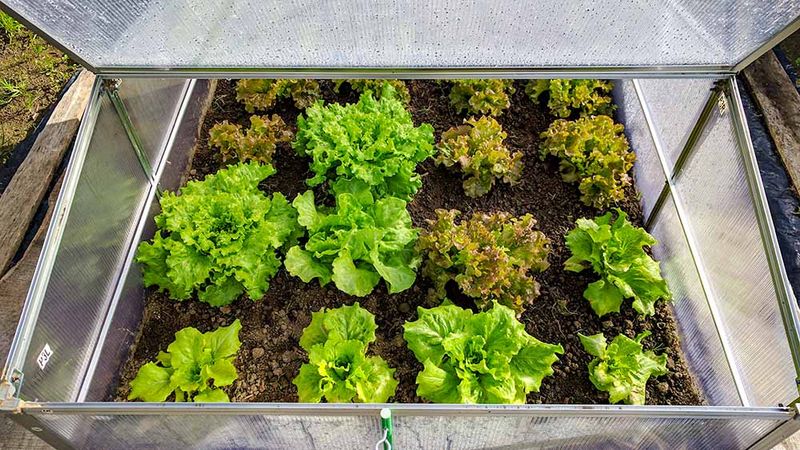
Many beginning gardeners assume winter plants need little attention once protective structures are in place, but proper care throughout the cold months determines whether you’ll harvest abundant greens or face disappointing losses.
Watering requirements change dramatically during winter compared to summer growing, but your plants still need consistent moisture to thrive.
Pennsylvania winters often bring periods of dry cold between snowfalls, and plants under covers or in cold frames can’t access natural precipitation.
Check soil moisture weekly by sticking your finger two inches deep into the ground.
If it feels dry at that depth, water thoroughly until moisture penetrates several inches down.
Choose mild days when temperatures climb above freezing for watering sessions, preferably in the morning so excess moisture evaporates before nighttime temperatures drop.
Cold water shocks plant roots, so let your watering can sit in a warmer location for an hour before using it, or fill it with lukewarm water from indoors.
Ventilation proves equally critical to winter success.
On sunny days, even when outdoor temperatures hover around freezing, the interior of cold frames and low tunnels can quickly reach eighty or ninety degrees.
This excessive heat stresses plants and encourages fungal diseases in the humid environment.
Open covers whenever temperatures inside exceed sixty degrees, propping cold frame lids or rolling back row covers to allow air circulation.
Pennsylvania weather can be unpredictable, so check your covered beds daily during mild spells.
Balance protection with fresh air, and your leafy greens will reward you with tender, flavorful harvests all winter long.