What To Know And Do When Wild Turkeys Appear In Connecticut Neighborhoods
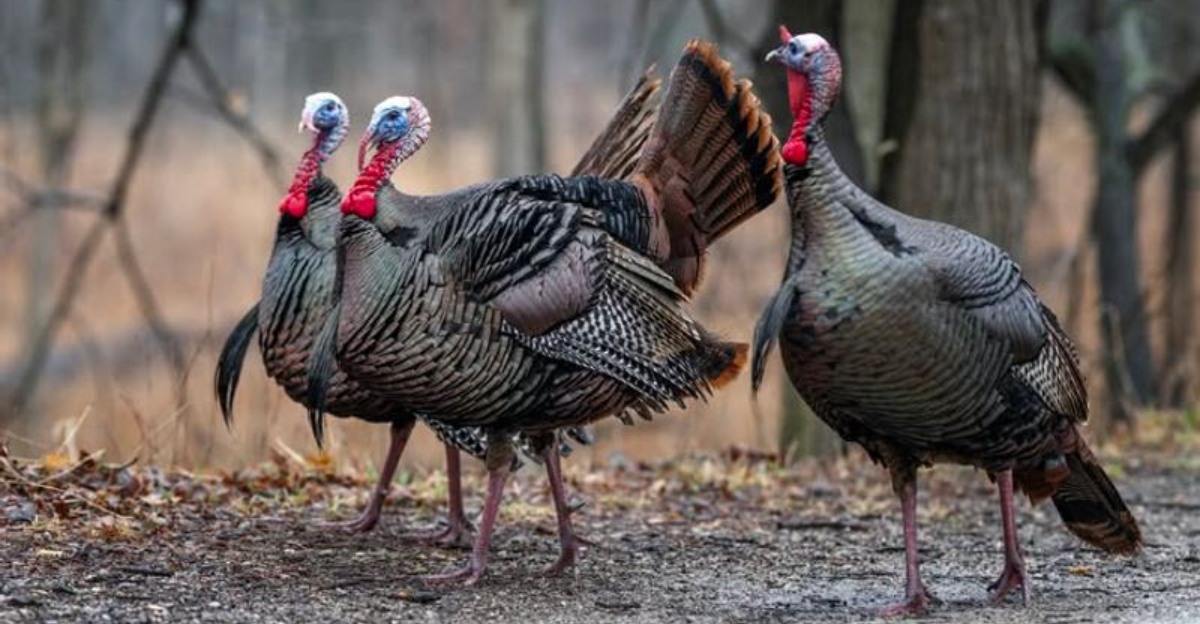
Big birds, bold attitudes, and zero fear of your driveway!
When wild turkeys suddenly strut into Connecticut neighborhoods, they don’t exactly ask permission.
While these feathered locals can be funny to watch, they can also be loud, intimidating, and surprisingly stubborn.
Before you chase them off or panic over property damage, there are a few important things every homeowner should know.
From legal protections to smart, safe ways to handle encounters, here’s what to do when turkeys take over your street.
Understand Why Turkeys Are Thriving In Connecticut Suburbs
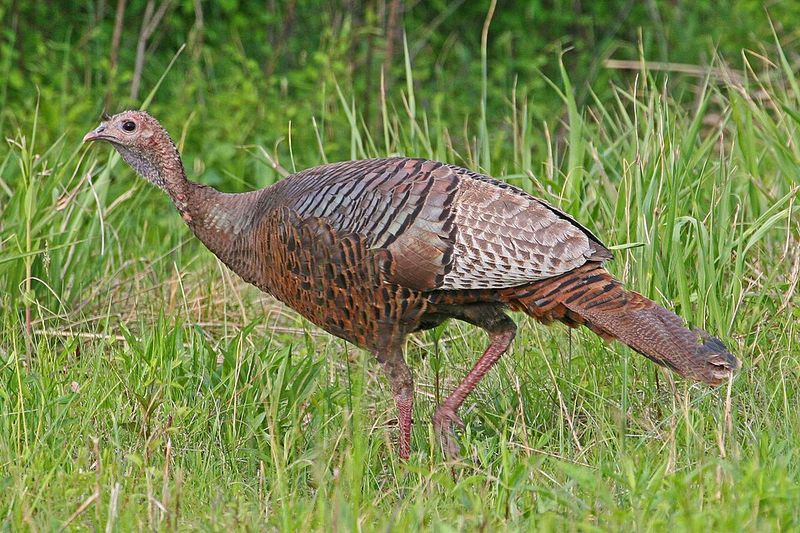
Connecticut offers ideal habitat conditions that allow wild turkey populations to flourish throughout residential areas, parks, and wooded neighborhoods statewide.
Abundant food sources like acorns, seeds, berries, and insects provide year-round nutrition that supports healthy flocks in both rural and suburban environments.
Mature forests mixed with open spaces create perfect nesting and roosting spots, allowing turkeys to raise their young successfully near human developments.
Successful conservation efforts over several decades brought turkeys back from near extinction, and now their numbers continue growing across Connecticut communities.
Turkeys adapt remarkably well to living near people, often losing their natural wariness when they encounter humans regularly without negative consequences.
Suburban landscapes provide shelter from predators like coyotes and foxes, making neighborhoods surprisingly safe places for turkey families to thrive year-round.
Reduced hunting pressure in residential zones means turkeys face fewer threats, contributing to their bold behavior and frequent appearances in populated areas.
Understanding these factors helps residents appreciate why turkeys have become such common sights and why coexistence strategies work better than removal efforts.
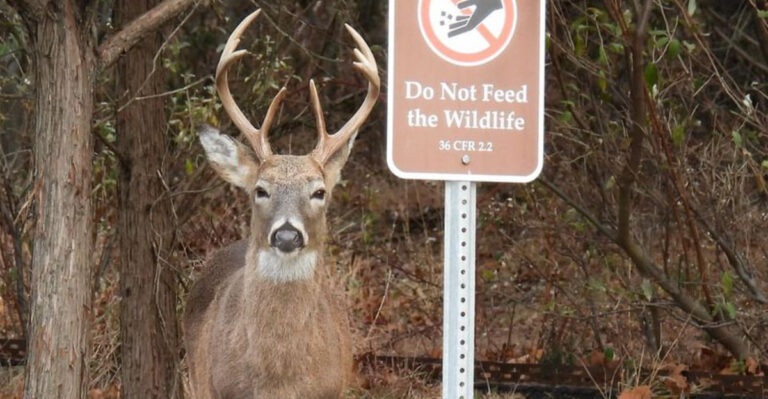
Never Feed Wild Turkeys In Your Yard
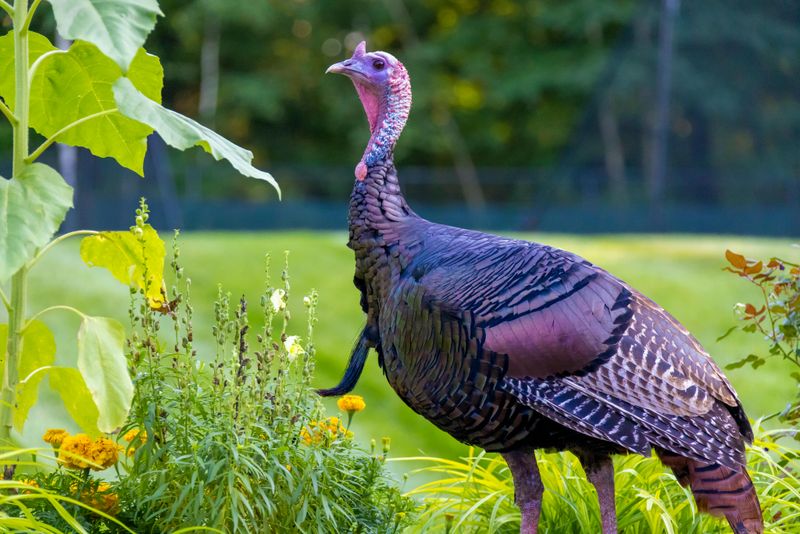
Feeding turkeys creates dangerous dependencies that alter their natural foraging behavior and makes them associate humans directly with easy food sources available daily.
Once turkeys learn that people provide food, they lose their healthy fear of humans and become increasingly bold, aggressive, and difficult to manage.
Fed turkeys often develop territorial behavior around homes and may chase or intimidate residents, delivery workers, children, and pets who enter their space.
Artificial feeding concentrates large flocks in small areas, increasing disease transmission risks and creating unsanitary conditions with excessive droppings everywhere around properties.
Natural foods provide balanced nutrition turkeys need, while human foods like bread, corn, and birdseed lack essential nutrients and harm their health.
Connecticut wildlife regulations discourage feeding wild turkeys specifically because it creates public safety issues and neighborhood conflicts that require intervention from authorities.
Neighbors who feed turkeys unintentionally cause problems for surrounding homes, as flocks quickly learn to patrol entire streets searching for handouts.
Allowing turkeys to forage naturally keeps them moving through areas rather than lingering, reducing conflicts and maintaining their wild instincts appropriately.
Recognize Aggressive Turkey Behavior And Warning Signs
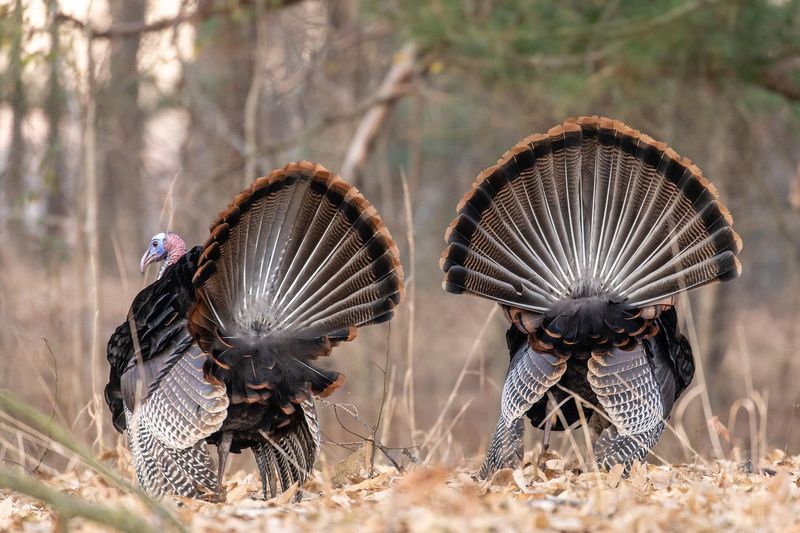
Male turkeys, called toms, sometimes display territorial aggression during spring breeding season when hormones drive them to establish dominance over their surroundings.
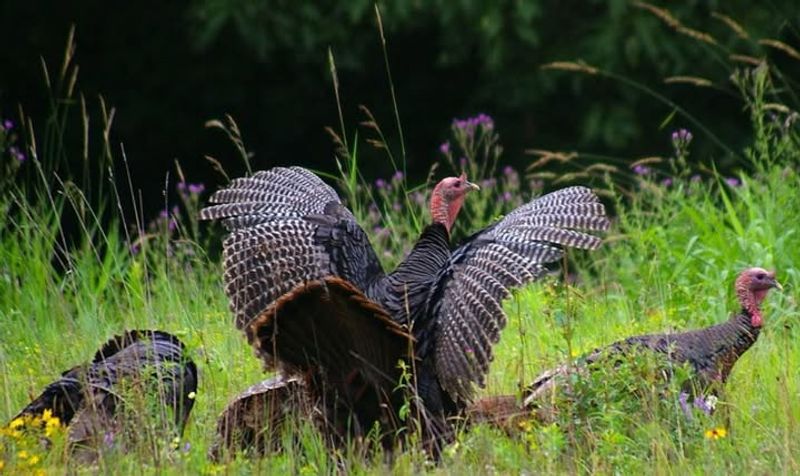
Aggressive turkeys often fan their tail feathers wide, puff up their body feathers, and make loud gobbling sounds to appear larger and intimidate.
Your Connecticut Garden Changes Every Week. Your Plan Should Too.
Gardening in Connecticut changes quickly throughout the season. Every Friday you’ll receive a simple weekly plan showing exactly what to plant, prune, fertilize, harvest, and protect so you never miss the right timing.
Watch for turkeys that follow people persistently, block pathways, or move toward you rather than away when you approach them in neighborhoods.
Strutting behavior with drooped wings, raised tail, and swollen red wattles signals a turkey feeling confident and potentially willing to challenge perceived threats.
Turkeys that have been fed by humans frequently become the most aggressive because they view people as food sources rather than threats.
Pecking, charging, or jumping toward people indicates a turkey has lost its natural fear and requires immediate action to reestablish appropriate boundaries.
Young children and small pets may trigger protective or predatory responses from turkeys, so supervise outdoor activities carefully during peak turkey activity periods.
Understanding these warning signs helps residents respond appropriately before encounters escalate into frightening or potentially harmful situations requiring wildlife control intervention.
Use Effective Hazing Techniques To Discourage Turkeys
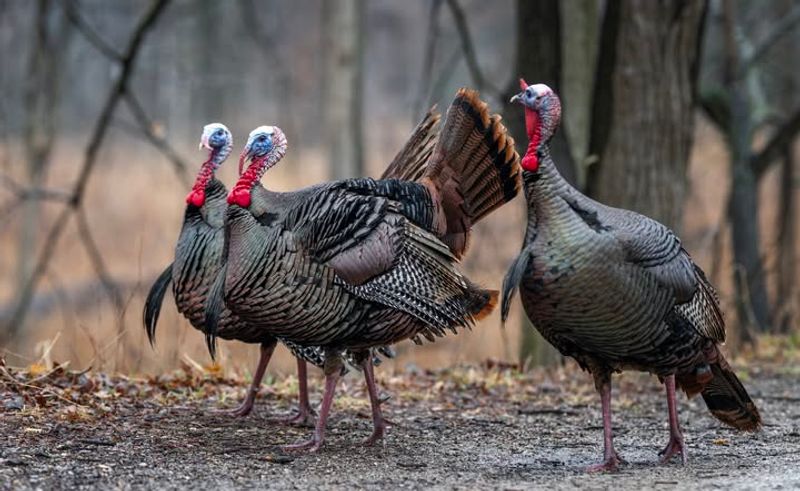
Hazing means using noise, motion, and intimidation to teach turkeys that humans are threats they should avoid rather than approach confidently.
Opening and closing umbrellas rapidly creates startling visual effects that frighten turkeys and help reestablish their natural wariness around human activity.
Loud noises from whistles, air horns, pots and pans, or even yelling firmly work well to drive turkeys away from yards and driveways.
Water from garden hoses provides a harmless but uncomfortable deterrent that convinces turkeys to leave without causing injury to the birds.
Consistency is absolutely critical because turkeys learn quickly, and mixed messages confuse them about whether humans pose actual threats to their safety.
Everyone in your household and ideally your neighbors should haze turkeys every single time they appear to prevent habituation to human presence.
Hazing works best when started immediately upon noticing turkeys rather than waiting until they establish regular patterns visiting your property daily.
Connecticut wildlife officials recommend these techniques as the most effective, humane way to manage turkey conflicts and maintain safe boundaries between species.
Protect Your Pets From Turkey Encounters
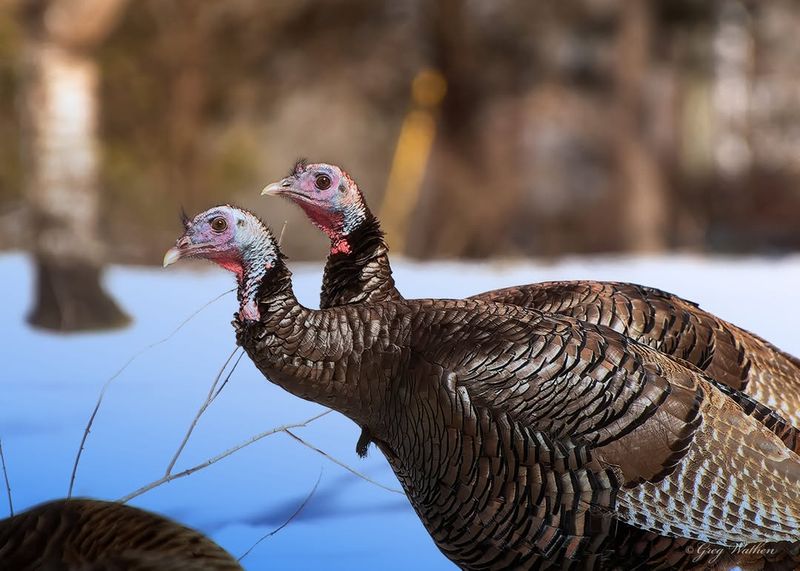
Turkeys can seriously injure small dogs and cats through pecking, scratching with sharp talons, and aggressive wing-beating that delivers surprisingly powerful blows.
Always supervise pets outdoors when turkeys are present in your neighborhood, keeping dogs leashed and cats indoors during peak turkey activity hours.
Small dogs under twenty pounds face the greatest risk because turkeys may view them as threats to chicks or competitors for territory.
Curious pets that approach or chase turkeys often trigger defensive responses, causing the flock to surround and attack the animal aggressively.
Fenced yards provide some protection, but determined turkeys can fly over barriers or squeeze through gaps to access areas where pets play.
Walk dogs on different routes if turkeys regularly appear along your usual paths, avoiding confrontations that stress both animals unnecessarily.
Cats allowed outdoors face risks from turkey scratches and pecks that can cause infections, eye injuries, or trauma requiring expensive veterinary treatment.
Teaching pets to avoid turkeys through controlled exposure and positive reinforcement helps them learn to retreat rather than engage with these birds.
Secure Potential Food Sources Around Your Property
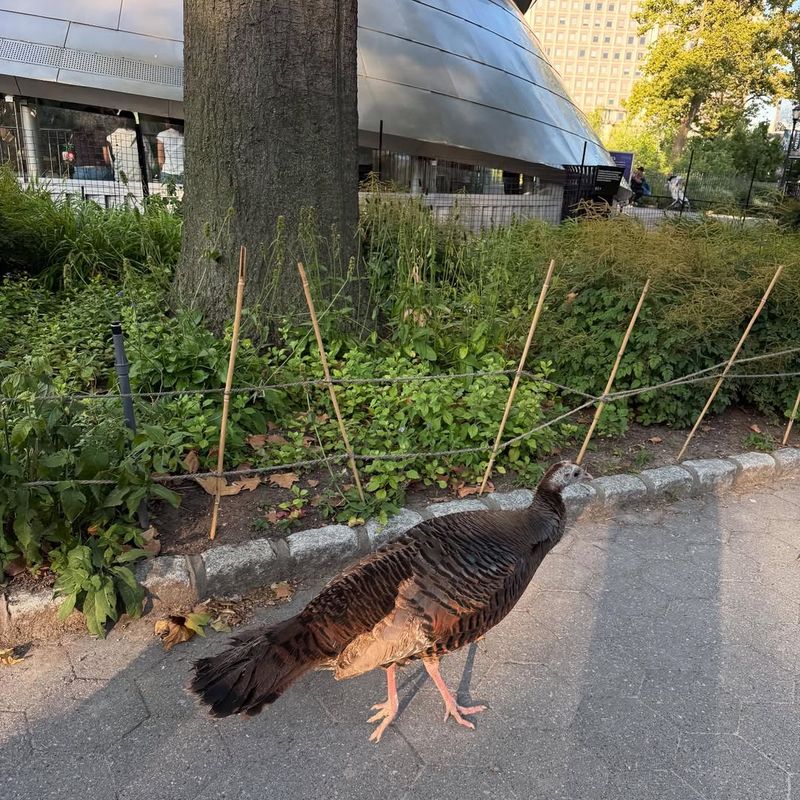
Bird feeders attract turkeys who eagerly consume spilled seed on the ground, so consider removing feeders temporarily during periods of frequent turkey visits.
Garbage cans with loose lids provide easy meals for opportunistic turkeys, so use secure containers with tight-fitting lids or store bins indoors.
Compost piles containing food scraps attract turkeys and other wildlife, so use enclosed composting systems or avoid composting meat and fruit waste.
Pet food left outdoors draws turkeys to your yard repeatedly, creating patterns where flocks return daily expecting meals at specific locations.
Fallen fruit from trees should be collected regularly because turkeys love apples, berries, and other produce that accumulates beneath branches and bushes.
Garden vegetables near harvest time may attract hungry turkeys, so consider protective netting or fencing around high-value crops you want to preserve.
Clearing these attractants makes your property less interesting to turkeys, encouraging them to move along to more rewarding foraging locations elsewhere.
Neighbors working together to eliminate food sources across multiple properties achieves better results than individual efforts that simply shift turkeys between nearby yards.
Know When To Contact Connecticut Wildlife Authorities
Contact Connecticut Department of Energy and Environmental Protection when turkeys display persistent aggression despite consistent hazing efforts from residents and neighbors.
Injured turkeys with visible wounds, broken wings, or signs of illness require professional wildlife rehabilitation rather than attempts at home care.
Turkeys trapped inside garages, porches, or buildings need expert assistance because panicked birds can injure themselves trying to escape confined spaces.
Situations involving actual physical contact between turkeys and people, especially attacks on children or elderly residents, warrant immediate professional intervention and documentation.
DEEP wildlife biologists provide guidance on effective management strategies tailored to specific neighborhood situations and can assess whether removal is necessary.
Most turkey conflicts can be resolved through education and behavior modification rather than trapping and relocation, which rarely solves underlying problems.
Local animal control officers may respond to turkey calls, but they typically refer residents to DEEP for wildlife management expertise and resources.
Documenting turkey behavior with photos, videos, and detailed notes helps authorities understand the severity of your situation and recommend appropriate solutions effectively.
Educate Your Neighbors About Turkey Management
Successful turkey management requires coordinated neighborhood efforts because inconsistent responses from different households confuse turkeys and undermine individual deterrent attempts completely.
Share information about proper hazing techniques with neighbors through community meetings, email groups, or neighborhood social media pages dedicated to local concerns.
One household feeding turkeys negates everyone else’s efforts to discourage them, so polite conversations about wildlife management benefits the entire community significantly.
Children need specific education about turkey safety, including maintaining distance, never chasing or cornering birds, and alerting adults to aggressive behavior.
Creating neighborhood guidelines for turkey encounters ensures everyone responds consistently, helping turkeys relearn appropriate boundaries and reducing conflicts over time naturally.
Elderly or mobility-impaired neighbors may need extra support dealing with turkeys, so offering assistance with hazing or securing properties builds community resilience.
Sharing success stories and challenges helps neighbors learn from each other’s experiences and develop more effective strategies for their specific local circumstances.
United neighborhoods that work together on wildlife management create safer, more harmonious environments where humans and turkeys coexist with minimal conflict.