Why Blue Jays Are Hoarding Peanuts In Massachusetts Yards This Winter

Winter in Massachusetts has a way of putting backyard birds to the test, and blue jays are rising to the challenge.
These bold, sharp eyed birds are not just grabbing peanuts for a quick snack.
They are stocking up like squirrels before a storm.
One visit to a feeder often turns into several trips, each peanut tucked away for later use.
As cold weather settles in, natural food sources start to dry up. Insects vanish, berries disappear, and competition grows fierce.
Blue jays respond by playing the long game.
Their strong beaks and clever memories make peanuts a perfect choice.
Easy to carry and packed with energy, they become valuable winter currency.
Massachusetts yards offer safe places to stash food, from tree bark to garden beds.
Snow cover and freezing temperatures only add urgency to the task.
The more uncertain winter feels, the more determined blue jays become.
This behavior is not random or greedy. It is a smart survival move that has worked for generations.
When you see blue jays flying off with peanuts this winter, you are watching preparation in action.
In the cold months, planning ahead can mean the difference between scraping by and staying one step ahead of hunger.
1. Winter Food Storage Instinct Kicks Into High Gear
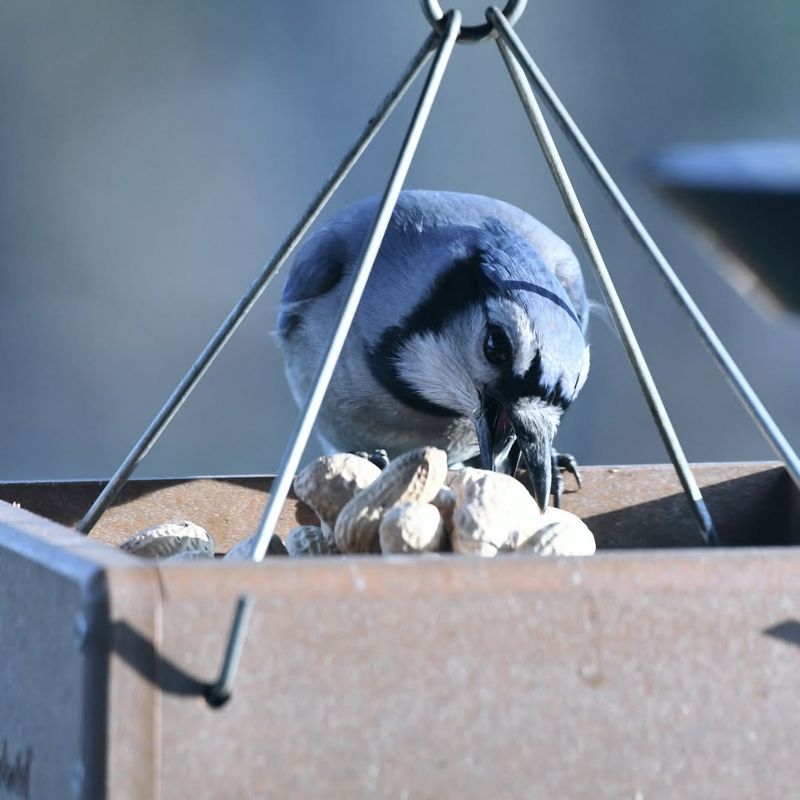
Blue jays possess an incredible natural instinct called caching, which means they store food for later use.
This behavior becomes especially strong during autumn and winter months when food sources become scarce.
In Massachusetts, where winters can be harsh and unpredictable, blue jays ramp up their hoarding activities to ensure they have enough nutrition to survive.
Scientists have discovered that a single blue jay can cache hundreds or even thousands of nuts and seeds throughout a season.
Their excellent memory allows them to relocate most of these hidden treasures weeks or months later.
The birds typically hide peanuts in tree bark crevices, under leaves, in grass, or even in flower pots around your yard.
Massachusetts backyards offer perfect hiding spots with mature trees, garden beds, and varied landscapes.
This instinctive behavior developed over thousands of years as a survival mechanism.
Blue jays that successfully cached food during abundant times had better chances of surviving lean periods.
Today, even with bird feeders providing reliable food sources, the instinct remains incredibly strong.
Watching a blue jay carefully select the perfect hiding spot shows just how serious they take this responsibility.
The birds will often test several locations before committing to one.
This winter survival strategy has proven so effective that blue jays thrive throughout Massachusetts despite challenging weather conditions.
2. Peanuts Provide Maximum Nutrition In Minimal Space
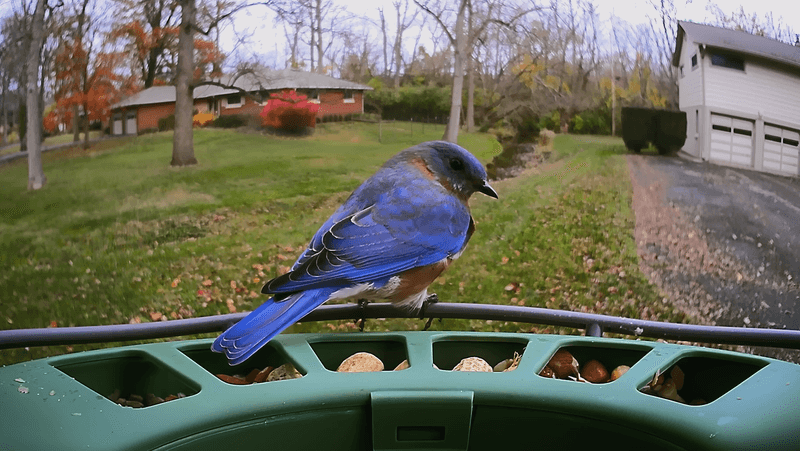
Peanuts pack an incredible nutritional punch that makes them ideal for winter storage.
Each peanut contains high levels of protein, healthy fats, and essential calories that blue jays need to maintain their body temperature during frigid Massachusetts nights.
When temperatures drop below freezing across the state, birds burn significantly more energy just staying warm.
A single peanut can provide enough fuel to sustain a blue jay for several hours.
Your Massachusetts Garden Changes Every Week. Your Plan Should Too.
Gardening in Massachusetts changes quickly throughout the season. Every Friday you’ll receive a simple weekly plan showing exactly what to plant, prune, fertilize, harvest, and protect so you never miss the right timing.
The high-fat content is particularly valuable because fats contain more than twice the calories per gram compared to proteins or carbohydrates.
Blue jays instinctively recognize peanuts as premium fuel sources worth the effort of hoarding.
The convenient size and shape of peanuts also makes them perfect for caching.
A blue jay can easily carry one or two peanuts in its throat pouch while flying to various hiding locations.
Unlike larger food items, peanuts fit into small crevices and hiding spots throughout Massachusetts yards.
Peanuts also resist spoilage better than many other foods, remaining edible for weeks or months when properly hidden.
Their hard shells provide natural protection against moisture and insects.
For blue jays preparing for unpredictable New England weather, peanuts represent the ultimate survival food.
Smart homeowners across Massachusetts have noticed this preference and now regularly stock their feeders with raw, unsalted peanuts to support local blue jay populations through winter.
3. Competition From Other Birds And Animals Increases Urgency

Massachusetts yards attract diverse wildlife, and blue jays face serious competition for available food resources.
Squirrels are particularly aggressive competitors, often dominating bird feeders and consuming large quantities of peanuts.
Other bird species like crows, chickadees, and woodpeckers also compete for the same nutritious nuts.
This competitive pressure motivates blue jays to hoard peanuts quickly before other animals can claim them.
When a blue jay discovers a well-stocked feeder, it will often make multiple rapid trips, carrying away as many peanuts as possible.
The bird understands that waiting means losing out to competitors.
Interestingly, blue jays have developed clever strategies to outsmart their rivals.
They often cache food in locations that squirrels cannot easily access, such as high in tree branches or in narrow spaces.
Some blue jays even create fake caching sites to confuse potential thieves watching their activities.
In Massachusetts neighborhoods where wildlife populations are dense, this competition becomes even more intense.
Suburban areas near wooded regions see particularly high levels of hoarding behavior.
Blue jays must constantly balance the time spent eating immediately versus storing food for later.
Researchers have observed that blue jays in areas with more competition cache more aggressively than those in quieter locations.
This adaptive behavior demonstrates the remarkable intelligence of these beautiful birds and their ability to assess environmental challenges in real-time.
4. Unpredictable New England Weather Patterns Demand Preparation
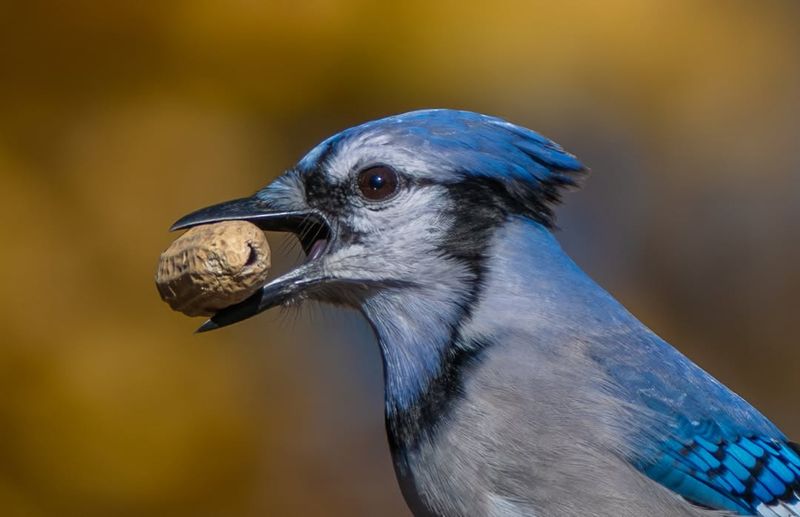
Anyone living in Massachusetts knows that winter weather can change dramatically within hours.
A sunny morning can transform into a blizzard by afternoon, making food gathering impossible.
Blue jays have adapted to these unpredictable conditions by hoarding food during favorable weather.
When storms approach, birds cannot safely forage, and their cached supplies become lifesaving resources.
Massachusetts experiences nor’easters, ice storms, and heavy snowfall that can bury natural food sources for days.
Blue jays prepare for these emergencies by maintaining multiple food caches throughout their territory.
If one cache becomes inaccessible due to snow or ice, they have backup locations to rely upon.
Climate patterns in recent years have become even more erratic, with sudden temperature swings and unexpected storm systems.
Blue jays respond to these changes by intensifying their hoarding activities.
Ornithologists studying bird behavior in Massachusetts have noticed increased caching during periods of weather instability.
The birds seem to sense approaching storms and will frantically gather peanuts before conditions deteriorate.
This remarkable forecasting ability likely comes from detecting barometric pressure changes and observing environmental cues.
During particularly harsh winters, blue jays with well-stocked caches have significantly better survival rates.
Their preparation pays off when food becomes scarce and energy demands increase.
For Massachusetts residents who enjoy watching backyard birds, keeping feeders filled with peanuts during uncertain weather helps support these intelligent creatures through challenging times.
5. Territorial Behavior Drives Individual Food Security
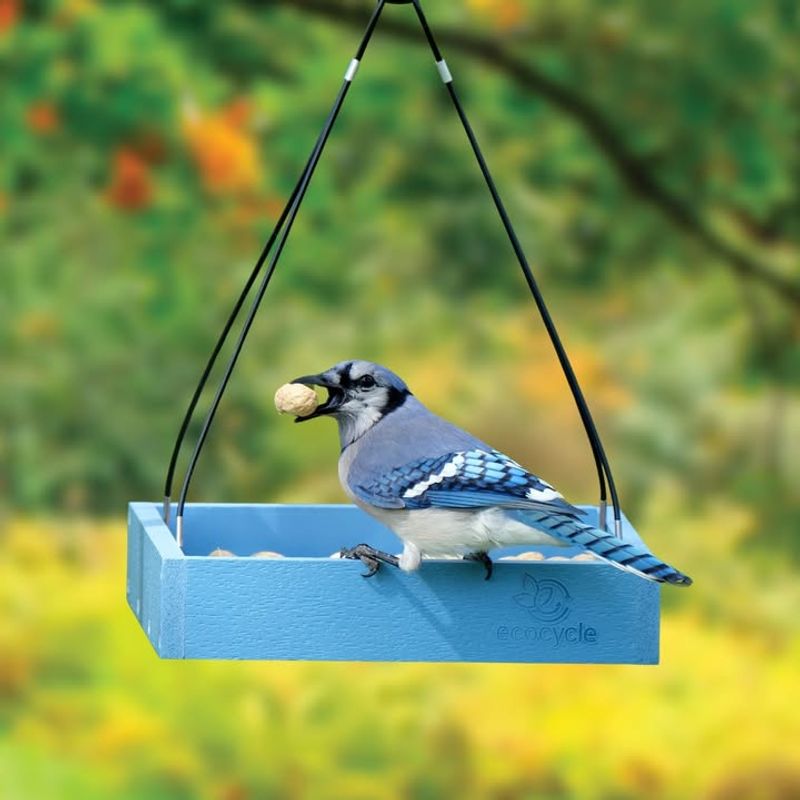
Blue jays are surprisingly territorial birds, especially regarding food resources within their established ranges.
Each bird or mating pair claims a specific area and defends it against intruders.
In Massachusetts neighborhoods, you might notice the same blue jays visiting your feeder repeatedly while chasing away unfamiliar birds.
This territorial instinct directly influences hoarding behavior because blue jays want to secure food supplies within their protected zones.
By caching peanuts throughout their territory, they create a personal food network that only they know about.
Other blue jays passing through the area will not discover these hidden stores.
The birds strategically place caches in locations they frequently patrol, making retrieval convenient and secure.
Massachusetts yards with established blue jay residents often see consistent hoarding patterns year after year.
The same trees, fence posts, and garden areas get used repeatedly as preferred hiding spots.
Territorial boundaries also explain why some yards see intense hoarding activity while neighboring properties see less.
Blue jays concentrate their caching efforts within their claimed spaces.
During winter, when territorial disputes decrease due to harsh conditions, blue jays rely heavily on their cached supplies.
The effort they invested in defending and stocking their territory during autumn pays dividends during difficult months.
Homeowners can support this behavior by maintaining consistent feeding stations that blue jays can incorporate into their territorial planning.
Reliable food sources help birds establish successful territories and improve their winter survival prospects across Massachusetts communities.
6. Breeding Season Preparation Starts Earlier Than Expected
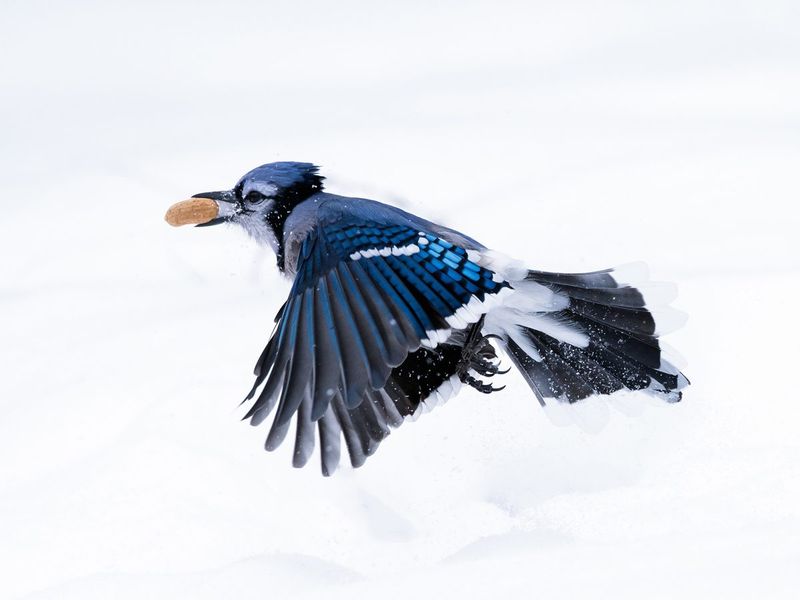
Most people associate bird breeding with spring, but preparation actually begins during winter months.
Blue jays that successfully hoard and maintain food supplies through winter arrive at breeding season in better physical condition.
Healthy, well-nourished birds produce more eggs and raise stronger offspring.
In Massachusetts, blue jays typically begin nesting activities in late March or early April.
However, the nutritional foundation for successful reproduction gets established during the preceding winter.
Female blue jays especially need substantial protein and fat reserves to produce eggs and sustain themselves during incubation.
Males must maintain energy for territorial defense and mate feeding behaviors.
Peanuts cached throughout winter provide exactly the nutrition needed for these demanding activities.
Blue jays that hoarded effectively can access high-quality food without competing at crowded feeders during the critical pre-breeding period.
Research on bird populations in Massachusetts has shown correlations between winter food availability and spring breeding success.
Birds with better winter nutrition start nesting earlier and often raise more young.
The peanut-hoarding behavior you observe in your Massachusetts yard during winter months directly impacts next spring’s baby blue jay population.
By stocking feeders with peanuts throughout winter, homeowners contribute to the long-term health of local blue jay populations.
This forward-thinking behavior demonstrates the sophisticated planning abilities of these remarkable birds.
Their winter hoarding is not just about immediate survival but also about ensuring future reproductive success and continuing their genetic legacy throughout Massachusetts.
7. Human Feeding Habits Have Created Reliable Peanut Sources
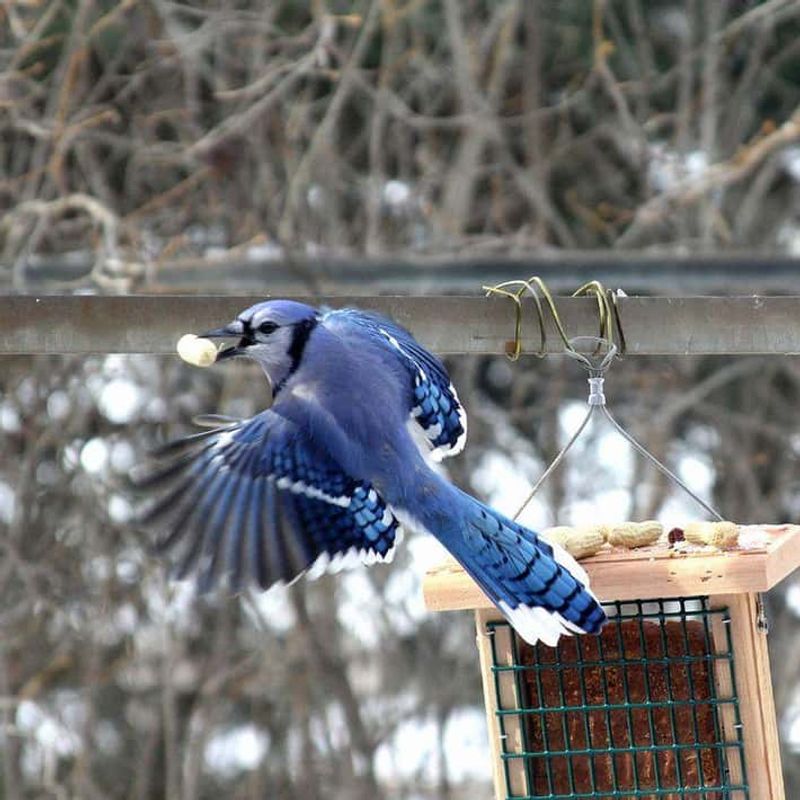
Massachusetts residents have increasingly embraced bird feeding as a popular hobby and conservation activity.
Across the state, from Cape Cod to the Connecticut River Valley, homeowners stock feeders with various nuts and seeds.
Peanuts have become especially popular because they attract diverse bird species and provide excellent nutritional value.
Blue jays quickly learned that human-maintained feeders offer abundant, consistent peanut supplies throughout winter.
Unlike natural food sources that fluctuate with weather and season, backyard feeders provide reliable resources.
This predictability has actually intensified hoarding behavior rather than reducing it.
Blue jays recognize these artificial food sources as bonanzas worth exploiting fully.
When they discover a feeder regularly stocked with peanuts, they shift into high-gear caching mode.
The abundance allows them to hoard more than they could from scattered natural sources.
In Massachusetts communities with many active bird feeders, blue jays have adapted their daily routines around human feeding schedules.
Some birds visit feeders early in the morning when freshly filled, maximizing their hoarding opportunities.
This human-wildlife interaction creates a fascinating cycle where people enjoy watching blue jay behavior, which encourages more feeding, which further reinforces hoarding activities.
Bird feeding has become so widespread in Massachusetts that blue jay populations in suburban areas sometimes exceed those in purely natural habitats.
The relationship benefits both species, providing birds with crucial winter nutrition while giving humans opportunities to observe remarkable natural behaviors.
Your peanut-filled feeder is not just feeding birds but participating in an evolving ecological relationship across Massachusetts.