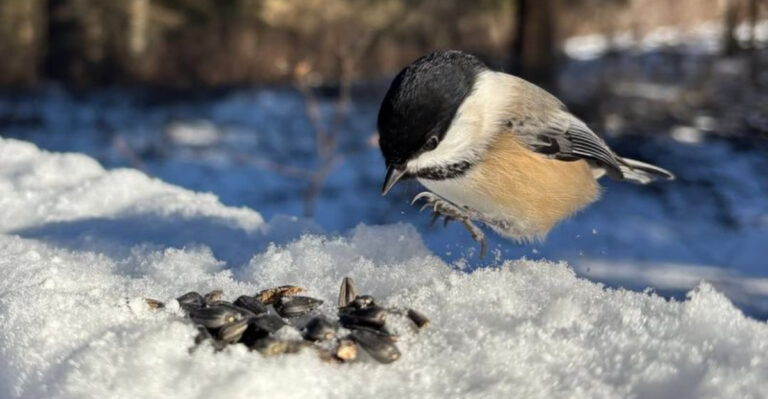
13 Expert-Recommended Plants That Provide Nutrition For Birds In Minnesota
Birds in Minnesota depend on native plants for their survival, especially during harsh winters when food sources become scarce and challenging to locate.
Planting the right vegetation in your yard can transform it into a thriving habitat that supports local bird populations throughout every season.
Expert recommendations focus on species that produce berries, seeds, and nectar, providing essential nutrition that keeps our feathered friends healthy and strong.
Discover which plants will attract beautiful birds to your Minnesota garden while supporting the ecosystem and creating a vibrant outdoor space.
1. Serviceberry (Amelanchier)
Serviceberry ranks among the most valuable plants for Minnesota bird enthusiasts who want to create a wildlife-friendly landscape in their yards.
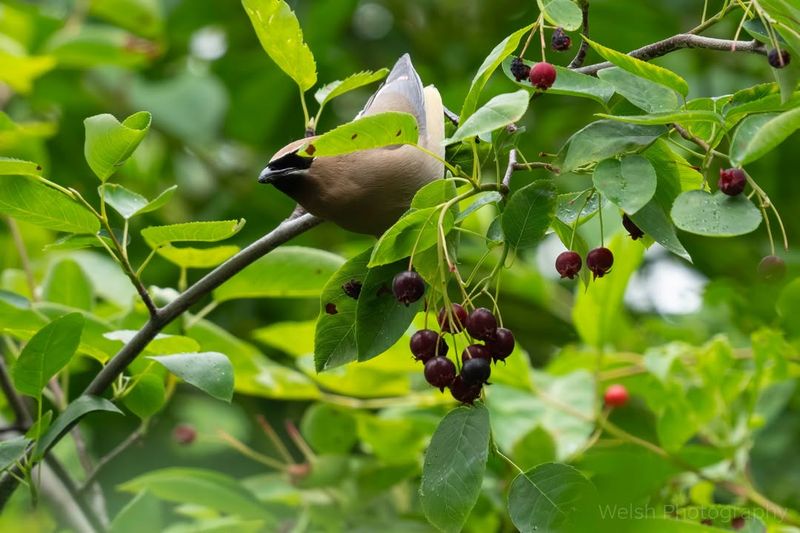
This native shrub produces delicious berries that ripen in early summer, attracting over forty different bird species to feast on the nutritious fruit.
Cardinals, robins, and cedar waxwings find these purple-black berries irresistible, often stripping branches clean within days of ripening in June.
Beautiful white flowers appear in spring before leaves emerge, creating a stunning display that signals the start of the growing season ahead.
Serviceberry thrives in Minnesota’s climate, tolerating both sun and partial shade while adapting to various soil types without requiring excessive maintenance.
Berries contain high levels of antioxidants and essential nutrients that help birds build energy reserves for migration and breeding activities throughout summer.
Planting serviceberry near windows allows you to observe bird behavior up close while providing critical food resources during early nesting periods.
This versatile shrub grows between six and twenty feet tall, making it suitable for small yards or larger landscape designs alike.
Minnesota gardeners appreciate how serviceberry offers four-season interest with spring blooms, summer fruit, fall color, and attractive winter bark structure.
2. Black-Eyed Susan (Rudbeckia hirta)
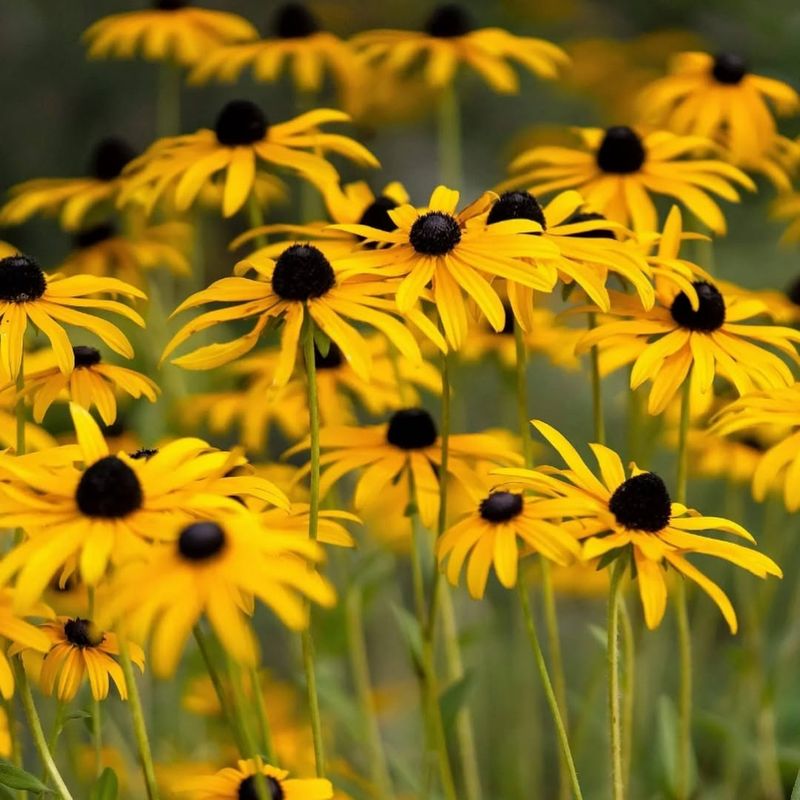
Goldfinches go absolutely wild for the seeds produced by Black-Eyed Susan, making this cheerful prairie native a must-have in any bird garden.
Bright yellow petals surrounding dark brown centers create eye-catching displays from midsummer through fall, bringing vibrant color to Minnesota landscapes.
Once flowers fade, seed heads remain standing through winter, providing crucial nutrition when other food sources disappear under snow and ice.
Sparrows and juncos also rely on these protein-rich seeds to survive cold Minnesota winters, pecking at dried flower heads throughout the season.
Black-Eyed Susan grows easily from seed, spreading naturally to create larger colonies that support more birds with each passing year.
This drought-tolerant perennial requires minimal care once established, thriving in full sun and well-drained soil without fertilizers or pesticides.
Native to Minnesota prairies, this wildflower helps restore natural ecosystems while supporting declining bird populations.
Leaving seed heads standing instead of cutting them down provides essential winter food that helps birds maintain body heat during subzero temperatures.
Black-Eyed Susan also attracts beneficial insects that birds feed to their young during nesting season.
3. American Cranberry Bush (Viburnum trilobum)
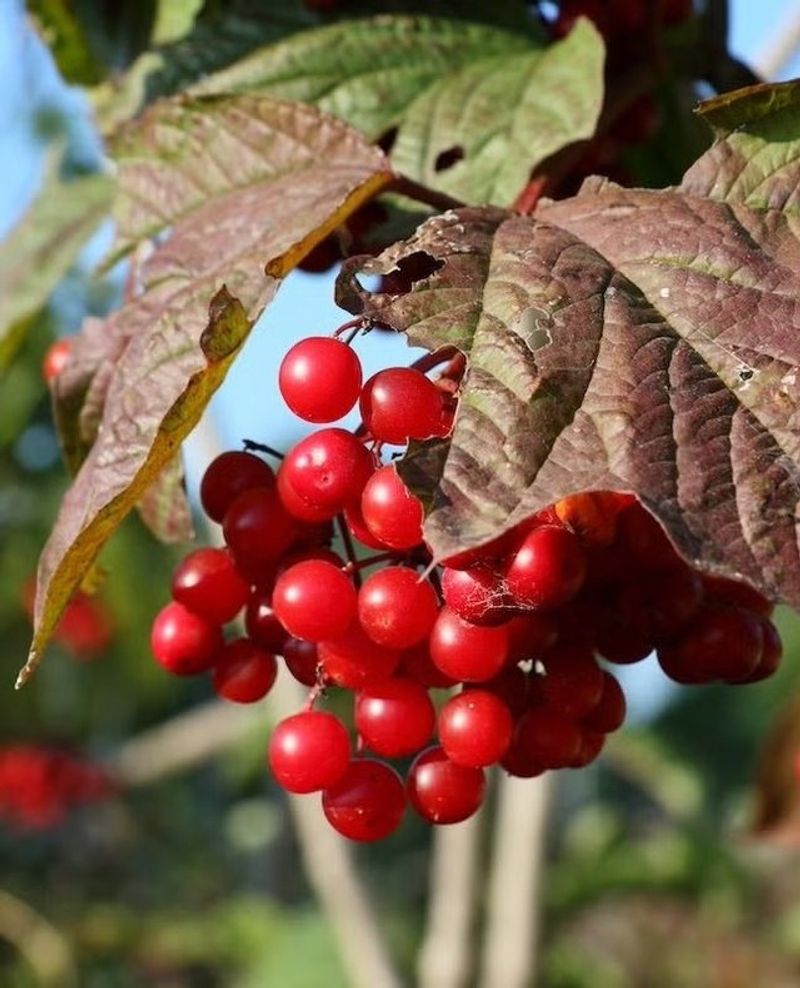
Clusters of brilliant red berries hang from American Cranberry Bush branches throughout winter, offering emergency rations during blizzards.
This hardy native viburnum produces white flower clusters in late spring that transform into tart, nutritious berries by early autumn.
Your Minnesota Garden Changes Every Week. Your Plan Should Too.
Gardening in Minnesota changes quickly throughout the season. Every Friday you’ll receive a simple weekly plan showing exactly what to plant, prune, fertilize, harvest, and protect so you never miss the right timing.
Waxwings, robins, and grosbeaks depend on these persistent fruits when insects and other food sources disappear.
Berries often remain on branches until spring, providing reliable backup food through the leanest months.
American Cranberry Bush grows eight to twelve feet tall, creating excellent nesting cover while producing abundant food.
Planting this shrub in groupings increases berry production and attracts larger numbers of birds.
White flowers attract pollinators in spring, supporting insects birds need to feed nestlings.
This native viburnum tolerates wet soils, making it ideal for rain gardens and low areas.
Fall foliage turns red and purple, adding beauty as berries reach peak nutrition.
4. Purple Coneflower (Echinacea purpurea)
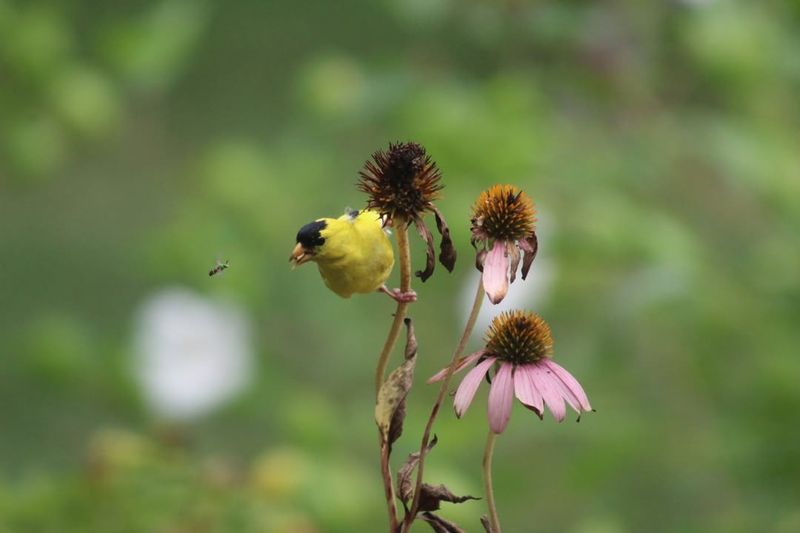
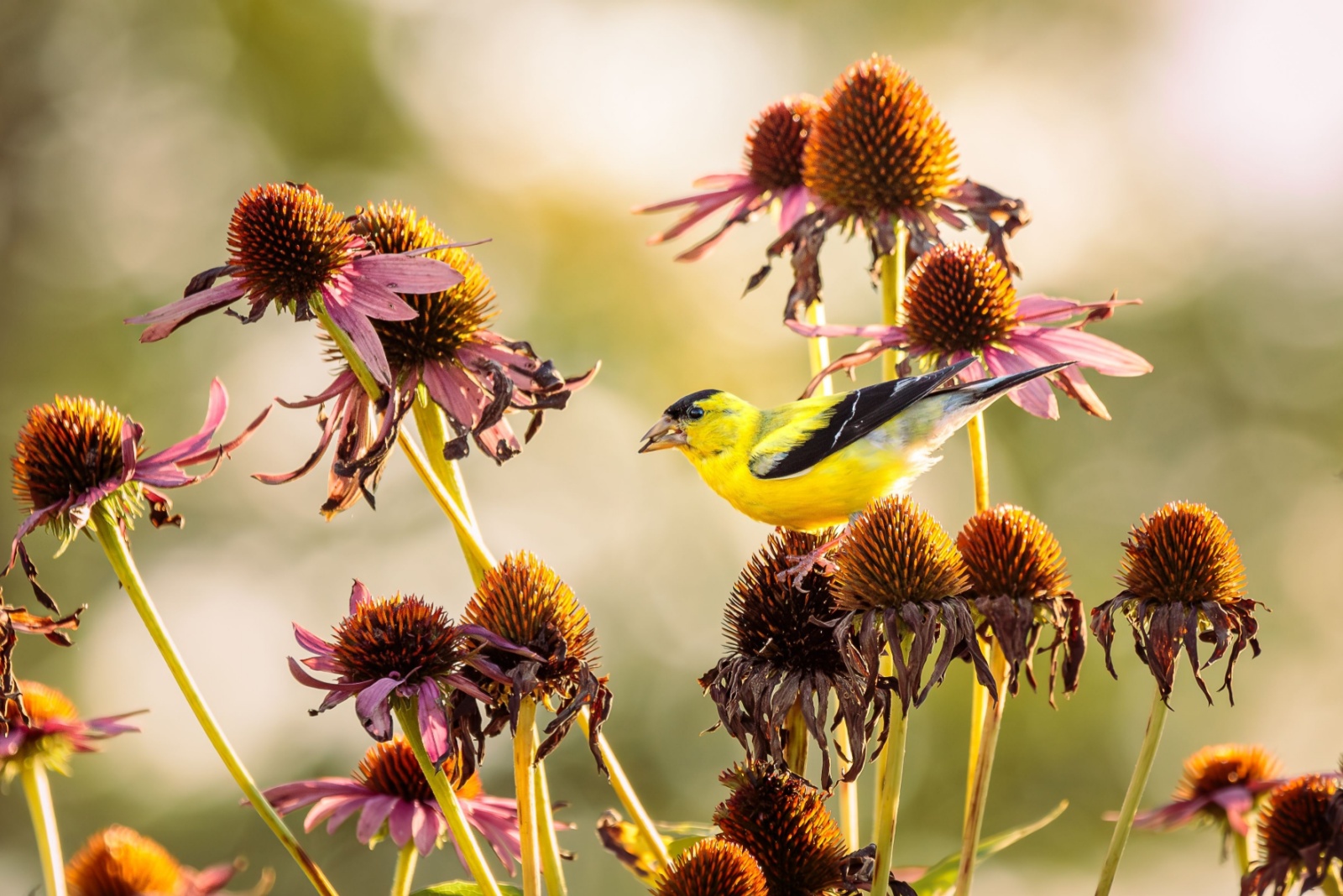
Finches perform acrobatic feats while clinging to Purple Coneflower seed heads, extracting nutritious seeds from the spiky centers throughout late summer and fall.
Pink-purple petals droop gracefully around raised cone centers, creating distinctive flowers that bloom from July through September in Minnesota gardens everywhere.
After petals fade, the seed-rich cones remain standing, providing high-energy food that helps birds prepare for migration or survive approaching winter months.
This prairie native tolerates heat, drought, and poor soil conditions, making it one of the easiest perennials for Minnesota gardeners to grow successfully.
Chickadees and nuthatches also visit coneflower seed heads regularly, often hanging upside down while prying seeds loose from their protective casings below.
Purple Coneflower grows two to four feet tall, creating mid-height interest in borders while supporting multiple bird species with abundant seed production.
Leaving seed heads intact through winter provides essential food during periods when natural seed sources become buried under snow or frozen solid.
Native to Minnesota prairies, this wildflower helps restore natural habitats while supporting bird populations that evolved alongside these important plant communities.
Purple Coneflower also attracts butterflies and bees during bloom time, creating insect populations that birds harvest to feed their growing nestlings later.
5. Pagoda Dogwood (Cornus alternifolia)
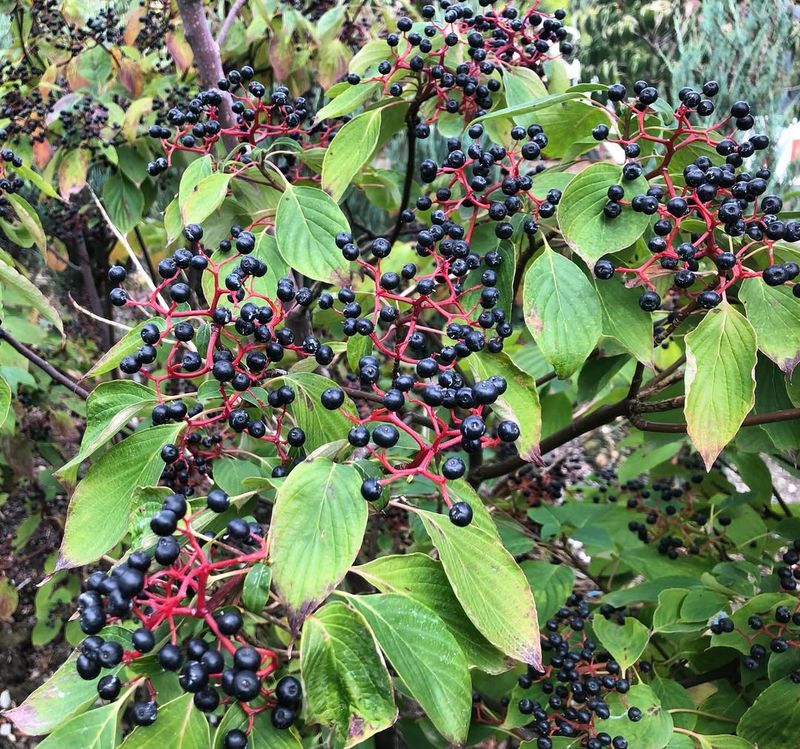
Horizontal branching creates distinctive layered tiers on Pagoda Dogwood, giving this native tree its memorable name and unique architectural presence in Minnesota landscapes.
Creamy white flower clusters appear in late spring, eventually developing into blue-black berries that ripen by late summer for hungry migrating birds.
Thrushes, vireos, and tanagers feast on these lipid-rich fruits, gaining the fat reserves necessary for long-distance flights to southern wintering grounds.
This understory tree grows fifteen to twenty-five feet tall, fitting perfectly into smaller yards or beneath larger canopy trees in woodland settings.
Pagoda Dogwood thrives in partial shade and moist soils, making it ideal for Minnesota’s northern forests and shaded garden areas alike.
Berries provide high-calorie nutrition precisely when birds need it most, during the energy-intensive period of fall migration across thousands of miles.
Variegated cultivars offer stunning foliage with cream-edged leaves, adding ornamental value while still producing the nutritious berries that birds desperately need.
Minnesota’s native dogwood tolerates clay soils better than many other trees, adapting well to challenging urban and suburban planting conditions throughout.
Fall foliage turns reddish-purple, creating beautiful seasonal displays while berries ripen to their peak nutritional content for maximum bird benefit.
6. Wild Bergamot (Monarda fistulosa)
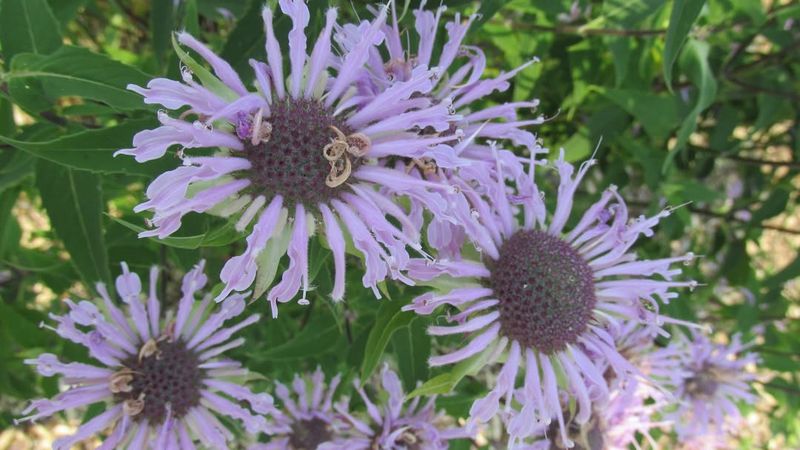
Hummingbirds hover around Wild Bergamot’s lavender-pink blooms, sipping nectar from tubular flowers that provide essential energy during their remarkable summer residency here.
This aromatic prairie native produces clusters of shaggy flowers from July through September, blooming during peak hummingbird activity in Minnesota gardens and meadows.
Tubular flower structures perfectly match hummingbird bill lengths, creating an evolutionary partnership that benefits both plant and pollinator through efficient nectar transfer.
Finches and sparrows later harvest seeds from dried flower heads, extending this plant’s value well beyond the summer blooming season into fall.
Wild Bergamot grows two to four feet tall, creating airy texture in borders while attracting multiple bird species with its dual offerings.
This drought-tolerant perennial thrives in full sun and well-drained soils, requiring minimal maintenance once established in Minnesota’s challenging climate conditions.
Minty fragrance deters deer and rabbits while attracting beneficial insects that birds feed to their nestlings during critical early growth stages ahead.
Native to Minnesota prairies, Wild Bergamot helps restore natural ecosystems while supporting hummingbird populations that face habitat loss throughout their range.
Planting large drifts creates more visible targets for passing hummingbirds, increasing the chances these tiny migrants will stop and refuel properly.
7. Gray Dogwood (Cornus racemosa)
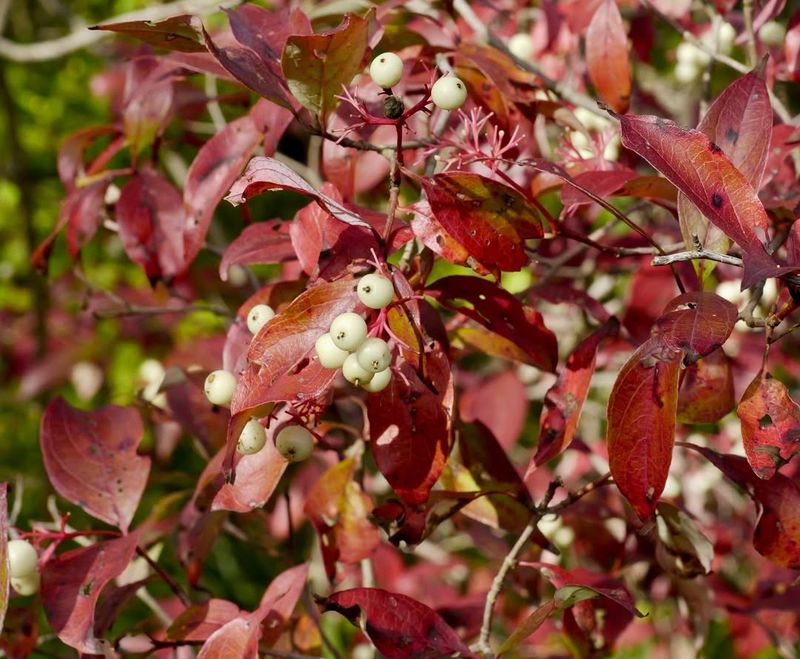
White berries on bright red stems create striking contrast on Gray Dogwood branches, making this native shrub visually stunning while feeding dozens of bird species.
Clusters of small white flowers bloom in late spring, transforming into berries by midsummer when many birds are raising their second broods.
Catbirds, thrashers, and woodpeckers consume these nutritious fruits eagerly, often competing for access to the most productive branches during peak ripening periods.
This adaptable shrub grows six to ten feet tall, forming dense thickets that provide excellent nesting cover while producing abundant food resources.
Gray Dogwood spreads through underground runners, creating larger colonies over time that support increasing numbers of birds with expanded food supplies.
Minnesota’s native dogwood tolerates wet or dry soils, making it suitable for diverse planting situations from rain gardens to dry hillsides.
Red stems remain colorful through winter after berries disappear, adding ornamental interest to dormant landscapes during the bleakest months of the year.
Birds often strip berries quickly after ripening, but the shrub’s dense branching structure continues providing shelter and nesting sites throughout all seasons.
Gray Dogwood also produces fall foliage in shades of red and purple, creating beautiful displays while supporting the complete lifecycle of birds.
8. Nannyberry (Viburnum lentago)
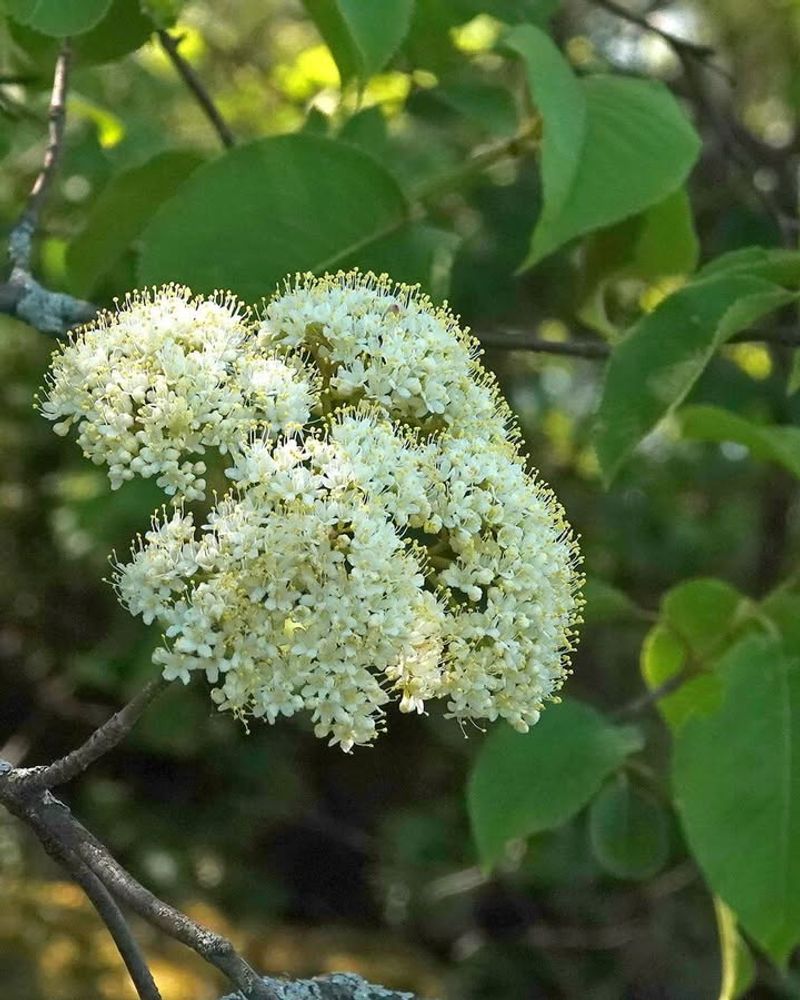
Sweet-tasting berries on Nannyberry shrubs attract cedar waxwings by the dozens, creating spectacular feeding frenzies when fruits ripen in late summer and fall.
This native viburnum produces creamy white flower clusters in spring that develop into berries changing from green to pink to blue-black as summer progresses.
Robins, thrushes, and grosbeaks also feast on these nutritious fruits, which persist into winter when other food sources become scarce or buried.
Nannyberry grows twelve to eighteen feet tall, functioning as either a large shrub or small tree depending on pruning and training methods.
This versatile plant tolerates shade better than many fruit-producing species, making it valuable for woodland edges and shaded areas in Minnesota yards.
Glossy leaves turn rich burgundy-red in autumn, creating stunning seasonal displays while berries reach their peak sweetness and nutritional value for birds.
Minnesota’s native viburnum adapts to various soil types, growing successfully in both wet and dry conditions without requiring excessive maintenance or care.
Planting Nannyberry in groups increases cross-pollination and berry production, providing more abundant food resources for larger numbers of hungry birds.
Berries contain high levels of carbohydrates and fats that help birds build energy reserves for migration or surviving brutal Minnesota winters.
9. Joe Pye Weed (Eutrochium maculatum)
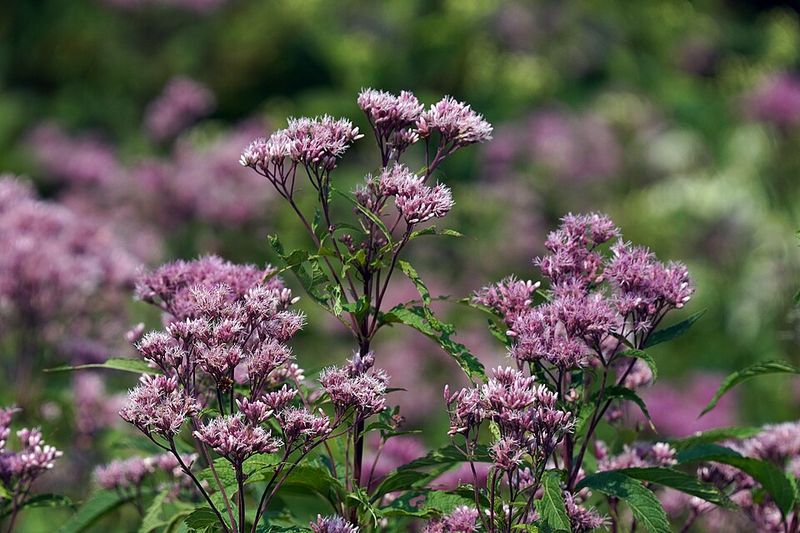
Towering flower clusters on Joe Pye Weed reach six to eight feet tall, creating dramatic vertical accents while providing abundant seeds for goldfinches and sparrows.
Dusty pink-purple blooms appear in late summer, offering nectar to butterflies and hummingbirds before transforming into fluffy seed heads by early autumn.
Goldfinches cling to swaying stems in fall and winter, extracting nutritious seeds from dried flower heads that remain standing through snow.
This moisture-loving native thrives in rain gardens and wet areas where many other plants struggle to survive Minnesota’s variable precipitation patterns.
Joe Pye Weed creates impressive presence in back borders or naturalized areas, adding height and texture while supporting multiple bird species.
Vanilla-scented flowers attract beneficial insects that birds harvest to feed their nestlings during summer breeding season, creating complete food webs.
Minnesota’s native wildflower tolerates clay soils and periodic flooding, making it perfect for challenging sites with poor drainage or seasonal standing water.
Leaving dried stems standing through winter provides essential seed resources during periods when natural food sources become covered by ice and snow.
Joe Pye Weed also offers excellent cover for ground-nesting birds, with its tall stems creating protective screens that hide nests from predators.
10. Red-Osier Dogwood (Cornus sericea)
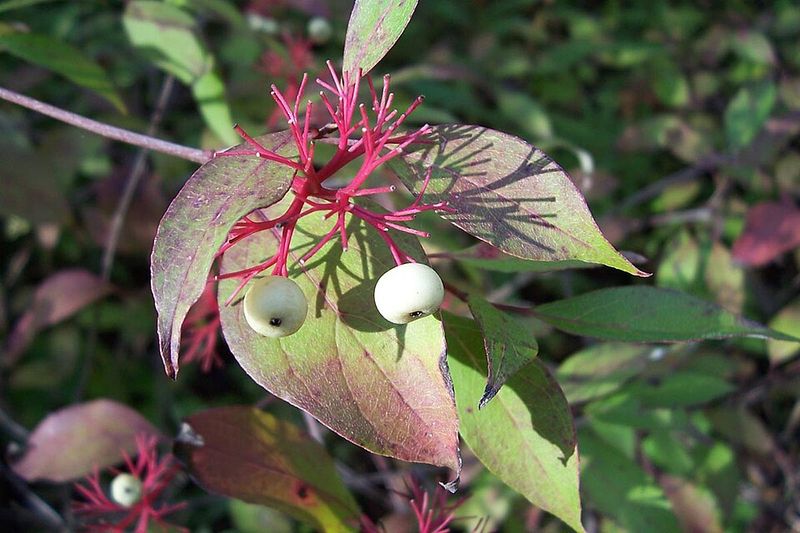
Brilliant red stems glow against white snow on Red-Osier Dogwood, creating stunning winter landscapes while producing berries that sustain birds through Minnesota’s coldest months.
White flower clusters bloom in early summer, developing into white or bluish berries by late summer when many birds are preparing for migration.
Waxwings, thrushes, and woodpeckers devour these nutritious fruits, often stripping entire shrubs within days of berries reaching peak ripeness and availability.
This vigorous shrub grows five to eight feet tall, spreading through underground stems to create dense thickets that provide excellent nesting cover.
Red-Osier Dogwood thrives in wet soils and tolerates periodic flooding, making it ideal for streambanks, pond edges, and rain gardens throughout Minnesota.
Bright red stems remain colorful all winter, offering ornamental value long after leaves drop and berries disappear from hungry bird consumption.
Minnesota’s native dogwood produces new growth from the base each year, with young stems displaying the most intense red coloration during winter.
Pruning older stems encourages fresh growth with brighter color, maintaining the shrub’s visual appeal while promoting vigorous berry production for birds.
Red-Osier Dogwood also provides important cover along water edges, creating habitat corridors that connect fragmented landscapes for migrating bird populations.
11. Wild Plum (Prunus americana)
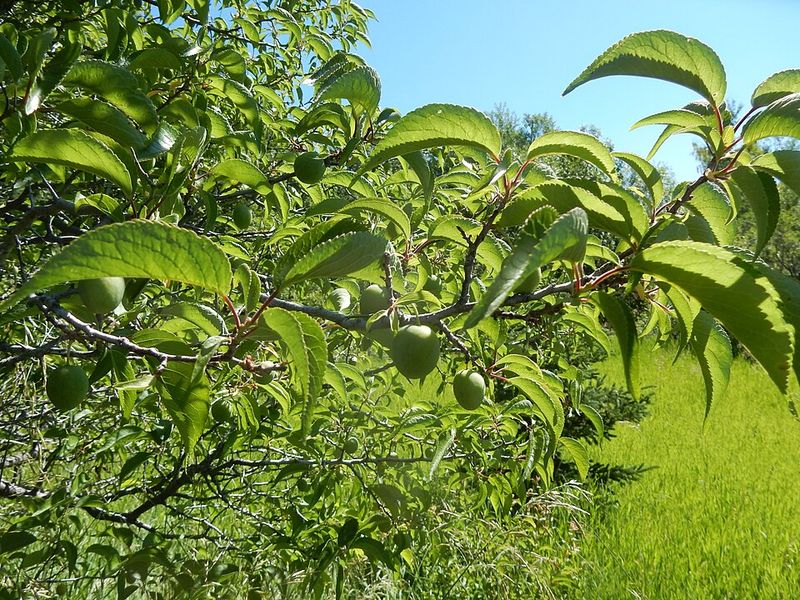
Fragrant white blossoms cover Wild Plum branches in early spring, creating breathtaking displays that signal winter’s end while attracting early-arriving migrant birds.
These native trees produce small red or orange plums by midsummer, offering tart fruits that numerous bird species consume eagerly despite challenging flavor.
Grosbeaks, orioles, and woodpeckers feast on these nutritious plums, gaining essential vitamins and minerals during the demanding breeding season when energy needs peak.
Wild Plum grows twelve to twenty feet tall, forming dense thickets through root suckering that creates excellent nesting habitat for multiple bird species.
Thorny branches provide additional protection for nesting birds, deterring predators while offering abundant food resources within safe foraging distances from nests.
Minnesota’s native plum tolerates a wide range of soil conditions, adapting successfully to both sandy and clay soils throughout the state.
Early spring blooms provide crucial nectar resources for insects that birds feed to their newly-hatched nestlings during critical early development periods.
Planting Wild Plum along property edges creates natural hedgerows that function as wildlife corridors, connecting fragmented habitats for birds moving through landscapes.
Fall foliage turns attractive shades of red and orange, adding seasonal beauty while fruits ripen to their peak nutritional content.
12. Little Bluestem (Schizachyrium scoparium)
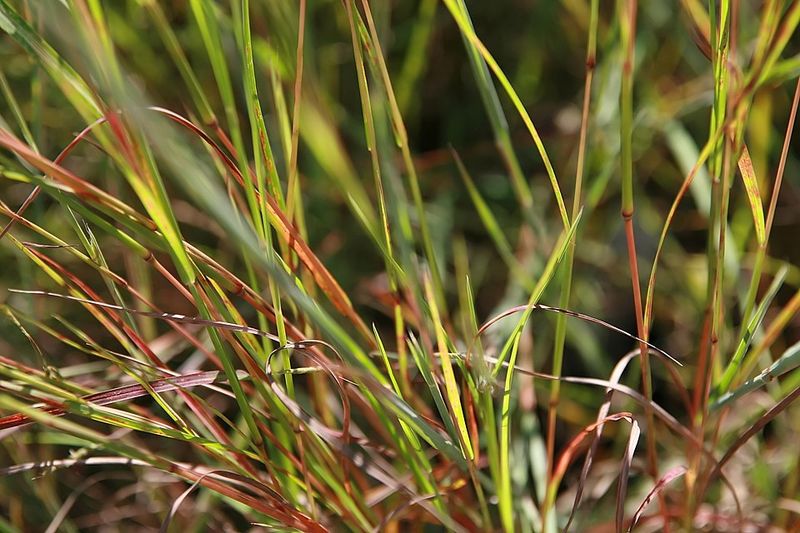
Sparrows and juncos flock to Little Bluestem stands throughout winter, harvesting seeds from graceful grass clumps that remain standing despite heavy snowfall.
This native prairie grass grows two to four feet tall, producing delicate seed heads that ripen in late summer and persist through winter.
Blue-green foliage transforms to stunning copper-bronze shades in autumn, creating beautiful seasonal displays while seeds mature to peak nutritional value for birds.
Little Bluestem tolerates drought and poor soils exceptionally well, making it perfect for challenging sites where other plants struggle to establish successfully.
Clump-forming growth habit prevents aggressive spreading while still providing substantial seed resources that support multiple bird species throughout cold Minnesota winters.
Native to Minnesota prairies, this grass helps restore natural ecosystems while supporting ground-feeding birds that depend on native seed sources.
Planting large drifts creates more attractive feeding areas that draw greater numbers of birds, increasing wildlife viewing opportunities throughout the winter season.
Little Bluestem requires no fertilizers or pesticides, offering low-maintenance beauty while supporting bird populations with natural food resources year after year.
Fluffy seed heads catch snow and create beautiful winter textures while remaining accessible to foraging birds throughout the coldest months ahead.
13. Chokecherry (Prunus virginiana)
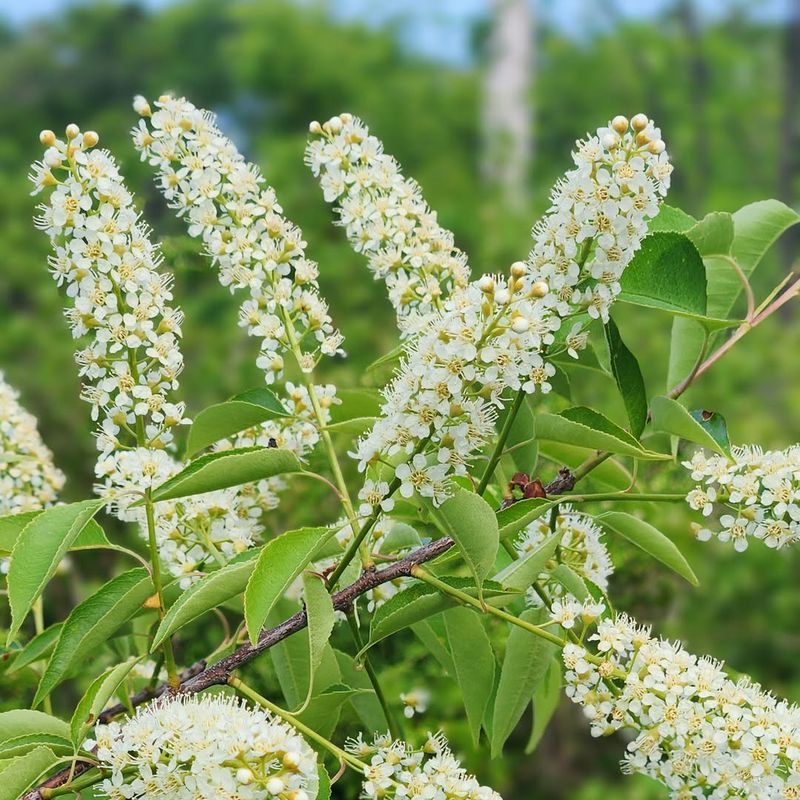
Cedar waxwings arrive in large flocks to feast on Chokecherry’s dark purple-black fruits, often consuming entire crops within hours of berries ripening.
Fragrant white flower spikes bloom in late spring, creating stunning displays that attract pollinators before transforming into astringent berries by midsummer each year.
Robins, thrushes, and grosbeaks also consume these nutritious fruits despite their tart flavor, gaining essential nutrients during breeding and migration periods.
This native tree grows fifteen to twenty-five feet tall, adapting to diverse growing conditions from full sun to partial shade throughout Minnesota.
Chokecherry produces abundant fruit crops that support large numbers of birds, making it one of the most valuable wildlife plants available.
Minnesota’s native cherry tolerates poor soils and challenging urban conditions, thriving where many other fruit-producing trees fail to establish or produce well.
Planting Chokecherry along property boundaries creates natural screens that provide privacy while producing food and shelter for numerous bird species year-round.
Berries contain antioxidants and essential fatty acids that help birds build fat reserves necessary for surviving migration or enduring harsh winter conditions.
Fall foliage turns yellow to reddish-purple, adding seasonal interest while berries ripen to their peak nutritional content for maximum bird benefit.