The Best Plants To Grow Around A Bird Feeder In Maryland
In Maryland, a bird feeder is rarely just a feeder—it’s the heart of the yard.
And savvy homeowners are learning that what you plant around it can make all the difference.
The right greenery doesn’t just beautify the space; it turns a pit stop into a full-service destination for feathered visitors.
Native shrubs, berry-producing plants, and sturdy evergreens offer birds shelter, food, and a place to perch while waiting their turn.
Instead of a bare pole in the middle of the yard, gardeners are creating layered habitats that feel safe and inviting.
The payoff? More species, longer visits, and a backyard that hums with life year-round.
This approach also helps keep the peace.
Well-placed plants provide cover from predators and reduce seed scatter, making the area cleaner and calmer. It’s a win for birds and humans alike.
By planting with intention, Maryland gardeners are discovering that a feeder works best when it’s part of a bigger picture—one where nature feels supported, not staged.
Serviceberry (Amelanchier Species)
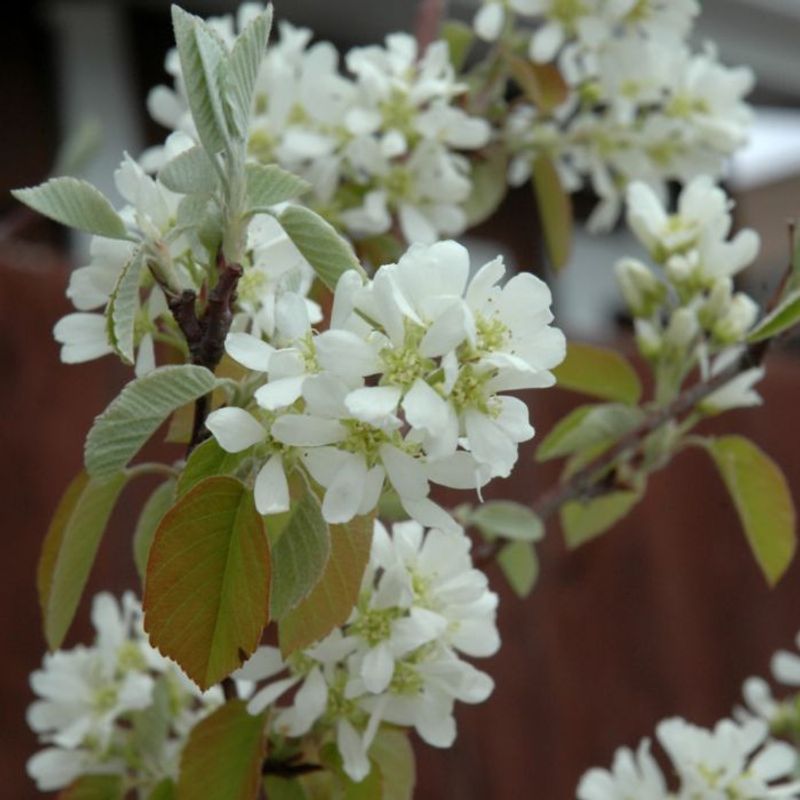
Native to Maryland and beloved by birds, serviceberry stands out as one of the most valuable plants you can grow near your feeder.
This versatile shrub or small tree produces delicious berries in early summer, right when many bird species are raising their young and need nutrient-rich food sources.
Robins, cedar waxwings, cardinals, and bluebirds flock to serviceberry branches to feast on the sweet purple-black fruits.
Because it blooms early in spring with beautiful white flowers, serviceberry also attracts insects that insectivorous birds rely on for protein.
The plant adapts well to various soil conditions and can tolerate both sun and partial shade, making it easy to incorporate into most Maryland landscapes.
Its compact size works perfectly for smaller yards, while larger properties can accommodate multiple specimens to create a natural hedgerow.
Beyond its wildlife value, serviceberry offers year-round visual interest with spring blooms, summer berries, and stunning fall foliage in shades of orange and red.
Planting serviceberry near your feeder creates a natural dining area where birds can enjoy both cultivated seeds and wild berries.
This native plant requires minimal maintenance once established and rarely suffers from serious pest or disease problems.
Your feathered visitors will appreciate the combination of food sources and the protective branches that offer quick escape routes from predators.
Eastern Red Cedar (Juniperus Virginiana)
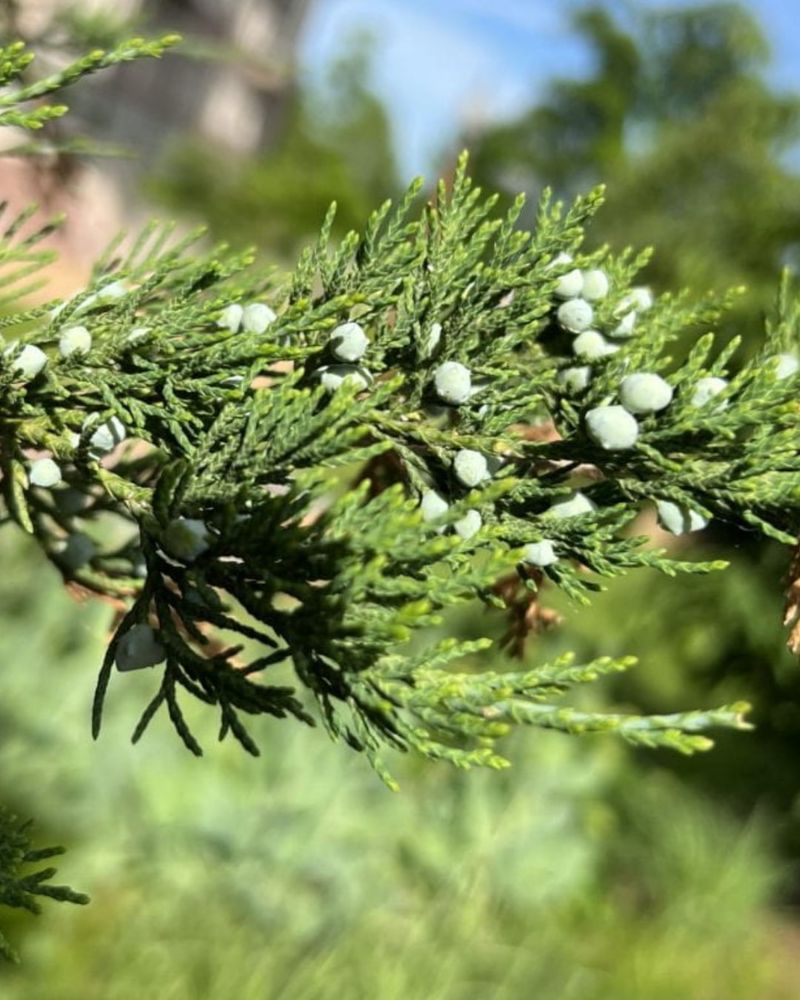
Few trees provide as much year-round value to birds as the Eastern red cedar, Maryland’s most widespread native conifer.
Its dense evergreen foliage offers crucial shelter during harsh winter months when deciduous trees stand bare and exposed.
Birds seek refuge in cedar branches during snowstorms and use the thick cover as nighttime roosting spots to conserve body heat.
Female cedars produce bluish berry-like cones that ripen in fall and persist through winter, providing essential food when other sources become scarce.
Cedar waxwings earned their name partly because of their fondness for these nutritious cones, though robins, bluebirds, and mockingbirds also rely on them heavily.
The tree’s pyramidal shape and aromatic wood add visual and sensory appeal to your landscape while creating natural windbreaks that protect feeding areas.
Your Maryland Garden Changes Every Week. Your Plan Should Too.
Gardening in Maryland changes quickly throughout the season. Every Friday you’ll receive a simple weekly plan showing exactly what to plant, prune, fertilize, harvest, and protect so you never miss the right timing.
Eastern red cedar grows well in Maryland’s clay soils and tolerates drought once established, making it a low-maintenance choice for busy gardeners.
Planting one near your feeder gives birds a safe perch to survey the area before descending to eat, reducing their vulnerability to predators.
The combination of shelter, food, and strategic positioning makes Eastern red cedar an irreplaceable component of any bird-friendly Maryland yard.
As an added bonus, its evergreen presence keeps your landscape looking vibrant even during the coldest months.
American Holly (Ilex Opaca)
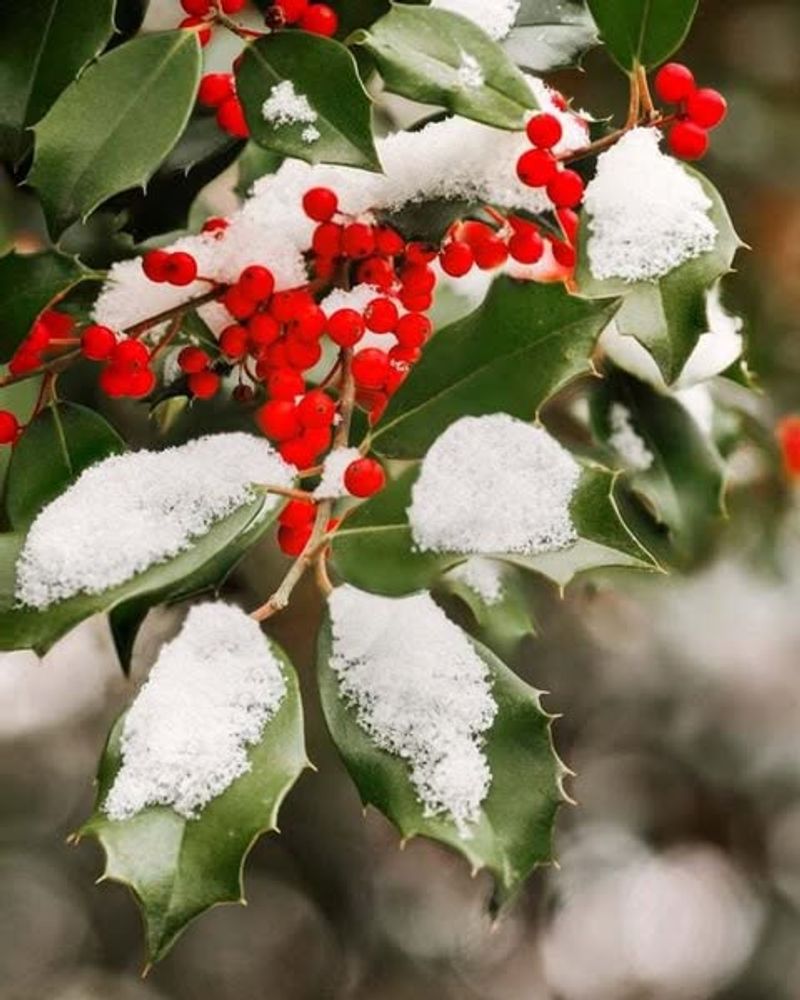
Standing tall with glossy green leaves and brilliant red berries, American holly brings both beauty and function to bird habitats.
This native evergreen tree maintains its dense foliage throughout winter, creating essential cover when birds need it most.
The spiny leaves deter many predators, making holly an excellent safe haven where smaller birds can hide from hawks and cats.
Female holly trees produce abundant red berries that ripen in fall and often persist well into winter, though they’re typically not eaten until other food sources diminish.
Thrushes, bluebirds, mockingbirds, and cedar waxwings eventually turn to these berries as a reliable backup food supply during the leanest months.
American holly grows slowly but steadily in Maryland’s climate, adapting to various soil types as long as drainage is adequate.
Its pyramidal form works beautifully as a specimen tree or can be planted in groups to create natural privacy screens.
Placing holly near your feeder provides birds with a convenient shelter where they can rest between feeding sessions.
The combination of protective cover and nutritious berries makes this native tree indispensable for year-round bird support.
Holly also adds festive color to winter landscapes, reminding us why it’s been cherished in gardens for generations.
Winterberry Holly (Ilex Verticillata)
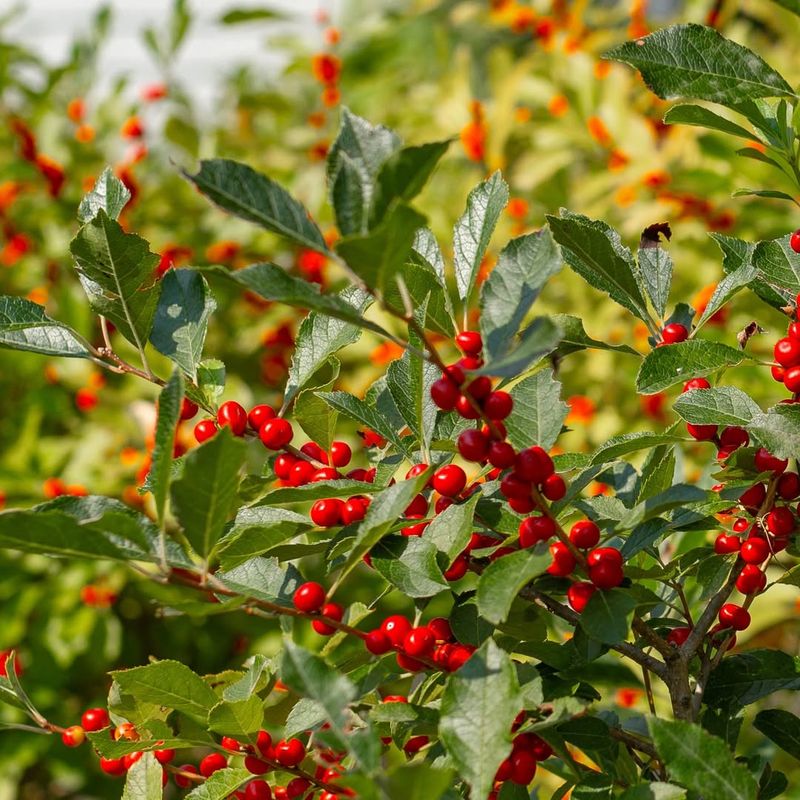
When most plants fade into winter dormancy, winterberry holly puts on a spectacular show that birds can’t resist.
This deciduous holly loses its leaves in autumn, revealing branches absolutely loaded with brilliant red berries that seem to glow against winter’s muted palette.
The dramatic display serves a practical purpose beyond aesthetics—those berries represent vital calories for birds struggling through Maryland’s coldest months.
Robins, bluebirds, thrashers, and waxwings descend on winterberry shrubs in flocks once the berries have softened from repeated freezing and thawing.
Unlike its evergreen cousin American holly, winterberry thrives in wetter soils and can even tolerate periodic flooding, making it perfect for low-lying areas of your property.
Plant both male and female shrubs to ensure good berry production, as only females bear fruit but they need males nearby for pollination.
Winterberry grows as a multi-stemmed shrub reaching six to ten feet tall, creating an attractive informal hedge that doubles as a bird buffet.
Position these shrubs within view of your feeder to enjoy watching birds move between cultivated seeds and natural berries.
The late-season fruit timing is particularly valuable because it bridges the gap when other food sources have been exhausted.
Your winter landscape will look more vibrant, and your bird population will have the resources they need to survive until spring.
Elderberry (Sambucus Canadensis)
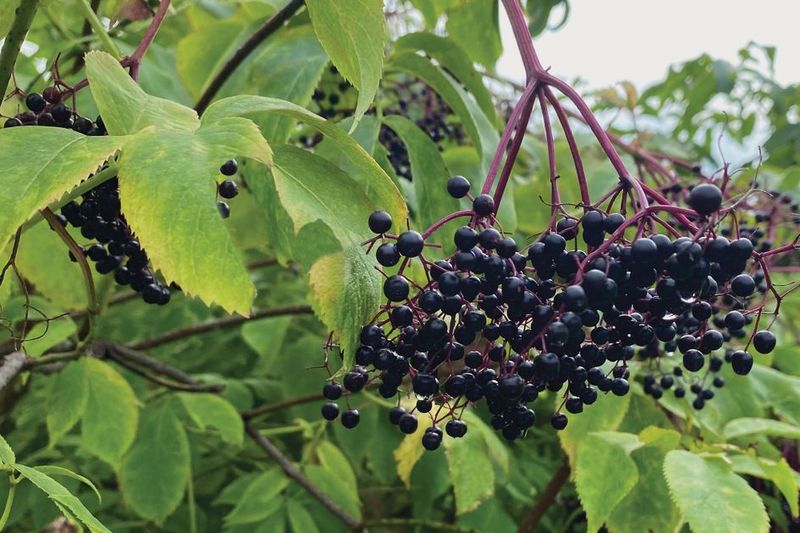
Elderberry shrubs deserve recognition as one of the most productive berry plants you can grow for birds in Maryland.
These vigorous native shrubs produce massive clusters of tiny dark purple berries in late summer, and birds devour them with remarkable enthusiasm.
More than forty bird species have been documented feeding on elderberries, including orioles, tanagers, thrushes, warblers, and woodpeckers.
The shrubs grow quickly and can reach ten feet tall, creating substantial cover and nesting habitat in addition to their abundant fruit production.
Elderberry prefers moist soil and full sun but adapts reasonably well to various conditions throughout Maryland’s diverse regions.
Before the berries appear, elderberry produces large flat-topped clusters of white flowers in early summer that attract countless insects, which in turn draw insect-eating birds.
This double benefit—insects followed by berries—makes elderberry especially valuable during the breeding season when parent birds need high-protein food for their nestlings.
Plant elderberry in groups near your feeder to create a naturalistic thicket that birds will use for shelter and foraging.
The shrubs require little maintenance beyond occasional pruning to remove older stems and encourage fresh growth.
Watching flocks of birds strip ripe elderberries from the branches is one of summer’s great backyard wildlife spectacles.
Arrowwood Viburnum (Viburnum Dentatum)
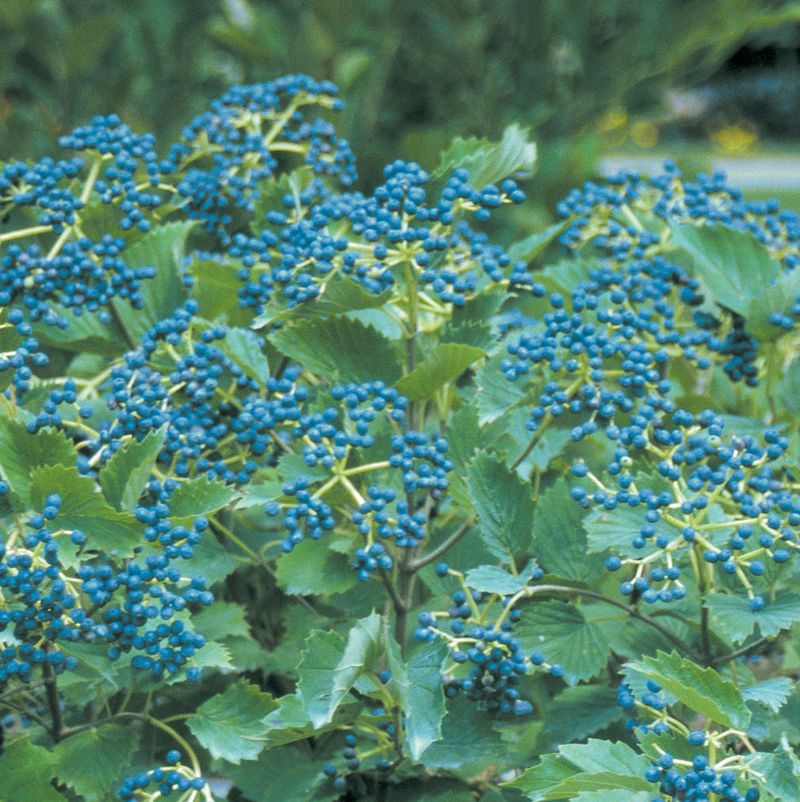
Arrowwood viburnum quietly does the heavy lifting in bird-friendly landscapes, providing multiple resources throughout the seasons.
This Maryland native shrub produces clusters of white flowers in late spring that attract numerous insects, creating a protein-rich feeding ground for warblers and other insectivores.
By late summer, those flowers transform into dark blue berries that thrushes, catbirds, robins, and cedar waxwings eagerly consume.
The shrub’s dense branching structure offers excellent nesting sites for birds that prefer to build in thick cover away from predators.
Arrowwood viburnum adapts to various soil conditions and tolerates both sun and shade, making it versatile enough for different spots in your yard.
It typically grows six to ten feet tall with an equally wide spread, creating substantial habitat in a relatively compact footprint.
The glossy green leaves turn attractive shades of yellow, orange, and red in fall, adding seasonal color to your landscape.
Planting arrowwood viburnum near your feeder creates a natural transition zone where birds can perch, forage for insects, and grab berries between visits to the seed supply.
This native shrub requires minimal care once established and rarely suffers from serious pest problems.
Its combination of flowers, berries, nesting cover, and insect habitat makes arrowwood viburnum one of the most complete bird-support plants available.
Purple Coneflower (Echinacea Purpurea)
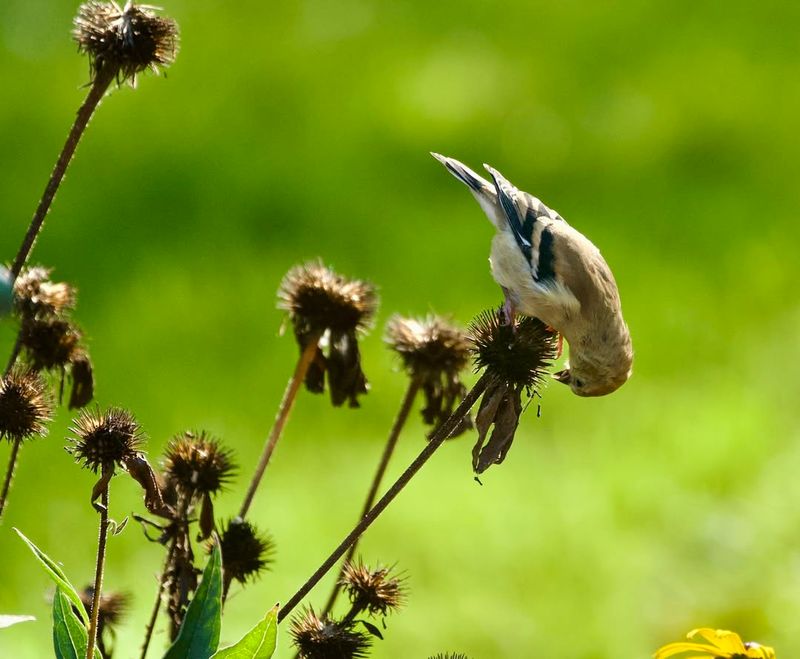
Purple coneflower’s value to birds extends far beyond its summer blooms, though those pink-purple flowers certainly brighten any garden.
The real magic happens when you resist the urge to deadhead spent flowers and instead leave the seed heads standing through fall and winter.
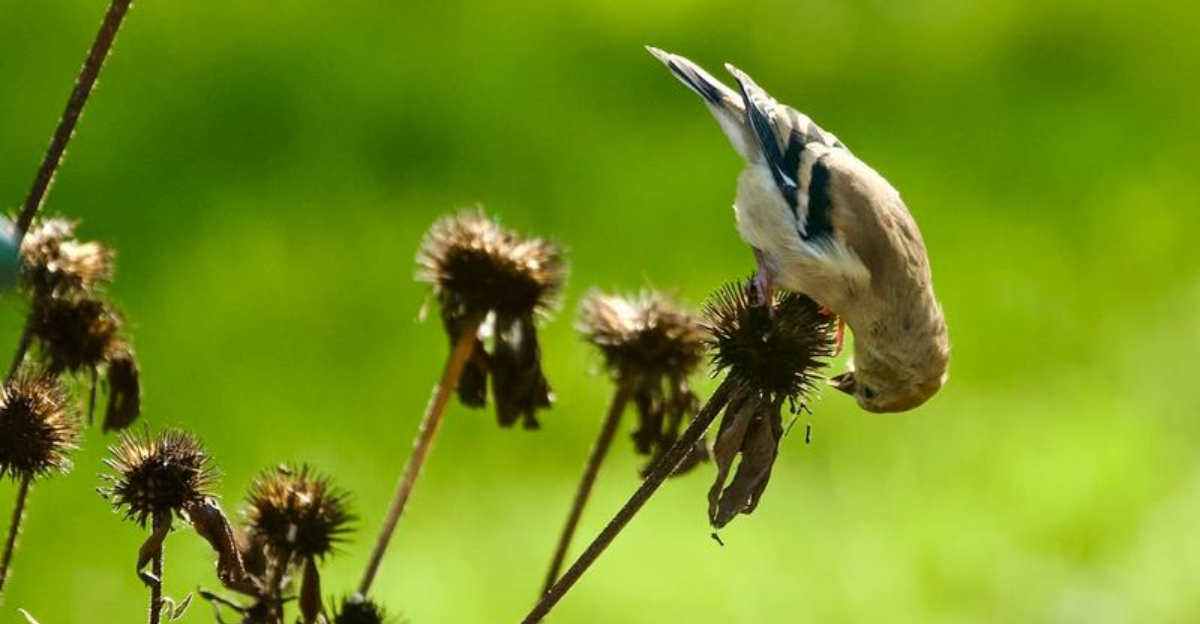
Those dried cones become natural bird feeders that goldfinches, chickadees, and other small songbirds visit regularly to extract nutritious seeds.
Watching finches cling to swaying coneflower stems while they work to pry out seeds provides endless entertainment on winter afternoons.
This native perennial thrives in Maryland’s climate, tolerating heat, humidity, and drought once established in well-drained soil.
Purple coneflower grows two to three feet tall and spreads gradually to form attractive clumps that look natural near bird feeders.
The flowers bloom from midsummer into fall, attracting butterflies and bees while they’re fresh, then transitioning to bird food as they mature.
Plant coneflowers in groups of five or more to create a substantial seed source that will support multiple birds throughout the colder months.
The sturdy stems stand up well to snow and ice, keeping seeds accessible even during harsh weather.
Purple coneflower requires almost no maintenance beyond cutting back old growth in early spring to make room for fresh shoots.
Black-Eyed Susan (Rudbeckia Hirta)
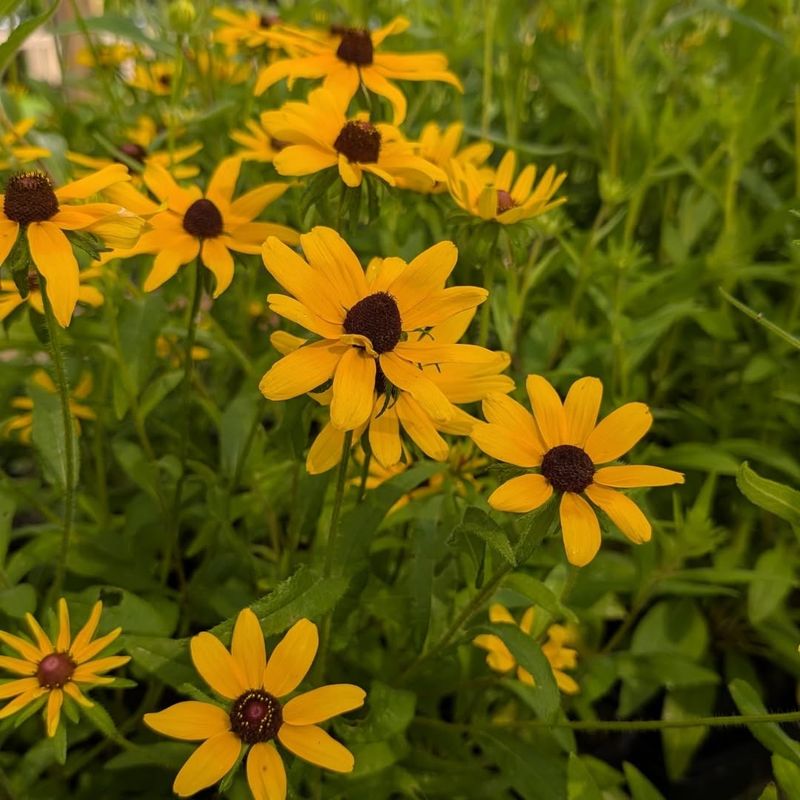
Maryland’s cheerful state flower does more than add golden color to summer gardens—it serves as a valuable food source for seed-eating birds.
Black-eyed Susans bloom prolifically from June through September, creating bright yellow displays with distinctive dark centers that seem to capture summer sunshine.
As flowers fade and form seed heads, goldfinches, sparrows, and juncos arrive to feast on the nutritious seeds packed into those dark cones.
The plants also attract numerous insects to their blooms, which in turn draw insectivorous birds like warblers and wrens to the area around your feeder.
Black-eyed Susan grows easily in Maryland’s climate, tolerating poor soil, drought, and full sun without complaint.
These hardy biennials or short-lived perennials self-sow readily, creating naturalistic drifts that expand over time to provide even more bird food.
The plants reach one to three feet tall depending on variety, making them perfect for layering in front of taller shrubs near your feeding station.
Leave the dried flower heads standing through winter so birds can continue harvesting seeds during the months when food is scarcest.
Black-eyed Susans require virtually no maintenance and actually perform better when left alone rather than fussed over with excessive fertilizer or water.
Their combination of beauty, toughness, and wildlife value makes them essential components of any Maryland bird garden.
Switchgrass (Panicum Virgatum)
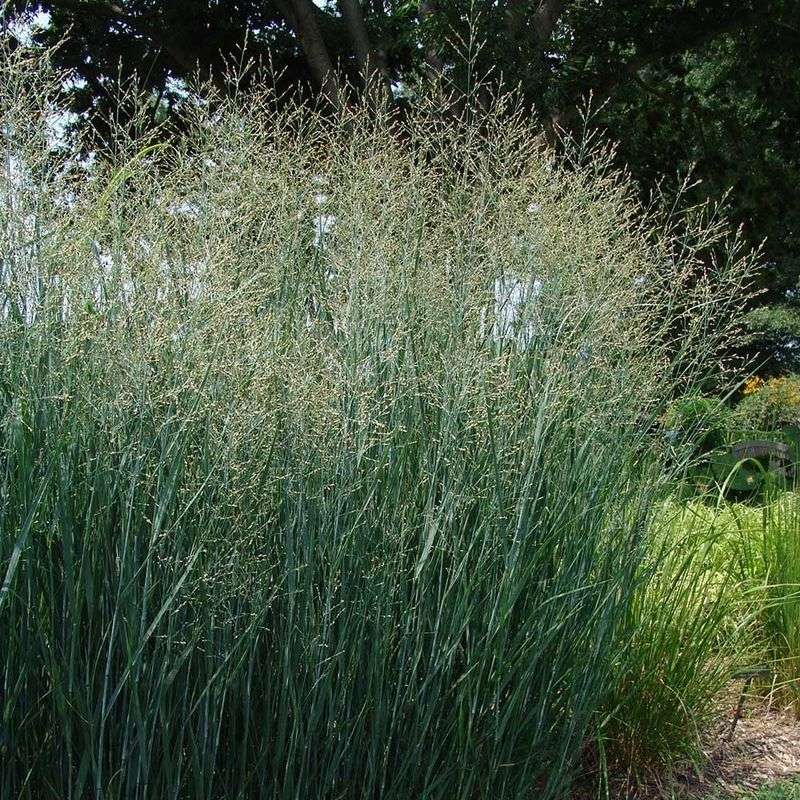
Ornamental grasses often get overlooked in bird-friendly landscaping, but native switchgrass proves its worth throughout the year.
This tall prairie grass produces abundant seeds that sparrows, juncos, and towhees actively seek out from late summer through winter.
The dense clumps of grass blades create protective cover where ground-feeding birds can forage safely, hidden from hawks and other predators.
Switchgrass typically grows four to six feet tall, forming upright clumps that remain standing through winter storms, maintaining their value as shelter and food sources.
The airy seed heads catch sunlight beautifully in fall, turning golden and adding movement to the landscape as they sway in autumn breezes.
This native grass thrives in Maryland’s climate, tolerating both dry and moderately wet soils while requiring essentially no maintenance beyond an annual spring trim.
Plant switchgrass in groups near your feeder to create natural screening that gives birds a sense of security while they feed.
The grass also provides nesting material that birds gather in spring to construct their nests.
Several cultivars offer different heights and fall colors, ranging from burgundy to bright yellow, letting you choose varieties that complement your landscape design.
Switchgrass supports birds while adding texture and seasonal interest that few other plants can match in a low-maintenance package.
Coral Honeysuckle (Lonicera Sempervirens)
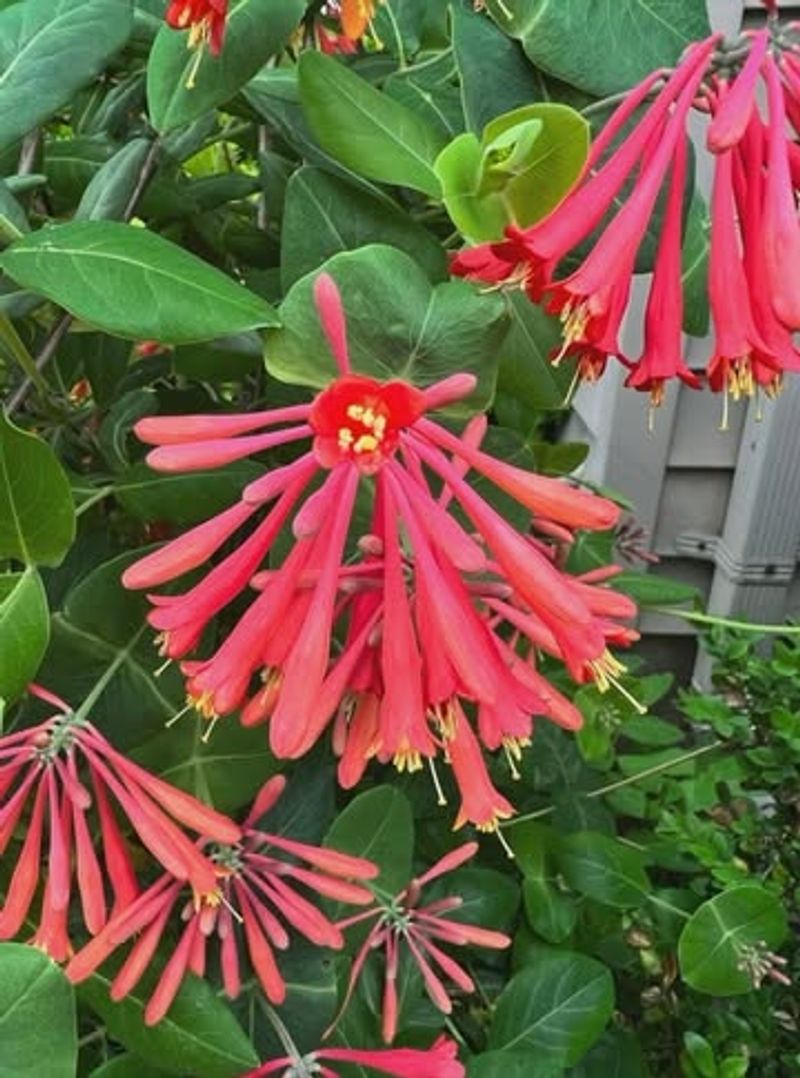
Coral honeysuckle brings vertical interest and exceptional wildlife value to the area around your bird feeder.
This native vine produces tubular coral-red flowers from spring through summer that hummingbirds find absolutely irresistible, adding a completely different dimension to your bird-watching experience.
After the flowers fade, small red berries appear in fall, attracting robins, bluebirds, and other fruit-eating species to supplement the seeds at your feeder.
The vine’s twining stems create dense cover on fences, trellises, or arbors, offering birds both nesting sites and protective shelter.
Unlike its invasive cousin Japanese honeysuckle, coral honeysuckle behaves politely in the garden, staying where you plant it without taking over your entire yard.
The semi-evergreen foliage remains attractive through much of winter in Maryland’s milder areas, extending its value as cover for roosting birds.
Coral honeysuckle grows well in sun or partial shade and tolerates various soil conditions once established.
Training it onto a structure near your feeder creates a natural backdrop that makes birds feel more secure while dining.
The flowers also attract numerous insects that insectivorous birds hunt, creating a complete food web in your backyard.
This beautiful native vine requires little care beyond occasional pruning to keep it within bounds and looking tidy.