Why Southern California Is One Of The Best Places In The U.S. To See Rainbow Eucalyptus Trees
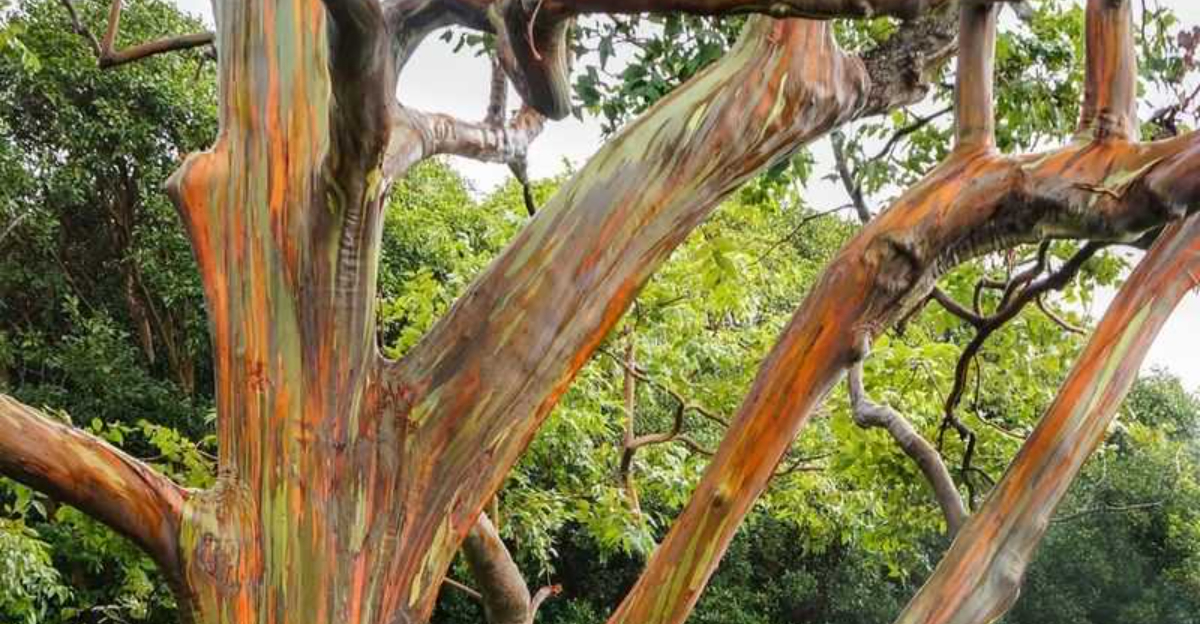
Southern California isn’t short on visual drama, but even here, rainbow eucalyptus trees stop people in their tracks.
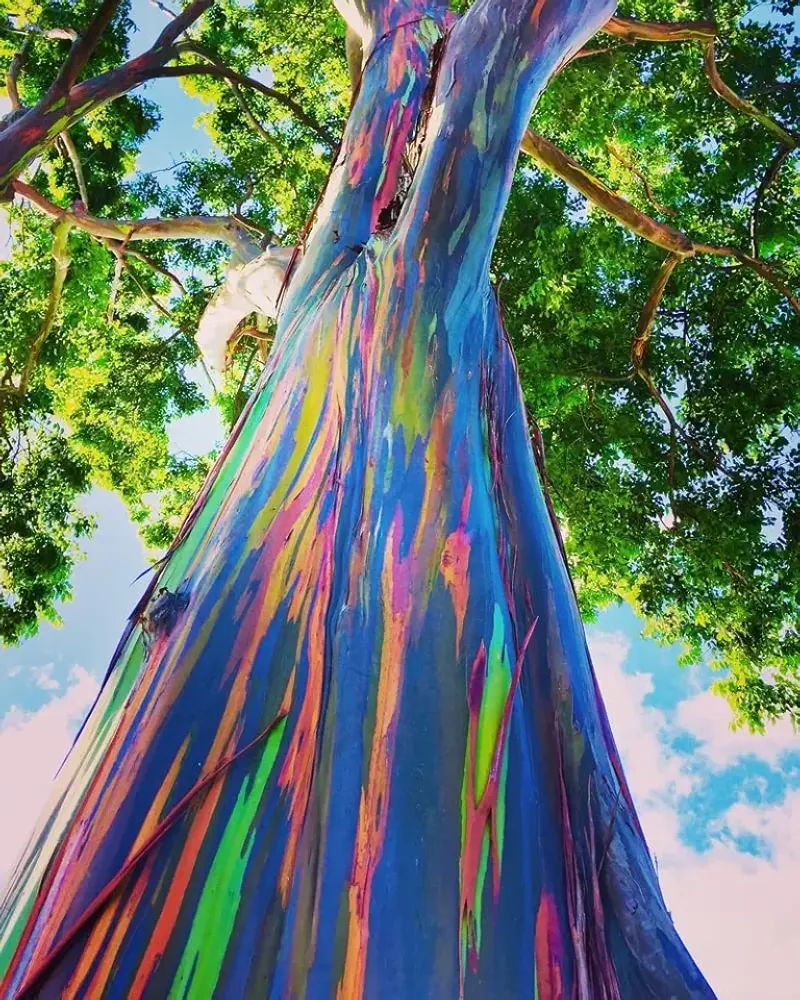
With bark that looks hand-painted in streaks of green, blue, orange, and maroon, these trees feel almost too vivid to be real.
And yet, thanks to the region’s mild climate, they thrive like they were meant to be there all along.
Unlike their tropical counterparts elsewhere, Southern California’s rainbow eucalyptus benefit from consistent warmth without the extremes.
As their bark peels naturally, fresh layers are exposed, creating a living mosaic that changes with time.
It’s nature’s slow-motion art show, no filter required.
For locals and visitors alike, spotting one feels like stumbling onto a secret.
These trees blur the line between botanical curiosity and landscape centerpiece, reminding us that beauty doesn’t always whisper—it can shout in color.
In a region already known for sunshine and spectacle, rainbow eucalyptus trees add another reason to look up, slow down, and marvel at what grows when conditions are just right.
Mediterranean Climate Similar To Native Habitat
Southern California enjoys weather patterns that mirror the warm, tropical conditions rainbow eucalyptus trees crave in their native lands.
Year-round mild temperatures and abundant sunshine create an environment where these spectacular trees can stretch toward the sky without battling harsh winters.
The region rarely experiences the freezing temperatures that would damage or stunt these tropical beauties.
Rainfall patterns in Southern California also align surprisingly well with what rainbow eucalyptus trees prefer.
While the region is drier than their native rainforest homes, strategic watering and naturally occurring winter rains provide adequate moisture.
The dry summers actually help prevent fungal diseases that might plague these trees in overly humid environments.
Temperature stability makes all the difference for successful rainbow eucalyptus cultivation.
Coastal areas maintain remarkably consistent conditions, with daytime highs rarely exceeding uncomfortable levels and nighttime lows staying comfortably above freezing.
This consistency allows the trees to focus energy on growth and bark development rather than survival.
The Mediterranean-style climate essentially tricks these tropical trees into thinking they never left home.
With minimal temperature swings and frost-free winters, Southern California offers one of the few mainland U.S. climates where rainbow eucalyptus can truly thrive and display their full colorful glory year after year.
Minimal Frost Risk Compared To Most U.S. Regions
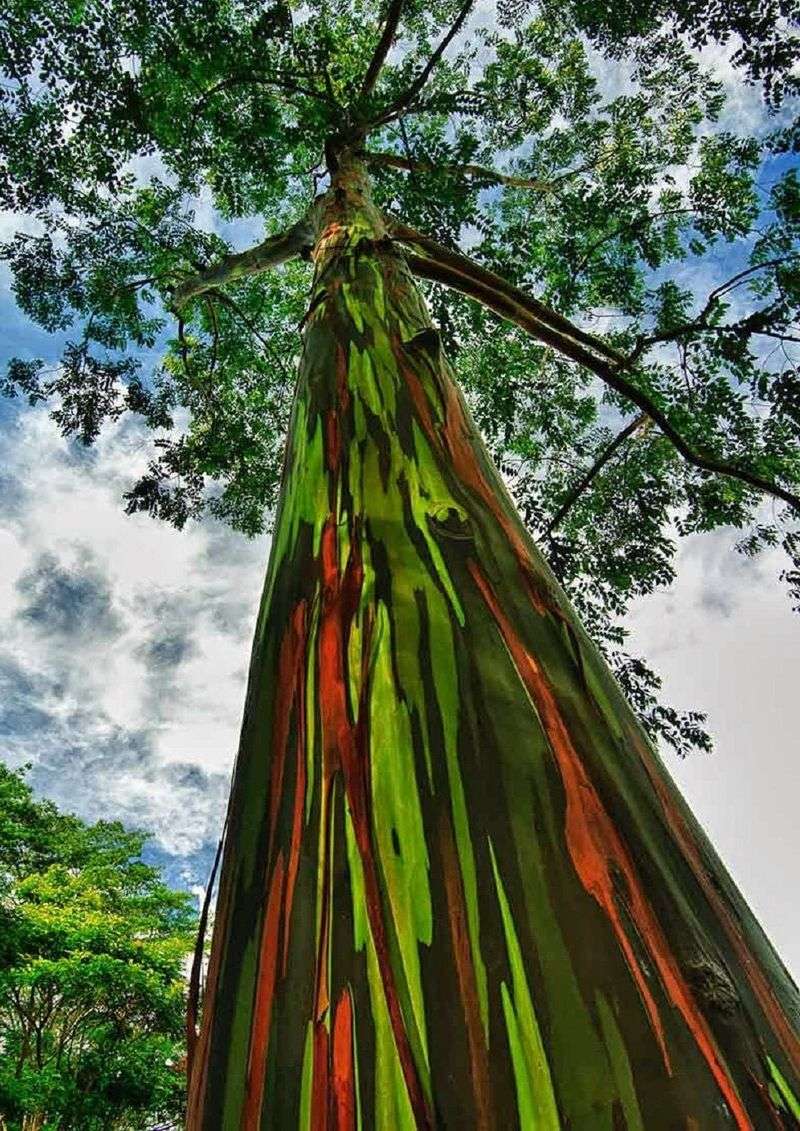
Frost poses one of the biggest threats to rainbow eucalyptus trees anywhere outside their tropical origins.
A single hard freeze can damage tender new growth, scar bark, and even compromise the entire tree’s health.
Southern California’s coastal and many inland areas experience frost so rarely that these trees can grow without this constant danger hanging over them.
Most of the United States simply cannot provide the frost-free environment rainbow eucalyptus demands.
Even regions with mild winters often experience occasional cold snaps that dip below the critical threshold.
Southern California’s unique geography creates protective temperature zones where freezing events are extraordinary rather than expected.
The Pacific Ocean acts as a massive temperature moderator, keeping coastal areas warm even during winter months.
Your California Garden Changes Every Week. Your Plan Should Too.
Gardening in California changes quickly throughout the season. Every Friday you’ll receive a simple weekly plan showing exactly what to plant, prune, fertilize, harvest, and protect so you never miss the right timing.
Inland valleys benefit from this maritime influence combined with Southern California’s southern latitude.
Together, these factors create microclimates where sensitive tropical plants can flourish.
Gardeners and arboretums in Southern California can plant rainbow eucalyptus with confidence, knowing that catastrophic frost damage is unlikely.
This security has encouraged more institutions and private collectors to invest in these spectacular specimens.
The result is a growing population of healthy, mature rainbow eucalyptus trees that showcase their famous multicolored bark without the setbacks that frost would cause.
Successful Growth In Botanical Gardens And Arboretums
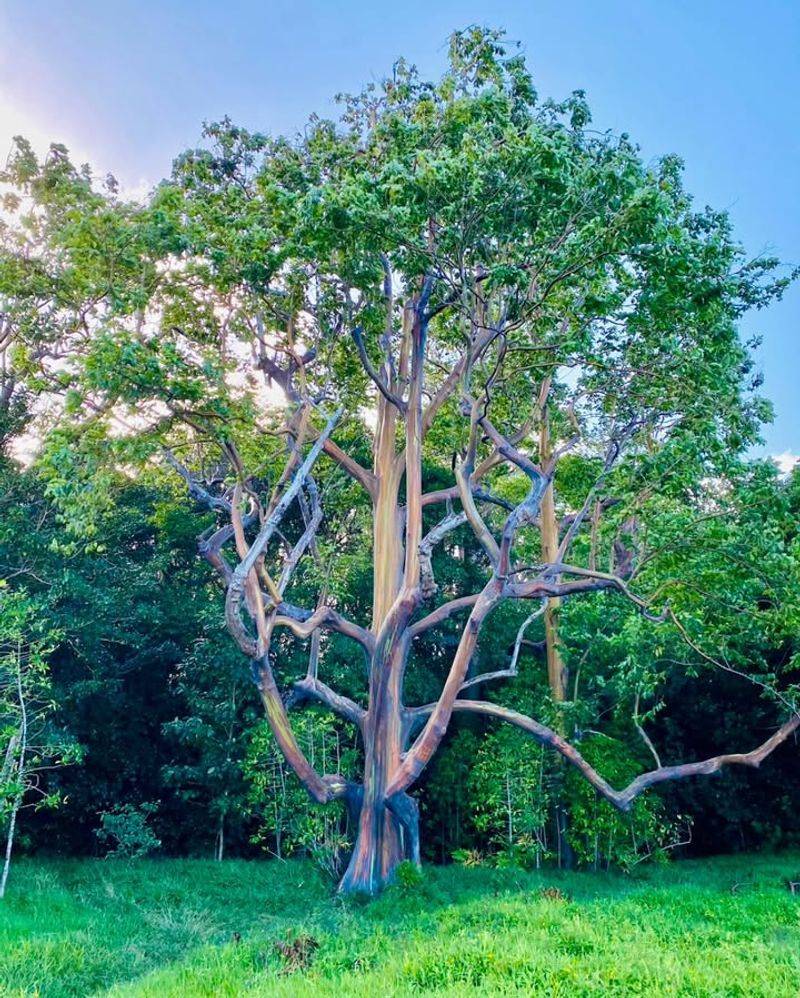
Botanical gardens throughout Southern California have embraced rainbow eucalyptus trees as prized specimens in their collections.
These institutions provide expert care, ideal growing conditions, and public access that allows countless visitors to experience these natural marvels firsthand.
Places like the San Diego Botanic Garden and various university arboretums feature mature specimens that have become local landmarks.
Professional horticulturists at these facilities understand exactly what rainbow eucalyptus needs to thrive.
They monitor soil conditions, provide supplemental irrigation during dry periods, and protect young trees as they establish themselves.
This level of care ensures the trees reach impressive heights and develop the vibrant bark colors that make them famous.
Public access transforms these botanical gardens into educational destinations where families, photographers, and nature enthusiasts can observe rainbow eucalyptus up close.
Interpretive signs often explain the trees’ unique characteristics and tropical origins.
Many visitors leave inspired to seek out other specimens or learn more about exotic plants that can grow in Southern California.
The success of rainbow eucalyptus in these managed settings has encouraged further plantings across the region.
When people see how magnificently these trees perform in botanical gardens, they become curious about finding them elsewhere.
This visibility has created a positive cycle of awareness and appreciation for rainbow eucalyptus throughout Southern California.
Excellent Drainage Conditions
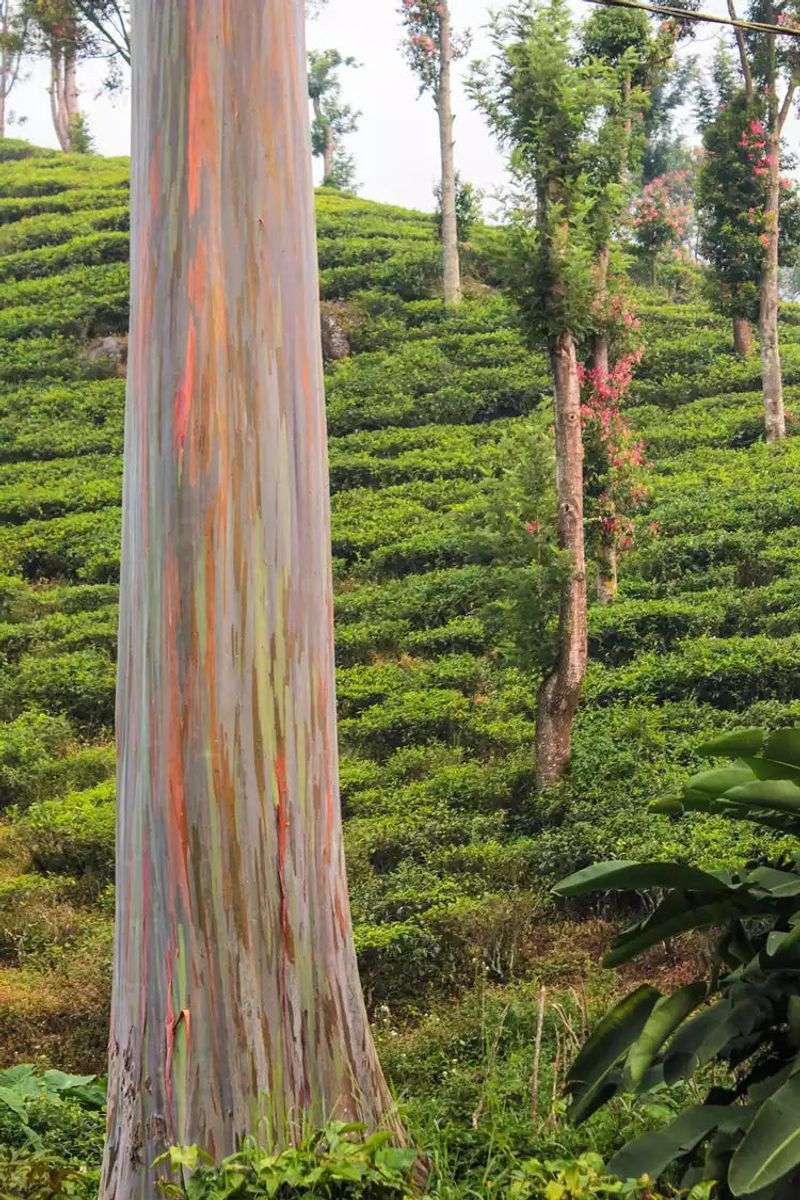
Proper drainage makes the difference between a thriving rainbow eucalyptus and one struggling with root problems.
Southern California’s natural soil composition and terrain features typically provide the excellent drainage these trees require.
Sandy loams and sloping landscapes allow water to move through the root zone without creating waterlogged conditions that invite root rot.
Many areas in Southern California feature naturally rocky or sandy soils that drain quickly after rainfall or irrigation.
This characteristic prevents the standing water that would suffocate rainbow eucalyptus roots and create disease problems.
Even in areas with heavier soils, the region’s low rainfall means saturation rarely becomes an issue.
Landscape architects and gardeners in Southern California often enhance natural drainage by planting rainbow eucalyptus on berms or slopes.
This technique ensures water moves away from the root crown, further reducing disease risk.
The region’s expertise in drought-tolerant landscaping translates well to managing the water needs of these tropical trees.
Good drainage also encourages deeper root development, which helps rainbow eucalyptus trees establish strong anchoring systems.
Well-drained soils warm up faster in spring, extending the effective growing season.
These combined benefits mean Southern California provides not just adequate but optimal drainage conditions that support healthy, vibrant rainbow eucalyptus specimens that showcase their spectacular bark to its fullest potential.
Long Growing Season Enhances Bark Color
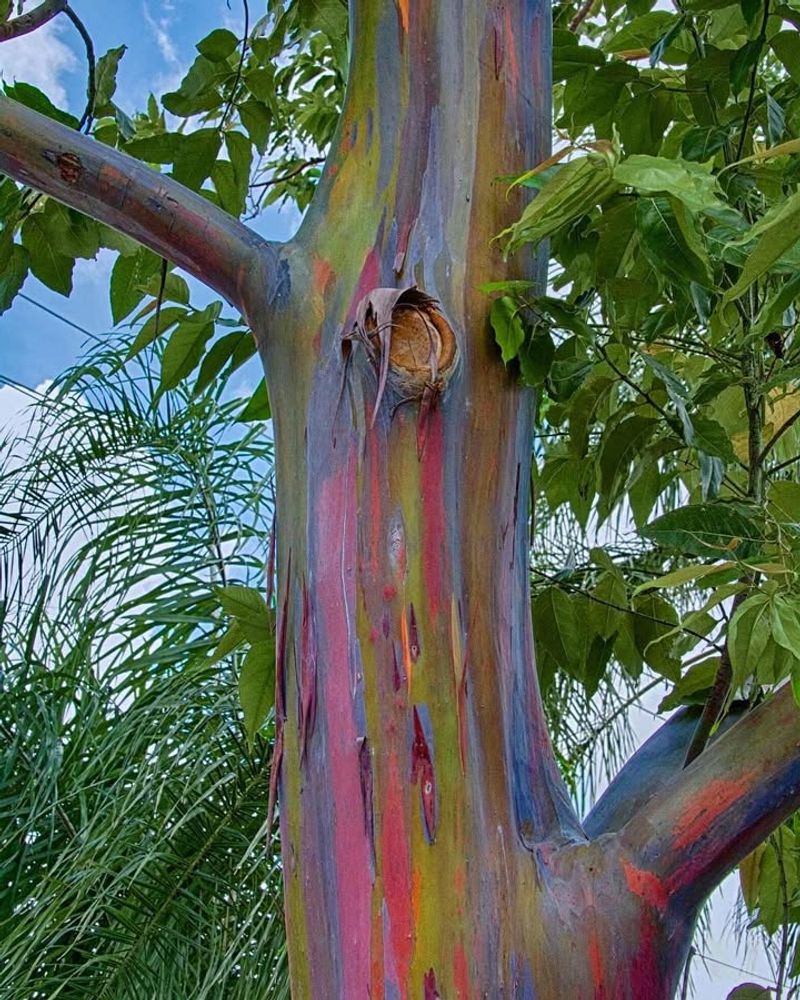
The magic of rainbow eucalyptus lies in its continuously shedding bark, which reveals fresh layers in brilliant hues beneath.
Southern California’s extended warm season keeps this process active for more months than most other U.S. locations could manage.
With temperatures staying favorable nearly year-round, the trees never truly enter dormancy, meaning bark development and shedding continue almost constantly.
Each bark layer starts bright green when first exposed, then matures through shades of blue, purple, orange, and finally maroon before the next layer peels away.
This natural cycle requires consistent warmth and active growth to produce the most dramatic color displays.
Southern California’s climate provides exactly these conditions, allowing the trees to cycle through their rainbow transformation without interruption.
In regions with shorter growing seasons, rainbow eucalyptus trees may show less vibrant colors or fewer simultaneous hues.
The bark shedding slows or stops during cold periods, resulting in less dramatic visual impact.
Southern California trees benefit from nearly twelve months of active growth, producing the most intense and varied color combinations possible.
Photographers and nature enthusiasts particularly appreciate how Southern California specimens display their full spectrum of colors.
The continuous growing season means you can visit these trees any time of year and witness their remarkable appearance.
This reliability makes Southern California the premier destination for experiencing rainbow eucalyptus at its most colorful.
Protected Microclimates Near The Coast
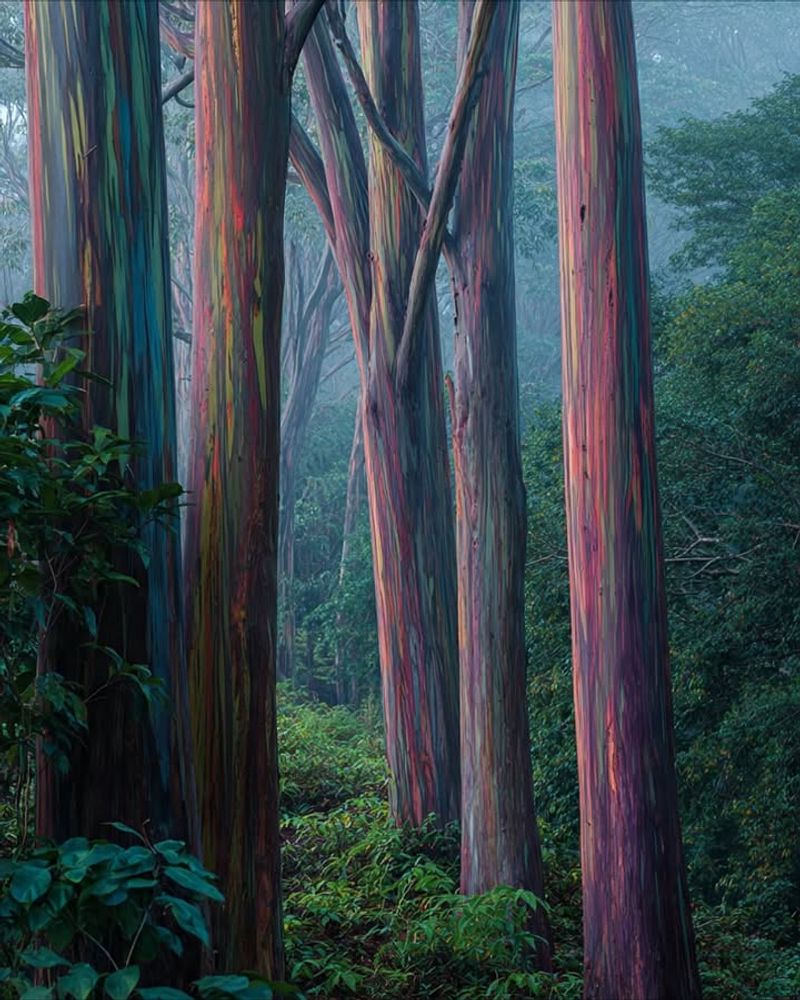
Coastal zones in Southern California offer some of the most stable temperature conditions anywhere in the continental United States.
The Pacific Ocean acts like a giant thermal battery, absorbing heat during warm periods and releasing it during cooler times.
This moderating effect creates microclimates where temperature extremes rarely occur, perfect for sensitive tropical trees like rainbow eucalyptus.
Marine layer fog provides additional benefits beyond temperature stability.
Morning fog delivers supplemental moisture to tree canopies during dry summer months, reducing water stress.
This natural irrigation helps rainbow eucalyptus maintain the hydration needed for active growth and vibrant bark development without requiring excessive supplemental watering.
Wind patterns near the coast tend to be gentler and more predictable than inland areas.
Rainbow eucalyptus trees appreciate these calmer conditions, as extreme winds can damage their relatively soft wood and tear away bark prematurely.
Coastal plantings benefit from natural windbreaks created by topography and established vegetation.
Many of Southern California’s most spectacular rainbow eucalyptus specimens grow in these coastal microclimates.
Botanical gardens, university campuses, and private estates near the ocean have discovered that their trees perform exceptionally well.
The combination of temperature stability, natural moisture, and protection from extremes creates an environment where these tropical beauties can reach their full potential and provide stunning displays year after year.
Intentional Planting By Collectors And Institutions
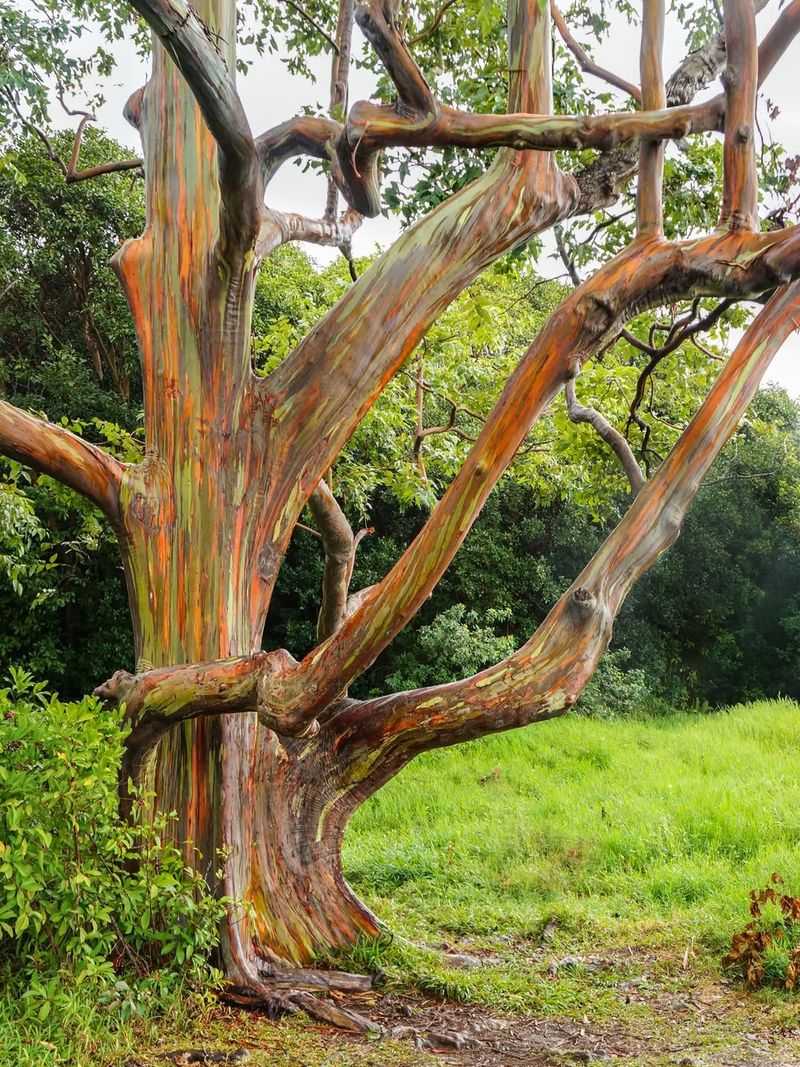
Southern California has long been home to passionate plant collectors and forward-thinking institutions willing to experiment with exotic species.
Universities, research facilities, and private collectors recognized decades ago that the region’s climate could support rainbow eucalyptus trees.
Their intentional planting efforts have created a scattered but significant population of these spectacular specimens throughout the area.
Landscape architects designing for Southern California campuses and public spaces often include rainbow eucalyptus as statement trees.
Their dramatic appearance and relatively fast growth make them attractive choices for creating visual impact.
These professional plantings receive proper care and placement, increasing their chances of thriving and reaching impressive sizes.
Private collectors with suitable property have also contributed to Southern California’s rainbow eucalyptus population.
Enthusiasts who appreciate unusual and beautiful plants seek out these trees specifically for their gardens.
This grassroots interest has spread specimens across residential neighborhoods and estates that might otherwise never have hosted such exotic flora.
The cumulative effect of decades of intentional planting is a distributed network of rainbow eucalyptus trees across Southern California.
Unlike regions where these trees might appear only as rare curiosities, Southern California offers multiple locations where dedicated seekers can find them.
This accessibility makes the region truly special for anyone wanting to experience these natural wonders without traveling to tropical countries.
Visibility In Public And Private Landscapes
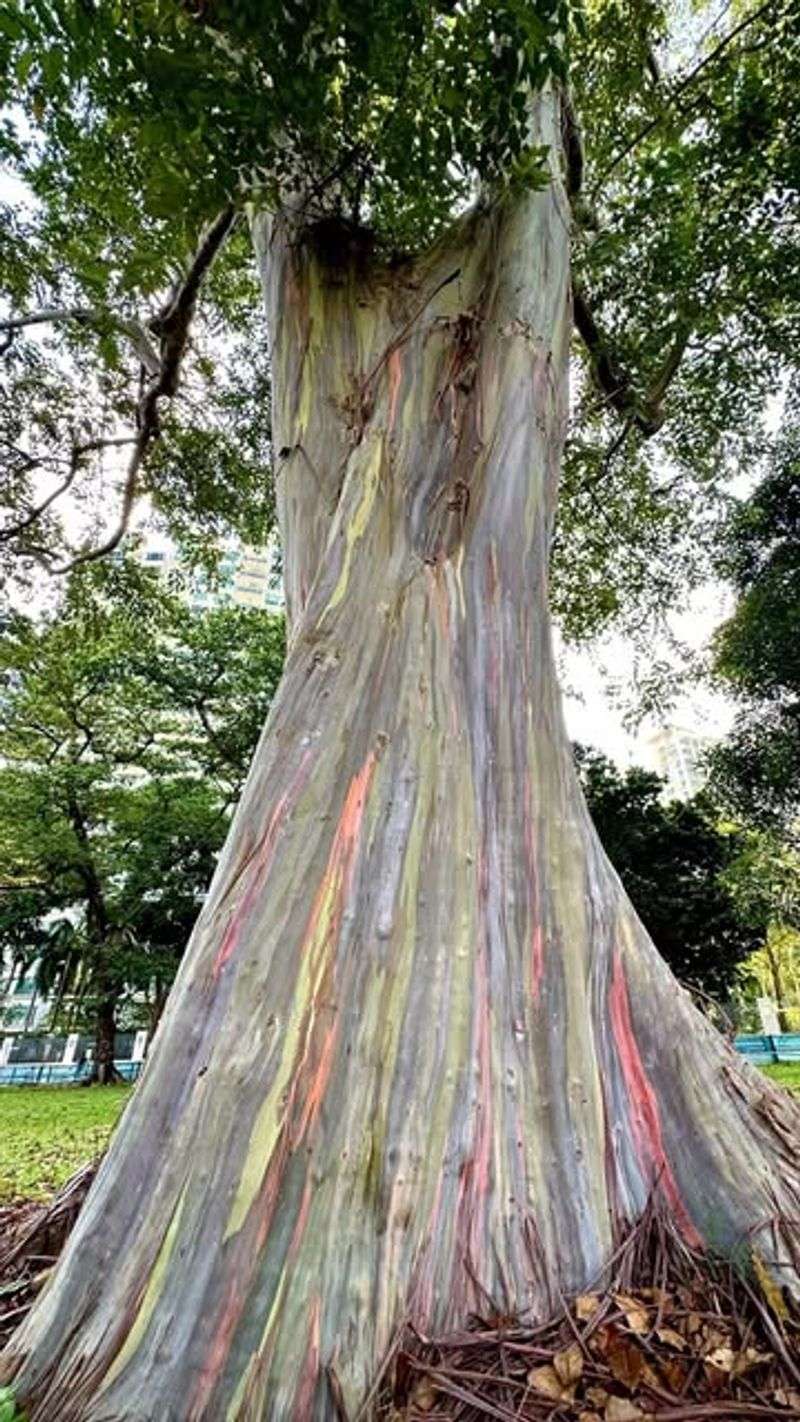
Rainbow eucalyptus trees in Southern California appear in surprisingly diverse settings beyond just botanical gardens.
Parks, university campuses, business complexes, and even some residential yards feature these eye-catching specimens.
This widespread distribution means casual observers might stumble upon a rainbow eucalyptus during everyday activities, not just on special trips to formal gardens.
Public parks that include rainbow eucalyptus offer free access to anyone curious about these remarkable trees.
Families on weekend outings, joggers on morning runs, and dog walkers on evening strolls all have opportunities to appreciate their beauty.
This casual accessibility helps build public awareness and appreciation for exotic plants that can thrive in Southern California’s climate.
Private landscapes containing rainbow eucalyptus often become neighborhood talking points.
Homeowners who plant these trees usually welcome questions from curious passersby amazed by the colorful bark.
Some generous property owners allow photography or viewing by appointment, contributing to the community’s collective enjoyment of these natural wonders.
The visibility of rainbow eucalyptus across various landscape types makes Southern California unique.
Rather than requiring visits to specialized collections, people can encounter these trees in everyday spaces.
This integration into the broader landscape fabric means more people develop awareness of and appreciation for rainbow eucalyptus, further cementing Southern California’s reputation as a prime location for experiencing them.
High Public Interest And Awareness
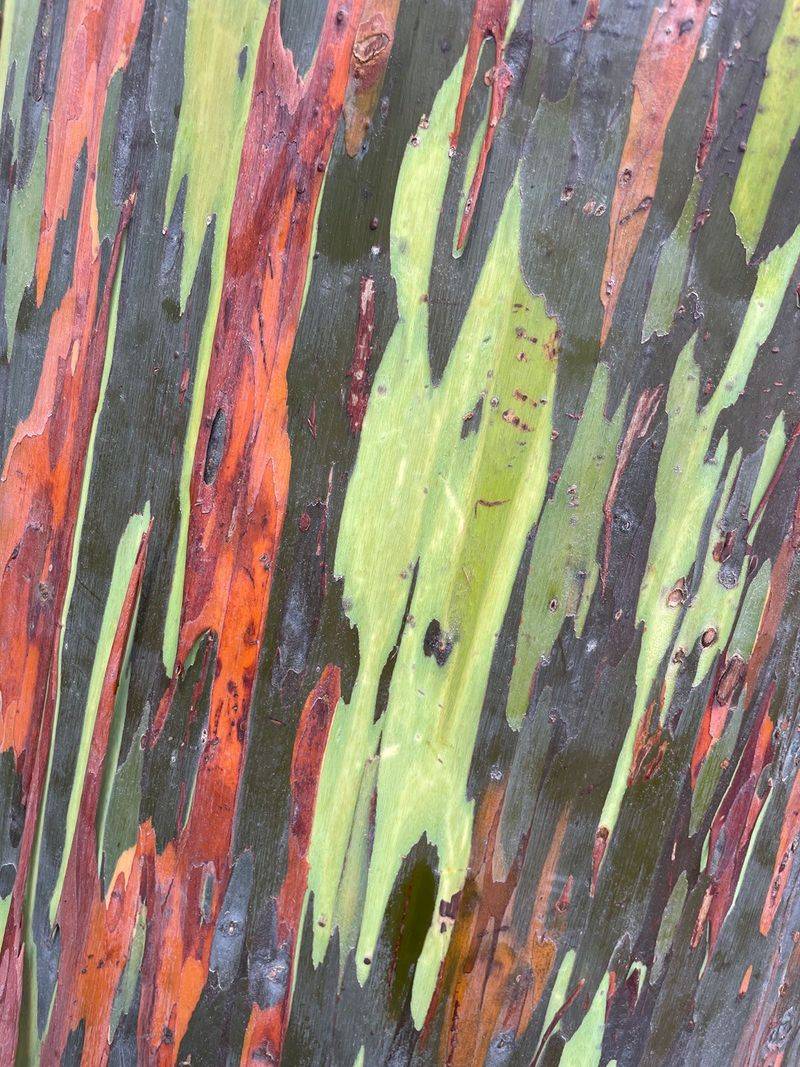
Southern Californians have developed a strong appreciation for unusual and beautiful plants, creating a culture that celebrates botanical diversity.
Rainbow eucalyptus trees fit perfectly into this enthusiasm, attracting attention from photographers, nature lovers, and families seeking unique outdoor experiences.
Social media has amplified this interest, with stunning images of colorful bark inspiring others to seek out these trees themselves.
Local garden clubs, horticultural societies, and nature groups frequently organize outings to view notable rainbow eucalyptus specimens.
These organized visits help document tree locations and share information about the best examples in the region.
The community knowledge that develops through these activities makes it easier for newcomers to find and appreciate these spectacular trees.
Educational programs at schools and nature centers often include rainbow eucalyptus as examples of how climate influences what can grow in different regions.
Children who learn about these trees during field trips often return with their families, spreading awareness across generations.
This educational component helps ensure continued interest in preserving and planting rainbow eucalyptus throughout Southern California.
The strong public interest creates positive pressure to maintain and protect existing rainbow eucalyptus trees.
Property owners and institutions recognize that their specimens have value beyond just landscaping, serving as community resources that bring joy and wonder to many people.
This awareness helps ensure that Southern California’s rainbow eucalyptus population continues to thrive and expand for future generations to enjoy.