The Reasons Screech Owls Are Appearing In Kentucky Yards This Winter
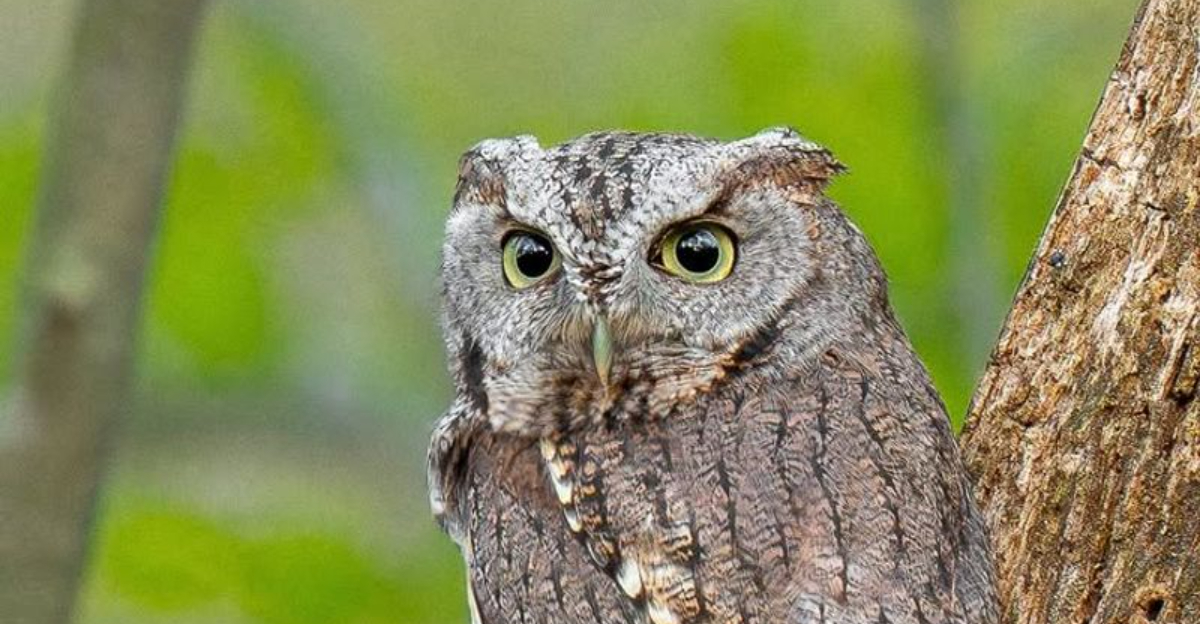
Kentucky winters bring quiet nights, but more homeowners are noticing something unusual after dark.
Screech owls are turning up in backyards, perched on fence posts or tucked into trees like they have always belonged there.
Their sudden visibility is not a fluke.
When cold weather tightens its grip, these small owls adjust their habits to stay fed and sheltered.
As winter rolls in, prey becomes harder to find in open fields and forests.
Rodents shift closer to homes, drawn by warmth and food scraps.
Screech owls follow close behind, taking advantage of the easy pickings.
Yards with mature trees, brush piles, or even bird feeders attract small animals, turning suburban spaces into hunting grounds.
Weather also plays a role.
Harsh winds and freezing temperatures push owls to seek calmer, protected areas.
Neighborhoods often offer just that, with steady cover and fewer surprises.
Like clockwork, screech owls settle in where conditions feel right.
Their presence is a sign of nature adapting, not cause for alarm.
Seeing these owls in Kentucky yards this winter means the ecosystem is doing what it does best, finding balance even when the season stacks the deck.
1. Bird Feeders Attract Their Favorite Prey
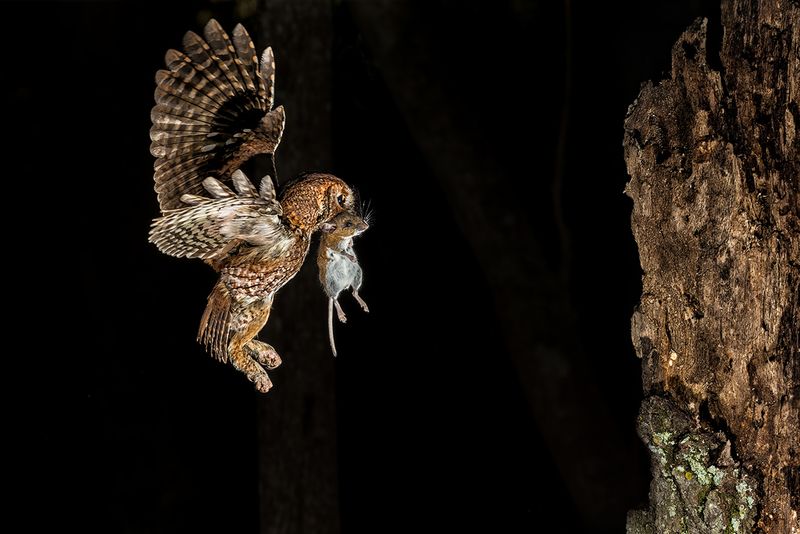
Your bird feeder might be feeding more than just cardinals and chickadees this winter.
Screech owls have figured out that yards with active feeders become hunting hotspots after dark.
Small songbirds that visit feeders during the day often roost in nearby shrubs and trees at night, creating a buffet situation for these skilled predators.
These compact owls, measuring only about eight inches tall, specialize in catching small birds and mice.
When you fill your feeder with seeds and suet, you’re essentially setting up a restaurant that attracts exactly what screech owls need to survive Kentucky’s cold winters.
The owls don’t eat the birdseed themselves, but they’re smart enough to stake out areas where their prey congregates.
Homeowners across Kentucky have noticed this pattern increasingly over recent winters.
A well-stocked feeder brings in sparrows, finches, and juncos throughout the day.
These birds need to eat constantly in winter to maintain body heat, so they return to reliable food sources repeatedly.
Screech owls watch and learn these patterns.
They’ll perch silently in nearby trees during twilight hours, waiting for the perfect moment to swoop down.
Their incredible hearing allows them to detect even the slightest movement in the darkness.
This hunting strategy works so well that screech owls will return to productive yards night after night.
If you’re maintaining feeders through winter in Kentucky, don’t be surprised if a screech owl claims your yard as part of its territory.
These opportunistic hunters rarely pass up such convenient hunting grounds.
2. Mature Trees Provide Perfect Nesting Cavities
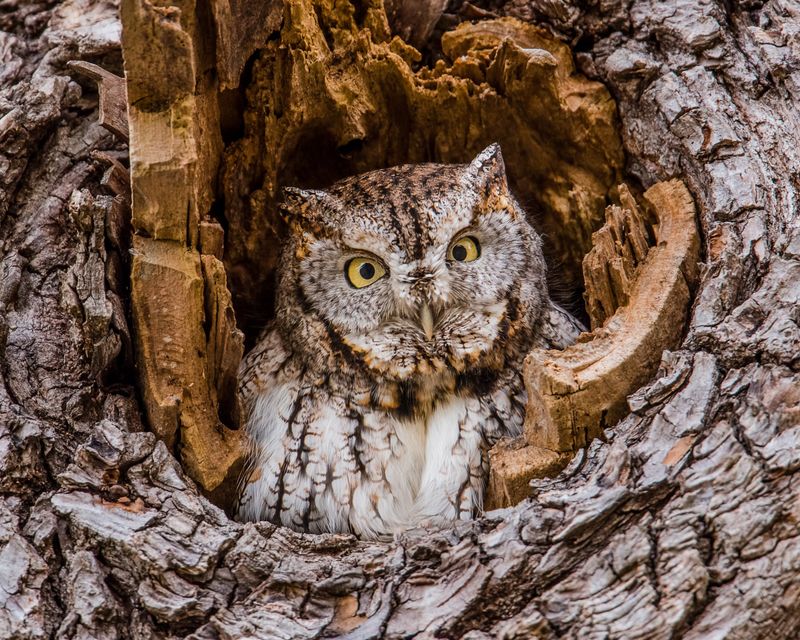
Older neighborhoods with established trees are screech owl magnets for a critical reason.
These birds are cavity nesters, meaning they need hollow spaces inside trees to roost and eventually raise their young.
Kentucky yards with mature oaks, maples, and sycamores offer exactly what screech owls desperately need during harsh winter months.
Your Kentucky Garden Changes Every Week. Your Plan Should Too.
Gardening in Kentucky changes quickly throughout the season. Every Friday you’ll receive a simple weekly plan showing exactly what to plant, prune, fertilize, harvest, and protect so you never miss the right timing.
Unlike woodpeckers, screech owls cannot create their own cavities.
They depend entirely on finding existing holes made by other birds or created through natural decay.
As trees age, branches break off and insects bore into the wood, creating the perfect-sized openings.
Winter makes these cavities even more valuable than during other seasons.
Screech owls need protected spaces to escape freezing temperatures and winter storms that sweep through Kentucky.
A good tree cavity provides insulation that can be the difference between surviving a brutal cold snap or not.
Homeowners who’ve kept older trees instead of removing them are unknowingly providing premium real estate for these owls.
The cavity doesn’t need to be large since screech owls are quite small.
An opening just three inches wide is sufficient for them to squeeze through to reach a cozy interior chamber.
Many Kentucky residents have discovered screech owls living in their yard trees without ever realizing it.
These birds are masters of camouflage and remain incredibly still during daylight hours.
Check the older trees in your yard carefully, especially those with visible holes or hollow sections.
You might have winter tenants you never knew about enjoying the shelter your mature trees provide.
3. Reduced Insect Activity Pushes Them Toward Yards
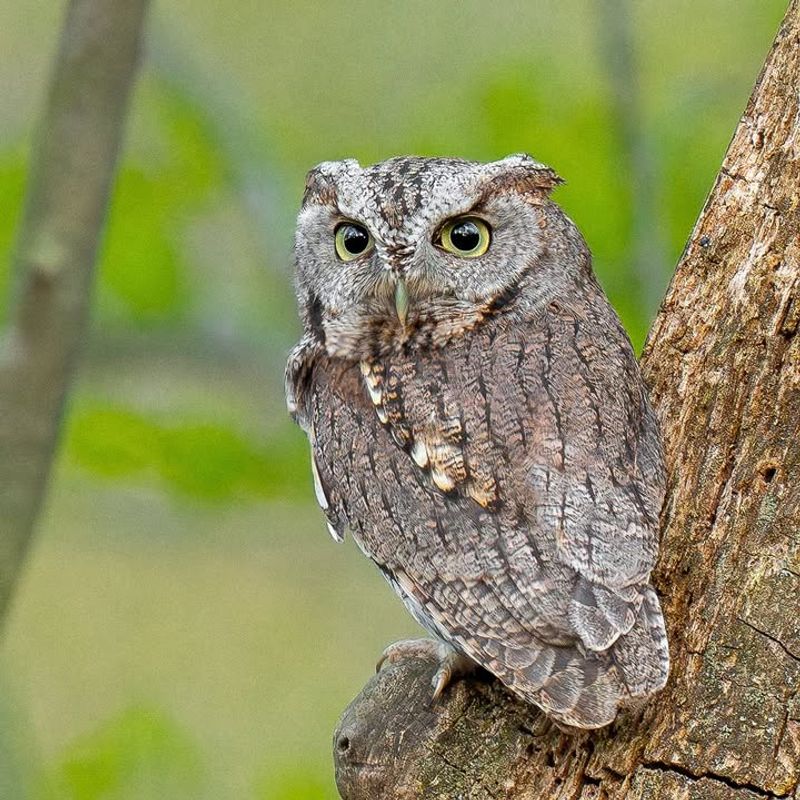
When temperatures drop across Kentucky, the insect population practically vanishes overnight.
This dramatic change forces screech owls to completely adjust their hunting strategies and locations.
During warmer months, these owls feast heavily on moths, beetles, and other insects found in wooded areas.
Winter eliminates this food source almost entirely, pushing them into residential neighborhoods where alternative prey is more abundant.
Screech owls are incredibly adaptable hunters, which explains their success across different habitats.
They’ll eat almost anything they can catch, from insects and earthworms to small mammals and birds.
This flexibility becomes essential for survival when their preferred foods disappear.
Kentucky yards offer diverse hunting opportunities that forests cannot match during winter.
Mice seek warmth near homes and garages, birds cluster around feeders, and even the occasional earthworm surfaces during mild winter nights.
Screech owls quickly learn that human-altered landscapes provide more consistent food sources when natural areas become unproductive.
This behavior represents a fascinating example of wildlife adaptation to environmental changes.
Rather than struggling in frozen forests with limited prey, screech owls have learned to exploit the resources that residential areas accidentally provide.
Your yard’s ecosystem, with its mix of shelter, water, and prey animals, becomes far more attractive than remote woodlands.
Researchers studying screech owl behavior in Kentucky have documented this seasonal shift repeatedly.
Radio-tagged owls that spent summers in rural forests moved closer to towns and suburbs as winter progressed.
The pattern is clear: when natural food sources decline, screech owls follow the prey into yards and neighborhoods throughout the state.
4. Outdoor Lighting Creates Hunting Advantages

Your porch light and landscape lighting might be operating as an unintentional screech owl attractant.
Outdoor lighting creates unique hunting opportunities that these clever predators have learned to exploit effectively.
Lights draw in moths and other flying insects even during winter’s milder evenings, and these insects subsequently attract mice and small birds that feed on them.
Screech owls have exceptional night vision, but they’re not above using a little help from human technology.
Well-lit yards allow them to spot prey more easily than in complete darkness.
Motion-activated lights are particularly interesting to these owls because the sudden illumination often startles mice and other small animals into revealing their locations.
Kentucky homeowners with security lighting or decorative landscape lights often notice increased screech owl activity around these fixtures.
The owls will perch on nearby branches or posts, watching the illuminated areas like a hawk.
When something moves through the lighted zone, the owl has a split-second advantage for a successful strike.
This hunting technique works especially well during winter when prey animals are more desperate and take greater risks to find food.
A mouse scurrying across a lit patio is far easier to catch than one moving through dark underbrush.
Screech owls recognize this advantage and actively seek out yards with lighting.
The relationship between outdoor lighting and owl presence is so strong that wildlife observers use it as a predictor.
Neighborhoods in Kentucky with generous outdoor lighting typically support higher screech owl populations during winter months.
If you’ve installed landscape lighting or keep exterior lights on regularly, you’ve essentially rolled out the welcome mat for these efficient nighttime hunters.
5. Water Sources Remain Accessible In Yards
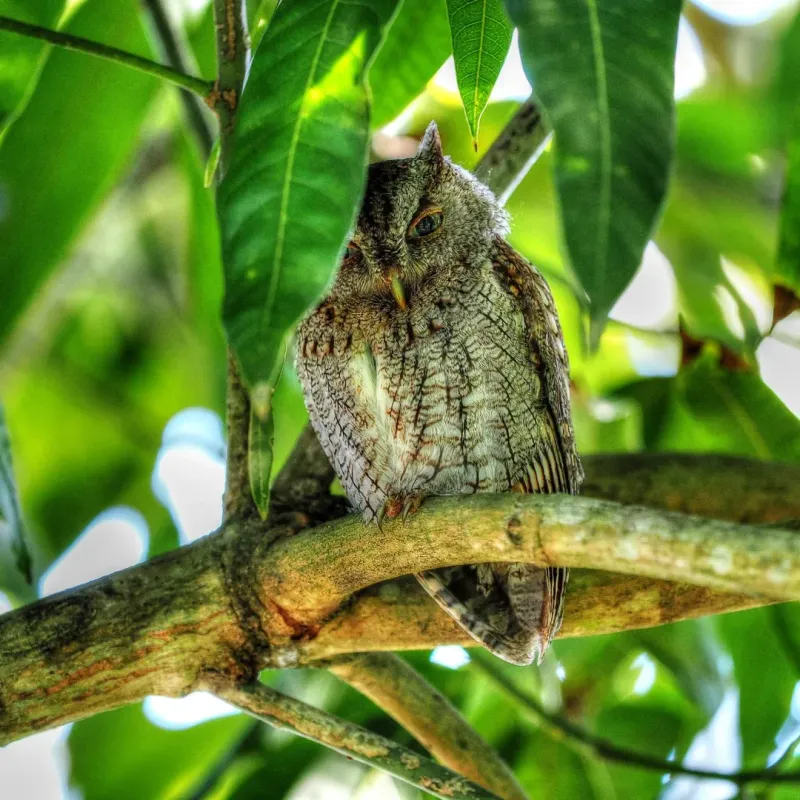
Finding unfrozen water becomes a serious challenge for all wildlife during Kentucky winters.
Screech owls need to drink regularly, and they also prefer to bathe even in cold weather to maintain their feather condition.
Yards with birdbaths, heated water features, or even dripping outdoor faucets become valuable resources that draw these owls in from surrounding areas.
Natural water sources like creeks and ponds often freeze solid during the coldest weeks of winter.
This makes backyard water sources incredibly important for bird survival.
Screech owls will travel considerable distances to reach reliable water, and once they find it, they remember the location.
Homeowners who maintain heated birdbaths specifically to help winter birds are also helping screech owls without realizing it.
These owls typically visit water sources during the darkest hours of night when most people aren’t watching.
They’re cautious drinkers, landing nearby first to scan for danger before approaching.
The importance of water goes beyond just drinking.
Screech owls need to keep their feathers in perfect condition for silent flight and insulation.
Even in winter, they’ll take quick baths to remove dirt and parasites.
A yard with accessible water supports better feather maintenance, which directly impacts hunting success and survival.
Kentucky residents who keep water available throughout winter often discover screech owl feathers near their birdbaths, evidence of nighttime visits.
If you’re already providing water for other birds, you’re likely serving the screech owl community as well.
This single resource can make your yard a regular stop on a screech owl’s nightly rounds, especially during extended cold periods when other water sources are frozen solid across the region.
6. Reduced Human Activity After Dark
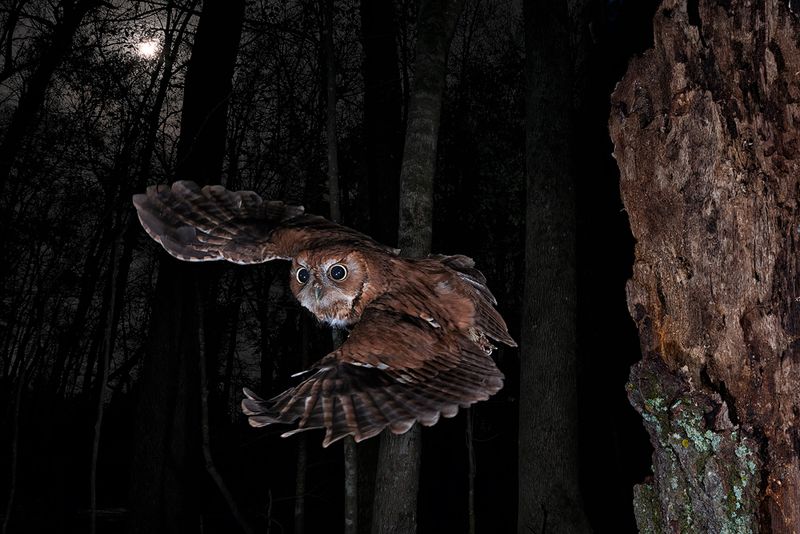
Winter evenings in Kentucky bring an unexpected benefit for screech owls searching for hunting territory.
People simply spend less time outdoors when temperatures drop and darkness arrives early.
This reduction in human activity transforms residential yards into much quieter, more owl-friendly spaces after sunset.
During spring and summer, yards buzz with activity until late evening.
Children play outside, neighbors chat over fences, and people work in gardens until dusk.
All this activity keeps wildlife, including screech owls, at a distance.
Winter changes everything dramatically.
By five or six in the evening during Kentucky winters, most people have retreated indoors.
Yards become peaceful and still, exactly the conditions screech owls prefer for hunting.
These birds are naturally wary of humans and avoid areas with lots of noise and movement.
When that activity disappears with the season change, owls feel comfortable moving closer to homes.
This pattern is particularly noticeable in suburban neighborhoods where summer evenings are typically very active.
The same yard that was too busy for an owl in July becomes perfect hunting ground in January.
Screech owls are quick to recognize and exploit these seasonal changes in human behavior.
Wildlife biologists studying urban owl populations have documented this phenomenon across many cities and towns.
Screech owls consistently show increased tolerance for proximity to human structures during winter months when outdoor human activity decreases.
Your Kentucky yard might see regular screech owl visits simply because you and your neighbors are spending evenings inside where it’s warm.
The owls appreciate the peace and quiet that winter naturally brings to residential areas, making your property far more attractive to these nocturnal hunters.
7. Competition For Territory In Natural Areas

Natural woodland areas can only support so many screech owls before competition becomes intense.
Each owl needs a territory of roughly four to five acres to find enough food and suitable roosting sites.
When owl populations are healthy in Kentucky’s forests, younger or less dominant birds get pushed out into marginal habitats, including residential neighborhoods.
This territorial pressure increases noticeably during winter months.
Screech owls that spent the breeding season in prime forest habitat may find themselves displaced by more aggressive individuals as resources become scarce.
Rather than starving in areas where competition is fierce, these displaced owls seek alternative territories.
Residential areas represent these alternative territories.
While they may not be ideal natural habitat, Kentucky yards can provide everything a screech owl needs: food, water, shelter, and nesting sites.
For an owl that’s been pushed out of the forest, a quiet suburban neighborhood looks pretty appealing.
Young owls face the toughest competition.
Adult screech owls that have held territories for years will aggressively defend their spaces against newcomers.
First-year owls must find unclaimed areas or challenge established birds.
Many choose the easier path of claiming territory in residential zones where competition from other owls is less intense.
This explains why some Kentucky neighborhoods suddenly see screech owls appearing where none existed before.
It’s not necessarily that conditions in your yard changed, but rather that territorial pressures in nearby natural areas pushed owls into exploring new options.
Your yard might represent a young owl’s first independent territory or a displaced adult’s fresh start.
Either way, the presence of screech owls in residential Kentucky areas often reflects healthy populations in surrounding forests creating natural overflow into human-occupied spaces.
8. Climate Patterns Keep Them From Migrating South
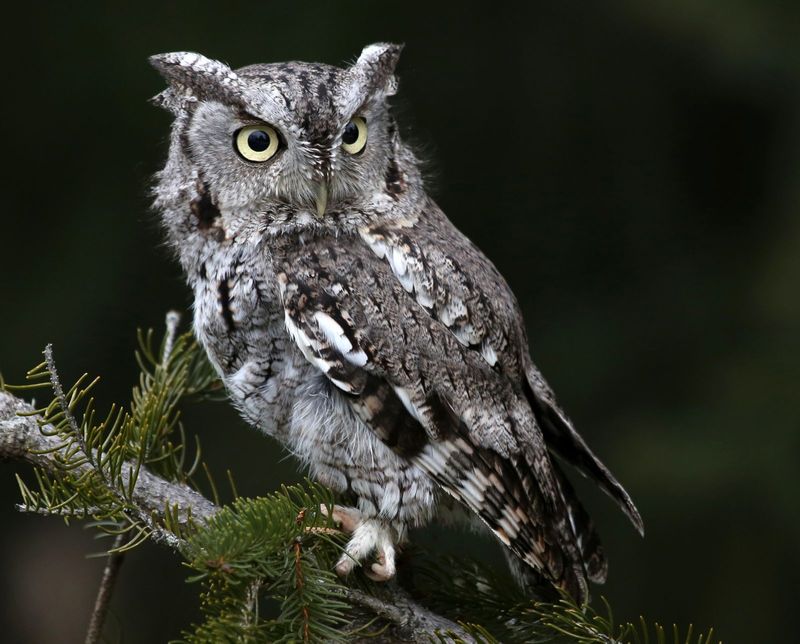
Kentucky’s relatively mild winters compared to states further north make it an attractive place for screech owls to spend the cold months.
Unlike many bird species that migrate long distances, screech owls are largely non-migratory.
They prefer to stay in familiar territory year-round if conditions allow, and Kentucky’s climate usually cooperates.
Recent winters have been somewhat unpredictable across the region, with periods of mild weather mixed with occasional harsh cold snaps.
These conditions are actually ideal for screech owls.
The mild spells keep prey populations active and accessible, while the cold periods aren’t severe enough or long enough to force owls to abandon their territories.
Screech owls from areas further north sometimes move slightly southward during particularly brutal winters, and Kentucky sits in a perfect position to receive these refugees.
The state offers enough warmth to be survivable but isn’t so far south that it requires a major journey.
This makes Kentucky yards potential wintering grounds for owls that bred in neighboring states.
Climate change has also affected screech owl distribution patterns.
Warmer average temperatures mean that more owls can successfully overwinter in places that might have been too harsh in previous decades.
Kentucky neighborhoods are benefiting from this shift, seeing owl populations that are stable or even increasing.
For homeowners, this means screech owls aren’t just passing through on their way somewhere else.
They’re genuinely settling in for the entire winter season.
Once a screech owl claims your Kentucky yard as winter territory, it will likely remain there until spring breeding season begins.
The state’s favorable climate position makes it an owl-friendly location that supports resident populations throughout even the coldest months of the year.