Animals In Michigan Yards That Carry Messages Of Hope
In Michigan, winter can feel long, gray, and unrelenting—but nature has a way of slipping encouragement into the everyday.
This season, homeowners are finding comfort in the animals that wander through their yards, each carrying a quiet message of hope if you know how to read the signs.
A deer pausing at dawn, a cardinal flashing red against the snow, or even a fox trotting across a frozen lawn can feel like more than coincidence.
Across cultures and traditions, these animals symbolize resilience, renewal, and perseverance—qualities Michiganders know well.
Their presence is a reminder that life keeps moving, even when the landscape looks asleep.
For many, these encounters become small anchors in the day, moments that lift spirits without saying a word.
They don’t promise easy times, but they hint at better ones ahead. In a season where hope can feel hard to come by, Michigan yards are quietly delivering it—on four legs, wings, and the soft crunch of snow.
American Robin
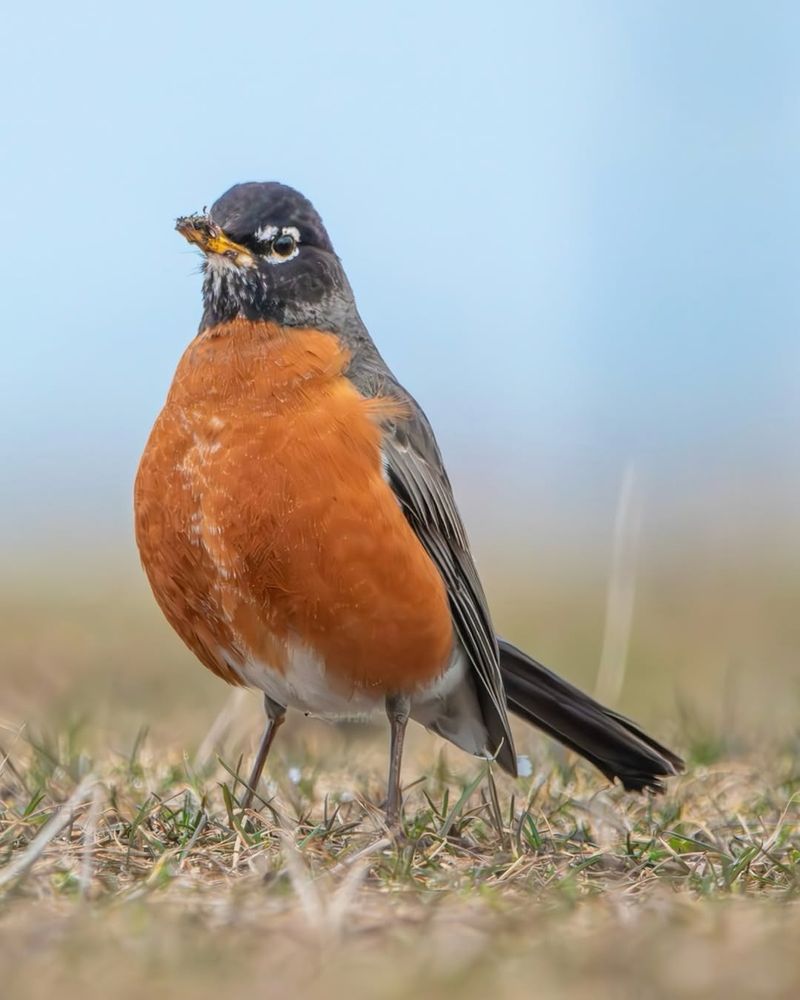
After months of cold and snow, seeing an American robin hop across your lawn feels like nature’s wake-up call.
These orange-breasted birds arrive in Michigan when winter loosens its grip, usually in late February or early March.
Their cheerful songs at dawn signal that warmer days are finally ahead.
Robins don’t just look for worms—they also search for the perfect spot to build nests and raise their young.
Watching them gather twigs and mud shows us that life keeps moving forward, no matter how harsh the season was.
Their presence reminds homeowners that patience pays off.
Many Michigan families consider the first robin sighting a special event worth celebrating.
Kids often run inside to tell their parents, and neighbors chat about it over fences.
This shared excitement builds community connections.
Robins also adapt well to human spaces, nesting in trees, shrubs, and even porch ledges.
Their willingness to live alongside people shows that harmony between wildlife and humans is possible.
Every spring, they return faithfully, proving that hope and renewal are always just around the corner.
Eastern Bluebird
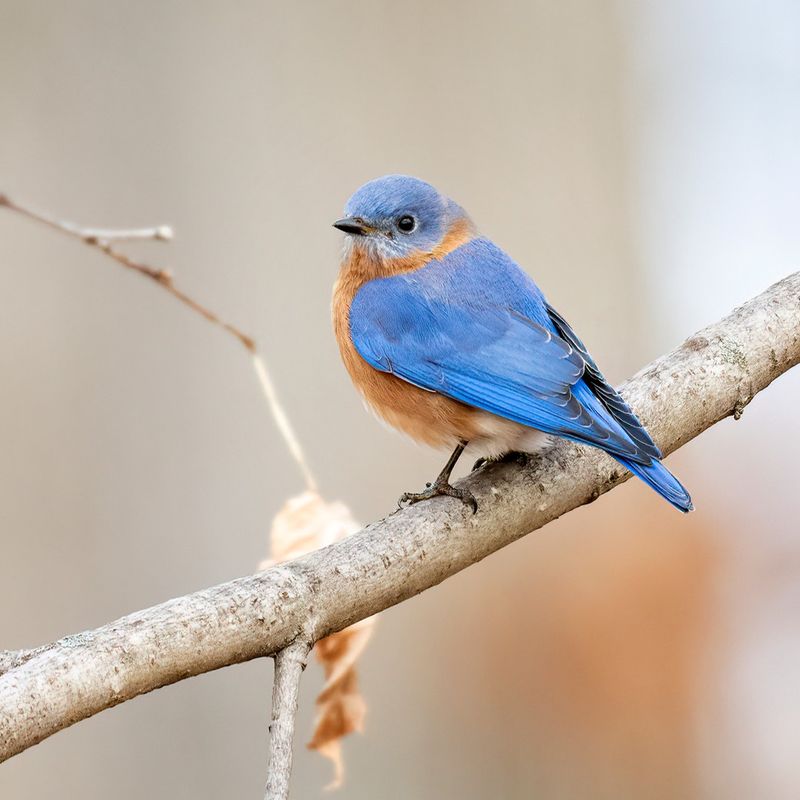
Spotting an Eastern bluebird in your yard feels like finding a small piece of the sky landed on your fence.
Their brilliant blue feathers and rust-colored chest make them one of Michigan’s most striking visitors.
These birds nearly vanished decades ago due to habitat loss and competition from invasive species.
Thanks to dedicated conservation work and thousands of backyard birdhouses, their numbers have bounced back beautifully.
Bluebirds prefer open spaces with short grass where they can hunt insects.
If you see one perched quietly, it’s likely scanning the ground for beetles, caterpillars, or spiders.
Their hunting style is patient and focused, teaching us the value of calm observation.
Many Michigan residents put up special bluebird boxes with small entrance holes to help these birds nest safely.
When a pair moves in, it feels like a personal victory for conservation.
Watching parents fly back and forth with food for their chicks reminds us that small actions create big impacts.
Your Michigan Garden Changes Every Week. Your Plan Should Too.
Gardening in Michigan changes quickly throughout the season. Every Friday you’ll receive a simple weekly plan showing exactly what to plant, prune, fertilize, harvest, and protect so you never miss the right timing.
Bluebirds symbolize happiness across many cultures, and their return to Michigan yards proves that positive change is real and lasting.
Monarch Butterfly
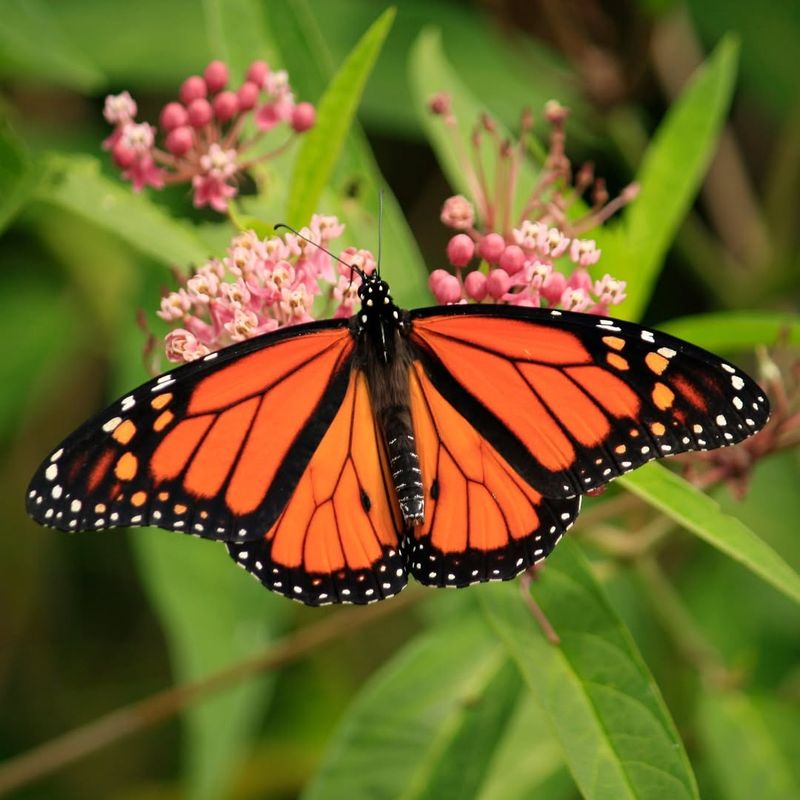
Few sights inspire more wonder than a monarch butterfly dancing through your garden on a sunny summer afternoon.
These orange-and-black beauties travel thousands of miles from Mexico to Michigan each spring, following an internal compass passed down through generations.
Their journey represents one of nature’s most incredible achievements, proving that even delicate creatures can accomplish remarkable feats.
Monarchs depend entirely on milkweed plants for survival.
Female butterflies lay eggs only on milkweed leaves, and caterpillars eat nothing else.
By planting milkweed in your yard, you directly support their life cycle and contribute to their conservation.
Watching a monarch emerge from its chrysalis is like witnessing a miracle unfold.
The transformation from crawling caterpillar to flying butterfly shows us that change can be beautiful and necessary.
This metamorphosis reminds homeowners that difficult transitions often lead to something better.
Michigan gardeners who create pollinator-friendly spaces often feel deep satisfaction when monarchs visit regularly.
Each butterfly sighting confirms that your efforts matter.
Their presence carries a message that hope travels far and wide, crossing borders and connecting communities through shared natural wonders.
White-Tailed Deer
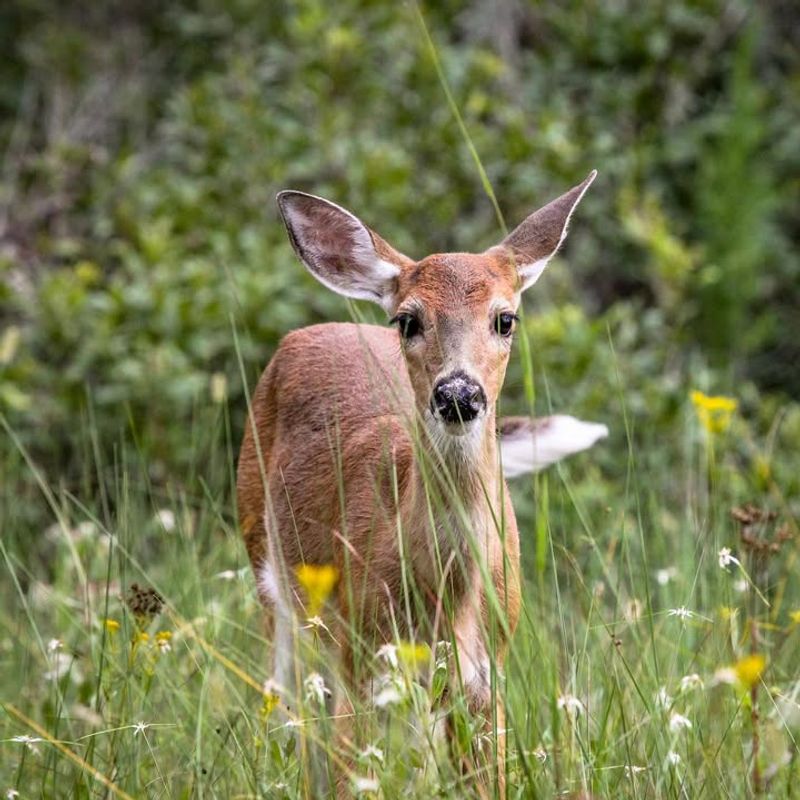
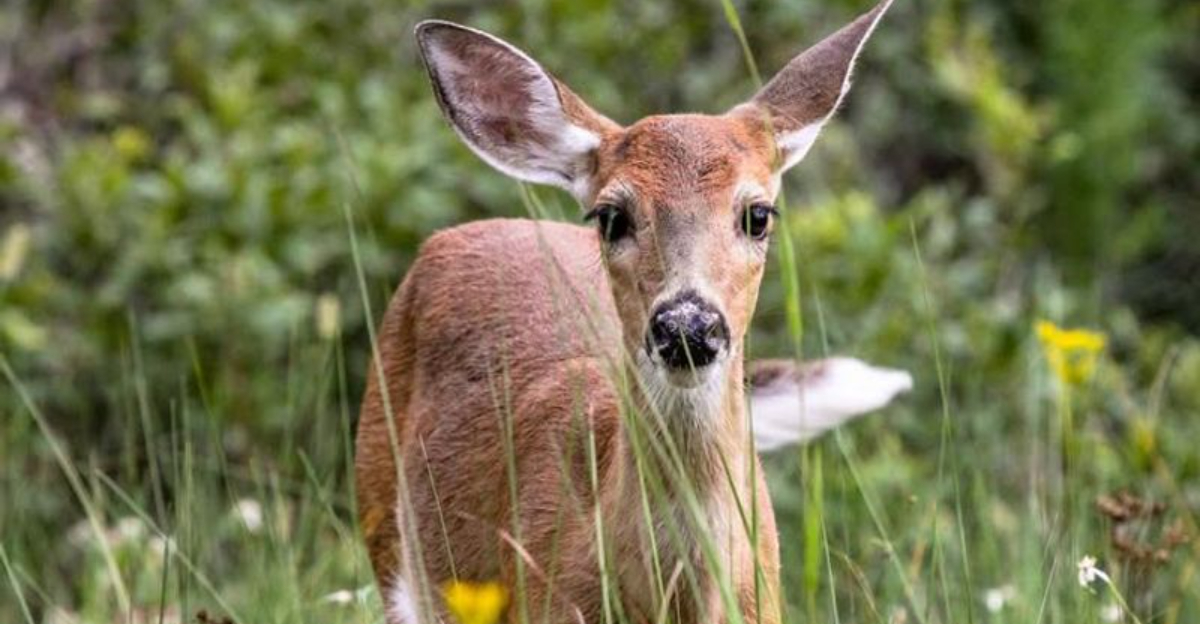
When a white-tailed deer steps quietly into your yard at dawn or dusk, time seems to pause.
These graceful animals have thrived in Michigan for centuries, adapting to both deep forests and suburban neighborhoods.
Their ability to survive harsh winters with heavy snow and freezing temperatures demonstrates remarkable resilience.
Watching them browse on plants or stand alert with ears twitching reminds us of nature’s strength.
Deer represent balance in Michigan’s ecosystem.
They help disperse seeds, create paths through vegetation, and provide food for predators.
Their presence indicates a healthy landscape where wildlife can coexist with human development.
Many homeowners enjoy observing deer families, especially fawns with their spotted coats learning to navigate the world.
These moments create lasting memories and teach children about respecting wildlife.
Seeing deer regularly means your property offers shelter and food sources that support larger animals.
White-tailed deer also symbolize gentleness and awareness in many traditions.
Their cautious behavior and keen senses remind us to stay mindful of our surroundings.
Despite challenges from traffic and habitat changes, deer populations remain stable in Michigan, proving that wildlife can adapt and persist alongside human communities.
Northern Cardinal
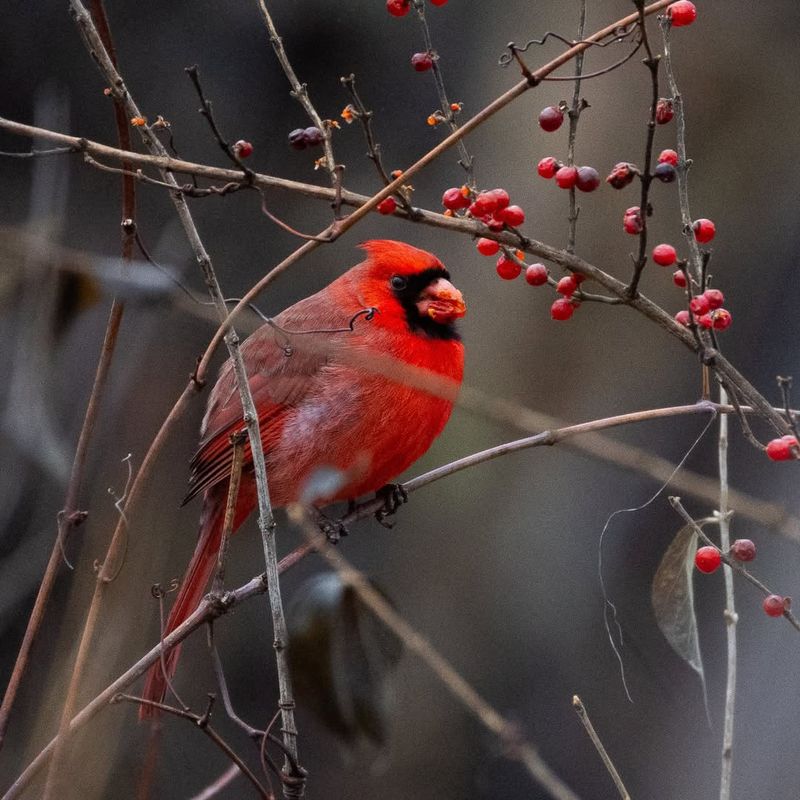
Nothing brightens a gray Michigan winter day quite like a male cardinal’s brilliant red feathers against fresh snow.
Cardinals don’t migrate south like many other birds, choosing instead to brave Michigan’s coldest months.
Their year-round presence offers comfort and continuity when other wildlife disappears.
The sharp contrast of crimson against white creates a natural work of art that lifts spirits instantly.
Many people believe cardinals carry messages from loved ones or represent visits from guardian angels.
Whether you hold these beliefs or not, seeing a cardinal often brings a sense of peace and connection.
Their distinctive crest and cheerful whistles make them easy to identify and welcome guests at any feeder.
Female cardinals, though less flashy with brownish feathers and red highlights, are equally beautiful and important.
Pairs often stay together year-round, showing loyalty and partnership.
Watching them share seeds or call to each other demonstrates cooperation in nature.
Cardinals thrive in Michigan yards with dense shrubs for shelter and feeders stocked with sunflower seeds.
Their willingness to visit regularly creates opportunities for daily moments of joy.
Each sighting reminds us that beauty and hope persist even during the darkest, coldest seasons.
Eastern Cottontail Rabbit
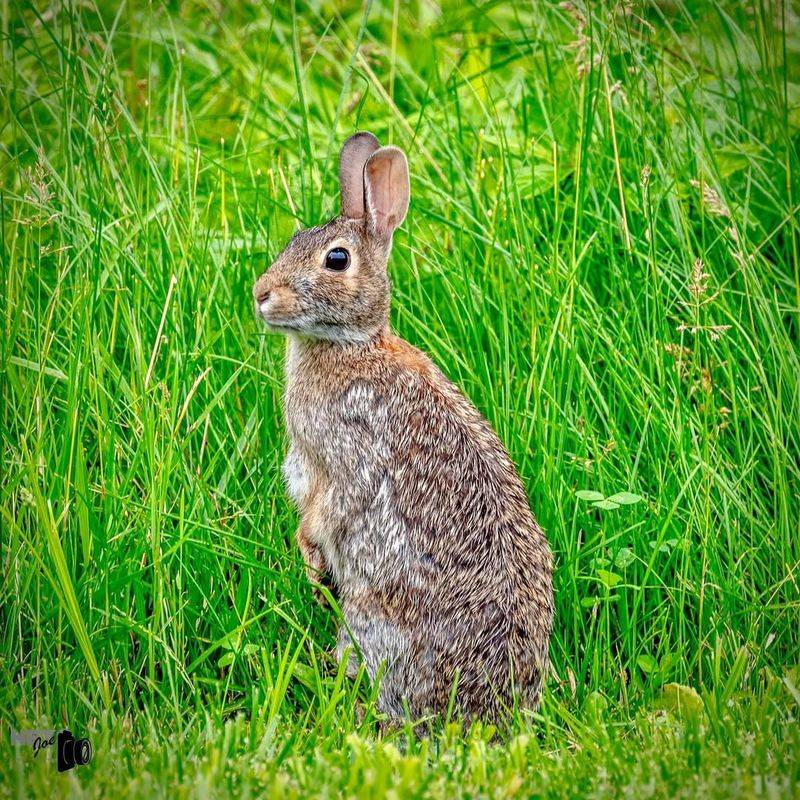
Spotting an eastern cottontail rabbit munching clover in your yard brings an instant smile to most faces.
These fluffy-tailed creatures symbolize new beginnings and gentleness across many cultures.
Their rapid reproduction means rabbits represent abundance and the continuation of life.
Watching a cottontail hop through your garden, pausing to nibble fresh greens, connects you to simple natural rhythms.
Rabbits are most active during dawn and dusk, times when the world feels quieter and more peaceful.
Their soft fur, twitching noses, and large ears make them endearing to children and adults alike.
Many Michigan families consider rabbits welcome visitors, despite occasional nibbled vegetables.
Cottontails create shallow nests in tall grass or garden edges to raise their young.
Finding a nest reminds homeowners to tread carefully and respect wildlife spaces within their property.
This coexistence teaches valuable lessons about sharing land with other creatures.
These rabbits survive Michigan winters by eating bark, twigs, and dried vegetation when fresh food disappears.
Their resourcefulness and adaptability inspire us to make the best of challenging situations.
Seeing rabbits regularly means your yard provides good habitat with food, water, and shelter—a sign of a healthy, balanced outdoor space.
Sandhill Crane
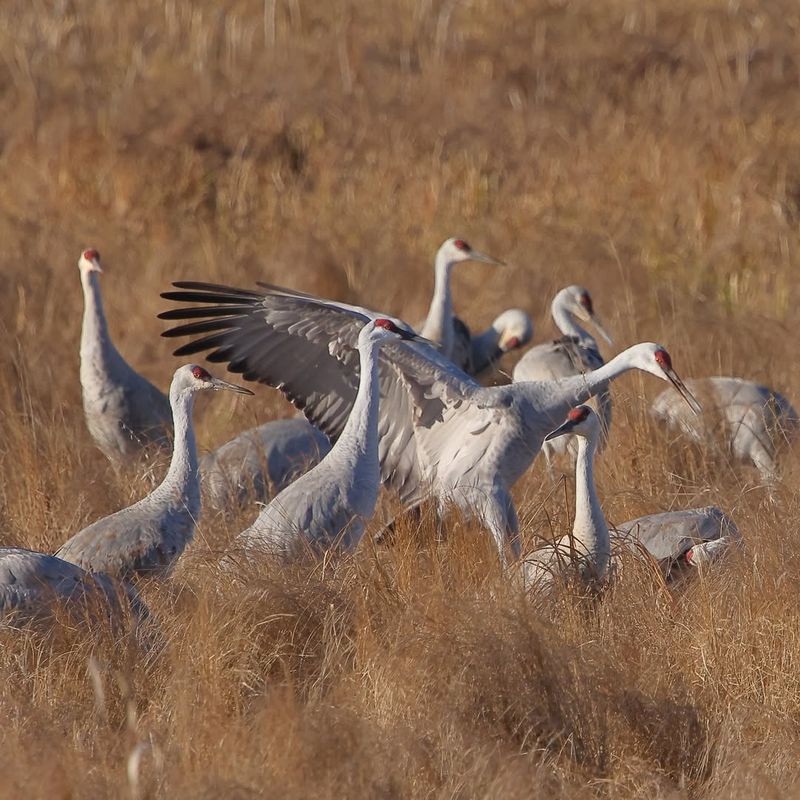
Hearing the rattling call of sandhill cranes overhead is an unforgettable experience that stops people in their tracks.
These tall, elegant birds with gray feathers and red crowns were once rare in Michigan.
Through careful conservation and wetland protection, their populations have recovered dramatically.
Now, seeing cranes in fields or flying in formation represents one of wildlife management’s greatest success stories.
Sandhill cranes mate for life and perform elaborate dancing displays during courtship.
Their commitment to partners and family groups symbolizes loyalty and endurance.
Watching them care for their fuzzy chicks teaches us about dedication and patience.
These birds prefer wetlands and agricultural fields near residential areas, creating opportunities for Michigan homeowners to observe them regularly.
Their presence indicates healthy ecosystems with proper water management and diverse habitats.
Cranes also migrate long distances, connecting Michigan to other regions and reminding us that nature operates on a grand scale.
Many cultures view cranes as symbols of longevity and good fortune.
Their return to Michigan after decades of scarcity brings hope that other struggling species can also recover.
Every crane sighting celebrates the power of conservation efforts and community commitment to protecting wildlife for future generations.
Fireflies (Lightning Bugs)
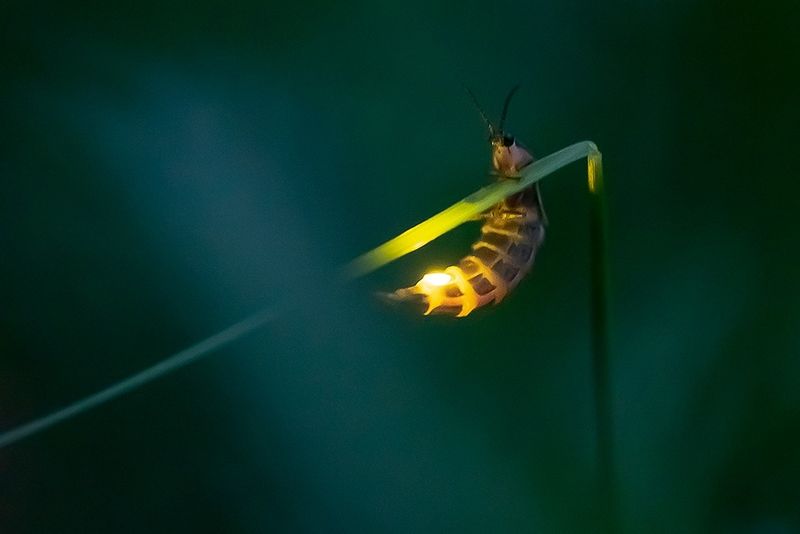
Few childhood memories are more magical than chasing fireflies on warm Michigan summer evenings.
These glowing insects create natural light shows that transform ordinary yards into enchanted spaces.
Their bioluminescence serves as a mating signal, with males flashing patterns while flying and females responding from grass or shrubs.
This light-based communication system has fascinated scientists and children for generations.
Firefly populations indicate environmental health since they need clean water, minimal pesticides, and natural habitats to thrive.
Yards with fireflies are typically well-balanced ecosystems.
Their presence confirms that your property supports diverse insect life, which in turn feeds birds and other wildlife.
Watching fireflies encourages families to spend time outdoors together after dark.
These shared experiences create bonds and teach children about nature’s wonders.
The simple act of observing their blinking patterns fosters curiosity and appreciation for small creatures.
Different firefly species flash at different rates and heights, creating layered light displays.
Learning to identify these patterns adds depth to summer evening observations.
Fireflies remind us that hope and wonder don’t require grand gestures—sometimes the smallest lights shine brightest in the darkness, bringing joy and connection to everyone who takes time to notice.
Bald Eagle
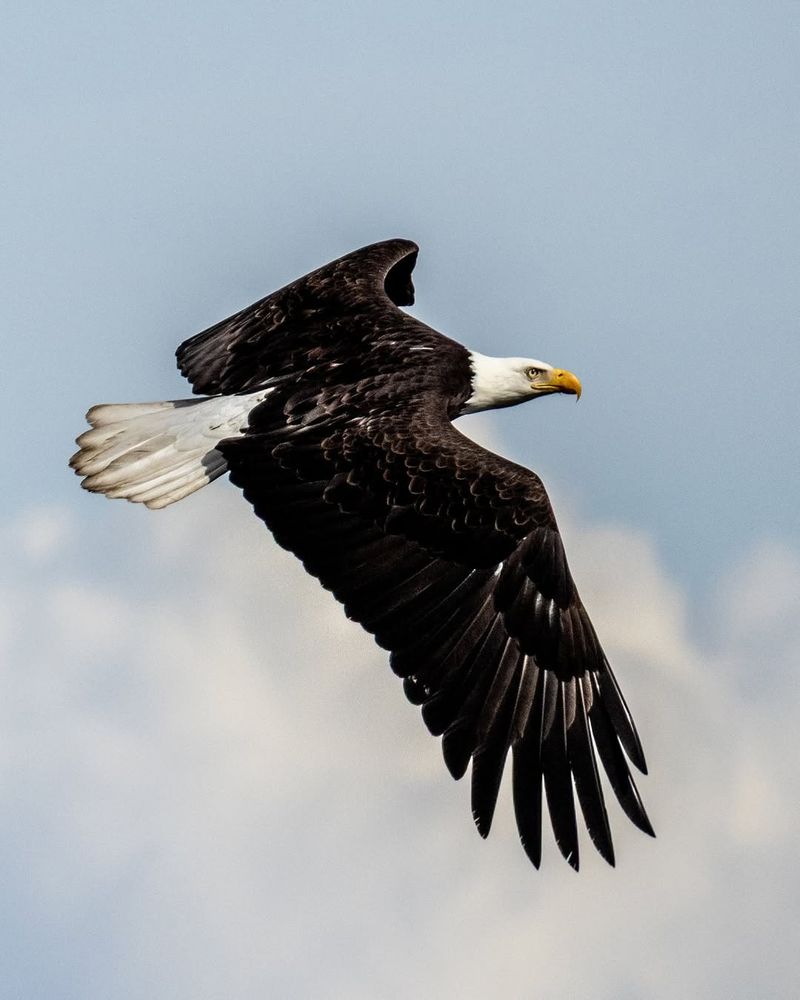
Seeing a bald eagle soar overhead or perch majestically in a nearby tree leaves lasting impressions on Michigan residents.
These powerful birds nearly vanished from the lower 48 states due to pesticide use and habitat loss.
Through determined conservation efforts including banning harmful chemicals and protecting nesting sites, bald eagles have made an incredible comeback.
Their recovery stands as proof that humans can reverse environmental damage when we commit to change.
Eagles prefer areas near water where they can hunt fish, their primary food source.
Michigan’s abundant lakes, rivers, and Great Lakes coastline provide perfect habitat.
Spotting one near your property means you live close to clean, productive waterways that support complex food chains.
Bald eagles mate for life and return to the same massive nests year after year, adding new material each season.
Some nests grow to weigh over a ton.
This dedication to home and family resonates deeply with homeowners who also invest in their properties and communities.
Eagles symbolize strength, freedom, and resilience across American culture.
Their presence in Michigan skies reminds us that determined efforts create real results.
Each eagle sighting celebrates both natural majesty and human capacity to protect what matters most.
Common Green Darner Dragonfly
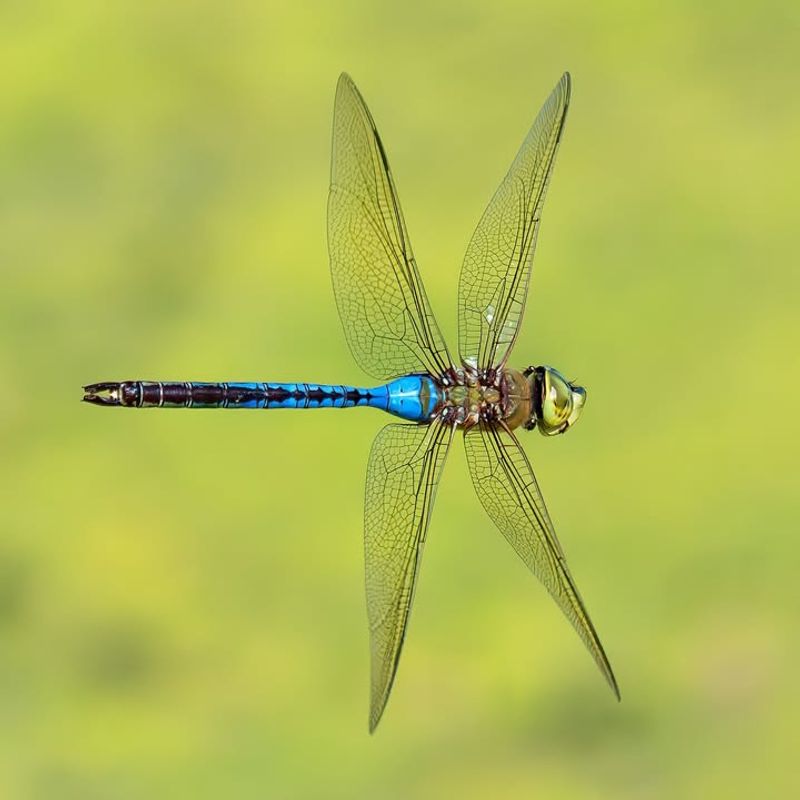
Watching a green darner dragonfly hover and dart through your yard showcases nature’s incredible engineering.
These large dragonflies with bright green thoraxes and blue abdomens are among Michigan’s most impressive insects.
Their ability to fly in any direction, hover in place, and reach speeds of 30 miles per hour makes them formidable predators of mosquitoes and other small insects.
A single dragonfly can eat hundreds of mosquitoes daily, making them valuable pest controllers.
Dragonflies spend most of their lives underwater as nymphs before transforming into flying adults.
This dramatic change from aquatic to aerial life mirrors the monarch’s metamorphosis, symbolizing transformation and adaptability.
Their presence near your property indicates nearby water sources and healthy aquatic ecosystems.
Green darners migrate long distances, with some traveling from Michigan to the southern United States and Mexico.
This surprising behavior in insects demonstrates that even small creatures undertake epic journeys.
Their seasonal movements connect diverse regions and remind us that nature operates without borders.
Many cultures view dragonflies as symbols of change, self-realization, and emotional maturity.
Their iridescent wings catch sunlight beautifully, creating flashes of color as they patrol gardens and ponds.
Seeing dragonflies regularly means your yard supports the full life cycle of these ancient insects, a sign of environmental balance and renewal.