Climbing Plants That Thrive In Virginia Shade Gardens
Shady spots in Virginia gardens often get a bad rap, but they are far from a lost cause.
Where sunlight runs thin, climbing plants can step in and steal the show.
These hardworking growers know how to make the most of what they have, reaching upward and outward to bring life to fences, walls, and trellises that might otherwise sit bare.
Many gardeners assume vines need full sun to flourish, yet plenty of climbers thrive in shade and partial light.
In Virginia’s mix of woodlands and mature neighborhoods, these plants feel right at home.
They soften hard edges, cool down spaces, and add texture where flowers struggle to perform.
Once established, they pull their weight without constant fuss.
Shade loving climbers also work double duty.
They provide privacy, reduce glare, and create a layered look that feels settled and natural.
Some offer blooms, others rich foliage, and a few even support local wildlife.
Like finding a shortcut through back roads, choosing the right climbing plants can change everything.
With smart picks and simple care, shaded Virginia gardens can climb their way from overlooked to unforgettable, proving that less sun does not mean less beauty.
1. Climbing Hydrangea
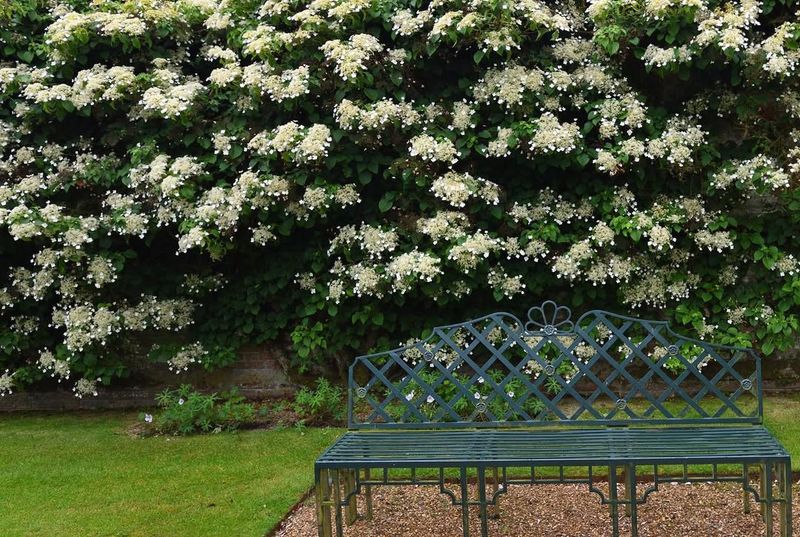
Few climbers match the elegance and reliability of climbing hydrangea when it comes to Virginia’s shaded spaces.
This deciduous vine attaches itself to surfaces using aerial rootlets, meaning you won’t need to fuss with trellises or constant tying.
Once established, it produces stunning white lacecap flowers in early summer that seem to glow against the darker backdrop of shade.
Patience pays off with this plant, as it can take a few years to really get going.
Young climbing hydrangeas focus their energy on root development rather than showy growth, but once they settle in, they can reach impressive heights of 30 to 50 feet.
The wait is absolutely worth it when you see the cascading blooms and rich green foliage transforming a plain wall or tree trunk.
Virginia gardeners appreciate this vine’s tolerance for the state’s clay soils and humidity.
It performs best in partial to full shade and actually prefers protection from harsh afternoon sun.
The foliage turns a lovely yellow in fall before dropping, and the exfoliating bark provides winter interest with its cinnamon-colored peeling texture.
Maintenance is minimal once established, requiring only occasional pruning to keep it within bounds.
Water regularly during the first couple of years to help the roots establish deeply.
This vine works beautifully on brick homes, stone walls, or even climbing up mature trees in woodland gardens throughout Virginia.
2. Virginia Creeper
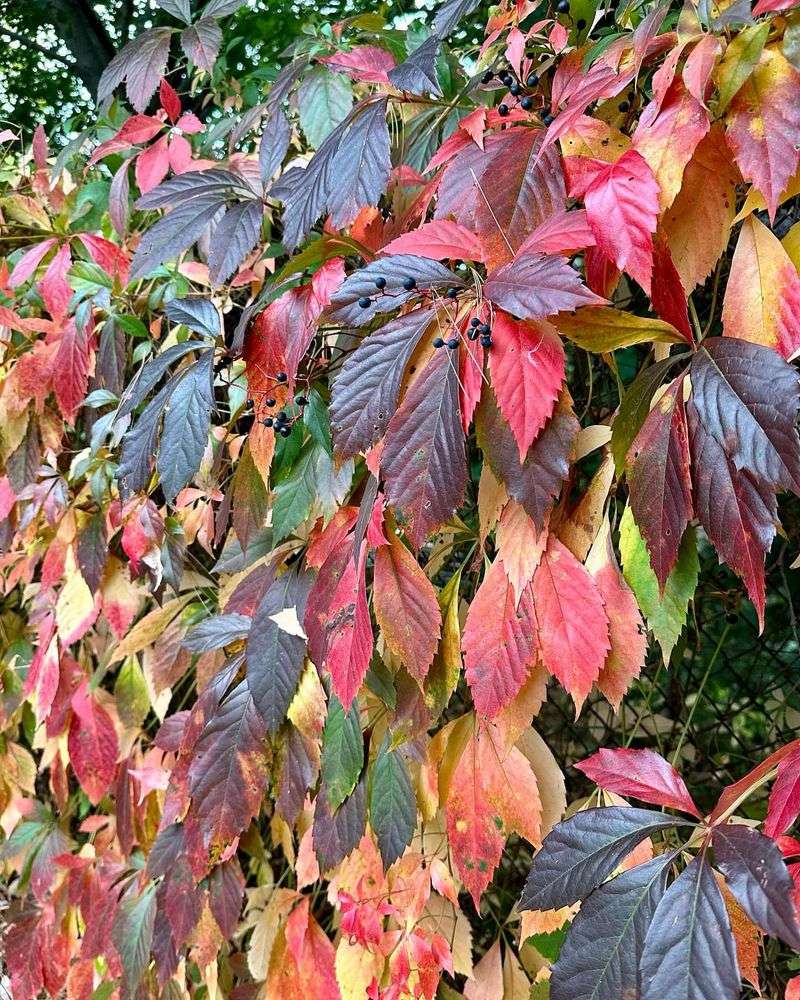
As a native plant to Virginia, this vigorous climber feels right at home in local shade gardens and requires almost no special care.
Virginia creeper features distinctive five-leaflet compound leaves that create a dense, textured blanket over whatever surface it climbs.
Its tendrils have small adhesive disks that grip onto bark, brick, or wood with impressive strength.
This fast-growing vine can quickly cover an unsightly fence or shed, adding instant greenery to shaded corners of your property.
Your Virginia Garden Changes Every Week. Your Plan Should Too.
Gardening in Virginia changes quickly throughout the season. Every Friday you’ll receive a simple weekly plan showing exactly what to plant, prune, fertilize, harvest, and protect so you never miss the right timing.
Growth rates can reach 10 feet or more per year under ideal conditions, making it perfect for gardeners who want quick results.
The small, inconspicuous flowers in spring give way to dark blue berries that birds absolutely love in late summer and fall.
What truly sets Virginia creeper apart is its spectacular fall color transformation.
The leaves shift from green to brilliant shades of crimson, burgundy, and scarlet, creating a stunning display even in shaded areas where fall color is often lacking.
This seasonal show makes it a standout choice for Virginia landscapes.
Some gardeners worry about its vigorous nature, but controlling Virginia creeper is straightforward with annual pruning.
Simply cut back any growth that strays beyond your desired boundaries in late winter.
It tolerates a wide range of soil conditions and handles Virginia’s summer humidity without developing disease issues that plague less adapted plants.
3. Dutchman’s Pipe
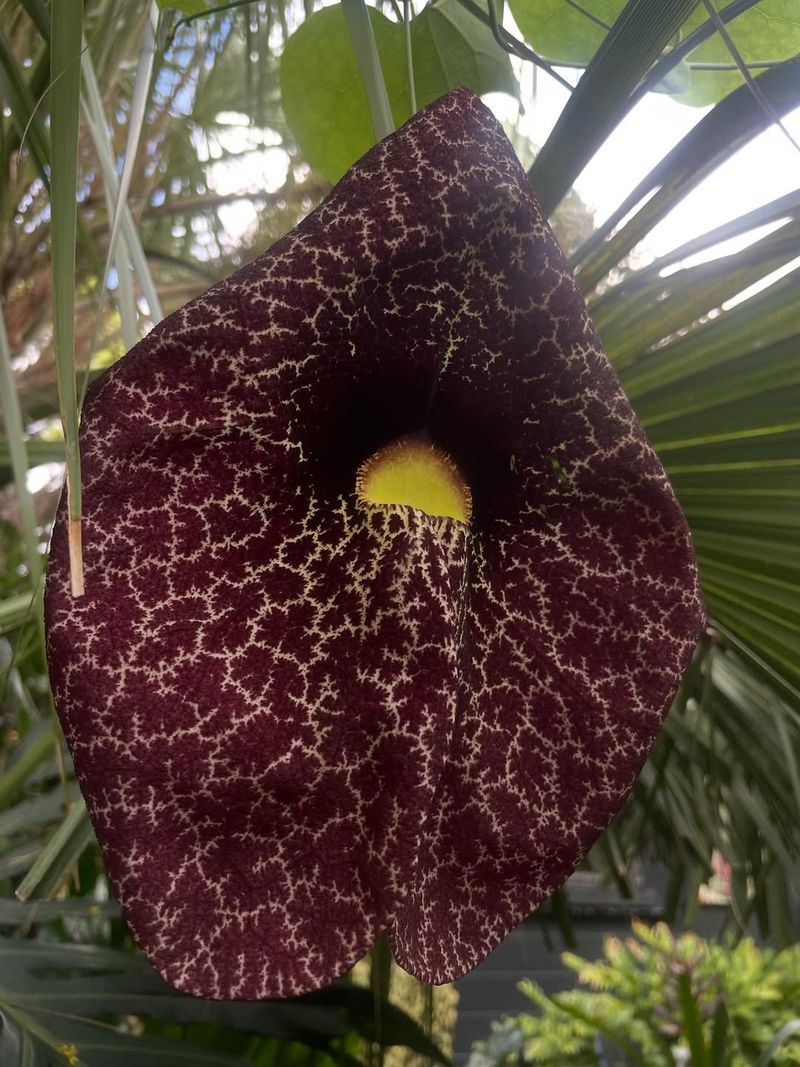
With heart-shaped leaves as big as dinner plates, Dutchman’s pipe creates an almost tropical appearance in Virginia shade gardens.
This native vine earned its quirky name from the unusual pipe-shaped flowers that appear in late spring, tucked beneath the foliage like hidden treasures.
The blooms have a curved, tubular shape that resembles old-fashioned smoking pipes, though you’ll need to look closely to spot them.
Gardeners who want to support local wildlife should definitely consider this climber.
Dutchman’s pipe serves as the host plant for the pipevine swallowtail butterfly, whose caterpillars feed exclusively on its leaves.
Watching these beautiful butterflies flutter around your shaded garden makes any minor leaf damage from caterpillars feel like a worthy trade-off.
The enormous leaves overlap like shingles, creating dense shade beneath the vine and excellent coverage for privacy screens or arbors.
This makes it particularly useful for blocking unwanted views or creating intimate garden rooms in shaded Virginia yards.
The vine can grow 15 to 30 feet in length and spreads readily once happy in its location.
Dutchman’s pipe thrives in moist, rich soil and appreciates the humidity that Virginia summers provide.
It grows well in partial to full shade and actually struggles in too much direct sunlight.
Provide sturdy support, as the large leaves and vigorous growth create substantial weight that flimsy trellises cannot handle.
4. Boston Ivy
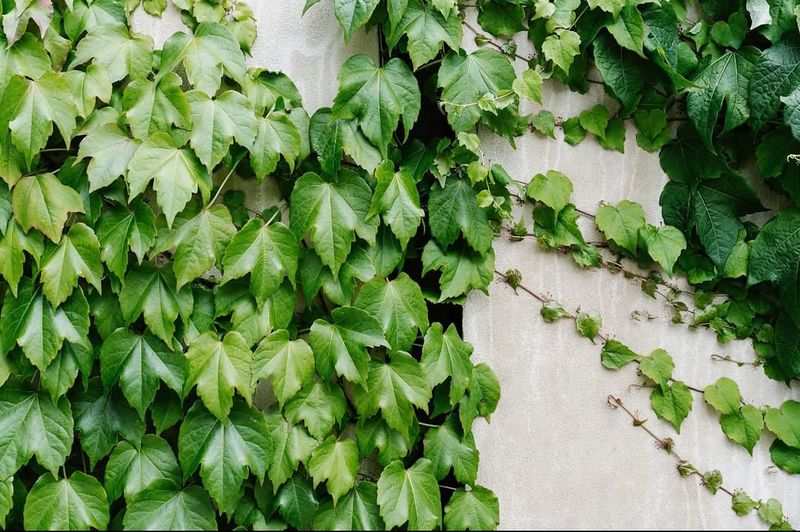
Boston ivy brings a touch of Ivy League elegance to Virginia shade gardens with its classic appearance on walls and buildings.
The three-lobed leaves create a uniform, tapestry-like effect that looks polished and intentional rather than wild or unruly.
Like climbing hydrangea, it uses adhesive disks on its tendrils to grip surfaces without needing additional support structures.
This deciduous climber truly shines in autumn when the foliage transforms into a breathtaking display of reds, oranges, and purples.
Even in shadier spots throughout Virginia, Boston ivy produces reliable fall color that rivals any full-sun plant.
The color change happens gradually, creating weeks of visual interest as different leaves shift at their own pace.
Growth is moderately fast, typically adding several feet per year once the roots establish.
Boston ivy can eventually cover entire walls, reaching heights of 30 to 50 feet if left unpruned.
The dense coverage provides excellent insulation for buildings, keeping walls cooler in Virginia’s hot summers and offering some protection during winter.
One consideration for Virginia gardeners is that Boston ivy performs best with some morning sun and afternoon shade, though it tolerates deeper shade reasonably well.
It adapts to various soil types but prefers consistent moisture, especially during establishment.
Pruning is straightforward and should be done in late winter before new growth begins to maintain the desired size and shape.
5. Crossvine
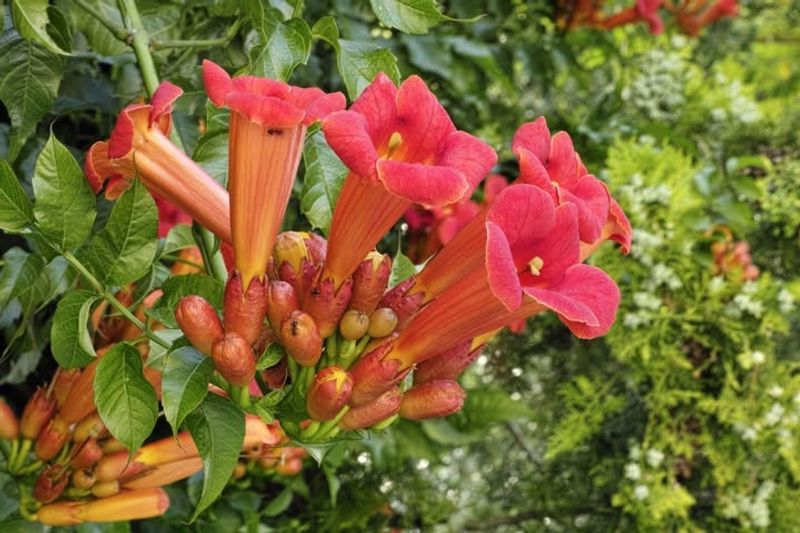
Imagine having brilliant orange-red trumpet flowers lighting up your shaded Virginia garden in spring when color is most welcome.
Crossvine delivers exactly that, with clusters of tubular blooms that hummingbirds find absolutely irresistible.
This southeastern native evergreen vine brings year-round foliage and spectacular spring color to spaces that many flowering climbers would ignore.
The name comes from the cross-shaped pattern visible when you cut the stem in cross-section, though most gardeners are too busy enjoying the flowers to investigate.
Blooms appear in April and May throughout Virginia, creating a stunning contrast against the dark green leaves.
Some varieties even offer a lighter rebloom in fall, extending the flowering season considerably.
Crossvine’s evergreen nature makes it particularly valuable for maintaining visual interest during Virginia winters when many other climbers look bare and dormant.
The leaves may take on bronze or purple tints in cold weather, adding subtle seasonal variation.
This vine grows 20 to 30 feet long and climbs using tendrils that wrap around supports rather than clinging directly to walls.
Partial shade suits crossvine perfectly, though it tolerates deeper shade with slightly reduced flowering.
Virginia’s native soil conditions match its preferences well, and once established, it handles both drought and humidity admirably.
Provide a trellis, fence, or arbor for the tendrils to grasp, and prune lightly after flowering to maintain shape and encourage bushier growth the following year.
6. Japanese Hydrangea Vine
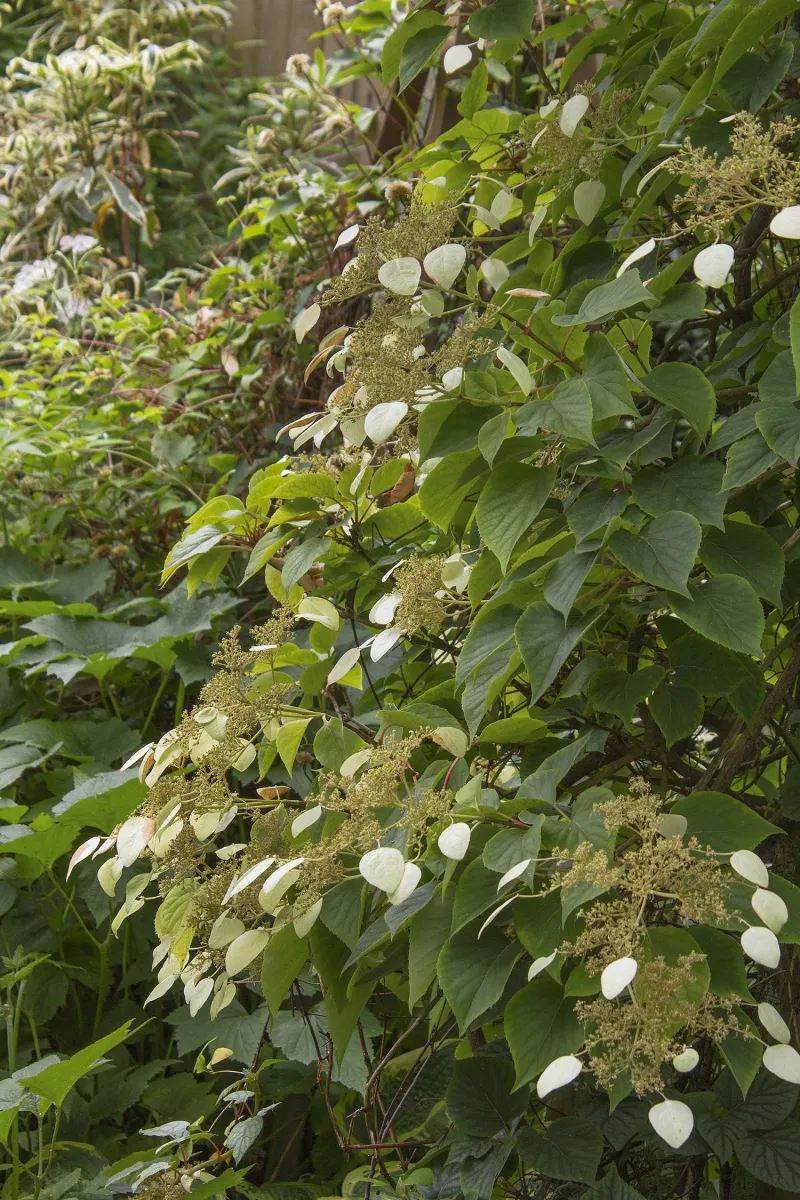
Often confused with its cousin climbing hydrangea, Japanese hydrangea vine offers a more delicate appearance with slightly different flower structures.
The white blooms feature showy sepals that dangle around the flower clusters like elegant decorations, creating an even lacier effect.
This refined look appeals to gardeners who want sophistication without overwhelming their shaded Virginia spaces.
Like climbing hydrangea, this vine takes time to establish but rewards patient gardeners with decades of reliable beauty.
The glossy, heart-shaped leaves create attractive coverage throughout the growing season, and the vine can reach 30 feet or more when mature.
It attaches to surfaces using aerial rootlets, making it self-supporting on textured walls, fences, or tree trunks.
Japanese hydrangea vine actually blooms slightly earlier than climbing hydrangea, usually in late spring throughout Virginia.
This timing difference means you could plant both species for extended flowering if you have multiple shaded areas to cover.
The flowers attract beneficial insects and add a sweet, subtle fragrance to the garden.
Shade tolerance is excellent, with the vine preferring protection from hot afternoon sun that can scorch the leaves.
Virginia’s humid climate suits it perfectly, and it handles the state’s clay soils better than many imported plants.
Water consistently during the establishment period, then reduce frequency as the deep roots develop and the plant becomes more self-sufficient.
7. Chocolate Vine
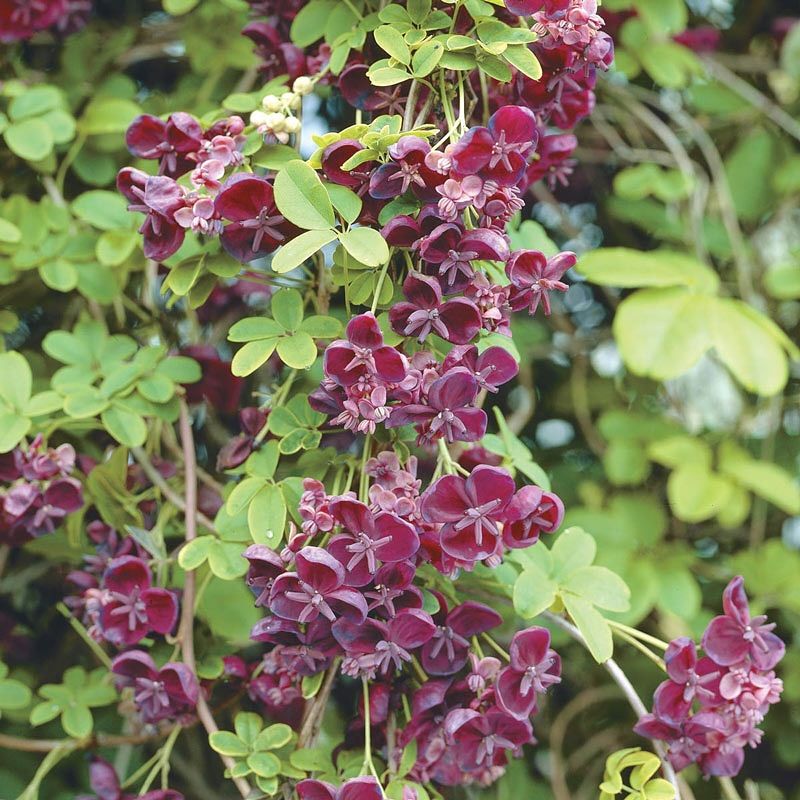
Your nose will notice chocolate vine before your eyes do when the unusual dark purple flowers bloom in spring.
The flowers emit a subtle vanilla-chocolate fragrance that gives this Asian import its common name, though opinions vary on just how chocolatey the scent actually is.
Regardless of the exact aroma, the unique coloring and delicate structure of the blooms make them conversation starters in Virginia shade gardens.
This semi-evergreen vine features compound leaves with five leaflets that create an airy, refined texture throughout the season.
In milder Virginia winters, the foliage persists, providing year-round coverage.
During colder years, it may drop leaves but quickly rebounds in spring with vigorous new growth that can add 15 to 20 feet in a single season.
Chocolate vine occasionally produces edible purple fruits that look somewhat like small purple sausages when pollination conditions align perfectly.
The fruits have a mild, slightly sweet flavor, though they’re more of a novelty than a major harvest.
Birds and wildlife show interest in them when they appear in late summer or early fall.
Partial shade works best for chocolate vine in Virginia, as too much sun can cause the delicate leaves to bleach and look stressed.
It twines around supports, so provide a fence, arbor, or trellis with vertical elements.
Some gardeners find it grows too enthusiastically and requires regular pruning to keep it in check, but this vigor means quick coverage for problem areas in your shade garden.
8. Trumpet Honeysuckle
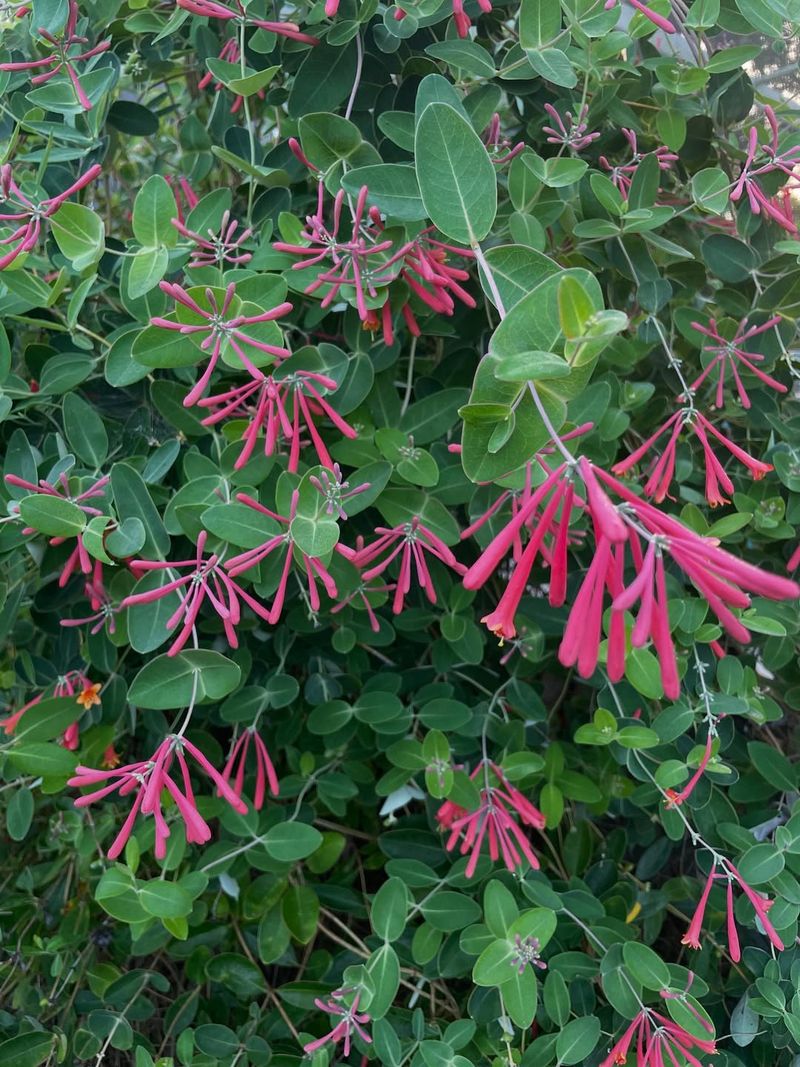
Hummingbirds will become regular visitors when you plant trumpet honeysuckle in your Virginia shade garden.
The tubular red-orange flowers appear in waves from late spring through summer, providing consistent nectar for pollinators throughout the growing season.
Unlike its invasive Japanese honeysuckle cousin, this native species behaves well in gardens and supports local ecosystems rather than overwhelming them.
The blue-green foliage provides attractive contrast to the bright blooms and remains healthy-looking throughout Virginia’s humid summers.
Trumpet honeysuckle climbs by twining around supports, reaching lengths of 10 to 15 feet at maturity.
It grows at a moderate pace, filling in spaces without becoming aggressive or requiring constant maintenance.
After the flowers fade, small red berries appear that birds find delicious, adding another layer of wildlife value to this versatile climber.
The berries persist into fall and winter, providing food when other sources become scarce.
Watching birds feast on the berries adds movement and life to your garden during the quieter seasons.
Partial shade suits trumpet honeysuckle perfectly throughout Virginia, though it tolerates sunnier spots with adequate moisture.
It adapts to various soil types and handles both clay and sandy conditions once established.
Pruning needs are minimal, but you can shape it in late winter if desired to encourage bushier growth and more flowering stems for the upcoming season.