The Rare Brain Cactus Becoming A Favorite Among California Collectors
In California’s plant-collecting circles, there’s a new obsession—and it’s anything but ordinary.
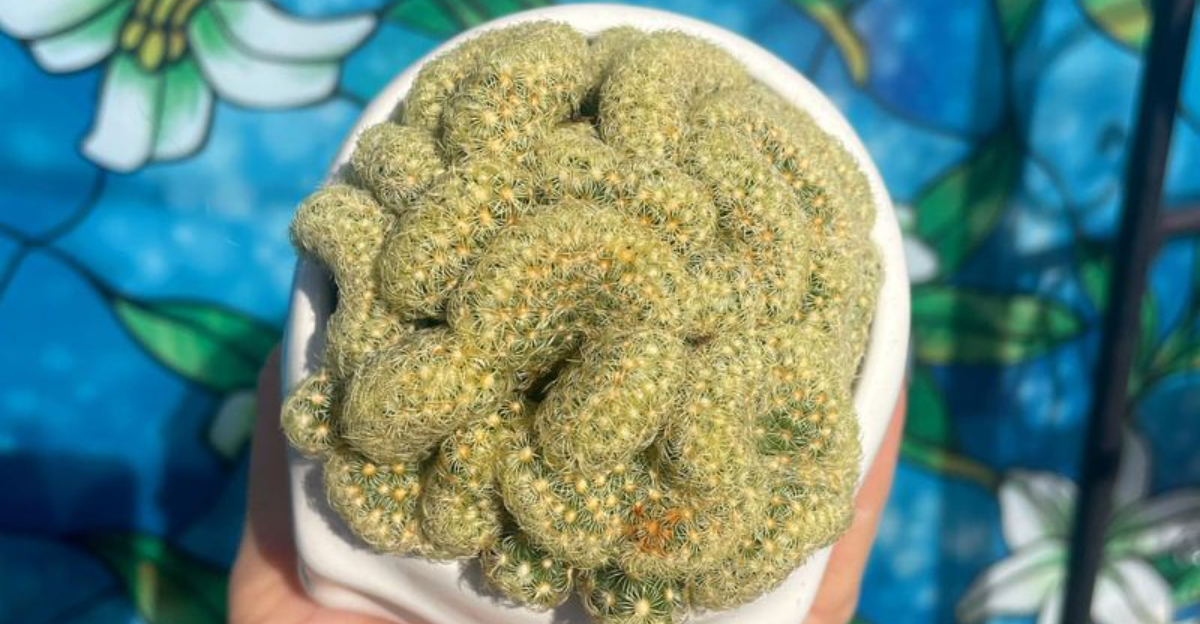
The brain cactus, with its twisted, maze-like ridges, looks more like modern sculpture than a living plant.
Rare, slow-growing, and undeniably strange, it’s capturing the hearts of collectors who crave the unusual.
This cactus doesn’t follow the rules. Its contorted form develops over time, making each specimen one of a kind.
No two look exactly alike, which only adds to the allure.
For collectors, owning one feels like holding a living artwork—part botany, part conversation piece.
California’s climate gives this cactus a fighting chance, especially in controlled environments where light and drainage are just right.
As interest grows, so does appreciation for its patience-testing growth and unique beauty.
In a world of fast trends, the brain cactus stands as a reminder that rarity, character, and a little weirdness never go out of style.
Brain Cactus Is One Of The Rarest Mutated Cacti In Cultivation
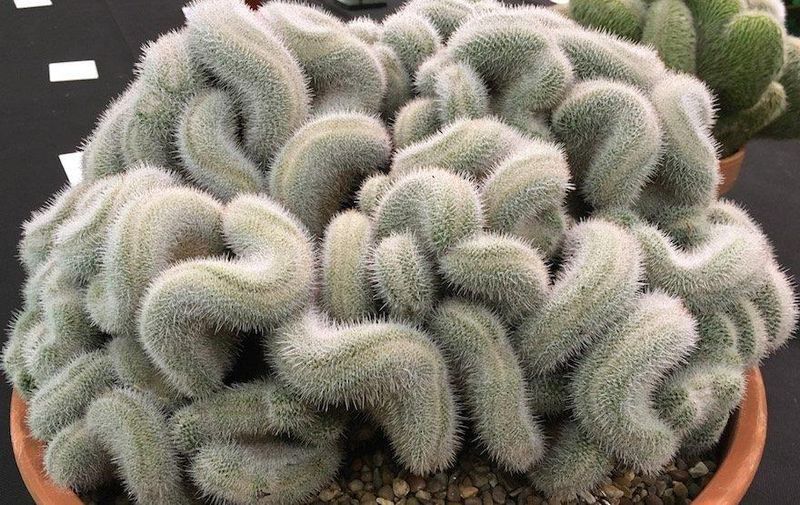
Mammillaria elongata takes on a completely different personality when it develops a crested mutation.
Instead of growing in the typical columnar shape, the brain cactus forms tight, folded ridges that resemble the surface of a human brain.
This transformation happens because of a rare genetic change during growth.
In nature, fasciation occurs only occasionally, making these specimens incredibly hard to find in the wild.
Commercial growers can’t easily reproduce the crested form through seeds, so most brain cacti are propagated by careful division or grafting.
This limited availability drives up demand among serious collectors who value rarity.
California’s thriving cactus community has embraced the brain cactus as a symbol of botanical uniqueness.
Owning one signals a collector’s dedication to rare and unusual species.
Because each plant grows slightly differently, no two brain cacti look exactly alike.
This individuality adds even more appeal for those who appreciate living art.
Nurseries that carry brain cactus often sell out quickly, and collectors sometimes wait months for new stock.
The combination of natural rarity, propagation challenges, and striking appearance makes the brain cactus a true gem in any collection.
Its Unusual Shape Is A Natural Genetic Mutation
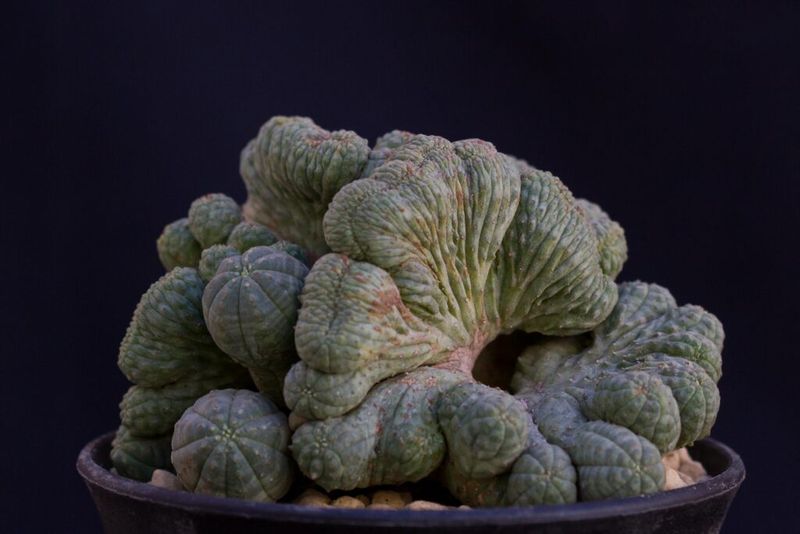
Fasciation is a naturally occurring mutation that changes how a plant grows.
Normally, cacti have a single growing point at the tip, but fasciation causes the growth point to spread into a long, wavy line.
This creates the folded, brain-like appearance that makes this cactus so memorable.
Scientists believe fasciation can be triggered by environmental stress, injury, or random genetic variation.
Once the mutation occurs, the plant continues to grow in this unusual pattern.
California collectors are drawn to fasciated plants because they represent nature’s unpredictability and creativity.
The brain cactus’s ridges and valleys give it texture and depth that flat or round cacti lack.
Every fold catches light differently, creating visual interest from every angle.
This natural sculpture appeals to plant lovers who want something conversation-worthy in their collections.
Because the mutation is stable, the brain cactus will keep its distinctive shape as it matures.
Your California Garden Changes Every Week. Your Plan Should Too.
Gardening in California changes quickly throughout the season. Every Friday you’ll receive a simple weekly plan showing exactly what to plant, prune, fertilize, harvest, and protect so you never miss the right timing.
Collectors appreciate knowing their plant will remain unique throughout its lifetime.
The fascination with fasciation has grown alongside California’s booming interest in rare succulents and cacti.
Brain cactus enthusiasts often share photos online, fueling curiosity and inspiring others to start their own search for this remarkable mutation.
Perfect Fit For California’s Dry Climate
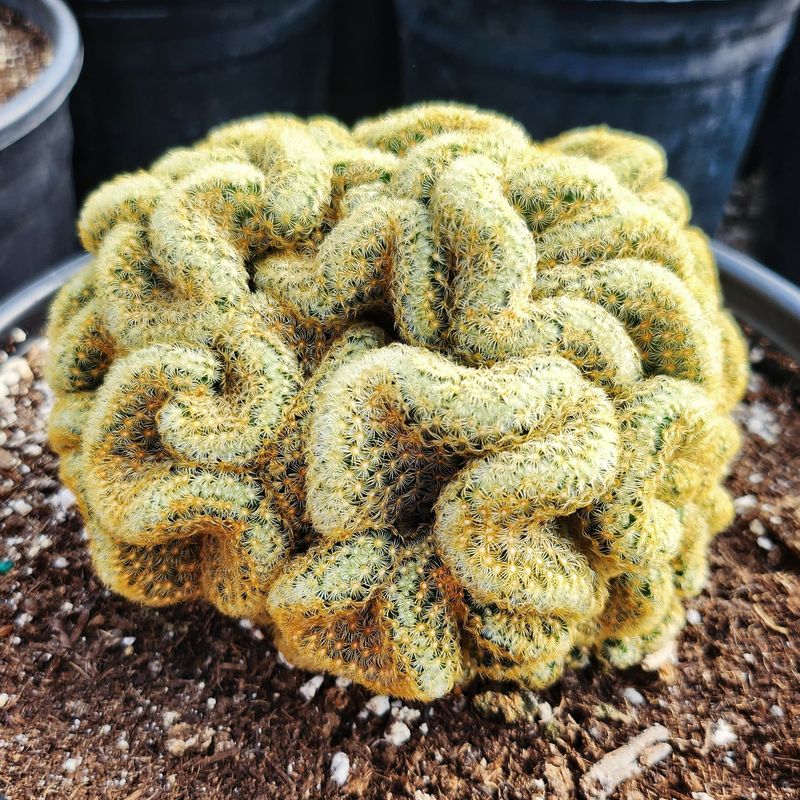
California’s climate mirrors the desert conditions where Mammillaria elongata naturally thrives.
Low humidity, abundant sunshine, and warm temperatures create an ideal environment for brain cactus cultivation.
Unlike tropical plants that struggle in California’s dry air, the brain cactus feels right at home.
Gardeners don’t need to worry about misting, humidifiers, or special moisture management.
The plant’s native habitat in Mexico features similar conditions, so it adapts easily to California gardens and homes.
Bright, indirect light or full sun encourages healthy growth and maintains the plant’s compact form.
California’s mild winters allow many collectors to keep their brain cacti outdoors year-round, especially in coastal and southern regions.
Even in cooler areas, bringing the plant indoors during cold snaps is simple because of its small size.
The brain cactus doesn’t require the constant attention that moisture-loving plants demand.
This ease of care makes it perfect for busy collectors who want stunning plants without high maintenance.
California’s environmental conditions naturally support the brain cactus’s health and longevity.
Collectors appreciate plants that thrive rather than merely survive, and the brain cactus delivers exactly that.
Its adaptability to California’s climate has helped it become a staple in collections from San Diego to San Francisco.
Thrives In Containers And Small Spaces
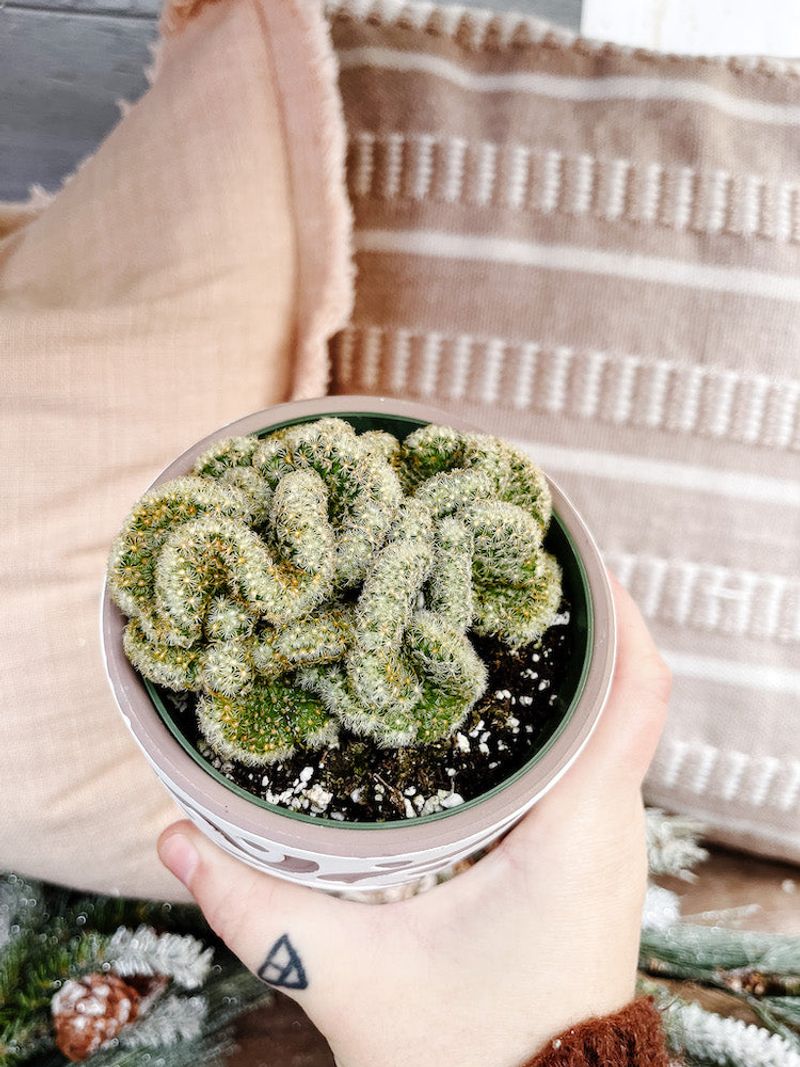
Urban living in California often means limited gardening space, but the brain cactus fits perfectly into compact environments.
Its slow growth and small size make it ideal for apartments, condos, and homes with tiny yards.
A single brain cactus can live happily in a four-inch pot for years without outgrowing its container.
This makes it a practical choice for collectors who want to maximize their plant diversity without needing a large yard.
Patios, balconies, and windowsills become mini desert gardens when adorned with brain cacti and other small succulents.
The plant’s shallow root system adapts well to container life, and it doesn’t need deep pots or large planters.
California collectors often create curated displays featuring multiple rare cacti in matching or complementary pots.
The brain cactus becomes a focal point in these arrangements because of its distinctive texture and form.
Indoor placement near a south or west-facing window provides the bright light the plant craves.
Containers also offer flexibility—collectors can move their brain cactus to follow the sun or protect it from unexpected weather.
For renters or those who move frequently, container-grown brain cacti are easy to transport without damage.
This portability and space efficiency have made the brain cactus a favorite among California’s growing urban plant community.
Slow Growth Adds To Its Collectible Value
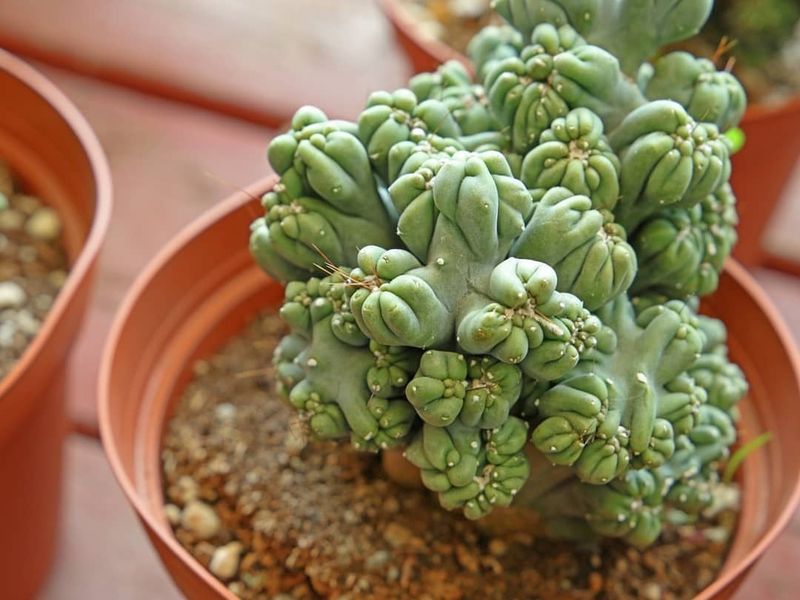
Patience becomes a virtue when growing a brain cactus, and collectors find this slow pace deeply rewarding.
Unlike fast-growing succulents that can double in size within months, the brain cactus takes its time developing new ridges and folds.
This gradual growth means mature specimens are relatively rare and command higher prices.
Collectors who invest in a young brain cactus know they’re nurturing something that will appreciate in both size and value over years.
The slow development also means the plant remains manageable and doesn’t quickly outgrow its designated space.
California’s cactus enthusiasts often view their brain cacti as long-term companions rather than temporary decorations.
Watching subtle changes unfold over months creates a deeper connection between collector and plant.
Each new fold or growth spurt feels like a small victory worth celebrating.
The brain cactus’s leisurely pace also reduces the risk of common growing problems like stretching or weak growth.
Because it grows slowly, it develops strong, dense tissue that looks healthy and attractive.
Collectors appreciate plants that reward careful attention and consistent care over time.
The brain cactus delivers exactly that kind of satisfaction.
Its slow growth has become part of its charm, separating serious collectors from casual plant buyers who want instant gratification.
Low Water Needs Appeal To Drought-Conscious Gardeners
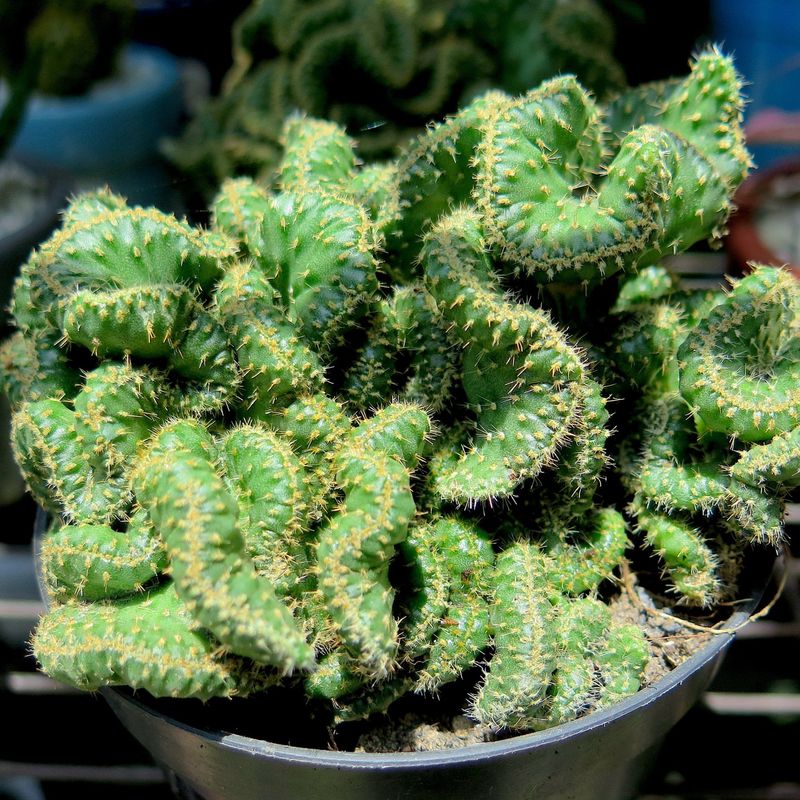
California’s ongoing water challenges have shifted gardening culture toward drought-tolerant plants, and the brain cactus fits perfectly into this movement.
This cactus requires minimal watering—typically once every two to three weeks during the growing season and even less in winter.
Overwatering poses a bigger threat than underwatering, so conservative watering practices actually benefit the plant.
California collectors appreciate plants that align with responsible water use and environmental consciousness.
The brain cactus stores moisture in its thick, folded tissue, allowing it to survive extended dry periods without stress.
This natural adaptation makes it one of the most forgiving plants for forgetful or busy gardeners.
Well-draining soil mixes containing gravel, pumice, or coarse sand help prevent water retention and root rot.
These soil components are readily available at California nurseries that specialize in succulents and cacti.
Collectors often customize their soil blends to match their local climate and watering habits.
The brain cactus’s low water requirements reduce household water consumption and lower utility bills.
For gardeners committed to sustainable practices, this cactus represents an eco-friendly choice that doesn’t sacrifice beauty.
Its ability to thrive on minimal resources has made it a symbol of smart, modern gardening in water-scarce California.
The brain cactus proves that stunning plants don’t need to be water-hungry.
Popular In High-End Nurseries And Plant Shows
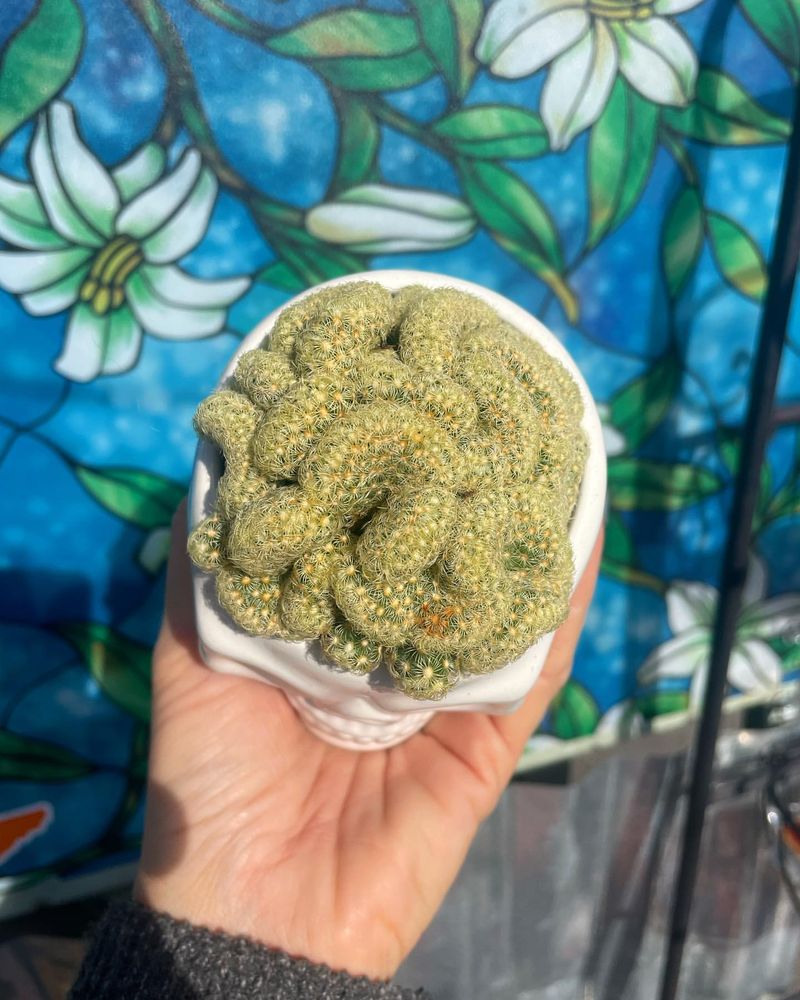
California’s specialty nurseries and cactus societies have played a major role in popularizing the brain cactus among collectors.
High-end plant shops in cities like Los Angeles, San Francisco, and San Diego often feature rare cacti in curated displays.
The brain cactus frequently takes center stage because of its visual impact and conversation-starting appearance.
Plant shows hosted by organizations like the Cactus and Succulent Society of America attract hundreds of enthusiasts eager to see rare specimens.
Brain cacti often win ribbons and awards at these events, increasing their desirability among collectors.
Seeing a brain cactus in person for the first time often converts casual plant fans into dedicated collectors.
Nursery staff and society members share care tips, propagation techniques, and sourcing information that help newcomers succeed.
These community connections have built a strong network of brain cactus enthusiasts throughout California.
Online plant groups and social media have amplified this interest, with collectors posting photos and trading tips.
The brain cactus has become something of a status symbol within California’s plant collecting circles.
Owning one signals both knowledge and dedication to the hobby.
Nurseries report that brain cacti sell quickly, often with waiting lists for new arrivals.
This visibility in retail and community spaces has transformed the brain cactus from an obscure oddity into a highly sought-after collectible.
Produces Small But Striking Flowers
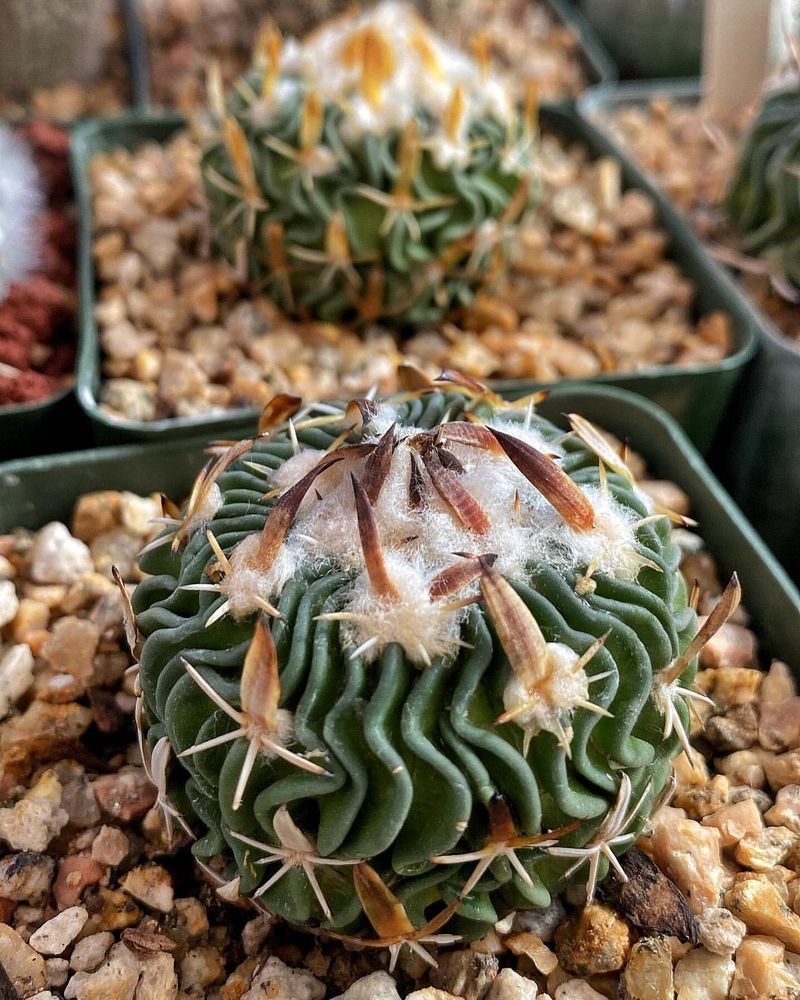
Collectors often focus on the brain cactus’s dramatic form, but its delicate flowers offer an unexpected bonus.
When conditions are right, the plant produces small, tubular blooms in shades of pink, cream, or white.
These flowers emerge from the ridges and folds, creating a stunning contrast against the green or gray-green tissue.
Blooming isn’t guaranteed every year, which makes each flowering event feel special and rewarding.
California’s bright light and temperature fluctuations between seasons can encourage blooming in mature specimens.
The flowers typically appear in spring or early summer, lasting several days before fading.
Collectors treasure photos of their brain cacti in bloom, sharing them proudly in online communities.
The combination of unusual form and delicate flowers creates a complete sensory experience.
Even without blooms, the brain cactus remains visually striking, so flowers feel like a delightful surprise rather than a necessity.
Some collectors provide a cool, dry winter rest period to encourage flowering the following spring.
This mimics the plant’s natural cycle and can increase the likelihood of blooms.
The flowers also attract pollinators like small bees when grown outdoors, adding ecological value to the plant.
For California collectors, the possibility of flowers adds another layer of interest to an already captivating plant.
Seen As A Living Sculpture
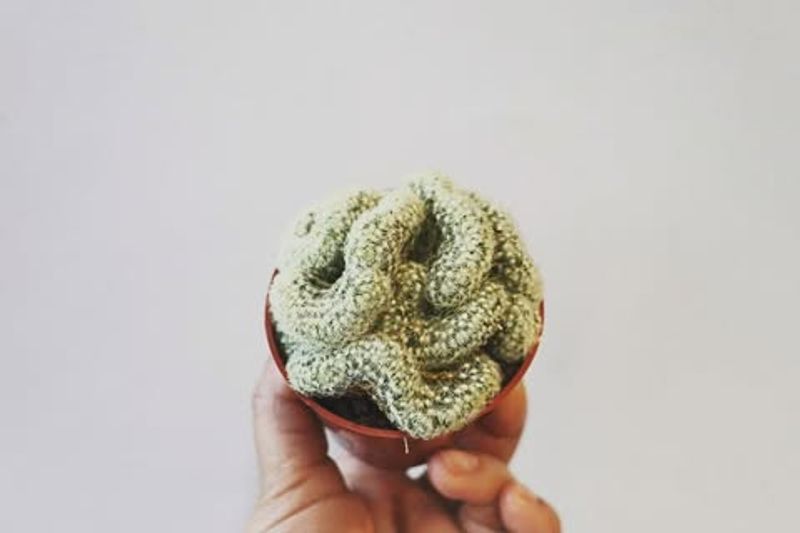
California’s design-conscious collectors increasingly view the brain cactus as functional art rather than just a plant.
Its intricate folds and organic geometry complement modern, minimalist interiors beautifully.
Designers and homeowners use brain cacti as living focal points in spaces where sculpture or art might traditionally appear.
The plant’s neutral green tones work with nearly any color palette, from stark whites to warm earth tones.
Placing a brain cactus in a simple ceramic or concrete pot enhances its sculptural qualities.
The contrast between the organic, chaotic growth pattern and clean, geometric containers creates visual tension that draws the eye.
California’s thriving interior design community has embraced rare plants as essential elements of contemporary spaces.
The brain cactus fits this trend perfectly, offering both botanical interest and aesthetic appeal.
Collectors often photograph their brain cacti against neutral backgrounds, highlighting the plant’s texture and form.
These images circulate on design blogs and social media, inspiring others to seek out their own specimens.
The brain cactus bridges the gap between horticulture and art, appealing to people who might not typically consider themselves plant enthusiasts.
Its sculptural presence transforms any space, whether a sunny windowsill, a modern office, or a carefully curated plant shelf.
For California collectors, owning a brain cactus means bringing a piece of living art into their daily lives.